There’s a traveler somewhere right now sitting in a middle seat in economy, watching a stranger settle into a wide first-class chair with a hot meal and a glass of wine – and assuming that person just got lucky. They didn’t. They knew something. Frequent flyers over 60 have quietly accumulated a set of moves, timing tricks, and one-sentence phrases that younger travelers simply haven’t had the years to discover. The gap between the middle seat and the upgrade isn’t money. It’s knowledge that nobody posts about.
What follows are the 16 secrets those seasoned flyers swear by – counted down to the single most powerful one at the top. A few of these will feel obvious in hindsight. At least two will genuinely surprise you. And one of them works even if you have zero status, zero points, and a basic economy budget.
#16 – Never Book Basic Economy If You Want Even a Shot at an Upgrade
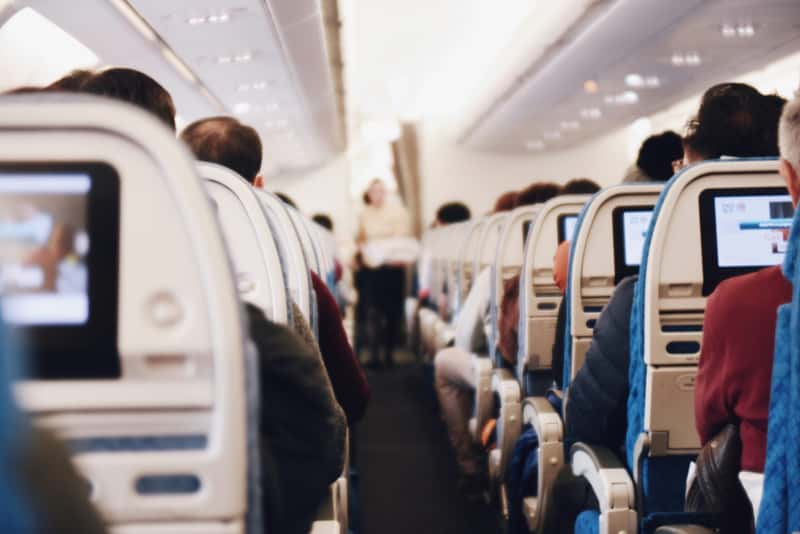
This sounds obvious until you realize how many travelers book the cheapest fare available and then wonder why upgrades never come their way. Complimentary upgrades are almost never offered on basic economy tickets – and the small price difference between basic and regular economy is real money left on the table. Experienced flyers over 60 treat that fare gap as an investment, not an expense, because they know what’s on the other side of it.
The distinction runs deeper than most people expect. Airlines use fare class to sort the upgrade eligibility list before loyalty status even enters the picture. Deeply discounted economy tickets are often excluded from upgrade eligibility entirely, or hit with a much higher upgrade price. You can have a decade of loyalty points and still get passed over because of the fare bucket you booked into. Younger travelers almost never catch this until they’re already at the gate, watching someone else walk forward.
At a Glance: Why Fare Class Changes Everything
- Basic economy fares are typically excluded from complimentary upgrade lists entirely
- Regular (non-basic) economy tickets qualify for upgrade consideration at most major U.S. carriers
- Bid-upgrade programs like those run by Plusgrade also exclude basic economy and heavily discounted fares
- The price gap between basic and standard economy is often $20–$60 on domestic routes – far less than an upgrade is worth
- Fare class sorting happens before elite status is even factored in on most airlines
#15 – Use a Seat Map Tool Before Every Single Flight Without Exception
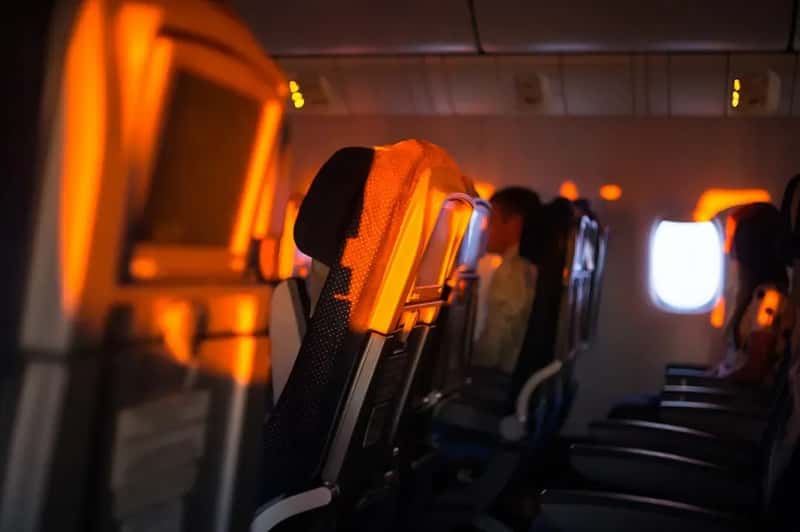
Not every seat in economy is created equal, and frequent flyers over 60 know exactly how to find the hidden gems before they ever step on a plane. SeatGuru – the longtime go-to resource for seat maps – shut down permanently in November 2025, but its best replacement, AeroLOPA, is actually better: it’s built by a licensed architect who draws every seat map to scale, revealing real legroom, exact window alignment, and which exit doors cut into seat space. That intelligence transforms a long flight even before any upgrade materializes.
For travelers over 60 specifically, choosing a seat near the bulkhead or exit row can make boarding, stretching, and bathroom access dramatically easier. Exit row seats offer more legroom but typically don’t recline, while bulkhead seats provide knee space but no under-seat storage during takeoff and landing – details that matter enormously on a five-hour flight. Veteran travelers treat the seat map the same way they treat a restaurant menu: they study it before they arrive, not after they’re already stuck in the wrong chair.
#14 – Arrive at the Gate Early Enough to Have a Real Conversation
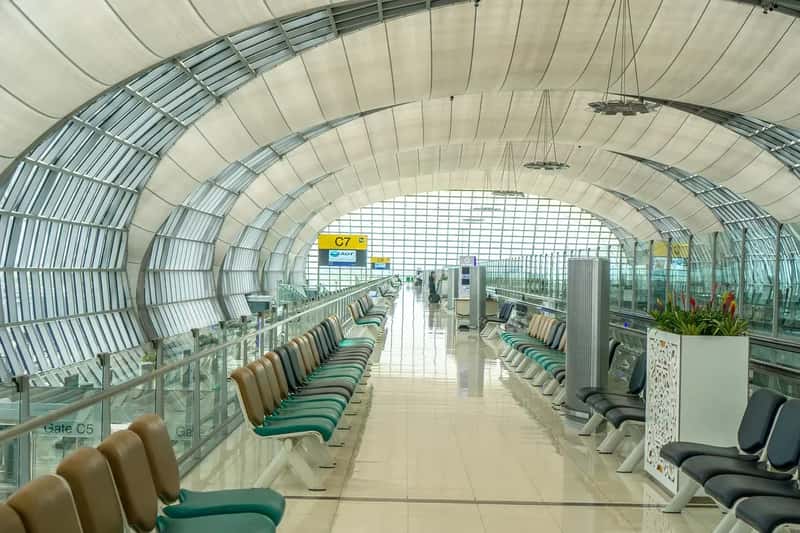
Here’s something younger travelers almost never do: arrive at the gate early enough to actually talk to the agent before the rush hits. Getting there 45 to 60 minutes ahead of boarding is the move. The upgrade list is typically being finalized around 30 to 40 minutes before departure – which means the window for a quiet, low-pressure conversation is narrow, and most passengers miss it entirely by arriving just in time to board.
By the time the average traveler shuffles toward the podium, the decisions have already been made. The experienced flyer over 60 is already settled near the gate, unhurried, and ready to have a two-minute conversation at exactly the right moment. They didn’t get there by paying more or complaining louder. They got there simply by showing up early – the single most underused move in the upgrade playbook. It costs nothing and changes everything.
#13 – Dress Intentionally – Not Formally, But Thoughtfully

Younger travelers treat the airport like a flying couch and dress accordingly. Frequent flyers over 60 have learned – sometimes the hard way – that appearance still plays a quiet role in who gets pulled aside for an upgrade. Some flight attendants have confirmed that dress does factor into upgrade decisions, and that in certain cases they’re guided not to upgrade passengers who look too casual. That doesn’t mean wearing a suit. It means being intentional about what you put on before you leave the house.
The logic is straightforward: airlines are investing their empty premium seats in people they believe will reflect well on that cabin. A clean, put-together look signals to gate agents that you belong in first class – and that signal carries real weight. Free upgrades don’t happen randomly. Airlines prioritize elite frequent flyers, passengers who check in early, travelers holding flexible tickets, and people dressed appropriately for the cabin they’re being considered for. A little thought about your outfit can do more work than most travelers ever realize.
#12 – Call the Airline Directly to Ask About Unadvertised Senior Fares

Most travelers under 40 book exclusively online, which means they only ever see publicly listed fares. That’s a significant blind spot. Airlines often carry unlisted senior travel discounts that are only available by calling and asking – the right question being something as simple as “Do you offer senior discounts for travelers over 65?” Calling the airline’s direct booking line can surface fare buckets that no search engine will ever show you.
American Airlines offers discounts of roughly 10% to 15% on select fares for passengers 65 and older, accessible through its Advanced Search feature or by phone. United Airlines also lists senior fares for passengers 65 and up on certain routes, though availability varies and is sometimes easier to confirm by calling directly. The savings can then be redirected toward booking a higher fare class, which directly improves upgrade eligibility. Spending five minutes on the phone changes the entire math of the trip. Frequent flyers over 60 make that call every single time. Most younger travelers don’t even know the call is worth making.
Fast Facts: Senior Airline Discounts (2026)
- American Airlines: 10%–15% off select fares for travelers 65+, via Advanced Search or phone
- United Airlines: Senior fares available for 65+ on select routes – call 1-800-864-8331 to confirm
- Delta Air Lines: Limited age-based discounts on select routes; best accessed by calling directly
- AARP membership (from age 50) unlocks additional savings including British Airways discounts up to $200 off round-trip flights
- Pro tip: Always ask the agent to compare the senior fare against current web specials – the sale fare sometimes wins
#11 – Monitor the Upgrade Bidding Window – Especially 72 Hours Out
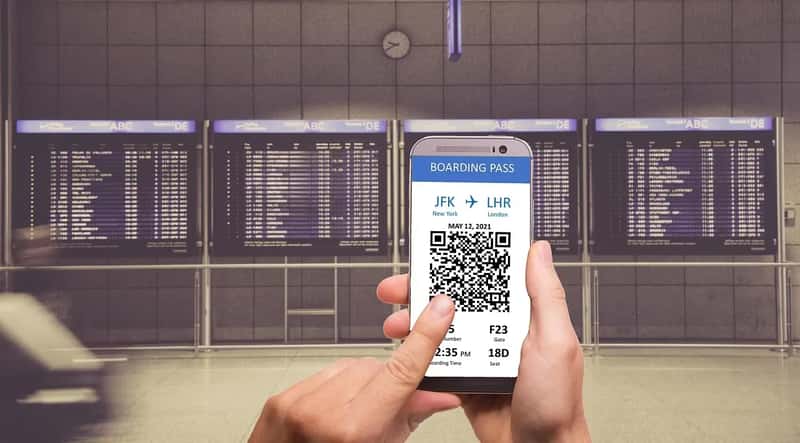
One of the most underused tools in the modern upgrade toolkit is the airline bidding system, and travelers over 60 with flexible schedules are perfectly positioned to take advantage of it. More than 50 airlines now run auction-style upgrade programs – many powered by a third-party company called Plusgrade – that let economy passengers name their price for premium economy, business class, or even first class. You check your reservation for a bidding option, submit an offer within a specified range, and if accepted, you land a premium seat at a fraction of its listed price.
Timing matters enormously here. Most airlines require bids to be submitted at least 72 hours before departure, and confirmation typically arrives one to two days before the flight. Notably, the three largest U.S. carriers – United, Delta, and American – currently do not offer upgrade bidding programs, making this strategy especially relevant for international flights on carriers like Lufthansa, Air Canada, Aer Lingus, and Singapore Airlines. The trick is knowing which routes are likely to have soft premium demand – and targeting those specifically when planning travel. That pattern recognition is exactly what years of flying teaches you.
#10 – Fly Midweek to Stack the Upgrade Odds in Your Favor
There’s a reason veteran travelers with scheduling flexibility almost never fly on a Sunday. Midweek flights – particularly Tuesday and Wednesday – consistently offer better upgrade opportunities than Friday or Sunday departures, when premium demand from business travelers peaks. When the suits are gone and the leisure crowd hasn’t arrived yet, first-class cabins sit with open seats and airlines get motivated to fill them. That’s the window experienced flyers deliberately aim for.
According to a 2025 Google Flights report, Monday through Wednesday flights run about 13% cheaper on average than weekend travel – savings that can go straight toward a paid upgrade or a higher fare class. Frequent flyers over 60 who have the flexibility to shift a trip by a day or two consistently report better upgrade outcomes on these lighter travel days. It’s not a guaranteed formula, but it tilts the odds – and tilting the odds is exactly what separates the traveler who upgrades from the one who watches someone else do it.
Quick Compare: Best vs. Worst Days to Fly for Upgrades
- Best days: Tuesday and Wednesday – lowest business-traveler competition, softest premium demand
- Good days: Monday morning and Saturday midday – moderate traffic on most routes
- Harder days: Thursday evening and Sunday – heavy leisure return traffic
- Worst days: Friday afternoon and holiday Sundays – premium cabins fill earliest, upgrade lists close fast
#9 – Volunteer for a Bump – Then Negotiate the Upgrade on Your New Flight
Most travelers treat an oversold flight like a minor catastrophe. Frequent flyers over 60 treat it like an opportunity they’ve been quietly waiting for. When gate agents ask for volunteers to give up their seat and take a later flight, experienced travelers step forward – with one specific goal already in mind. The flight voucher or travel credit is nice. The upgrade on the new flight is the real prize.
Gate agents can be limited in how much monetary compensation they’re authorized to offer, but a seat upgrade on the replacement flight is often a sweetener they can approve quickly and easily. The key is staying calm and pleasant while everyone around you is frustrated – because that’s precisely when gate agents have the most goodwill to distribute and the least patience for difficult passengers. The traveler who volunteers with a smile, thanks the agent genuinely, and asks quietly about upgrade availability on the next flight is the one who boards it in row two.
#8 – Use a Premium Travel Credit Card to Offset Upgrade Costs Entirely
Younger travelers think of upgrade costs as coming straight out of pocket. Veteran flyers over 60 have often already paid for the upgrade through points and credits they earned buying groceries and gas – meaning the upgrade effectively costs them nothing. Several premium travel credit cards offer annual airline fee credits or miles redeemable against qualifying travel expenses, turning what looks like a $150 upgrade into a $0 upgrade with the right card in your wallet.
Cards like the Capital One Venture Rewards allow cardholders to redeem miles as statement credit to offset upgrade charges within 90 days of purchase. Many premium cards also throw in airport lounge access, companion tickets, or priority boarding – perks that compound the value of every single trip. The annual card fee tends to pay for itself the first time you use an upgrade credit. Travelers who’ve done this math once never go back to paying out of pocket again.
#7 – Request a Courtesy Lounge Pass During Long Delays or Layovers

Most passengers stuck in a three-hour delay sit in terminal chairs and stare at their phones. Frequent flyers over 60 walk up to the customer service desk and ask a completely different question. When a flight is significantly delayed, quietly asking the airline’s customer service team for a courtesy lounge pass – mentioning your age and the extended wait – is a legitimate move that works far more often than most people expect.
You don’t need a first-class ticket or an elite membership to access airport lounges. Many lounges offer discounted or complimentary day passes to senior travelers, and AARP, AAA, and certain credit cards can also unlock entry. Simply asking lounge staff whether they have a senior day pass or an age-based access policy is worth the 30 seconds it takes. The worst answer is no. But experienced travelers report hearing yes – especially after a disruption when the airline owes you something – often enough that it’s always worth asking.
Worth Knowing: Lounge Access Without Elite Status
- Priority Pass (included on several premium credit cards) grants access to 1,300+ lounges worldwide
- AARP membership can unlock discounted or complimentary lounge day passes at select airports
- Airline customer service desks can issue courtesy passes during significant delays – just ask calmly
- Many lounges sell walk-in day passes for $30–$75; worth comparing against a long terminal wait
- Arriving at the lounge desk early during a disruption – before the crowd – dramatically improves your odds
#6 – Stack Loyalty Points Through Everyday Spending, Not Just Flights
The biggest misconception younger travelers carry about loyalty programs is that meaningful points can only be earned by flying constantly. Frequent flyers over 60 abandoned that idea years ago. Airline-specific credit cards that award bonus miles on groceries, gas, dining, and everyday purchases can generate hundreds of thousands of miles per year without stepping on a single plane. That mileage then converts directly into upgrades – often at a fraction of the cost of a full-price premium ticket.
Some airline programs even offer bonus miles for travelers over a certain age, and partner programs tied to hotel chains or major retailers let you accelerate earning in ways that rarely get talked about. Sign-up bonuses alone on some premium cards can be enough for a first-class upgrade on a domestic route. Younger travelers often miss these partner-earning opportunities entirely because they’re not looking for them. Travelers over 60 who’ve been inside these programs for years know exactly where to look – and they earn accordingly.
#5 – Use Status Match Challenges to Jump to Elite Status Fast
One of the most powerful secrets in the upgrade playbook is nearly invisible to travelers who’ve never heard of it. If you already hold elite status with one airline, a competing carrier will often match you to equivalent status – for free – just to earn your business. Delta’s Medallion Status Match Challenge, for example, grants travelers the equivalent Medallion Status for 90 days complimentary if they hold active elite status elsewhere, with a path to extend it by meeting activity requirements during that window.
United Airlines updated its MileagePlus Premier Status Match Challenge for 2026, allowing qualifying elite members of other programs to receive complimentary United status for up to 120 days. A status match unlocks lounge access, priority boarding, extra baggage allowance, and fast-track upgrade eligibility – without meeting the usual annual flying requirements. Frequent flyers over 60 have used this move to leapfrog years of status-building in a single registration. Most younger travelers have no idea this option even exists until someone who’s been flying for decades tells them about it.
#4 – Be Genuinely Kind to Gate Agents – Not Strategically Polite
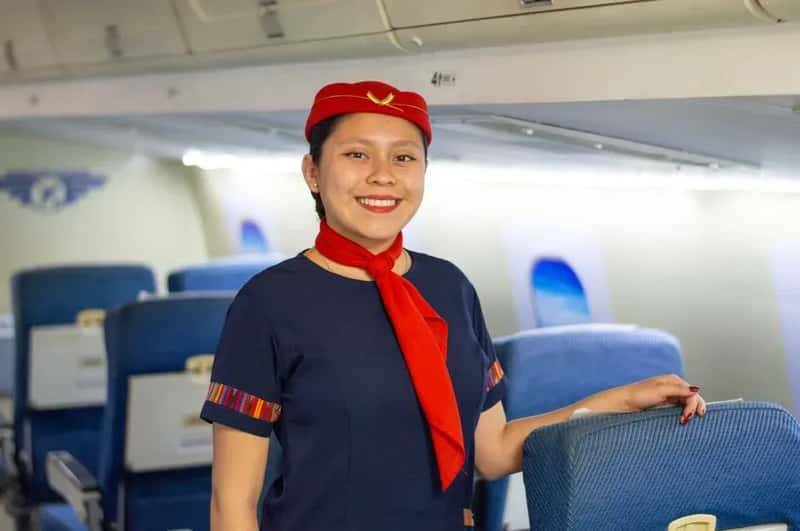
There’s a version of this tip that gets recited constantly – “be nice to get an upgrade” – and then there’s the deeper truth that experienced flyers actually understand. Performative friendliness doesn’t fool anyone who works a gate podium eight hours a day. Real kindness does. Smiling, making genuine eye contact, saying please and thank you, and treating airline employees like actual human beings – not obstacles – creates an impression that is rare enough to be remembered.
Kindness goes a long way in getting upgraded seats. Gate agents deal with hundreds of stressed, short-tempered passengers every shift. The calm, pleasant traveler who actually asks how their day is going stands out immediately.
Collected wisdom from veteran frequent flyers
If a flight attendant watches you be rude during boarding, your upgrade chances have already evaporated. Conversely, the passenger who is calm, patient, and easy to work with gets remembered for all the right reasons – and that memory gets acted on when premium seats need to be filled. Travelers over 60 who’ve been flying for decades don’t describe this as a tip. They describe it as the whole game.
#3 – Consolidate All Loyalty to One Airline and One Alliance

The single most expensive mistake most casual travelers make isn’t overpaying for a ticket – it’s spreading their flying across five different airlines and reaching meaningful status with none of them. Frequent flyers over 60 figured this out early, and it permanently transformed their upgrade rate. The math is simple: loyalty concentrated delivers real benefits. Loyalty scattered disappears into thin air.
Achieving mid-tier elite status – Gold or Platinum – with one major airline typically requires 25,000 to 50,000 qualifying miles per year, or roughly 10 to 20 domestic round-trip flights. That’s achievable for someone taking six or eight trips annually. A 2024 analysis by airline industry researchers estimated that leveraging elite status for upgrades produces an average annual value of around $3,500 for frequent travelers, factoring in monetary savings and enhanced travel experiences. Every mile flown on a competing carrier to save $30 is a mile that doesn’t count toward the status that pays you back ten times over.
Fast Facts: What Elite Status Actually Gets You
- Gold status (roughly 25,000 qualifying miles/year) unlocks complimentary upgrade waitlist priority at most major carriers
- Platinum status typically means same-day upgrade requests clear before non-status passengers regardless of check-in time
- Alliance membership (Star Alliance, SkyTeam, Oneworld) means your status travels with you across partner carriers internationally
- Mid-tier status also adds priority boarding, free checked bags, and bonus miles – compounding value on every trip
#2 – Know the Exact Phrase That Unlocks Early Boarding as a Senior

This one genuinely surprises travelers who’ve never tried it. You don’t need elite status, a premium ticket, or a documented medical condition to board early when you’re over 60. You just need to know what to say – and when to say it. The phrase is “courtesy boarding,” and it’s a real policy at multiple major U.S. carriers. United introduced a formal Courtesy Boarding option that includes senior travelers upon request. Delta and Southwest follow similar informal practices at the gate agent’s discretion.
Simply asking – “Do you offer early boarding for seniors?” with a genuine smile – is all it takes. Gate agents are trained to accommodate senior travelers; the policy just isn’t advertised anywhere. Boarding early means avoiding the scramble, claiming overhead bin space, and settling in without stress. And there’s a secondary benefit that frequent flyers over 60 have noticed over decades: the unhurried, settled passenger who boards early and treats the crew warmly before the flight is exactly the kind of traveler flight attendants remember when ad hoc upgrade opportunities come up mid-flight.
#1 – Ask for the Upgrade Directly – At the Right Moment, With the Right Words
After all the positioning, timing, and strategy, the single most powerful secret comes down to this: most travelers never actually ask. They assume upgrades are distributed by invisible systems to invisible people, and that asking would be awkward or pointless. Frequent flyers over 60 – who have watched upgrade seats go to the one calm person who simply inquired – know that a direct, polite ask at the right moment is the most underused move in all of travel. The best time is at check-in or at the gate, when there’s no line pressing in behind you. The right phrasing sounds something like: “I was wondering if there are any upgrade opportunities available today?” – not a demand, not a hint, just a clean, confident question.
Airlines would often rather collect modest revenue from an affordable paid upgrade than give a premium seat away free to an elite member – which means unsold first-class seats frequently get released at dramatically reduced prices in the 24 hours before departure, sometimes 50% to 70% off their advance price. Watching for upgrade offers in your email and during online check-in, and asking quietly at the gate if nothing has appeared, is how the traveler who doesn’t look like a frequent flyer ends up in row two with a hot meal and a lie-flat seat. The system has more flexibility in it than most people ever discover – because most people never ask.
Why It Stands Out: The Ask vs. The Wait
- Gate agents can approve paid upgrades independently – the system doesn’t have to do it automatically
- Unsold premium seats are often released at 50%–70% off list price within 24 hours of departure
- The upgrade email or app notification during check-in is the first window – the gate is the second
- A polite, unhurried ask with no one in line behind you is the lowest-pressure moment for a gate agent to say yes
- Most travelers never ask – which means the ones who do face almost zero competition for the seat
These 16 secrets aren’t complicated. They’re the kind of knowledge that accumulates quietly over decades of flying – the difference between a traveler who hopes for a better seat and one who consistently creates the conditions for it. The passengers who benefit most aren’t the youngest, the wealthiest, or the most well-connected. They’re the ones who paid close enough attention, long enough, to understand how the system actually works. Now you do too.