It sounds like the best-kept secret in camping: turn 62, and the reservation calendar quietly opens early just for you. We went through federal and state booking rules to find those windows. No major system we checked offers a clean “seniors book first” shortcut, but 17 booking rules do decide who gets the good site, and almost nobody advertises them.
Some head starts are real. They just belong to someone else. Some “senior” discounts start at 62, others at 65, and one popular federal trick comes with an 18-day lockout. The biggest surprise is waiting at the very end of the countdown.
#17 – Massachusetts: The Shortest Window on the List Has a Late-Day Loophole
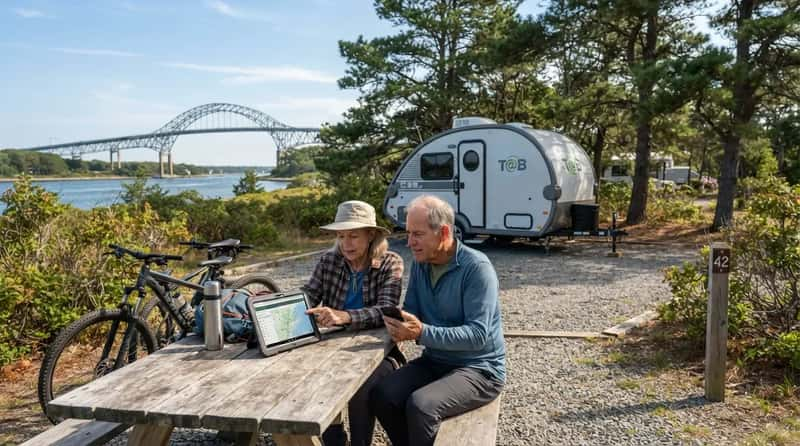
The Bay State runs on a tight clock. Reservations for DCR’s 25 campgrounds opened to the public on February 19, 2025, at 9 a.m., and campers can book up to four months ahead. For an August 12 arrival, the earliest booking date is April 12. No age-based early access appears in the state’s announcement.
Here’s the part most people miss. Walk-in camping isn’t available, but same-day reservations can still be made until 2 p.m. through ReserveAmerica. That means last-minute booking is possible even when weekends look sold out online. For flexible retirees, it’s a real edge.
Fast Facts
- 25 DCR campgrounds took part in the 2025 opening
- Booking window: four months ahead
- Opening time: 9 a.m. on February 19, 2025
- Same-day reservations: accepted until 2 p.m.
- Age-based early access: none announced
Next up: a state that runs two different clocks at once.
#16 – Indiana: Cabins Get Double the Lead Time of Tent and RV Sites
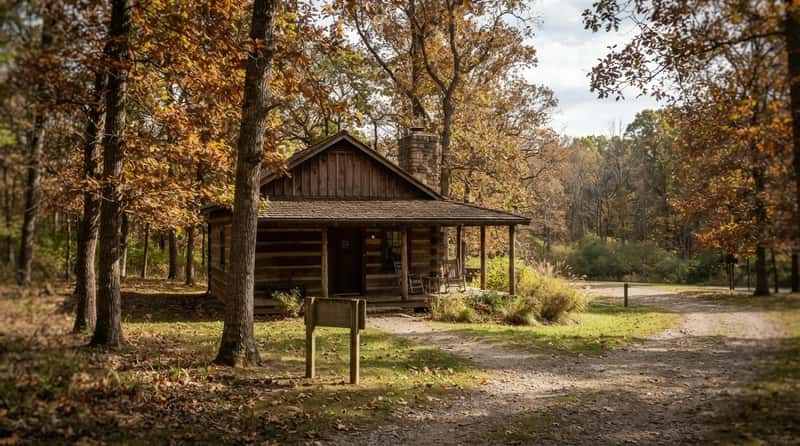
Indiana quietly keeps two calendars. State parks allow campsite reservations 6 months ahead, while cabins and yurts can be booked 12 months out, with reservations opening at noon Eastern. A July 15 campsite, for example, opens on January 15.
The longer cabin window matters more than any age rule. If a 62+ traveler wants a roof over their head, they need to plan twice as far ahead as a camper with a trailer. Cabin planners get a full extra half-year.
Next: a quirk that changes the alarm clock depending on the day of the week.
#15 – Michigan: The Weekend Window Opens an Hour Later Than Weekdays
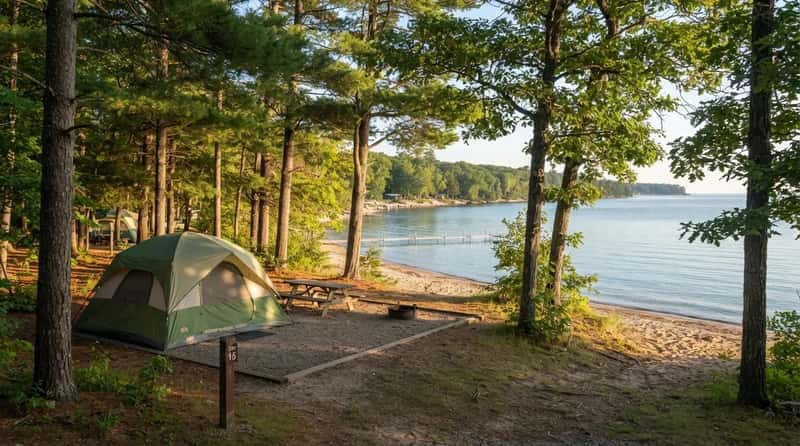
Michigan’s schedule has a quirk almost nobody mentions. State park campsites open 6 months in advance, at 8:00 AM on weekdays and 9:00 AM on weekends. Miss that detail and you could be refreshing an empty page while the clock ticks.
Michigan also runs on a shared platform. GoingToCamp powers reservations for seven state park systems, each with its own booking window, and Michigan’s is 6 months. Guides like this one can lag behind policy changes, so confirm the current times on the state’s own site.
Next: a state where “senior” doesn’t mean what you’d expect.
#14 – Colorado: The “Senior” Discount Doesn’t Start at 62
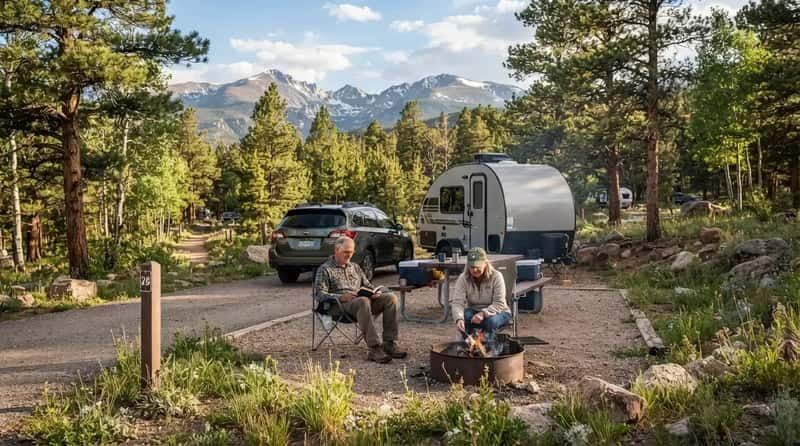
Colorado is the first place where the 62 label falls apart. State parks have a six-month reservation window, and all parks are reservation only. The senior discounts are tied to specific passes, including Columbine, Centennial, Blue Spruce and Independence, and holders must be over 64.
There’s also a trap. Reservations made more than one day outside the six-month window are frozen to changes for 14 days. A 62-year-old can miss the discount entirely by age alone.
Next: a discount that follows the name on the reservation, not the person in the driver’s seat.
#13 – North Carolina: The Discount Follows the Name on the Reservation
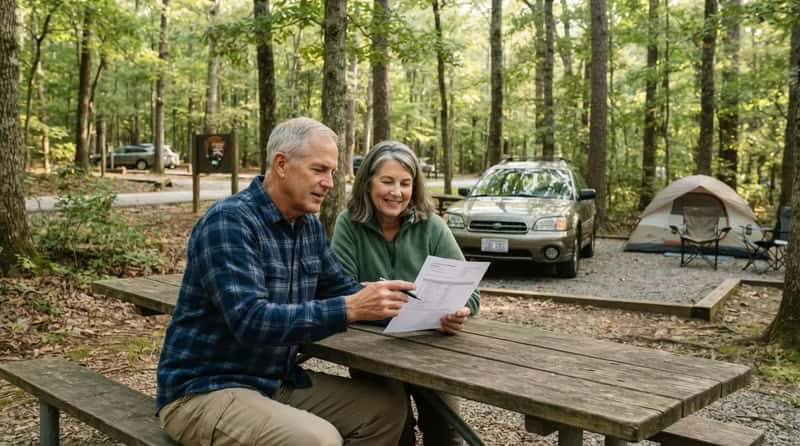
North Carolina’s rule is small but easy to get wrong. The campsite discount applies when the primary occupant is 62 or older, active-duty military, or a veteran, and it takes $6 off the campsite. It’s modest, but it’s real.
The fine print matters more than the dollar amount. The discount can’t be applied to primitive sites, certain cabin types, or group campsites. Stays are capped at 14 consecutive nights within any 30-day period. Book under the wrong name and the savings can vanish.
Next: a half-price deal with a calendar catch.
#12 – West Virginia: The Biggest Cut Only Applies When the Leaves Fall
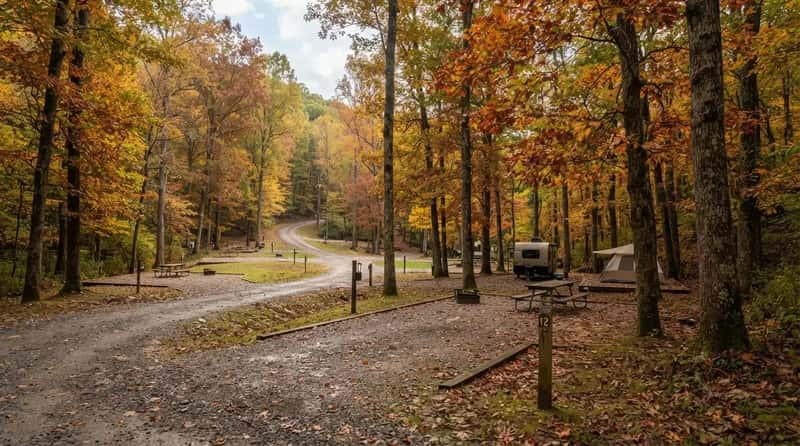
West Virginia is the rare place where timing, not booking speed, wins you the deal. One roundup reports a 50% off-season campground reduction for eligible 62+ residents, running from the day after Labor Day to four days before Memorial Day. Peak summer weekends don’t qualify.
The same roundup says residency is required for the statutory camping discount and tells readers to verify current booking instructions. It’s one of the clearest cases of a perk that sounds universal but isn’t. Half off sounds huge until you notice who’s actually eligible.
Next: the system everyone assumes is the gold standard.
#11 – California: Six Months, 8 a.m., and No Senior Shortcut
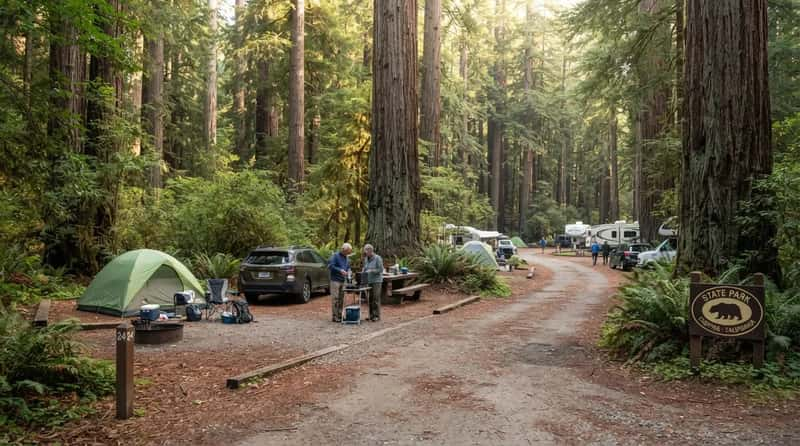
California is the benchmark everyone races against. State parks release campsites six months ahead at 8:00 AM California time, so a July 15 site becomes bookable on January 15. The same rule applies to everyone.
For a West Coast retiree, that’s the whole story. There’s no 62+ early window, only a rolling countdown that resets every morning at 8 AM Pacific. The most-hyped campground system in America gives seniors no head start.
Quick Compare
- California: six months out, 8:00 AM Pacific
- Michigan: six months out, 8 AM weekdays and 9 AM weekends
- Indiana (campsites): six months out, noon Eastern
- Colorado: six months out, reservation only
Next: a state whose opening hour changes with the season.
#10 – New York: Nine Months Out, and the Opening Hour Changes With the Season
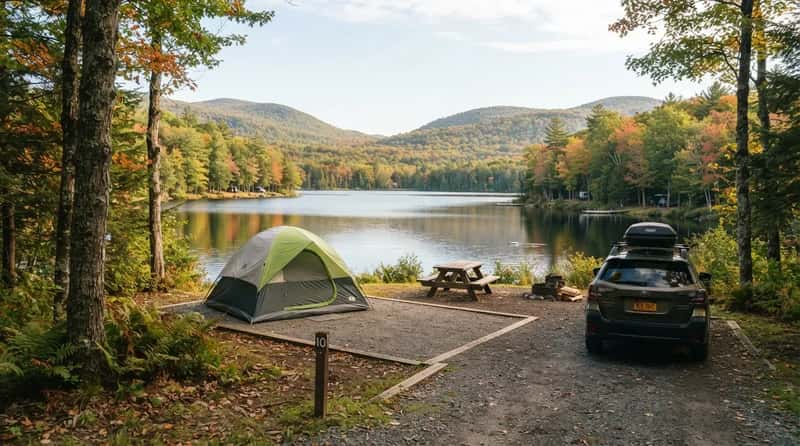
New York’s window is long, and its schedule shifts. Camping reservations can be made up to 9 months in advance. From March 15 through Labor Day, sites open at 8AM on weekdays and 9AM on weekends. From the day after Labor Day through March 14, it’s 9AM every day.
That seasonal switch catches people off guard. Log in at the wrong hour and you can watch the best sites disappear. Nine months is generous, but only if you show up on time.
Next: a website you may already know, wearing different rules in a different state.
#9 – Washington: Nine Months, and a Shared Platform Behind the Curtain
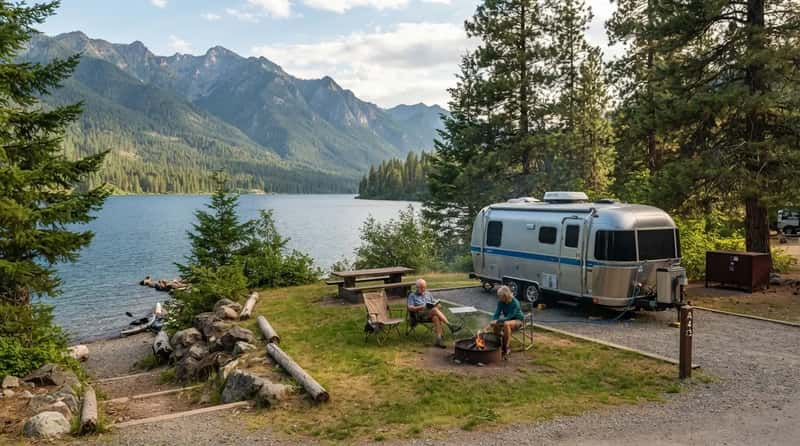
Washington looks simple on paper. Its state parks book through GoingToCamp, which serves seven state park systems, and Washington’s window is 9 months. Nothing in that system gives seniors early access.
The takeaway is practical. Learn one platform and you can book in several states with the same login habits, even though each state keeps its own rules. Same website, completely different rules from state to state.
Next: almost a year of runway, and why it still isn’t always enough.
#8 – Wisconsin: Eleven Months of Runway Most Retirees Never Use
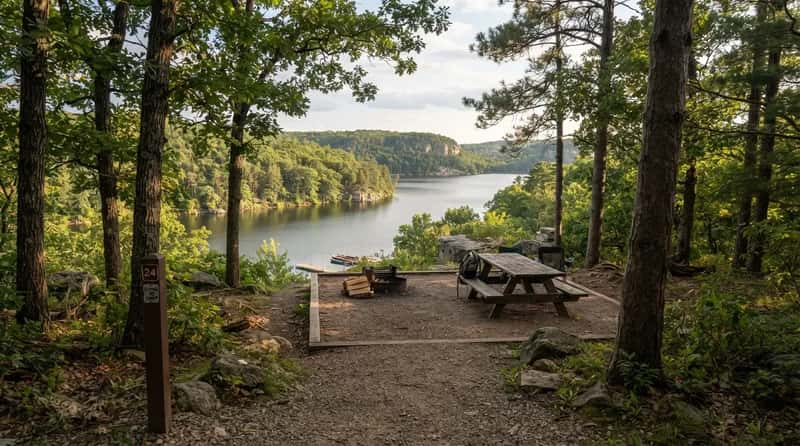
Wisconsin has one of the longest windows among the states we checked. Its window is 11 months, and it runs on the same GoingToCamp platform as Washington and Michigan.
Here’s the mistake people make. They assume a long window means plenty of time, but popular weekends are the first to go. Eleven months ahead is when the planners claim the best nights.
At a Glance
- Michigan on GoingToCamp: 6 months
- Washington on GoingToCamp: 9 months
- Wisconsin on GoingToCamp: 11 months
- Seniors get early access on none of them
Next: a full year, for everybody.
#7 – Tennessee: A Full Year in Advance for Everybody
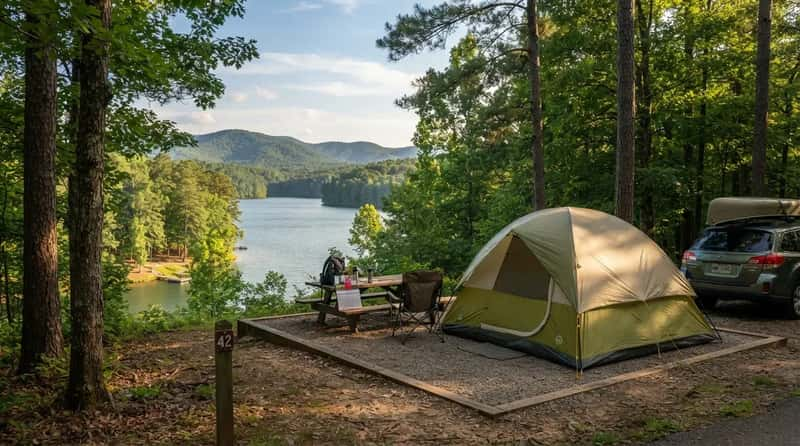
Tennessee’s rule is blunt. State parks allow campsite reservations 12 months ahead, so a campsite for July 15, 2026 became available on July 15, 2025. That’s a full year, with no age gate.
Some campers argue a window like this rewards planners over spontaneous travelers. Others say it’s the fairest system because every camper gets the same shot. Either way, the longest windows reward whoever shows up first, not whoever’s oldest.
Next: a federal workaround with a nasty catch.
#6 – Recreation.gov: The 18-Day Lockout Nobody Warns You About
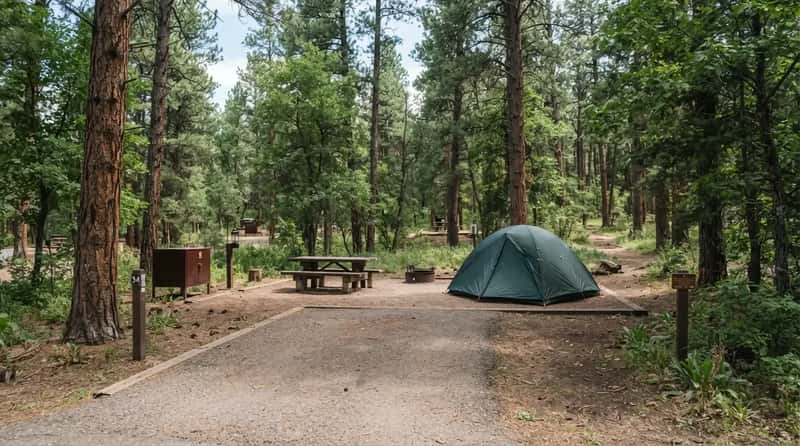
Federal reservations open on a rolling six-month window. If you book dates that extend beyond the current window, you can’t modify or cancel that reservation for 18 days. Some campers use a “book-and-trim” trick to grab an early date, and the lockout is the catch.
Other limits add to the squeeze. Most Recreation.gov campgrounds cap stays at 14 nights in any 30-day stretch, and the exact limit varies by campground and season. A clever workaround can trap you in a booking you can’t change.
Next: why half off doesn’t always mean half off.
#5 – The Fine Print: Hookups and Fees Don’t Get the Senior Discount
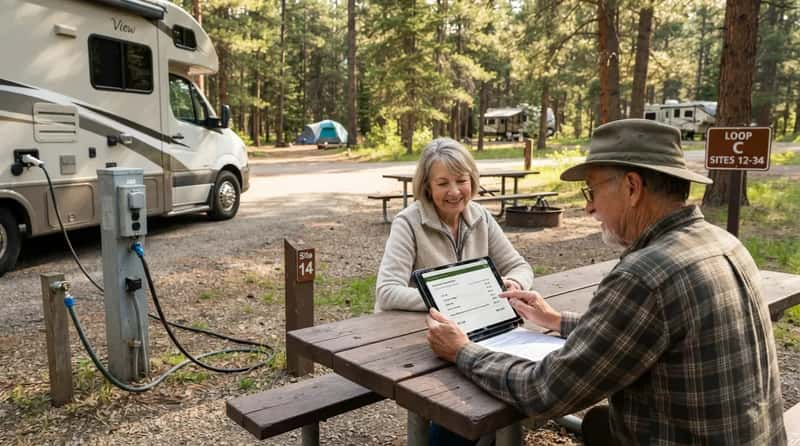
Most people don’t realize the federal discount has limits. Only certain Interagency Passes discount camping reservations, and those discounts don’t apply to group reservations, cabins, shelters, or multi-use sites. The discount also covers only the recreation fee.
Electricity and water hookups and reservation fees are not discounted, and the pass holder must occupy the site. Half off the base fee isn’t half off your total bill.
Next: the closest thing to a real perk at 62.
#4 – The Senior Pass: The Closest Thing to a Real Perk at Age 62

This is the benefit most people are actually looking for. At $80 for life or $20 a year, the Senior Pass gives free entrance to most federal recreation sites and 50% off camping fees at sites run by six federal agencies. It requires you to be 62 or older.
One camping-cost breakdown says it pays for itself in about 7 nights at federal campgrounds. But the National Park Service says it “may provide a 50 percent discount on some amenity fees” such as camping, so it isn’t guaranteed everywhere. The real senior perk is a price cut, not a head start.
Next: a famous park that breaks the pattern.
#3 – Yellowstone: The Longest Federal Window in America Is About to Change
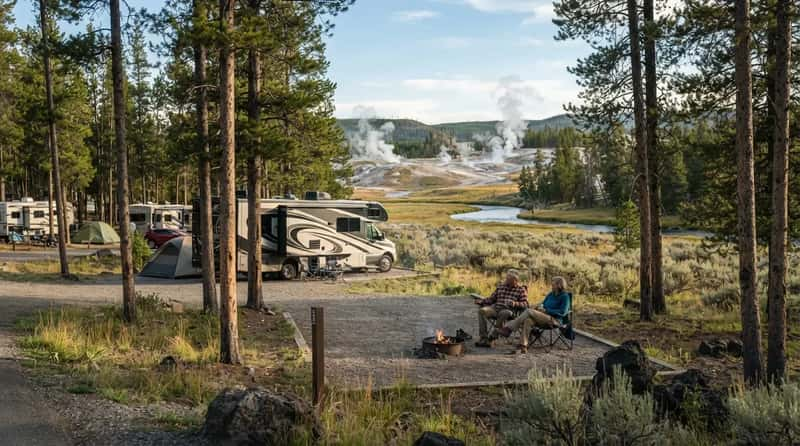
Yellowstone has been the outlier. It releases campground dates on a rolling monthly schedule. On the 5th of each month, the same month one year out opens, which means booking roughly 13 months ahead. It’s an unusual system.
That’s about to shift. One guide says that for the 2027 season, Yellowstone’s campgrounds move to Recreation.gov, which runs closer to a six-month window. The most famous exception in the federal system may soon follow the rules everyone else does.
Next: a head start that has nothing to do with age.
#2 – Florida: The Early Window Belongs to Residents, and the Discount Starts at 65

Florida has a real early-access window, but age isn’t the key. Residents can reserve up to 11 months ahead, while non-residents get 10 months. Residents must provide a valid Florida driver’s license or ID number, verified annually.
The senior perk is separate. A 50% discount on base campsite fees goes to Florida residents 65 and older. It doesn’t cover the $7 nightly utility fee. The month-long head start has nothing to do with being a senior.
And the number-one spot goes to the longest lead time we found anywhere.
#1 – Georgia: The Longest Head Start on the List, With a 62+ Discount on Top
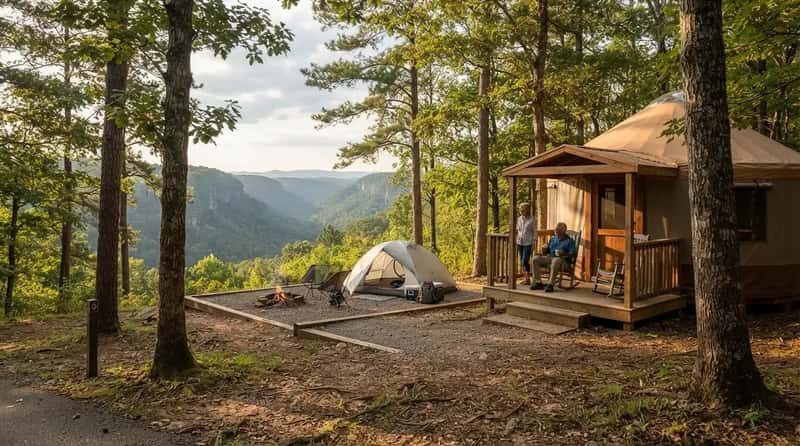
Georgia is the closest thing to a true senior package. Reservations can be made up to 13 months ahead, and Georgia residents can book up to 14 months ahead. That’s the longest lead time we found among the states.
The 62+ benefit is separate. Seniors get 20% off campsites year-round, but only when the reservation is registered to a senior, and it’s limited to one campsite per senior. Yurts get the same 20% discount. The big head start is for residents, and the discount is for seniors. No one gets both for being older.
Why It Stands Out
- Residents can book up to 14 months ahead
- Everyone else can book up to 13 months ahead
- Seniors 62+ get 20% off campsites year-round
- The discount covers one campsite per senior and applies to yurts too
So here’s the truth hiding behind all 17. No major system we checked opens its booking window early just because you’re over 62. The real early access comes from residency, as in Florida and Georgia. The real senior perks are price cuts, like the federal Senior Pass at 50% off camping fees and Georgia’s 20% off campsites.
Age cutoffs run from 62 to 65 depending on the state, and windows stretch from four months to more than a year. Before you book, confirm the rules on the official reservation site. The secret was never a VIP line. It’s knowing which clock you’re actually on.