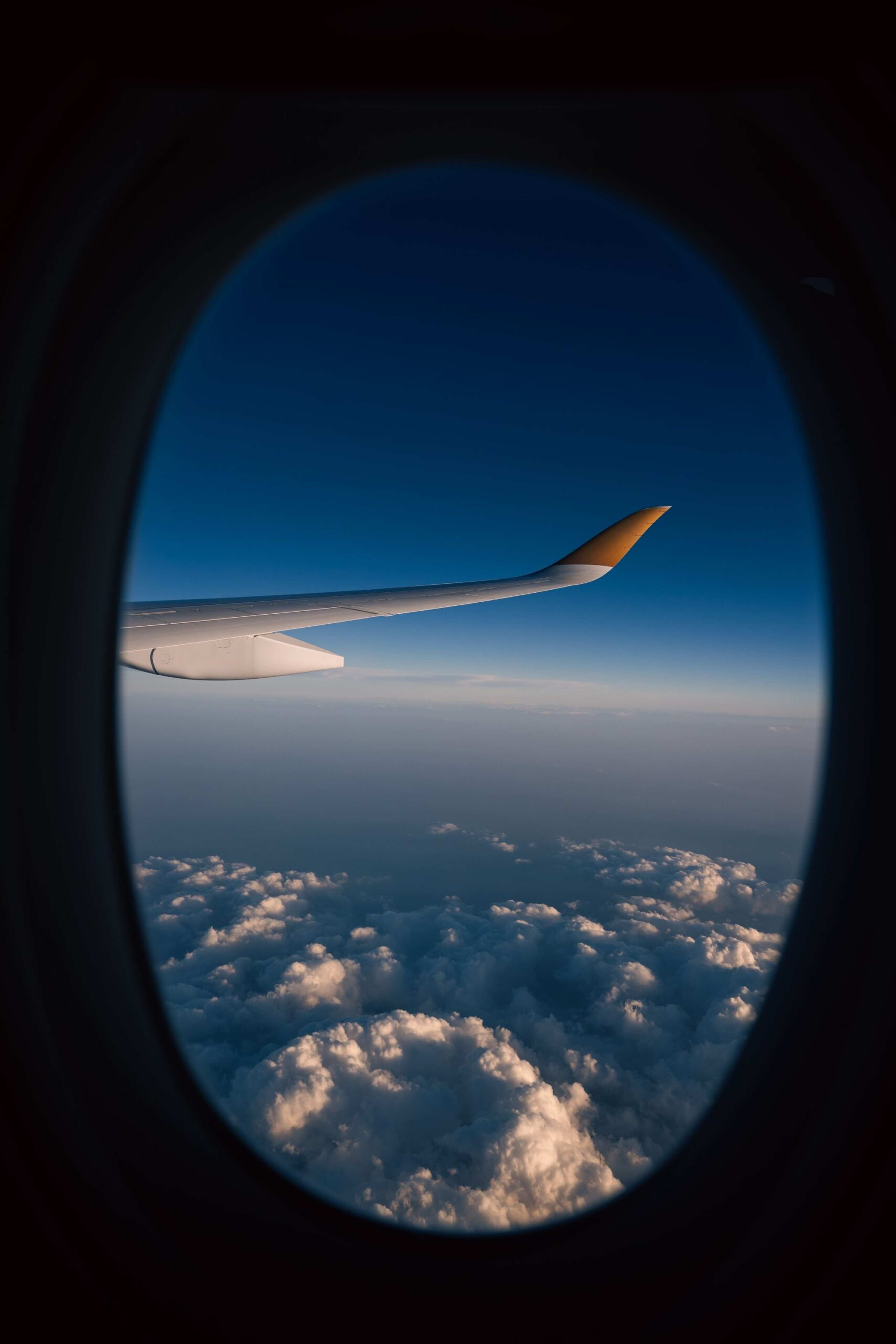

Ask a kid today what it was like to fly across the country in 1985, and you’ll get a blank stare. No phone in your pocket. No GPS. No boarding pass on a screen. Just a family, a car full of snacks, and a level of chaos that somehow felt completely normal.
What’s wild is how much of it wasn’t inconvenient at all – it was actually kind of magical. Before you scroll past this thinking it’s just “the good old days” nostalgia, wait until you see #4. That one still makes boomers laugh out loud.
#17 – Walking Your Whole Family Right to the Gate
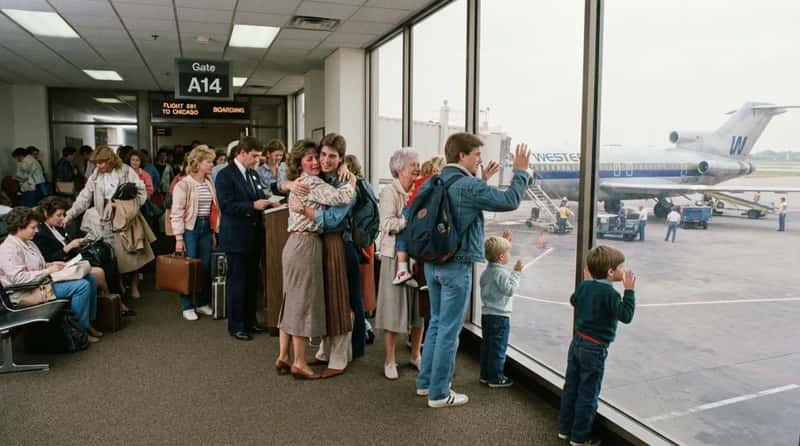
Before 9/11 changed everything, anyone could walk through the airport and stand at the gate to wave goodbye – no ticket required. Grandparents, siblings, even the family dog waiting in the car outside could technically make it to the jet bridge. Airports were treated more like bus stations than secured government checkpoints.
That meant tearful goodbyes happened right at the gate, not at the curb. Families pressed their faces to the glass to watch the plane pull away. It’s a moment kids today will simply never experience, since gate access now requires an actual boarding pass and ID.
#16 – Real Metal Forks in Coach Class
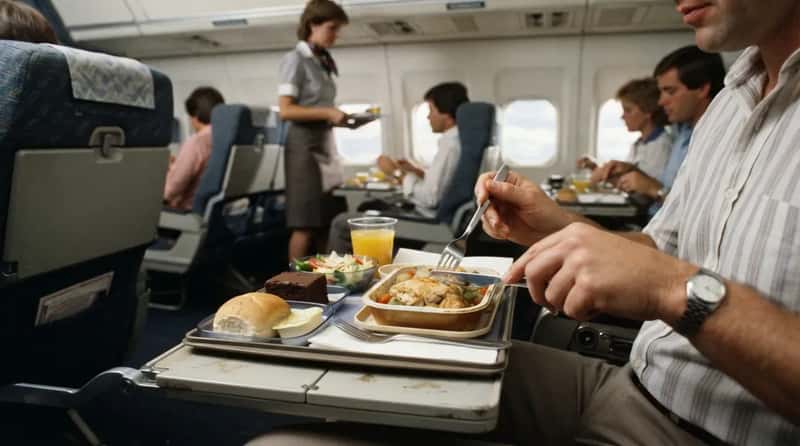
Flying coach in the 1980s didn’t mean a bag of pretzels and a tiny cup of soda. Airlines served full hot meals with actual metal silverware, even in economy seats. Passengers were handed real cutlery on a commercial flight, something unthinkable in today’s post-security world.
Menus sometimes changed based on the time of day and route, with some airlines even offering a choice between two entrees. It sounds almost luxurious compared to today’s buy-a-snack-box reality. Airline budgets tightened so much over the years that this whole experience quietly disappeared without anyone ever announcing it.
#15 – CB Radios Crackling in the Family Car
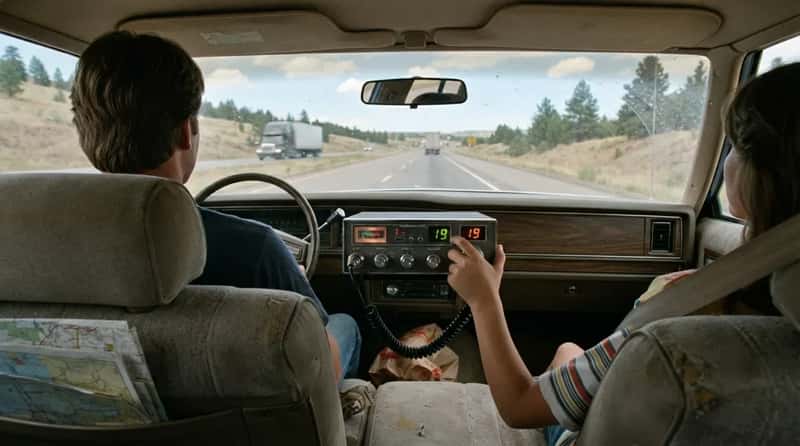
Long before smartphones, road-tripping families relied on CB radios to find out about traffic, speed traps, and truck stops ahead. Truckers had colorful handles and lingo that fascinated kids in the backseat. A “ten-four” and a “smokey report” were part of everyday road-trip vocabulary.
Parents used it to connect with strangers on the highway just to pass the time or get real-time warnings. It created a strange sense of community among people who’d never actually meet face to face. Today’s satellite traffic apps do the same job silently, without any of that personality.
Fast Facts
- “10-4” simply meant “message received” – the most-used phrase on the channel
- A “smokey” was CB slang for a police officer, often tipped off mile by mile
- “Breaker, breaker” was how you politely asked to jump into a busy channel
- Every trucker and traveler picked a “handle” – a CB nickname nobody used their real name for
#14 – Following a Paper TripTik from AAA
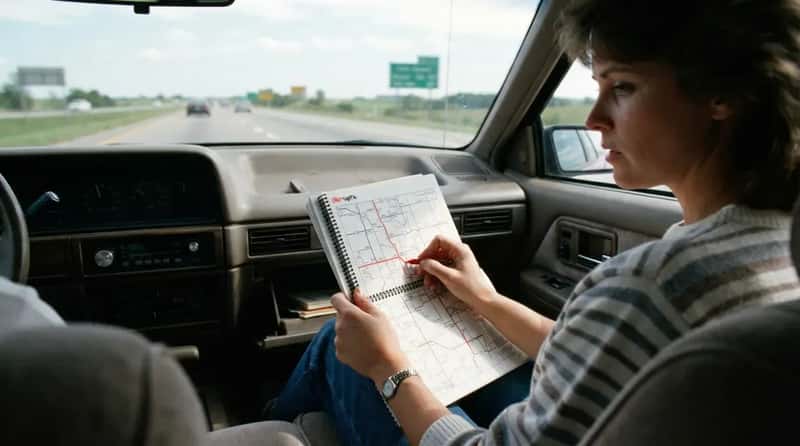
Before GPS, AAA members got custom-made TripTik booklets: spiral-bound strip maps highlighting your exact route, turn by turn. A real human at the AAA office sat down and marked it all out by hand. Millions of American families planned entire cross-country trips using a printed booklet, not a phone.
Losing your place in the TripTik on the highway could mean genuine panic in the car. Parents guarded that booklet like treasure the whole trip. It’s one of the most tangible symbols of pre-digital travel, and it’s basically extinct now.
#13 – Calling Home from a Roadside Pay Phone
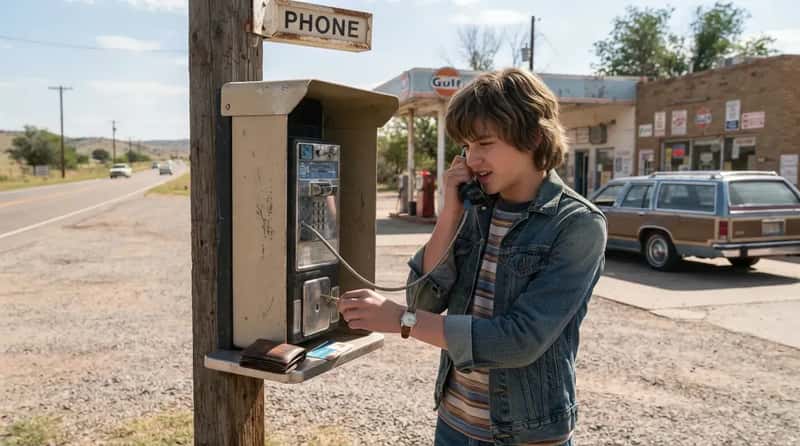
Checking in with family during a road trip meant pulling off at a gas station and feeding coins into a pay phone. Long-distance calls cost real money, so conversations stayed short and to the point. A family might spend more on a five-minute pay-phone call than an entire tank of gas.
Calling cards became a travel essential by the late ’80s, letting you dial a toll-free number and a PIN instead of dumping quarters into the slot. Losing that card felt like losing your wallet. Kids today have never once worried about running out of change just to call mom.
#12 – Carrying Traveler’s Checks Instead of Cards
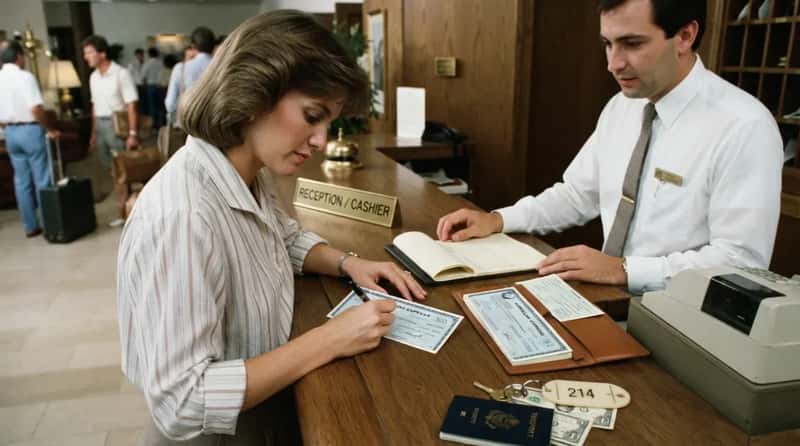
Before debit cards were common, travelers carried booklets of traveler’s checks, signing each one twice to prove it was really theirs. Banks and hotels around the country accepted them almost as safely as cash. Losing your traveler’s checks meant filing paperwork, not just canceling a card through an app.
Parents often stashed extra checks in a money belt or hidden pouch for emergencies. It was considered the smart, responsible way to travel with real money. That whole system quietly vanished as ATMs and card networks expanded worldwide.
#11 – Getting “Bumped” and Loving It
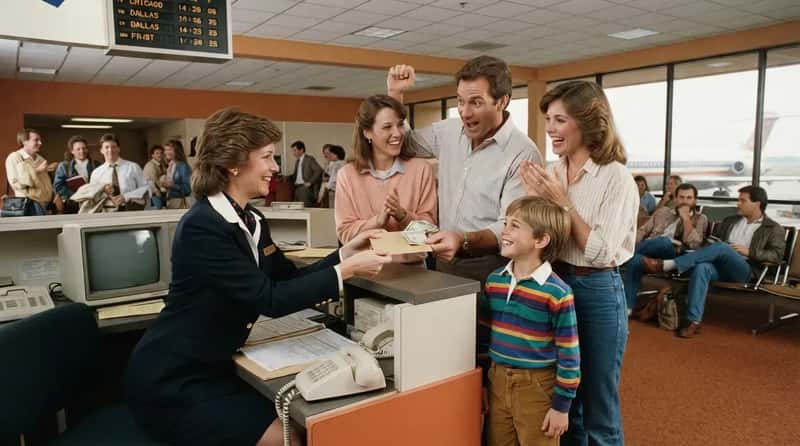
Airline overbooking wasn’t rare in the ’80s, and gate agents would ask for volunteers to give up their seat for a later flight. In exchange, you’d often get a free round-trip voucher and sometimes cash on the spot. Some frequent fliers deliberately booked flights likely to be overbooked just to score free travel.
Kids remember the excitement of parents cheering when the gate agent asked for volunteers. It felt like winning a small lottery in the middle of an ordinary travel day. Today’s algorithms and stricter compensation rules have made that spontaneous thrill mostly disappear.
#10 – Airsickness Bags Doubling as Souvenirs
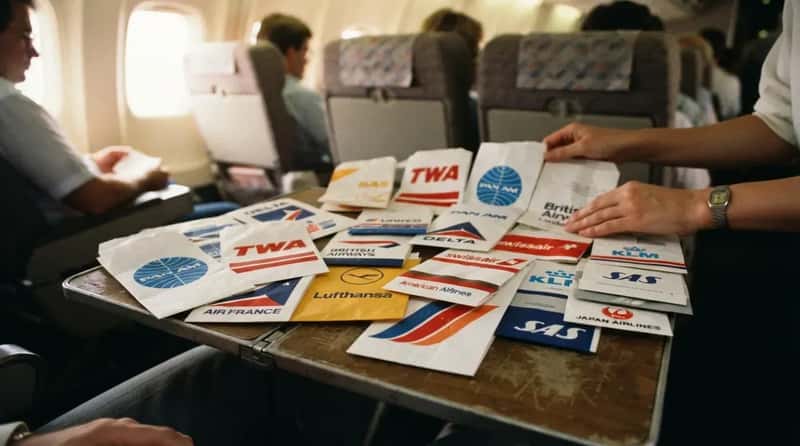
Long before phones had cameras, kids collected weird little keepsakes from every flight – airline-branded matchbooks, swizzle sticks, and yes, even unused airsickness bags. Some collectors actually built entire scrapbooks around airline barf-bag designs from different decades.
Every airline had its own logo and color scheme on these tiny paper items, making them oddly collectible. Kids traded them like baseball cards at school. It’s a strange but very real slice of travel culture that simply doesn’t exist anymore.
#9 – Earning Plastic Wings from the Flight Attendant
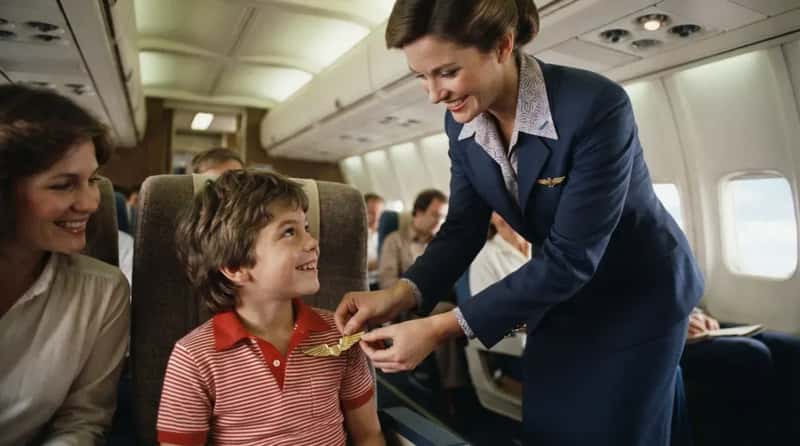
Flight attendants in the ’80s regularly walked the aisle handing out little plastic pilot’s wings to kids flying alone or with family. It made even a bumpy coach flight feel like a special occasion. Getting your wings pinned on by a uniformed flight attendant was a genuine childhood milestone.
Some airlines had entire junior-pilot programs, complete with certificates and cockpit visits before takeoff. It built a sense of wonder around flying that’s largely gone in today’s security-locked cockpit era. Most kids flying today have never even seen the inside of a flight deck.
Worth Knowing
- Several major airlines ran official “junior pilot” clubs, complete with membership cards
- Kids often received a printed certificate naming them an honorary co-pilot for the flight
- Pre-boarding cockpit visits were common when the plane was still parked at the gate
- Locked cockpit doors became standard practice after 9/11, ending the tradition for good
#8 – Snapping Vacation Photos on a Polaroid
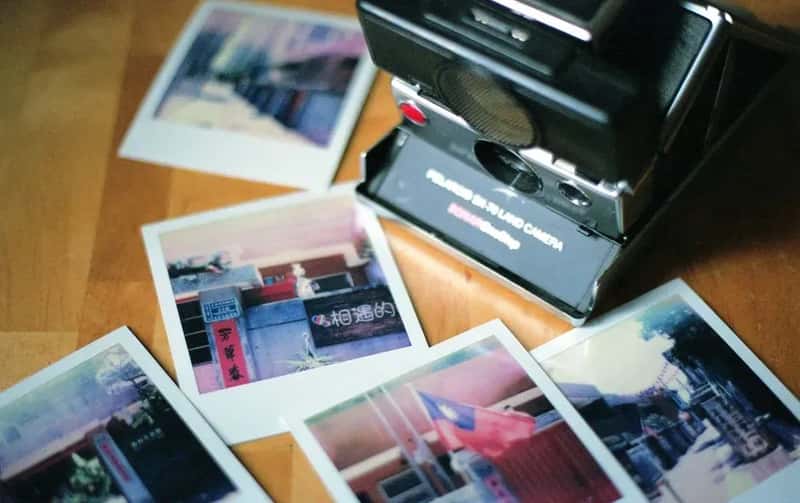
Instant film cameras let families see their vacation photo develop right in their hands within minutes, decades before digital cameras existed. Watching the image slowly appear felt like actual magic to a kid. Each Polaroid shot cost real money, so every photo actually mattered.
There was no deleting a bad shot and trying again – you got what you got. That scarcity made people more thoughtful about which moments they chose to capture. Today’s endless smartphone camera roll has completely erased that sense of preciousness.
#7 – Grabbing a Postcard from Every Motel Lobby
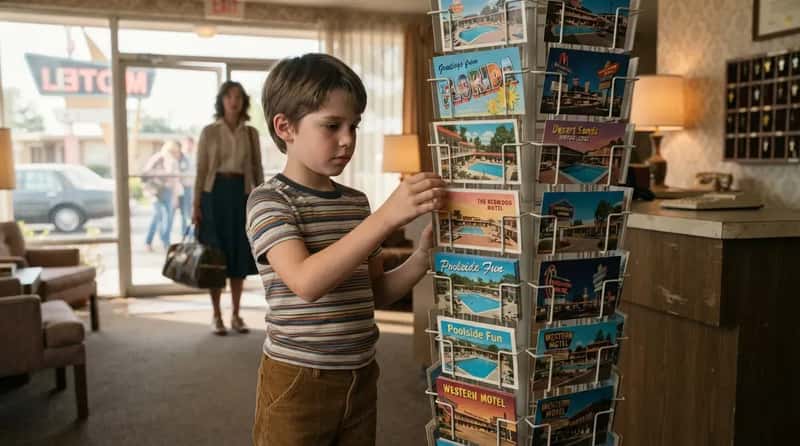
Motel lobbies across America stocked spinning wire racks packed with postcards showing the pool, the sign, or a cheesy cartoon mascot. Families grabbed a few to mail back home or just to keep. Sending an actual postcard from the road was often the only way relatives back home knew you’d arrived safely.
Kids loved picking out the silliest or most colorful design in the rack. Writing a few lines and finding a mailbox became part of the road-trip ritual itself. Text messages replaced that entire tradition almost overnight.
#6 – Sitting a Few Rows from the Smoking Section
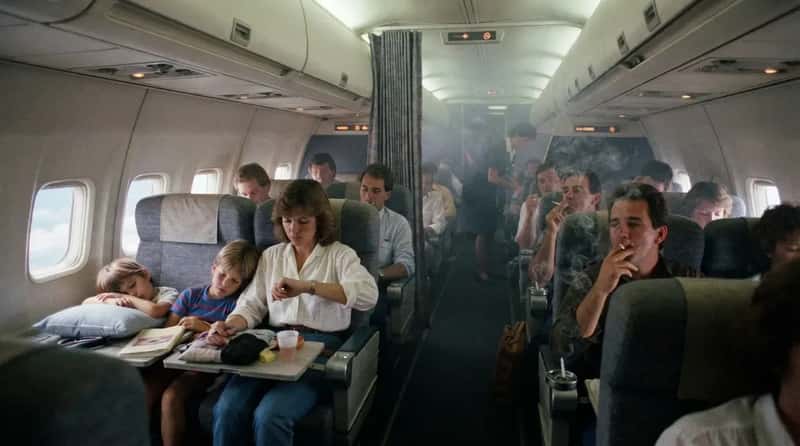
Domestic flights in the 1980s still had smoking sections onboard, often just a curtain or a few rows separating passengers from cigarette smoke. Families with young kids sometimes ended up seated uncomfortably close to it. The U.S. didn’t fully ban smoking on domestic flights until 1990, and international routes held out even longer.
Parents packed extra gum or mints just to mask the smell clinging to clothes after landing. It’s genuinely hard for kids today to imagine smoking being allowed at 30,000 feet at all. That single change remains one of air travel’s biggest quality-of-life shifts.
Fast Facts
- In 1988, a federal law first banned smoking only on domestic flights of two hours or less
- That ban was extended in February 1990 to cover nearly all domestic flights under six hours
- The 5,000 or so longest domestic routes still allowed smoking for a few more years
- Smoking wasn’t banned on all flights into and out of the U.S. until the year 2000
#5 – Buying Flight Insurance from an Airport Vending Machine
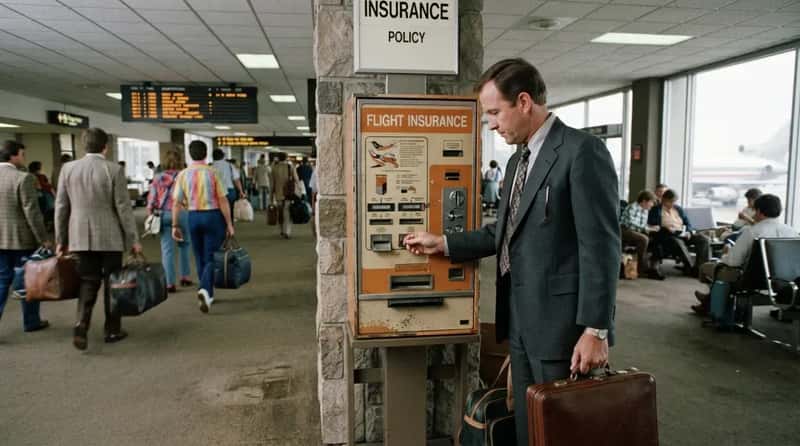
Nervous fliers in the ’80s could walk up to an actual vending machine at the airport and buy flight insurance minutes before boarding. Drop in some cash, get a printed policy, and board your flight feeling a little safer. An entire industry existed just to sell last-minute peace of mind through a coin-operated machine.
It sounds bizarre by today’s standards, where insurance gets bundled online during checkout. But at the time, it was a completely normal pre-flight ritual for anxious travelers. Those machines quietly disappeared as regulations and travel insurance models modernized.
#4 – Boarding a Plane with No ID Required
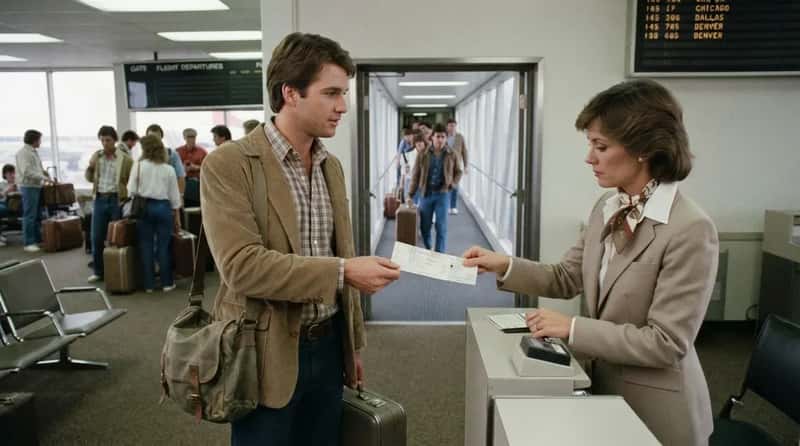
Here’s the one that genuinely shocks younger travelers: in the 1980s, you didn’t need a government ID to fly domestically, just a paper ticket with your name on it. Anyone could pick up someone else’s ticket and board in their place. You could send a stranger to the airport with your ticket, and no one would question it.
Airline staff rarely, if ever, checked identification against the ticket. That level of trust feels almost unimaginable now, given today’s strict TSA identity verification. It’s the single biggest gap between then-and-now air travel that most people forget ever existed.
#3 – Waiting Days to See Your Vacation Photos
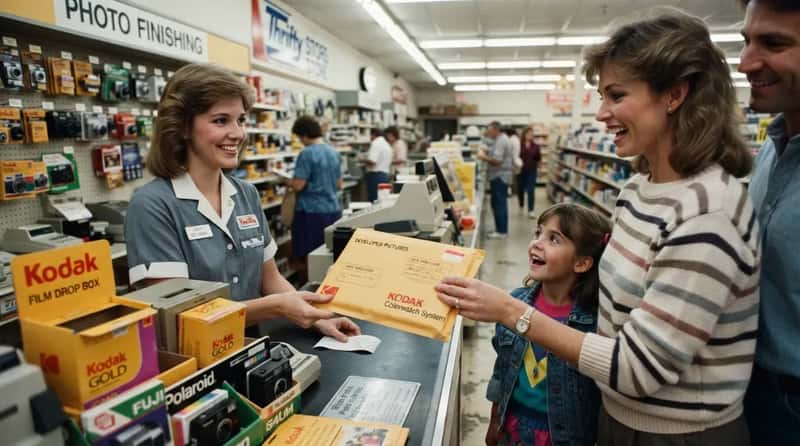
After a big trip, film rolls went to the drugstore for developing, and you’d wait anywhere from one day to a full week to see how the pictures turned out. Some photos came back blurry, overexposed, or with someone’s thumb in the frame. Families sometimes waited an entire week just to find out if their vacation photos even turned out.
That anticipation made picking up the envelope from the photo counter genuinely exciting. Bad shots couldn’t be deleted; they just went in the album anyway, thumb and all. Instant digital previews have made that whole waiting ritual disappear completely.
#2 – Slideshow Night with the Carousel Projector
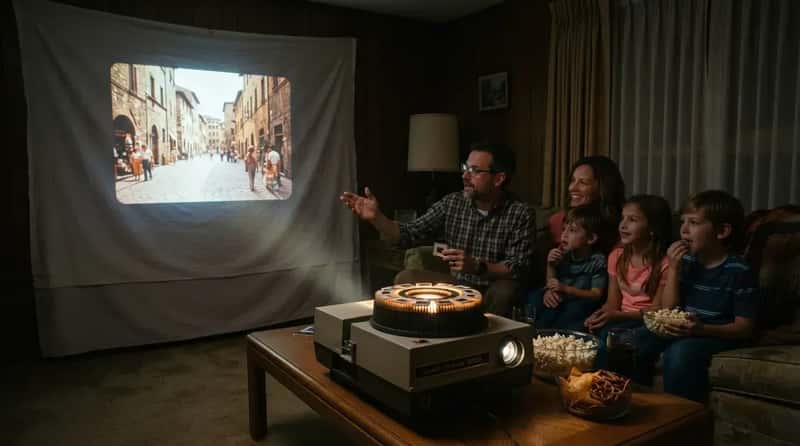
Once photos came back, many families held an actual “slideshow night,” dimming the lights and projecting vacation slides onto a bedsheet or wall. The carousel projector’s click-and-advance sound is burned into an entire generation’s memory. Neighbors and relatives were often invited over specifically to watch someone else’s vacation slides.
It doubled as a social event, complete with snacks and a little narration from dad about each shot. Kids groaned through the boring ones and laughed at the awkward ones. Streaming photos silently on a phone screen just doesn’t carry the same weight.
Quick Compare
- 1980s: Kodak’s Carousel projector, first sold in 1961, clicked one slide into place at a time
- 1980s: A full tray held up to 80 or 140 slides, and swapping trays meant pausing the show
- Today: Kodak stopped making the Carousel projector entirely in October 2004
- Today: A whole vacation’s worth of photos gets swiped through silently in under a minute
#1 – The Entire Family Piling Into One Car for “The Big Trip”
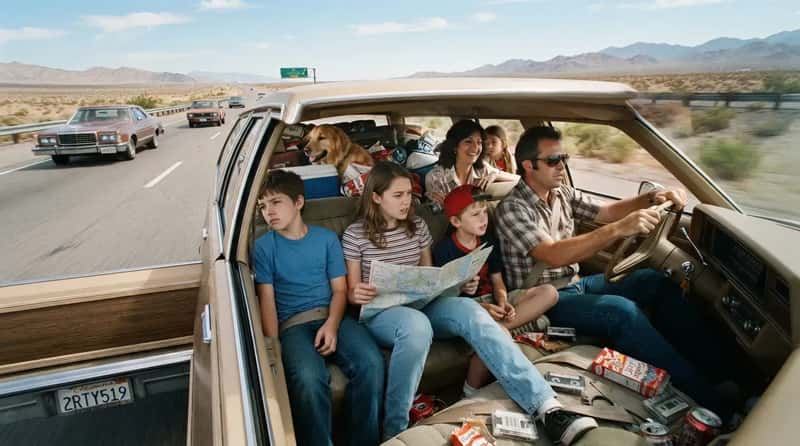
No individual devices, no separate screens, no noise-canceling headphones – just one car, one radio station everyone had to agree on, and hours of actual conversation, arguments, and games like counting license plates. An entire family entertained itself for hundreds of highway miles with nothing but each other.
Snacks were rationed, seating arrangements were negotiated like treaties, and someone always needed a bathroom at the worst possible moment. It was chaotic, occasionally miserable, and somehow unforgettable in a way modern trips rarely are. That shared, screen-free boredom might be the one thing today’s kids are genuinely missing out on.
Looking back, none of this was glamorous. It was smoky, slow, occasionally stressful, and completely lacking in the conveniences we now take for granted. But it also forced a kind of connection and patience that’s harder to find in today’s frictionless, phone-in-hand version of travel.
Which one of these hit you with the most nostalgia? Tell us which 1980s travel memory you’d actually want back in the comments.