Most passengers over 60 pay whatever number shows up on the screen, assuming it already reflects every senior discount they qualify for. It rarely does.
Rail agencies keep quiet lists of fees they’re authorized to erase the moment someone over 60 simply asks – and the seventeen below range from a small on-board surcharge to a discount that wipes out reservation fees across 33 countries at once.
#17 – The On-Board Purchase Surcharge

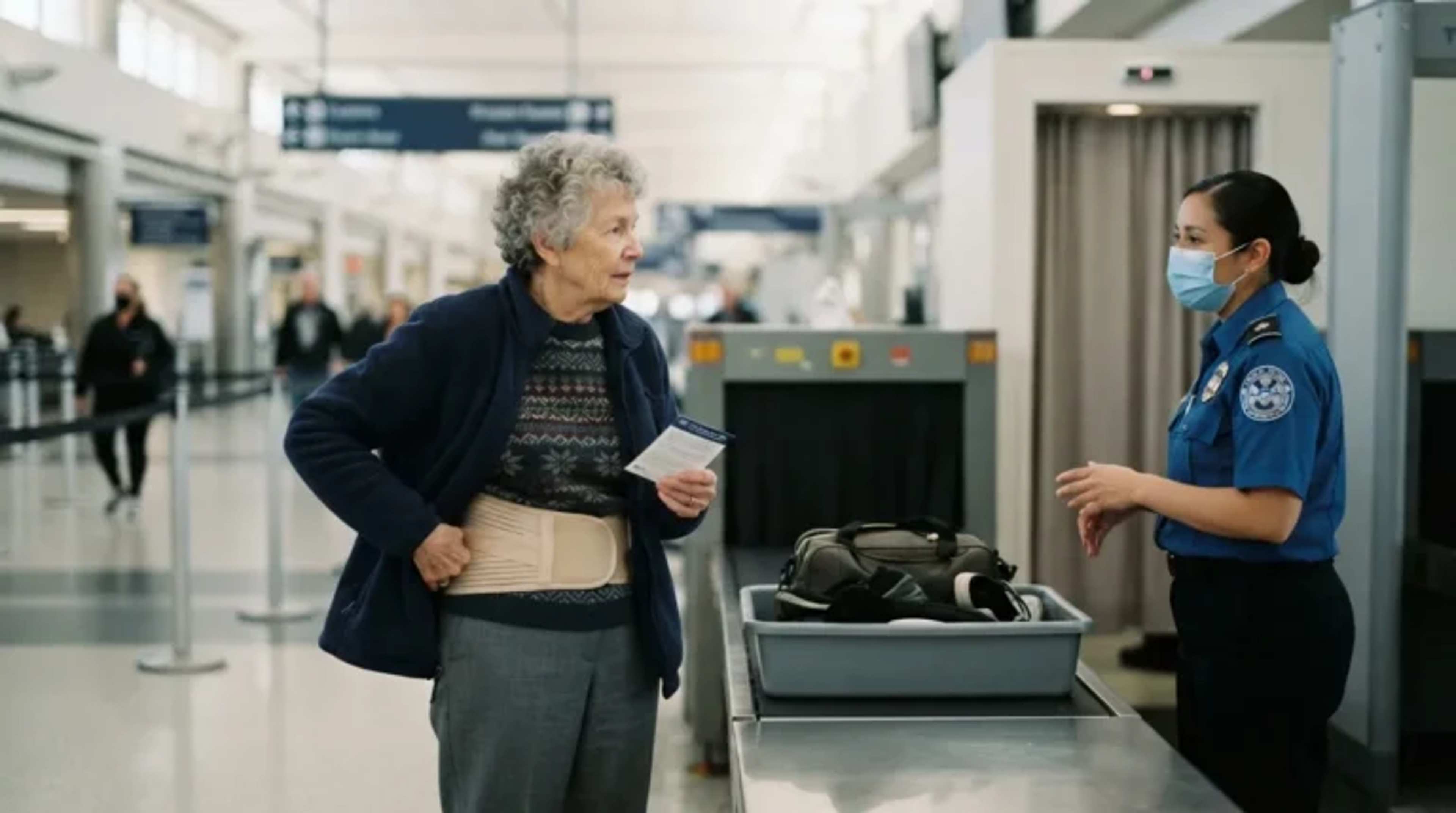
Buying your ticket from the conductor instead of ahead of time usually costs extra. On MTA’s Long Island Rail Road and Metro-North, that penalty runs $7.75 to $8.50 per ticket.
For senior citizens, Medicare recipients, and passengers with disabilities, that surcharge is waived outright – but only if you say so. Hand over cash silently and you’ll pay the full fee, no questions asked.
Ask first. Show ID. That’s the entire transaction.
Fast Facts
- The surcharge for tickets purchased onboard, whether from a conductor or the TrainTime app, will increase by $2 to $8, so the waiver is worth more than ever.
- This surcharge is waived if you are boarding at a station without ticket machines, or if you are a senior citizen, passenger with a disability, Medicare recipient, or active-duty military.
- The waiver kicks in the moment you identify yourself – agents don’t dig for it on their own.
- Reduced-fare tickets can be purchased from the conductor at no additional charge with the proper documentation.
#16 – The Ticket Window Booking Fee

Plenty of rail offices charge more for buying in person than buying online. It’s a quiet penalty on anyone who isn’t comfortable with apps.
Seniors who ask at the counter and show a passport or other ID typically get that fee dropped completely. Agents won’t offer it unprompted – a busy window has no incentive to volunteer savings.
Keep your ID on the counter every time. Ask plainly: “Is any part of this fee waived for seniors?”
#15 – The Reservation Fee on Regional Routes

Some regional operators tack on a mandatory reservation fee for express or reserved-seat service – sometimes over $15. Senior passengers who ask at the window are sometimes exempt entirely.
There’s no universal rule here. Each rail company sets its own exemptions, which means the agent in front of you may have discretion you don’t know exists.
Assuming the computer already applied every benefit is exactly where most seniors lose money.
#14 – The Phone Booking Service Charge

Booking by phone instead of online often triggers an agent-assisted charge – the cost of a human answering the call. Senior passengers have a strong case for getting it waived.
If you call Amtrak’s reservation line, mention your senior fare status immediately, right when the call starts. Experienced agents check for waivers the moment senior status is invoked.
Most callers only mention it after the charge is already applied. By then, it’s too late.
#13 – The Paper Ticket Printing Fee
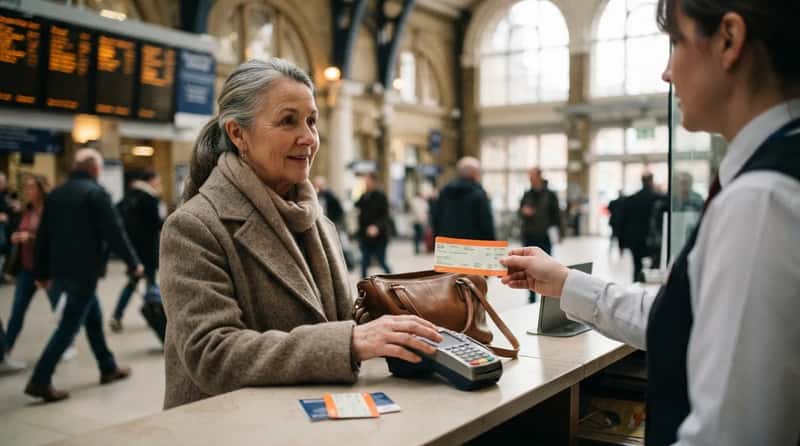
As rail lines push everyone toward mobile tickets, printed paper tickets increasingly cost extra. For passengers who simply prefer paper, that adds up fast.
Seniors who cite accessibility needs or unfamiliarity with mobile ticketing are frequently granted a waiver when they ask at a staffed window. Train travel markets itself hard to seniors on comfort and accessibility.
That marketing is leverage. Rail operators can’t easily justify charging extra for paper while selling accessibility as a core promise.
#12 – The Seat Reservation Upgrade Fee

The base fare gets you on the train – a specific seat, especially near accessibility features, often costs more. Senior passengers who ask can frequently get these fees reduced or removed.
European rail programs tie senior qualification thresholds directly to fee waivers, not just fare discounts. North American agents follow a similar logic once you’re flagged as a senior fare passenger.
Most agents can override small reservation fees on their own authority. They just don’t advertise that they can.
#11 – The Schedule Change Fee

Plans change, and rail companies charge handsomely for it – sometimes a fee equal to a real chunk of your original fare. Some operators apply a flat 10% change fee across the board.
Senior passengers who call the ticket office directly and explain a medical or health-related reason have a track record of getting that fee waived. You don’t need extensive proof – just the reason, plus your senior status, stated together.
One phone call can save you the entire fee.
#10 – The Cancellation Fee

Cancel at the wrong moment and you could lose 25% or more of what you paid. It’s one of the steepest charges in rail travel.
Seniors 60 and over have a legitimate basis to request a waiver here, especially for health-driven cancellations. Some senior rail passes even come with flexible cancellation terms built in – but only if you ask about them before you pay.
The right moment to lock in protection is at booking, not when you’re already trying to cancel.
#9 – The Luggage or Baggage Handling Fee

Extra and oversized luggage fees are creeping into rail travel the same way they crept into airlines. Seniors traveling with medical equipment or mobility aids get hit with these often.
Fees on mobility aids and medical equipment are usually waived by policy or law at major rail operators. Standard extra-luggage fees are also regularly waived for seniors who ask politely before boarding.
Red-cap baggage assistance is already a built-in accommodation at many stations. Extending that to a fee waiver is a natural next question – but you still have to ask it.
#8 – The Companion Booking Fee

Some rail systems charge an administrative fee when a booking mixes fare categories – say, a senior traveling with a spouse or caregiver. It’s a small charge, but it’s real.
Senior and child discounts are usually applied automatically when selected during booking. When an extra fee does appear for a mixed booking, asking the window agent to waive it for the senior traveler has a solid success rate.
These are low-dollar overrides agents can approve with almost no justification required. The ask takes ten seconds.
#7 – The Off-Peak Restriction Surcharge
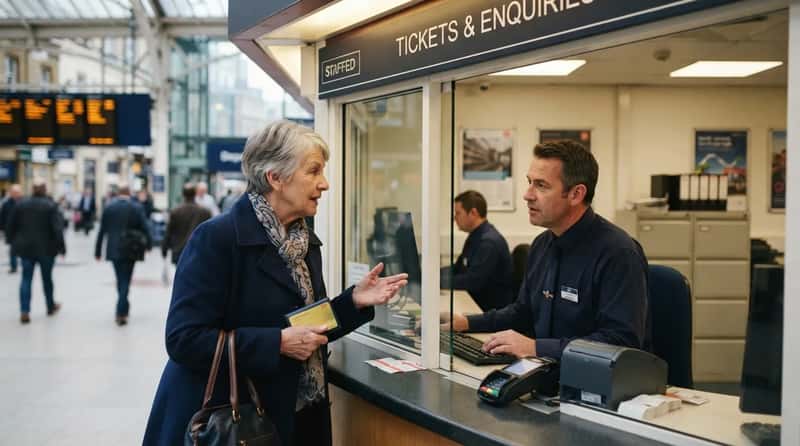
Some senior fares only apply off-peak – travel at the wrong hour and you get hit with a surcharge instead. That surcharge is sometimes negotiable for seniors who ask at a physical window.
The UK’s Senior Railcard saves a third off travel but carries off-peak restrictions that frustrate anyone with a fixed schedule. Staffed ticket offices still retain some discretion, particularly for accessibility or scheduling needs.
Machines follow rigid rules. People can exercise judgment – so go to a person, not a kiosk.
#6 – The VIA Rail Cross-Border Reservation Fee
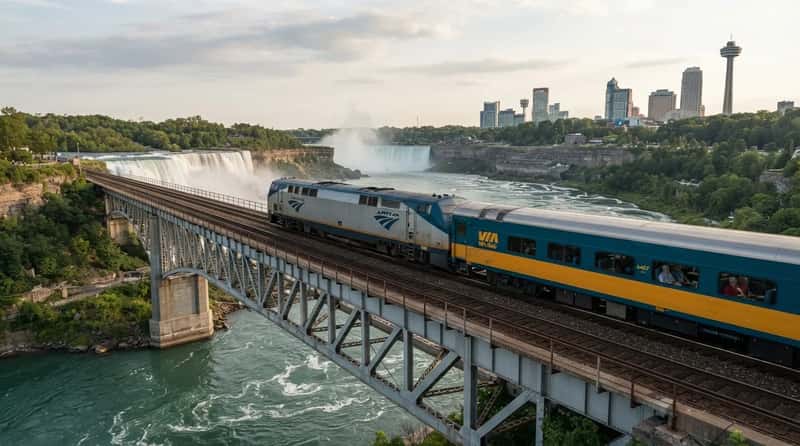
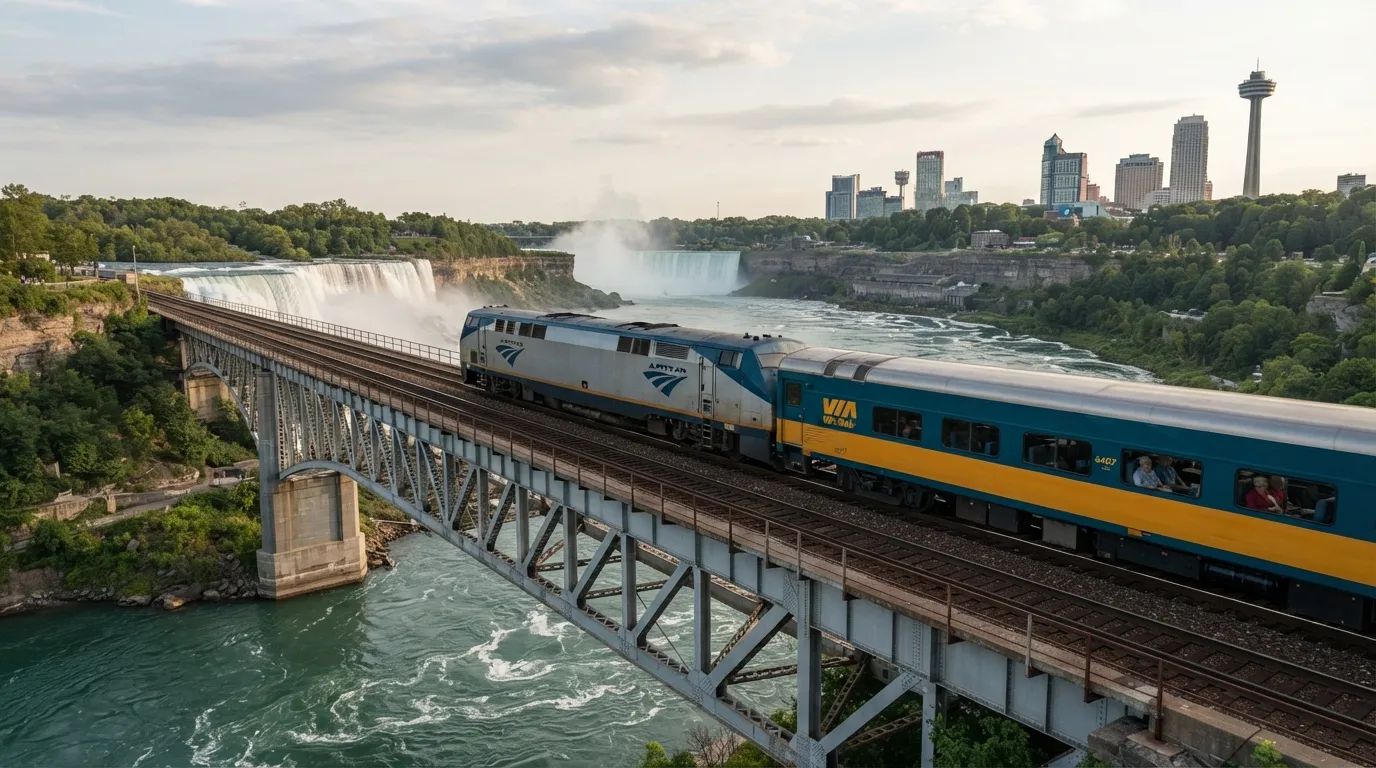
Cross-border travel between the US and Canada runs through both Amtrak and VIA Rail systems, and that overlap creates booking fees most passengers never anticipate. Senior status becomes especially powerful here.
VIA Rail offers a 10% discount to passengers 60 and older, and the joint Amtrak/VIA cross-border service applies that same 10% senior discount starting at age 60 – not 65.
Passengers aged 60 to 64 often don’t realize they already qualify. They pay full fees for a discount that’s been sitting there the whole time.
Quick Compare
- VIA Rail (domestic Canada): passengers aged 65 and over can enjoy 15% off Economy Plus, Business and Business Plus fares, any day of the week.
- Amtrak (domestic US): travelers 65 years of age and older are eligible to save 10% on train fare when booking through Amtrak.
- Amtrak/VIA cross-border service: a 10% Senior discount is applicable to travelers aged 60 and over – five years earlier than either program’s solo threshold.
#5 – The Seasonal or Peak-Period Booking Premium
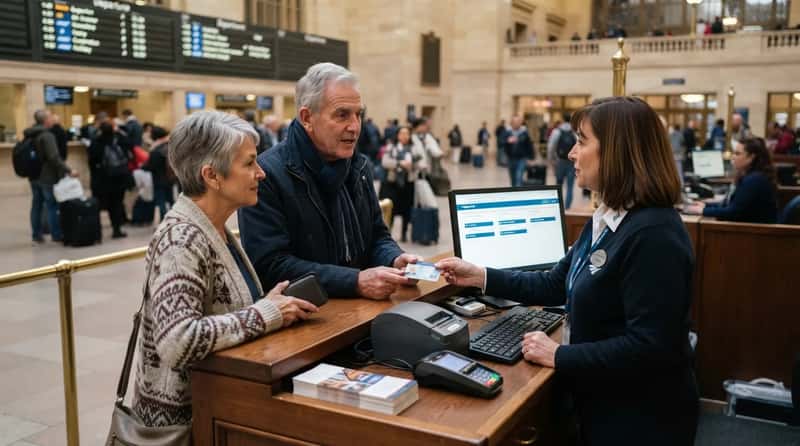
Holiday weekends and major events trigger a peak-period pricing premium layered onto already-higher fares. Seniors who book at a staffed office rather than online sometimes find agents willing to apply a senior fare code that offsets it.
Some rail services offer seniors 65 and older discounts of up to 50% during off-peak seasons, which makes the peak-versus-off-peak gap even more dramatic. When peak travel is unavoidable, ask directly whether any senior fare code reduces the premium.
It’s a move almost nobody makes – and it occasionally produces a real saving.
#4 – The Capitol Corridor Senior Fare Differential

State-run regional rail lines often run their own separate senior fare structures, and they’re wildly underused. California’s Capitol Corridor is the perfect example – most travelers outside Northern California have never heard of it.
On this 168-mile route, adults 62 and older get a 15% discount, a higher percentage than Amtrak’s standard national senior rate. Capitol Corridor also stacks discounts for children, disabled riders, and select organization members.
Regional lines outside the national Amtrak framework frequently have more generous senior policies – they just have zero marketing budget to tell you. Ask at every regional line you ride.
#3 – The Alaska Railroad Half-Fare Waiver

Everyone thinks of Amtrak or European passes when they think train discounts. Almost nobody talks about the Alaska Railroad – which runs one of the most generous senior programs in North America.
The Alaska Railroad’s Half Fare Program lets seniors 65 and older, Medicare cardholders, and passengers with certain disabilities ride the Aurora Winter Train for half price.
Half fare – not 10%, not 15%, but 50% off. Most riders on that route pay full price simply because no one ever told them to ask.
At a Glance
- Eligible riders: Seniors (65+), Medicare card holders, and individuals with certain disabilities.
- Discount: a flat 50% off the standard fare, not a smaller percentage cut.
- Where it applies: these fares are available for travel aboard the Aurora Winter Train and winter Hurricane Turn Train.
- Season: non-peak times: September 20, 2025 through May 10, 2026 (non-summer months).
#2 – The NJ Transit Half-Fare on Trains, Buses, and Light Rail
NJ Transit’s senior discount doesn’t get nearly enough attention, and that’s a real problem – it covers an entire statewide network, not just one line or one season.
Seniors 62 and older, along with customers with disabilities, ride NJ Transit trains, buses, and light rail at half the regular one-way fare or less, at all times. No off-peak restriction. No day-of-week catch.
Select Senior/Disabled at a kiosk or in the MyTix app – but at a staffed window, asking directly and showing ID is still the most reliable way to make sure every waiver actually applies.
Worth Knowing
- Eligibility starts at 62 for most trips, but 65 years of age for travel to/from Metro-North Railroad stations on the Port Jervis Line.
- You don’t need to be a New Jersey resident to be eligible for the program.
- As of January 1, 2026, non-photo Reduced Fare IDs are not accepted for discounted travel – older cardholders will need to upgrade.
- Acceptable proof includes Medicare Card; Valid Driver’s License; Valid Passport; Birth Certificate – no special application needed if you already carry one.
#1 – The Interrail/Eurail Senior Pass Discount
This is the one most people get completely wrong, and it carries the highest total dollar value of anything on this list for international travelers.
Passengers 60 and over get a 10% discount with the Interrail Senior Pass – but that headline number understates the real prize. The pass reduces or waives reservation fees across dozens of countries that would otherwise each charge their own separate surcharge.
Senior discount ages vary wildly across Europe, from 60 in France, Britain, Italy, and Spain up to 65 or 70 elsewhere – but the Senior Pass locks in age 60 across all 33 countries it covers. Without it, a multi-country trip can rack up reservation fees in five or six different currencies; with it, you’re negotiating from one consistent senior status the whole way through.
The Bottom Line
Rail offices are not built to volunteer savings to passengers who stay quiet. From MTA’s on-board surcharge waiver to NJ Transit’s all-day half-fare, from Alaska Railroad’s 50%-off winter program to the Interrail Senior Pass wiping out fees across 33 countries, the pattern never changes.
Ask. Show ID. Say the words “senior fare” out loud before the transaction starts. The fees exist, the waivers exist right alongside them, and the only thing standing between you and the discount is whether you open your mouth.