Most people assume sailings leave late because of bad weather or lazy crews. But the real list runs 17 items deep, and cruise lines, freight carriers, and port authorities have quietly known about most of them for years.
Industry data shows roughly 30% of global shipping gets delayed while in port or between ports. Yet passengers standing on the dock almost never hear a straight answer, until now.
#17 – The Previous Sailing Never Left on Time
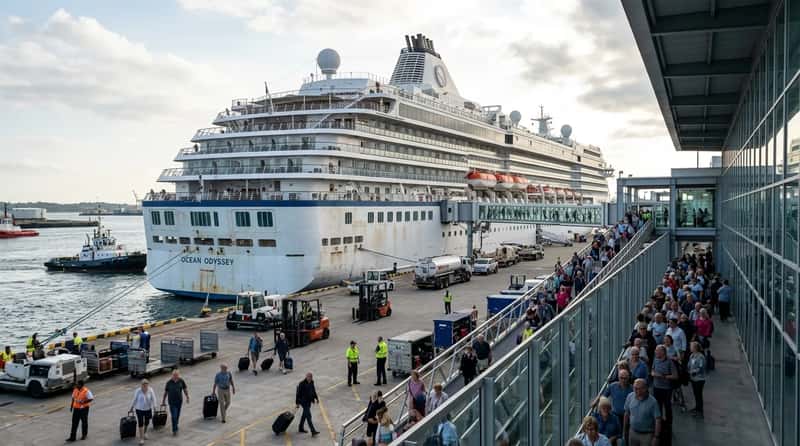
The very first delay of your trip may have started with someone else’s voyage.
Check whether the ship’s previous sailing arrived on schedule, since a late inbound arrival almost always delays the outbound departure. The ship you’re about to board hasn’t had time to turn around, and nobody announces that over the PA system.
A single vessel delay typically cascades through the entire string of ports on the loop. You’re not delayed because of anything happening today, you’re delayed because of something that went wrong two days ago.
But the cascade goes deeper than that. Keep reading.
#16 – Port Congestion Nobody Warned You About
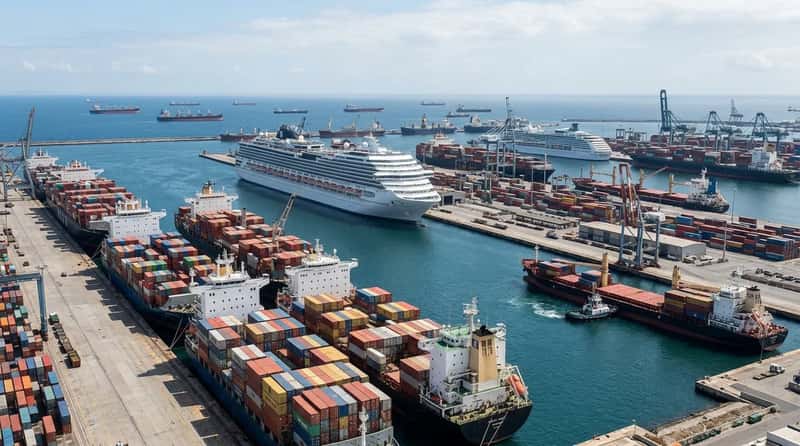
Your ship is ready. The problem is that twelve other ships are also ready, and there’s only one berth.
Port congestion is a close second cause of delays. Large ports handle dozens of vessels simultaneously, and when one ship arrives late, it pushes the entire queue back.
Multiple vessels waiting for the same berth, pilot, or tug create a ripple effect that rarely shows up in cruise line updates. Port traffic congestion and limited pilot availability can seriously delay a vessel’s departure.
The port, not the ship, is often the bottleneck, and no one is required to tell you that.
What makes it worse is the person guiding your ship in. The next reason reveals why.
#15 – The Harbor Pilot Isn’t Available Yet
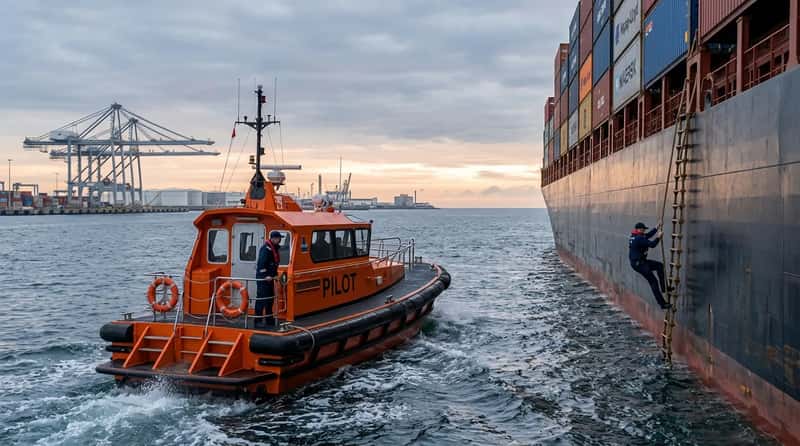
Every large port requires a licensed harbor pilot to physically board and guide the ship in and out. When that pilot is busy, or running late, the ship simply sits.
At many ports, a local harbor pilot waits offshore expecting your vessel at an appointed time. This service comes with a high charge, and if the ship arrives too far behind schedule, it can trigger hefty fees.
Limited pilot availability causes ships to wait offshore, increasing port stay and the risk of a missed sail-away. Pilots are shared across every vessel in the port.
Fast Facts
- Harbor pilots must be licensed for that exact port – a license from another port doesn’t count.
- Pilots often board a moving ship from a small pilot boat, sometimes miles offshore.
- Busy ports share a limited pool of pilots among dozens of arriving and departing ships each day.
- Missing a pilot’s slot can push a departure back hours, not minutes.
When two ships need a pilot at the same moment, one of them waits – and the answer you get onboard is usually “operational reasons.”
And that’s before weather even enters the picture.
#14 – Fog. Thick, Unexpected, Unscheduled Fog
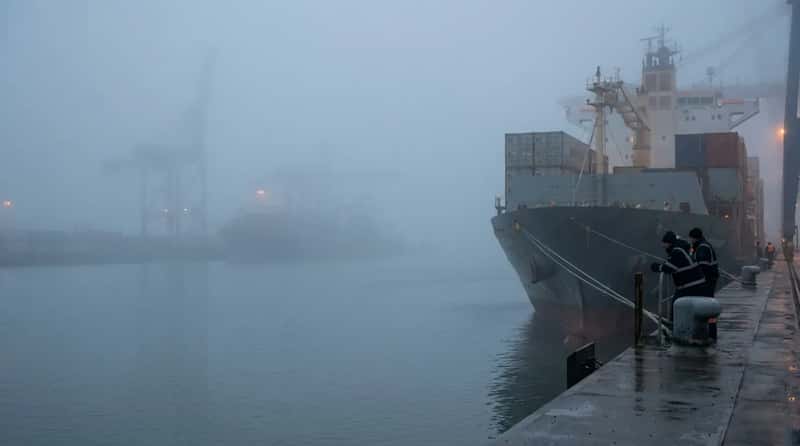
Fog is the delay nobody budgets for, and it strikes more often than you’d think.
The possibility of a delay due to fog is real, and it happens every year, usually during winter months. Visibility requirements for safe navigation are strict, and captains cannot legally depart when conditions fall below minimum thresholds.
Some short trips turn into “cruises to nowhere.” If the delay is long enough on a short cruise, the ship skips the ports altogether and just sails in open water until it’s time to head home.
A few hours of fog can cost an entire itinerary stop – and the announcement is usually as vague as “weather conditions.”
But fog isn’t the only atmospheric culprit. The next one is bigger.
#13 – A Storm System Is Holding Position Offshore
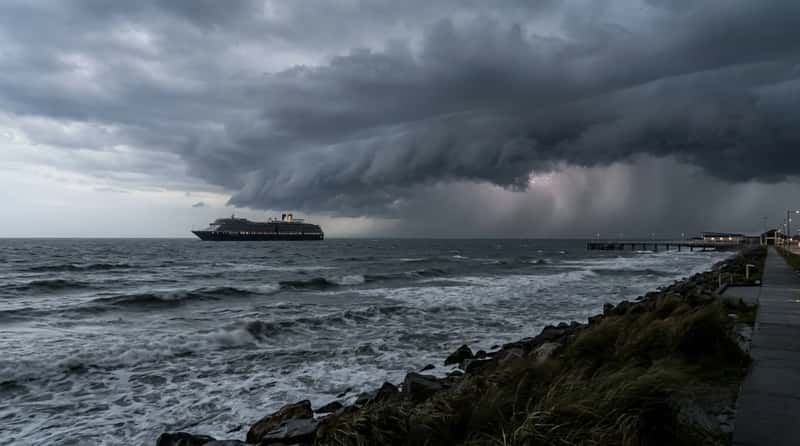
Storms don’t just cancel destinations. They physically stop a ship from departing at all.
A storm system requiring the ship to hold position offshore can result in extended delays. The captain may be sitting miles outside the harbor, waiting for seas to calm before attempting the dock.
Meanwhile, you’re at the terminal wondering why the ship isn’t visible yet. Even at berth, rough conditions can suspend loading and unloading, delaying departure and pushing back the next port of call.
The ship doesn’t need to be at sea for weather to delay it – the loading dock itself shuts down, and that’s almost never in the announcement.
Storms you can eventually see coming. The next delay you’ll never see at all.
#12 – An Engine or Propulsion Problem Found at the Last Minute
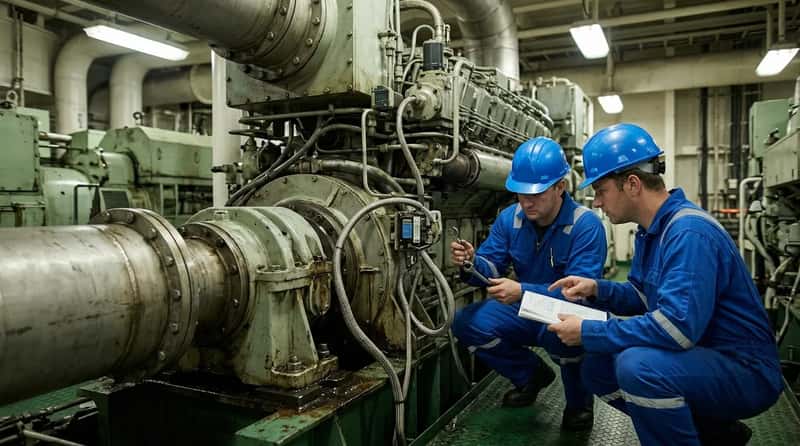
There are systems on a ship you’ll never see and never think about, until one of them fails.
Cruise ships are enormously complex, and issues with propulsion, engines, or onboard infrastructure can force slower speeds or unplanned stops. Sometimes a problem discovered right before departure delays the sailing entirely.
A vessel is a web of interdependent parts, and a malfunction in any one of them can stop the whole ship from sailing. One faulty sensor in the propulsion system can ground a 100,000-ton ship.
Engineers work on it while passengers wait in the terminal, and the PA system just says “technical issue.”
The real danger is what regulators find during their own checks. That’s next.
#11 – A Coast Guard Inspection Flagged Something
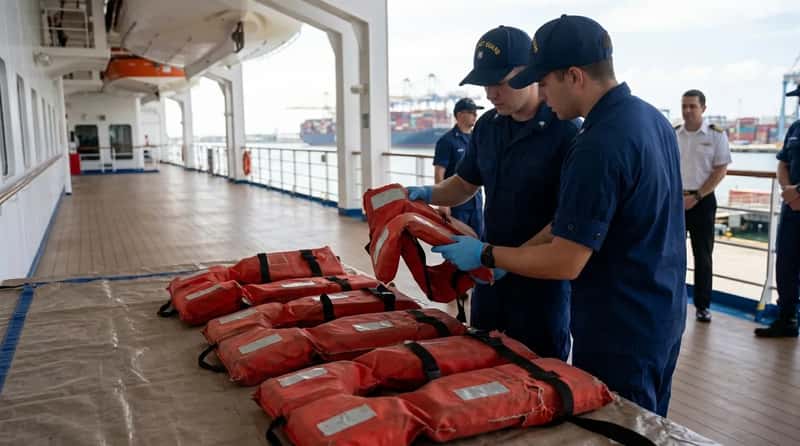
Government inspectors don’t follow the cruise line’s schedule. They follow their own.
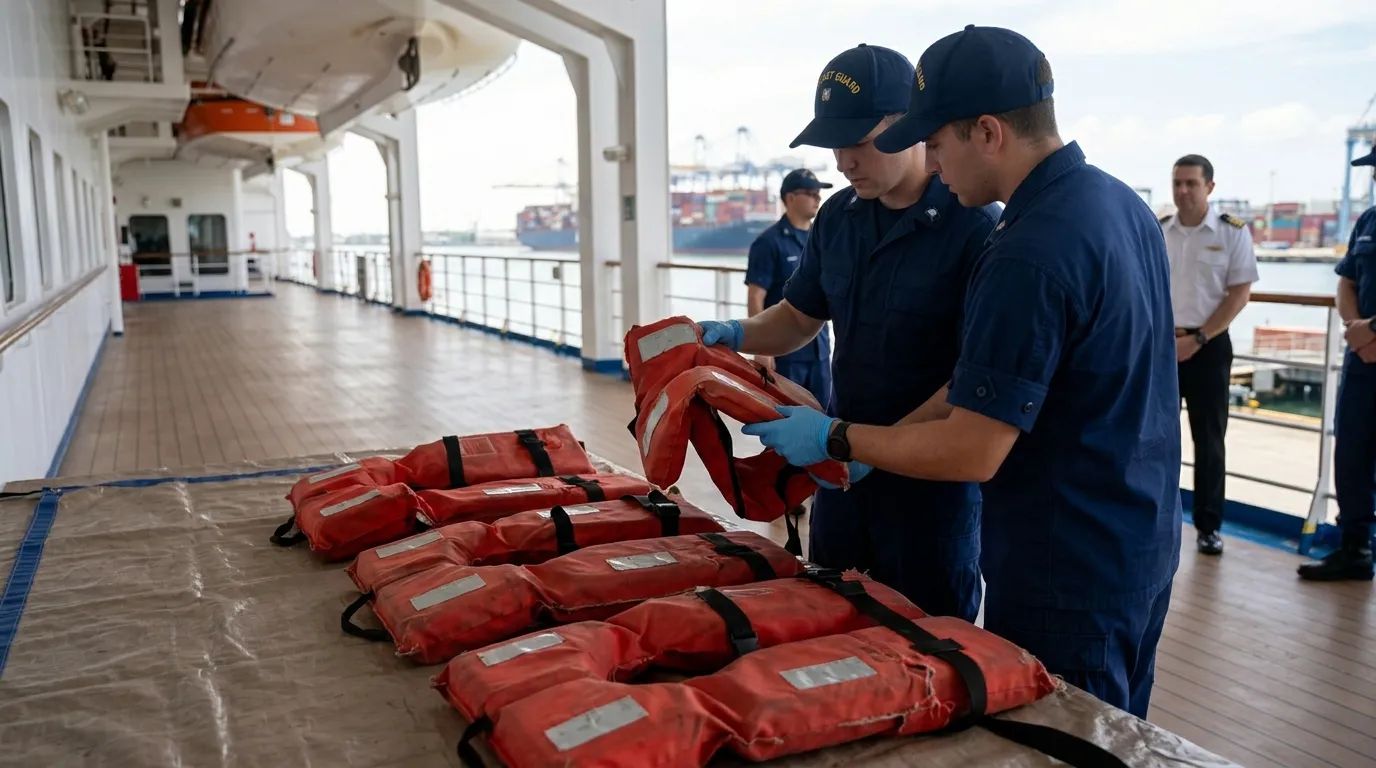
A Royal Caribbean cruise ship once set sail from Florida a full day late because of a problem with life jackets. The Majesty of the Seas was held by a U.S. Coast Guard inspection that found some life jackets showing their age.
Passengers expecting to wake up in the Bahamas instead spent an unplanned night in port. The ship’s 2,515 guests received onboard credit worth 25 percent of their cruise fare.
“Some outdoor life jackets that were showing their age.”
Royal Caribbean, official statement on the 2017 delay
A 24-hour delay because of aging life jackets – that’s not a hypothetical, that’s a documented, real event. Passengers were among the last to know what was actually happening.
Turns out, safety gear isn’t the only thing inspectors scrutinize. Keep going.
#10 – Bunkering (Fueling) Took Longer Than Planned
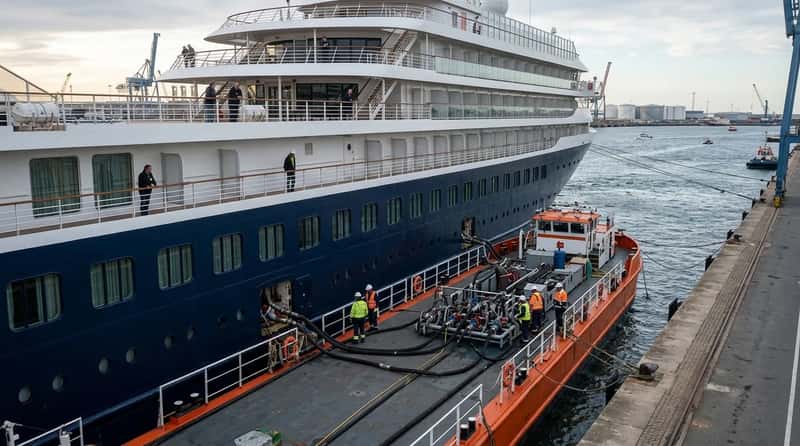
A ship that size doesn’t pull up to a pump and pay at the counter. Refueling is a slow, regulated operation.
Unscheduled bunker stops are one of the five main reasons a vessel departs later than its published schedule. Even scheduled bunkering can run long if the fuel barge arrives late or weather affects the transfer.
Every minute the fuel hose is connected, the ship legally cannot depart. Bunkering a large cruise ship can take several hours.
The terminal announcement? Usually nothing at all until departure is imminent.
Next up is a reason that’s technically your fault, but nobody ever frames it that way.
#9 – Late Passengers From a Shore Excursion
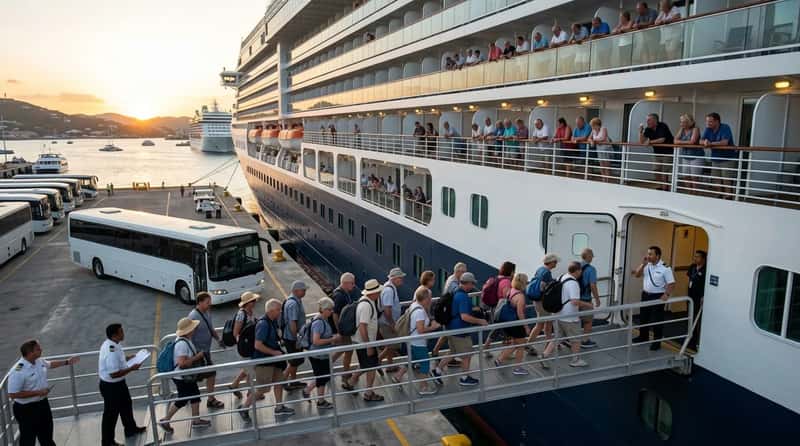
Cruise lines will cheerfully sell you a shore excursion, and occasionally that same excursion is what delays the entire ship.
When a ship-organized excursion runs over schedule, the captain typically waits. Stranding passengers who paid the cruise line directly would be a PR catastrophe.
Quick Compare
- Ship-organized excursion runs late: the captain typically holds the ship until the group returns.
- Independent tour runs late: the ship almost never waits, and you’re on your own to catch up.
- The result: the exact same delay gets treated completely differently depending on who sold you the ticket.
But the 3,000 people already onboard waiting to leave? They’re just collateral.
One overrunning bus tour can set off a chain reaction across the entire itinerary, and can even cause logistical problems for other ships waiting to dock at the next port. The explanation given to waiting passengers is almost always a euphemistic “we’re waiting for all guests to return.”
But independent late arrivals get a very different treatment. See the next one.
#8 – A VIP or Group Booking Has Leverage
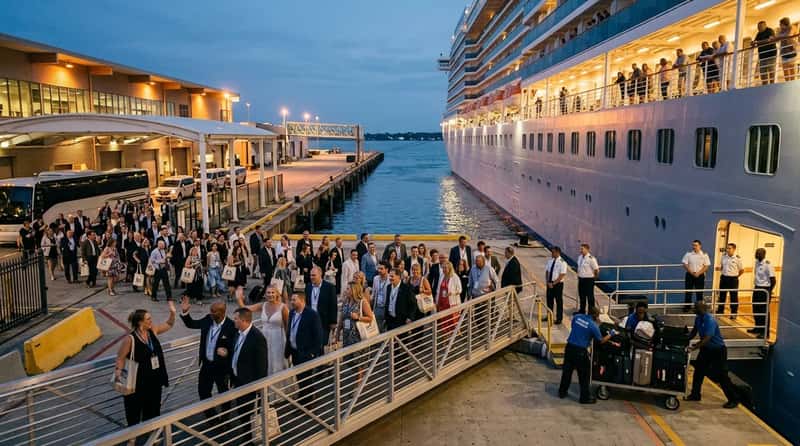
This is the one nobody in the industry will admit publicly, but it happens.
A single passenger would basically have to be a director of the cruise company to get a ship held. But large group bookings – corporate charters, wedding parties, travel agency block-bookings – carry commercial weight.
When a significant revenue group runs late, the calculation quietly changes. A cruise ship’s schedule is typically planned two years or more ahead, involving people across multiple locations to keep everything safe and on time.
Holding for a group that controls 200 cabins is a commercial decision – and it gets dressed up as “completing boarding procedures.”
What happens when someone onboard has a medical crisis instead? The next section shows you.
#7 – A Medical Emergency During Embarkation
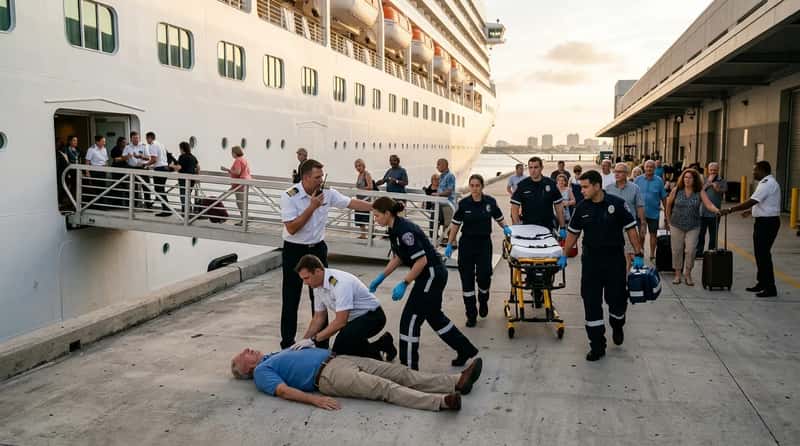
A passenger collapses. A crew member is injured. Suddenly the departure timeline is irrelevant.
When a passenger or crew member needs urgent care, the ship may turn toward the nearest port, slow down for a helicopter evacuation, or divert entirely. Medical emergencies requiring shoreside hospital care can force the ship off its planned route.
A medical delay during boarding means emergency services board the ship, paperwork gets filed, and nobody is going anywhere fast.
Passengers are typically told only that departure is “delayed for operational reasons,” as if those two words explained anything at all.
The paperwork angle runs even deeper in the next one.
#6 – Documentation Errors or Missing Manifests
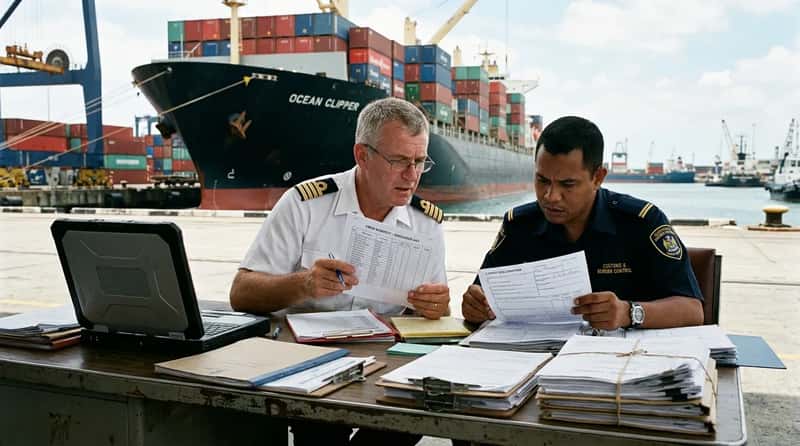
Every passenger, crew member, and piece of cargo needs to be documented correctly before a ship legally leaves port.
Shipments can be delayed at departure for reasons ranging from weather to lack of proper documentation to non-compliance with requirements. A single clerical error on a crew manifest or cargo declaration can trigger a full hold while port authorities sort it out.
Rechecking or reissuing incorrect documents can take a long time. One wrong field on a customs form can freeze a sailing for hours.
The ship can’t just “sort it out later” – maritime law requires the paperwork complete before departure is authorized.
But some delays aren’t about mistakes. They’re about who isn’t there yet.
#5 – A Crew Change That Ran Overtime
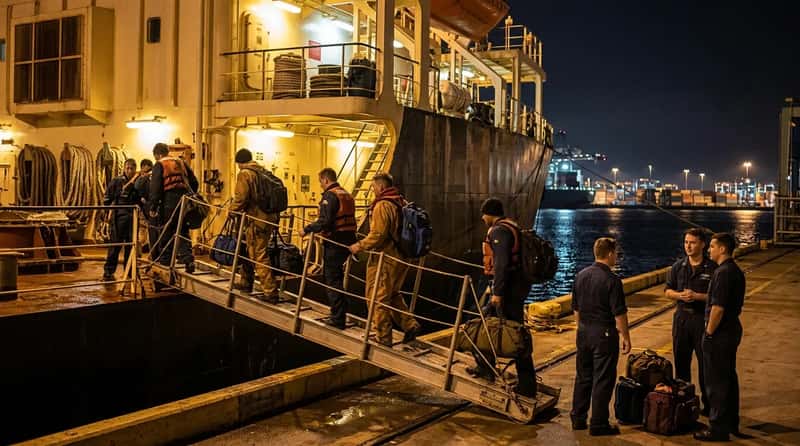
Sailors work long contracts, typically two to nine months at sea. When a rotation ends, crew disembark and replacements board.
If flights are delayed or documentation takes time, the new crew simply isn’t aboard yet. Unscheduled crew-change stops are explicitly one of the five main causes of vessel delays.
A ship cannot legally sail undermanned below its safety certificate minimums. If one department head is stuck in an airport, the ship waits – and that’s almost never shared with passengers on the dock.
The next cause is even more systemic. It’s built into the industry’s own business model.
#4 – A “Blank Sailing” or Schedule Rollover
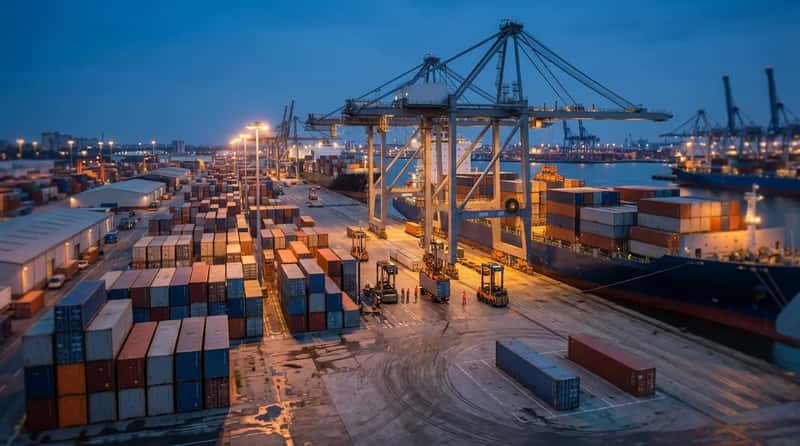
This one is more common in cargo shipping but bleeds into the cruise world through repositioning and charter arrangements.
Post-pandemic, carriers started reshuffling alliances and canceling sailings to protect margins, creating what the industry calls “blank sailings.” Ships simply don’t show up.
Rollovers account for 19% of all delays, meaning a container failed to load onto its scheduled vessel. Carriers overbooking space, or technical issues making a vessel unfit for sailing, are common causes.
At a Glance
- Rollovers already account for close to one in five global shipping delays.
- In peak weeks, close to 1 in 10 containers moving through some major U.S. ports get rolled to a later sailing.
- Carriers routinely overbook vessel space the same way airlines overbook flights, expecting some cancellations.
- A rollover at a transshipment hub usually adds days; one at the origin port can add weeks.
Nearly one in five shipping delays trace back to a rollover or blank sailing – a structural flaw baked into how carriers manage capacity, not an accident.
The next cause is one passengers create themselves, accidentally.
#3 – The Embarkation Line Backed Up Past the Cut-Off Window
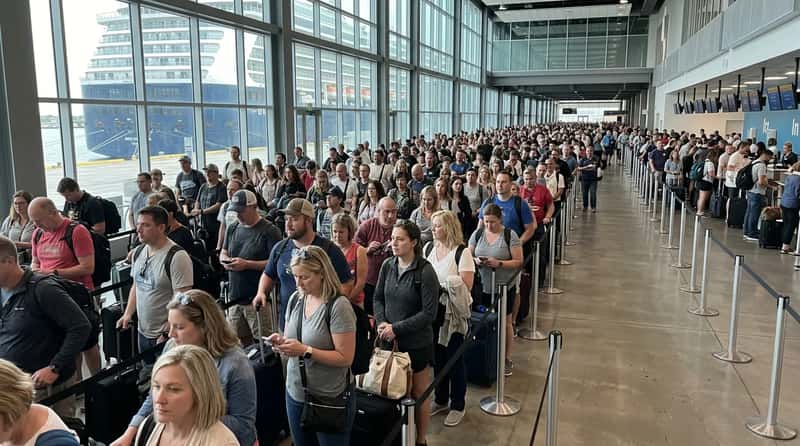
Thousands of people boarding a ship in a single afternoon is a logistical operation that rivals a small airport, and it fails in exactly the same ways.
Cruise ships run on tighter schedules than most people realize. If a ship delays departure by an hour, it can also arrive an hour late at its next port of call.
When too many passengers arrive at the same window, security lanes back up and the terminal becomes the bottleneck. The ship itself is ready – the terminal is the problem.
Cruise lines rarely tell you which check-in window avoids peak congestion, so passengers inadvertently create the exact delay they’ll later complain about.
The second-biggest reason is one the industry quietly hopes you’ll never connect to your own experience.
#2 – The Schedule Was Never Realistic to Begin With
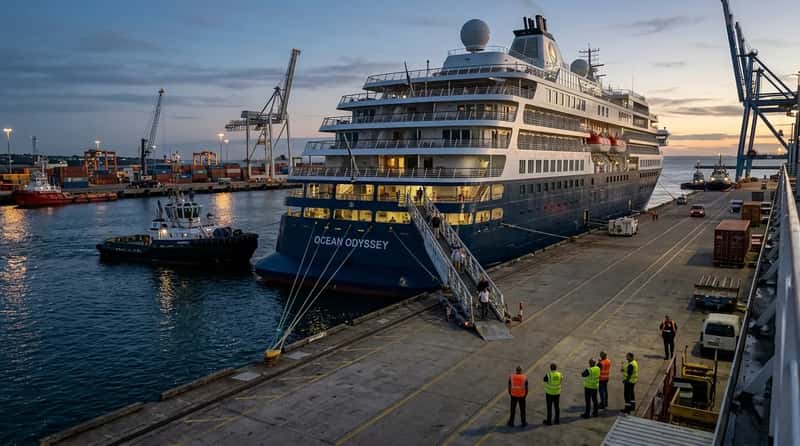
Here’s the uncomfortable truth port experts and logistics analysts discuss openly, but cruise lines never advertise.
The hidden danger of vessel delays is a long, stretched domino effect that can never be ignored. Leaving or arriving on time always costs extra money, maneuvering, risk, and emissions.
Cruise ship delays happen far more often than passengers expect, partly because schedules are published as marketing tools as much as operational plans. When a schedule has no buffer, any single variable – fuel, pilot, passenger, weather – tips the whole day into delay.
Insiders know this. Passengers find out the hard way.
And the single biggest reason sailings leave late? It’s the one that ties every other item on this list together.
#1 – Nobody Is Required to Tell You Anything
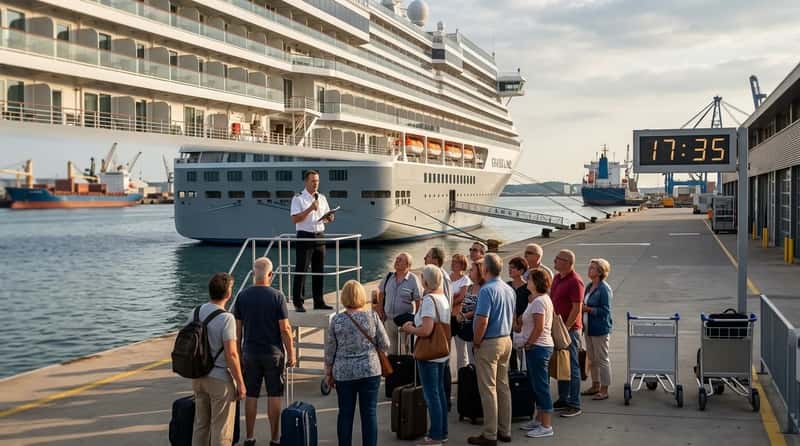
The most consistent reason a sailing leaves late, and the real reason nobody explains it, is that there is no legal obligation to give passengers a detailed explanation.
Itinerary changes can happen before departure or mid-voyage, and passengers may learn about them by email, announcement, or cabin letter. “May” is the operative word.
Cruise lines control the information flow entirely, and vague language like “operational reasons” or “port authority requirements” satisfies their disclosure obligations. Weather, medical emergencies, berth availability, customs staffing, and mechanical failures can all force a ship to skip ports or delay departure.
Any one of sixteen other causes on this list can be summarized as “operational reasons” – and legally, that’s enough.
The industry’s real secret isn’t the delays. It’s the silence around them.
The Bottom Line
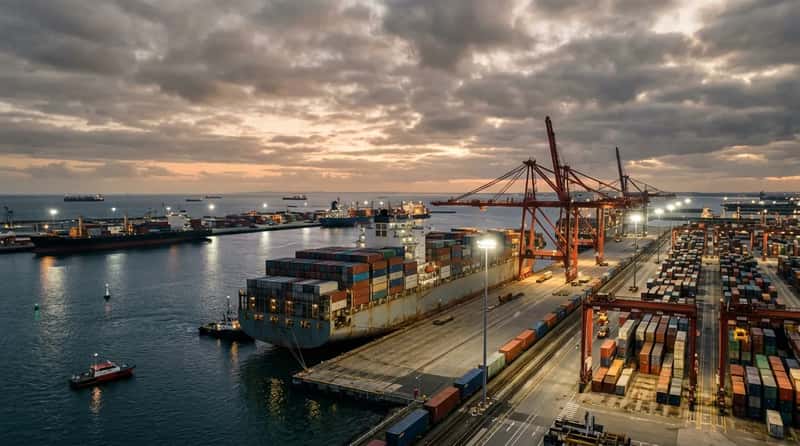
Sailings leave late for reasons that are genuinely complex – fog, coast guard inspections, harbor pilot queues, failed engine components, late crew rotations, and documentation errors all play real, documented roles. Around 30% of global shipping gets delayed in port or between ports.
That’s not a freak occurrence. That’s a systemic pattern, and the real frustration isn’t the delay itself, it’s the reflexive vagueness of the announcement that follows.
Now you know the 17 real reasons. Next time your sailing is late, you’ll know exactly which one to suspect, even if the ship’s PA never tells you.
Have you ever been stuck on a dock with no explanation? Which reason turned out to be yours – drop it in the comments.