You’ve probably heard that turning 65 quietly unlocks a VIP layer of airport help, with wheelchairs waiting, early boarding and shorter lines all lined up before you ask. The 17 services below are real, and most of them are free and written into federal rules. But the story behind them is not the one most people expect.
The word “automatic” is doing a lot of heavy lifting here. Turning 65 triggers almost nothing on its own. The real help is built around age 75, disability and one simple habit: asking. The countdown starts with a myth that trips up almost everyone.
#17 – The 65 Myth: No Alarm Goes Off at the Checkpoint
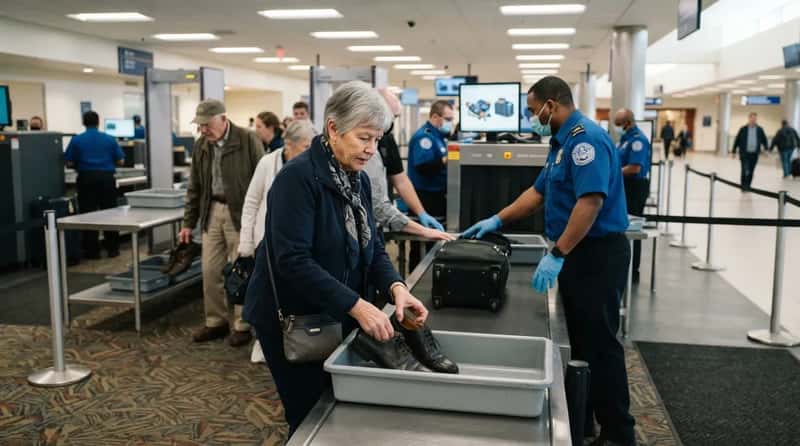
Nobody at the airport is secretly flagging you as a senior on your 65th birthday. Passengers 75 and older can keep their shoes and light jackets on, and many older travelers mistakenly assume that benefit begins at 65. That gap between assumption and rule trips up a lot of people.
Airline help works differently. Carriers must provide assistance requested by or on behalf of a passenger with a disability, or offered by staff and accepted by the passenger. So “automatic” mostly means the services exist and staff are trained to deliver them. A request usually starts the process, and every item below is real. I’ll flag which parts need a nudge from you.
At a Glance
- Age 65: no automatic trigger at security or at the gate.
- Age 75: TSA’s special screening accommodations start here.
- Disability or medical need: this is what drives airline assistance.
- Your voice: a request is usually what sets the help in motion.
But that’s nothing compared to what we found about #16, because even the most famous senior perk changed in 2025…
#16 – Shoes On: The “Senior Perk” Everyone Now Gets
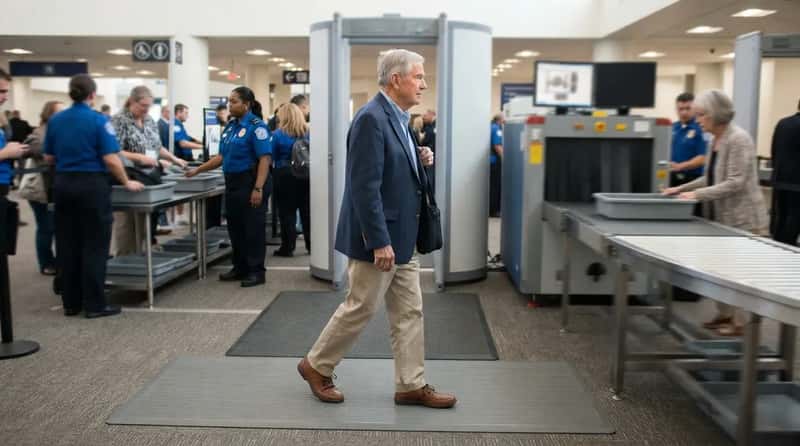
For years, keeping your shoes on was the best-known age break at security. TSA’s page for travelers 75 and older says you may leave your shoes on, but light jackets must come off for Advanced Imaging Technology screening. It felt like insider status.
Then the rules shifted. TSA ended its shoe-removal requirement nationwide on July 8, 2025. The old insider trick became everybody’s trick. Officers can still ask for shoes off in some cases. That leaves a fair question for retirees who fly only a couple of times a year: what is PreCheck’s fee buying now?
But that’s nothing compared to what we found about #15, a do-over most people never ask for…
#15 – The Scanner “Do-Over” Before Any Pat-Down
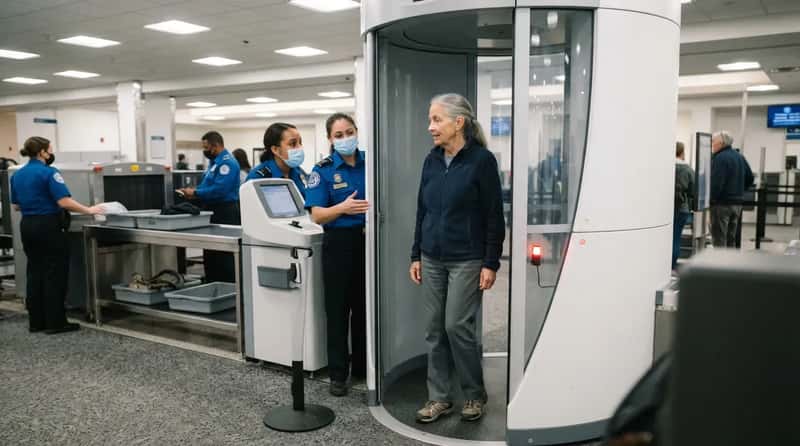
An alarm doesn’t have to mean an instant pat-down. If the alarm goes off, TSA says you may be required to remove your shoes for further screening or undergo a pat-down. That’s the official line, and it leaves room for what happens first.
Some guidance describes a gentler step. Travelers over 75 who trigger a detector may be allowed to pass through a second time before a pat-down and extra screening. That’s a second chance before anyone touches you. Treat it as a request, not a guarantee. Officers on a busy day make the final call, so ask politely and calmly.
But that’s nothing compared to what we found about #14, a request that changes how the whole screening feels…
#14 – The Seated Pat-Down Almost Nobody Mentions
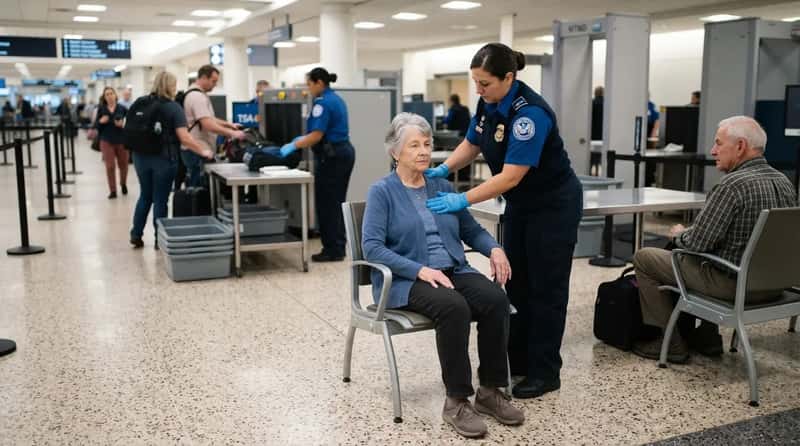
You can sit down for the most uncomfortable part of security. TSA says you can request to be seated during that portion of the screening. Most travelers stand there awkwardly because no one told them.
The reason is practical. Travel guides say the policy helps reduce falls and discomfort. Even a quick pat-down can be a fall risk if your balance is shaky. A travel companion can also tell officers about respiratory equipment, medical devices or medications that may affect screening. A second voice makes the exchange smoother.
But that’s nothing compared to what we found about #13, what happens when standing isn’t possible at all…
#13 – Can’t Stand? The Checkpoint Has a Backup Plan
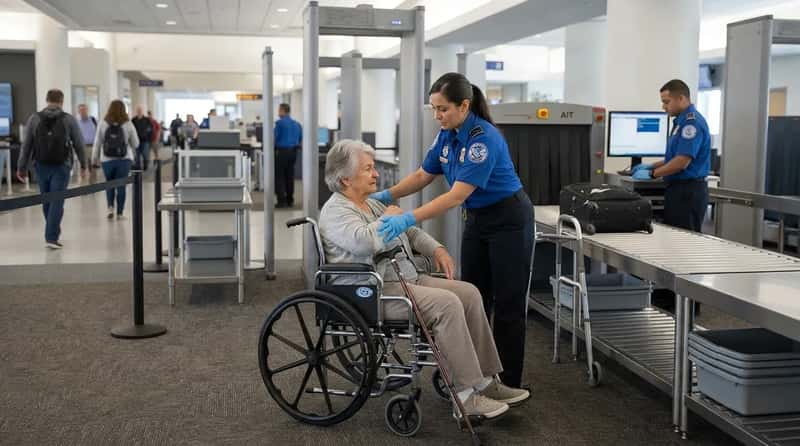
Security isn’t built only for people who can walk through a scanner. Passengers 75 and older who can’t stand for screening are screened through other security methods. That means no one has to be forced upright.
The same flexibility reaches canes and walkers. Walkers, canes, crutches and other mobility aids are X-rayed or hand-inspected. Your cane isn’t confiscated and you aren’t left stranded. Passengers with medical conditions that prevent standing or walking won’t have to remove shoes, though they’ll be manually inspected. It’s slower than a scanner, but it works.
But that’s nothing compared to what we found about #12, a phone number that sets up help before you leave home…
#12 – The TSA Cares Line That Lines Up Help in Advance
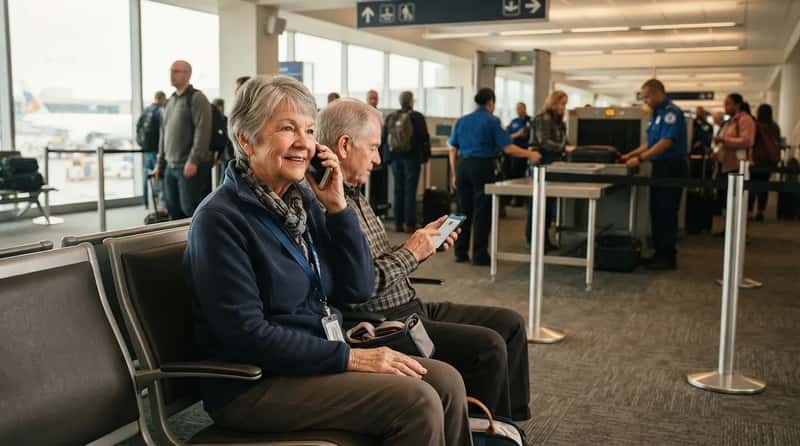
There’s a helpline built for exactly this. TSA Cares answers questions about the screening process for passengers with disabilities and medical issues, at 1-855-787-2227. Most people don’t realize it exists.
Timing matters. TSA strongly recommends contacting them at least 72 hours before travel. The service is free. If your flight is within 72 hours, call the hotline instead. It won’t carry your bags, but it can prepare the checkpoint for you.
But that’s nothing compared to what we found about #11, a trained officer who walks you through…
#11 – A Passenger Support Specialist Can Meet You There
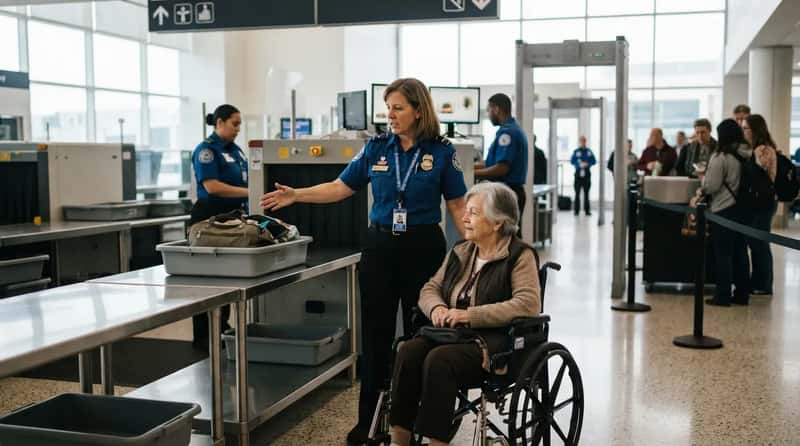
Some TSA officers get extra training for this job. If needed, you can request a Passenger Support Specialist, a TSA officer trained to help travelers with specific needs through screening. Think of it as a guide through the maze.
The help covers more than directions. It can include explaining procedures, special handling of medical devices and seating options. The goal is to remove surprises before they happen. PreCheck and TSA Cares can also be used together. If a loved one has memory issues or anxiety, this is the layer to ask about.
But that’s nothing compared to what we found about #10, a service that follows you well past security…
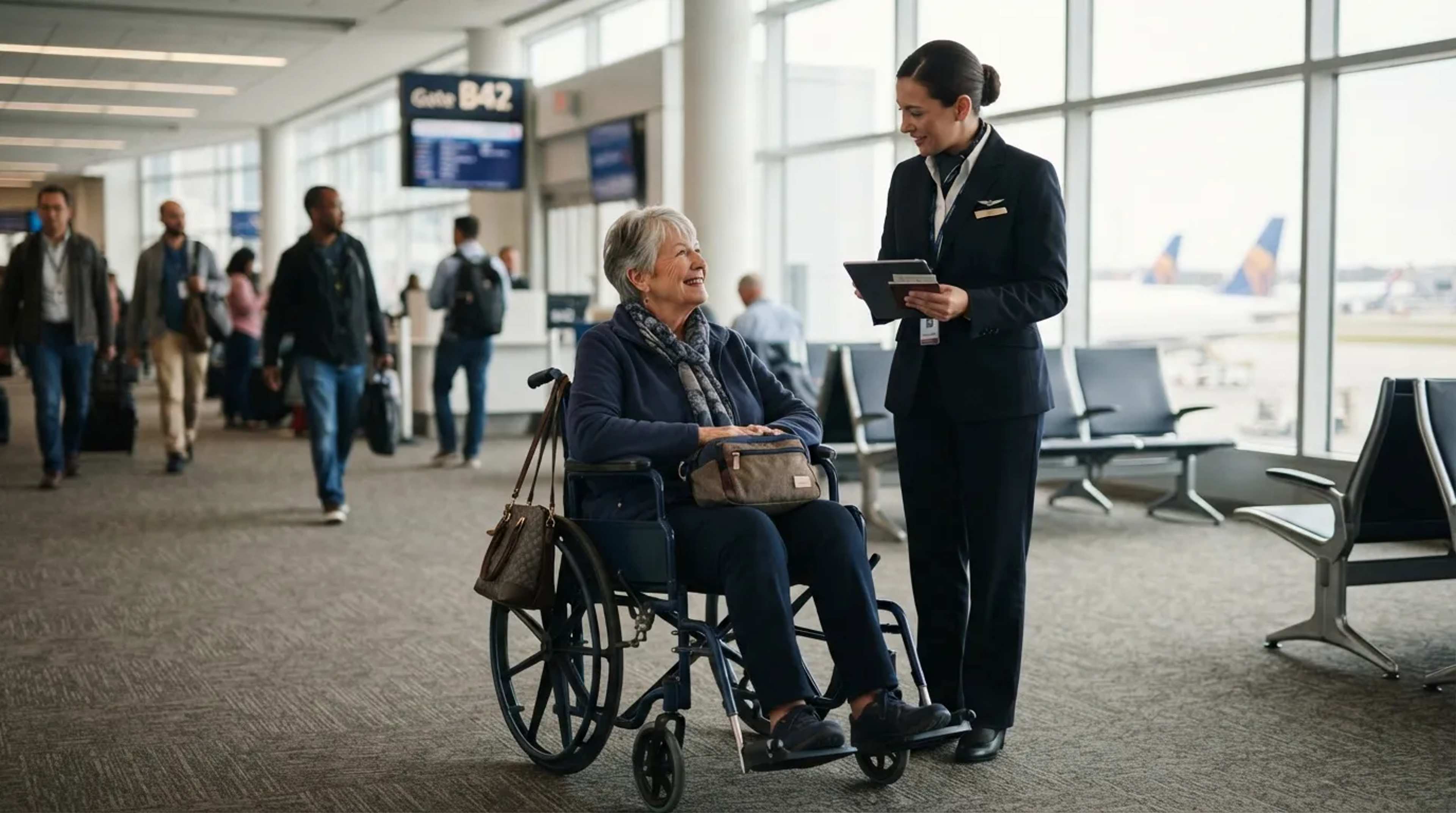
#10 – Curb-to-Gate Wheelchair Help Costs You Nothing
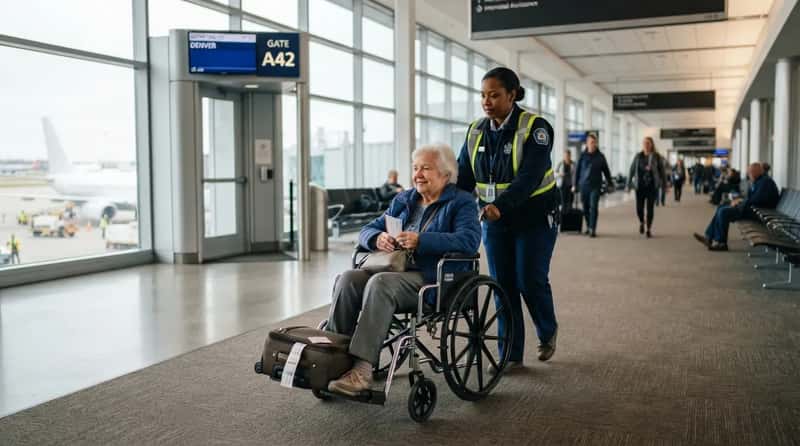
Airports can be exhausting before you even reach the gate. Upon request, airlines must provide passengers with disabilities with prompt assistance boarding and deplaning. The help doesn’t stop at the jet bridge.
It stretches much farther. Assistance includes help from the curb to the departure gate, between gates for connections, and from arrival to pickup at the curb. That means help from the curb all the way to your seat. One guide says it must be free regardless of ticket class. Request it when you book, or tell the airline at check-in.
Fast Facts
- Help runs from the curb to the departure gate.
- It also covers moves between gates on connections.
- On arrival, assistance continues to pickup at the curb.
- Best timing: ask when you book, or at check-in at the latest.
But that’s nothing compared to what we found about #9, the vehicles most travelers assume are only for the “really” disabled…
#9 – Electric Carts Are Named in the Federal Rules
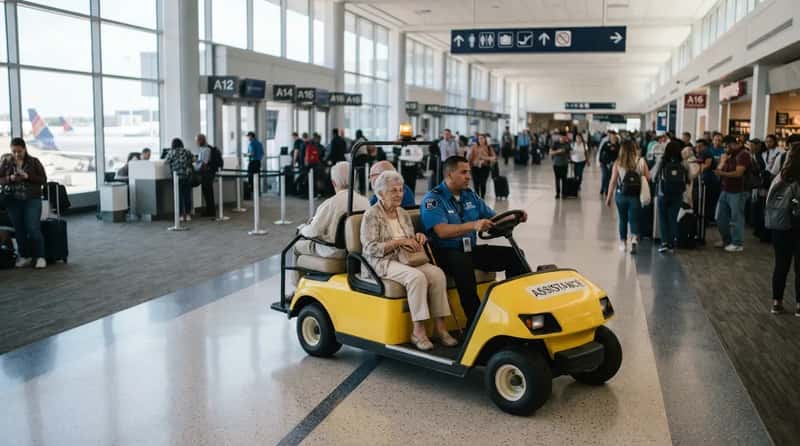
That beeping cart isn’t a favor. Federal rules say assistance must include, as needed, personnel plus ground wheelchairs, accessible motorized carts, boarding wheelchairs, and on-board wheelchairs where provided. It’s right there in the regulation.
Here’s the debate. Some travelers still treat carts as a luxury or a line-skipping shortcut. The rule frames them as mobility help for people who need it. Anyone who has crossed a huge terminal after a long flight knows the distance is real. Carts are usually limited by availability, so asking early matters.
But that’s nothing compared to what we found about #8, a clock that starts ticking when you sit down…
#8 – The 30-Minute Rule Against Being Left Waiting
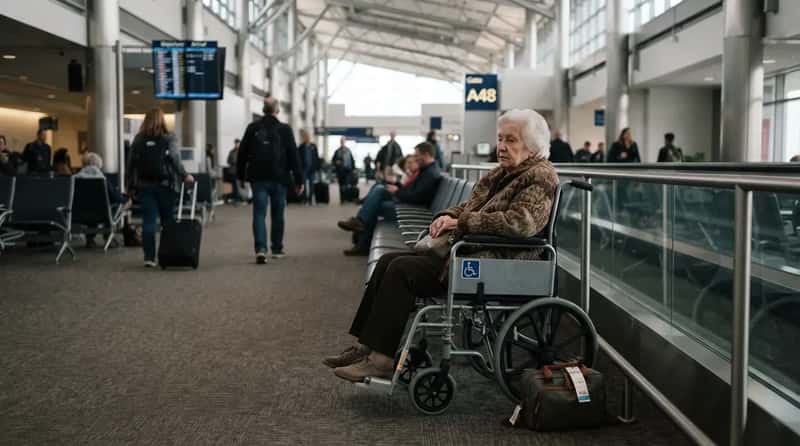
Being parked in a wheelchair and forgotten is a real complaint. Passengers who aren’t independently mobile may not be left unattended for more than 30 minutes in a ground wheelchair or boarding wheelchair. That’s a hard number worth remembering.
It changes what you can ask for. If staff disappear, you don’t have to just wait. Find an agent and point to the rule. If you experience poor treatment, complaints can go to the airline or through the U.S. DOT complaint process. Write down the time you were left, the airport and the airline. Specifics make complaints harder to ignore.
But that’s nothing compared to what we found about #7, the connection that stresses almost everyone…
#7 – Connecting Flights Come With Escort Help
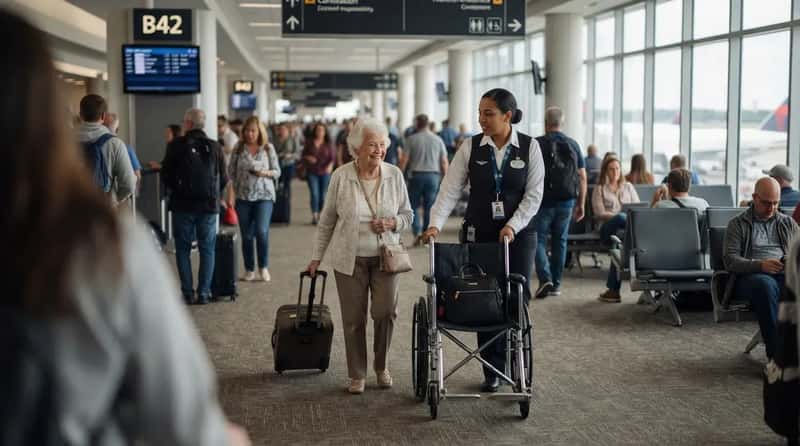
Tight connections are where trips fall apart. A 2024 DOT rule requires prompt enplaning, deplaning and connecting assistance, including moving within the airport terminal. The rule covers the moments in between flights.
It also raised the bar for training. The rule requires annual hands-on training for airline employees and contractors who physically assist passengers with mobility disabilities. It took effect on January 16, 2025. That is the date the final rule went into effect. Still, request help on both legs of the trip, not just the first.
But that’s nothing compared to what we found about #6, a boarding perk some travelers resent…
#6 – Early Boarding, If You Say the Words
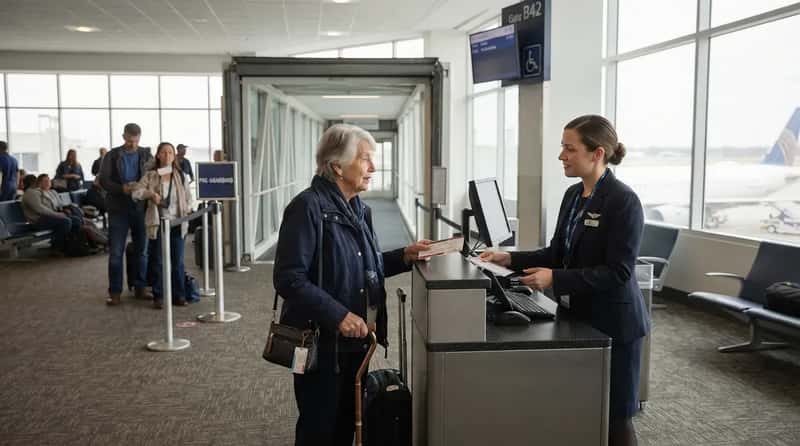
Preboarding isn’t handed out by age. Carriers must offer preboarding to passengers with disabilities who self-identify at the gate as needing additional time to board. The key phrase is “self-identify.”
The reason is safety, not status. One summary says wheelchair users board before general passengers for safe transfers. Quietly standing in line doesn’t count as asking. Walk to the gate desk when you arrive and say you’d like extra time. Not everyone loves the idea of early boarders, but a jammed jet bridge is a worse scene.
Quick Compare
- Waiting silently in the boarding line: no preboarding, and a crowded jet bridge ahead.
- Telling the gate agent you need extra time: preboarding, with room to settle in.
- Wheelchair users: typically board first so transfers can be done safely.
But that’s nothing compared to what we found about #5, the help waiting once you step on the plane…
#5 – Cabin Help With Seats, Bags and Restrooms
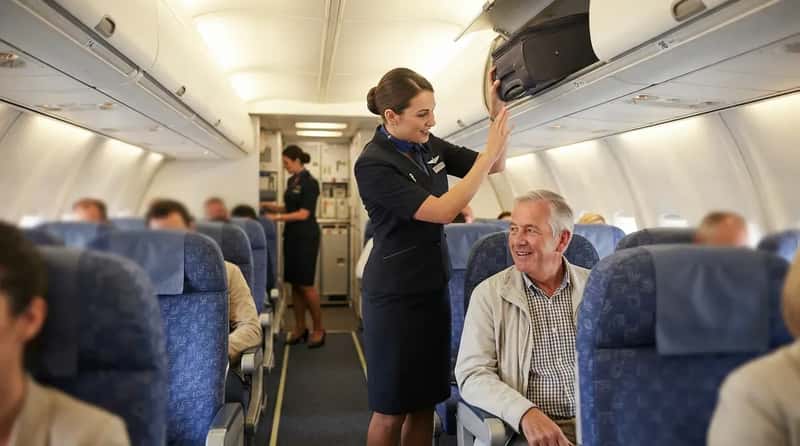
The assistance doesn’t end at the aircraft door. On the plane, airlines should provide help as requested with getting in and out of the seat, moving to and from the lavatory, and stowing or retrieving carry-on items. Most people never ask for it.
- An on-board wheelchair, if the aircraft has one, can help you reach the lavatory.
- Airline personnel must never hand-carry a passenger on or off an aircraft, except in an emergency.
That second point is the one families often don’t know. You have the right to refuse being carried. Ask for the proper equipment instead.
But that’s nothing compared to what we found about #4, the carry-on rule most travelers have wrong…
#4 – Medical Devices Don’t Count Against Your Carry-On
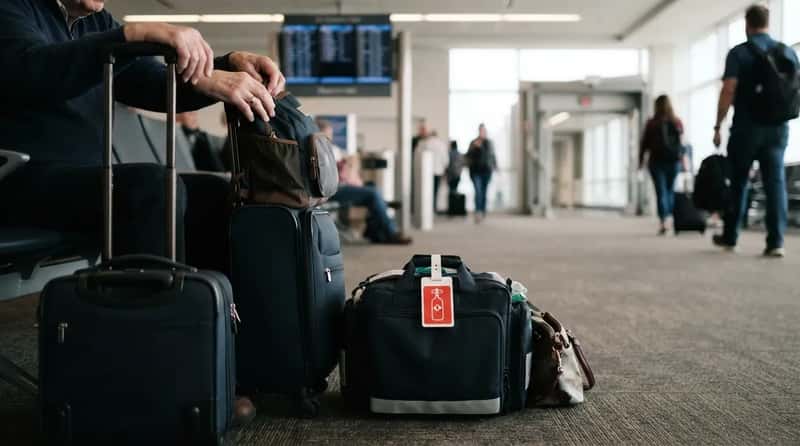
Your oxygen gear or medication bag isn’t competing with your suitcase. Airlines must allow assistive devices as carry-ons in the cabin free of charge, and they may not count against a passenger’s carry-on limit. That surprises a lot of flyers.
The definition is broad. Assistive devices include medical devices and medications. Respiratory equipment that needs aircraft power may require 48 hours’ notice. Airlines may also require one-hour advance check-in in that case. Plan ahead so you aren’t denied at the counter.
But that’s nothing compared to what we found about #3, the equipment people are afraid to fly with…
#3 – Wheelchairs and Scooters Fly Free
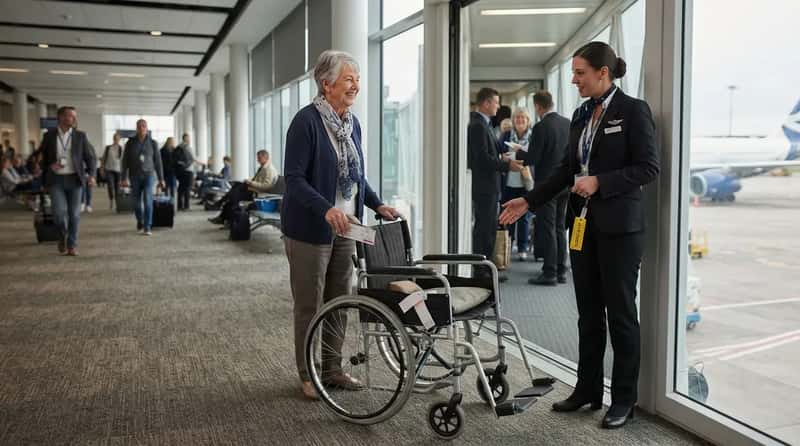
Bringing your own chair doesn’t cost extra. Airlines are required to provide free and safe transportation for the personal wheelchairs and mobility devices of passengers with disabilities. That includes bulkier gear.
The details matter. Airlines must provide for the checking and timely return of wheelchairs at the boarding gate. You can even choose to reclaim a gate-checked wheelchair at baggage claim. That right is yours if you prefer it to the arrival gate. Powered chairs with big batteries need more planning, so check battery rules with the airline well before the trip.
Worth Knowing
- Transport of your personal chair or scooter is free.
- Your chair is checked at the boarding gate and returned promptly.
- Prefer baggage claim? That’s an option you can choose.
- Powered chairs: confirm battery requirements with the airline early.
But that’s nothing compared to what we found about #2, the alert system that came after years of broken chairs…
#2 – Alerts That Tell You Your Wheelchair Made the Flight
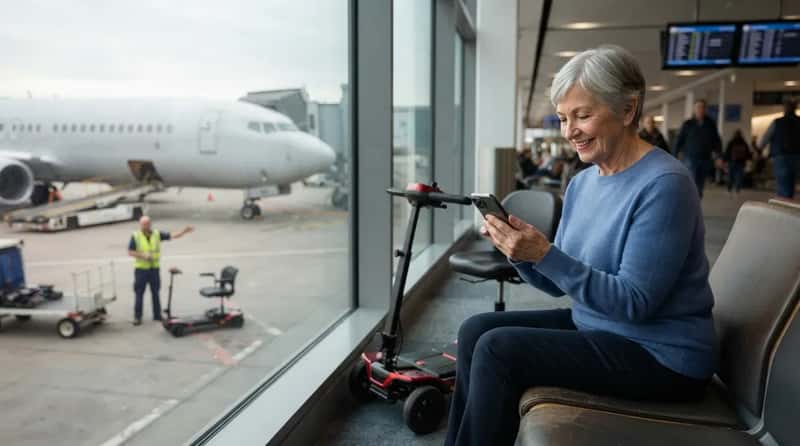
Few things hurt like arriving without your chair. A DOT rule requires airlines to notify passengers whether their wheelchairs or scooters have been loaded before the cabin door closes. That includes saying so if the device couldn’t fit.
There’s a second alert on the other end. Carriers must also notify passengers, before they deplane, when their wheelchairs or scooters have been unloaded from the cargo hold. A damaged chair is now presumed mishandled. The rule sets a rebuttable presumption that the airline mishandled a device not returned in the condition it was received. Be careful, though. DOT delayed enforcement of four specific provisions in September 2025. Check the DOT’s current status before you rely on any single one.
But that’s nothing compared to what we found about #1, the fact that changes how you ask for everything above…
#1 – The Free Part: Airlines Can’t Say No
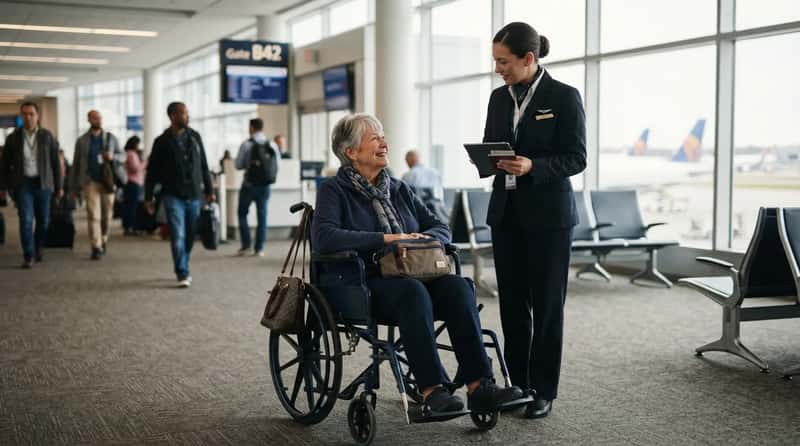
The biggest surprise isn’t a perk. It’s the law behind all of them. The Air Carrier Access Act, not the ADA, governs airline accessibility. It applies to all U.S. carriers on any route, plus foreign carriers flying to or from the United States.
That law has teeth. Airlines cannot refuse service to a passenger because of a disability. The DOT enforces it. Assistance is also free regardless of ticket class, according to one guide. So the truth about “automatic” is this: the rights are built in, but most of the help still starts when someone asks.
So nothing special happens at 65. The age line at security is 75, and most airline help depends on a request. Even the shoes-on perk went universal in 2025. What does exist is solid: seated pat-downs, alternate screening, the TSA Cares line, free curb-to-gate help, preboarding, in-cabin assistance and rules protecting your wheelchair.
The surprise is how much is waiting and how few travelers use it. The best airport perk may be one sentence said out loud at the right desk. Which of these did you only learn about today, and did we miss one you’ve used? Drop it in the comments.