Most people assume that once you hit your 60s, airport customs becomes a polite formality – a nod, a stamp, and you’re on your way. That assumption is wrong in some very specific ways. Customs and Border Protection officers are trained to observe every traveler with a sharp, practiced eye, and several things that are completely routine for older travelers – the volume of medication in a carry-on, the way a bag looks on an X-ray screen, the food tucked into a side pocket from a relative’s kitchen abroad – can quietly trigger a second look. None of this has to become a problem. But not knowing what officers are actually watching for? That can cost you a stressful hour in secondary inspection and, in some cases, real money.
What makes this list genuinely surprising is that most of the triggers are completely innocent. Things like carrying a CPAP machine, packing a bag the way you’ve packed it for 40 years, or bringing home a jar of homemade jam. Officers aren’t targeting older travelers – but the habits and circumstances that come with age happen to overlap with a remarkable number of real customs watchpoints. Here’s what the process actually looks like from the other side of the counter.
#17 – An Overpacked, Dense Suitcase That Blocks the X-Ray
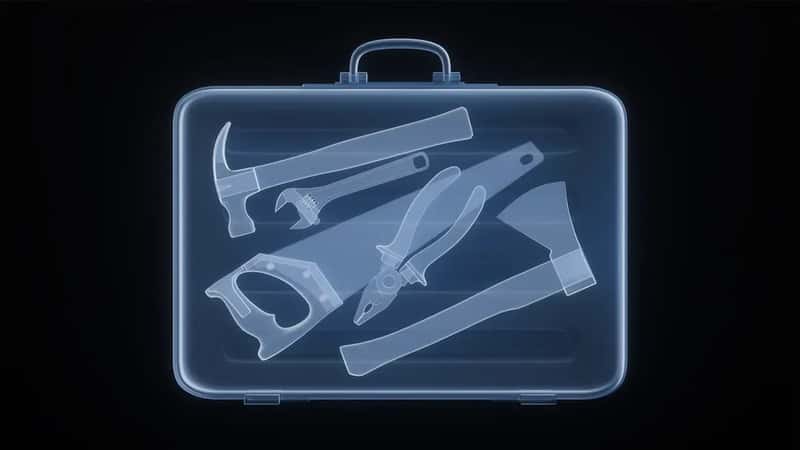
Customs officers don’t just look at your bag – they look through it, and what the machine can’t clearly see gets pulled for a closer look. Dense materials, cluttered packing, and layers of electronics can obscure the X-ray image entirely, making it impossible for officers to assess what’s inside. That ambiguity is exactly what triggers a manual inspection – not suspicion, just an unreadable screen.
Older travelers who have been packing the same way for decades – rolling everything tightly, stuffing every corner, layering books on top of shoes on top of toiletry bags – often produce exactly this problem without realizing it. The fix is surprisingly simple: organize your layers so that dense items aren’t all stacked on top of each other. A bag that reads clearly on screen moves through without a second glance. A bag that looks like a solid brick on screen does not.
At a Glance: What Slows Down X-Ray Screening
- Stacked books, shoes, and electronics all layered together
- Rolled clothing packed so tightly it creates a uniform dense mass
- Multiple charging cables and electronics bunched in one corner
- Jewelry and coins mixed throughout rather than in a single pouch
- Loose batteries or foil-wrapped items that scatter the scan image
#16 – Unlabeled or Loosely Packed Prescription Medications

Medication is one of the single biggest friction points for travelers over 60, and customs officers know it well. A large pile of unlabeled pills – even completely legitimate ones – looks very different from neatly labeled prescription bottles on an X-ray. TSA officers may open containers, transfer pills to another container for testing, and flag anything that appears unusual in volume or packaging. Items that are out of their original containers are among the most common triggers for a bag pull.
Many people over 60 consolidate medications into weekly pill organizers or ziplock bags to save space – a completely reasonable habit. But one piece of paper changes everything: a note from your pharmacist or doctor confirming what you’re carrying and why. You can bring liquid, gel, and aerosol medications in your carry-on even if they exceed the standard 3.4-ounce limit. Keep them in original prescription packaging when possible, or travel with documentation. That small preparation can make a 30-minute inspection disappear in under 60 seconds.
#15 – Foreign-Made Medications Tucked Into Luggage
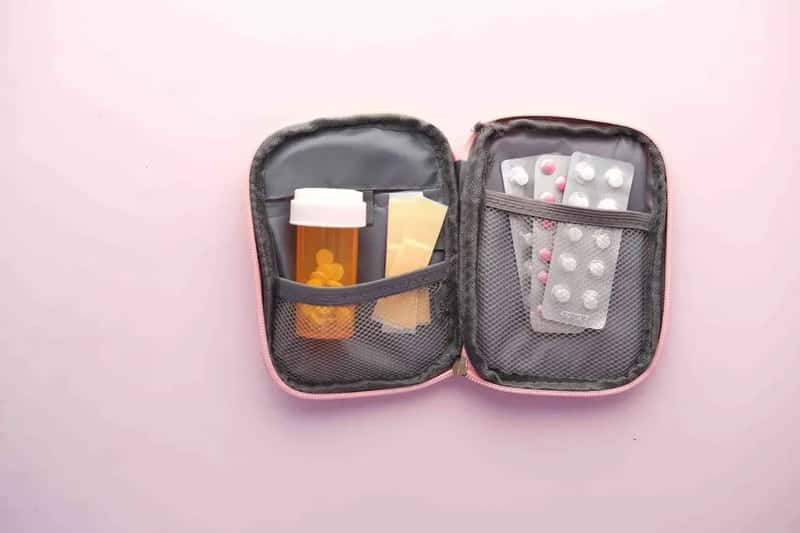
This one catches a surprising number of well-intentioned travelers completely off guard. Picking up prescription drugs abroad to save money – especially in Mexico, Canada, or parts of Europe where costs are dramatically lower – is common among retirees on fixed incomes. It feels practical. But it’s a real customs issue: virtually all foreign-made medications are prohibited from being imported into the United States without specific authorization.
The FDA does allow limited personal-use exceptions in practice, but officers are trained to flag foreign pharmaceutical packaging the moment they see it. Medication must be in its original container, accompanied by a valid prescription or doctor’s letter, and generally limited to a 90-day supply. Anything beyond that – or anything without documentation – is fair game for seizure. Of everything on this list, this is the item that surprises retirees most, and the one with the most avoidable consequences.
#14 – Homemade or Unwrapped Food Items From Abroad

Grandmothers bringing back handmade tamales, olive oil from Italy, or dried herbs from a Turkish market – this is one of the most common customs situations officers encounter, and one of the most commonly misunderstood. All travelers entering the United States are required to declare any meats, fruits, vegetables, plants, seeds, soil, animals, and plant or animal products they’re carrying. The declaration requirement covers checked bags, carry-ons, and anything on your person.
The key word is declare – not “throw away” and not “hide.” Prohibited agricultural items can carry plant pests and foreign animal diseases capable of causing serious damage to American crops and livestock. A single undeclared apple can result in a $500 fine. Many processed and packaged foods are allowed through after inspection – but officers have to see them first. The traveler who quietly stuffs a ziplock of dried fruit into a side pocket is the one who ends up in secondary inspection, facing a fine for something that might have sailed through with a simple declaration.
Quick Compare: Allowed vs. Not Allowed at U.S. Customs
- Generally allowed: Vacuum-packed cheeses, dried herbs, jams, baked goods, chocolate, honey, and olive oil
- Generally not allowed: Fresh fruits, fresh vegetables, and most uncooked meats
- Declare either way: If you’re unsure, declare it – you keep it if it passes, and avoid a fine if it doesn’t
- Common trap: A duty-free shop selling a food item abroad does not guarantee it clears U.S. customs
#13 – Wrapped Gifts That Can’t Be Clearly Identified on Screen

Bringing beautifully wrapped presents home for grandchildren and family is practically a rite of passage for older travelers returning from international trips. The problem is that wrapped gifts are a known blind spot in baggage screening. Officers cannot see what’s inside, and a dense, ambiguously shaped package raises the same question every time: what exactly is in there? CBP advises travelers not to gift-wrap items they’re carrying into the United States, because those packages may need to be unwrapped during inspection.
All items received as gifts abroad – and anything bought to give as a gift – must be declared. Gifts can be included in your duty-free personal exemption, but only if they’re declared. Luxury goods are often the first things officers examine when they open a bag. If they find an undeclared watch or piece of jewelry, you’re looking at duty plus potential penalties you could have avoided. Pack gifts unwrapped, declare them honestly, and wrap everything after you get home. No bow is worth an extra hour at the customs counter.
#12 – Cash That Exceeds the Declaration Threshold

Older travelers – especially those who lived through eras when cash was king, or who distrust credit cards abroad – sometimes travel with significant amounts of currency. Most people have no idea there’s a hard legal line they need to know about. If you’re carrying more than $10,000 in cash, travelers checks, or other monetary instruments combined, you are legally required to declare it using FinCEN Form 105. Failing to do so doesn’t result in a tax bill – it can result in seizure of the entire amount.
The $10,000 threshold applies to the total of all currency and monetary instruments combined – not just bills in your wallet. Traveling with large amounts of cash is not illegal, but it will invite questions about the purpose of the funds, especially if the amount seems unusual for the trip. Cash can also appear as a dense, irregular mass on X-ray scanners, which adds another layer of scrutiny. Declaring it takes about 30 seconds at the customs form stage. Not declaring it can cost you everything you’re carrying, plus potential criminal exposure.
#11 – Medical Devices and Mobility Aids
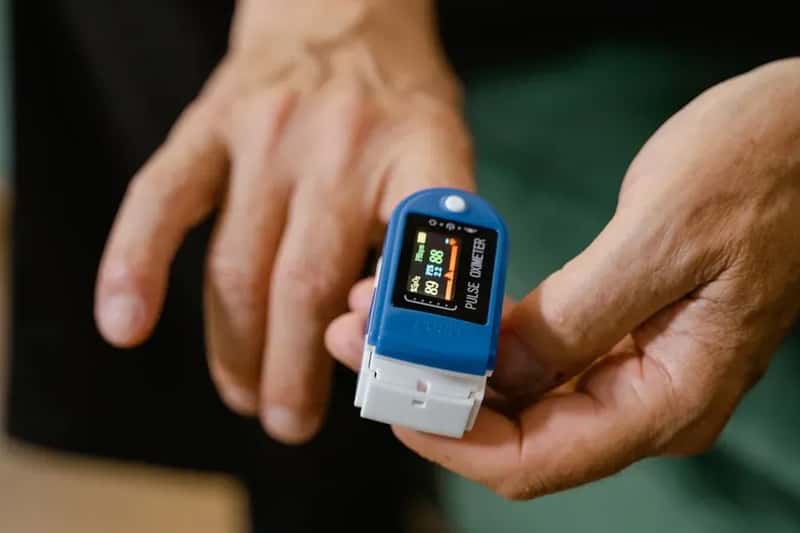
Wheelchairs, walkers, canes, CPAP machines, portable oxygen concentrators – these are part of daily life for millions of travelers over 60, and both TSA and customs officers are specifically trained to handle them. But “handle them” means inspect them. Because officers have found unauthorized items concealed in wheelchairs and other mobility devices, TSA requires all mobility equipment to be screened in some fashion, regardless of the traveler’s condition.
If you use a CPAP, BiPAP, or APAP machine, the device must be removed from its carrying case and go through X-ray screening separately – though you can place it in a clear plastic bag to keep it clean on the belt. Inform the officer if you have any metal implants, a pacemaker, defibrillator, bone growth stimulator, or other internal medical device before you walk through any screening. Saying nothing and hoping for the best is the exact approach that turns a 5-minute screening into a 30-minute ordeal – and sometimes a missed connection.
Fast Facts: Traveling With a CPAP or Medical Device
- CPAP, BiPAP, and APAP machines must be removed from their cases for X-ray screening at standard TSA lanes
- Place the device in a clear plastic bag before it goes on the belt – TSA specifically recommends this
- CPAP machines are classified as medical assistive devices and do not count against your carry-on limit
- A doctor’s note or prescription copy isn’t required but can speed up the process significantly
- Contact TSA Cares at least 72 hours before your flight if you need extra screening assistance
#10 – Inconsistent Answers About Travel Plans

Customs officers aren’t just watching bags – they’re listening to every word. Officers ask a series of questions to verify identity, travel purpose, and admissibility, and when the answers don’t line up – you said you were visiting family but your bag is full of merchandise, or you said you were gone four days but your passport stamp says twelve – that inconsistency immediately becomes the focus of the conversation. Conflicting explanations are one of the primary behavioral triggers for a secondary referral.
Older travelers sometimes get flustered under direct questioning – a completely understandable reaction after a long international flight. But visible confusion or contradictory answers can look, from the officer’s perspective, like something worth investigating further. The best preparation isn’t rehearsing a script. It’s simply knowing your trip details cold before you walk up to the counter: where you went, how long you were there, who you visited, and what you bought. That clarity moves you through faster than almost anything else.
#9 – Stress Indicators and Nervous Body Language

This one is uncomfortable to hear, but it’s real: how you look and act matters. TSA officers are trained through the SPOT (Screening of Passengers by Observation Techniques) program, which tracks behaviors that may indicate elevated stress, fear, or deception. On that list are deeply common human reactions – rapid blinking, gulping, skin flushing, throat clearing, leg shaking, and yawning – all of which are flagged as potential stress indicators during the screening process.
Behavior detection officers operate both at checkpoints and in plainclothes throughout major airports, watching for travelers whose demeanor doesn’t match their story. For older travelers managing genuine travel anxiety, hearing difficulty, or health conditions that affect their composure, this can feel deeply unfair. Displaying reflexive stress behaviors doesn’t mean you’re guilty of anything – but it may attract sustained attention from officers trained to notice exactly these cues. Breathe, make normal eye contact, and answer questions simply and directly. Composure is its own kind of clearance.
#8 – Undeclared Purchases That Exceed the Duty-Free Limit

Here is a rule that a genuinely large number of returning travelers – especially those returning from international cruises or extended European tours – get wrong every single time. Goods purchased in a duty-free shop are not automatically free of U.S. duty when you land. The term “duty-free” refers to where you bought the item, not what happens at the American customs counter. Every traveler arriving from abroad with accompanied baggage is entitled to bring back $800 worth of goods duty-free – but only if those goods are declared.
Anything over $800 must be declared and may be taxed – even if the receipt says “duty-free.” Trying to avoid duty by underreporting the value of purchases is treated as a serious offense: officers can seize the goods and impose fines, and repeat or high-value violations can escalate further. Older travelers returning from long trips with bags full of gifts, jewelry, and local goods are among the most common sources of this situation at international arrival terminals. Declare honestly. The duty on most personal purchases is modest. The penalty for not declaring is not.
Worth Knowing: The $800 Duty-Free Rule
- The $800 exemption applies per person to accompanied baggage brought back with you – not to commercial shipments
- Family members traveling together can combine individual $800 exemptions on a joint declaration
- Returning from U.S. territories like the U.S. Virgin Islands or Guam raises your exemption to $1,600
- Fine art is duty-free and doesn’t count against your $800 – a rarely known exception worth remembering
- “Duty-free shop” means tax-free at point of sale abroad, not tax-free when you re-enter the U.S.
#7 – Bulky or Layered Clothing That Complicates Screening
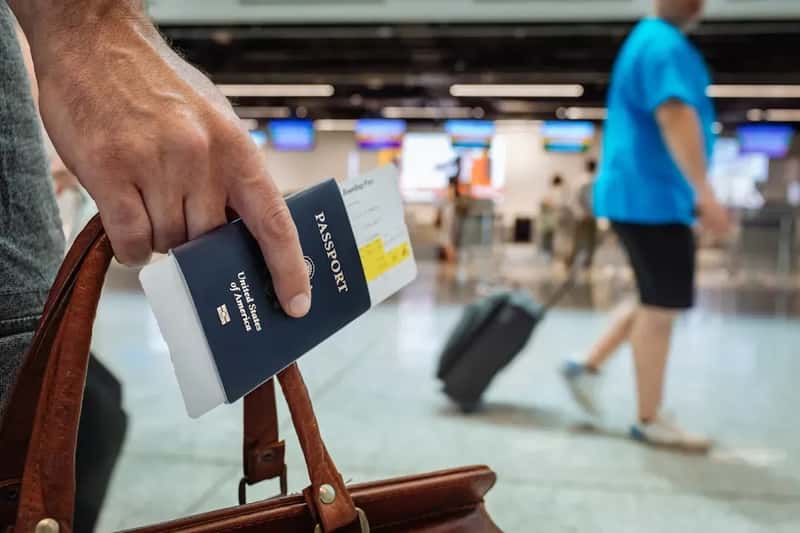
Many older travelers dress in layers for comfort – easier to manage temperature changes in airports, easier on stiff joints, practical for a long travel day. It makes complete sense as a personal choice. But layered and bulky clothing is something security officers are specifically trained to notice and flag. Garments that are very loose or don’t conform to the body’s contour – oversized hoodies, large sweaters, heavy cardigans, ponchos – are among the clothing types that prompt additional screening steps.
Clothing that is too tight creates visible bulges that can appear as concealed objects on body scanners, while clothing that is too loose may appear to hide something underneath. Either extreme slows down the screening process. Traveling in neat, mid-weight clothing and packing extra layers in your carry-on is a small habit adjustment that can meaningfully speed up your time at the checkpoint – especially if you’re already traveling with medical devices or medications that require extra attention.
#6 – Counterfeit Goods or Street Market Purchases
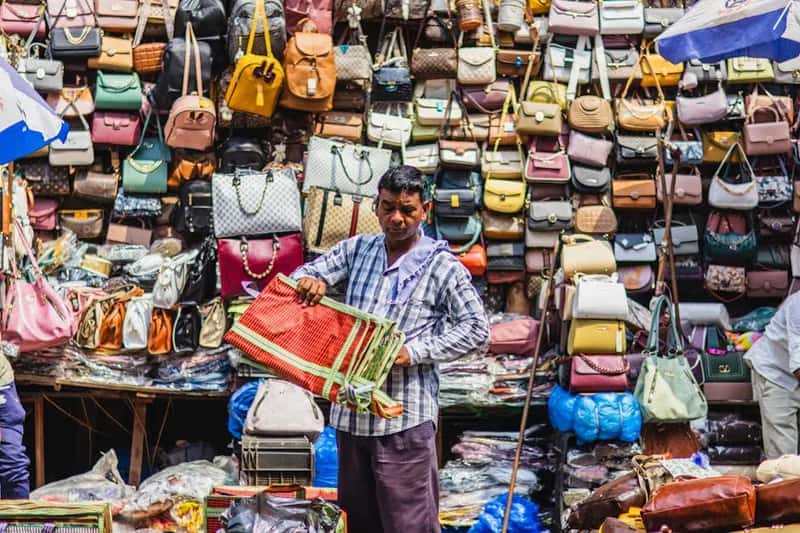
Knockoff designer handbags, fake watches, and “bargain” luxury goods from markets in Southeast Asia, Europe, or Latin America are almost irresistible when you’re traveling – and they’re one of the items customs officers watch for specifically. CBP advises travelers to be cautious when buying from street vendors: if the merchandise is counterfeit, you may have to surrender it to CBP officers upon your return, with no refund and no appeal.
Luxury goods are typically the first items officers examine when they decide to look through a bag. Older travelers who shop at open-air markets are more likely than almost any other group to return with a “bargain” item that turns out to be counterfeit – whether purchased directly or received as a gift. Prohibited counterfeit items may never legally enter the United States, and beyond the customs issue, they can pose real risks to health and safety depending on the product. No souvenir is worth a confiscation, a fine, and the conversation that comes with it.
#5 – Traveling From a High-Risk Country or Region
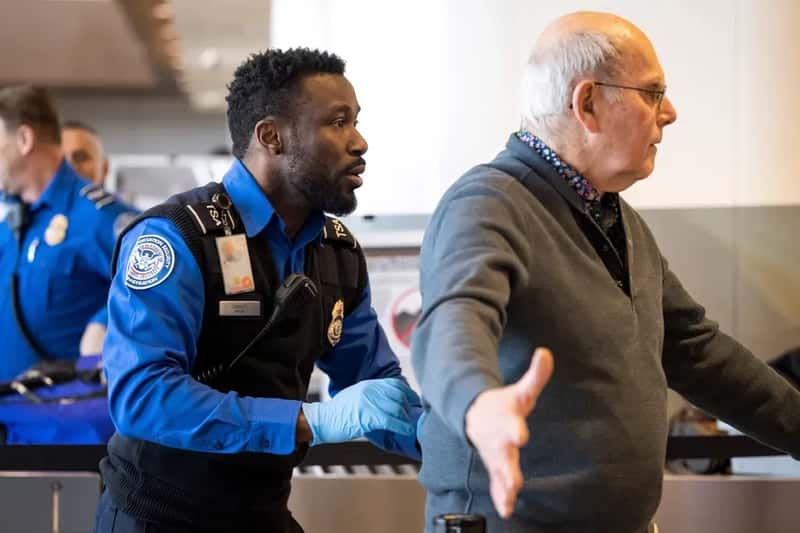
Where you’ve been matters just as much as what you’re carrying. Travelers arriving from countries designated as high-risk by the U.S. State Department are routinely flagged for additional screening, regardless of age. But older travelers on extended international trips – particularly those exploring off-the-beaten-path destinations in regions the State Department monitors closely – are especially likely to encounter this on the return. Countries on the current “Level 4: Do Not Travel” list include Venezuela, Iraq, and Burma, though the list shifts over time.
If you’re directed to secondary inspection upon arrival, CBP officers will conduct a more thorough examination of your documents, belongings, and potentially your person. This isn’t personal – it’s driven entirely by travel history data pulled from your passport. The single most practical thing you can do is check the State Department’s current travel advisory list before you book a trip, and again before you fly home. Knowing what’s on that list before you land means no surprises when you hand over your passport.
#4 – Implanted Medical Devices That Trigger Metal Detectors

This situation affects a very large share of Americans over 60 – and most of them know the alarm is coming but don’t handle the moment as smoothly as they could. Hip replacements, knee replacements, spinal hardware, pacemakers, defibrillators – these are extraordinarily common in the 60-and-over population, and they reliably set off metal detectors. The alarm itself isn’t the problem. What happens next, and how long it takes, depends almost entirely on how prepared you are when you step up to the checkpoint.
Officers are required to resolve every alarm – and without documentation, that resolution process takes significantly longer than it needs to. TSA offers a free Notification Card that specifies your health conditions, disabilities, or medical devices, which you hand to the officer when you arrive at screening so they can make the appropriate accommodations. You should not be screened through the standard walk-through metal detector if you have an internal device like a pacemaker. That card takes about five minutes to request and can eliminate this friction entirely – on every trip, for the rest of your life.
#3 – Undeclared Agricultural Items Hidden in Checked Bags
This tag does not indicate the copyright status of the attached work. A normal copyright tag is still required. See Commons:Licensing.
العربية ∙ বাংলা ∙
Bahaso Jambi ∙
Deutsch ∙ Deutsch (Sie-Form) ∙ English ∙ español ∙ euskara ∙ فارسی ∙ français ∙ italiano ∙ 日本語 ∙ 한국어 ∙ македонски ∙ മലയാളം ∙ Plattdüütsch ∙ Nederlands ∙ polski ∙ پښتو ∙ português ∙ русский ∙ slovenščina ∙ svenska ∙ Türkçe ∙ українська ∙ 简体中文 ∙ 繁體中文 ∙ +/−, Public domain)
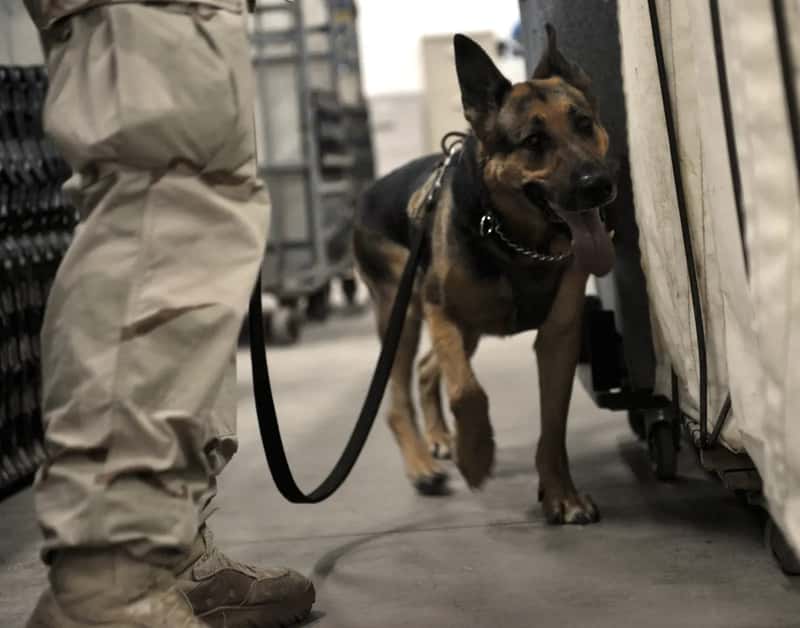
This is one of the most underestimated customs risks for older travelers, and it comes up constantly at international arrivals. The instinct to bring something meaningful home – a piece of fruit from a relative’s garden, seeds from a beautiful flowering plant, a small amount of soil from somewhere significant – is deeply human. But CBP agriculture specialists have trained detection dogs, X-ray equipment, and years of experience finding exactly these items in exactly the places people try to hide them.
Many processed and packaged foods are allowed into the U.S., including vacuum-packed cheeses, dried herbs, jams, baked goods, chocolate, honey, and olive oil. Fresh fruits, vegetables, and most meats are not, with limited exceptions for certain canned products. The rule that catches people most often: just because a duty-free shop inside a foreign airport sells a food product doesn’t mean it will pass U.S. customs. When in doubt, declare it at the counter. If it’s allowed, you keep it. If it’s not, you hand it over without a fine – instead of getting caught hiding it and facing one.
#2 – Excessive Nervousness When Answering Questions at the Counter

Customs officers are specifically trained to read the gap between what someone says and how they say it. For older travelers who are hard of hearing, easily flustered in official settings, or simply exhausted after a 14-hour flight, the customs counter can be a genuinely stressful moment – and that stress is visible to officers trained to notice it. Demeanor, posture, and eye contact are assessed almost immediately. Fidgeting, avoiding eye contact, shifting weight repeatedly, and looking around the room are all behaviors that can escalate a routine stop into something longer.
There are real cases on the record where inspectors became suspicious of a passenger specifically because of extreme nervousness combined with an inability to clearly explain their travel plans. That’s not an edge case – it’s a pattern. Even subtle physical responses like tapping fingers, rubbing hands, or rapid breathing register with trained officers. If you know you get anxious at customs, the best remedy isn’t telling yourself to calm down. It’s arriving prepared: documents organized, customs declaration filled out completely, and your answers to the basic questions – where did you go, how long were you there, what are you bringing back – already clear in your head.
Fast Facts: What to Have Ready Before You Reach the Counter
- Passport and any required visas in hand, not buried in your bag
- CBP Declaration Form 6059B filled out completely and honestly before you land
- A clear mental answer to four questions: destination, trip length, purpose of travel, and what you’re bringing back
- Prescription documentation for any medications, especially foreign-purchased ones
- Receipts or estimated values for gifts and purchases that approach the $800 exemption threshold
#1 – Not Declaring Items at All – and Getting Caught by the Scan
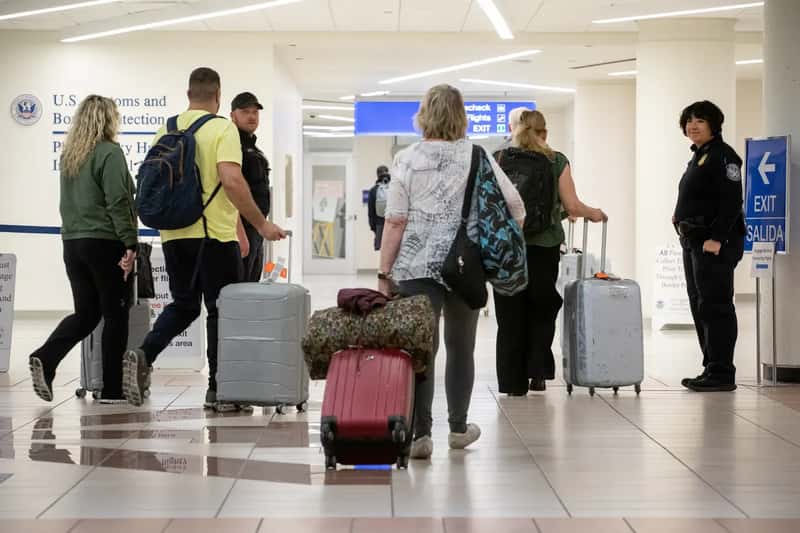
This is the number one thing customs officers watch for across every category of traveler – but it lands hardest on older travelers because the items most likely to be quietly skipped are the exact items older travelers most commonly carry: food from abroad, prescription medications, gifts, agricultural products, and purchases that seem too minor to bother mentioning. Officers don’t need a confession. The X-ray machines, the agriculture detection dogs, and the randomized bag checks do the work without anyone saying a word.
Every returning U.S. traveler is entitled to an $800 duty-free personal exemption on accompanied baggage – but only when items are honestly declared. If you exceed that amount, you may owe duty, but penalties only apply when you fail to declare. That’s the whole equation. A small-value oversight might earn a stern warning; larger omissions or sensitive items can result in seizure, fines, and a customs record that follows you on every future trip. The travelers who walk through customs without a single problem, every single time, aren’t lucky. They declared everything, had their paperwork ready, and gave the officer nothing to wonder about.
The customs process isn’t designed to single out travelers over 60 – but the circumstances of traveling at that stage of life align with a striking number of the things officers are trained to flag. Medical devices, medications, food from abroad, bags full of gifts, undeclared purchases – none of these are suspicious on their own. They only become problems when they’re hidden, undeclared, or poorly explained. The good news is that every item on this list is manageable with a little preparation before you ever get to the airport. Did any of these surprise you?