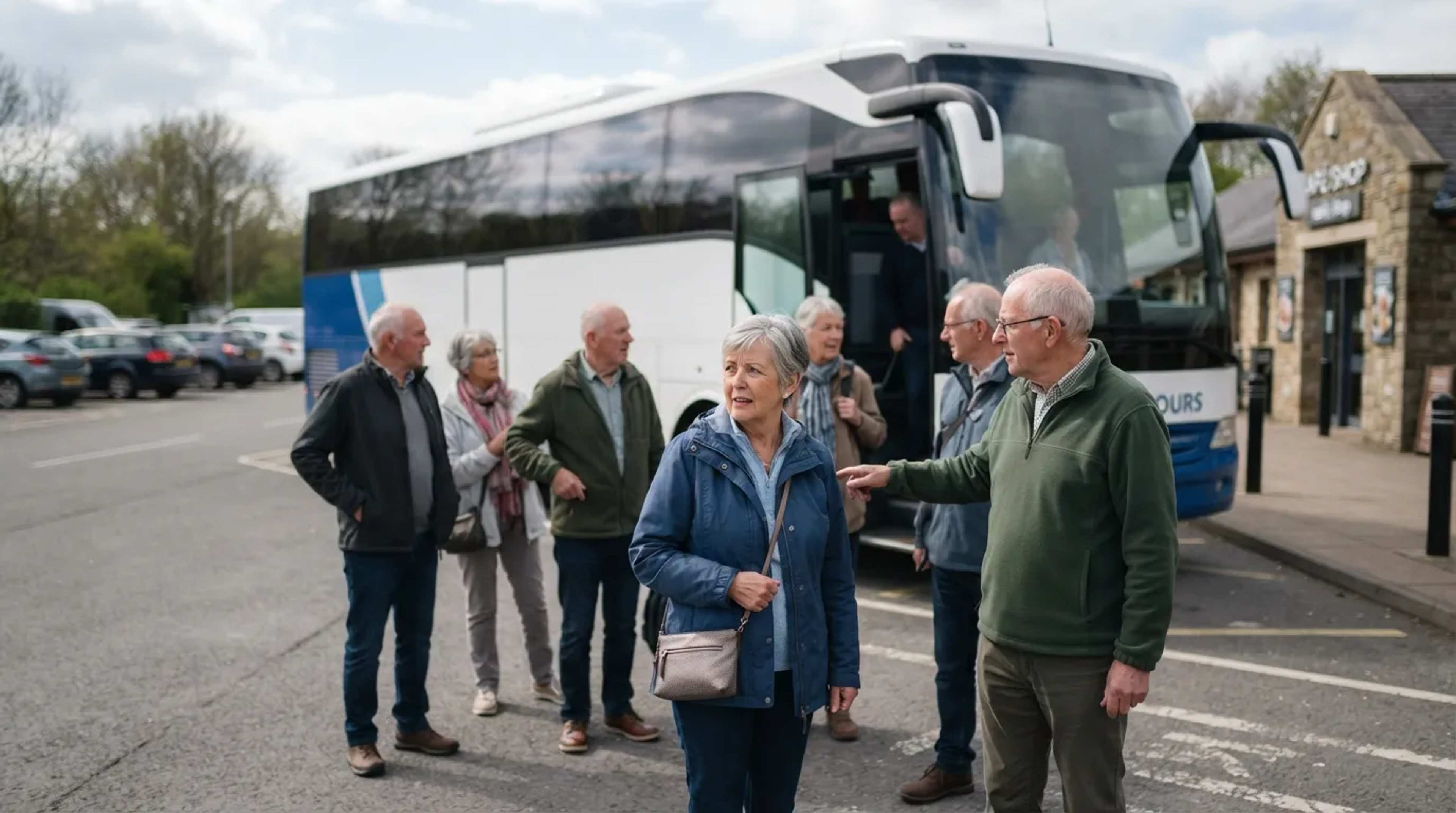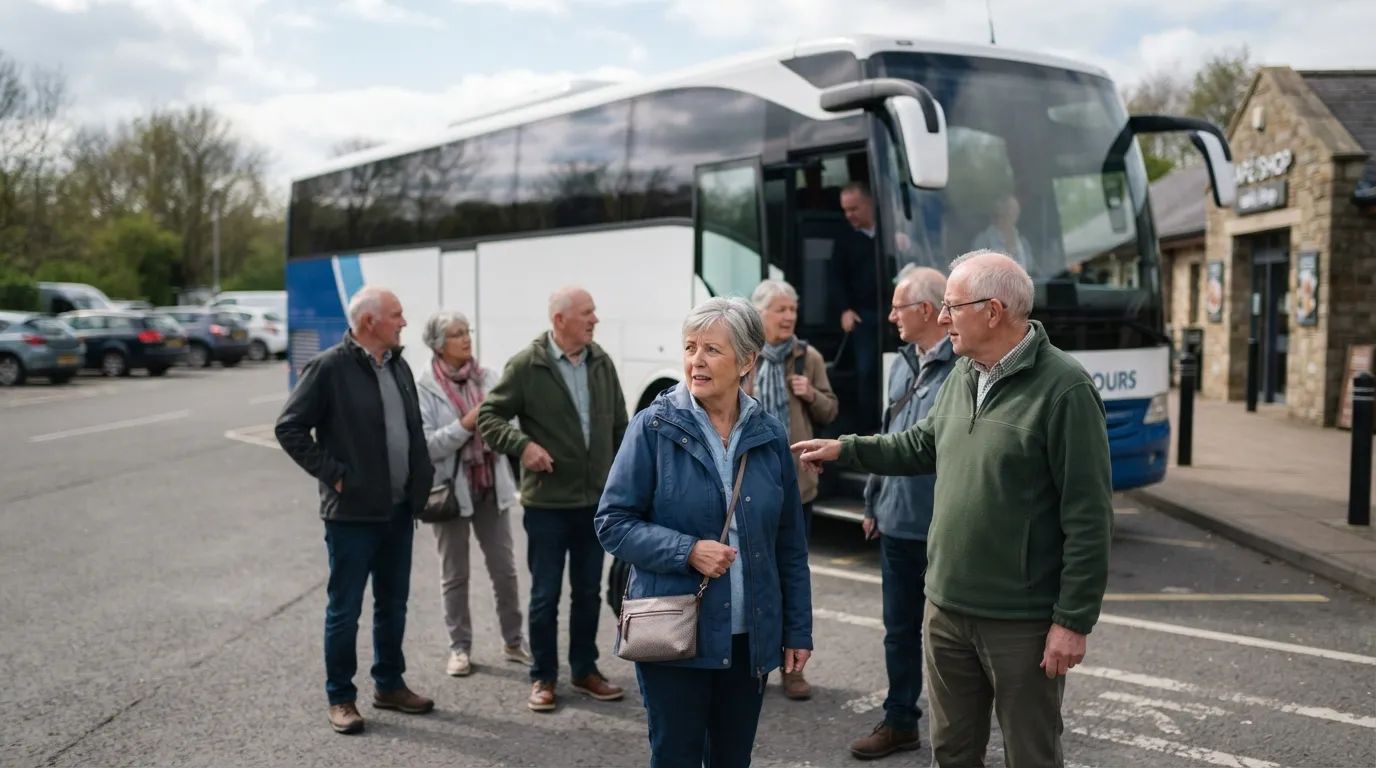
The first comfort stop looks like pure chaos. The doors hiss open, a few dozen people spill onto the pavement, and everyone makes a beeline for the restrooms. But ask coach drivers what they watch in those first fifteen minutes, and many point to the same group: travellers over 65.
Forget the stereotype of the slow straggler holding everyone up. What drivers describe is closer to a quiet masterclass. Some of these habits are purely practical, some are so kind they catch you off guard, and one or two might flip who you thought was slowing the group down. Here are 17 of them, counted down to the one that tells drivers the most about the whole trip.
#17 – They Ask “What Time Are We Leaving?” Before Anyone Else
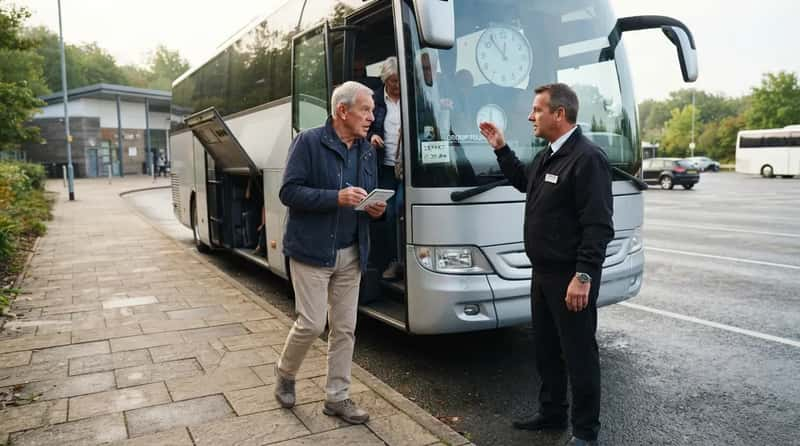
The question often lands before both feet are on the pavement. Many older travellers ask it out loud, then repeat the answer back to be sure. Some jot it on the itinerary or in a small notebook.
It can look fussy, but it may be the most useful sentence spoken at the whole stop. Group tours only work when everyone is back on time, because one late return pushes back every stop that follows. And the clock, as drivers will tell you, isn’t really theirs to bend.
#16 – They Know the Clock Isn’t the Driver’s Opinion
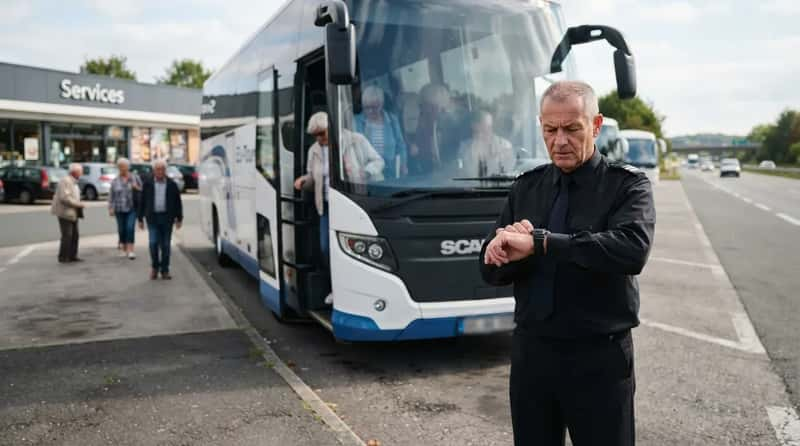
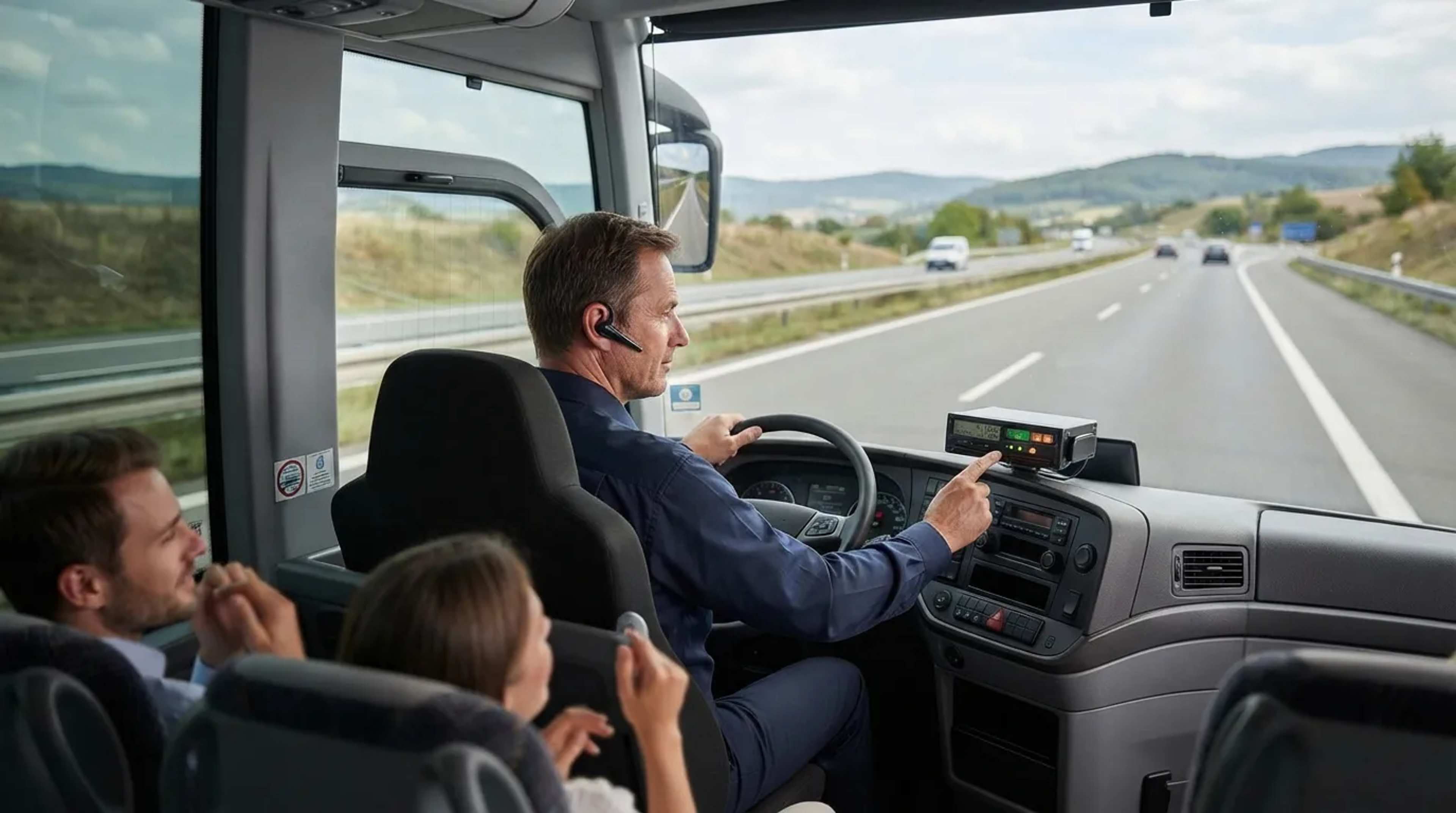
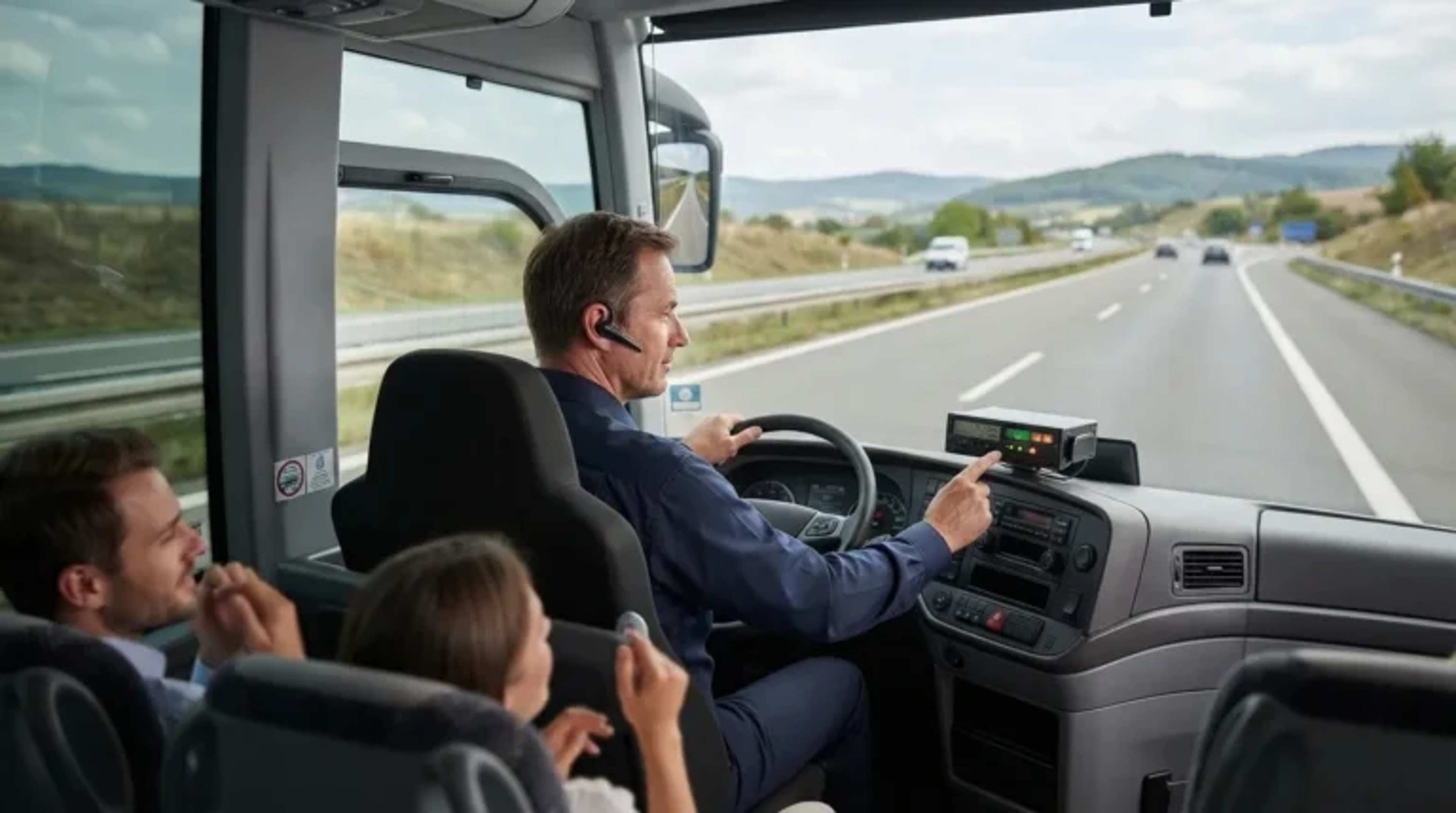
Many passengers assume the length of the stop is flexible. It isn’t. Under EU rules, a driver must take an uninterrupted break of at least 45 minutes after 4.5 hours of driving. That break can be split in two, a first part of at least 15 minutes and a second of at least 30.
Tour companies often plan a shorter morning stop and a longer lunch stop, though schedules vary by operator and country. Experienced travellers hear “twenty minutes” and plan around twenty, not thirty. US motorcoach operators work under their own federal limits, but the point is the same: the break is a legal obligation, not a favor.
#15 – The Slow Step Off the Coach That Isn’t Nervousness
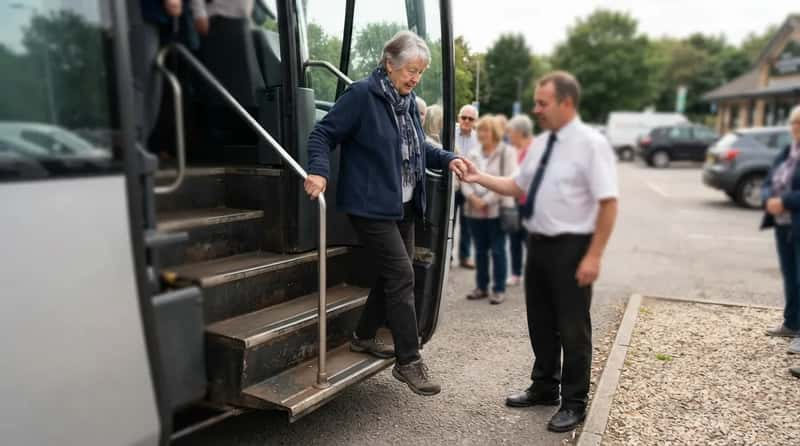
Coach steps are steep, and the last drop to the pavement is often uneven. Many older passengers turn to face the steps and keep a firm hand on the rail. The CDC estimates that roughly one in four adults aged 65 and over falls each year, so the caution is earned.
Drivers often offer a hand, and the passengers who take it are being smart, not weak. Some drivers say the bigger hazard is the person behind who crowds the steps. One missed step can end a trip before the first photo.
Fast Facts
- The CDC puts the figure at about 1 in 4 adults aged 65 and over falling every year.
- Many experienced travellers keep three points of contact: two hands and a foot, or two feet and a hand.
- The final step down is the one drivers watch most, because the pavement is rarely level.
- Waiting a beat for the person ahead to clear the steps is the easiest safety move of the day.
#14 – The Thermos Crowd Quietly Wins the Stop

While everyone else queues for a paper cup of coffee, some travellers pull a flask out of their bag. It was filled at breakfast, it’s still hot, and it’s often paired with a packed biscuit or sandwich. Drivers notice because those passengers skip the line completely.
Service-station drinks have a reputation for high prices, so the flask saves money. It also saves time, which is the scarcest thing at a short stop. The thermos crowd gets to stand in the sun and sip while everyone else watches the clock.
#13 – The Little Pouch of Coins Ready Before the Doors Open
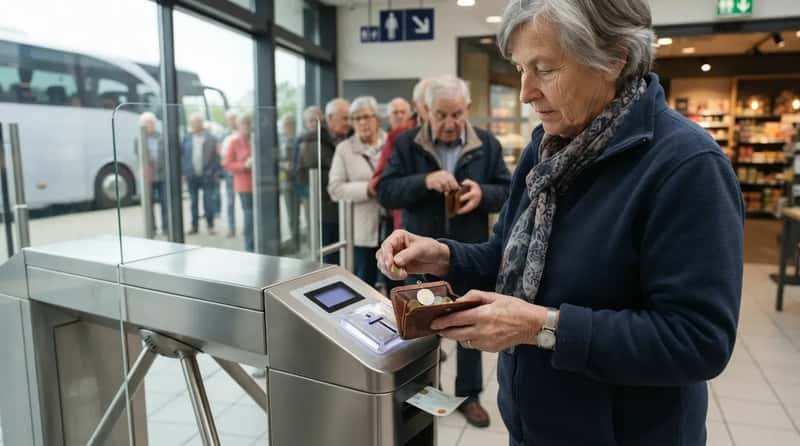
In parts of Europe, including Germany, many motorway rest areas charge for the restroom. Often there’s a paid turnstile that gives back a voucher to spend in the shop. Seasoned travellers keep a small pouch of coins ready before the coach even stops.
Drivers see the difference immediately. The passenger with the right change walks straight through. The one digging through a wallet at the gate holds up everyone behind them, and on a twenty-minute stop every queue counts.
#12 – The Deliberate Lap Around the Car Park
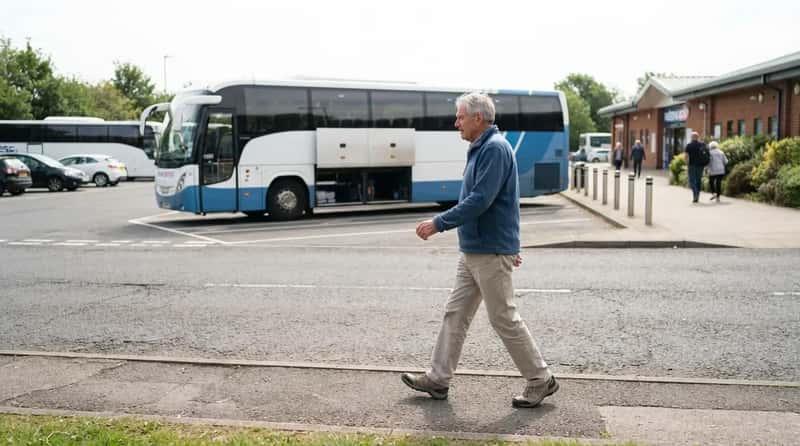
Many older travellers don’t head for the cafe first. They walk a slow lap, swinging their arms and flexing their ankles. Drivers say you can spot them from the cab window.
It’s not just habit. After hours of sitting, legs stiffen and can swell, and health guidance for long journeys generally recommends moving around regularly. The ones who walk first often seem to feel better for the next leg.
#11 – The Pill Organizer Comes Out With the Water Bottle

At the first stop, a surprising number of travellers quietly check a weekly pill box. A sip of water, a small snack, and the morning dose is done. Drivers rarely comment on it, but they see it.
For some people, medication timing is tied to meals or water, so a late stop is more than an inconvenience. That’s one reason experienced travellers ask about stop times so early. They’re running a schedule that matters to their health, which is the opposite of the myth that older travellers aren’t organized.
Worth Knowing
- Some medications are taken with food and others on an empty stomach, so the label or a pharmacist is the best guide.
- A weekly organizer makes a missed dose easy to spot at a glance.
- Keeping medication in the day bag, not the luggage hold, means it’s always within reach at a stop.
- A water bottle and a small snack turn the whole routine into something portable.
#10 – They Photograph the Coach Before Walking Away
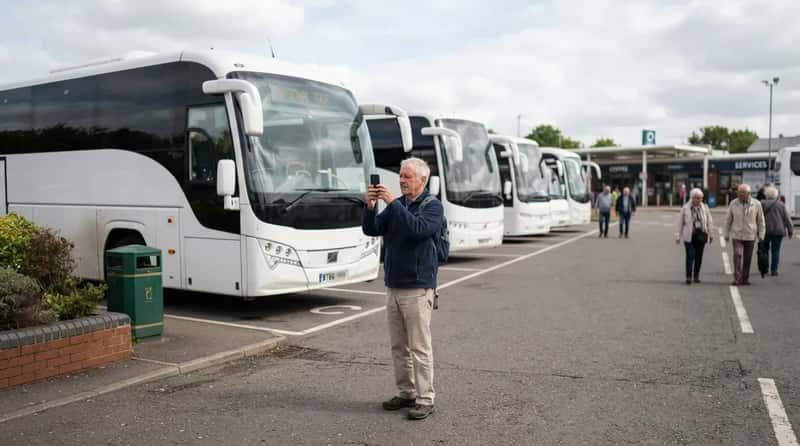
Service areas are full of identical white coaches. Experienced travellers snap a quick picture of their coach, its registration plate or the bay it’s parked in. It takes five seconds.
The alternative is a slow walk down a row of near-identical vehicles, which has ended in a few awkward moments for everyone. A camera roll turns out to be the cleverest lost-and-found system there is. Some travellers also note a landmark, like a bin or a sign, as a backup.
#9 – The Layer System Is Revealed in Ten Seconds
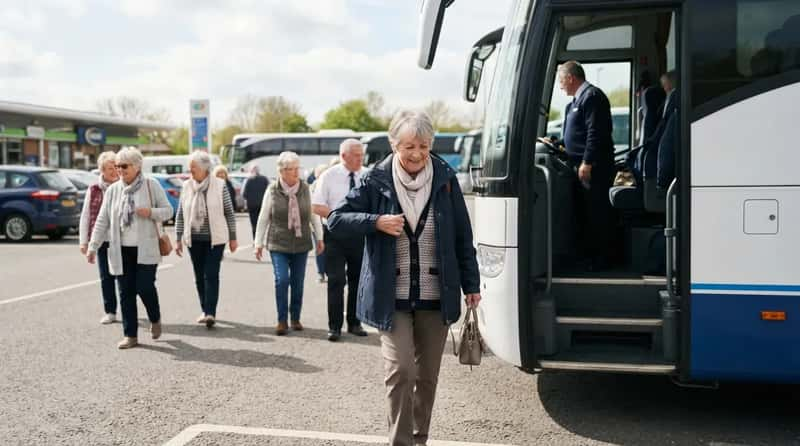
Coach air conditioning can be icy, while a morning car park can be warm or windy. Experienced older travellers step off wearing a cardigan or light jacket they can shed or add. Drivers say they can tell who has done this before by the layers alone.
Older adults often feel the cold more, so a spare layer isn’t a luxury. It also means nobody has to climb back aboard for a coat. The whole thing was decided days earlier, at the packing stage.
#8 – The “Could You Say That Again?” Moment
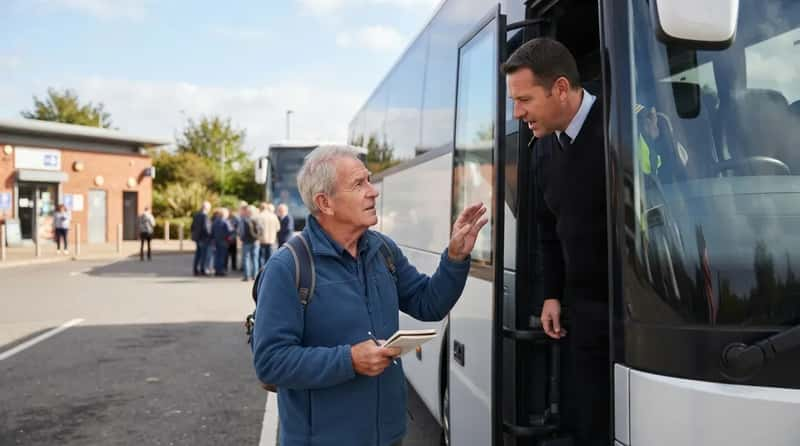
Announcements on a coach can be muffled. The U.S. National Institute on Deafness and Other Communication Disorders reports that roughly one in three adults aged 65 to 74 has hearing loss, and nearly half of those over 75. Many drivers learn to say the departure time twice.
The smartest travellers don’t hide it. They ask for a repeat, or check with a neighbor, and then write the time down. The real mistake is staying quiet and guessing, which is why a repeated announcement saves more headaches than almost any other courtesy.
#7 – The Unspoken Law of the Seat
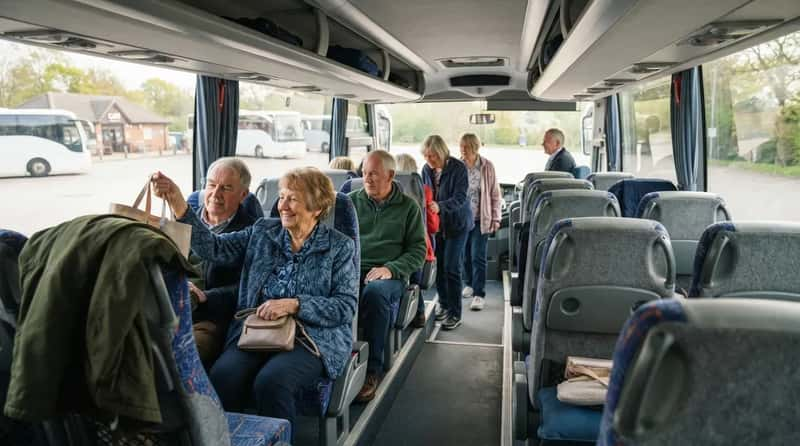
By the first stop, the seating map is already set. When the group returns, everyone heads to the same seat they left. Nobody assigned them, and nobody argued about it.
Some tour companies rotate seats daily to be fair. Regulars split on this: some call the fixed seat the glue of a tour group, and others insist rotation is the only fair system. Either way, drivers say the seat map tells them a lot about how the week will go.
Quick Compare
- Fixed seats: Everyone knows where they belong, boarding is faster, and people tend to bond with their seatmates.
- Rotating seats: Nobody is stuck at the back all week, and travellers meet more of the group.
#6 – They Count Heads Without Being Asked
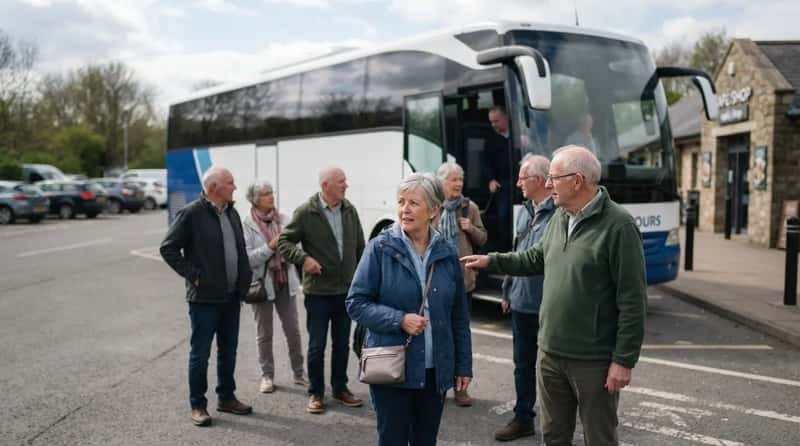
As the group drifts back, a few older travellers glance around. “Where’s Margaret?” someone says. Drivers say this informal head count can catch a missing passenger before the official one does.
The driver still does the formal count, but a group that looks out for each other is a safety net. Several people noticing the same empty seat is more reliable than one person counting. That sense of shared responsibility seems to come naturally to people who’ve travelled in groups for decades.
#5 – The Great Overpriced Muffin Standoff

Service-station prices are a familiar complaint, and many travellers over 65 answer them with discipline. One tea, one shared pastry, or nothing at all. The shop queue at the first stop is often dominated by younger passengers.
Many of those purchases are impulse buys, and a long queue for a pricey snack can mean a rushed run back to the coach. Experienced travellers decide before they step off whether it’s worth it. They’ve usually made that call before the doors even open.
#4 – They Chat With the Driver, and It Pays Off

Many older travellers stop to talk to the driver on the way past. Where did you start this morning? How’s the road ahead? Drivers say these small chats are the part of the job they enjoy most.
They also work as a quiet information service. Drivers know about the next leg, delays and weather, and they’re more likely to share it with people who ask. Thirty seconds of friendly conversation might tell you exactly how long the next stretch is.
#3 – They’ve Been Up Since Before Dawn, and You’d Never Know It
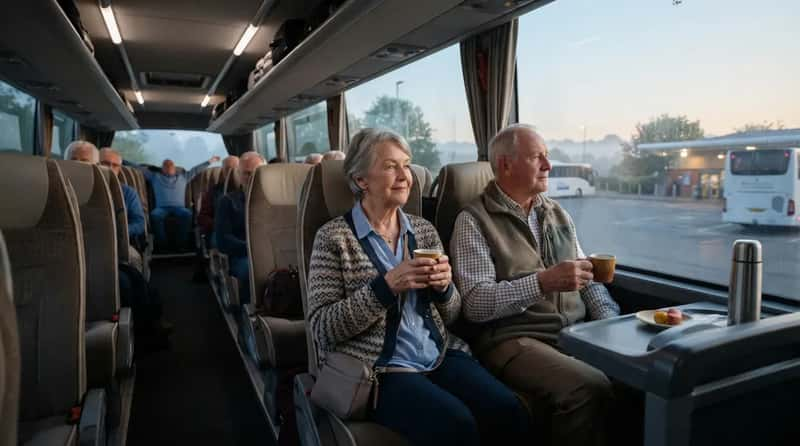
Many coach tours pick up early to beat traffic and fit in the day’s sightseeing. By the first stop, plenty of travellers have been awake for hours. Drivers say the stop often feels like a second breakfast and a reset.
Older travellers tend to handle it with calm. They doze on the coach, stretch at the stop and rarely complain. It’s a skill built from decades of early starts, and the quiet you notice at the first stop is usually not grumpiness.
Why It Stands Out
- They treat the coach seat as a place to rest, not a place to wait.
- A flask, a snack and a cardigan are already in the bag, so nothing needs fixing at 7 a.m.
- Quiet at the first stop is usually pacing, not a bad mood.
- Decades of early alarms have taught them to save their energy for the sights.
#2 – The Thank-You That Isn’t Just Politeness
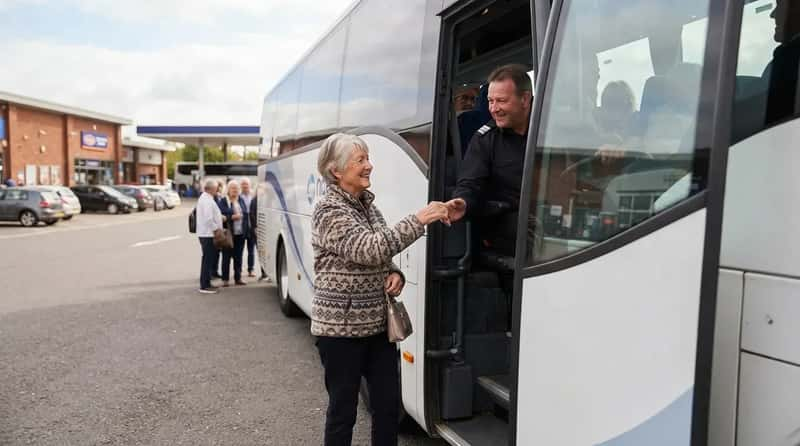
As they climb back on, many older travellers thank the driver. Some do it every time, even for a twenty-minute stop. Drivers often say it’s one of the things they remember most about this generation of passengers.
Tipping customs vary by country. On US group tours, a tip for the driver and guide is common and often suggested by the operator. In much of Europe it’s typically smaller, such as rounding up or a modest end-of-trip gift. Either way, the job is mostly invisible, so a simple thank-you lands harder than people expect.
#1 – The Cup of Tea for the One Who Stayed Behind
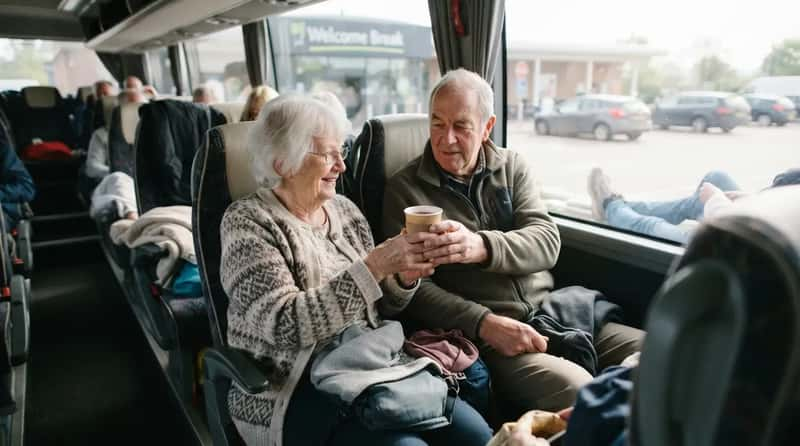
Every coach has someone who stays on board. Maybe it’s tired legs, a bad knee or a quiet need for a minute alone. Drivers say it’s often an older traveller who notices, and heads back with a paper cup.
Nobody makes an announcement and nobody asks. A cup of tea appears, and a small conversation follows. In a world where strangers rarely look up, that moment is the truth about these stops, and it’s what drivers say tells them what kind of group they have.
The first stop of the day lasts about twenty minutes. In that time, the people who’ve been on the road longest show how to plan, how to notice and how to care.
Most of these habits were learned over decades of travel. The rest of us can pick them up in a single trip.