Most people think a smooth travel day starts at the airport. Experienced travelers know it starts hours – sometimes a full day – before they ever walk through those sliding glass doors. The difference between the person breezing through security with a coffee in hand and the one frantically repacking at the check-in counter isn’t luck. It’s a set of very specific habits that frequent flyers have quietly locked in over years of hard-won, occasionally humiliating lessons.
Here’s what nobody tells first-timers: the airport itself is rarely where things go wrong. The real disasters – missed flights, frozen credit cards, dead phones, wrong-day tickets – almost always trace back to what didn’t happen at home. Some of what’s on this list will feel obvious. A few will genuinely surprise you. And at least one will make you go check something right now.
#17 – They Check the Flight Status Before Even Touching Their Bag
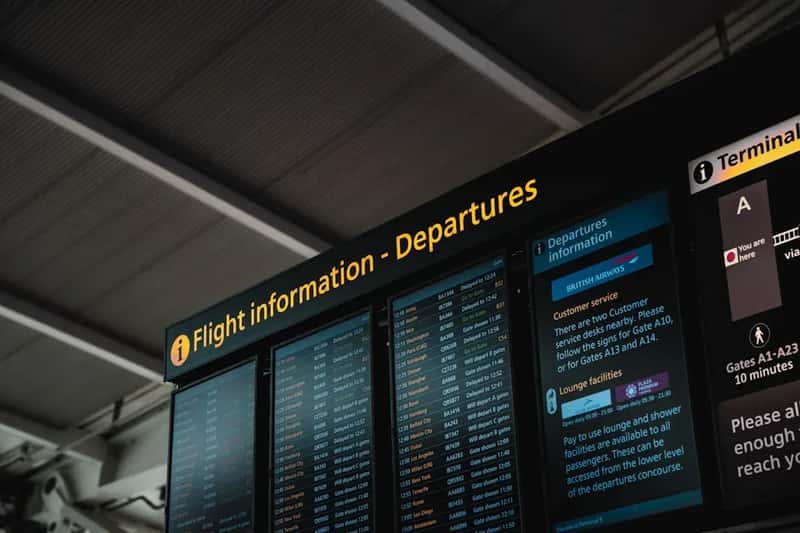
Most travelers assume their flight is on time right up until they’re standing at the gate. Experienced ones check first. Opening the airline app before you’ve even grabbed your suitcase can alert you to delays that change everything about your morning. That single two-minute check has saved countless travelers hours of sitting in a terminal with nowhere to be.
Delays cascade in ways that matter more at home than at the airport. A one-hour delay discovered while you’re still drinking coffee means you can relax, eat a real meal, and leave later. The same delay discovered in airport traffic means nothing except stress. Seasoned travelers treat the flight status check like locking the front door: non-negotiable, every single time.
At a Glance
- Check your airline’s app directly – it updates faster than third-party trackers
- A delay found at home = options; a delay found at the gate = frustration
- Set flight status push notifications the night before as a backup
- Even a 20-minute delay can cascade into a missed connection
#16 – They Photograph the Inside of Their Luggage

This one sounds almost too simple to matter – until your checked bag goes missing. Photographing the contents of your bag before zipping it shut makes it dramatically easier to file a loss or delay claim if the airline misplaces your stuff. Most travelers never do this, and they pay for it when they’re trying to describe a bag full of clothing to an airline agent from memory, standing exhausted at a baggage service counter.
A photograph takes ten seconds and can mean the difference between a full reimbursement and a drawn-out dispute you’re unlikely to win. It also forces one final look at what’s actually packed – which regularly reveals the charger still sitting on the nightstand or the medication left in the bathroom cabinet. Smart travelers snap the photo, then zip the bag.
#15 – They Weigh Their Checked Bag at Home

Overweight bag fees at the check-in counter can hit $100 or more on some carriers. Southwest charges $100 for bags between 51 and 70 pounds, on top of any standard bag fee. And you’re standing there with a full line behind you, deciding in real time whether to repack on the spot or just pay up. Neither option is fun. Neither is publicly redistributing your underwear into a carry-on while strangers watch.
A cheap luggage scale hanging by the door is one of the most reliable tools in a frequent flyer’s kit. Most major domestic carriers set the standard limit at 50 pounds – and Spirit and Frontier cap it even lower, at just 40 pounds. That threshold gets expensive fast when you’re one souvenir bottle of olive oil over the line. Repacking at home in your own space takes five minutes. Repacking at the check-in counter is a different experience entirely. Experienced travelers never gamble on the scale.
Quick Compare
- Most major U.S. carriers: 50 lb limit before overweight fees kick in
- Spirit & Frontier: 40 lb limit – the lowest of any major U.S. airline
- At-home fix: A $10-$15 luggage scale eliminates all of the above
#14 – They Notify Their Bank Before International Travel

Nothing derails a trip faster than a frozen debit card at a foreign ATM at 11 p.m. Banks flag unusual foreign transactions as potential fraud and shut cards down automatically – it’s their system working exactly as designed, just at the worst possible moment for you. Most banks now let you set a travel notice inside their app in under a minute.
Yet a huge number of travelers skip this step entirely and only remember it when their card gets declined at a restaurant abroad. That’s a call to your bank’s international number from a foreign country – technically solvable, genuinely miserable, and completely avoidable. Experienced travelers set the travel notice the day before they fly. Some set it for every card they’re bringing.
#13 – They Do a Full Pocket Sweep of Every Bag
A forgotten pocketknife or corkscrew buried in a side pocket can pull you out of the TSA line and into a secondary inspection that blows your cushion time entirely. Most experienced travelers have a story about pulling something out at the security belt that they had no idea was in there – a multi-tool from a camping trip last summer, a lighter, a pair of scissors hiding in a toiletry bag.
The TSA stopped 5,028 firearms at security checkpoints in just the first nine months of 2024 alone – and the overwhelming majority weren’t brought intentionally. A thorough pocket sweep at home takes three minutes. Watching a TSA officer hold up your forgotten Swiss Army knife while the entire line watches takes considerably longer – and costs you the item either way. Experienced travelers sweep every compartment, every time, before the bag leaves the house.
#12 – They Check In Online the Night Before

Nearly all airlines open their check-in window 24 hours before departure, and experienced travelers treat that moment like a calendar event. Online check-in means skipping the kiosk line entirely, going straight to bag drop if needed, and arriving at the terminal with your boarding pass already loaded before you’ve touched a single airport surface.
The best part is what it unlocks beyond just saving time. Early check-in often means better seat selection – especially on carriers that hold premium seats until check-in opens. Experienced travelers are in at the first minute, seat already selected, boarding pass saved to their phone wallet, ready to move. The check-in window opening is not a notification to dismiss. It’s a task to complete.
#11 – They Screenshot Their Boarding Pass
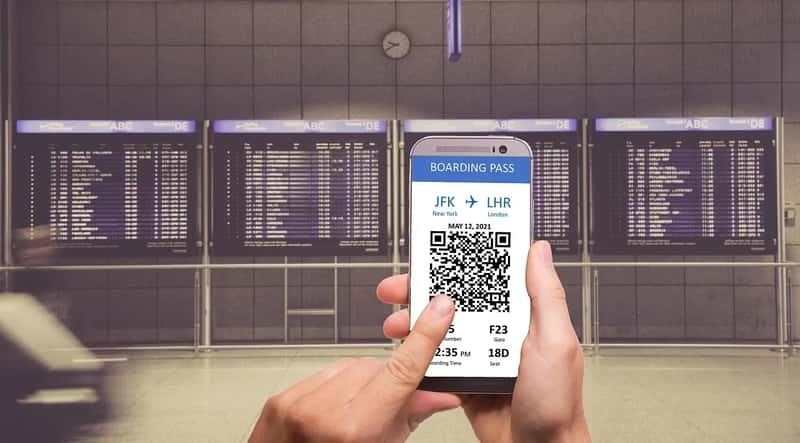
Here’s one that trips people up more often than they’d expect. Airport Wi-Fi can be unreliable, cell service inside terminals is inconsistent, and a boarding pass sitting in your email is only useful if your email will load. The moment you’re standing in the boarding line with no signal and a spinning wheel where your ticket should be is not the moment you want to learn this lesson.
Experienced travelers take the screenshot, save it to their camera roll, and add it to their phone’s wallet app as a backup. Some print a physical copy too – especially for international travel, where document checks happen in multiple places. Two formats, zero anxiety. It takes thirty seconds and eliminates one of the most preventable boarding-day disasters completely.
Worth Knowing
- Apple Wallet and Google Wallet boarding passes update in real time – even if you’re offline when you saved them
- A camera roll screenshot is your last-resort backup when both fail
- International flights often require document checks at multiple points before the gate
- Some airports have dedicated fast lanes for mobile boarding pass users
#10 – They Charge Every Device Completely

Airport charging stations are crowded, slow, and often occupied by someone who got there forty minutes before you. Experienced travelers arrive with everything already at 100% – phone, laptop, wireless earbuds, and a fully charged portable power bank. They’re not hunting for an open outlet near Gate C12 with twenty minutes to boarding.
If your phone is your boarding pass, your hotel confirmation, your ride app, and your navigation, treat battery life the way you treat your passport. A dead phone at an international airport isn’t an inconvenience – it’s a genuine crisis. Experienced travelers also pack their power bank in their carry-on rather than checked luggage, since lithium batteries aren’t permitted in checked bags under most airline policies. Charged and carry-on. Both matter.
#9 – They Confirm Their Ride to the Airport
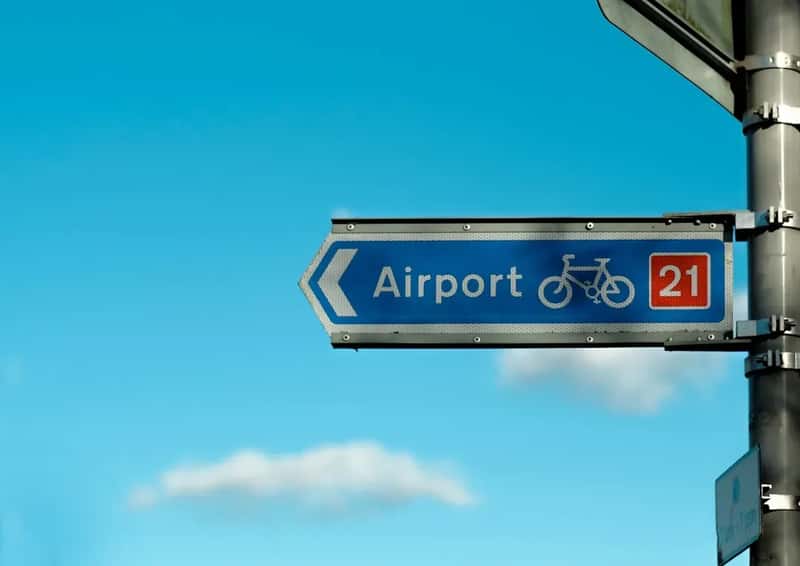
Assuming a ride will be there is one of the most common ways a travel day falls apart before it even starts. Experienced travelers don’t open the Uber app when they’re walking out the door. They confirm the night before – whether that’s a scheduled rideshare, a friend driving them, or a parking reservation at the airport garage.
If a friend is taking you, confirm timing with them the evening before. People genuinely forget. Schedules change. A friend who promised to be there at 5 a.m. is significantly more reliable when there’s a confirmation text sitting in their inbox from the night before. Experienced travelers also check travel time using real-time traffic data, not just the map’s default estimate – construction and unexpected congestion have caused more missed flights than bad weather ever has.
#8 – They Check Traffic and Weather Before Heading Out

This is so obvious that most travelers completely skip it. A 20-minute drive can become a 75-minute crawl when there’s a highway accident or unexpected road closure, and experienced travelers build that possibility into their departure time every single time without exception. They look at the route, check the real-time estimate, and then add a buffer on top of whatever it says.
Weather matters too – not just for driving conditions, but because storms at your destination or at a connecting hub can ripple delays across the entire route. Knowing about a regional weather delay two hours before you leave means options: earlier departure, alternate routing, a call to the airline. Knowing about it at the gate means none of those things. Experienced travelers check both before they load the car.
#7 – They Organize Their Liquids Bag the Night Before

This one consistently separates the people who sail through TSA from the ones holding up the entire line. TSA requires that liquids – shampoo, lotion, contact solution, anything liquid or gel – fit inside a single quart-sized clear bag, with each container no larger than 3.4 fluid ounces. Doing this the night before means it’s already sitting near the top of your carry-on when you reach the checkpoint.
The people prepping their liquids the morning of – or worse, sorting through them at the security bin – are the same people everyone else in line is quietly sighing at. Experienced travelers keep a dedicated clear bag that lives in their carry-on, already stocked with travel-size versions of everything they use. It goes from bag to bin in one motion. No drama, no delay, no one glaring from behind you.
#6 – They Clear Out Perishables and Secure Their Home

Coming home to a fridge full of spoiled food or a door that wasn’t properly locked is a miserable end to any trip. Experienced travelers clear perishables, take out the trash, and do a full home security sweep the evening before departure – not in the frantic last minutes before the rideshare arrives. A house that looks occupied and properly locked is one of the simplest security measures most travelers forget entirely.
Timers on interior lights, mail held at the post office, a neighbor with a spare key, tools and ladders stored out of sight – these take about ten minutes to arrange and eliminate a specific category of low-grade dread that can quietly follow you through an entire vacation. Experienced travelers want to be fully present wherever they’re going. That’s hard to do when you’re not sure you turned off the stove.
Fast Facts
- USPS lets you schedule a mail hold online for free – takes under two minutes
- Smart plugs with timers cost under $15 and make a home look occupied from outside
- Most break-ins happen when a home looks clearly vacant for an extended period
- A quick thermostat adjustment before leaving can prevent burst pipes in winter or a $300 electric bill in summer
#5 – They Verify Passport Validity – Not Just Existence
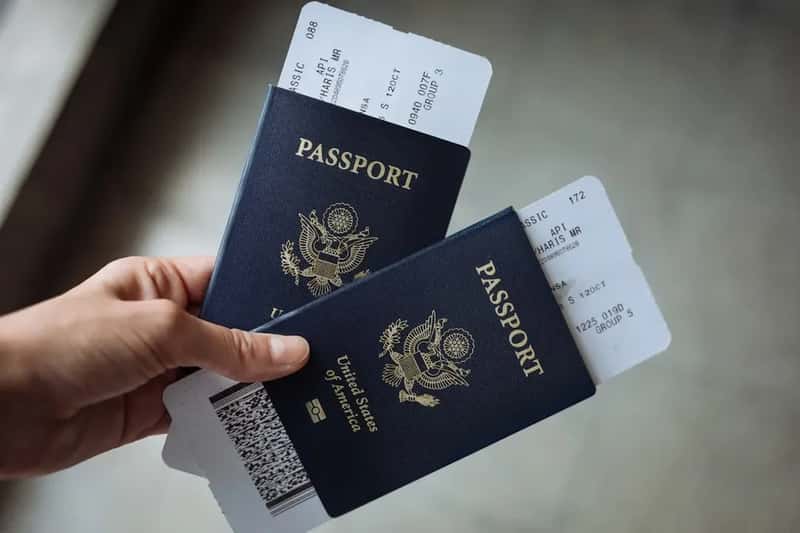
A significant number of travelers get stopped not because they don’t have their passport, but because it’s expired – or expiring too soon. Many countries, particularly across Asia and Africa, require that your passport remain valid for at least six months beyond your travel dates. Countries including China, Thailand, India, Vietnam, and Malaysia all enforce this rule. A passport expiring in two months might get you turned away at the check-in counter with no exceptions and no refund.
This is one of the most avoidable travel disasters in existence. Even within Europe, the rules shift: the Schengen Area generally requires three months of validity beyond your departure date, and your passport must have been issued within the last ten years – meaning a technically unexpired passport can still fail the check. Experienced travelers verify the expiration date, confirm that every name on every document matches exactly, and check visa requirements well before departure day – not the night before.
Why It Stands Out
- Countries like China, India, Thailand, and Vietnam require 6 months of validity beyond your entry date
- The EU Schengen Zone requires 3 months beyond departure – and the passport must be issued within the last 10 years
- Airlines can and do deny boarding at check-in if your passport doesn’t meet destination rules
- The U.S. State Department recommends renewing your passport 9 months before it expires
- Names on tickets, passports, and hotel reservations must match exactly – even a middle name discrepancy can cause issues
#4 – They Download Everything They’ll Need Offline

Most travelers assume internet access is a given. It isn’t – not at altitude, not in foreign airports, not always in transit. Experienced travelers download movies, podcasts, playlists, and destination maps through Google Maps or Maps.me before they leave home, while they still have fast, reliable Wi-Fi. Once you’re airborne, that window is closed.
If traveling to a country where English isn’t widely spoken, having key phrases saved in a notes app – or a translation app already downloaded for offline use – can shift from helpful to critical in the wrong situation. A downloaded map, a downloaded boarding pass screenshot, a downloaded translation app: those three things cover the vast majority of travel emergencies that stem from lost connectivity. Experienced travelers never assume they’ll have a signal. They prepare as if they won’t.
#3 – They Pack Prescription Medications in Their Carry-On

Checked bags get delayed. Connections get missed. Luggage carousels produce bags that were somehow routed to a completely different city. Never check anything you genuinely cannot replace quickly – and that applies most urgently to prescription medications. Experienced travelers keep all medications, with their original pharmacy labels intact, in their carry-on without exception.
Running out of a critical medication in a foreign country isn’t just inconvenient – it can be dangerous and extraordinarily expensive to resolve. Some medications aren’t available under the same name abroad. Some are controlled substances with different legal statuses in other countries. Experienced travelers also make sure they have enough supply to cover the full trip plus a few extra days, in case of unexpected delays. They call the pharmacy before they leave if the math doesn’t add up.
#2 – They Pack the Night Before and Set Multiple Alarms
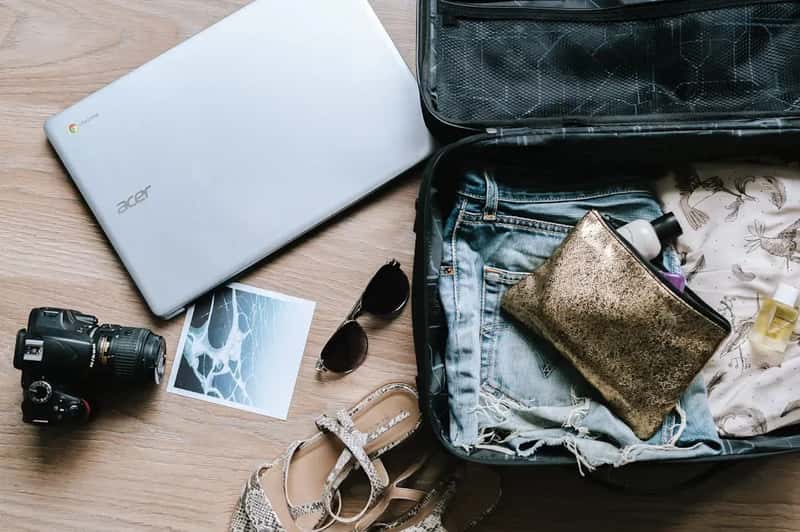
The single biggest source of travel-morning chaos is packing and rushing happening at the same time. Experienced travelers are packed, zipped, and staged by the door the night before. The morning of the flight is reserved for coffee, a final sweep, and a calm departure – not a frantic search for the phone charger or the argument about where the travel umbrella ended up.
Setting multiple alarms matters too, especially for early departures. A rested traveler navigating a last-minute gate change or a delay handles it in five minutes; an exhausted one who overslept by twenty minutes handles it in a full-blown panic. The night-before pack is one of the highest-leverage habits on this entire list. It costs nothing and eliminates an entire category of travel-morning disaster before it starts.
#1 – They Do a Final Walk-Through of Every Room Before Locking the Door

This is the one. The habit that separates travelers who leave with complete confidence from everyone else. Before the door closes, experienced travelers walk through every room – bedroom, bathroom, kitchen, living room – every single time. Charger on the nightstand. Passport in the bag. Stove off. Windows locked. It sounds almost insultingly simple, but most people skip it because they’re already mentally at the airport before they’ve physically left the house.
Most forgotten items – passports, medications, wallets, chargers – are found exactly where the traveler last used them, not where they were supposed to be packed. The walk-through forces you to be physically present in every space one final time. It’s the last line of defense, and experienced travelers treat it as the most important two minutes of the entire travel day. Not glamorous. Not complicated. Just the thing that actually works, every time.
Fast Facts
- The most commonly forgotten items: phone chargers, passports, medications, and glasses
- A physical checklist on the door outperforms memory every single time – especially on early-morning departures
- Walk the rooms in the same order every trip to build a muscle-memory routine
- The walk-through also catches unlocked windows, running appliances, and lights left on
The gap between a stressful travel day and a smooth one almost never comes down to what happens at the airport. It comes down to what happened – or didn’t happen – in the hours before departure. Most of these 17 habits take under five minutes each. Together, they eliminate virtually every category of travel-day disaster that isn’t genuinely outside your control. The travelers who make it look effortless aren’t lucky. They just prepared when nobody was watching.
Which one of these do you always forget? Drop it in the comments – you’re almost certainly not alone.