Most people assume the smile at the cabin door is just a formality. It isn’t. The moment you step onto a plane, flight attendants are running a quiet, practiced scan that takes roughly three to four seconds – and for passengers over 60, that scan picks up on a very specific set of things. Not because older travelers are a problem. Because experienced crew know exactly what to look for: who will need extra care, who can handle an emergency, and who is already having a rough day before the seat belt is even buckled.
What’s surprising is how granular those observations get. It’s not just “is this person using a cane.” It’s the way you grip your boarding pass, the pace you walk down the aisle, whether you made eye contact at the door, and whether your shoes look like they could handle a fast exit. Flight attendants don’t talk about this much – but the observations happen on every single flight, to every single passenger. Some of what’s on this list will reassure you. A couple of items might genuinely change how you board a plane from now on.
#17 – Your Walking Speed Down the Jetbridge
Before you even reach the cabin door, crew near the entrance are already watching. Your walking pace is one of the first behavioral tells – slow walkers are mentally flagged as passengers who might need assistance later. For passengers over 60, a noticeably careful or unsteady gait tells the crew something important before a single word is exchanged. It’s not judgment. It’s anticipation.
This matters more than most people realize. A passenger who takes the jetbridge slowly with one hand on the rail has already told the crew they may need an aisle seat check, extra time settling in, or closer monitoring during turbulence. Flight attendants are trained to watch for exactly these physical cues – and they file them away silently the moment they see them. The crew knows your mobility story before you’ve said a word.
Fast Facts
- Flight attendants typically complete their boarding assessment of each passenger in roughly 3 to 4 seconds at the door.
- Cabin crew are required by the FAA to monitor passenger boarding and assess seating as part of standard pre-flight duties.
- A slow or unsteady jetbridge walk can trigger an internal crew note before the passenger reaches Row 1.
- Crew share key passenger observations – including mobility concerns – during the pre-flight captain’s briefing.
#16 – Whether You’re Traveling Alone or With Someone

Solo travelers over 60 get a different level of attention than those with a companion. Flight attendants are always aware of passengers who may need extra help during an emergency evacuation – this includes elderly travelers and anyone with reduced mobility. A solo older traveler means there’s no one in the adjacent seat to flag a problem if one develops at altitude.
Crew quietly adjust their service plan accordingly. If you’re 68 and traveling alone, the attendant working your section will check on you more frequently – not intrusively, but deliberately. Traveling solo is completely fine, but it does change how attentively the crew tracks your well-being for the entire flight. That extra attention is the kind most passengers never notice – because it’s designed that way.
#15 – Whether You Pre-Arranged Special Assistance (or Didn’t)
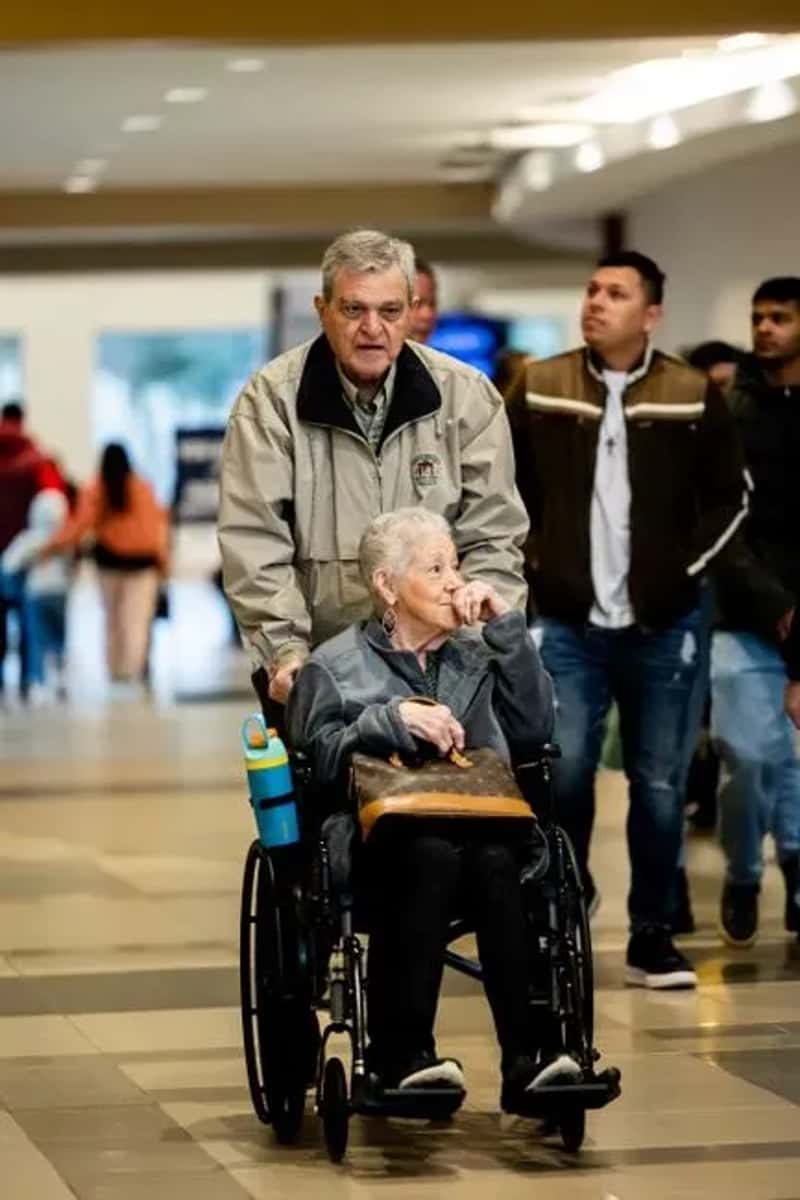
Flight attendants receive a manifest before boarding begins, and that document includes notes on passengers who requested special assistance. Most airlines ask for at least 48 hours’ notice for wheelchair support or mobility help, and a confirmed request means airport staff and cabin crew are already coordinating before you arrive. When crew see an older passenger board without any assistance note but clearly struggling, it creates a real service gap they have to fill on the fly.
The opposite situation also gets noticed. A passenger who looks completely steady but has a special assistance flag on the manifest gets a quiet, discreet check to confirm what kind of help is actually needed. Airlines are required to make pre-boarding available to passengers who request extra time. Crew who see a mobility note and a confident stride don’t dismiss it – they simply adjust the type of help they offer, and they do it without making you feel like a problem to be managed.
#14 – The Size and Weight of Your Carry-On
This one plays out loudly in the aisle, and crew watch for it constantly. Passengers who struggle to lift or stow a bag overhead can block the aisle and risk minor injuries – to themselves and to whoever is standing nearby. For passengers over 60, a bag that looks too heavy is flagged the moment they turn the corner into the cabin. Flight attendants step in when necessary, and noticing the struggle early helps them manage boarding flow before it becomes a bottleneck.
Here’s the part most people don’t know: many airlines have injury liability policies that actually limit how much crew can physically assist with bags. So while a crew member may step in to help, they’re also quietly calculating whether that passenger will need seat reassignment, extra deplaning time, or a hand at the other end. A bag that’s clearly too heavy to lift comfortably tells the crew a lot about what the next few hours are going to look like.
#13 – Signs of Breathlessness or Labored Breathing
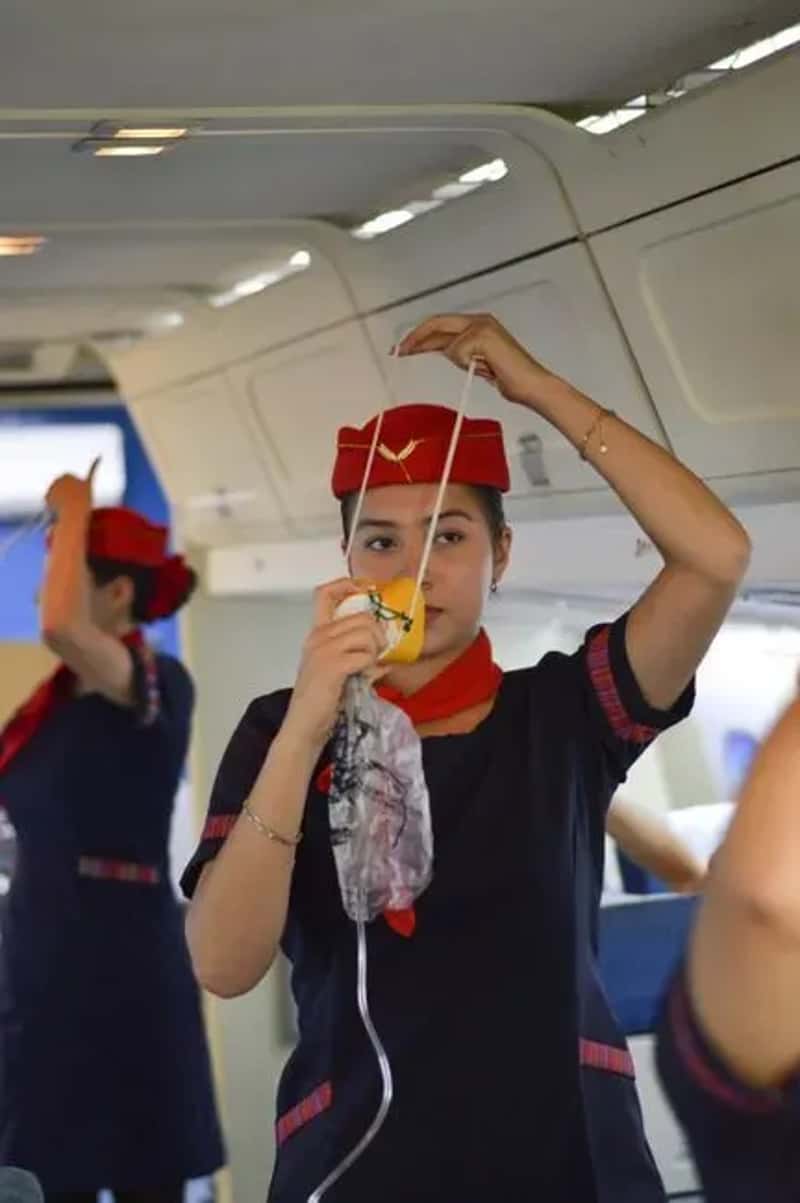
The walk from security to the gate to the jetbridge to the seat is genuinely taxing – and crew are trained to notice when a passenger arrives more winded than that walk should explain. Someone sweating, unsteady, or visibly short of breath becomes an immediate point of concern. For passengers over 60, visible breathlessness is taken seriously from the very first second on board.
At altitude, cabin pressure drops and oxygen availability decreases – conditions that can aggravate respiratory and cardiovascular issues that feel manageable on the ground. Flight attendants can’t diagnose anything, but a passenger who arrives visibly short of breath gets a mental flag that stays active for the entire flight. If you’re being treated for a pulmonary condition, crew would genuinely rather know before pushback than discover it somewhere over the Rockies.
Worth Knowing
- Commercial aircraft cabins are pressurized to the equivalent of 6,000–8,000 feet altitude – noticeably thinner air than sea level.
- Reduced cabin oxygen can worsen pre-existing respiratory and cardiovascular conditions, even on short domestic flights.
- Oxygen therapy is the most common crew intervention in in-flight medical events, used in over 40% of cases according to a large JAMA Network Open study.
- Passengers with known pulmonary conditions can request supplemental in-flight oxygen in advance through most major U.S. airlines.
#12 – Your Footwear
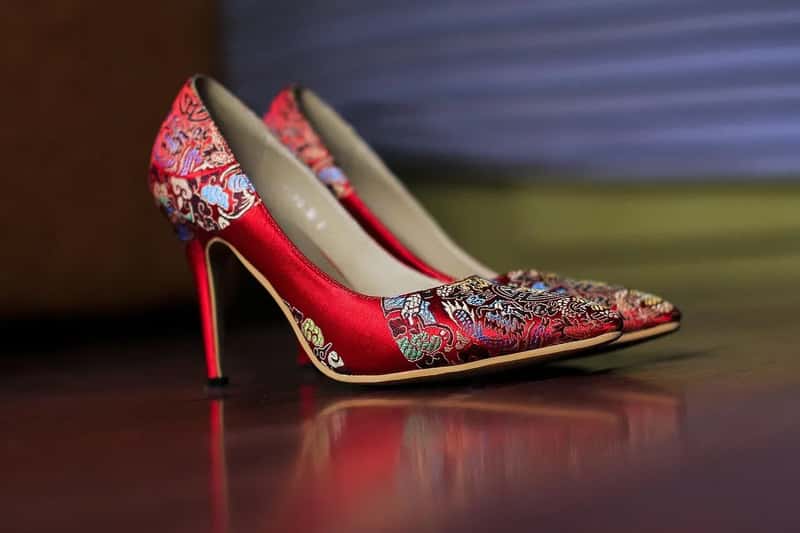
Shoes are one of the first things a trained eye goes to – and for older passengers, they carry extra weight. Flight attendants are specifically watching for footwear that could become a hazard in an emergency. High heels are among the items passengers should think twice about wearing on a plane. For a passenger over 60, unstable or hard-soled footwear signals a real concern if the aircraft ever needs to be evacuated in a hurry.
If a passenger’s shoes pose a potential issue, flight attendants mentally prepare to adjust their commands during an emergency – they may plan to direct certain passengers more deliberately, or position themselves closer to those rows. It sounds extreme for a routine flight, but crew think about worst-case scenarios on every single boarding. Comfortable, closed-toe shoes on a passenger over 60 register as a genuine green flag. Heels register as a variable they’ll be watching.
#11 – Whether You Make Eye Contact at the Door
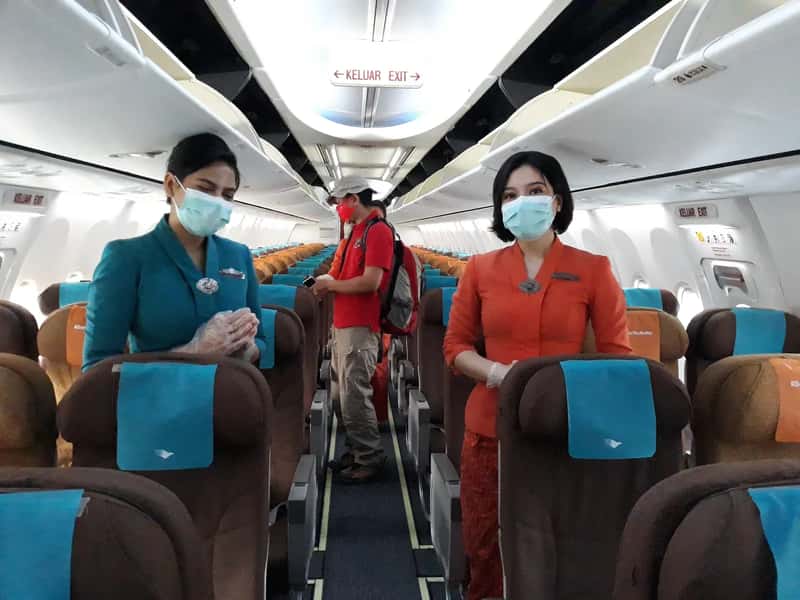
That “hello” at the cabin door isn’t just hospitality. It’s a fast, practiced assessment. Flight attendants are trained to spot tension, fear, confusion, or aggression in the greeting interaction – a warm response builds instant trust, while a blank stare or total non-response raises a flag. For passengers over 60, that door greeting also reveals hearing issues, disorientation, or anxiety that will matter for the rest of the flight.
A passenger who doesn’t respond to the greeting at all – not from rudeness, but because they simply didn’t hear it – tells the crew something critical. If a passenger is deaf or hard of hearing and doesn’t flag it, they may miss safety announcements, emergency instructions, or important updates delivered verbally over the PA. Missing that door greeting is one of the quietest ways crew identify hearing loss without a single word being spoken about it.
#10 – Compression Socks or Visible Medical Accessories

Crew notice what’s on your legs almost as quickly as what’s on your feet. Compression socks on a passenger over 60 often tell the crew this traveler is medically aware, understands deep vein thrombosis risk on long flights, and has done their homework – a quietly reassuring signal. But visible medical devices, oxygen equipment, or insulin cases tell a more complex story that crew need to process fast.
Medical accessories aren’t a red flag – they’re information. A passenger boarding with a portable oxygen concentrator requires specific placement on the aircraft and coordination with the cockpit. A visible insulin case tells the crew to keep an eye on meal service timing and watch for signs of a blood sugar event at altitude. They’d rather know about your CPAP machine, pacemaker, or blood thinner regimen before the door closes than piece it together at 35,000 feet.
At a Glance: Medical Items Crew Notice Most
- Compression socks – DVT awareness; reassuring green flag for long-haul flights
- Portable oxygen concentrator – requires advance airline approval and specific cabin placement
- Insulin kit or glucose monitor – crew watch meal timing and altitude blood sugar cues
- Nitroglycerin or heart medication – immediately elevates the crew’s monitoring priority
- CPAP device – most airlines allow it; crew note it for power outlet or battery planning
#9 – Whether You Head Straight for Your Seat or Pause and Look Around
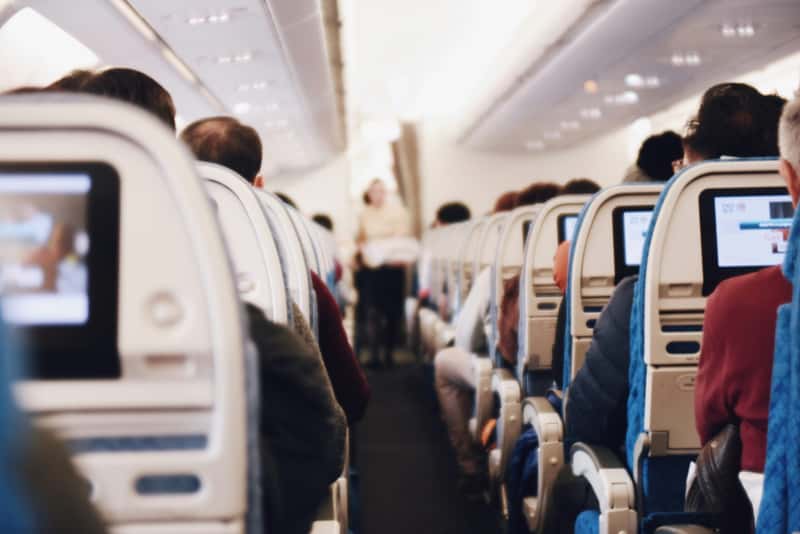
Experienced travelers move differently. Frequent flyers work their way through boarding like clockwork – calm, efficient, no wasted motion. Flight attendants identify them instantly by how they stow bags, prepare their seats, and follow instructions without hesitation. A passenger over 60 who walks straight to row 14C, smoothly opens the overhead bin, and settles in without a second glance reads as a confident, low-maintenance traveler. That’s a quiet compliment from the crew’s perspective.
On the other hand, a passenger who stops mid-aisle to re-examine their boarding pass, looks uncertain about which direction to walk, or blocks the flow while reorganizing a bag tells the crew something different. Flight attendants have noted they can identify first-time or infrequent flyers within seconds by this kind of hesitation. In an older passenger, that same confusion can also signal early disorientation – and the crew takes both possibilities seriously.
#8 – Whether You’re Seated in or Near an Exit Row
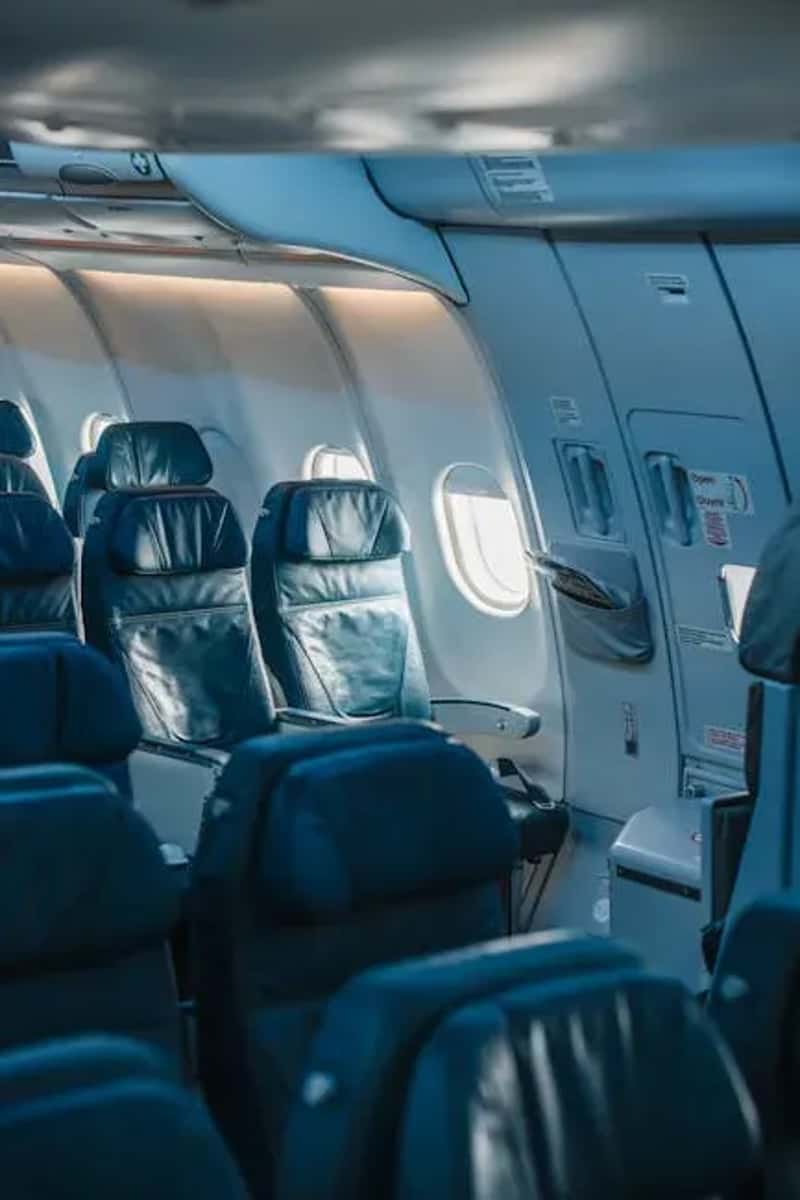
This is one of the few observations that can result in an immediate, polite conversation before the door even closes. Elderly passengers, those with physical restrictions, or travelers with small children typically should not be in exit rows – if a flight attendant determines a passenger is not suitable for the exit row, they’ll discreetly ask for a seat change before takeoff. This is a legal requirement, not a courtesy. For passengers over 60, crew run this check on every single flight.
The reason is non-negotiable. Exit row passengers may need to physically lift a hatch weighing up to 60 pounds or push open a door weighing several hundred pounds – in the dark, under stress, in under 90 seconds. Age alone isn’t disqualifying, but mobility level absolutely is. Crew make that call quietly and quickly, and they make it based on what they see when you walk through the door, not just what your ticket says.
#7 – Visible Signs of Anxiety or Nervous Flying
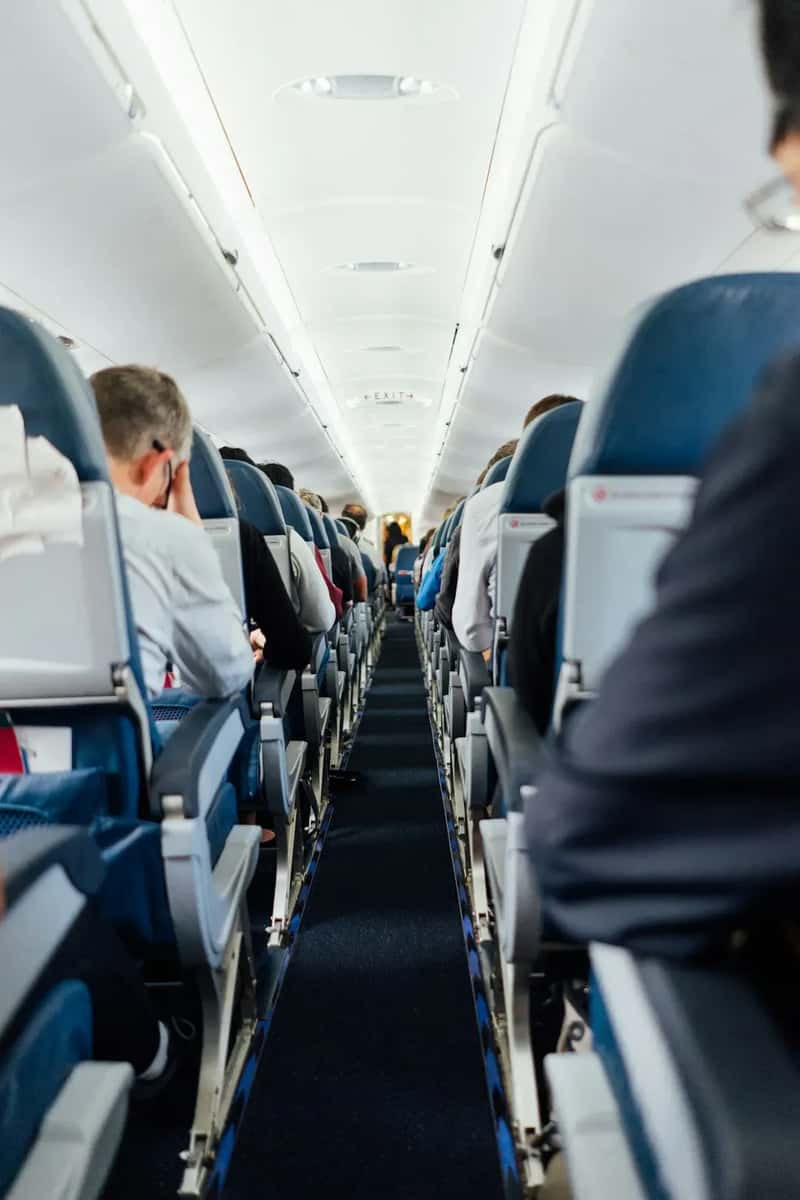
Fear of flying doesn’t have an age limit, but it tends to show up differently in older passengers. White knuckles on the armrest, rapid shallow breathing, and a wide-eyed freeze when the plane makes any unexpected sound are things flight attendants are trained to identify immediately – and that knowledge shapes their entire approach to that passenger for the rest of the flight. For passengers over 60, anxiety can also overlap with genuine cardiac symptoms, which makes the crew’s read on this even more careful.
Crew won’t embarrass a nervous flyer by calling attention to it. But if possible, they may move that passenger toward the center of the aircraft over the wing – where motion is least pronounced – or keep them close to a crew jumpseat. A passenger over 60 who grips the door frame as they board gets quiet, consistent check-ins for the entire flight, whether they asked for them or not. The crew noticed. They just didn’t make a scene about it.
#6 – Whether You Acknowledge the Crew Like a Human Being
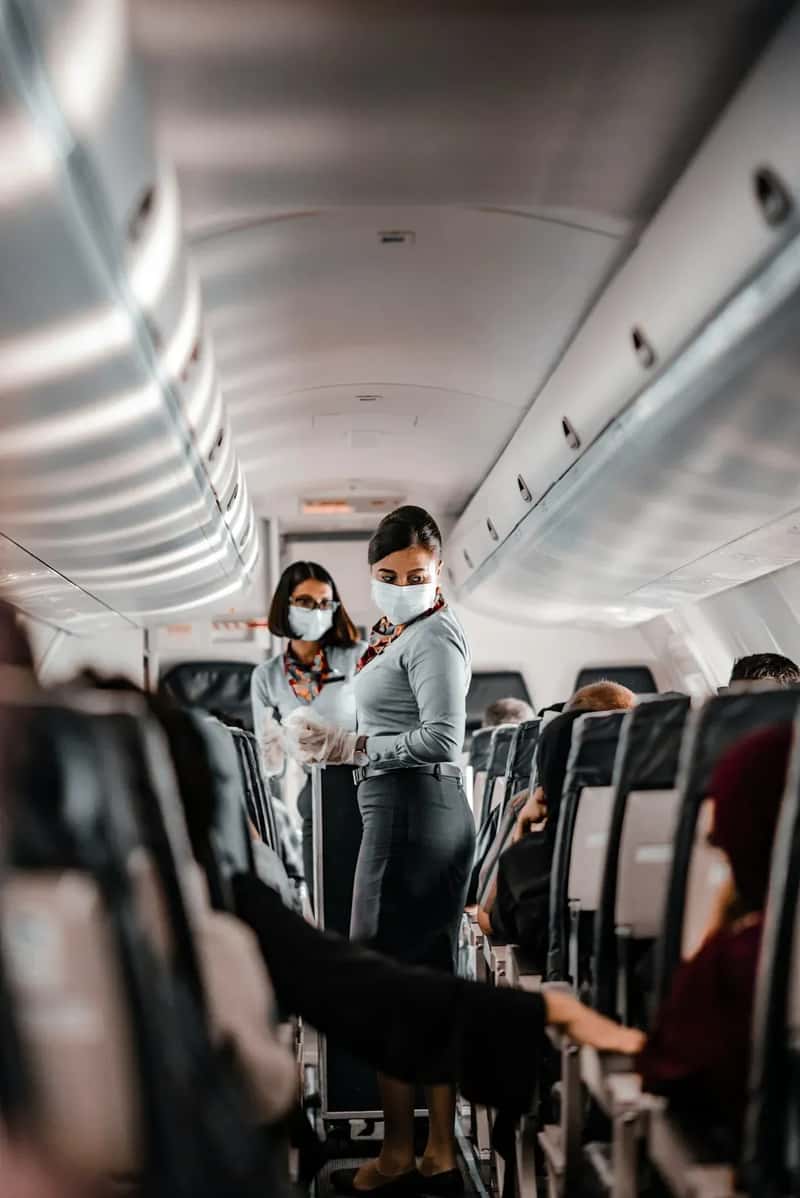
This one genuinely changes how your flight goes – and most passengers have no idea. Flight attendants notice and appreciate passengers who board with a warm attitude: a simple greeting, a smile, or basic eye contact helps set a calm, cooperative tone for the cabin. These small moments stand out precisely because they’re not that common. Passengers over 60 who make that connection at the door are quietly noted in the best possible way.
The flip side is equally real. One flight attendant put it plainly: “Those first thirty seconds tell me everything. The passenger who acknowledges us as humans instead of furniture gets checked on more. The one who’s already complaining about overhead space before they’ve found their seat? We know how that flight is going to go.” This isn’t favoritism – it’s about how limited crew time actually gets allocated when things get busy. A genuine hello at the door is one of the cheapest upgrades in aviation.
#5 – Medication in Hand or on the Tray Table

Passengers who board and immediately pull out a prescription bottle or medication case are giving crew real information without saying a word. Visible medications – especially heart medications, nitroglycerin, inhalers, or insulin – register instantly with a trained eye. Prescription medications are exempt from standard carry-on liquid rules, but crew who see an unlabeled pill organizer being prepped mid-aisle don’t have the context they’d need if something went wrong at altitude.
On longer flights, this observation also quietly informs service decisions – crew may prioritize meal timing, water refills, or check-ins for a passenger visibly managing a health condition. Blood pressure, blood sugar, and fatigue all behave differently in a pressurized cabin than on the ground. A passenger over 60 who is visibly managing something medical is one the crew keeps closer tabs on, especially during the hours when those conditions tend to peak.
#4 – How You React When Something Goes Wrong During Boarding
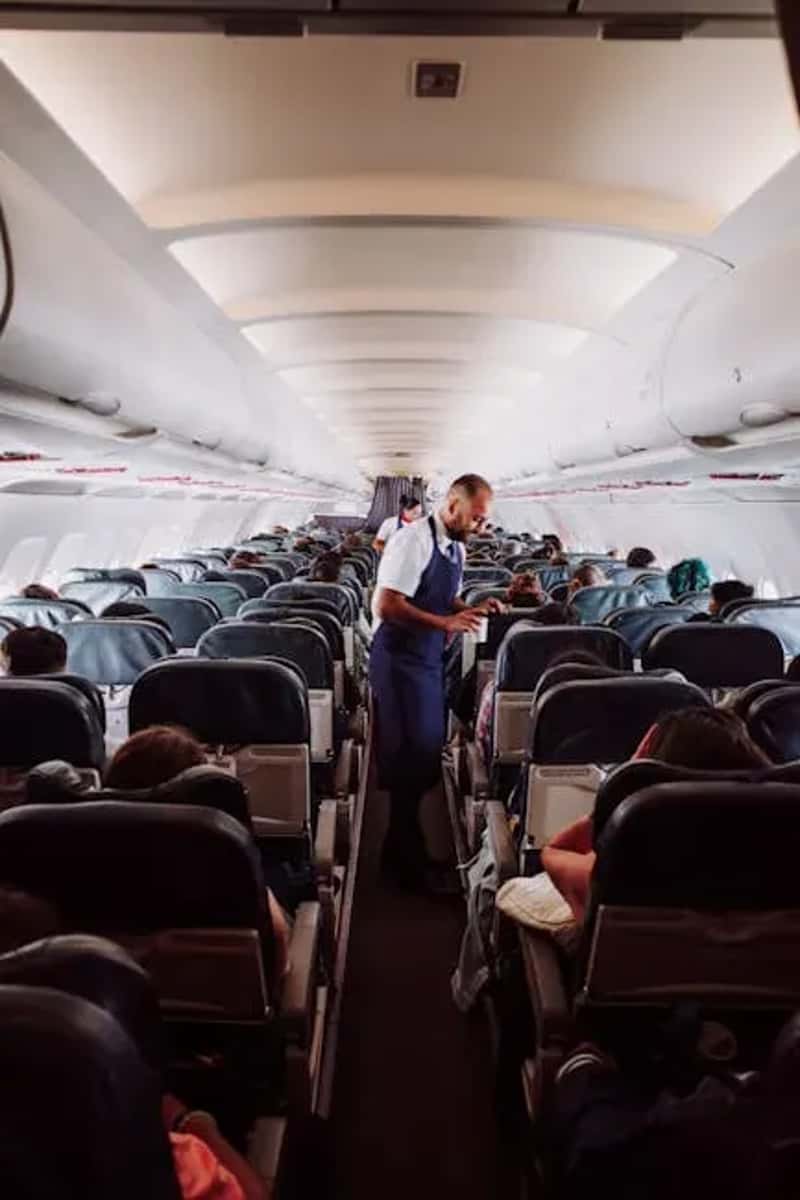
Boarding is chaotic. Bins fill up, seats get mixed up, delays stack at the door. How a passenger over 60 handles that stress is something crew observe with genuine care. Flight attendants read subtle behavioral cues from the moment passengers step on board – they’re assessing whether someone seems nervous, willing to cooperate, or already wound tight, purely through body language and how they move down the aisle. That assessment shapes how the crew manages the entire cabin dynamic.
A passenger who responds to a full overhead bin with visible agitation – flushed face, raised voice, physical frustration – tells the crew something about their stress response that matters for the hours ahead. A passenger over 60 showing that level of distress can often be quietly moved, reassured, or seated closer to the crew station. Calm under pressure, on the other hand, is one of the most valuable things an older traveler can project. Crew notice it immediately – and they remember it.
Quick Compare: How Crew Read Boarding Reactions
- Calm + flexible – logged as cooperative; gets quiet goodwill for the whole flight
- Visibly stressed but quiet – monitored closely; crew may proactively check in
- Agitated or raising voice – flagged as a cabin dynamic variable; managed carefully
- Flushed face + labored breathing under stress – overlaps with cardiac warning signs; crew elevate watch level immediately
#3 – Visible Mobility Aids, Canes, or Unsteady Balance
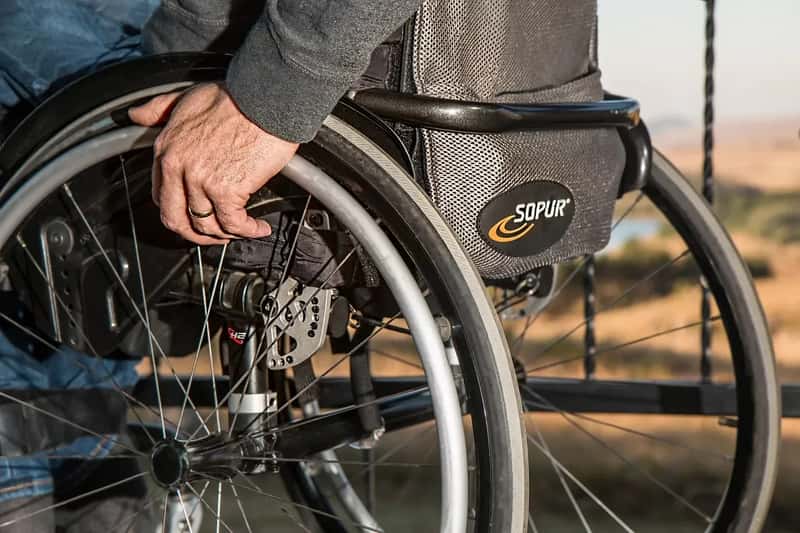
A cane, a walker, or even just a noticeably stiff gait changes how the crew mentally maps the cabin for an emergency. Flight attendants are always aware of passengers who may need extra help not just during the flight, but during a rapid evacuation – and for passengers with reduced mobility, that means the crew already knows your row number before the safety demo even starts. The 90-second evacuation standard the industry trains to doesn’t leave room for improvisation.
Flight attendants make a point of noting where passengers with mobility challenges are seated, relative to the nearest exits. It’s standard practice on every flight – not a special accommodation, just part of the job. For passengers over 60 with visible balance issues or mobility aids, this means your seat location gets quietly memorized the moment you walk past the door. That’s not surveillance. That’s someone already thinking about how to get you out safely if it ever comes to that.
#2 – Skin Color, Pallor, or Signs of Physical Distress
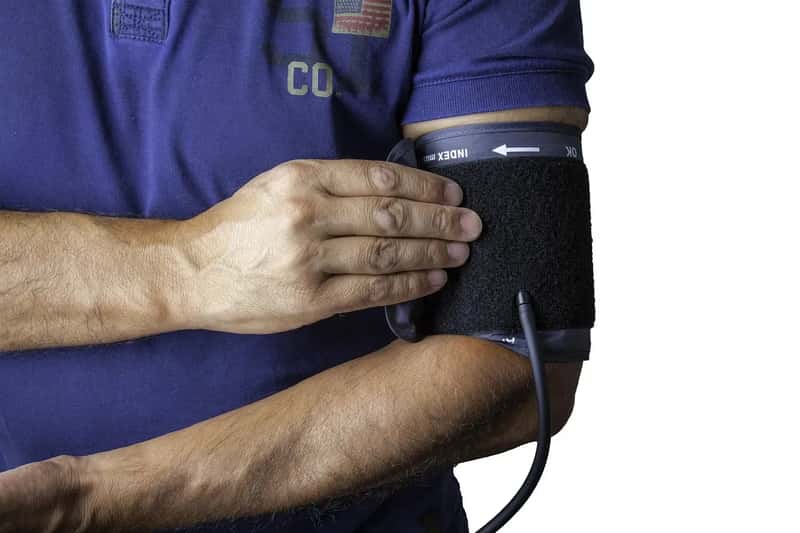
This is the observation most passengers never suspect is happening. Flight attendants conduct a health scan during boarding – they’re looking for signs of illness because they’re about to seal hundreds of people into a pressurized tube for hours, and early detection matters enormously. For passengers over 60, this scan goes deeper: crew are watching for pallor, a gray or yellowish complexion, visible sweating in a cool jetbridge, or lips that suggest circulatory problems. None of this is obvious to the passenger being assessed.
The stakes behind this observation are well-documented. A comprehensive Duke Health-led study published in JAMA Network Open analyzed more than 77,000 in-flight medical events and found that one in every 212 flights involved a medical emergency – with 1.7% of those events serious enough to divert the plane, most often due to neurological or cardiovascular emergencies. A passenger over 60 who boards looking gray and clammy is not going to have a relaxed flight for anyone working that cabin. If the symptoms seem serious enough, the crew has the authority – and the responsibility – to ask whether you’re fit to fly before the door closes.
Fast Facts: In-Flight Medical Emergencies
- Neurological events (41%) and cardiovascular conditions (27%) are the top reasons a flight gets diverted.
- About 8% of passengers involved in in-flight emergencies require hospital care after landing.
- Cardiac arrest occurred in 293 cases across the study dataset – with survival rates far lower than on land.
- Medical volunteers assisted in nearly one-third of all in-flight emergencies.
#1 – Whether You Seem Like You Know You Need Help But Won’t Ask for It

This is the one crew talk about most, and it’s the one that quietly drives the most behind-the-scenes action. Flight attendants are trained to observe passengers throughout boarding and the entire flight – assessing demeanor, physical fitness, and who might need assistance. The hardest passenger to help is the one who clearly needs something but hasn’t said so. And among travelers over 60, that situation is far more common than most crew ever expect.
It plays out in small, telling ways: the passenger hovering near the overhead bin who won’t ask for a hand, the traveler who clearly can’t hear the crew but nods along anyway, the older woman traveling alone who waves off the flight attendant with a firm “I’m fine” while looking anything but. Crew are trained to act on what they observe, not just what they’re told. The passenger who quietly insists everything is fine while clearly struggling is the one the crew watches most carefully from takeoff to touchdown – because they’ve seen exactly how that story can end, and they’re determined it won’t end that way on their watch.
There’s a reason experienced flight attendants say boarding tells them almost everything they need to know before the door even closes. These 17 observations aren’t about assumptions or profiling – they’re about a highly trained crew working with the information right in front of them. For passengers over 60, knowing what’s being noticed isn’t cause for self-consciousness. It’s actually reassuring. The crew already see you. They’re already thinking about what you might need. The more honestly you board – using the cane if you need it, asking for help with a bag that’s too heavy, mentioning a heart condition to the attendant at the door – the better equipped they are to make sure you land safely and comfortably at the other end.