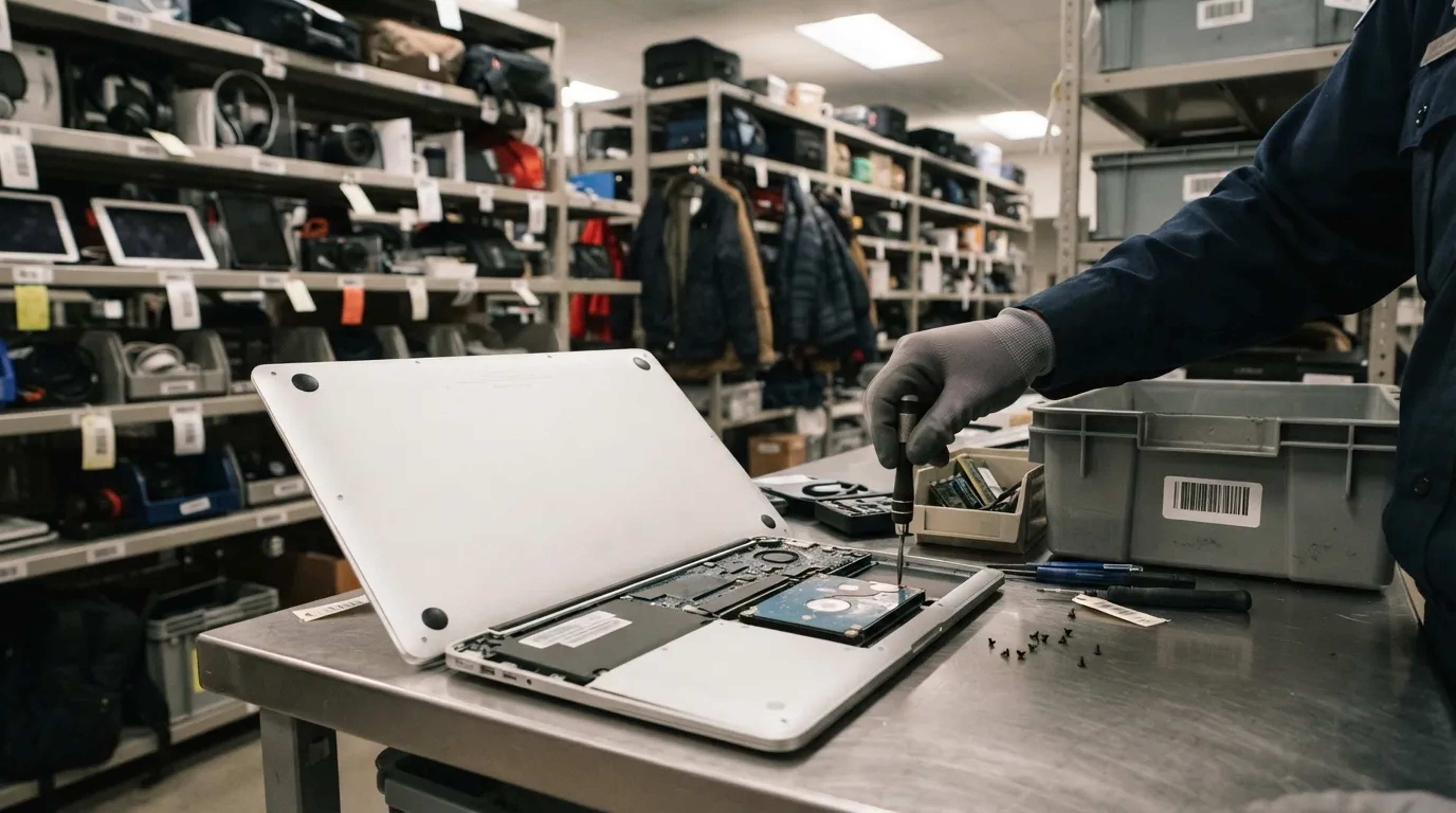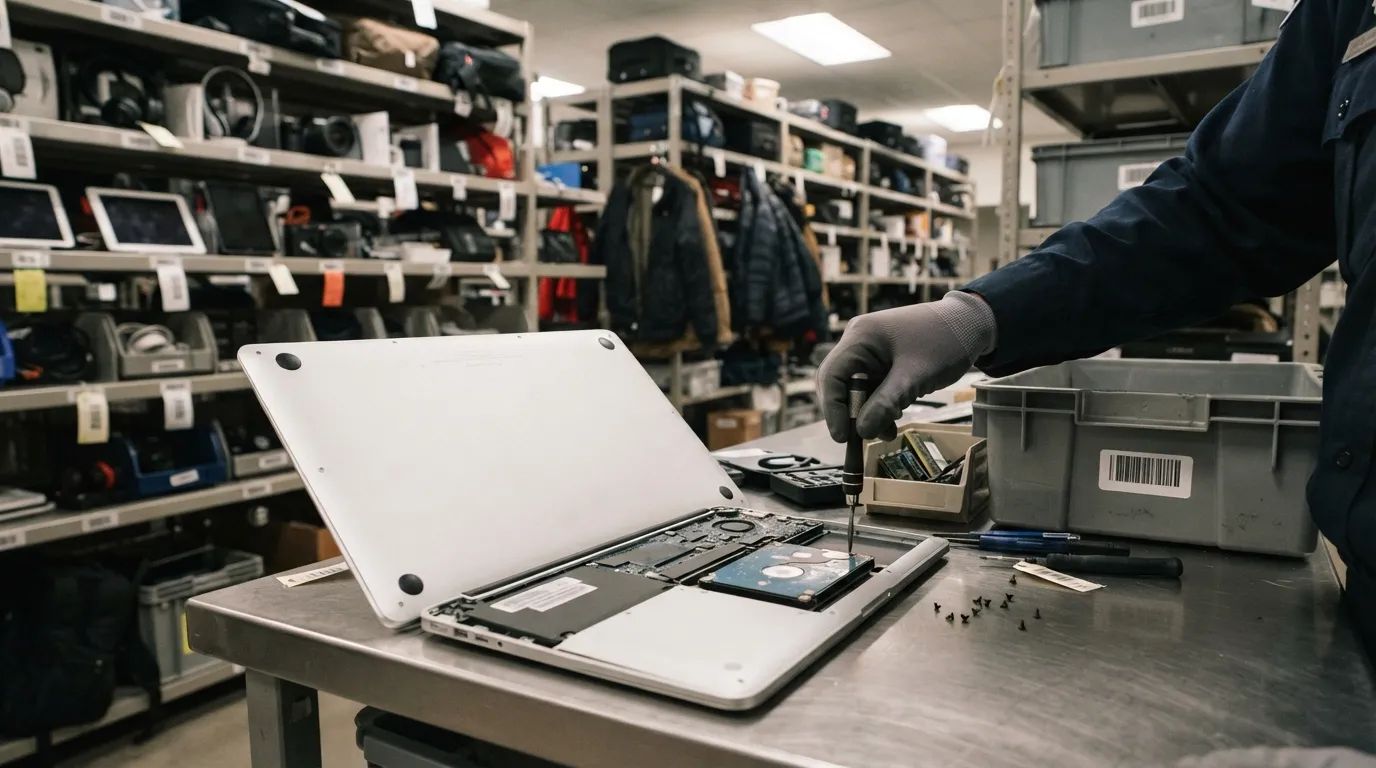
Most people picture a jacket, tablet, or wallet vanishing the second they step off a plane. The reality is far less hopeless. The TSA estimates that 90,000 to 100,000 items are left behind at checkpoints every month, and plenty of them sit in back rooms waiting for an owner who never comes.
The people who run those rooms see the same avoidable slip-ups again and again. Some of the fixes take ten seconds. Others involve a ticking 30-day clock, a laptop drive that gets destroyed, and nearly a million dollars in cash that nobody claims. Start with the cheapest fix on the list, because it’s the one almost everyone skips.
#17 – The 10-Second Seat Scan Almost Everyone Skips
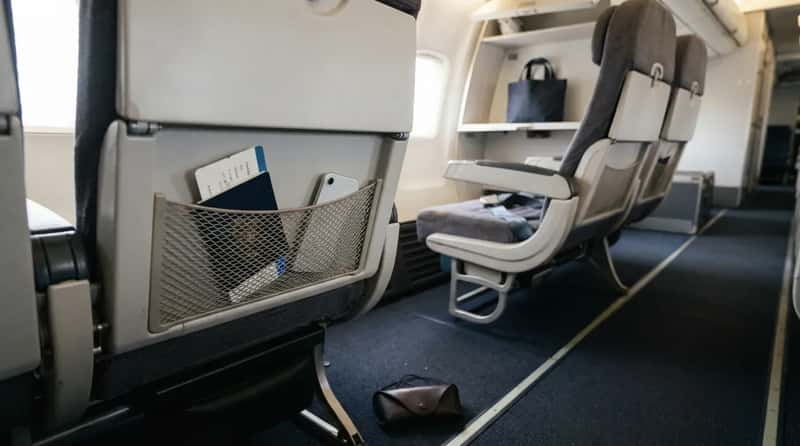
The cheapest fix in this whole story costs about ten seconds. One travel guide boils it down to a quick scan before you leave any seat. Start with the seat pocket, where passports, phones, and boarding passes tend to hide, then check under the seat in front of you and the overhead bin.
Those three spots are exactly where the guidance says items get left on the aircraft. Once you walk away, your item enters a chain of handoffs. Cabin crew collect it and pass it to the airline’s lost and found department at the arrival airport. The scan is the only moment when the item is still in your hand and none of that has started.
#16 – Your Seat Number Is the Clue That Cracks the Case
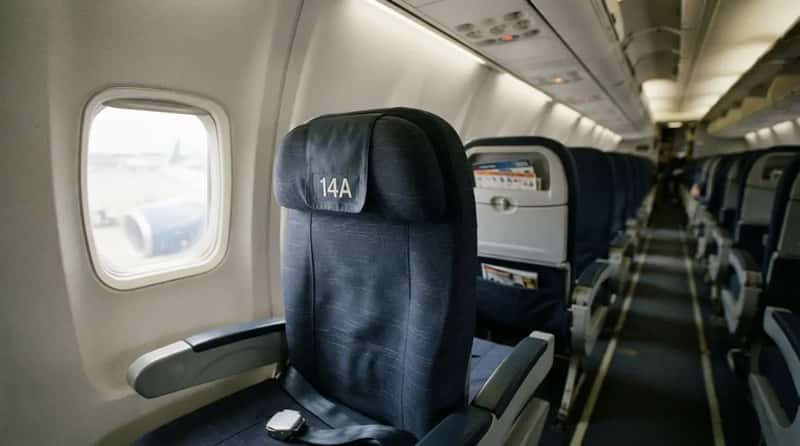
A seat number sounds boring, but it may be the most useful detail you can give. One lost-and-found guide lists it as critical, right next to the airline, flight number, and travel date. It tells staff where to look on a full aircraft. Without it, you’re one more vague report in a pile.
Airlines handle piles of similar items. A black phone, a gray hoodie, and a pair of earbuds could belong to almost anyone. Your seat number can be the difference between "we found something like that" and "we found yours." Snap a photo of your boarding pass before you land, and the detail is saved on your phone.
At a Glance: What Staff Want First
- The airline you flew
- Your flight number
- The travel date
- Your seat number
- A clear description of the item
#15 – The Laptop Label the TSA Itself Asks For
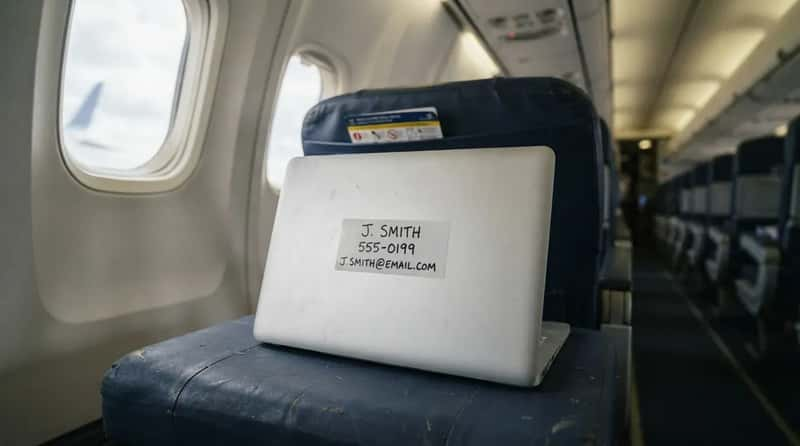
The TSA actually asks you to label your gadgets. Passengers are encouraged to put contact information on the outside of electronics such as laptops, in case the item is left behind. That’s an agency-level request, not a travel-blogger hack. Most people never do it.
The idea isn’t new either. A TSA blog post from 2008 told travelers to put their name on their items or tape a business card to them, because it makes reuniting them with passengers much easier. A locked, unlabeled laptop can only be matched to you by guesswork. The agency’s advice has barely changed in well over a decade.
#14 – The Connecting-Gate Agent Who Can Save Your Day

You don’t have to be at the right gate to start the search. If you’re already at a connecting gate, speak to the agent there and leave your contact information so the airline can reach you if the item turns up. Most travelers don’t realize that’s an option. They just sit at the next gate and hope.
Even a messy situation can sometimes be fixed. One Points Guy writer left a phone in a Heathrow restroom, cleared customs, and couldn’t go back. Staff at the Virgin Atlantic Arrivals Lounge called a colleague on the other side of security, and the phone was retrieved. Airline staff can sometimes reach areas you no longer can. Asking costs nothing.
#13 – The Crew Is Your Fastest Route, Not the Last One

The cabin crew can be your first stop, not an afterthought. Right after the flight, contact the crew immediately or go straight to the airline’s lost and found counter at the arrival airport. The sooner someone knows, the less time the item sits unreported.
If you’ve already left, the order changes slightly. Contact the airline as soon as possible with your flight number, seat number, a description of the item, and your contact details. The guidance says that reaching the airline’s lost and found team quickly greatly increases the chance of recovery. Speed is the one advantage you control.
#12 – Call the Airline First, Not the Airport

Plenty of travelers call the wrong office first. For items left on board, the guidance is clear: report to the airline first. If they say it may have been handed over, report to the airport lost and found too. Some travelers swear by calling the airport first, but the advice points the other way.
Here’s why. Items may be turned in at the airline’s baggage or service office at the arrival airport, or at a centralized airline lost property center. Airport lost and found is listed as less common for onboard items, though it does happen. Where your item ends up depends on the airline’s own handling. One call to the right desk beats three calls to the wrong one.
#11 – The Report Detail That Separates Your Phone From 50 Others
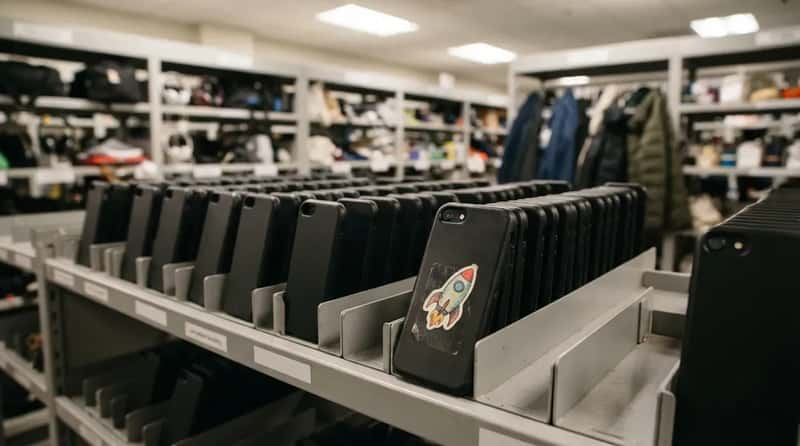
The more specific the report, the better. One guide recommends including brand, model, color, and any unique identifiers such as a serial number, sticker, or engraving. That’s what turns "a black phone" into your phone. Don’t skip the boring fields.
Airlines build this step into their process. Delta says that if you left a personal item on one of its aircraft, at a Sky Club, or at a counter or gate, it will do its best to locate and return it. You start on its Lost and Found page and pick the option for items left onboard, in the gate area, or in a Sky Club. A sticker on a case can turn a maybe into a match.
#10 – Three Different Lost-and-Founds, and Only One Is Yours
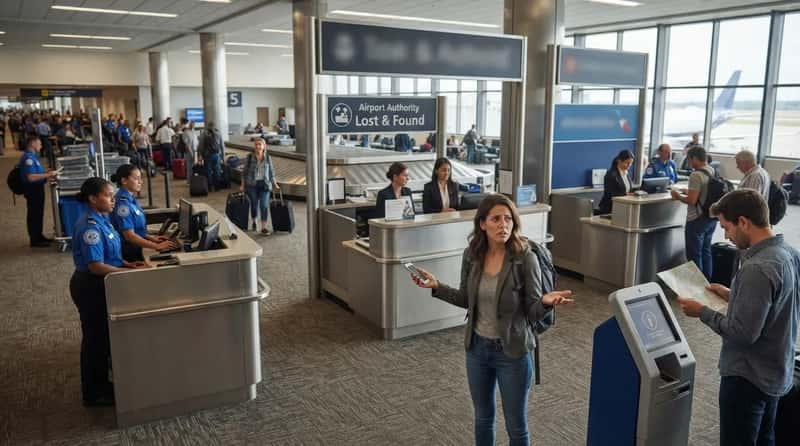
"Lost and found" isn’t one place. The TSA’s contacts are for items left at security checkpoints or missing from checked baggage. For other areas of the airport, you check that airport’s own website. That alone trips up a lot of people.
Then there’s the airline. Delta’s process covers items left on an aircraft, at a Sky Club, or at a counter or gate. A phone left in a screening bin, a jacket left on a seat, and a bag left at a gate can each belong to a different office. Three places, three different processes. Figure out which one applies before you start filling out forms.
Quick Compare: Who Handles What
- TSA: items left at security checkpoints, or missing from checked baggage
- The airport: other areas of the terminal, so check that airport’s own website
- The airline: items left on the aircraft, in a Sky Club, or at a counter or gate
#9 – The Countdown Nobody Told You About
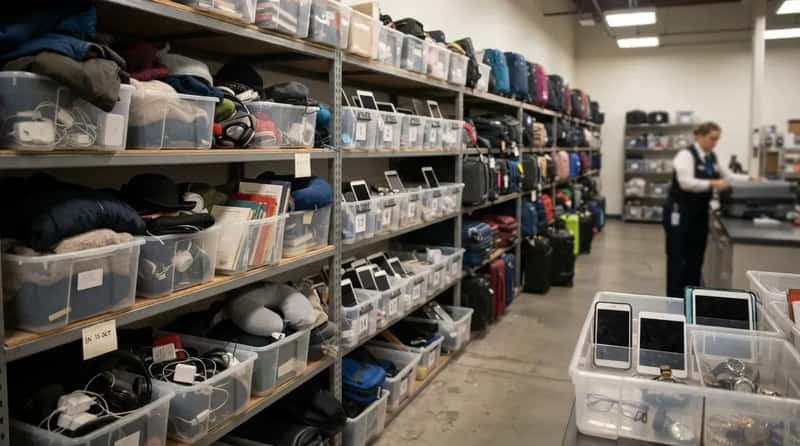
Every lost property system runs on a deadline. Items left behind at TSA security checkpoints are held for a minimum of 30 days or until they’re reunited with the owner. Other offices vary a lot. Most lost and found offices keep items for a limited time, often 30 to 90 days, depending on the airport and country.
After that, things get blunt. Unclaimed items are either destroyed, turned over to a state agency for surplus property, or sold as excess property. A 30-day minimum is not a promise of 30 days of comfort. The TSA says there’s no maximum holding time, and teams often hold higher-value items longer, but don’t count on that.
#8 – The Follow-Up Rhythm Staff Actually Prefer

Spamming the airline doesn’t speed things up. One guide suggests confirming your report was received within 24 hours, noting that many items are logged around 48 to 72 hours, and following up after 5 to 7 days. The same source says to avoid multiple daily messages.
So what should that follow-up say? Send one strong update with details like the serial number or IMEI for electronics, plus a photo of the item. One good message beats ten frantic ones. It also gives staff something concrete to check against what’s on the shelf.
Fast Facts: The Follow-Up Clock
- Within 24 hours: confirm your report was received
- Around 48 to 72 hours: when many items get logged
- After 5 to 7 days: send one detailed follow-up
- Include the serial number or IMEI and a photo
#7 – The $29 Gadget That Airlines Are Starting to Read
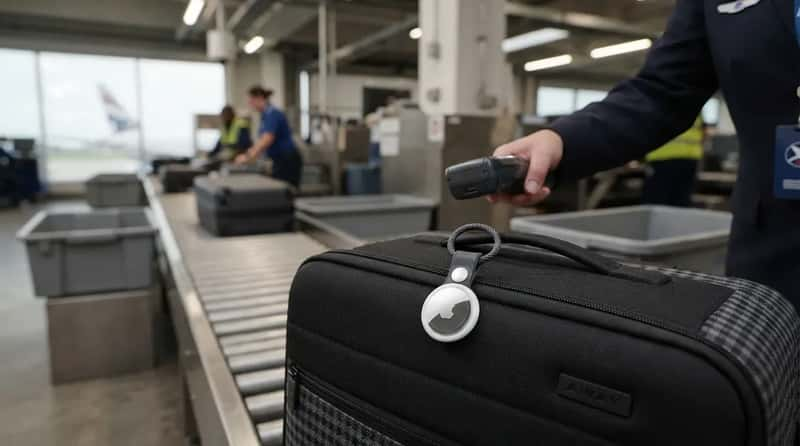
A tracker can change the whole situation. Apple’s Share Item Location feature lets you securely share the location of an AirTag or Find My network accessory with third parties such as airlines. Delta, United, American, and JetBlue all accept the links, as do British Airways, Lufthansa, Air Canada, and Qantas.
The privacy limits are built in. Shared locations expire automatically after seven days, the owner can stop sharing at any time, and sharing turns off once the item is reunited with its owner. One Mac-focused review site counts 36 airlines publicly named as accepting these links, and Apple says it has partnered with more than 50. It’s mostly aimed at bags, but the idea carries over to anything you can attach a tag to.
#6 – The Laptop Whose Hard Drive Gets Destroyed After 30 Days
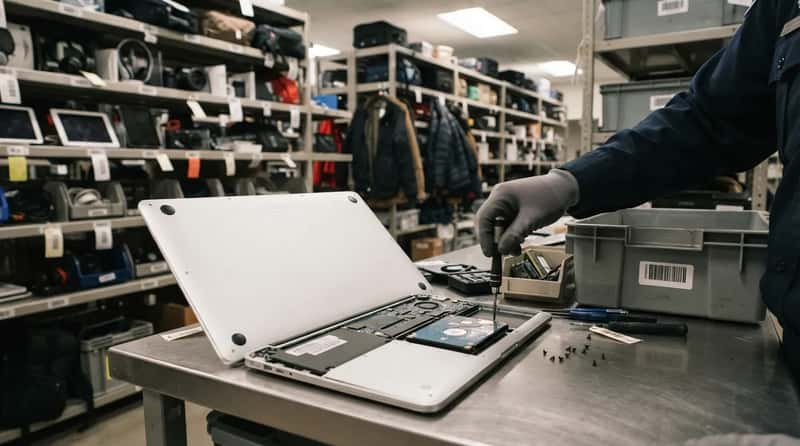
Your data doesn’t wait for you. At the TSA, unclaimed electronics have their memory removed and destroyed once the 30-day holding period ends. A laptop’s hard drive goes first. If the memory is non-removable, the whole item is destroyed.
It’s a privacy measure, but it also means the device itself is gone for good. IDs follow the same rule: if one isn’t claimed within 30 days, it’s destroyed. A laptop with your photos, work files, and passwords has a hard cutoff date. If it holds your whole life, 30 days isn’t a long runway, so report it the day you notice.
Worth Knowing: What Happens on Day 31
- Unclaimed electronics have their memory removed and destroyed
- Non-removable memory means the whole device is destroyed
- Unclaimed IDs are destroyed after 30 days
- Other unclaimed items may be destroyed, sent to a state surplus agency, or sold
#5 – The Screening Bin Where Thousands of Laptops Get Left
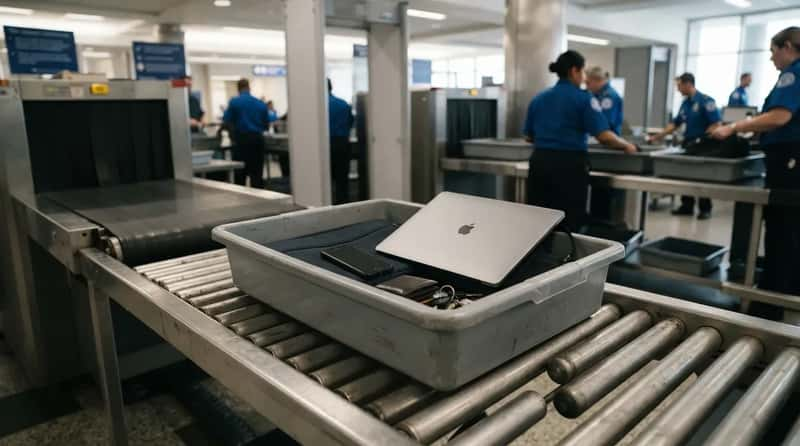
The checkpoint is where a huge share of things go missing. TSA left-behind figures included 25,000 laptops and 6,000 cellphones at checkpoints in 2022 alone. That’s a lot of devices walking away from their owners. Afar suggests repacking carefully and checking for stray items that may have fallen out as the bin moved down the conveyor belt.
The simple version: don’t relax until you’ve counted everything. Twenty-five thousand laptops in one year is the number to remember. If you realize you forgot something while you still have time, go back. A TSA spokesperson says to return to the checkpoint and ask to speak with a supervisor.
#4 – The Cash That Quietly Becomes Government Money
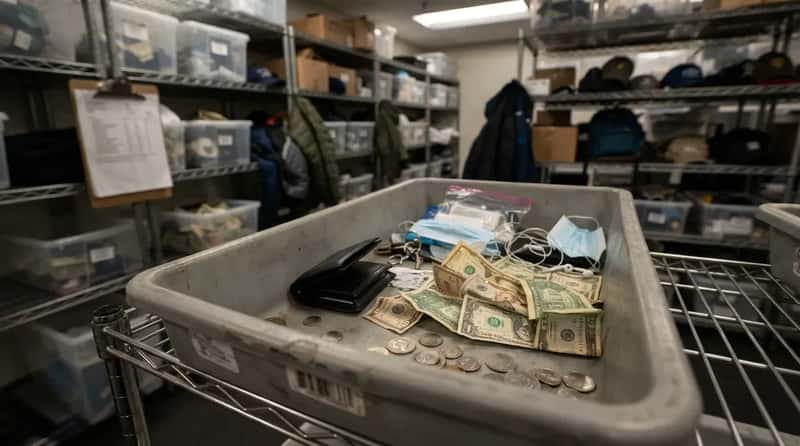
Travelers leave real money in the bins. In fiscal year 2024, the TSA reported $939,814.20 in unclaimed money. The year before, the figure was $956,253.38. That’s nearly a million dollars a year in loose cash that nobody came back for.
Here’s the catch. The one difference between lost money and lost items is that the TSA is allowed to keep the money. Unclaimed funds must be spent on carrying out its mission of civil aviation security. Cash doesn’t come with a name tag. Keep it in your wallet or pocket, not loose in a tray.
#3 – The Shipping Bill That Arrives After the Good News

Finding your item isn’t always the end. Getting it home can cost money. United’s form includes a notice that shipping costs are the passenger’s responsibility, though in some cases a no-cost pickup at the airport can be arranged. Ask before you agree to anything.
The airline’s policy decides what happens next. A free pickup might be an option if you’re flying back through the same airport. That’s worth asking about, especially for a bulky item. Check the form’s fine print before you click submit, and keep the confirmation email.
#2 – The Backup Plan You Can Start Before the Search Ends
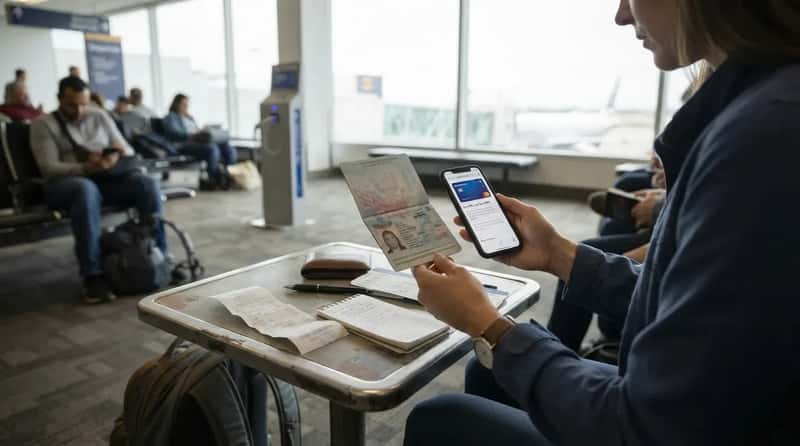
Sometimes an item really is gone. The Points Guy says to check whether the purchase protection that comes with some credit cards could reimburse you. You may also have protection for mobile phones, depending on how you pay your cell bill. That’s money many travelers never think to claim.
Some losses carry extra steps. You may need to file a police report in some instances, and if you lose your passport, you may need to get a new one and report the old one as lost or stolen. A lost passport isn’t just a lost item. It’s a paperwork problem. Start the backup plan early so it doesn’t slow down the search.
#1 – The First Few Minutes Beat Every Other Trick
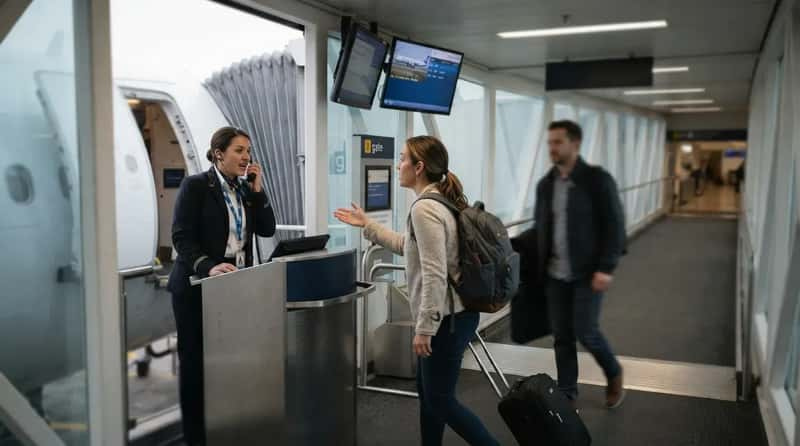
Speed is the real secret. If you’re still in the airport and haven’t passed security, head straight back to your arrival gate and tell the agent what you lost and your seat number. The staff may send a crewmember to search the plane right away. That’s the best shot you’ll get.
Most of the time you can’t get back on the plane, but you can ask a gate agent to help if it’s still at the gate. Sometimes the crew can check quickly, especially before the next boarding cycle. Every minute you wait, the plane gets closer to its next flight. Report it right away, with the details from the earlier entries, and give them a way to reach you.
Lost property isn’t a black hole, but it does run on clocks, details, and speed. The TSA holds checkpoint items for at least 30 days, and other offices often keep them for 30 to 90 days. Almost everything that helps costs nothing but a few minutes of attention.
The jacket, the laptop, the wallet: most of them were never really gone. They were just waiting for someone to ask the right desk the right question, fast enough.