Most travelers over 60 walk up to the security checkpoint exactly the way they have for twenty years — shoes off, belt in the bin, quietly hoping the line moves fast. What they don’t realize is that TSA has an entire layer of accommodations, exemptions, and quiet adjustments built specifically for older travelers that almost nobody announces out loud. Some are federal policy. Others are things experienced agents apply without ever saying a word about it.
The gap between what most travelers over 60 actually experience at the checkpoint and what trained agents are supposed to do is wider than almost anyone knows. Free specialist escorts. Medical exemptions that bypass the 3-1-1 rule entirely. Seated pat-down options. Age-based screening adjustments that never get called over the intercom. Here’s what TSA’s own published procedures — and years of documented policy — actually say.
#17 – They Quietly Read Your Pace Before You Even Reach the Belt
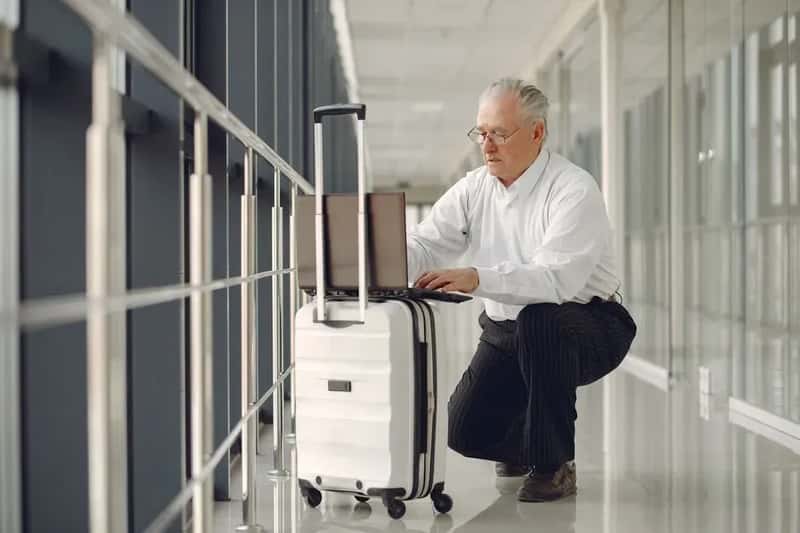
TSA agents are trained observers, and their adjustments for older travelers begin before you touch a single bin. Officers assess mobility cues — walking speed, balance, use of a cane or walker — as passengers approach the checkpoint. TSA instructs officers to gauge a passenger’s ability to walk or stand independently before screening begins. That read starts the moment you step into line, not when you reach the front of it.
This quiet assessment matters because it shapes everything that follows. Letting the security officer know your mobility level upfront — whether you can walk or stand unassisted, or whether you have limited arm movement — makes a real difference. Agents who spot a concern early can quietly prepare an alternate screening path before you even arrive at the belt, cutting delays for you and everyone behind you. Most travelers never realize the process has already started.
#16 – They Shift to a Different Protocol the Moment They See a Wheelchair or Scooter
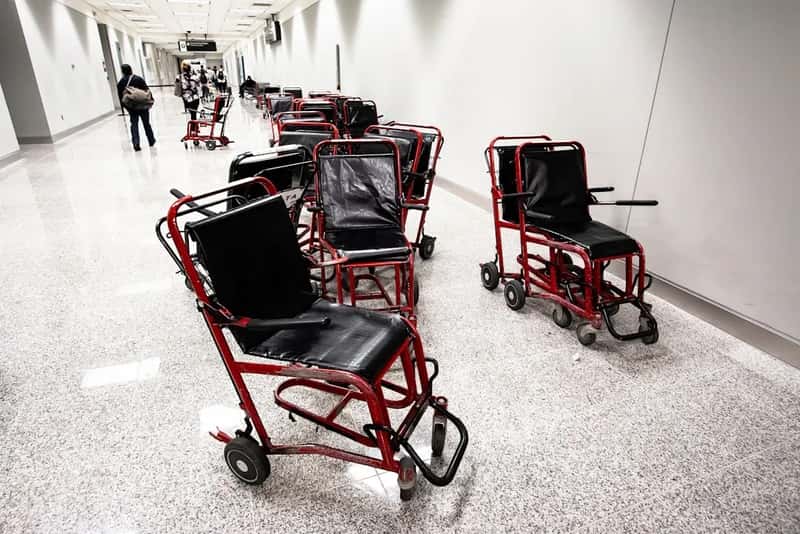
Arrive at the checkpoint in a wheelchair or scooter and the entire screening process immediately reorganizes itself around you. TSA requires all mobility device users to be screened in some form — but what that looks like for older travelers is notably different from the standard line. Passengers 75 and older with mobility devices may remain seated while officers conduct checks of the individual, the device, and any accompanying service animal.
If you use a scooter or your own wheelchair, an agent will hand-inspect it and may swab it for explosive traces — something most travelers have never heard of, and something that happens quietly, often without explanation. The swab takes about thirty seconds. If you travel with a service animal, that animal gets assessed alongside you. Experienced agents move through this sequence efficiently precisely because they do it dozens of times a week.
At a Glance: Wheelchair & Mobility Device Screening
- Passengers 75+ may remain seated throughout the wheelchair screening process
- The device itself is hand-inspected and may be swabbed for explosive trace residue
- Swab test takes roughly 30 seconds — noninvasive and standard procedure
- Bags or pouches attached to the device must be removed and X-rayed separately
- Service animals are assessed alongside the passenger, not separately
#15 – They Change How They Communicate When They Notice a Hearing Aid
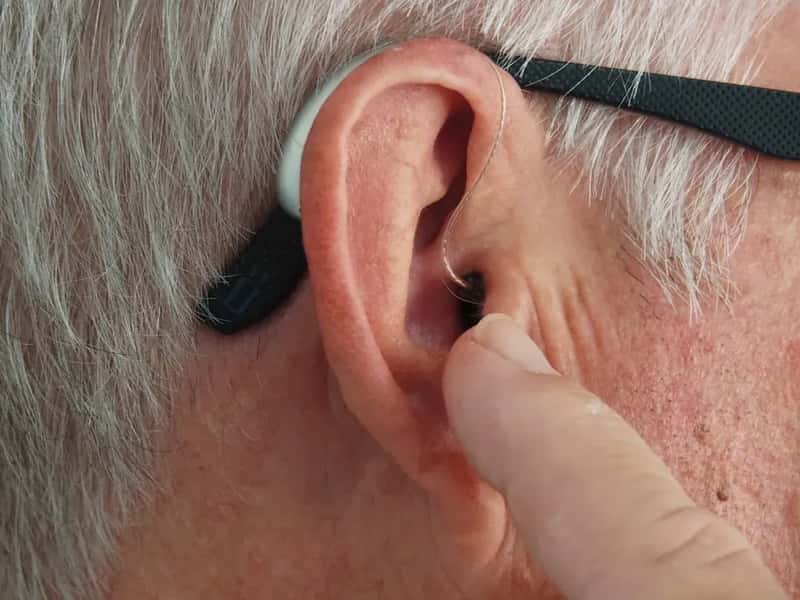
Millions of older Americans travel with hearing aids or cochlear implants and quietly assume the devices have to come off before they walk through security. They don’t. You are not required to remove hearing aids or cochlear implants at the checkpoint. If a device triggers the metal detector or advanced imaging, additional screening may follow — but in most cases these devices pass through without any alarm at all.
What experienced agents do when they notice a traveler isn’t catching verbal instructions is shift without making a scene. Facing you directly, speaking clearly, slowing down, and using deliberate hand signals are all part of how trained officers quietly adapt. The practical tip agents often share with hard-of-hearing travelers: mention it upfront. Not because it changes the procedure, but because it helps the officer communicate more clearly with you throughout the entire process.
#14 – They Offer a Second Pass Through the Scanner Instead of Going Straight to a Pat-Down
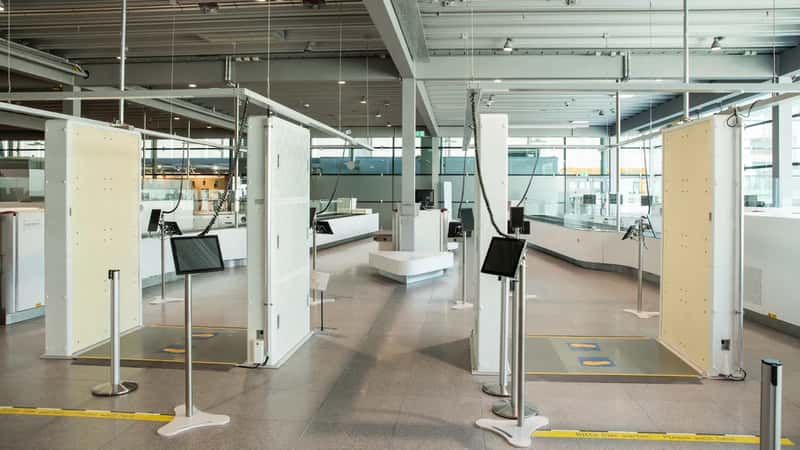
Here’s something the average traveler never gets told: setting off the alarm doesn’t automatically mean a hands-on pat-down is next. For passengers 75 and older, TSA policy allows an extra pass through the scanner — Advanced Imaging Technology or the metal detector — before a pat-down is required. That extra pass is a direct policy benefit most older travelers never know to expect.
It exists precisely because many alarms on older travelers are triggered by joint replacements, pacemakers, or other medical hardware — not any actual security concern. Passengers 75 and older are also not required to remove their shoes or a light jacket at the standard checkpoint. If the second pass clears you, you walk through without a pat-down, without removing your shoes, and without most of the friction younger travelers accept as routine.
#13 – They Route Pacemaker Carriers Around the Metal Detector Entirely
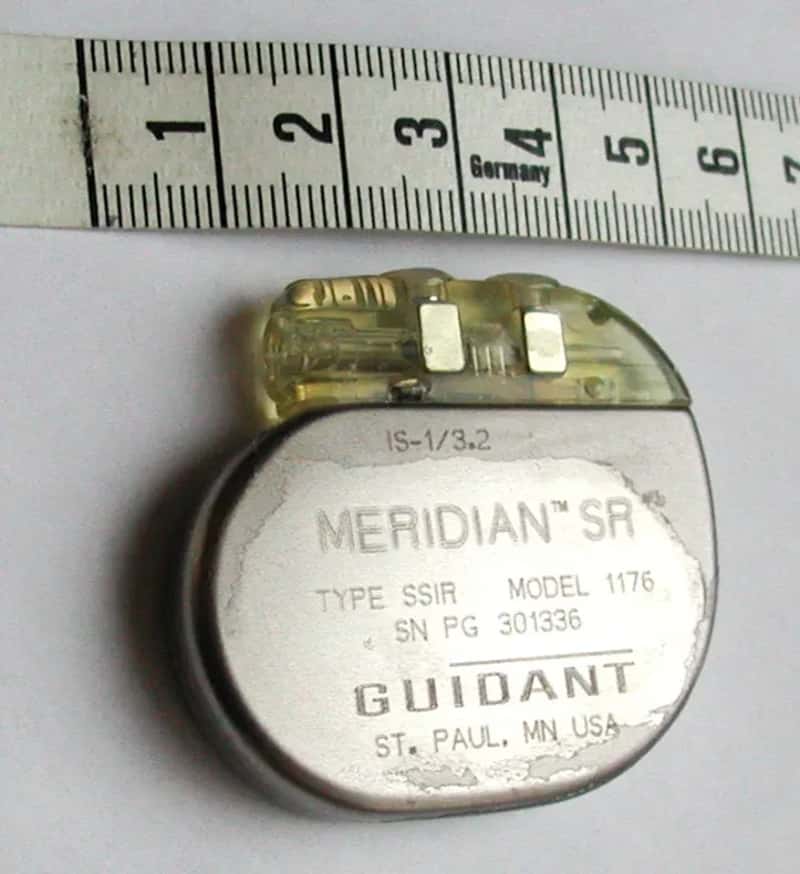
This one surprises people every single time. If you have a pacemaker or implanted defibrillator, you are not supposed to walk through the standard metal detector at all — and trained agents know to redirect you the moment you tell them. TSA instructs passengers to inform the officer about any internal medical device before stepping through, and specifies that walk-through metal detectors should be avoided for those with such devices.
Millimeter wave Advanced Imaging Technology scanners are safe to use with a pacemaker or personal medical electronic device, and they significantly reduce the likelihood of a pat-down. The right move — which agents are trained to facilitate — is to say something before you step through, not after the alarm sounds. Most older travelers with pacemakers walk straight into the metal detector out of habit. That small moment of silence costs them ten extra minutes and unnecessary stress every single time.
#12 – They Wave Through Oversized Liquid Medications Without Enforcing the 3-1-1 Rule

The 3-1-1 rule has a medical exception that experienced agents apply every day without fanfare. Liquid, gel, cream, and aerosol medications are permitted in carry-on bags even if they exceed 3.4 ounces — as long as you declare them to a security officer as a medical necessity. Keeping medications in their original prescription packaging, or carrying a note from your doctor or pharmacist, speeds the process significantly.
A lot of older travelers quietly toss out prescription bottles at the checkpoint because they assume the rules force them to. They absolutely don’t. Pull the medications out, separate them from your other items, tell the agent they’re medically necessary, and let the screening proceed. Agents process this quietly dozens of times a day. The traveler who doesn’t know to declare is the one who loses medication they never had to give up.
Worth Knowing: Medical Liquid Exemption Basics
- Liquid, gel, and aerosol medications over 3.4 oz are allowed — you must declare them
- Keep meds in original prescription packaging or carry a doctor’s note to speed things up
- Pull medications out separately before reaching the belt — don’t wait to be asked
- Ice packs and gel packs used to keep medication cold also qualify for the exemption
- You can request no X-ray screening for certain sensitive medications (see #11 below)
#11 – They Can Screen Your Medication Without X-Raying or Opening It – If You Ask

Almost nobody knows this one exists. If you do not want your liquid medication screened by X-ray or opened, you can tell the TSA officer — and they are required to use alternative steps to clear it. Those steps may include AIT screening, a pat-down, and additional screening of your carry-on. It’s a slower process, but it’s your documented right to request it.
This matters most for biologics, certain injectables, or temperature-sensitive compounds where X-ray exposure or opening the container is a genuine concern. TSA officers may otherwise open containers and transfer pills to another container for trace testing. You have to ask — agents won’t volunteer this option unprompted. But it is a real, published right, and the travelers who know about it are the only ones who ever use it.
#10 – They Modify the Pat-Down Itself if You Have Painful or Limited Movement
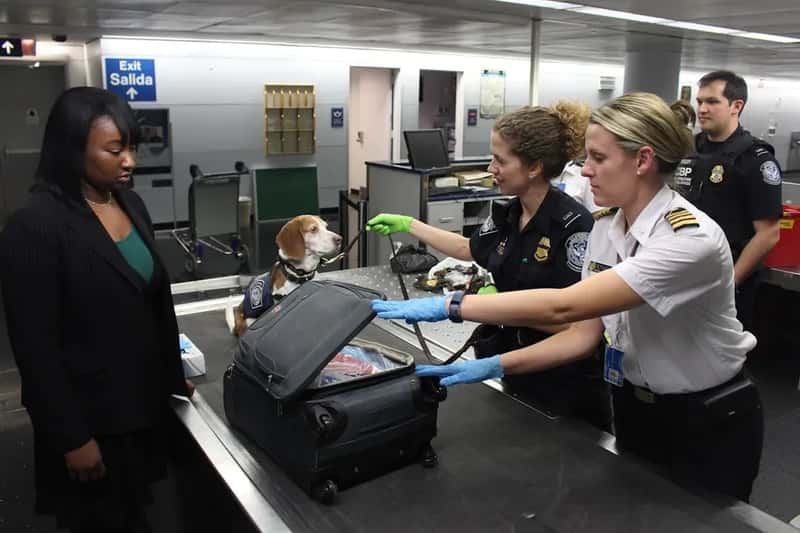
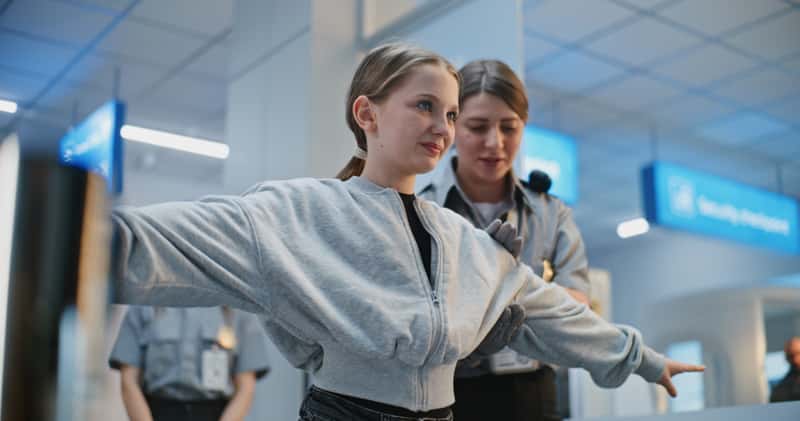
A pat-down for an older traveler is not supposed to look identical to one for a 30-year-old. TSA officers are instructed to explain procedures as they go and to adjust if a passenger has difficulty raising their arms, cannot maintain a required position, has an external medical device, or has areas of the body that are painful when touched. That disclosure changes how the agent physically proceeds — it’s not a courtesy, it’s protocol.
You may inform the officer of your condition verbally, by handing over a TSA Notification Card, or by providing medical documentation. Officers who regularly work with older travelers know to slow down, modify positioning, and work carefully around painful areas. The practical move is to say something before the pat-down begins, not in the middle of it. Agents who skip the adjustment when asked are the ones worth requesting a supervisor for.
#9 – They Offer Seated Screening During a Pat-Down – and Most Travelers Don’t Know to Ask
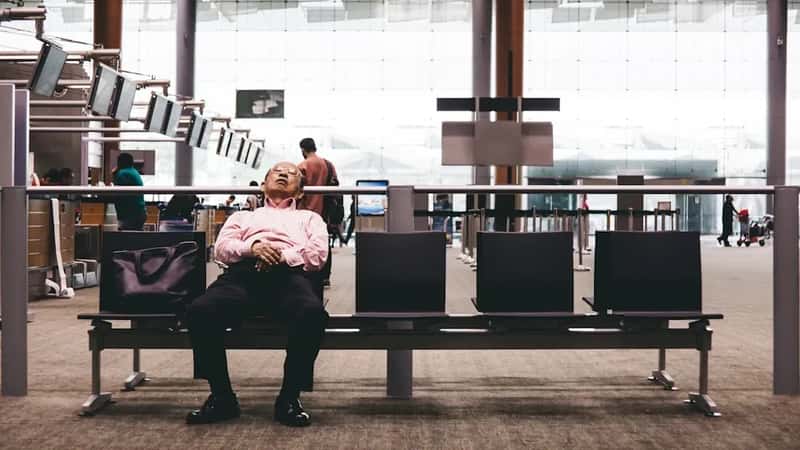
Most travelers assume that when a pat-down is required, standing through the whole thing — arms out, feet apart — is mandatory. It’s not. You can request a chair at any point during the screening process, and TSA agents are trained to accommodate that request. It applies at every U.S. airport, in every screening lane, without exception.
You may also request private screening accompanied by a companion of your choice at any time during the process. This is one of the most practically useful things an older traveler can know heading into a checkpoint, and it costs absolutely nothing to use. Agents who notice someone visibly struggling to stand often want to offer a chair — they just don’t always manage to get the words out before the line presses forward. You are allowed to ask first.
#8 – They Treat Canes and Walkers as High-Priority Items That Come Back to You Fast

Walkers, canes, and crutches don’t just disappear into the X-ray conveyor without consideration. They are either X-rayed or hand-inspected, and handles or seat surfaces may get an explosive trace swab — quick and noninvasive, but something most travelers don’t expect. Any bags or satchels attached to a mobility device must be removed and placed on the X-ray belt separately.
For older travelers who depend on these items every second they’re upright, trained agents understand the urgency of returning them immediately — and that priority shapes how they manage the sequence. The real mistake most travelers make is not warning the agent before the cane goes through. If it alarms, getting it back takes extra time while you’re standing there without support. Experienced agents who see this situation coming quietly make returning the item their first move.
#7 – They Can Pull in a Passenger Support Specialist – and Most Travelers Have Never Heard of One
Most travelers have never heard the words “Passenger Support Specialist” at a checkpoint. They should. Through TSA Cares, any traveler can request the services of a Passenger Support Specialist — a TSA officer who has received specialized training in assisting and communicating with travelers who have disabilities or medical conditions. A PSS can guide you through the entire screening process, answer questions, address concerns, and get you on your way without the standard confusion.
If you need additional help once you arrive at the checkpoint, you can ask any TSA officer to request a Passenger Support Specialist on your behalf. You can also call TSA Cares at (855) 787-2227 up to 72 hours before your flight to ask questions about screening policies and what to expect. Most older travelers who would benefit from a PSS never request one because they don’t know the option exists. Agents who spot a traveler struggling are trained to call one in — but you can and should ask for this yourself.
Fast Facts: TSA Cares & Passenger Support
- TSA Cares helpline: (855) 787-2227 — weekdays 8 a.m.–11 p.m. ET, weekends 9 a.m.–8 p.m. ET
- Call or submit the online form at least 72 hours before your flight to arrange a PSS
- In 2024, TSA Cares assisted 69,000 travelers with disabilities, medical conditions, and special needs
- A PSS does not expedite screening — they guide, communicate, and support throughout the process
- You can also request a PSS on arrival by asking any officer at the checkpoint
#6 – They Run Oxygen Concentrators and CPAP Machines Through a Separate Process
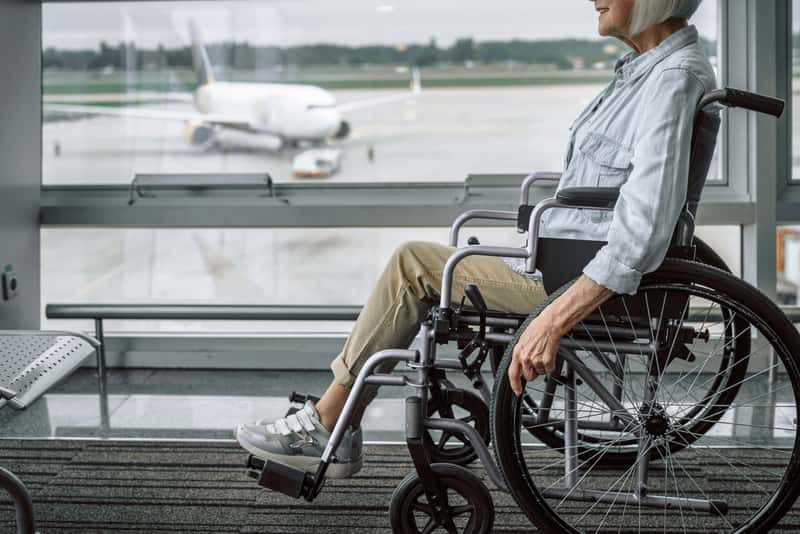
Millions of older Americans travel with portable oxygen concentrators, CPAP machines, or nebulizers, and the checkpoint process for these devices is more involved than most people expect. TSA instructs passengers to inform the officer whether they can safely disconnect from the concentrator during screening — something to discuss with your doctor before travel. If you can disconnect, the device goes through X-ray screening while you continue through AIT or the metal detector.
If you must remain connected, the equipment will be tested for explosive trace residue instead. CPAP, BiPAP, and APAP machines must be removed from their carrying cases and X-rayed separately; facemasks and tubing may stay inside the case. Agents who deal with these devices regularly know the sequence cold. The travelers who get held up the longest are consistently the ones who show up without flagging it to the checkpoint first — a single heads-up changes everything.
#5 – They Read the TSA Notification Card and Quietly Adjust Their Entire Approach
There’s a small card that can reshape your entire checkpoint experience, and almost nobody over 60 carries one. TSA Notification Cards are available as a free download on the TSA website. You fill one out, hand it silently to the officer at the checkpoint, and it tells them everything they need to know about a disability or medical condition that may affect your screening — no verbal explanation required, no raised voice in a crowded hall.
The card doesn’t exempt you from screening, but it gives the agent the full picture instantly. Trained officers read it and adjust their approach before saying another word to you — tone, positioning, communication style, and procedure all shift based on what’s on that card. Handing it over is faster, quieter, and often less stressful than trying to explain a complex medical history out loud at a noisy checkpoint. It’s one of the most underused tools in the entire system.
#4 – They Offer Private Screening More Readily When Sensitive Medical Conditions Are Involved
An ostomy pouch, wound dressing, compression sleeve, or external medical device all come with specific TSA handling rules — and agents who regularly work with older travelers know to quietly offer a private room before any inspection of those areas begins. TSA instructs passengers to inform an officer about an ostomy pouch before entering the screening area. The pouch may require a self pat-down outside of clothing, followed by a trace explosives test of your hands.
At any point during screening, you may request private screening accompanied by a companion of your choice. A second officer of the same sex will always be present. Once your companion has been screened, they may accompany and assist you inside the private area. Agents experienced with older travelers typically offer this proactively when they recognize the situation. Those who don’t — you can and should request it yourself, without hesitation.
#3 – They Quietly Mention TSA PreCheck to Travelers Still Worn Out by the Standard Line

Even for travelers who qualify for the age-based shoe exemption at 75, the standard security line still demands real physical effort. Jackets still need to come off. Laptops still get unpacked. Liquids bags still come out of carry-ons. Agents who watch older travelers grind through this every day tend to quietly mention TSA PreCheck the moment they get an opening — because PreCheck eliminates all of those remaining steps at once.
A TSA PreCheck membership runs roughly $77–$85 for five years depending on enrollment provider, which works out to well under $20 per year. The dedicated lane is shorter, belts stay on, laptops stay in bags, and liquids stay packed.
Quick Compare: Standard Lane vs. TSA PreCheck for Travelers 75+
| Step | Standard Lane (75+) | TSA PreCheck Lane |
|---|---|---|
| Shoes | Can stay on | Stay on |
| Light jacket | Can stay on | Stays on |
| Belt | Must remove | Stays on |
| Laptop | Must unpack | Stays in bag |
| 3-1-1 liquids bag | Must remove | Stays in bag |
| Typical wait | Varies | Under 10 min (99% of travelers) |
#2 – They Apply the Full 75-Plus Expedited Screening Package Without Being Told To
The formal age-based screening adjustment at TSA officially kicks in at 75 — and it’s more substantial than most people realize. Passengers 75 and older receive expedited screening benefits that include leaving shoes and light jackets on during the entire process. This applies automatically in the standard lane. No enrollment. No application. No PreCheck membership required. Agents are trained to apply it the moment they assess a passenger as 75 or older.
If you pass through without triggering an alarm, your shoes stay on and you move through faster than almost every traveler around you. If you can’t stand for screening, alternative methods are used. If you do trigger an alarm, the second-pass policy kicks in before a pat-down is even considered. It is one of the few places in modern air travel where age works silently and entirely in your favor — and most of the people it applies to have no idea it exists.
#1 – They Can Connect You With Free Escort Assistance From Curb to Gate – and Almost Nobody Ever Tells You This
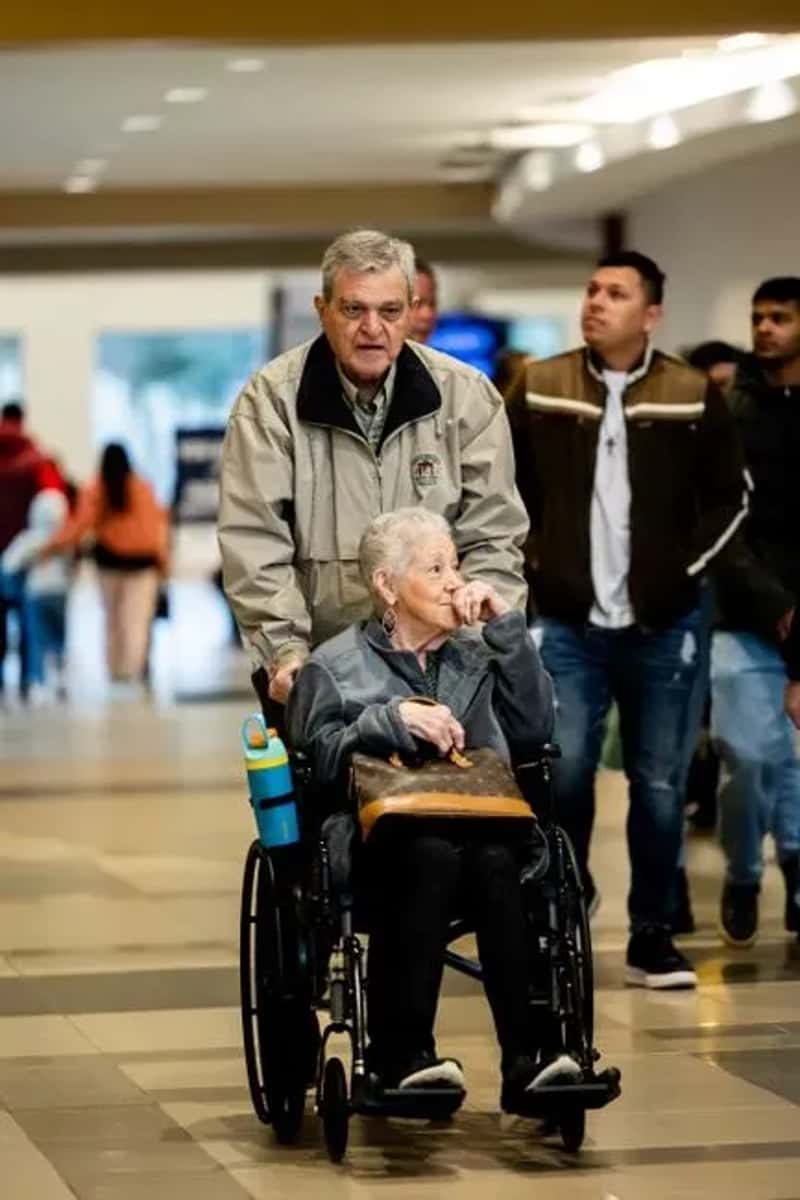
This is the one that stops most people cold. Under the Air Carrier Access Act, travelers who need assistance are entitled to free wheelchair or ambulatory escort throughout their airport journey — through security, to the gate, with help on carry-ons, and with priority boarding. This is a federal legal protection, not an optional airline perk. The carrier must provide it upon request. You do not need to look like you need help to qualify. You just need to ask.
TSA Cares — reachable at (855) 787-2227 — is a helpline specifically for travelers with disabilities, medical conditions, or other circumstances requiring extra assistance at the checkpoint. Call 72 hours before your flight to ask about procedures, flag your situation, and arrange support in advance. The travelers who know about this move through the airport in a completely different way than those who don’t. Same terminal, same lines, completely different experience. The only thing separating those two groups is knowing the option exists.
The real story here isn’t that TSA is keeping secrets — it’s that a system packed with legitimate accommodations never gets communicated at scale. Most travelers over 60 are leaving real, documented benefits on the table at every single checkpoint. The 75-plus shoe exemption. Seated pat-downs. Free specialist escorts. Medical liquid exceptions. Private screenings. A notification card that changes everything without you saying a word. None of these get announced over the intercom. They exist in policy, they’re applied by experienced agents every day, and the travelers who know about them move through security faster, more comfortably, and with far less stress than the ones who don’t. Now you know.