

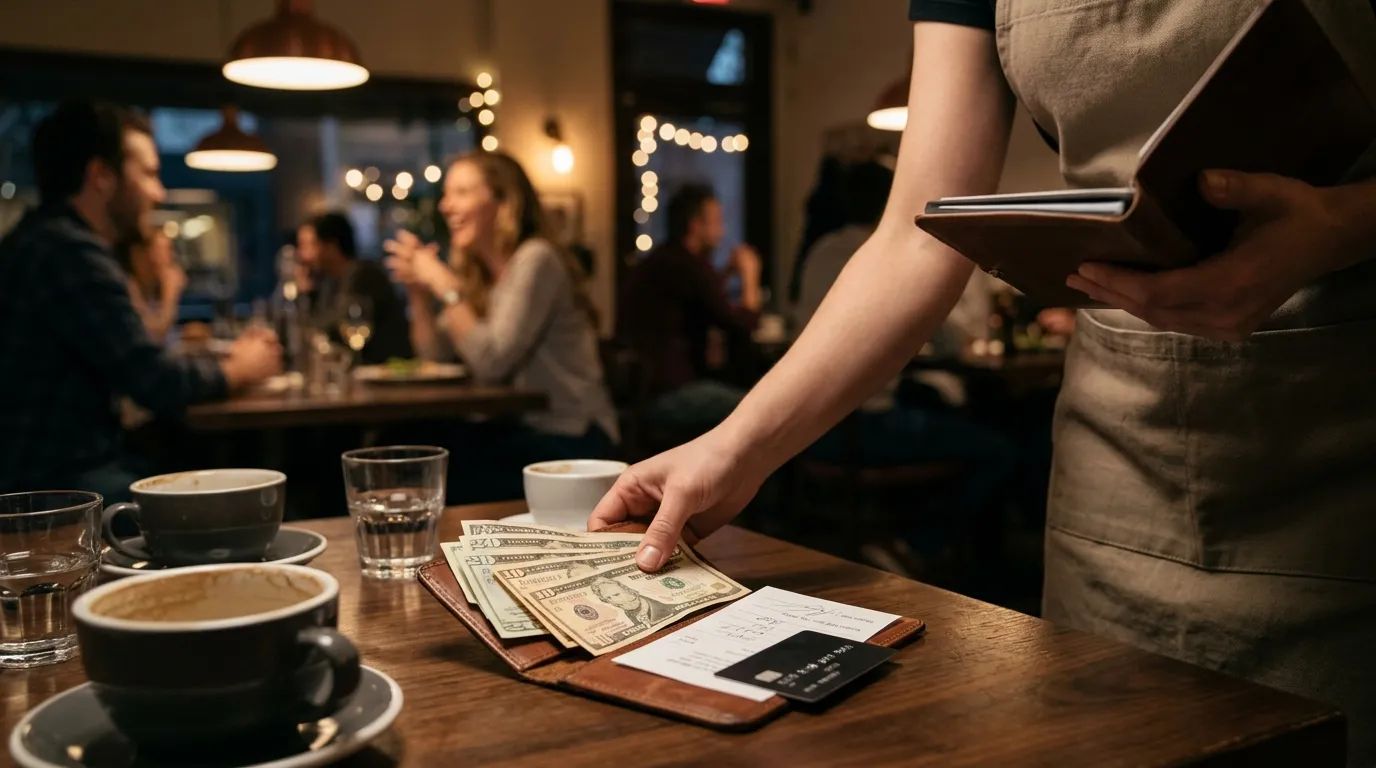
Most people assume restaurant staff are too slammed to notice anything beyond your order. Turns out, experienced waiters build a shockingly detailed mental file on every regular who walks through the door – and most guests have no idea it exists.
The details go way beyond your usual table. Servers track your moods, your relationships, your quirks, and yes, exactly how you tip – and the list only gets more revealing from here.
#17 – Your Face Gets Filed Away Faster Than You Think
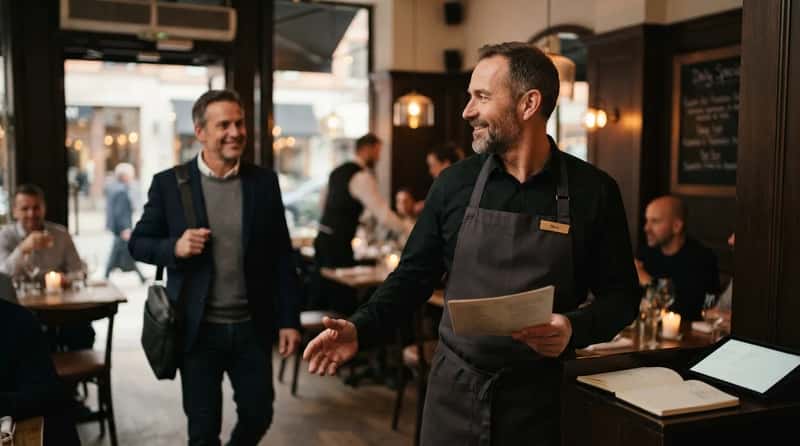
Experienced servers clock a returning face within seconds – long before you’ve even spotted your table.
Remembering guests’ faces helps servers track who keeps coming back. The brain files a familiar face into a totally different category than a first-timer, and that shift changes how you’re served from the second you walk in.
Regulars get routed to a preferred section almost automatically, often without realizing the quiet upgrade is even happening. This face-recognition habit is the foundation everything else on this list is built on.
But that’s nothing compared to what we found about #16…
#16 – Your Go-To Table Is Already Reserved in Their Head
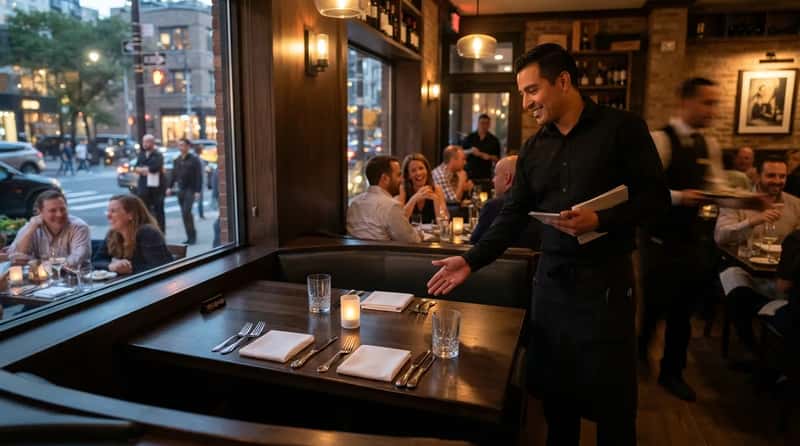
You probably think seating is random. It isn’t – at least not for you.
Good servers pick up on your preferred corner, booth, or window seat without you ever asking twice. Regular diners tend to arrive early and understand the restaurant’s rhythm, so staff quietly take care of them in return.
Your unspoken table preference becomes a standing mental reservation. Staff who value regulars will steer the host toward keeping that spot open, even on a slammed Friday night.
But that’s nothing compared to what we found about #15…
#15 – Your Allergies and Dietary Needs Are Committed to Memory
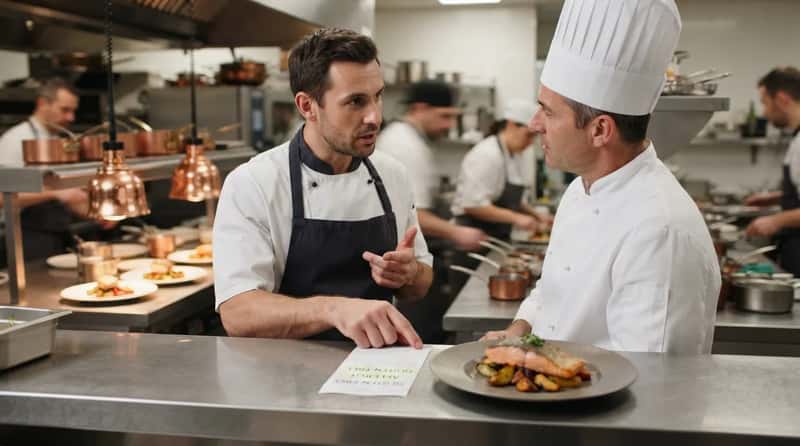
This one could literally save your life – and the best servers know it.
With regulars, a great waiter doesn’t wait for you to remind them about an allergy. They’ve already flagged the kitchen before you open your mouth.
Fast Facts
- Roughly 6.7% of U.S. adults live with a diagnosed food allergy, according to 2024 CDC survey data.
- Nearly 1 in 3 adults report at least one diagnosed allergic condition – seasonal, skin, or food-related.
- Shellfish, nuts, and gluten sensitivities are among the most common reasons regulars flag their orders in advance.
The servers who remember your gluten intolerance or shellfish allergy from three visits ago are preventing a genuine medical emergency. Most guests never realize how seriously that mental note-taking is taken.
The fact that your meal arrived safely isn’t always luck – sometimes it’s a server who remembered.
But that’s nothing compared to what we found about #14…
#14 – The Exact Drink You’ll Order Before You Sit Down
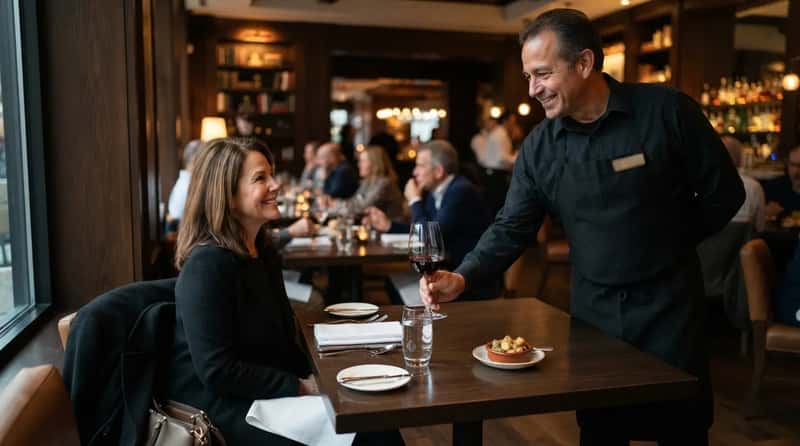
Which wine did they enjoy last time, and did they leave the croutons untouched? Skilled servers track these micro-details without ever being asked.
Your drink order is often the very first thing locked in. Some guests order the exact same meal every visit, so servers memorize it fast enough to ask “The usual?” before you sit down.
That moment – when your server asks “The usual?” before you’ve even picked up the menu – is one of the most powerful loyalty signals a restaurant can send. And it’s not an accident – it’s the result of deliberate, shift-after-shift memory work.
But that’s nothing compared to what we found about #13…
#13 – How You Treat Your Companions
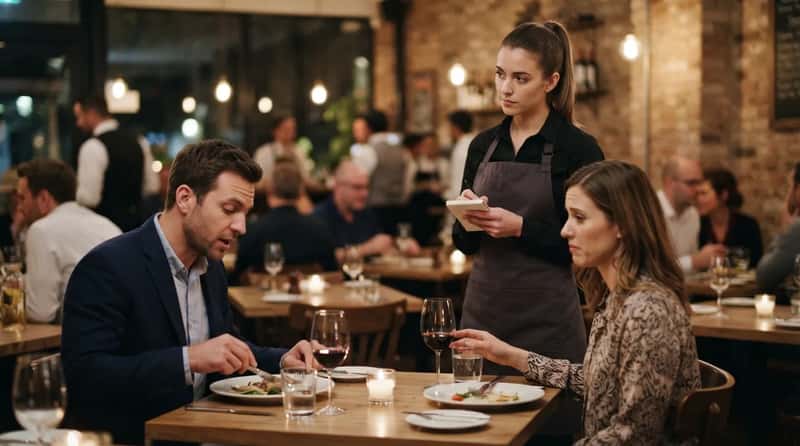
Servers watch the whole table, not just the person ordering. What they see there shapes how they treat you.
When guests are dismissive toward their companions, servers quietly note it as a red flag for how they might get treated themselves. Groups that show consideration for each other usually extend that same courtesy to their server.
A regular who’s warm to their partner but rude to their server gets remembered – and not in a good way. Kindness at the table is never invisible.
But that’s nothing compared to what we found about #12…
#12 – Whether You Actually Wanted to Talk or Be Left Alone
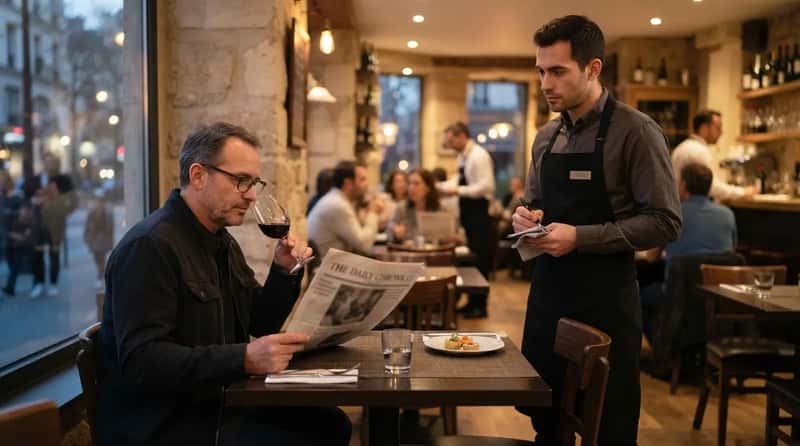
This is one of the most underrated skills a waiter develops – and it’s where regulars get a real edge.
If you want to talk, a good waiter asks how your day was. If you don’t, they won’t – and reading that correctly takes a few visits to calibrate.
Some regulars come in for quiet and solitude; others come specifically for the conversation. Experienced servers file both preferences just as carefully as they file a food order.
But that’s nothing compared to what we found about #11…
#11 – Your Tipping Reputation
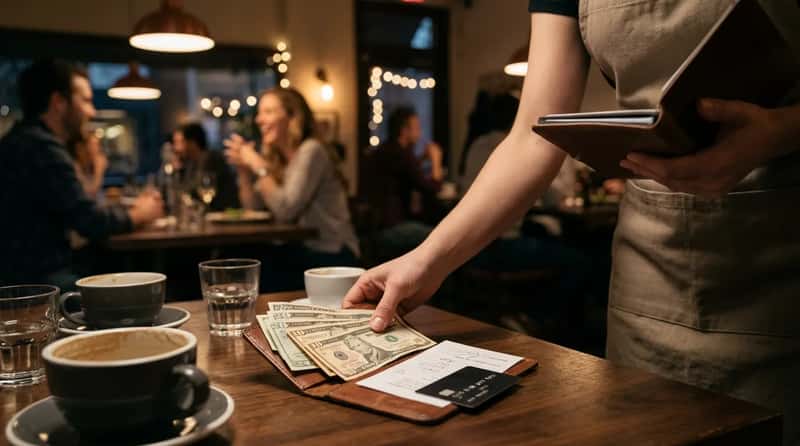
Nobody talks about this one openly, but every server knows it.
At a Glance
- Full-service restaurant tips averaged 19.3% nationally in early 2026, per Toast payment data.
- Delaware diners tip the most, averaging around 22% per visit.
- California sits near the bottom, with average tips closer to 17%.
A 2025 Popmenu survey of 1,000 U.S. consumers found that 65% felt fed up with tipping pressure, though 45% still said they tipped at least 20%. Servers notice exactly where you fall on that spectrum, and they remember it visit after visit.
Some regulars seem gruff yet tip generously, proving external behavior doesn’t always match internal appreciation. A regular who tips well will quietly receive better wine pours, faster refills, and more attentive service – not out of cynicism, just human psychology.
But that’s nothing compared to what we found about #10…
#10 – The Specific Modifications You Always Request
Extra sauce on the side. Dressing separate. No onions, ever – these aren’t small details to a good server, they’re your fingerprint.
With regulars, experienced servers preemptively fire the modification to the kitchen before you’ve even finished ordering. Often these diners return for a favorite dish they trust, and servers anticipate it the moment they see your face.
The goal isn’t just to take your order – it’s to make you feel like the menu was quietly designed around you. When that happens seamlessly, you stop noticing it, which is exactly when it’s working.
But that’s nothing compared to what we found about #9…
#9 – What Time You Usually Arrive
Regulars have arrival patterns, and servers track them more precisely than you’d imagine.
A server who knows you always walk in at 12:15 on Thursdays can mentally pre-set your table and alert the bar before you’re through the door. That level of quiet anticipation only comes from clocking your pattern over multiple visits.
Nobody tells you they’ve memorized your schedule. They just seem inexplicably ready for you.
But that’s nothing compared to what we found about #8…
#8 – Who You Usually Bring With You
Business lunch every Tuesday. Date nights on Fridays. Solo meals with a book on Sunday mornings – servers piece this together faster than you’d expect.
The people you bring, and the dynamics between them, tell a story about your life. Some regulars have brought homemade dishes to share with the chef or invited staff to special events.
Remembering something a guest mentioned weeks ago – and having them come back to talk about it – is “one of my favourite parts of the job.”
A longtime server
Your dining companions reveal your social world more than you realize.
But that’s nothing compared to what we found about #7…
#7 – Your Mood the Moment You Walk In
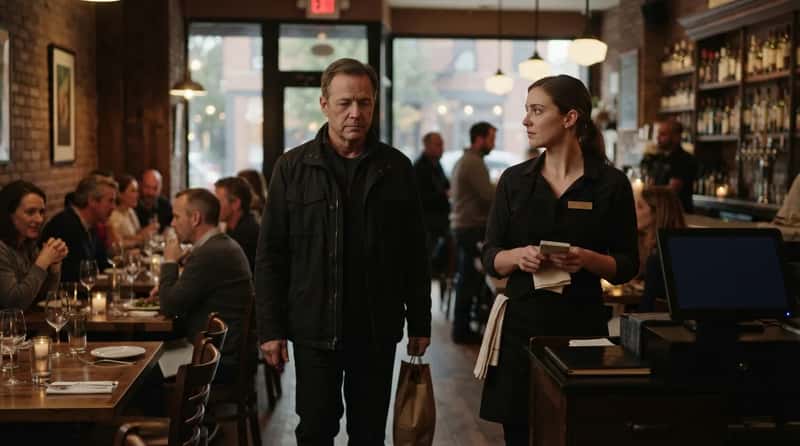
A trained server reads the room before anyone even sits down. With regulars, that read is even sharper.
They have a baseline for comparison – if you’re quieter than usual, if you ordered a second drink faster, if you skipped the usual small talk, it registers. One server near a hospital said she reminds herself that stressed regulars may be “going through something traumatic,” to stay empathetic.
The best servers treat emotional context as seriously as food orders. For regulars, that empathy is calibrated to you specifically, not just a general customer type.
But that’s nothing compared to what we found about #6…
#6 – The Stories You’ve Told Them
Regulars often forget what they’ve shared. Servers often don’t.
An experienced server will recall the job interview you mentioned last month, or the vacation you’ve got coming up next Friday. They file these life details right alongside your usual order.
When a server asks “How did that interview go?” three weeks later, it doesn’t happen by accident. That’s intentional relationship-building – and it’s why you keep coming back without entirely knowing why.
But that’s nothing compared to what we found about #5…
#5 – How You React When Something Goes Wrong
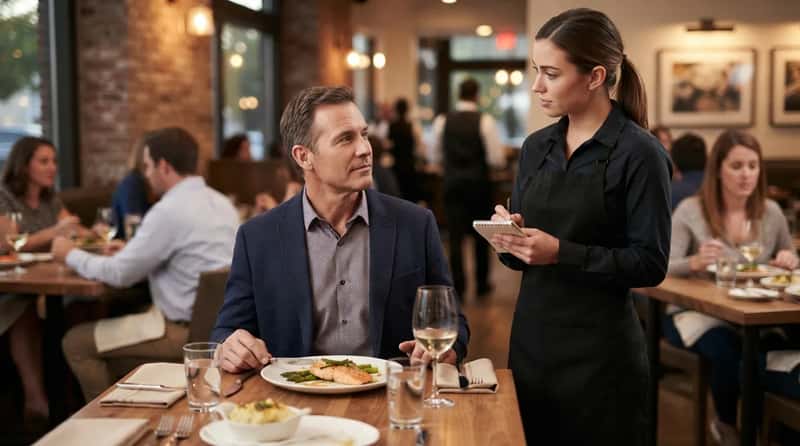
Every regular has at least one bad experience. What happens next is what servers truly remember.
Regulars trust that if something goes wrong, someone will fix it without making it weird. Servers watch closely to see whether you escalate, stay calm, or give them a chance to make it right.
A regular who handles a mistake with grace gets remembered as someone worth going the extra mile for. A guest who explodes over a wrong side dish earns a very different kind of memory.
But that’s nothing compared to what we found about #4…
#4 – Whether You Respect Closing Time
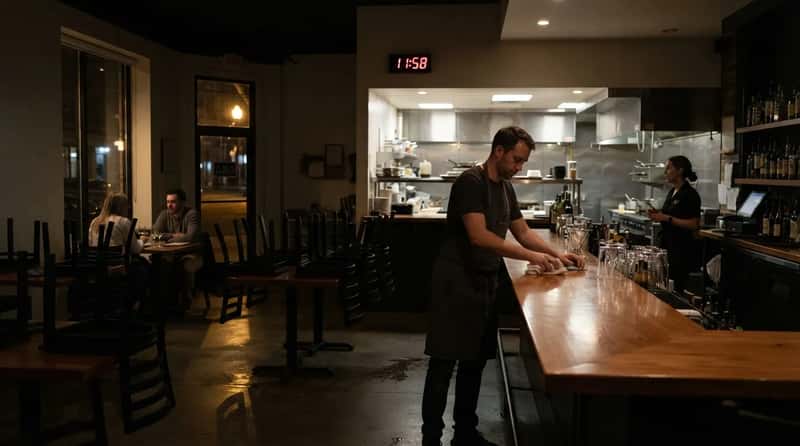
This might be the most divisive item on the list – and the one most regulars get completely wrong.
That heart-sinking feeling when a party walks in ten minutes before close is universal among restaurant workers. Often it’s the same guests who promise “just one drink” and then linger for two hours.
Quick Compare
- Great regular: settles up a few minutes before close, no fuss.
- Tough regular: orders “just one more round” as the kitchen shuts down.
- Great regular: tips extra if staff stay late to accommodate them.
- Tough regular: treats closing time like a polite suggestion.
A regular who respects kitchen hours without being asked earns enormous goodwill behind the scenes – the kind that turns into comp’d desserts and the best booth in the house next time.
But that’s nothing compared to what we found about #3…
#3 – The Unspoken Nickname They Have for You
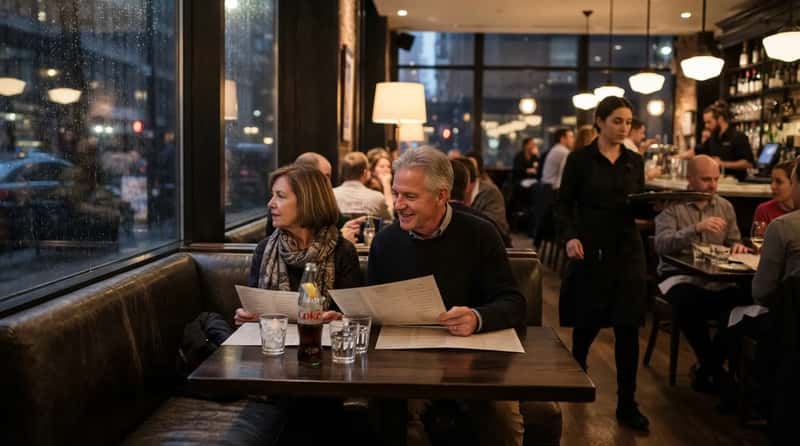
Every restaurant has them. The staff just never use them to your face.
Out of countless shifts watching how guests interact with menus, tables, and each other comes a kind of shorthand: the “window booth couple,” the “Diet Coke guy,” the “Thursday solo.” These labels aren’t malicious – they’re memory tools.
The nickname means you’re embedded in the culture of the place. That’s actually a sign of affection, even if you’d blush knowing it existed.
But that’s nothing compared to what we found about #2…
#2 – Exactly How Much Loyalty Is Going Both Ways
Here’s where most people are completely wrong: they assume the loyalty only flows one way. It doesn’t.
Regular guests are usually a restaurant’s best word-of-mouth multipliers. Servers who care about theirs will flag when a favorite dish is being pulled from the menu, or quietly fix a kitchen error before it ever reaches the table.
One sommelier described a favorite regular who “always brings a bottle of wine as corkage, but he also brings a second bottle for the staff” – the kind of gesture that cements a genuinely two-way relationship.
The best regular-server relationships are genuinely mutual – two people who’ve quietly decided to make each other’s day a little better, week after week.
But that’s nothing compared to what we found at #1…
#1 – The Exact Moment They Decided You Were a True Regular
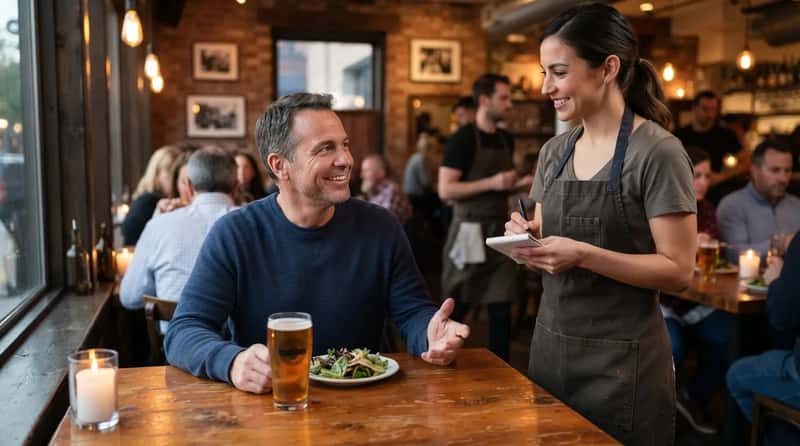
This is the one nobody talks about – but it’s the most revealing of all.
Most regulars aren’t made in one big moment. They’re built from a steady collection of small ones that add up over time – though servers can often pinpoint the exact visit where a guest shifted from “new customer” to “one of ours.”
Sometimes it’s a genuine laugh, or patience during a slammed service, or a thank-you that actually meant something. The moment a server asks “The usual?” and sees a certain smile creep up – the one that says “this is why I keep coming back” – the relationship is sealed.
That silent mutual recognition is the entire point of a great neighborhood restaurant. It’s rarer than people think, and servers value it more than most guests ever realize.
Waiters remember far more than your order. From your unspoken table preference to the story you told three visits ago, regulars exist inside a detailed mental file that shapes every second of the meal.
Loyalty flows both ways – guests who treat staff with genuine respect, tip fairly, and show up with a little grace tend to get more back: better service, more warmth, a table that quietly feels like home.
The strangest part? Servers often remember the exact moment you became a regular more clearly than you do.
So the real question is – were you already one, without ever realizing it?
Bonus: The Fast-Track Trick That Makes You a “Regular” on Visit Two
You don’t need six months of visits to get regular treatment – you can compress it into two trips if you play it smart.
- On your first visit, ask your server’s name early and use it at least once before you leave.
- Tip at least 20% in cash if possible, even on a small tab – cash tips get remembered faster than card tips buried in a batch.
- When you leave, tell the host or server specifically that you’ll “be back for the [dish name]” – naming the exact item plants a memory hook they’ll recall by name, not just by face.
- On your second visit, request the same server by name when you’re seated; this single ask signals “regular” status to the entire front-of-house team instantly.
That combination – a name used, a generous cash tip, a specific dish mentioned, and a repeat request for the same server – is the exact pattern staff use internally to flag someone as a regular worth remembering.
Most guests never do all four in sequence, which is exactly why it works so fast when you do.


