Most Americans can name five lakes without blinking – Tahoe, Michigan, Powell, Crater, Superior. They show up on postcards, in beer commercials, and on every “best vacation” list since 1987. But here’s what those lists never tell you: the United States holds more than three million lakes, and the overwhelming majority have never appeared on a single travel magazine cover. Tucked inside national forests, folded into mountain ranges, and hidden behind unmarked dirt roads, there is a whole other America of water that most people drive right past without a second glance.
The lakes on this list are the ones your travel agent doesn’t book and your GPS doesn’t flag. Some have ancient forests standing underwater – completely intact. One is actively used by the U.S. Navy to test submarines. Another sits perched on a cliff ledge above a canyon and physically shouldn’t exist. A few are so clear you can see 60, even 100 feet straight down. If you think you’ve already seen the best of American lake country, this list is going to change that.
#18 – Mooselookmeguntic Lake, Maine: The One Nobody Can Pronounce (Or Find)
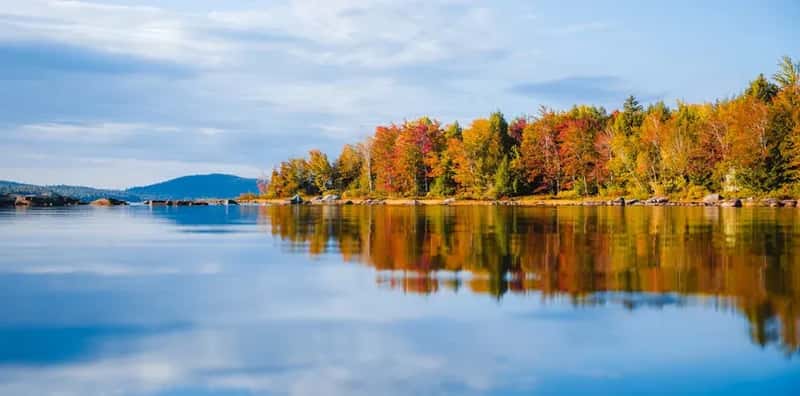
Most people hear the name and assume it’s a joke. It isn’t. Mooselookmeguntic Lake is part of the Rangeley Lakes region in western Maine, and it’s one of the finest landlocked salmon and brook trout fisheries in the entire Northeast. The lake’s sweeping bends and forested coves are stunning from the water – but the real jaw-dropper is the Height of the Land overlook on Route 17, a roadside viewpoint that stops serious photographers cold and leaves everyone else standing there unable to move.
The lake remains largely undeveloped, which is increasingly rare for New England. Canoeing and kayaking through its dozens of inlets feels genuinely remote in a way that most of Maine’s more famous lakes no longer do. And the name? The fact that most people can’t spell it, let alone say it out loud, is basically the reason it stays quiet. The harder a place is to Google, the fewer tour buses show up. Consider that a feature, not a flaw.
Fast Facts
- Name origin: Abenaki word meaning “moose feeding place” – one of the longest place names in the U.S. at 17 letters
- Size: Roughly 16,300 acres, making it Maine’s 4th largest lake
- Maximum depth: 139 feet, elevation 1,467 feet above sea level
- Fish species: Landlocked Atlantic salmon, brook trout, and yellow perch
- Protected land: The Stephen Phillips Memorial Preserve surrounds nearly 2,500 hectares of forest around the lake
#17 – Lake Sunapee, New Hampshire: Glacier Water, Fall Color, and No Crowds
Most New Englanders have heard of Lake Winnipesaukee – it’s the crowded, resort-heavy flagship of New Hampshire’s lake scene. Sunapee sits in relative anonymity just a county away, inside Mount Sunapee State Park, offering essentially the same mountain scenery at a fraction of the foot traffic. The glacial water is cold and deep, the beach is wide, and the ring of foliage in mid-October turns the entire shoreline into something that looks computer-generated.
The fall foliage crowd mostly funnels straight toward Vermont and the White Mountains, which means a late-October weekend at Sunapee can feel almost private. That’s a level of quiet you genuinely cannot find at Winnipesaukee unless you show up at 5 a.m. on a Tuesday in November. Many New Hampshire locals quietly argue Sunapee is the better lake – it just has less marketing behind it. They’re not wrong.
#16 – Lake Lure, North Carolina: Dirty Dancing Was Filmed Here and America Forgot
Patrick Swayze and Jennifer Grey filmed scenes for Dirty Dancing right here on these shores in 1987. That single fact should have put Lake Lure on every bucket list in America. Somehow it didn’t. The lake runs along the floor of Hickory Nut Gorge in the mountains of western North Carolina, just 27 miles from downtown Asheville, and the scenery – granite walls dropping straight to the water, forested ridges stacked behind each other – is genuinely cinematic. Because, well, it literally is.
What most people miss on the way to Asheville is the Flowering Bridge, a former vehicle bridge now completely covered in thousands of living plants and garden installations – something that has no business existing along a mountain road and yet here it is. Rumbling Bald Trail offers panoramic views of the gorge, and Chimney Rock stands above it all like a watchtower. The exit comes and goes fast on the highway. Most people blow right past it. Their loss is real, and it’s significant.
#15 – Lake San Cristobal, Colorado: Born From a Landslide That’s Still Moving
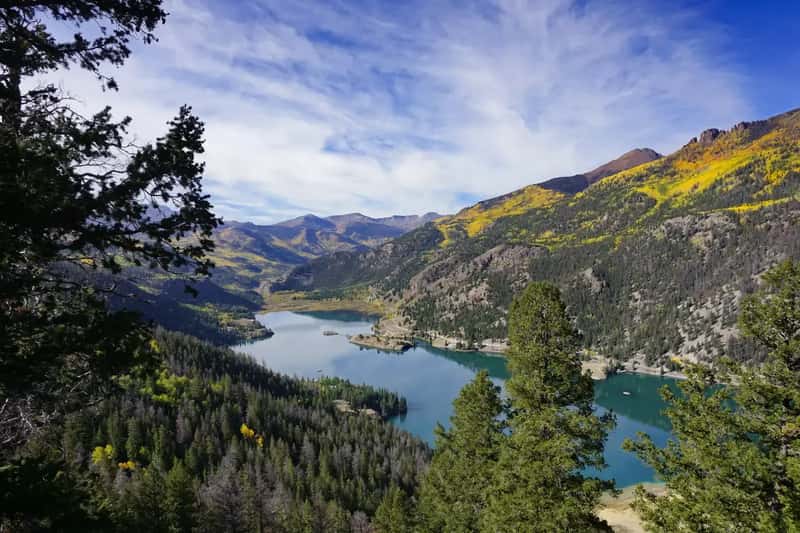
Most people associate Colorado lakes with Rocky Mountain National Park and the summer crowds that come with it. Lake San Cristobal sits at the opposite end of the state’s personality. The second-largest natural lake in Colorado, it perches at 9,003 feet in the San Juan Mountains near the historic town of Lake City – and it exists because of something called the Slumgullion Slide, a rare natural earthflow that blocked the Lake Fork of the Gunnison River and essentially built a dam out of a mountainside.
Here’s the part that changes the energy of the whole place: that earthflow is still slowly moving today. It’s one of the few active landslides in the contiguous United States, and the lake it created is accessible for free by vehicle, with fishing, boating, camping, and wildlife viewing all available on the banks. A lake formed by a living landslide, sitting at 9,000 feet, accessible at no charge, virtually unknown outside Colorado. That combination is genuinely hard to beat.
#14 – Newfound Lake, New Hampshire: Consistently Ranked Among the Cleanest in the Country
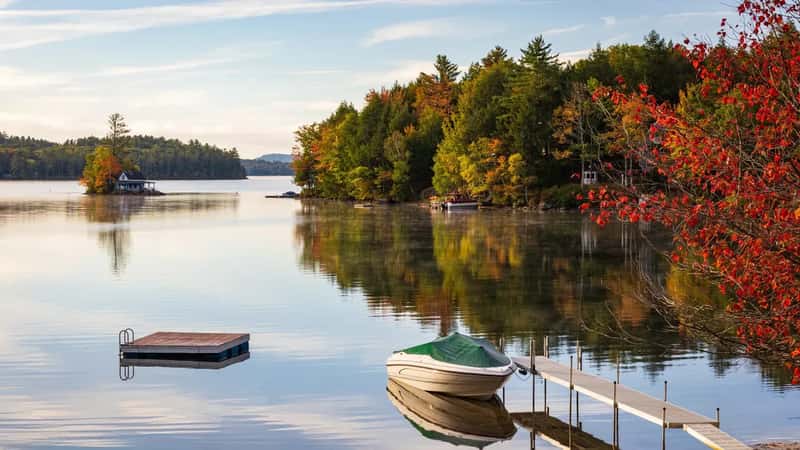
The name sounds made up, which is part of why it flies under the radar. But Newfound Lake in central New Hampshire is one of New England’s most legitimately extraordinary bodies of water – deep, spring-fed, and consistently ranked among the cleanest large lakes in the entire northeastern United States. That’s not marketing language; that’s water quality data, repeated across multiple scientific assessments over decades. The clarity of the water on a calm morning is the kind of thing that makes people stop paddling and just stare down.
Surrounding trails lead up to Little Sugarloaf, where the panoramic view of the lake and surrounding hills is the kind of payoff that justifies any amount of uphill effort. Nearby, Sculptured Rocks Natural Area features geological formations carved by the Cockermouth River – a short detour that somehow most visitors never take. On a summer Saturday, you can still find a quiet cove at Newfound that feels entirely yours. At Winnipesaukee on the same day, you cannot.
#13 – Lake Santeetlah, North Carolina: 80% Wild Shoreline and Almost No Development
While nearby Fontana Lake draws the Appalachian Trail crowd and Nantahala pulls the whitewater crowd, Santeetlah quietly exists between them and receives a fraction of the attention either one gets. Surrounded almost entirely by the 1.3-million-acre Nantahala National Forest, this mountain reservoir keeps 80% of its shoreline protected from development – meaning no condos, no boat rental shacks, no lakeside restaurants packed with day-trippers. Just forest pressing directly to the water’s edge for miles in every direction.
More than 200 miles of shoreline carve out countless secluded coves ideal for swimming, kayaking, and cold-water fishing in conditions that feel genuinely remote. The water runs cold and clear even in July, and the roads leading in are the kind that filter out anyone who isn’t paying attention. Locals treat Santeetlah as a closely guarded secret. After one visit, you’ll understand immediately why they’ve kept their mouths shut.
#12 – Cave Run Lake, Kentucky: Daniel Boone Country Most Road-Trippers Never Stop For
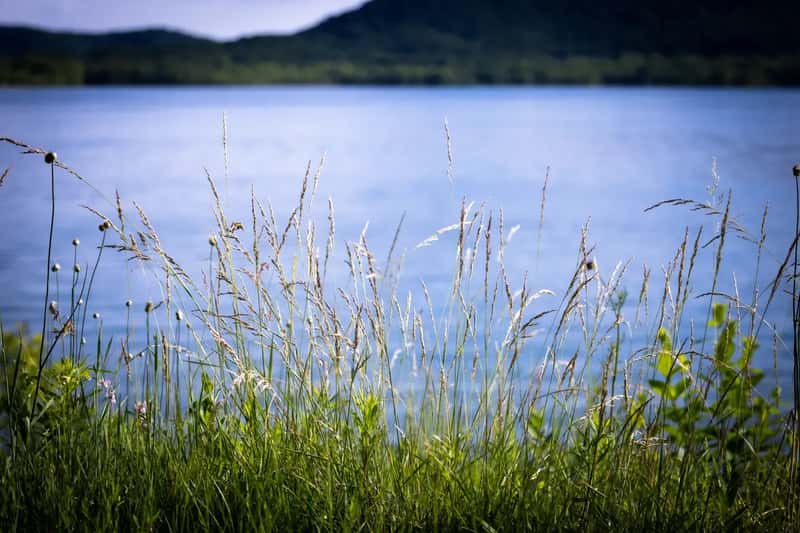
Cave Run Lake sits inside Daniel Boone National Forest in eastern Kentucky – a region most road-trippers treat as pass-through territory between Nashville and Cincinnati. That’s a real mistake. The reservoir covers 8,270 acres, and its shores are carved with coves, inlets, and undeveloped stretches that most visitors never even locate. The forest presses down to the water on nearly every side, and the blue-toned water draws fishermen, swimmers, and boaters who mostly keep the secret among themselves.
The lake has a quiet reputation among serious smallmouth bass anglers – the kind who don’t broadcast their spots. Its substantial size means that even on a busy summer weekend, the lake absorbs visitors without ever feeling crowded. More than 600 miles of shoreline create room for everyone, and the numerous undeveloped coves give kayakers places to pull up that feel untouched. Most people who stop here for the first time spend the rest of the trip wondering why they’ve been driving past it for years.
At a Glance: The Hidden Quartet of the South & Midwest
- Cave Run Lake, KY: 8,270 acres inside Daniel Boone National Forest; 600+ miles of shoreline
- Lake Santeetlah, NC: 80% of its shoreline protected by 1.3-million-acre Nantahala National Forest
- Lake Ouachita, AR: 40,000 acres, Arkansas’s largest lake; 200+ uninhabited islands
- Lake Tenkiller, OK: 12,900 acres; 130+ miles of shoreline in the Ozark Mountains
#11 – Lake Almanor, California: You Can Watch an Active Volcano From Your Kayak
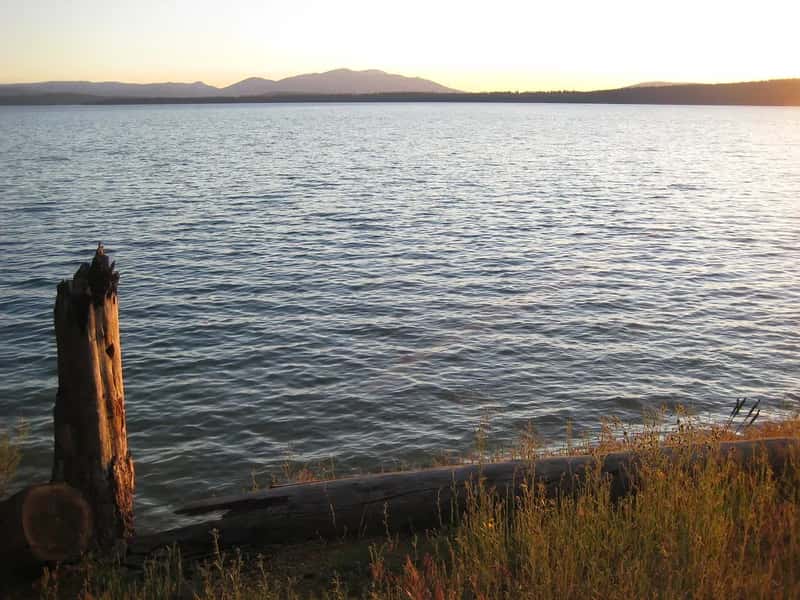
When people talk about California lake destinations, they say Tahoe. Every time. Meanwhile, a few hours north, Lake Almanor sits in a setting that honestly gives Tahoe a serious run – without the $30 parking fees, the traffic jams, or the packed shoreline. This manmade lake sits inside Plumas National Forest, adjacent to Lassen Volcanic National Park, and from the water you get a direct, unobstructed view of an active volcano rising above the pines. That’s not a minor background detail. That’s the entire pitch.
Lassen Peak last erupted in 1915, making it one of the most recently active volcanoes in the contiguous United States – and Lake Almanor sits right at its foot. Camp among the Ponderosa pines, launch a kayak at dawn, and spend a morning paddling toward a volcano reflected in still water while the rest of California fights for a parking spot at South Lake Tahoe. The fact that this exists, in California, and barely anyone knows about it is one of the more baffling omissions in American travel culture.
#10 – Lake Ouachita, Arkansas: 200 Uninhabited Islands and Freshwater Jellyfish
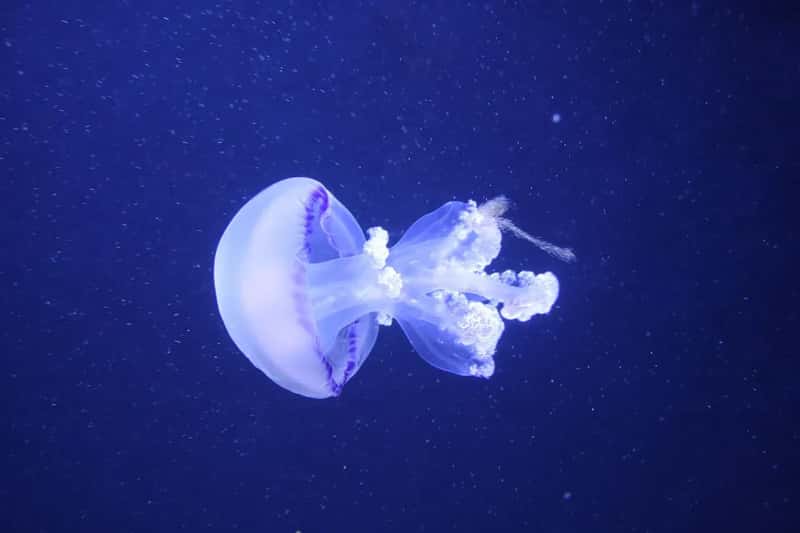
Arkansas doesn’t typically top anyone’s lake vacation shortlist, and that is exactly the point. Lake Ouachita, in the heart of the Ouachita Mountains, is Arkansas’s largest lake – 40,000 acres – and it’s dotted with more than 200 uninhabited islands that most visitors never bother to count, let alone explore. The water is mineral-rich and exceptionally clear, regularly cited as among the purest lake water in the South, which makes it a genuine destination for swimmers, snorkelers, and divers who know what they’re looking for.
Here’s the detail that stops people: freshwater jellyfish live in this lake. Genuinely harmless, small, and translucent, they’re globally rare – and they thrive in Ouachita’s clear water. Most people don’t even know freshwater jellyfish exist, let alone that you can see them on a summer afternoon in the Arkansas Ozarks. Pick one of the 200 uninhabited islands, make camp, and tell no one. The regulars who return here every summer largely prefer that you don’t.
#9 – Hanging Lake, Colorado: A Lake Perched on a Cliff That Physically Shouldn’t Exist
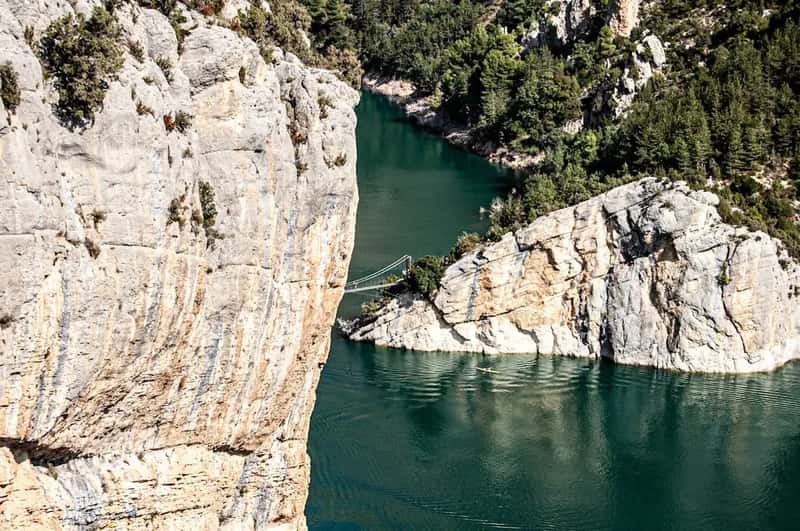
Most lakes sit in valleys. Hanging Lake doesn’t follow that rule. This lake was formed by a geological fault that caused it to separate from the valley floor above, leaving it suspended on a travertine shelf above Glenwood Canyon – a 1,000-foot gorge carved by the Colorado River. That’s not poetic license. The lake literally broke away from the valley and got left behind on a ledge. Nothing about its physical situation makes intuitive sense, and that disconnect is the entire reason people stop dead on the trail when they finally see it.
The water is a translucent turquoise fed by waterfalls that cascade directly into the pool, and the surrounding rock formations are draped in hanging moss and ferns in a way that looks more like a rainforest terrarium than anything belonging to Colorado. The ecosystem is fragile enough that visitor access is now managed by permit – which actually improves the experience considerably for those who plan ahead. This is the kind of place that makes people stand in silence mid-trail, completely unable to explain what they’re looking at. It feels like it belongs in a different country entirely.
#8 – Bear Lake, Utah/Idaho: The “Caribbean of the Rockies” Nobody Told You About
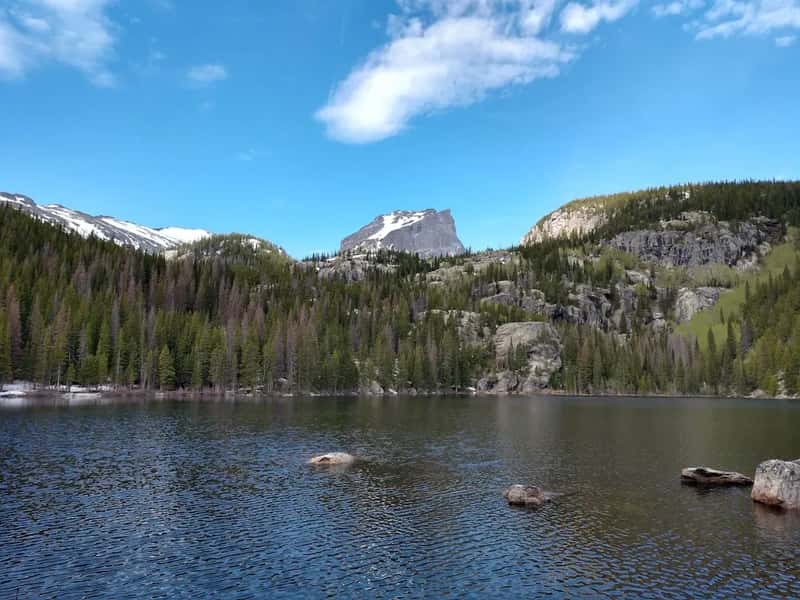
When people talk about impossibly blue water, they say Bora Bora or the Maldives. They should be saying Bear Lake. Straddling the Utah-Idaho border, this glacial lake carries an electric turquoise color that owes nothing to filters or camera angles – the hue comes from suspended calcium carbonate particles in the water, and it reads exactly the same to the naked eye standing on the shore as it does in photographs. “Caribbean of the Rockies” is the nickname, and for once a nickname is actually underselling the thing.
Bear Lake also hosts a species of cutthroat trout found nowhere else on earth – the Bonneville cutthroat – which tells you something about how isolated and ecologically distinct this place has remained. Fishermen and photographers both know about it. Nearly everyone else is still booking flights to the Caribbean to see the same color water that exists right here, accessible by car, sitting on the state line between two states people mostly drive through on the way to somewhere else. The color alone is worth the detour.
#7 – Lake Tenkiller, Oklahoma: A Cherokee Legacy With a Sunken Coast Guard Helicopter Below
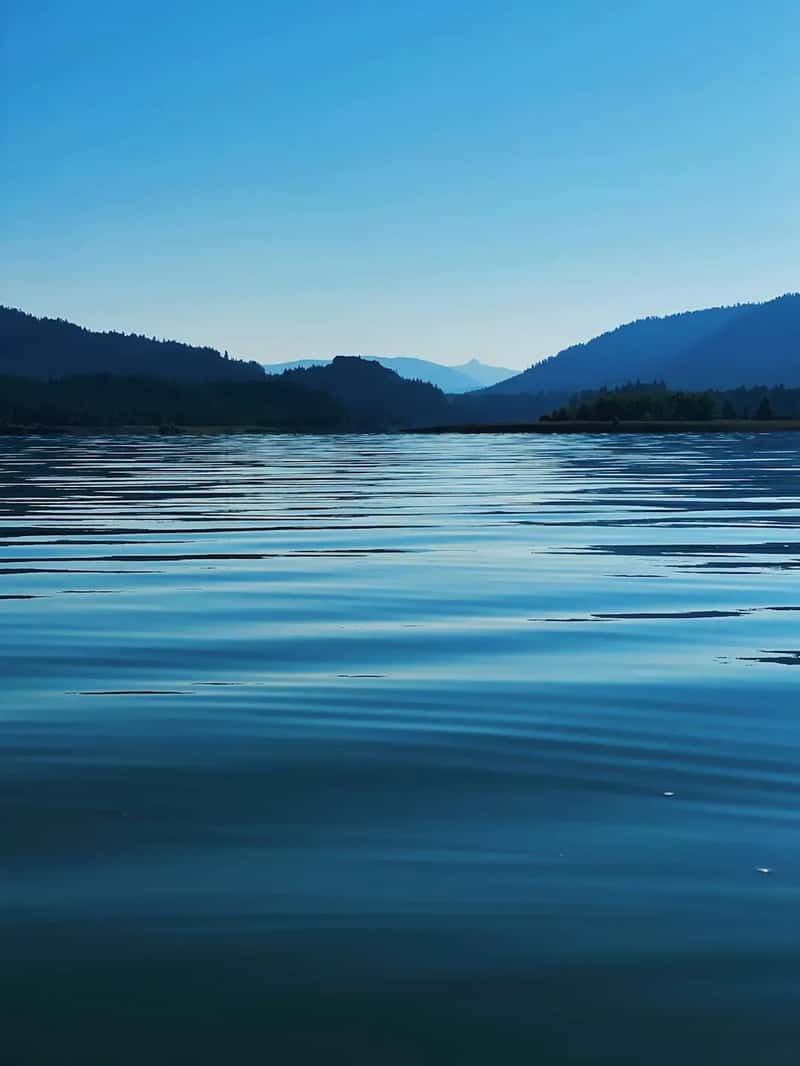
Nobody’s travel fantasy starts with “Oklahoma lake.” But that assumption is precisely what keeps Tenkiller pristine. Named for the Tenkiller family, prominent Cherokees who owned the land and ferry before the dam project acquired it, the lake covers 12,900 acres and winds through more than 130 miles of shoreline in the Cookson Hills of the Ozark Mountains. The water runs clear and green against rocky limestone bluffs – scenery most people associate with Missouri, not eastern Oklahoma – and the fishing draws serious anglers who have no interest in sharing the information.
Here’s what most people don’t know: the Dive Park at Lake Tenkiller features a collection of deliberately sunken vessels, including several boats, a school bus, a plane, and a United States Coast Guard helicopter. The Oklahoma Tourism Department and the U.S. Army Corps of Engineers coordinated the sinkings specifically to create an underwater attraction for divers. There is a Coast Guard helicopter at the bottom of a lake in eastern Oklahoma, and people explore it on summer weekends. It’s one of the most unusual freshwater dive spots in the country. Almost nobody outside the state has ever heard of it.
#6 – Lake Jocassee, South Carolina: A Submerged Town, Six Waterfalls, and America’s Rarest Wildflower
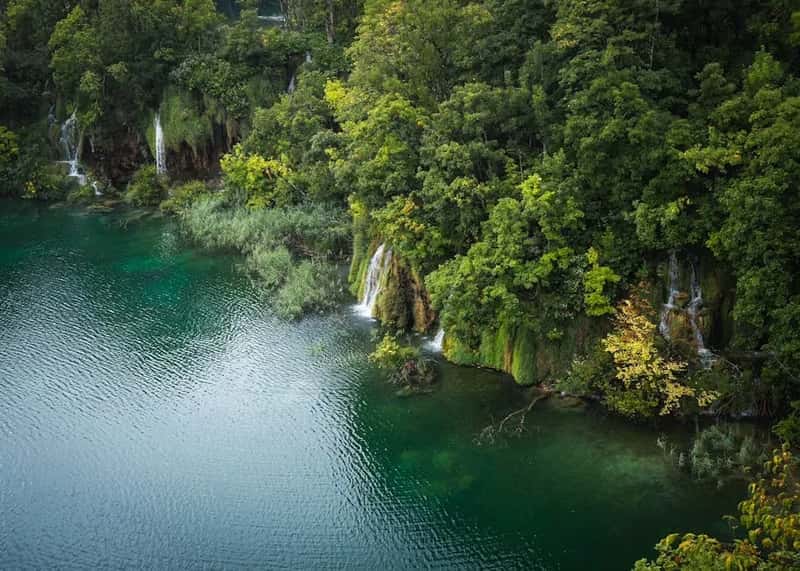
The Cherokee called this place Jocassee – “Place of the Lost One” – and the name turned out to be more fitting than they could have known. In the 1960s, Duke Energy quietly acquired the Jocassee Valley through a subsidiary company to build a dam, reportedly without disclosing its plans to the families whose communities sat directly in the flood zone. By 1973, an entire valley – homes, churches, cemeteries, and a girls’ summer camp that had operated since 1922 – was submerged. With visibility extending beyond 50 feet in places, divers can see those preserved structures with uncommon clarity, including gravestones from Mount Carmel Baptist Church cemetery and the remains of the Attakulla Lodge resting on its side at the bottom.
Above the surface, multiple waterfalls pour directly into the lake from the surrounding cliffs – including the 80-foot Laurel Fork Falls, accessible only by boat. With 75 miles of forested shoreline and no development crowding the banks, exploring by kayak or boat for an entire day barely scratches the surface. Arrive in early spring and you might also find Oconee Bells blooming on the banks – a pinkish-white wildflower so rare that 90 percent of the world’s remaining population grows only here, in the Jocassee Gorges. A submerged civilization, cascading waterfalls, and a wildflower almost nobody has ever seen. This lake carries more per square mile than most national parks.
Worth Knowing: Lake Jocassee by the Numbers
- 7,500 acres of surface area, with a maximum depth of 351 feet – the deepest lake in South Carolina
- 4 rivers feed the lake: Whitewater, Thompson, Horsepasture, and Toxaway
- 5 state fishing records have been set here, including a 17 lb 9.5 oz brown trout caught in 1987
- 90% of the world’s Oconee Bells wildflower population lives in the surrounding Jocassee Gorges
- National Geographic named it one of “50 of the World’s Last Great Places – Destinations of a Lifetime”
#5 – Clear Lake, Oregon: A 3,000-Year-Old Underwater Forest Standing Perfectly Intact
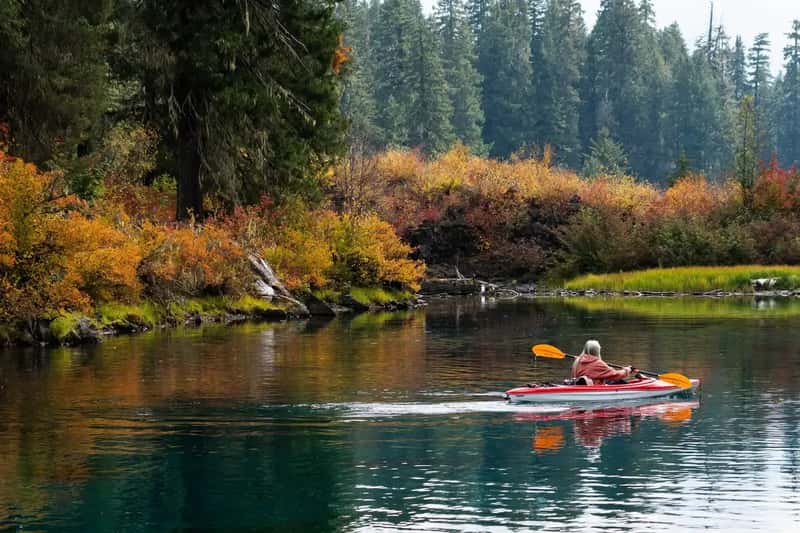
This is the one that stops people cold when they hear it. About 3,000 years ago, a lava flow from nearby Sand Mountain blocked the McKenzie River in the Willamette National Forest, creating a natural dam and swallowing the ancient forest that lined its banks. The trees were sealed in cold, clear volcanic spring water almost immediately – and they never rotted. They’re still down there, standing upright, 80-foot trunks unchanged for three full millennia, rooted in the lakebed and perfectly preserved in water that stays between 38 and 45 degrees year-round. Ancient ghost trees you can see from a boat on the surface.
Visibility in some areas reaches beyond 100 feet, making Clear Lake one of the most exceptional freshwater diving destinations in the United States. Motorboats with combustion engines are banned here, which keeps the water so undisturbed it’s essentially liquid glass on calm mornings. The lake sits at an elevation of 3,012 feet and covers 142 acres, fed almost entirely by underground springs flowing up through basalt rock. Oregon has kept this one remarkably quiet for a lake with a 3,000-year-old forest standing at the bottom of it.
#4 – Lake Crescent, Washington: Olympic National Park’s Most Overlooked Secret
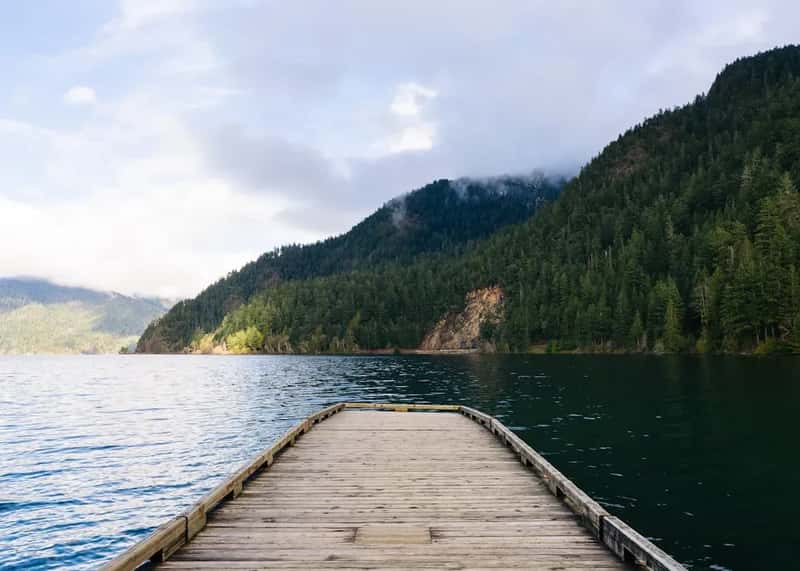
Olympic National Park draws millions of visitors each year for its rainforest trails and Pacific coastline. Very few of them realize there’s a glacier-carved lake inside the park that’s cleaner than most bottled water and bluer than anything else in the Pacific Northwest. Lake Crescent sits in a deep glacial trough, and its unusual geology – the glacial moraines that blocked the lake also isolated it, leaving it with extraordinarily low nitrogen levels – means almost nothing grows in it. That near-sterile clarity is why the water holds that specific, almost unnatural shade of cobalt blue.
Visibility reaches up to 60 feet in places, making it exceptional for diving and swimming, and the surrounding trails – including the Marymere Falls trail through old-growth forest – reward anyone willing to spend more than 20 minutes here. The depth, the color, and the silence are all operating at a level most lakes can’t touch. Most Olympic visitors pass Lake Crescent on the park road and don’t stop. They’re three hours into a long drive and they figure they’ll come back. Most of them don’t. That might be the most baffling thing on this entire list.
#3 – Priest Lake, Idaho: World-Record Trout, Grizzly Bears, and Almost Nobody Around
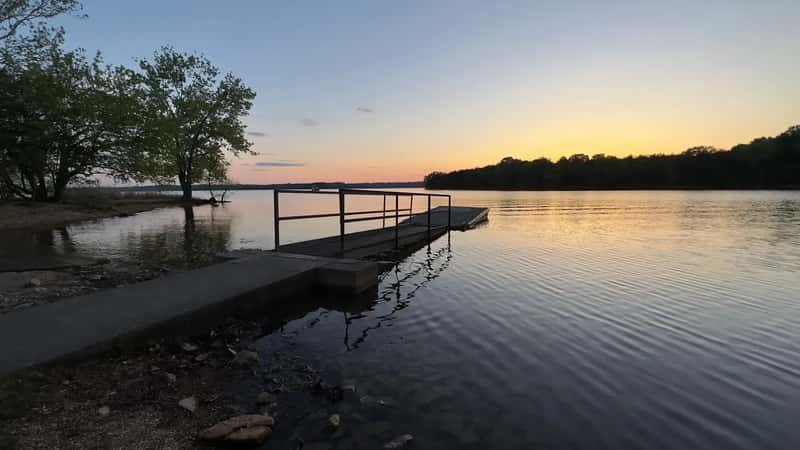
Priest Lake sits in the northern Idaho Panhandle, just 15 miles from the Canadian border, and it operates at a level of wildness that most American lakes simply cannot match. The primary lake is 19 miles long and more than 300 feet deep, fed by cold mountain water and hemmed in by the Selkirk Mountains on all sides. Grizzly bears – an increasingly rare presence this far south in the lower 48 – still occasionally appear on its shoreline, along with moose, deer, and bald eagles working the surface.
In 1971, a Spokane man named Lyle McClure pulled a 57-pound, 8-ounce lake trout from Priest Lake. That record for the largest lake trout ever caught in the United States still stands, more than 50 years later. A world-record fish, wild grizzly bears on the shore, and 300 feet of pristine cold water – all within a day’s drive of Seattle. The Selkirk peaks reflected in the lake at sunset produce the kind of view that makes the eyes sting a little. Not many people outside northern Idaho know this lake exists. The ones who do tend to go back every year without saying much about it.
#2 – Lake Pend Oreille, Idaho: The Navy Tests Submarines Here and You Can Kayak Right Next to Them
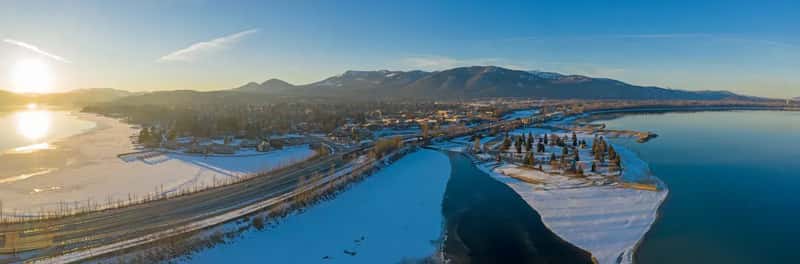
This lake carries one of the most quietly extraordinary secrets in American geography. Lake Pend Oreille is Idaho’s largest and deepest lake, plunging to 1,152 feet – the fifth deepest in the United States. Carved out by glaciers moving south from Canada and reshaped by massive Ice Age floods, the lake is so deep and acoustically consistent that the U.S. Navy has used it for decades to test large-scale submarine prototypes. The Navy’s Acoustic Research Detachment still operates an active vehicle range on the lake, using an array of 158 underwater hydrophones and 36 projectors to test sonar and submarine hull acoustics. Civilian kayakers paddle right past it on summer weekends.
During World War II, the south end of the lake hosted Farragut Naval Training Station, where more than 293,000 sailors received basic training during the station’s 30 months of existence – making it, at peak, the largest single population center in Idaho. That station is now Farragut State Park. The lake also holds a state fishing record: a 37-pound kamloops rainbow trout caught in 1947, which still stands. A live Navy submarine testing range, a wartime naval base turned state park, and fishing records spanning back nearly 80 years – all in Idaho. The number of Americans who have heard of this lake remains genuinely inexplicable.
Quick Compare: Lake Pend Oreille vs. Lake Crescent vs. Priest Lake
- Lake Pend Oreille: 148 sq mi, 1,152 ft deep – 5th deepest U.S. lake; active Navy submarine test range
- Priest Lake: 19 miles long, 300+ ft deep; world-record 57-lb lake trout; grizzly bears on shore
- Lake Crescent: Glacial, cobalt blue; 60-ft visibility; inside Olympic National Park – most visitors drive past it
#1 – Lake Clark, Alaska: Grizzly Bears, Active Volcanoes, and the Only Way In Is a Bush Plane
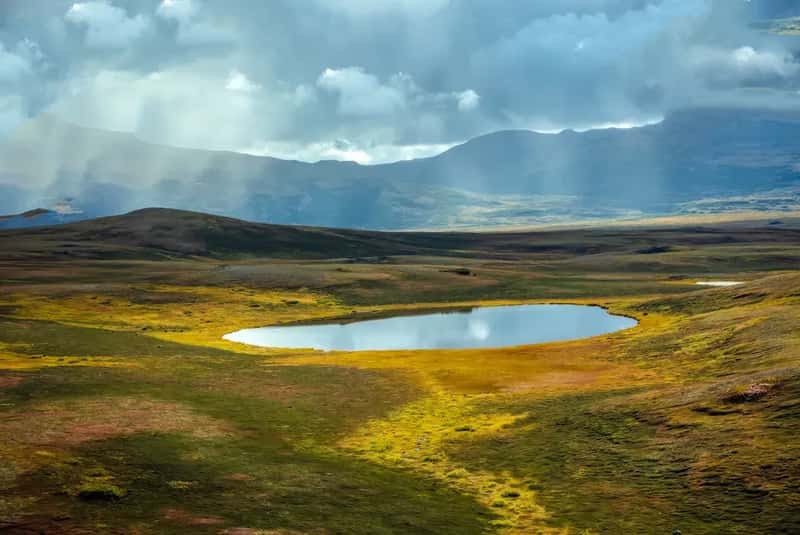
Every other lake on this list can be reached by car. Lake Clark cannot. Located within Lake Clark National Park in southwestern Alaska, the lake is accessible only by small aircraft or boat – no roads connect it to the outside world. A bush plane flight from Anchorage drops you onto a glacier-fed lake ringed by active volcanoes, with the Alaska and Aleutian mountain ranges stacked behind each other in every direction. The turquoise water is fed directly by glaciers, and the surrounding wilderness is as intact as anywhere left in North America.
Lake Clark National Park receives fewer annual visitors than almost any other national park in the country – consistently ranking near the bottom of the National Park Service attendance list – because you cannot drive there. The grizzly bears on the shoreline outnumber the people on most days of the year. Fishing for salmon and trout in the crystal-clear water, camping on a shoreline where no road has ever been built, and watching a volcano reflect in the water at dusk – this is what the continent looked like before the highway system arrived. Every other lake on this list is extraordinary. This one is in a different category entirely.
From a submerged Cherokee valley in South Carolina to a Navy submarine range in Idaho, from Oregon’s 3,000-year-old ghost forest standing upright underwater to an Alaskan lake you can only reach by floatplane – America’s real lake country looks nothing like the brochures suggest. The lakes most people know are the ones with highway exits and souvenir shops. The ones on this list have stayed hidden because getting there takes just a little more intention. And every single one of them is worth it. Which of these surprised you most? Drop it in the comments – or tag someone who needs to stop defaulting to Lake Tahoe.