Most dog owners think traveling with their pup just means tossing a leash and a bag of kibble in the back seat. But veterinarians who see dogs come in after road trips – dehydrated, anxious, injured, or worse – will tell you that’s a dangerously short checklist. The gear that separates a smooth trip from a nightmare isn’t complicated or expensive. Most people just skip half of it without realizing what that actually costs them.
Some of these items you’ve probably heard of. Others will genuinely surprise you – including the one vets say is the single most overlooked piece of safety equipment for any dog on the road. That one lands at #1, and it’s not what most people guess. Here’s the full list, counting down from #18 to the one that matters most.
#18 – A Crash-Tested Travel Harness or Secured Crate
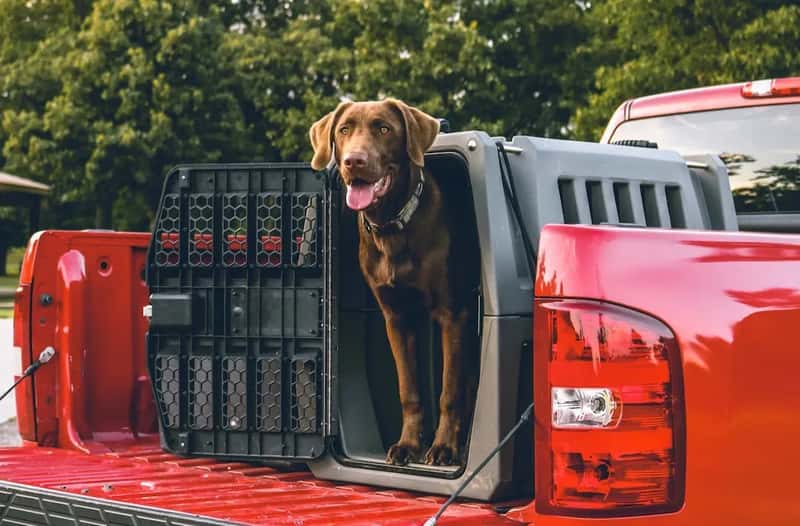
Most dog owners let their dog ride loose in the back seat and call it responsible pet ownership. Vets call it one of the riskiest decisions you can make on a road trip. A loose pet is a serious distraction to drivers, and during even a moderate collision, the force exerted on an unsecured 60-pound dog is enough to turn your pet into a projectile – endangering your dog and everyone else in the vehicle.
The safest option is a crash-tested harness, a secured seat belt, or a travel crate that’s big enough for your dog to stand and turn around in and is firmly attached to the vehicle. This is #18 on the countdown, but don’t let that fool you – it’s the foundation everything else builds on. A perfectly packed travel bag means nothing if your dog isn’t safely secured before you pull out of the driveway.
#17 – Collapsible Food and Water Bowls
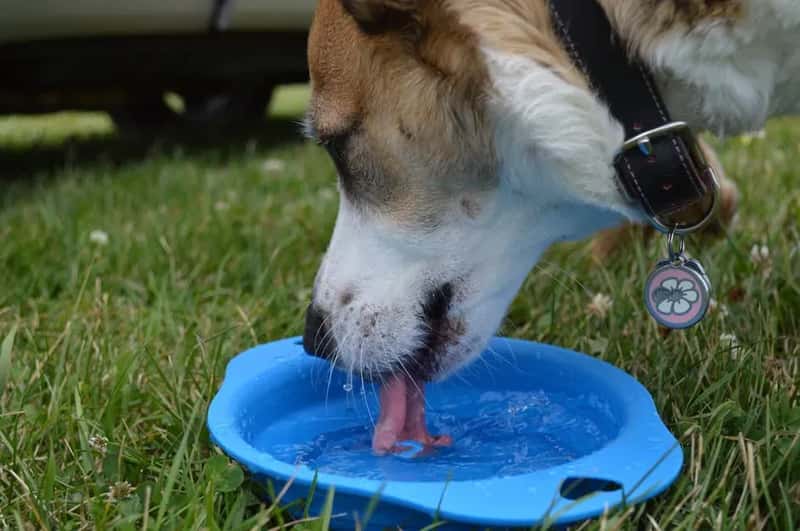
You’d be amazed how many owners carefully pack the food and completely forget the bowls. Collapsible silicone bowls fold flat, weigh almost nothing, and clip onto a bag or belt loop – making them one of the easiest wins on this entire list. Some even come with lids for storing leftover food between stops, which matters more than it sounds when you’re three hours from the next town with any real pet store.
Dogs need roughly one ounce of water per pound of body weight each day, and that number climbs when they’re hot, stressed, or more active than usual. On a road trip, your dog is often all three at once. Skipping proper hydration is exactly how a fun family trip turns into a frantic search for an emergency vet clinic in a city you’ve never visited before.
#16 – A Sufficient Supply of Your Dog’s Regular Food

Here’s what most people don’t realize until it’s too late: switching your dog’s food mid-trip – even to a similar brand – can cause serious digestive chaos. Clinical pet nutritionist Johnna Devereaux is direct about it: bring your dog’s own food on the road, because unfamiliar food raises the very real risk of an upset stomach and loose stool, especially if stores at your destination don’t carry what your dog normally eats. That’s a polite way of saying your car upholstery is at stake.
Pack enough food and any medications or supplements for the full duration of the trip, then add an extra week’s worth on top of that. Travel never goes exactly to plan, and running out of your dog’s specific food in a small town with one general store is a scenario that plays out constantly. Pack more than you think you’ll need – always.
#15 – Poop Bags (Far More Than You Think)

This one sounds obvious right up until you’re scrambling at a highway rest stop at 7 a.m. with nothing in your pocket. Poop bags are easy to forget when packing, and easy to run out of by day two. Rest stops, parks, trailheads, and hotel grounds all expect you to clean up – and in many areas, failure to do so carries real fines. It’s also one of the fastest ways to get permanently blacklisted from a pet-friendly accommodation.
The fix is almost embarrassingly simple: a bag dispenser that clips directly onto your leash so it’s never left behind. Experienced traveling dog owners pack triple what they think they’ll need, because the math always works out worse than expected when you’re on the road for multiple days. It’s the cheapest item on this list and the one with the most immediate, visible consequences when you forget it.
#14 – A Backseat Hammock or Seat Cover

Your dog does not care about your car’s interior. Mud, hair, drool, and the occasional accident are simply part of the deal. A quality backseat hammock does double duty: it protects your upholstery and keeps your dog from sliding into the floor gap during hard braking. For larger dogs who need more room to stretch, a backseat extender creates a more spacious platform while still preventing that dangerous slide into the footwell during sudden stops.
For dogs who don’t do well fully crated but still need some containment, a hammock is often the sweet spot – comfortable enough to sleep on, structured enough to prevent chaos. It’s one of the most underrated purchases a dog-owning driver can make, and owners who try one rarely go back to the bare-seat approach. The cleanup alone is worth it.
#13 – Familiar Comfort Items From Home

New environments trigger stress in dogs faster than most owners expect. A strange-smelling hotel room, a noisy campground, or a relative’s house full of unfamiliar scents can send an otherwise calm dog into a spiral of anxiety within minutes of arrival. Bringing their usual blanket, a worn t-shirt that smells like you, or their favorite sleeping mat is one of the simplest and most effective things you can do to help your dog settle in unfamiliar places.
This isn’t about spoiling your dog – it’s about reducing the cortisol spikes that make a dog unpredictable, vocal, or destructive in new spaces. Dogs navigate the world primarily through scent, and a familiar smell is the fastest path back to calm. Owners who pack a comfort item almost always wish they’d done it sooner on the trips when they didn’t.
#12 – Flea and Tick Prevention

Most owners keep up with flea and tick prevention at home – then completely drop the ball when traveling, which is exactly when their dog’s exposure risk is highest. Hiking trails, rest stops, campgrounds, and grassy highway shoulders are all prime tick territory. As Chewy veterinarian Stephanie Howe, DVM, puts it plainly: “Fleas and ticks carry diseases that are much easier to prevent than treat, especially ticks.” That’s especially true when you’re far from your regular vet and dealing with tick species your dog has never encountered before.
Year-round prevention matters more than most people think – ticks can be active at temperatures as low as 40 degrees Fahrenheit, which isn’t unusual across many U.S. regions during winter months. Talk to your vet before your trip about the right form of prevention for your dog’s age, weight, and specific destination. Crossing into a new region means new parasites, and your dog’s home-turf immunity doesn’t travel with them.
#11 – A Portable Dog First Aid Kit
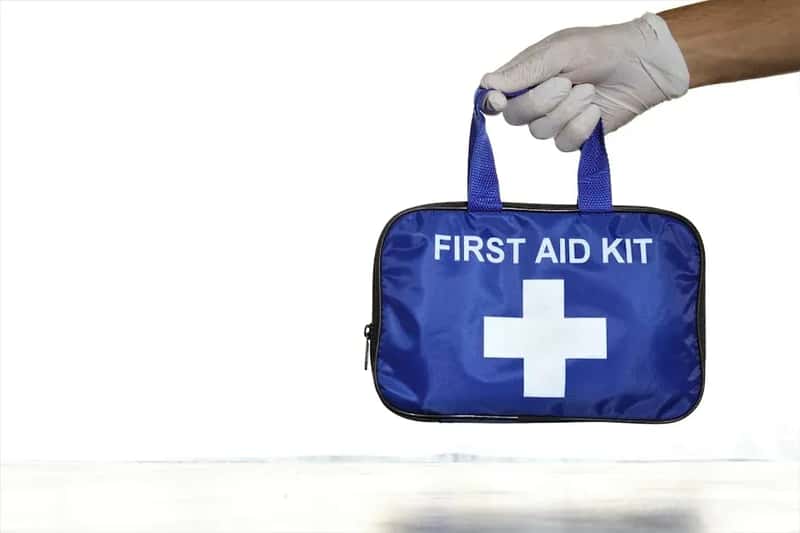
Most people pack a first aid kit for themselves on road trips. Almost nobody packs one for their dog – and that’s a gap vets see real consequences from on a regular basis. A compact dog-specific first aid kit should include bandages, antiseptic wipes, tweezers for ticks or splinters, and any medications your dog may need. Minor cuts, paw injuries, and insect bites are all far more manageable when you’re not trying to improvise with a gas station first aid kit designed for humans.
The kit should also include soap, a bottle of water for wound cleaning, your veterinarian’s phone number, and – this is the one most owners resist – a soft muzzle. Even the gentlest dog can bite when it’s in pain. That’s not a character flaw; it’s animal instinct. A soft muzzle in a first aid kit is the item owners most often leave out and most frequently regret not having. Pack it anyway.
#10 – Motion Sickness Medication
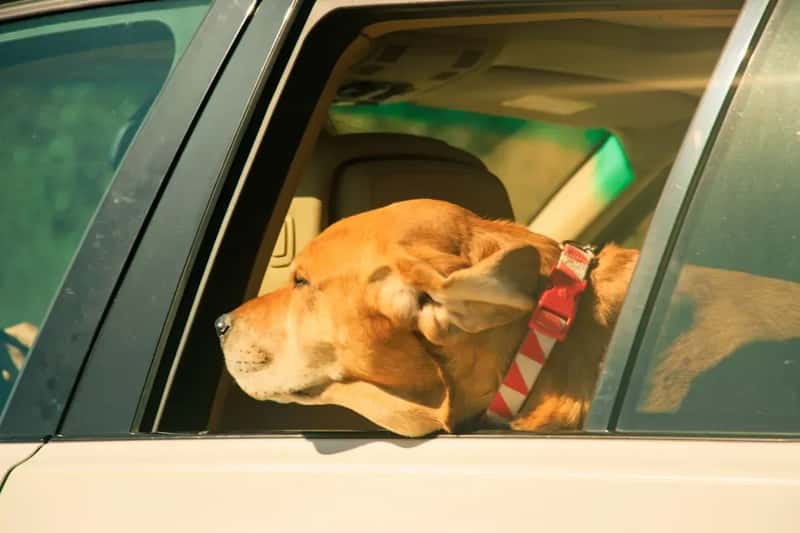
Here’s something that catches a lot of first-time dog travelers completely off guard: many dogs, especially younger ones, will experience genuine nausea or motion sickness in a moving vehicle. It has nothing to do with anxiety or training – it’s a straightforward physiological response to movement, the same way it works in humans. The signs show up as drooling, whining, restlessness, or outright vomiting, none of which make for a pleasant experience on a five-hour drive through flat nothing.
If your dog shows any of those signs on the road, talk to your veterinarian before your next trip about anti-nausea medication – there are prescription options that work far better than anything you’ll find over the counter. One of the easiest free fixes is skipping your dog’s meal four to six hours before travel to reduce the chance of nausea escalating. Most owners never try it. The ones who do are usually stunned by how much it helps.
#9 – Calming Aids for Travel Anxiety
A dog that’s a complete angel at home can become a completely different animal inside a moving vehicle. Unfamiliar noises, new smells, and the disorienting sensation of constant movement can trigger barking, accidents, and behavior that gets owners kicked out of hotels or forces entire trips to be cut short. Travel anxiety in dogs is far more common than most owners realize, and most of them try to white-knuckle through it rather than address it before departure.
Calming options range from sprays and chews to anxiety wraps and, for more severe cases, prescription medication from your vet. The critical mistake is waiting until you’re already on the highway to figure out what works. Test any calming product at home first so you know how your dog responds before you’re two states away and out of options. A prescription anti-anxiety medication from your vet, used correctly, can be the difference between a vacation and a disaster you tell people about for years.
#8 – A Sturdy, Correctly Fitted Leash (Plus a Backup)
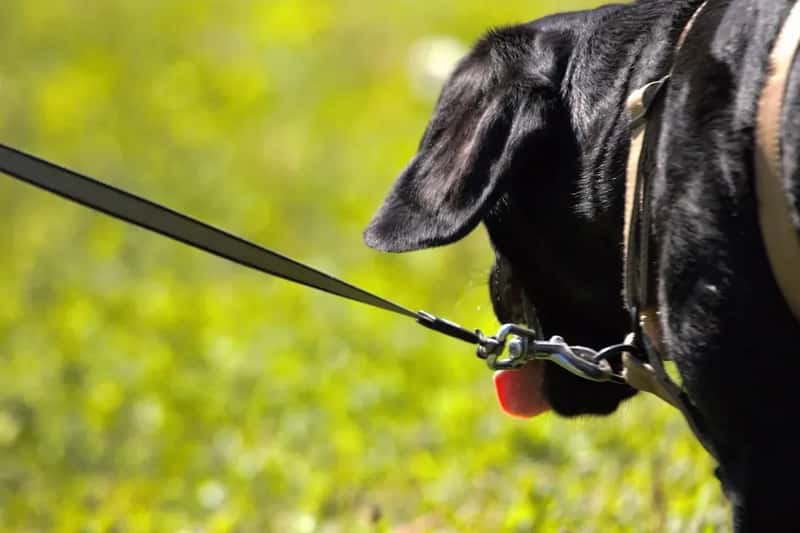
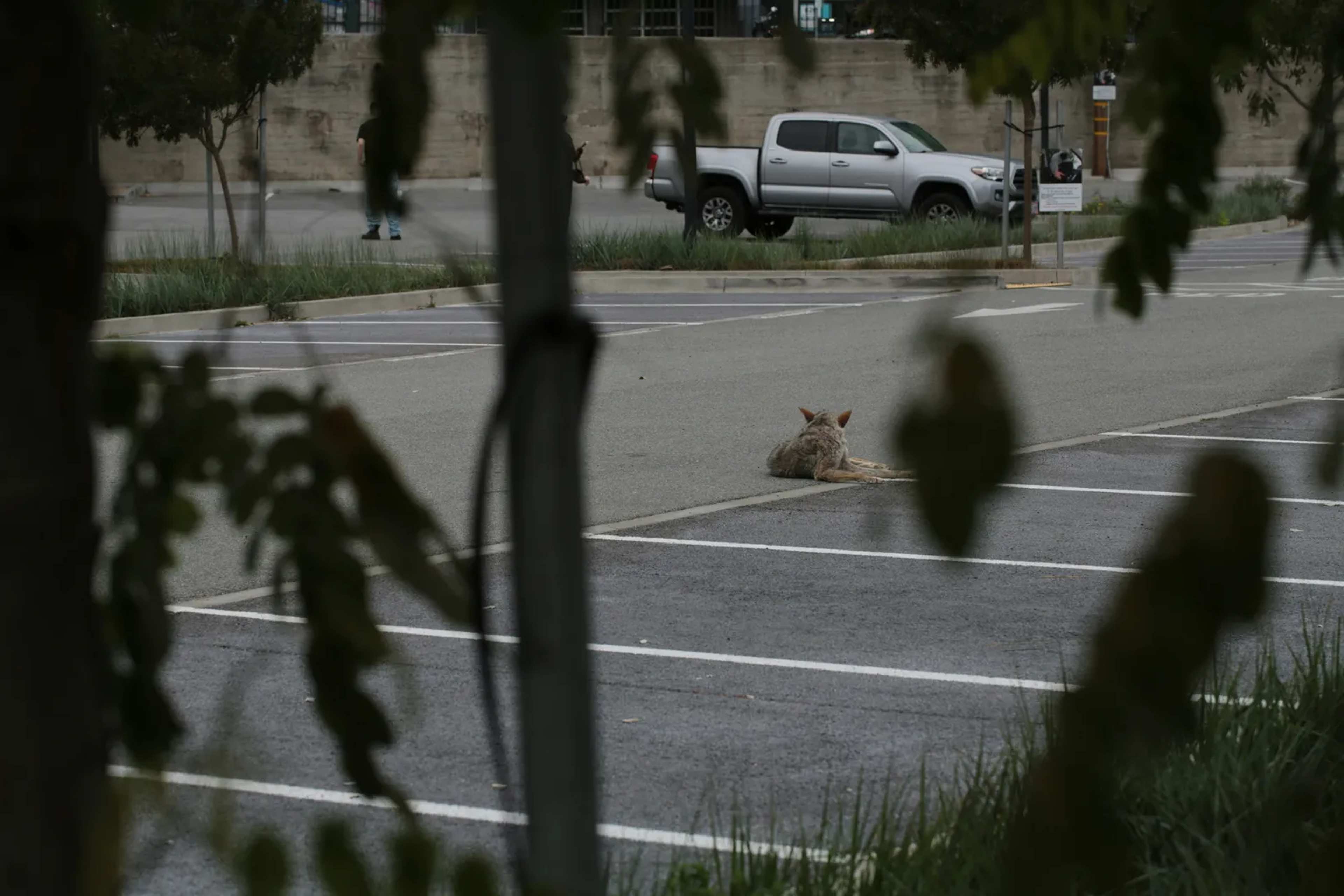
This sounds too basic to earn a spot on the list – until you realize how many dog escapes happen at rest stops, gas stations, and unfamiliar trailheads. An excited or spooked dog in a new environment is one unlocked car door away from a nightmare. Keeping your dog leashed at all times in unfamiliar locations also prevents encounters with coyotes, bears, raccoons, and other wildlife that are a very real presence at campgrounds and certain rest areas across the country.
Here’s the part most owners skip: bring a backup leash. Leashes break, get chewed through, and get left behind at stops more often than anyone wants to admit. A spare leash costs almost nothing and takes up barely any space. Every experienced road-trip dog owner carries one and has a story about the day it saved them. “Just for a second” is how most travel escapes begin, and a backup leash closes that gap.
#7 – Your Dog’s Medical Records and Vaccination Documents

Most owners know vaguely that their dog is “up to date on shots.” Actually having the paperwork in your bag when you need it is a completely different situation. If your dog gets into a scuffle, is involved in a bite incident, or needs emergency care at an unfamiliar clinic three states from home, the medical history you can hand over in that moment changes everything. It can also be the deciding factor if you need to board your dog unexpectedly – boarding facilities require proof of current vaccinations, no exceptions.
Pack a small travel folder or take clear photos stored in your phone: vaccination records, current prescriptions, your vet’s contact information, and a recent clear photo of your dog. That photo has a specific purpose – if your dog gets lost, a current image is what shelters and rescues need to help identify them. The folder is cheap, light, and the kind of thing you hope you never need and will absolutely regret not having if you do.
#6 – A Portable, Leak-Proof Water Supply

Relying on gas station stops or random water fountains to keep your dog hydrated is a gamble that doesn’t always pay off. Water can be surprisingly hard to come by on long stretches of road, and some dogs will flatly refuse water that smells or tastes different from what they drink at home – which becomes a real problem when you’re crossing Nevada in July and your dog won’t touch the local tap water.
A large dedicated water jug or cooler for your dog’s hydration is the move that serious traveling dog owners consistently swear by. If your dog is particular about water, bring some from home to mix with local water and transition gradually. Dehydration on a summer road trip can escalate to heatstroke faster than most owners think possible, and the signs often don’t become obvious until the situation is already serious.
#5 – Dog Boots or Paw Balm
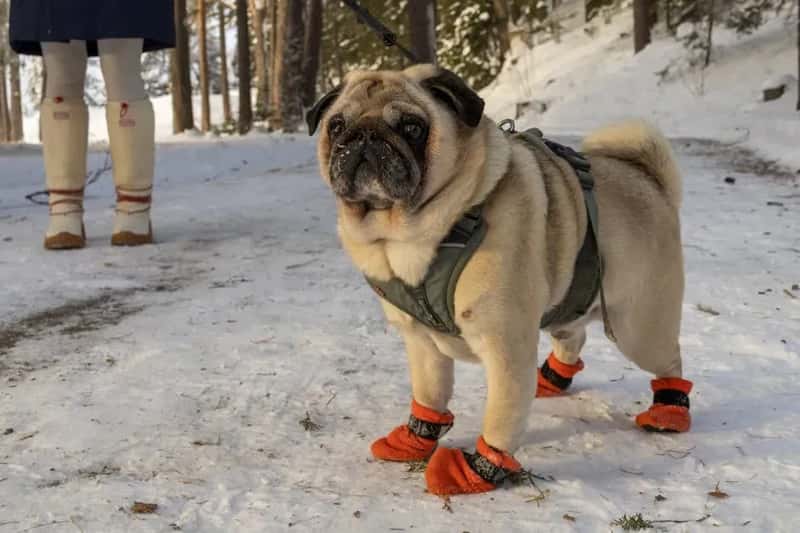
Hot pavement, rocky trails, ice-melt chemicals on winter sidewalks, and sand loaded with burrs – your dog’s paw pads take a beating on trips that they’d never face in a suburban backyard. Most owners find out the hard way when their dog starts limping on day two of a hike. Asphalt on a summer day can reach surface temperatures of 150°F, and dogs often don’t signal real distress until actual damage is already done.
Dog boots are the heavy-duty solution for extreme terrain or temperature conditions. Paw balm is the lighter-weight option that works well for most trips – applied before and after outdoor exposure, it creates a protective barrier against cracking, dryness, salt, and chemical exposure. Either way, clean your dog’s paws after every walk to remove anything that shouldn’t be licked off later. Injured paw pads don’t just hurt – they can leave a dog completely unable to bear weight overnight.
#4 – A Chew Toy or Puzzle Toy for In-Car Entertainment

A bored dog in a moving car becomes a loud, anxious, and destructive travel companion in a hurry. Bringing your dog’s favorite chew toy or an interactive puzzle keeps them mentally occupied, which translates directly into a calmer, quieter, and safer cabin environment for everyone. This isn’t about entertainment as a luxury – a mentally engaged dog is a physically calmer dog, and that matters on a six-hour stretch between rest stops.
The practical bonus: a dog that’s working on a chew toy is not working on your seat belts or door panels, which is apparently a popular hobby for many canine road warriors. A tug toy for rest stop play sessions pulls double duty – the physical and mental effort of a quick tug game helps dogs burn off energy and then actually rest between stops. A tired dog is a well-behaved dog, and toys make rest stops work harder for you.
#3 – An Up-to-Date ID Tag and a Temporary Travel Tag

This is the item most owners think they’ve already handled – and most haven’t, not completely. Your dog’s home address tag is great for the neighborhood. On a road trip crossing five states, it’s almost useless. What actually gets a lost dog home on the road is a tag with your current cell phone number and, ideally, a temporary travel tag that includes your destination contact number for the duration of the trip.
Think through the scenario: your dog escapes at a rest stop in a state you’ve never visited. Who is the person who finds them going to call? A tag with your active cell number is the fastest possible bridge back to your dog. A temporary travel tag costs around five dollars. Every experienced traveling dog owner has at least one close-call story that convinced them to start using one – and almost none of them waited for a second close call before making it a permanent habit.
#2 – A Pre-Trip Vet Check and Updated Vaccinations
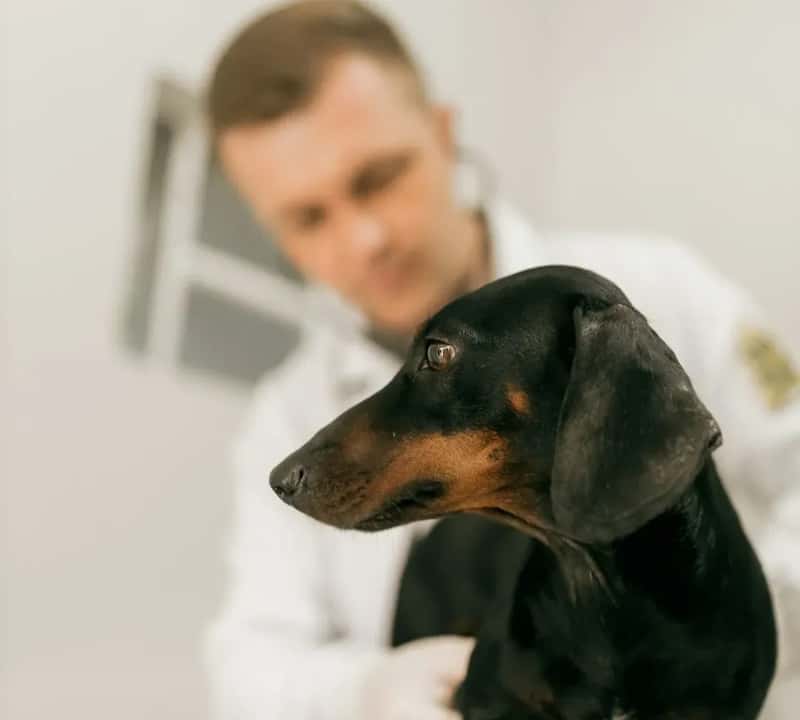
Most people’s travel prep for their dog involves confirming there’s enough food. Vets say the real first step happens weeks before you ever leave the house. A quick wellness check before a trip gives your vet a chance to catch anything you’ve missed, update vaccines specific to your destination, and confirm your dog is actually healthy enough to travel. This is where you find out if that slight limp or persistent cough is something that needs addressing before a long drive makes it worse.
If your dog doesn’t get boarded or groomed regularly, your vet may not have been giving the Bordetella vaccine – get that handled before you go. Also confirm that core vaccines are current, including rabies, distemper, and parvovirus, plus any regional additions like leptospirosis or Lyme disease depending on where you’re headed. New states and new climates mean new disease exposure your dog’s immune system has never encountered. A pre-trip vet visit is the one item on this list that can catch a problem before it becomes an emergency.
#1 – A Microchip With Updated Contact Information
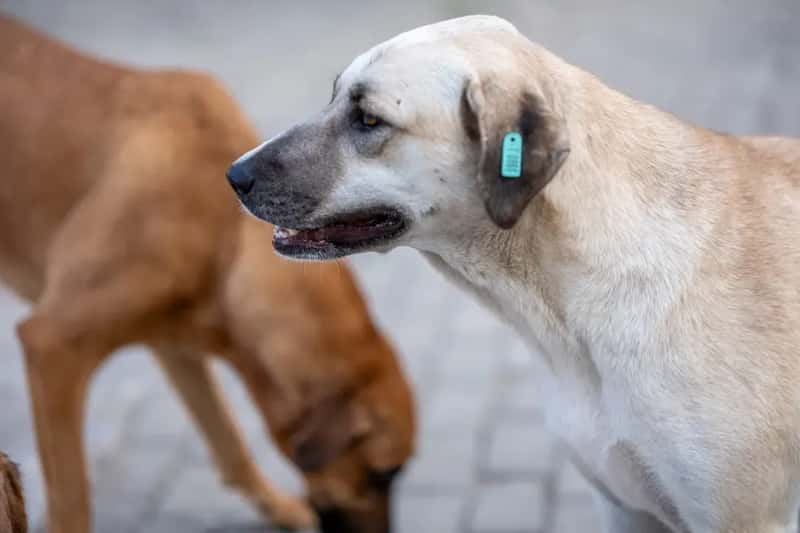
Everything else on this list helps your dog travel comfortably and safely. This one item is the reason lost dogs actually make it home. Collars slip, tags fall off, and leashes break – but a microchip stays with your dog for life. If your dog escapes on the road, any vet clinic or rescue shelter can scan for the chip and pull up your contact information within seconds. It’s the one layer of protection that works even after every other layer has already failed.
Here’s the critical detail that most owners miss entirely: the chip only works if the contact information in the registry is current. A microchip registered to an old phone number or a previous address is functionally useless. Before any trip, log into your chip’s registry and confirm that your current cell number and contact details are accurate. Of all 18 items on this list, this is the only one that keeps working even when everything else has already gone wrong. Update it before you leave – not after, not when you get back. Before.
Most of these 18 items cost less than a single tank of gas, but together they represent the difference between a trip that goes smoothly and one that ends in a panicked call to a strange vet clinic three states from home. The surprising truth vets keep repeating is that they don’t see dogs come in after bad trips because owners were careless – they see them because owners simply didn’t know what they didn’t know. Now you do.