Most people assume confident driving means braking hard and fast at the last possible second. The drivers with hundreds of thousands of miles behind them do almost the opposite – they stop early, every single time, and it’s not because they’re timid.
It’s a calculated habit built on physics, pattern recognition, and a working knowledge of risk that most people behind the wheel never bother to learn. Here’s what the data actually says about why the best drivers on the road slow down before they have to.
18. They Know Human Reaction Time Is Never Instant
Most drivers wildly overestimate how fast they can react. The average driving reaction time is roughly 1.5 seconds – and that’s under ideal, alert conditions.
At 60 mph, your car travels 132 feet in that time. That’s roughly half a basketball court, gone before your foot even touches the brake.
Experienced drivers factor this gap in before they’re ever in danger. According to NHTSA, early reaction is one of the most effective ways to prevent a crash before it starts.
But reaction time is only one layer of the equation – what’s hiding under #17 is even more sobering.
17. They Understand What “Stopping Distance” Really Means
Stopping distance isn’t just how far you travel while braking. It’s your reaction distance plus your braking distance – and the total shocks most drivers.
Professional truck drivers use a six-second following gap because their stopping distance at 55 mph runs 300 feet, versus 160 feet for a passenger car. That’s more than half a football field at highway speed, even in an ordinary sedan.
Speed is directly tied to both reaction time and stopping distance. The faster you go, the less time you have to react, and the more room you need to stop.
Quick Compare
- At 30 mph, (cite index=”18-7″>reaction time plus braking distance is a complete stop within 119 feet.
- At 35 mph, (cite index=”14-12″>total stopping distance runs about 215 feet – nearly two-thirds of a football field.
- At 70 mph, (cite index=”18-7″>the vehicle will take 387 feet to stop.
#16 reveals how road surface alone can make all of those numbers useless.
16. They Respect What Wet Roads Do to Stopping Distance
A little rain doesn’t just make the road slippery. It fundamentally changes the entire braking equation.
On wet pavement, stopping distances can run 1.5 to 2 times longer than on dry roads. The gap you trusted five minutes ago is suddenly half of what it needs to be.
Experienced drivers double their mental margin the moment precipitation starts – not after they feel the first slide. Sudden brake pressure on wet roads can cause the car to jerk and lose grip, so early, gentle pressure is how they stay in control.
What #15 reveals is that it’s not just rain you have to worry about.
15. They Account for What They Can’t See
Veteran drivers don’t just react to hazards. They anticipate the ones that haven’t revealed themselves yet.
That’s why they stay light on the throttle around blind corners, crests, and rows of parked cars – because something could be hiding there. Defensive driving means staying alert and prepared for the unexpected, not just the obvious.
The best drivers are always solving problems 10 seconds into their future, not the present. Easing off early when they spot a red light or slowed traffic lets the car slow down naturally, with no drama.
#14 gets into something almost nobody talks about – and it affects every car on the road.
14. They Know Rear-End Collisions Are Shockingly Common
Here’s a number that should change how everyone drives: rear-end collisions aren’t a fringe event. They’re one of the most frequent crashes in America.
NHTSA data shows rear-end crashes make up more than 29% of all motor vehicle collisions, and tailgating is a major driver of that number. Nearly one in three crashes is someone running into the back of someone else.
Fast Facts
- (cite index=”2-3″>About 1.85 million rear-end crashes happen in the U.S. every year.
- (cite index=”9-16″>Driver distraction was responsible for about 90 percent of rear-end collisions in NHTSA-backed research.
- (cite index=”6-12″>Whiplash accounts for approximately 65% of bodily injuries in these crashes.
Experienced drivers know they’re statistically more likely to be rear-ended than almost anything else – so they brake early to signal their deceleration to the car behind them. That extra second of warning is often the whole difference.
#13 is about something far subtler – and it happens inside the cockpit, not on the road.
13. They Protect Their Passengers Without Thinking About It
Smooth, early braking isn’t just a safety mechanism. It’s a physical courtesy to everyone in the car, and experienced drivers do it instinctively.
Jamming the brakes late doesn’t just make passengers uncomfortable – it can trigger skidding or loss of control. The jolt throws occupants forward and stresses necks, which is worse for kids and older passengers.
Experienced drivers treat the cabin like a glass of water they don’t want to spill. The result is a stop so smooth nobody in the car even notices it happened.
That smoothness, it turns out, also saves money – which is what #12 is all about.
12. They’re Protecting Their Brake Pads (And Their Wallet)
Early, progressive braking doesn’t just improve safety. It dramatically extends the life of your brake components.
Every hard, late stop converts kinetic energy into heat, and that heat is what chews through pads and warps rotors over time. Drivers who brake early instead of aggressively can stretch brake pad life by a real margin.
Experienced drivers think of their brakes as a budget. Early braking is simply how you spend less of it.
The reason behind #11 is something most drivers have never even considered.
11. They Signal Their Intentions to the Entire Traffic System
When a veteran driver brakes early, they’re not just slowing their own car. They’re sending a message backward through every vehicle behind them.
Traffic flow research shows one hard brake can trigger a cascade through dozens of cars, sometimes causing phantom jams or a chain-reaction crash. Early, gentle braking smooths the traffic wave instead of amplifying it.
Experienced drivers understand they’re part of a system, not just navigating their own bubble. It’s a small time cost for a much bigger reduction in risk.
#10 is about a habit that takes years to build – and it starts with where they look.
10. They Look Far Ahead, Not Just at the Car in Front
Novice drivers fixate on the bumper directly ahead. Experienced drivers scan much further down the road, and it changes everything about when they brake.
They’re reading traffic lights two or three intersections out, spotting brake lights 400 yards away, noticing a pedestrian drifting toward the curb. The further ahead you look, the more gently you ever need to brake.
This is anticipatory driving – visual scanning paired with intuition, not just reacting to what’s directly in front of the hood. It sounds simple. It takes years to actually master.
What #9 exposes is how weather alone can steal control from even a great driver.
9. They Add Extra Buffer in Low-Visibility Conditions
Fog, heavy rain, glare, and dusk are the conditions where even experienced drivers dramatically increase their stopping buffer. Most other drivers don’t change a thing.
Nighttime crash rates run about three times higher than daytime, largely because reduced visibility cuts down the time you have to spot and respond to a hazard. When you can see less, your effective reaction window shrinks – the only fix is braking earlier.
Worth Knowing
- (cite index=”30-1″>Low beam headlights are designed to shine about 160 feet ahead – often less than a car’s full stopping distance at highway speed.
- (cite index=”27-1″>High beams let you see about 350-400 feet ahead, roughly double the low-beam range.
- Fog, heavy rain, and glare can shrink real-world visibility even further than either beam setting allows.
A common rule of thumb: add a second of following distance for every 10 mph over 40, plus more for rain, snow, or poor visibility. Experienced drivers apply that math without even thinking about it.
#8 touches on a specific scenario that trips up even moderately experienced drivers, every time.
8. They Brake Before the Turn, Not During It
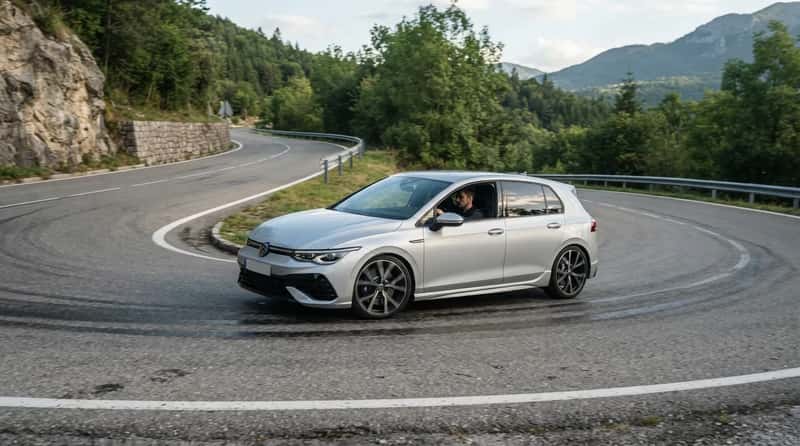
This is one of the most underrated secrets of experienced driving – and getting it wrong is one of the fastest ways to lose control of a car.
Braking mid-corner shifts weight forward and outward at the exact moment your tires need every ounce of grip they can get. Experienced drivers are always down to the right speed before they turn the wheel, never after.
They brake early and apply steady pressure well before the corner starts. By the time the wheel turns, the hard work is already done.
#7 is a physics lesson that experienced drivers learned the hard way.
7. They Know Their Vehicle’s Weight Works Against Them
Every driver knows their car is heavy. Very few have actually internalized what that mass means for stopping.
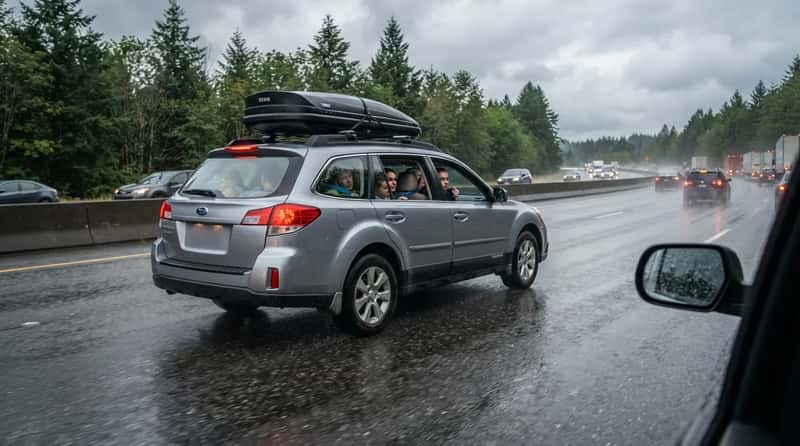
A typical passenger car weighs 3,000 to 4,500 pounds, and at highway speed that mass carries enormous momentum. Weight multiplied by speed creates a stopping demand most drivers chronically underestimate.
Load matters too – five passengers and a full trunk take noticeably longer to stop than an empty car on the same road. Experienced drivers adjust their following distance before the situation ever forces their hand.
#6 is about a specific hazard zone that arrives without warning.
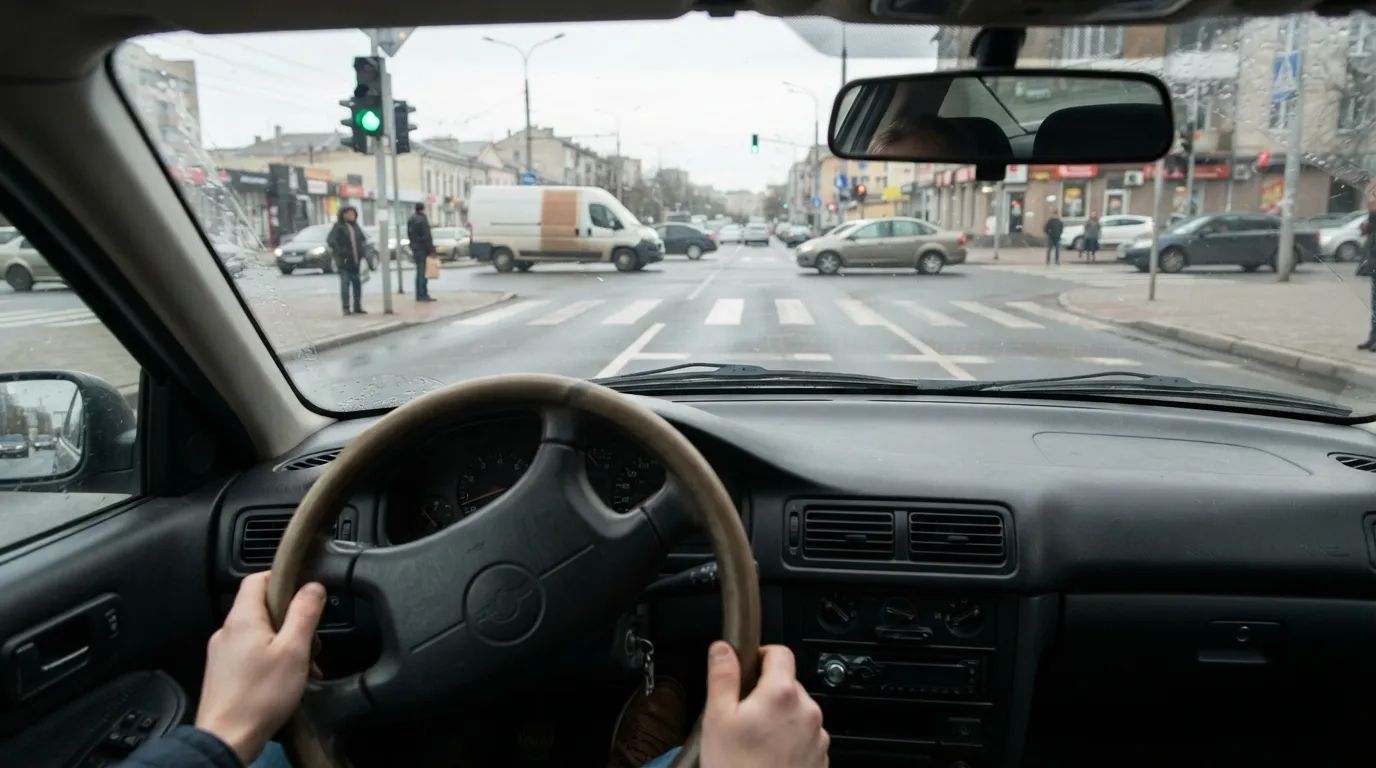
6. They Treat Intersections as the Highest-Risk Zones on Any Road
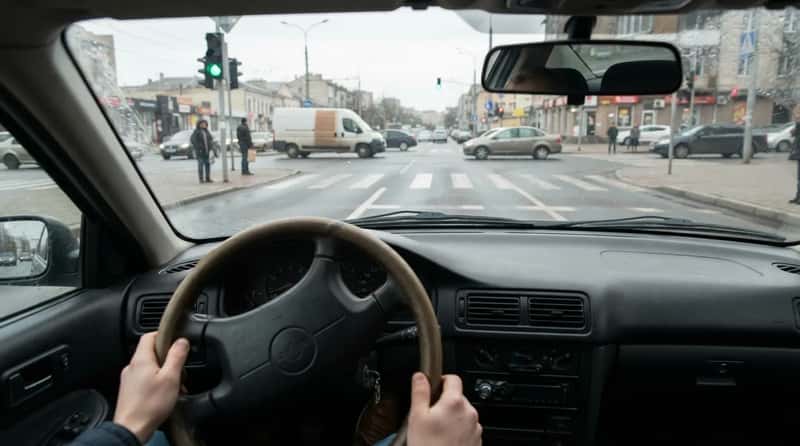
Most crashes don’t happen on empty highways or quiet residential streets. They happen at intersections, where experienced drivers treat every crossing as a potential threat.
Driver error is behind 94% of serious crashes, and intersections concentrate every kind of error in one place – crossing traffic, turning cars, pedestrians, and unpredictable signals. Experienced drivers cover the brake before entering any intersection, even on green.
They’re already slowing fractionally, already scanning cross-traffic, already braced for the driver who blows the red. It’s not paranoia – it’s pattern recognition sharpened by years behind the wheel.
#5 reveals why this habit gets even more critical as vehicles get heavier.
5. They Compensate for the Vehicle They’re Actually In
Experienced drivers don’t apply the same braking habits no matter what they’re driving. They adapt instantly to size, weight, and how the brakes actually feel.
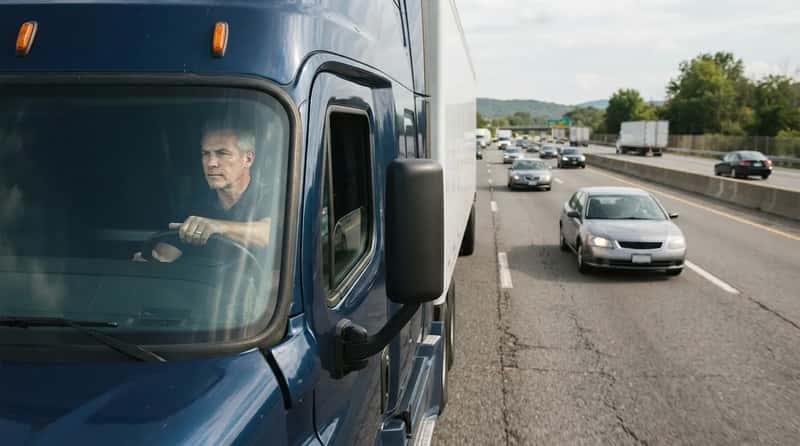
Professional truckers keep a six-second gap because their stopping distance at 55 mph is nearly double that of a passenger car – 300 feet versus 160. A heavier or unfamiliar vehicle is the single most common reason experienced drivers extend their margin without being asked.
They know the car beneath them is a variable, not a constant. Newer drivers tend to assume every car stops the same way – until one doesn’t.
#4 is where it gets deeply personal – and reveals how veteran drivers actually think.
4. They’re Always Managing an Escape Route
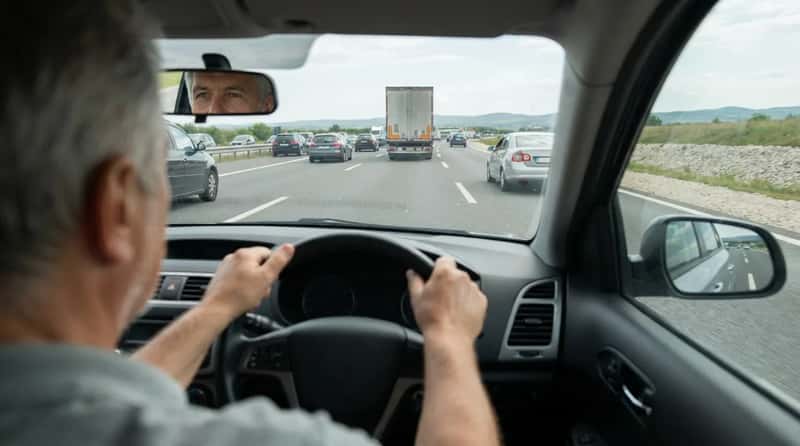
Here’s a habit that separates truly experienced drivers from everyone else. They don’t just think about stopping – they think about where they could go if they can’t.
They’re constantly scanning for shoulder space, gaps in adjacent lanes, and clear zones they could steer into in an emergency. Braking early keeps their speed low enough that those options stay open.
The drivers who avoid the worst crashes are rarely the ones who stopped in time – they’re the ones who had a plan B. Wait too long and every escape route disappears at once.
#3 takes this mindset to its most counterintuitive conclusion yet.
3. They Use Engine Braking Before Touching the Pedal
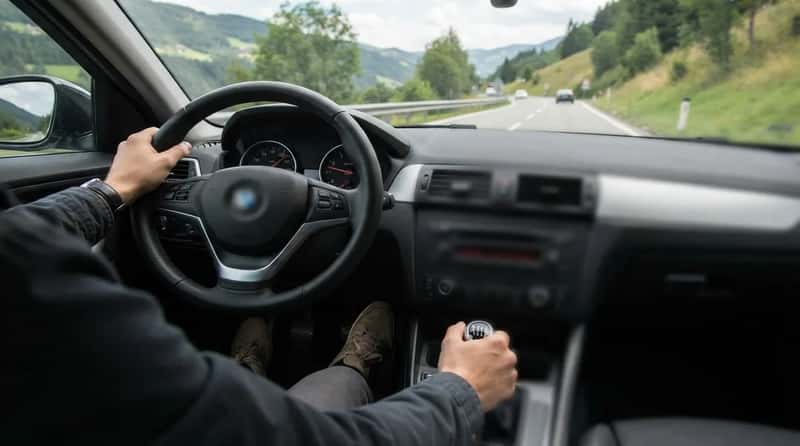
One of the clearest markers of an experienced driver is what they do before the brake pedal is ever involved. They lift off the accelerator early and let the engine do the first layer of work.
In a manual car, dropping a gear amplifies that effect dramatically. In modern automatics and EVs, easing off the throttle early kicks in drag or regenerative braking on its own.
Experienced drivers treat the accelerator and the brake as one system, not two separate controls. By the time their foot reaches the pedal, most of the speed reduction is already done.
#2 will make you rethink every tailgater you’ve ever been annoyed by.
2. They Never Trust the Driver Behind Them
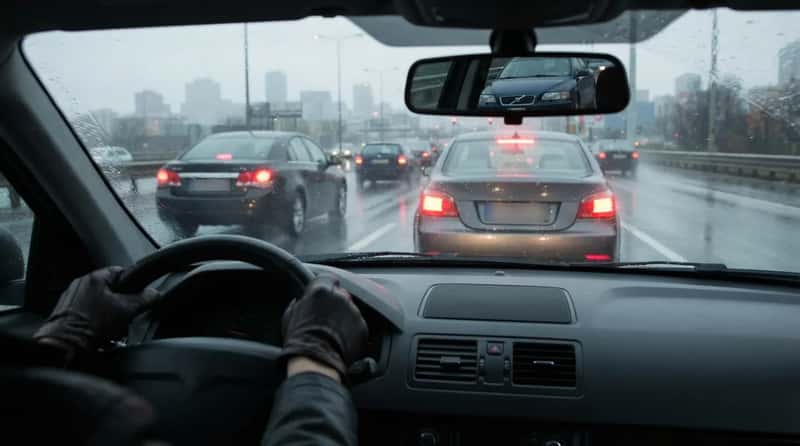
This is the habit most people find counterintuitive: experienced drivers brake early not just for what’s ahead of them, but because they don’t trust the reaction time of whoever’s behind them.
Tailgating drives roughly 28% of rear-end collisions, meaning the car behind you is probably closer than it should be. If you brake hard and late, there’s a real chance they simply don’t have room to stop.
At a Glance
- Normal, dry conditions: (cite index=”16-16″>the National Safety Council recommends 3 seconds of following distance.
- Rain, fog, or heavy traffic: (cite index=”3-5″>extend that to up to six seconds in inclement weather.
- Following a semi-truck or loaded vehicle: give at least six seconds, since its stopping distance is nearly double a car’s.
Early, smooth braking gives the tailgater behind you extra time to react – and it may be the only thing that keeps their bumper off yours. Late, sudden braking can even shift blame onto you if it forces a rear-end situation.
And then there’s #1 – the reason that ties every other habit on this list together.
1. They’ve Already Decided That Arriving Safely Beats Arriving Quickly
Every habit on this list comes down to one quiet decision experienced drivers have already made, usually after something scared them badly. Time is never worth the risk.
Braking late doesn’t actually save meaningful time on a normal street. A one- or two-second difference over a 200-mile trip is worth nothing.
That’s the ultimate destination of driving experience: not speed, not skill, but the calm certainty that slowing down early is always the right call. Every veteran driver you’ve ever admired has already made this decision – the only question left is when you will.
The National Safety Council puts human error behind 94% of all traffic crashes, and the fastest way to step outside that statistic is already resting under your right foot. Defensive driving habits like early braking have been linked to crash-risk reductions of up to 30%.
Eighteen reasons, one theme: the road is always negotiating, and the driver who brakes first, brakes gentlest, and brakes earliest is almost always the one who wins that negotiation.
Bonus: The Empty-Lot Test Almost No Driver Ever Runs
Most drivers guess at their car’s real stopping distance. Experienced drivers actually measure it, and you can too, in about ten minutes.
- Find a large, empty, paved lot with no traffic – early Sunday morning works well.
- Accelerate to a steady 40 mph, then brake firmly but under control the moment you pass a fixed marker like a light pole or painted line.
- Note where the car actually stops, then pace off the distance from the marker in car-lengths or steps.
- Repeat the same test after new tires, after a long winter, or any time your brakes feel different – the number changes more than most drivers expect.
Once you know your real number instead of a guess, every following distance you choose on the road becomes based on fact, not feel.
That single habit – testing instead of assuming – is the one thing separating drivers who talk about safety and drivers who actually practice it.