Picture the oldest passenger on a trail shuttle and you probably see someone slow, quiet and just glad to sit down. Drivers who work trailhead routes say that picture is mostly wrong. The riders who step off first, ask the sharpest questions and know exactly where they’re headed are often the ones with the most birthdays.
A driver sees hundreds of riders in a day, and the same habits keep repeating. Some are practical, some are funny, and a couple can stop a driver mid-sentence. The last one on the list is the one many drivers say follows them home.
#18 – They’re at the Stop Before the Shuttle Even Shows Up
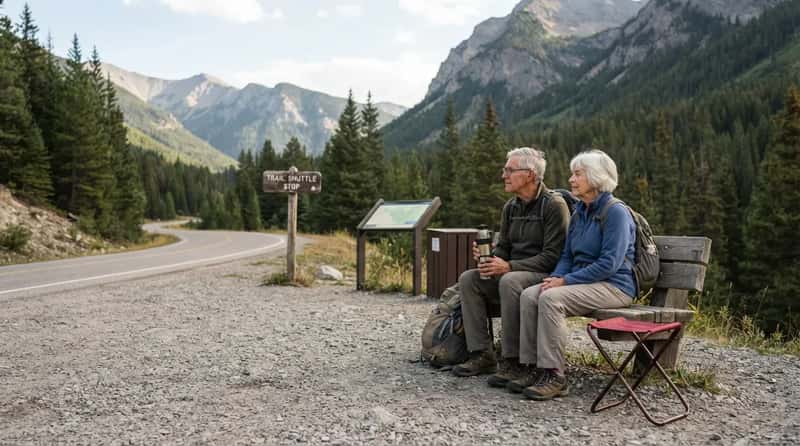
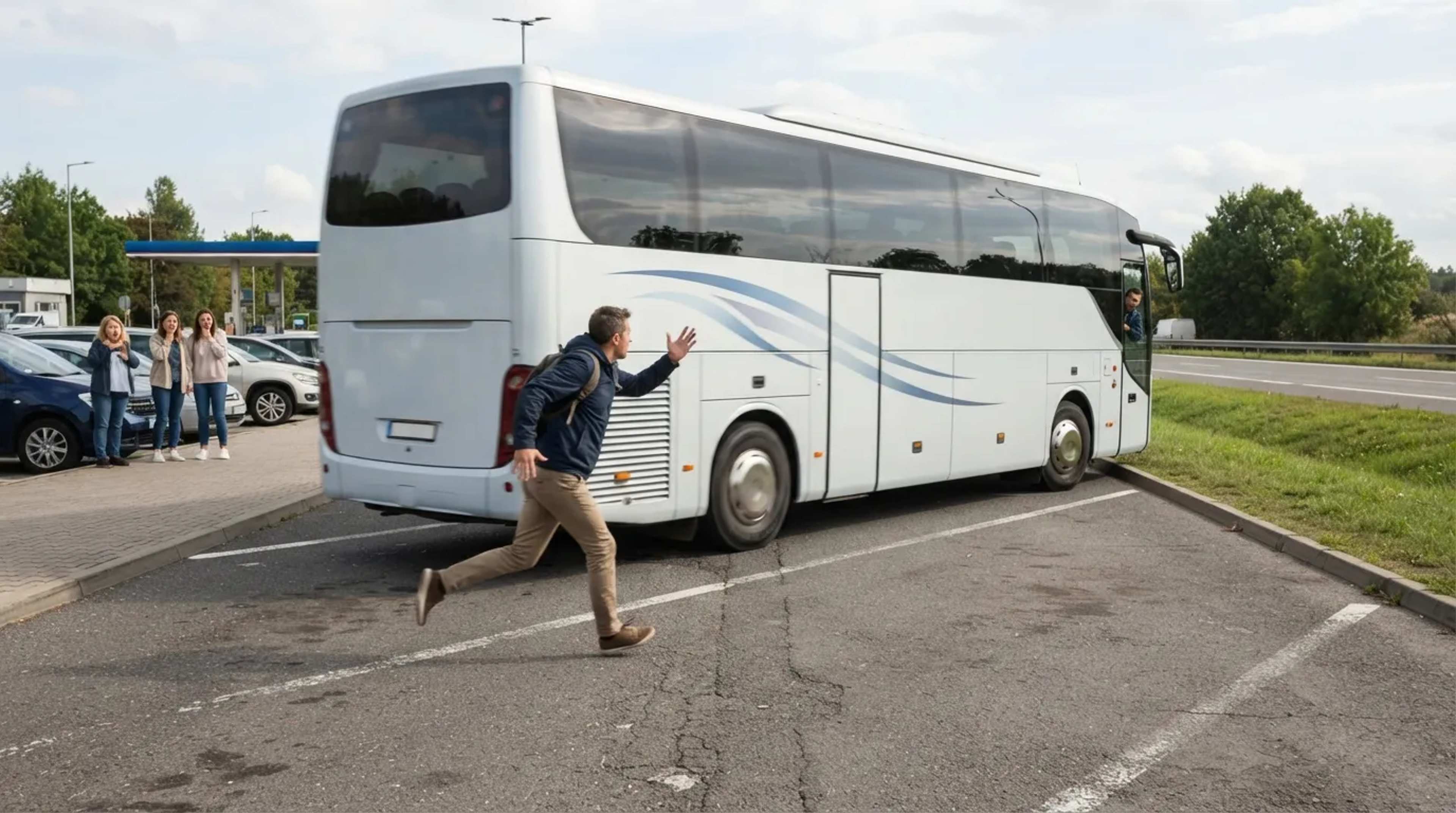
Ask a driver who’s waiting when the shuttle pulls in, and the answer is rarely the twentysomethings. Passengers over 70 are often there early, sometimes with a thermos in hand and a folding seat already open. They know a missed shuttle can cost an hour or more, so they plan around it.
It’s less about nerves than about control. Showing up first means the pick of seats, a calm boarding and no scramble with a crowd. Younger riders tend to jog up at the last second, and drivers say the contrast is hard to miss.
#17 – They Read the Trailhead Map Like It’s a Contract
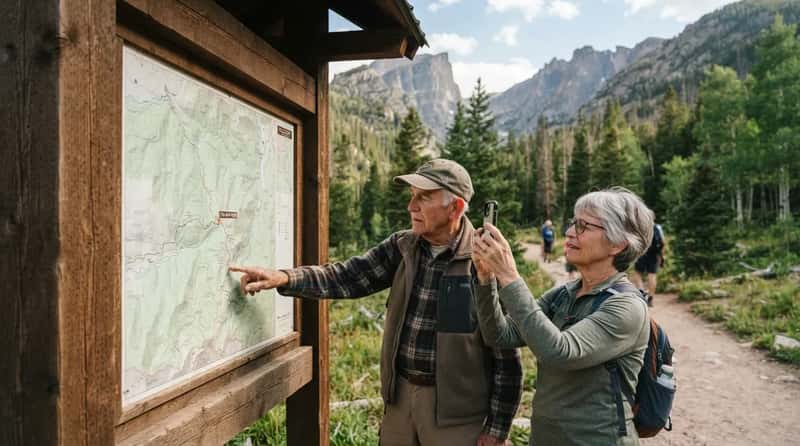
Where most people glance, they read every word. Passengers over 70 often stop at the trail board, find the “you are here” dot and trace the route with one finger. Many snap a photo of it before they walk away.
Drivers say it pays off at pickup. These riders can tell you which junction they turned at and how long the loop took. Meanwhile, plenty of younger hikers step off the bus unable to name the trail they just finished.
#16 – They Ask the Driver, “Where Would You Go on Your Day Off?”
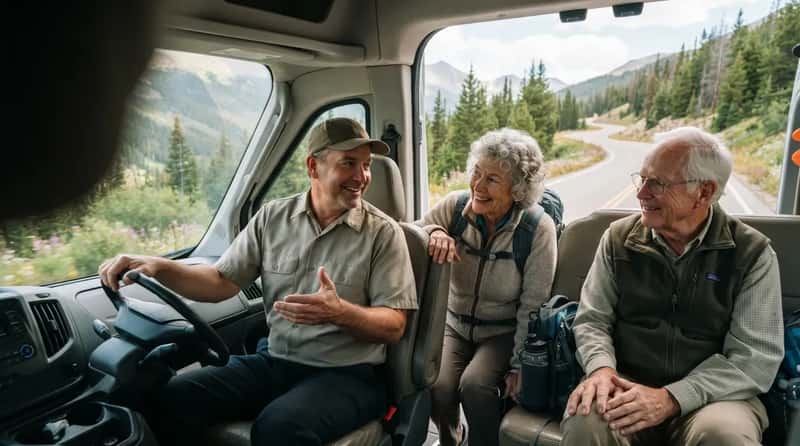
The question catches some drivers off guard. Instead of asking where the famous overlook is, these passengers ask where the driver would go if nobody was watching. It’s a quiet way of tapping local knowledge that no brochure carries.
Drivers say the answers often become the highlight of the whole trip, whether it’s a shaded creek loop or a sunrise spot most visitors never find. Older travelers have usually learned that the popular pick isn’t always the best one. They’d rather ask a person than trust a ranking.
Worth Knowing
- Asking for a “day off” pick gets a more personal answer than asking for the “best” one.
- Follow up on timing: the best hour for light, shade or thinner crowds.
- Ask which stop tends to have the shortest wait for the ride back.
- Local tips shift with the season, so a spring favorite may not be the fall one.
#15 – Their Boots Look Ancient, and Outlast Everyone’s
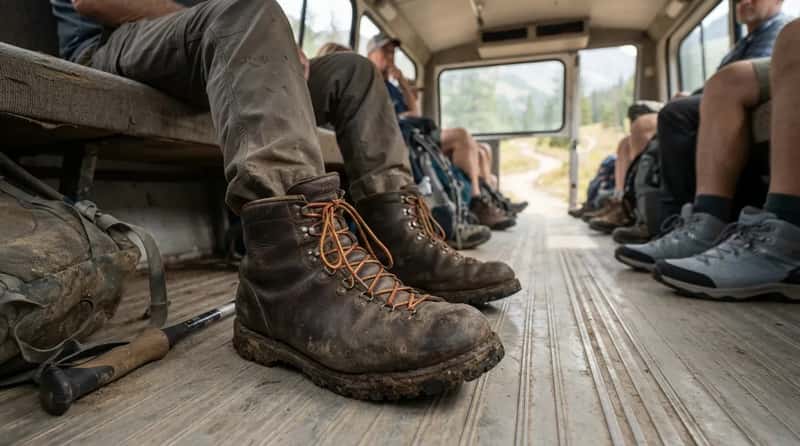
Scuffed, creased and decades old, their boots are the first thing some drivers notice. Passengers over 70 often wear footwear that has been resoled, re-laced and loved for years. Box-fresh hiking shoes, by contrast, are far more common among first-time visitors.
Drivers have a running joke that the oldest boots belong to the most reliable hikers. It’s not a rule, but it holds up more often than you’d expect. Nobody on that shuttle looks more ready for the dirt.
#14 – Those Trekking Poles Aren’t a Sign of Weakness
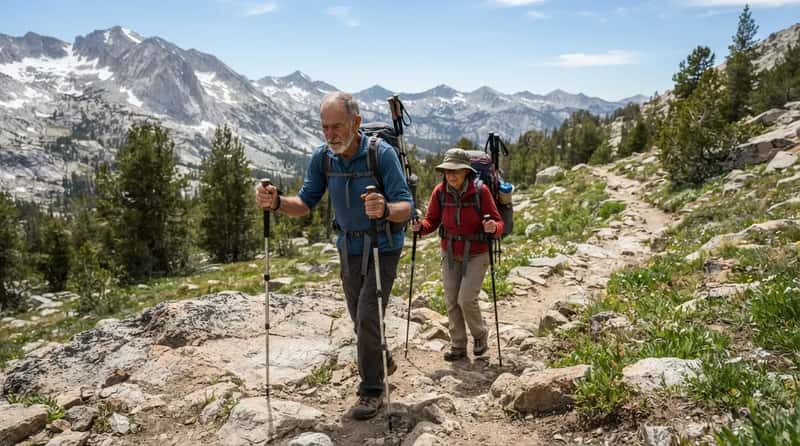
Walk down any trail shuttle line and count the poles. Many passengers over 70 carry them, often collapsed and clipped to a pack until the trail turns steep. Drivers say the poles are now simply part of the seasoned-hiker uniform.
The old stereotype says poles are for people who can’t hike. On the shuttle, the reality looks like the opposite, because the people using them are often the ones still going the farthest.
#13 – Their Packs Clink With Extra Water Bottles
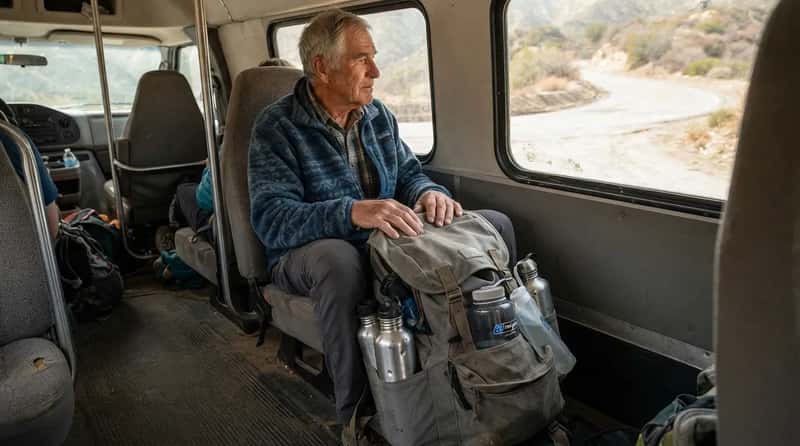
You can almost hear them coming. Passengers over 70 tend to over-pack water, and drivers say they’d rather see too much than too little. It looks excessive right up until the afternoon heat arrives.
Health agencies also list older adults among the groups more vulnerable to heat illness. The riders who pack heavy on water are simply taking that seriously. It’s the kind of preparation you only notice when someone else doesn’t have it.
#12 – They Ask About the Last Shuttle Back Three Times
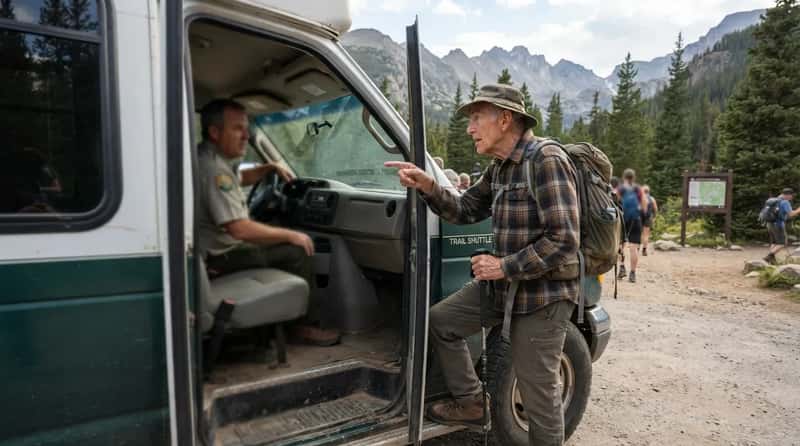
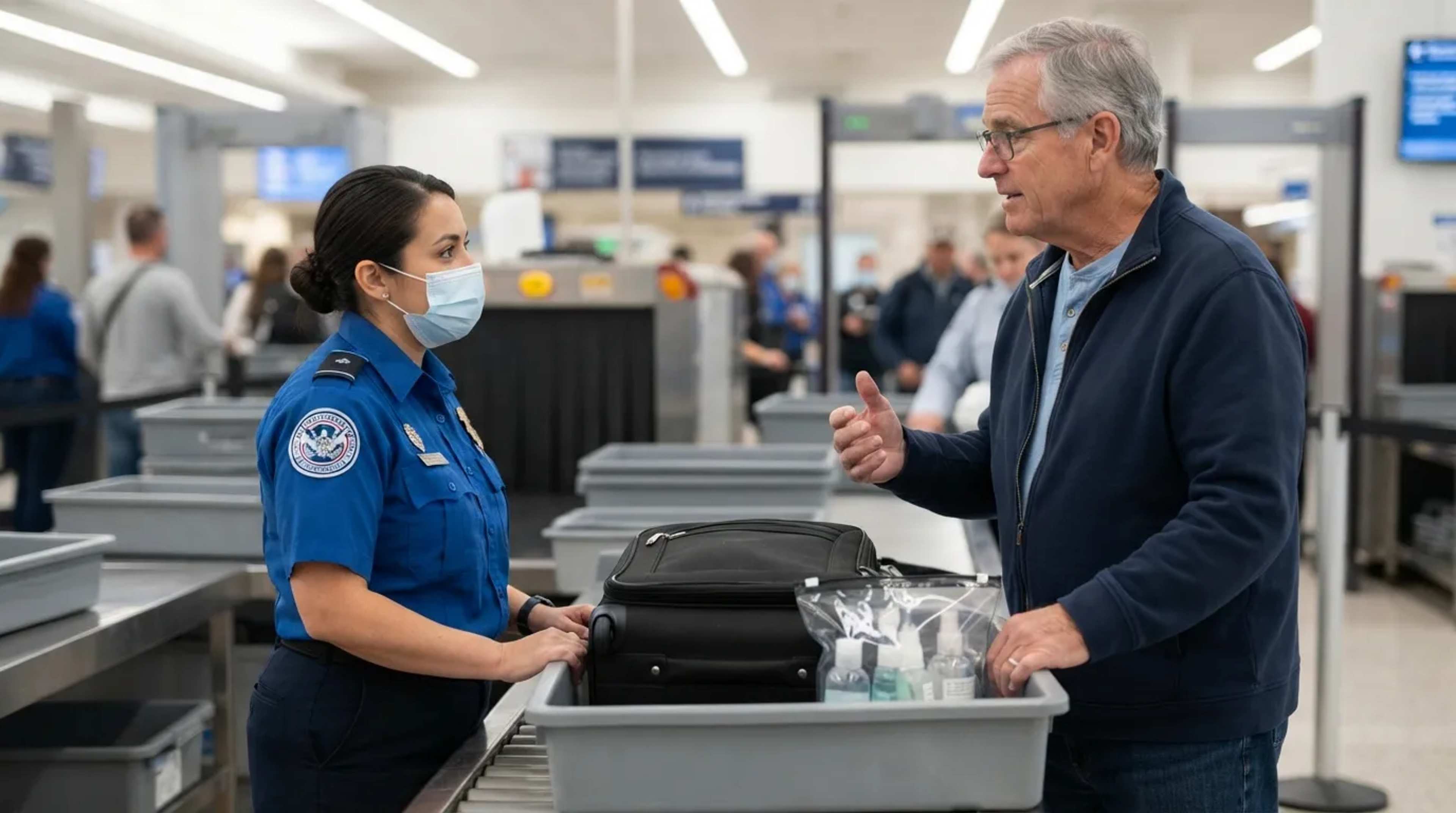
Drivers hear the same question over and over. “And the last shuttle back is when?” Passengers over 70 ask it at boarding, again at the stop and sometimes once more before stepping off.
It can sound repetitive, but there’s solid logic behind it. Missing the final run on a remote route can leave you stranded, and an older hiker may not have a quick backup plan. Honestly, it’s a habit every rider should steal.
At a Glance
- Is the last run the same on weekends and holidays?
- Does the schedule change in bad weather or late in the season?
- Exactly where does the return pickup happen?
- How long is the ride back to the parking lot?
#11 – By the Second Ride, They Know the Driver’s Name
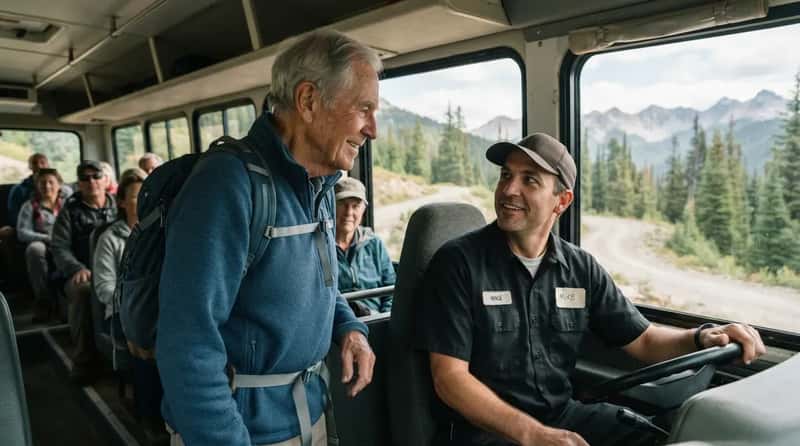
It’s a small thing that many drivers say they notice. Passengers over 70 are more likely to ask for a name, say thanks by name and remember it the next day. A few will ask about the driver’s family or how the season has been going.
On a route where drivers make the same loop dozens of times, that kind of attention stands out. Many say it’s the part of the job they remember longest. A name can make a long shift feel a lot shorter.
#10 – They Pick Their Seat Like a Chess Move
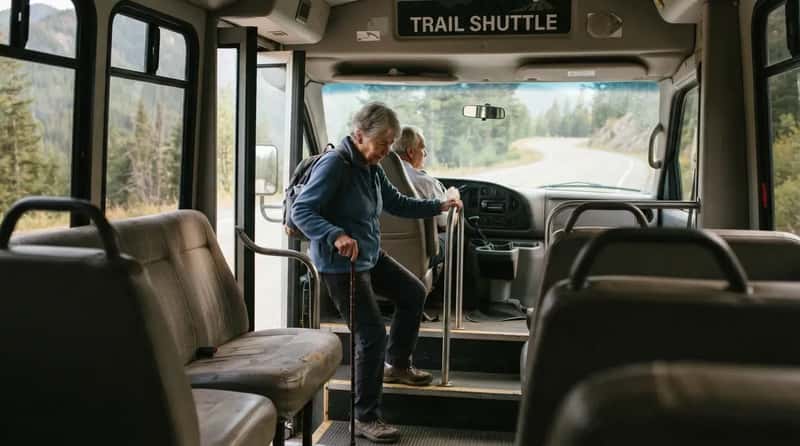
Watch where they sit. Passengers over 70 often head for the front rows, close to the door and the step, and drivers say it’s rarely random. The front seats mean fewer aisle steps on a moving vehicle.
The CDC reports that more than one in four adults aged 65 and older falls each year. Choosing a seat that cuts down on walking while the bus is moving is a smart way to lower that risk. It’s a quiet lesson in thinking one move ahead.
#9 – “Could You Repeat That?” Is Smarter Than It Sounds
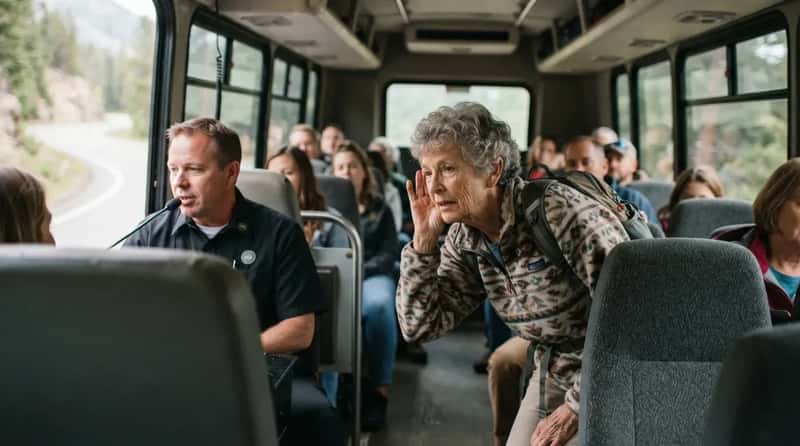
Engine noise, wind and a crackly microphone don’t mix well. Passengers over 70 often lean forward or ask for a repeat when stop announcements go by. Drivers say patience helps, and so does facing riders when you speak.
A moving shuttle is one of the hardest places to catch every word. A simple repeat, instead of a sigh, makes the ride smoother for everyone on board. The riders asking aren’t the problem; the muffled speaker is.
#8 – The Senior Pass Comes Out Before the Wallet Does
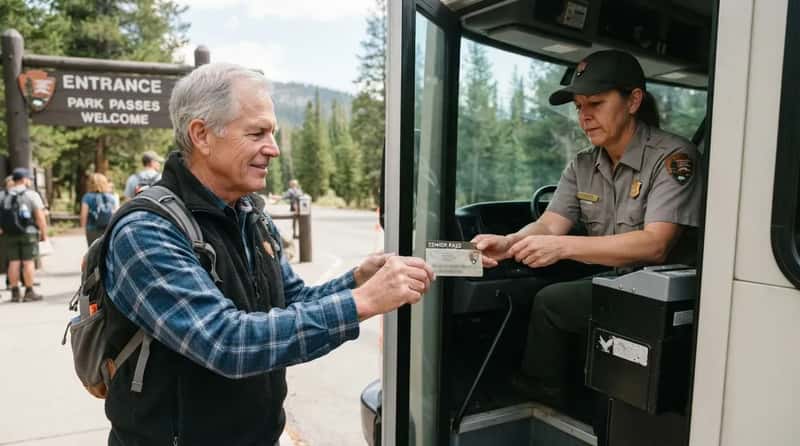
One card seems to be in more pockets than any other. Under National Park Service rules, U.S. citizens and permanent residents age 62 and older can buy a Senior Pass: $20 for a year or $80 for life. Drivers on park-linked routes say it’s common to see it come out at the gate.
It’s one of the better deals in outdoor travel, and older riders are often the ones who know it. Plenty of younger visitors have never heard of it. Somebody’s been saving money on national parks for years, and it isn’t the person with the newest gear.
#7 – They Skip the Famous Summit on Purpose
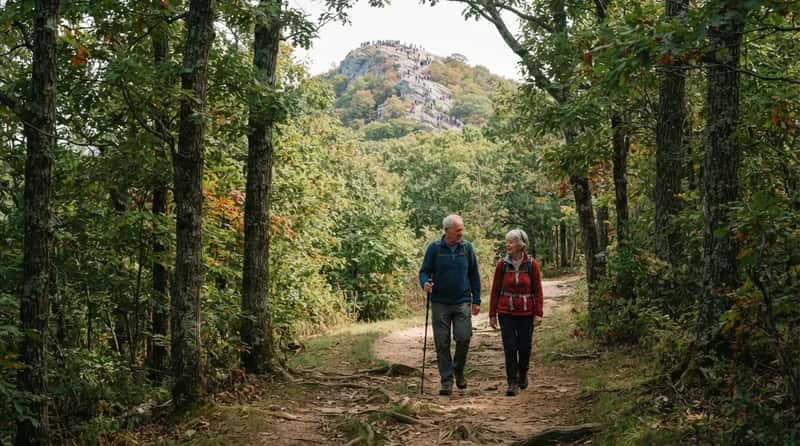
The postcard hike isn’t always their pick. Plenty of passengers over 70 choose the short, quiet loop over the crowded peak. Drivers say some will even get off a stop early to avoid the busiest trailhead.
It’s easy to read that as caution. Drivers often read it as taste, since these riders have seen enough crowds to know what they don’t want. They’re not avoiding the view; they’re avoiding the line to get it.
#6 – The Paper Map Is Still in the Pack
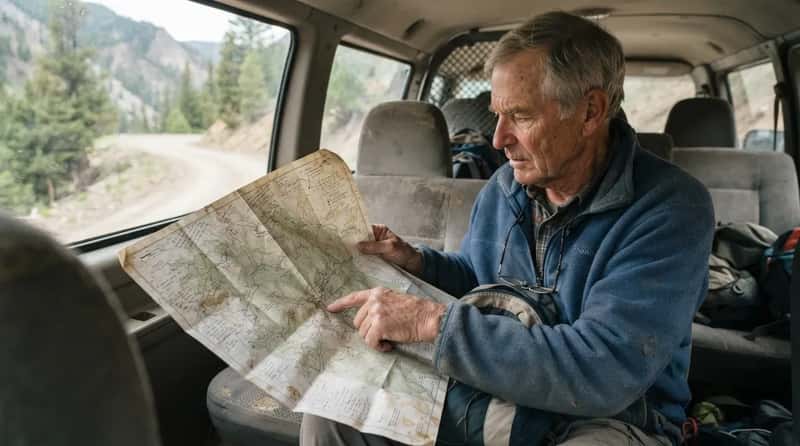
The phone dies. The paper map doesn’t. Many passengers over 70 still carry a folded trail map, often marked up in pen from past visits. Drivers see them pull it out the moment the signal drops.
The old-school habit is the one still working when the technology isn’t. Some of these riders have been using the same map for years, complete with coffee stains and penciled notes. It’s part directions, part diary.
#5 – The July Fleece Isn’t a Mistake
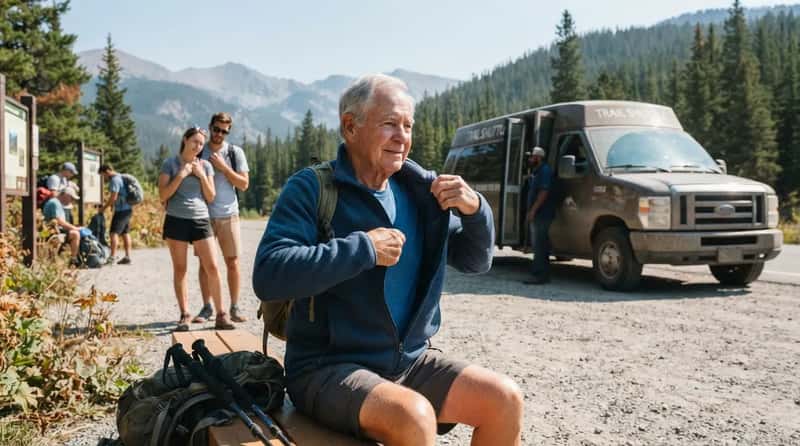
It’s 85 degrees at the stop, and they’re carrying a fleece. Passengers over 70 often pack layers while everyone else is in shorts. Drivers say those layers come out more often than you’d guess.
Mountain trails can shift fast, with shade, wind and elevation changing the temperature within an hour. Experienced hikers have long packed for the coldest part of the day, not the current moment. Younger riders sometimes end up borrowing a spare, and the oldest hikers rarely mind.
Fast Facts
- Air temperature typically drops roughly 3 to 5 degrees Fahrenheit for every 1,000 feet you climb.
- Wool and synthetic layers dry faster than cotton, which holds sweat against the skin.
- A thin windproof shell weighs very little and blocks the chill at a breezy overlook.
- A light fleece or hat costs almost nothing to carry and can save a cold wait for the ride home.
#4 – They’ll Wait 20 Minutes for One Photo
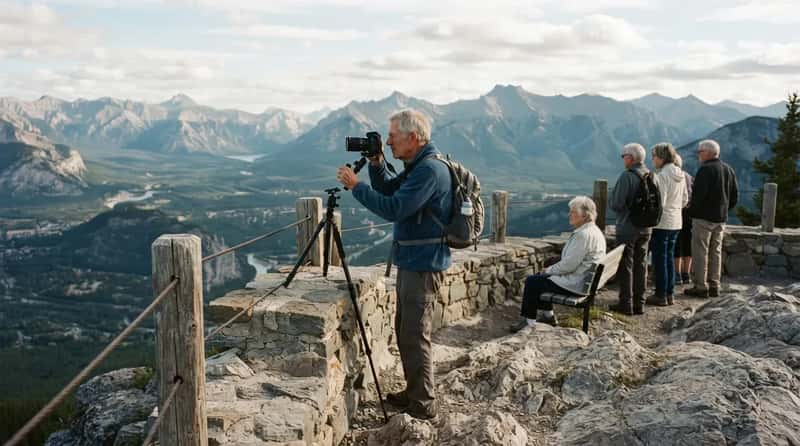
The best shots take time. Passengers over 70 are often the ones who stand still at an overlook, waiting for clouds to move or the light to shift. Drivers notice the group around them slowing down too.
Some drivers admit they learned to slow down by watching these riders. The pace isn’t a limit, it’s a choice. And the photo that comes out of it tends to be the one that gets framed.
#3 – They Remember When You Could Just Drive Up
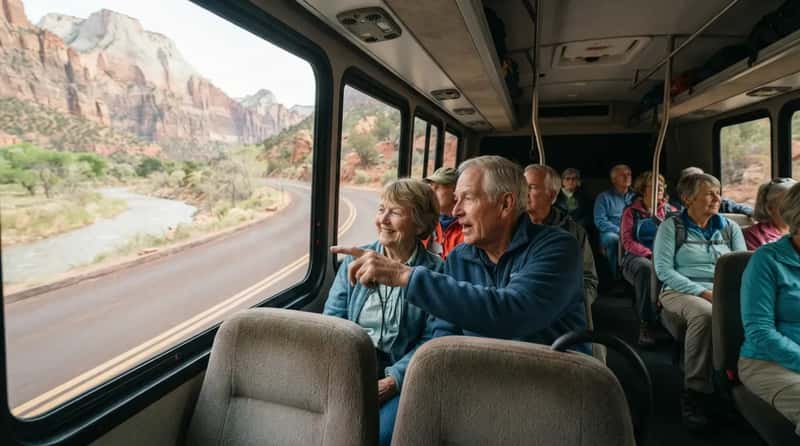
Anyone who is 70 in 2026 was born in 1956 or earlier. That means many of these riders remember when you could simply drive up to a trailhead and park. Drivers say they love telling the story of a spot that’s now closed to cars.
The comparison goes both ways. Some riders miss the freedom, while others say the shuttle is a trade they’d happily make again. Most of them hold both feelings at once.
#2 – They Quietly Look Out for Everyone Else
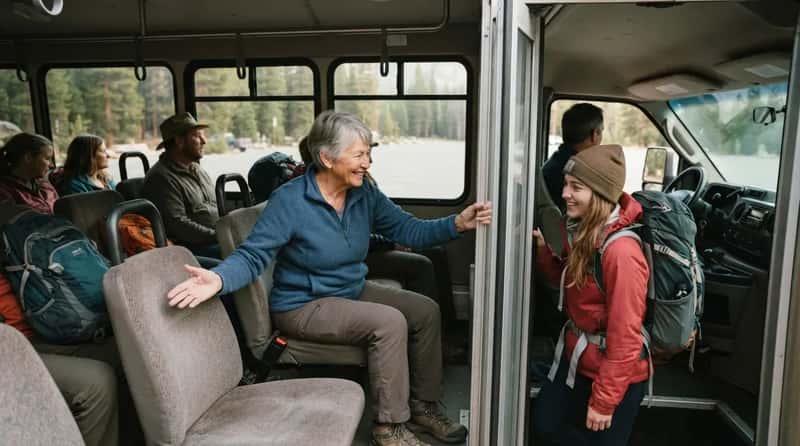
Drivers keep a mental list of who helps whom. Passengers over 70 are often the first to hold a door, offer a seat to a tired kid or point a lost hiker toward the right stop. It happens fast and is rarely announced.
One driver might see this several times a shift. A stranger’s bag gets lifted, a map gets handed over, a nervous first-timer gets a tip about the steps. It never makes the trip photos, but plenty of drivers say it’s what they remember most.
Why It Stands Out
- The help is quick and almost never announced.
- It usually goes to strangers, not travel companions.
- It tends to happen at the busiest moment, on the boarding step.
- One small gesture often sets a friendlier tone for the whole ride.
#1 – Some Are Hiking for Someone Who Can’t Anymore
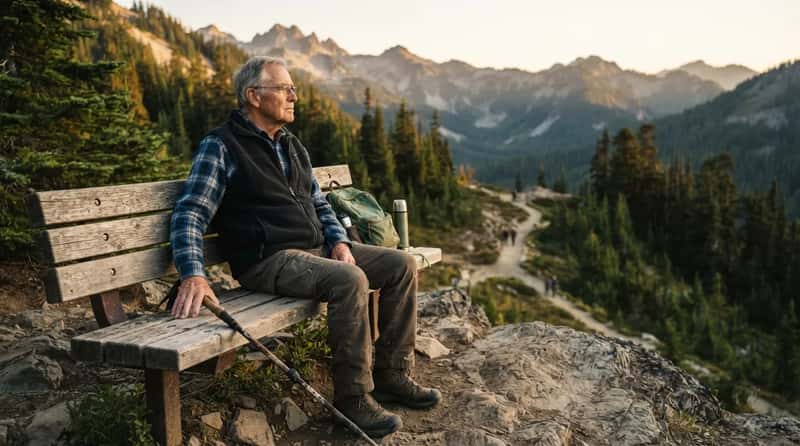
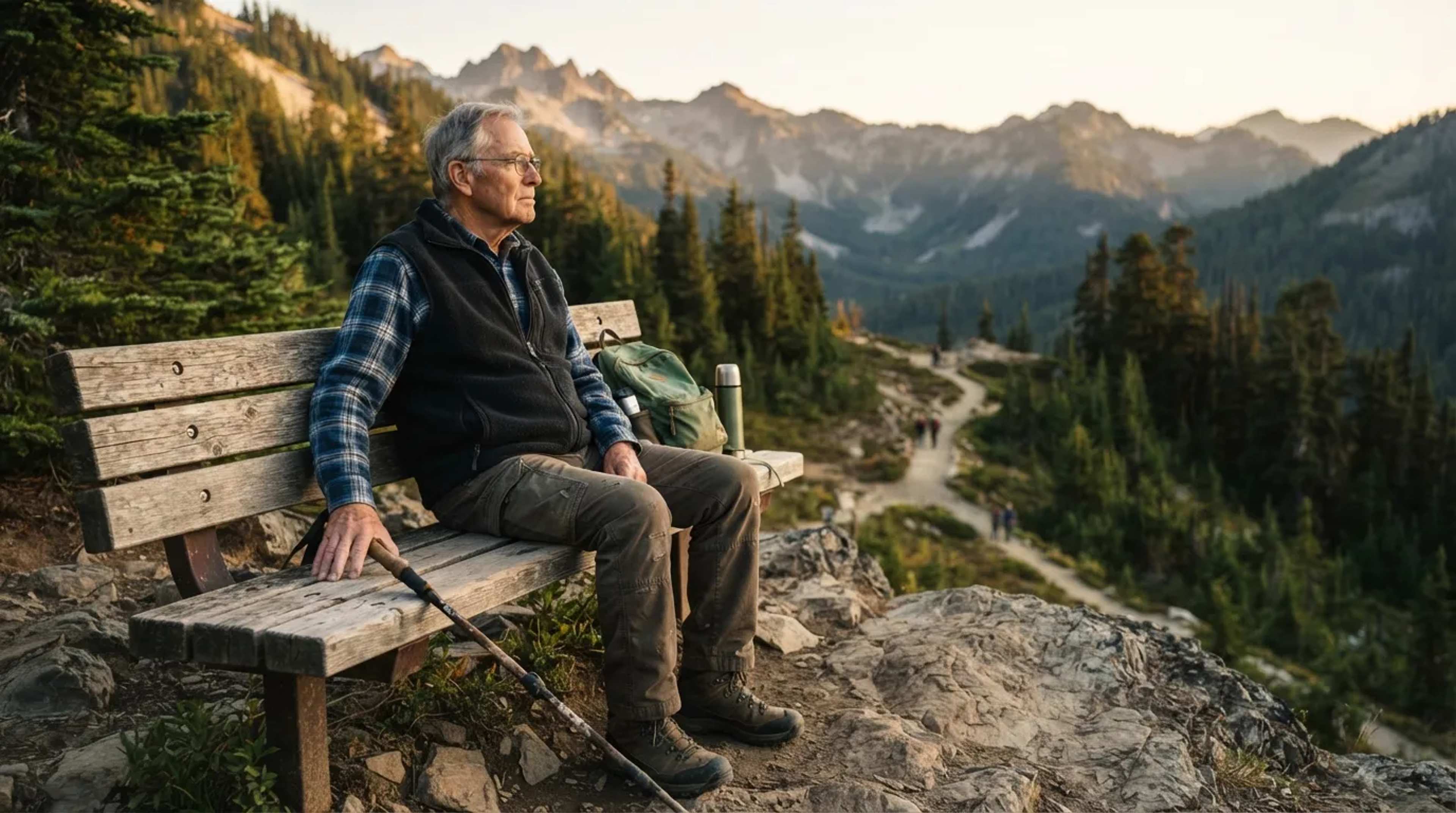
Ask a driver for the story that sticks, and it often starts with a quiet passenger. Some riders over 70 are on a favorite trail they once shared with a spouse or an old friend. They don’t always say so, but drivers pick up on it from the way they stop at a certain bench or look at one view a little longer.
It’s not on any map, and no schedule accounts for it. Drivers say they just try to be on time, hold the door and let the moment be.
The riders over 70 who look slow on the shuttle are often the most prepared people on it. They arrive early, pack smart, ask good questions and look out for strangers.
And once in a while, the person in the front seat isn’t just taking a hike. They’re keeping a promise to the trail, and to someone who isn’t beside them anymore.