You’ve been flying for decades. You know how airports work – or at least, how they used to. But something shifted, and it isn’t just your imagination. Frequent flyers over 60 are reporting a noticeably harder time at airports they once moved through with ease. The terminals are bigger, the technology is less forgiving, the staff is thinner on the ground, and the pace of everything – check-in, security, boarding – has accelerated in ways that quietly punish anyone who isn’t surgically attached to a smartphone. Airports have moved from service environments to self-managed systems, and that shift is failing a lot of experienced travelers.
What’s especially striking is that the airports causing the most frustration aren’t always the ones you’d expect. Some of the newest, most “modernized” hubs are actually the hardest to navigate – because renovation means construction chaos, rerouted walkways, and confusing temporary signage layered on top of already-complex layouts. A few of these airports score fine on satisfaction surveys and still show up constantly in traveler complaints. These are the 19 airports frequent flyers over 60 say have become genuinely, frustratingly harder to get through – counted down from aggravating to the one that comes up most.
#19 – Seattle-Tacoma International Airport (SEA): Long Waits After Long Flights
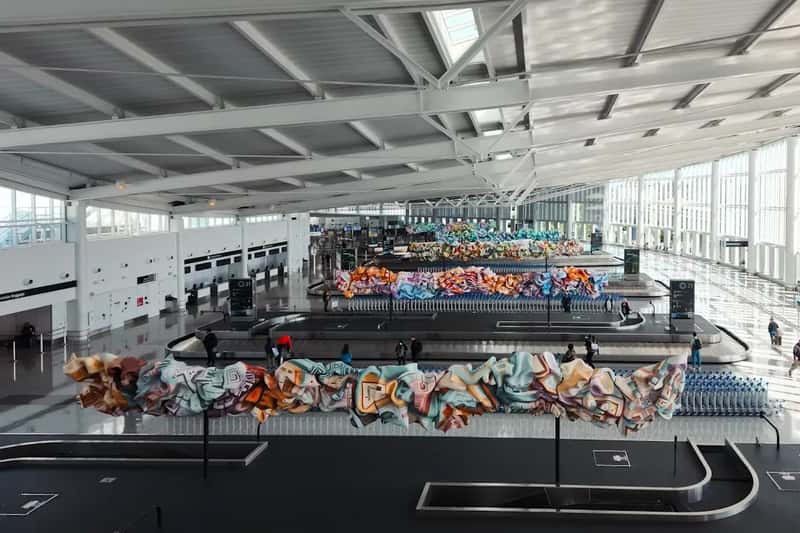
Sea-Tac has grown fast, but the passenger experience hasn’t kept pace. The airport earned one of the worst customs wait times in the U.S. – over 31 minutes on average – and handled more than 52 million passengers in 2024. For older travelers connecting internationally, that wait after a long-haul flight is physically draining in a way that a 30-year-old simply doesn’t feel the same way.
Sea-Tac is also known for closed skybridge walkways, low-ceiling spaces that feel oppressive, and unreliable moving walkways. The combination of poor wayfinding and cramped corridors makes it a tough airport for anyone with joint pain or mobility concerns. Ongoing expansion projects have added temporary detours that confuse even repeat visitors. But that’s nothing compared to the terminal-transfer chaos frequent flyers describe at #18.
Fast Facts
- Sea-Tac handled over 52 million passengers in 2024 – far more than its original design envisioned
- Average international customs wait: 31+ minutes, among the worst of any U.S. airport
- Ongoing expansion has created multiple rerouted walkways with temporary, frequently changing signage
- Moving walkways in several concourses are frequently out of service
- Older travelers with joint pain cite the low-ceiling satellite corridors as particularly disorienting
#18 – Los Angeles International Airport (LAX): Construction That Never Ends

LAX has been “under construction” for so long that the construction itself has become the airport. A $5 billion modernization project led to a 22% increase in terminal transfer times due to construction-related detours and closures. For older travelers who rely on consistent, predictable routes, that’s a nightmare – especially when signage changes week to week.
LAX’s terminals are not internally connected, which means switching airlines requires going outside, catching a bus, and re-entering security – a brutal ask for anyone with limited mobility or heavy carry-ons. Seniors who used to move through LAX with confidence say it no longer resembles the airport they once knew. The one at #17, though, is a different kind of hard entirely.
#17 – Chicago O’Hare International Airport (ORD): The Confusion Is Practically Built In

O’Hare has a legendary reputation for delays, and the numbers back it up. In 2025, ORD experienced the most flight delays of any U.S. airport, with 28 percent of all flights affected. For a traveler over 60 counting on a tight connection, that statistic has real consequences – missed gates, scrambled plans, and the physical toll of rushing through one of America’s most sprawling airports.
But delays aren’t the only problem. O’Hare’s internal transit system has long baffled passengers. One traveler captured the frustration precisely: the train stations are labeled 1, 3, 4, and 5 – so what happened to station 2? And there’s another stop after 5 with no label at all. That kind of illogical, unmarked layout is exhausting for any traveler, and genuinely disorienting for those navigating it on tired legs. The signage situation at #16 is a whole different story.
#16 – Newark Liberty International Airport (EWR): Road Chaos Meets Terminal Limbo
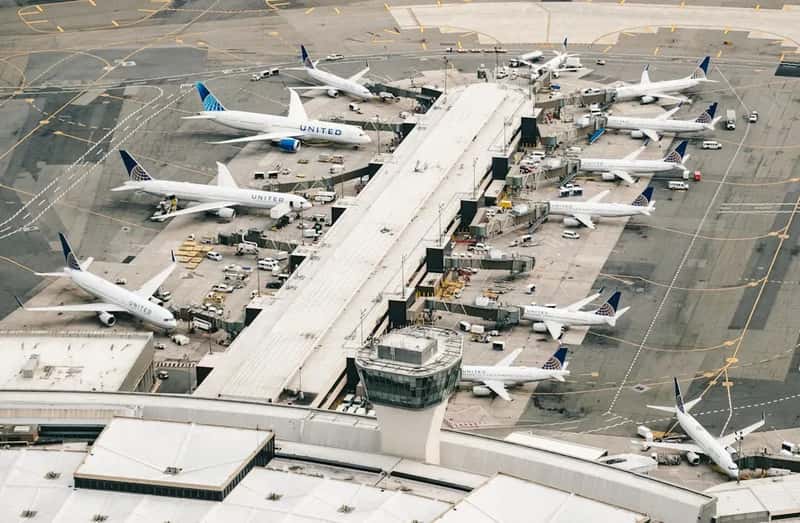
Newark has a shiny new terminal – and almost everything else about getting there or through it is a grind. Newark Liberty ranked last among mega-airports in J.D. Power’s satisfaction study. As J.D. Power’s Michael Taylor noted, road access has put a serious damper on what is otherwise an outstanding new terminal design. If New Jersey traffic makes you late, the terminal’s qualities don’t matter.
Newark had the most overall disruptions among U.S. airports in 2025, with 26 percent of flights delayed and 2.7 percent canceled outright. The FAA has intervened with flight caps, and the AirTrain connecting terminals remains confusing for visitors and returning travelers alike. Flight cuts at Newark have been extended through late 2026 as air traffic controller shortages persist. Older travelers say the arrival experience in particular – a maze of ground transportation options with minimal guidance – is among the worst they encounter anywhere. But the frustration at #15 comes from a completely different direction.
#15 – Philadelphia International Airport (PHL): The Satisfaction Scores Say It All
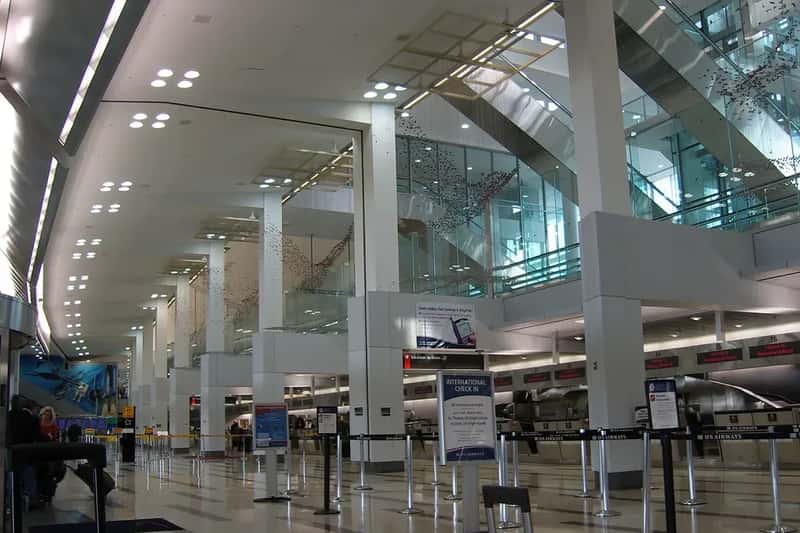
Philadelphia International has one of the worst reputations among frequent flyers in the eastern U.S. – and the data confirms it. PHL was found to be the least satisfying large airport in J.D. Power’s 2024 study, based on over 26,000 passenger surveys covering ease of travel, terminal facilities, staff quality, and arrival experience. Those are exactly the categories that matter most to older travelers.
Passengers consistently flag PHL for cramped gate areas, long security lines, and facilities that feel worn and outdated. The terminals stretch across a long, linear footprint with limited seating between gates – a punishing layout for anyone who needs to rest during a layover. Remote parking options force travelers through shuttle buses that are frequently reported as slow and infrequent. If you think PHL is rough, wait until you see what frequent flyers say about #14.
#14 – John F. Kennedy International Airport (JFK): Six Terminals, Zero Coherence
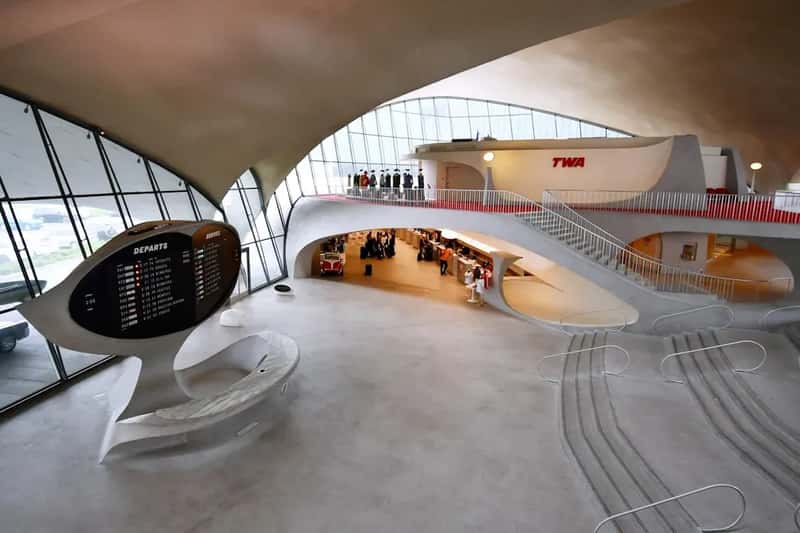
JFK has been in an almost perpetual state of reinvention for decades, and right now it’s mid-transformation – which is, for older travelers, possibly the hardest stage of all. Terminal quality varies wildly: Terminal 4 showcases contemporary renovations, while older sections still reflect their 1960s origins. Inter-terminal transfers regularly require AirTrain rides between buildings, adding 10 to 20 minutes to connection times on a good day.
Terminal 7 is currently being demolished to make way for a second phase of Terminal 8, with a $125 million concessions redevelopment underway. That means construction signage, closed walkways, and rerouted paths – a perfect storm of confusion for travelers who memorized the old layout. JFK’s pick-up and drop-off situation has grown notoriously chaotic, with for-hire vehicles relocated repeatedly as construction reshapes the roadway. The airport at #13 is newer, but its problems are just as real.
At a Glance: What Makes JFK So Disorienting Right Now
- 6 active terminals with wildly uneven quality – some modern, some from the 1960s
- Inter-terminal AirTrain adds 10 to 20 minutes to connections on a good day
- Terminal 7 is being demolished for a new Terminal 8 expansion, creating active construction zones
- Pick-up and drop-off zones have been relocated multiple times during the rebuild
- Older travelers who memorized the old layout report it now feels like a completely different airport
#13 – Dallas/Fort Worth International Airport (DFW): Five Terminals and a Tram That Can’t Keep Up
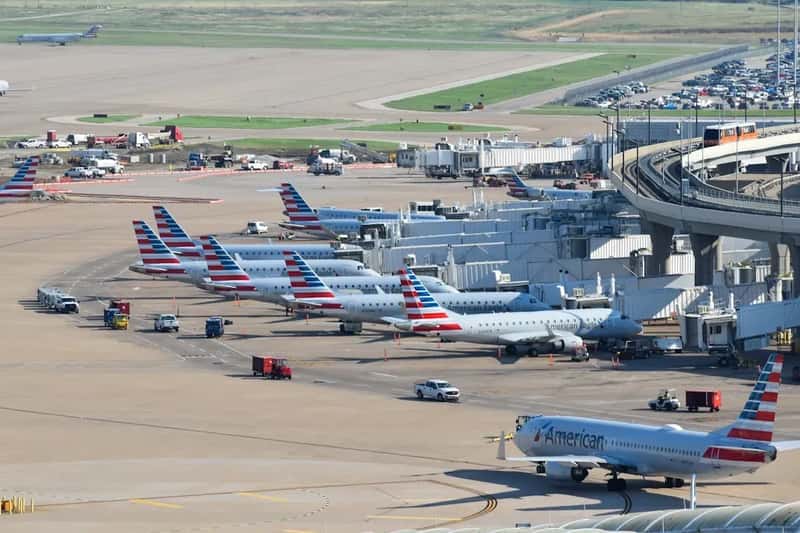
DFW is one of the largest airports in the world by land area, and that scale is precisely the problem. Five terminals are arranged in a semicircle connected by the Skylink tram – which sounds efficient until the tram is packed, delayed, or you realize your connecting gate is at the farthest opposite end of the complex. Cancellation cascades through the American Airlines network at DFW with regularity, creating instability that ripples across the entire system.
For older travelers, DFW’s sheer size is the first obstacle – distances between terminals are long enough to require mechanical assistance for anyone with reduced mobility, and tram stops aren’t always clearly marked from the gate level. Gate changes on American Airlines at DFW are notoriously last-minute and frequent, catching travelers who’ve already committed to one end of the terminal. Airport #12 is slightly smaller, but its reputation among seniors is just as punishing.
#12 – Miami International Airport (MIA): Long Lines in a Hot, Aging Terminal
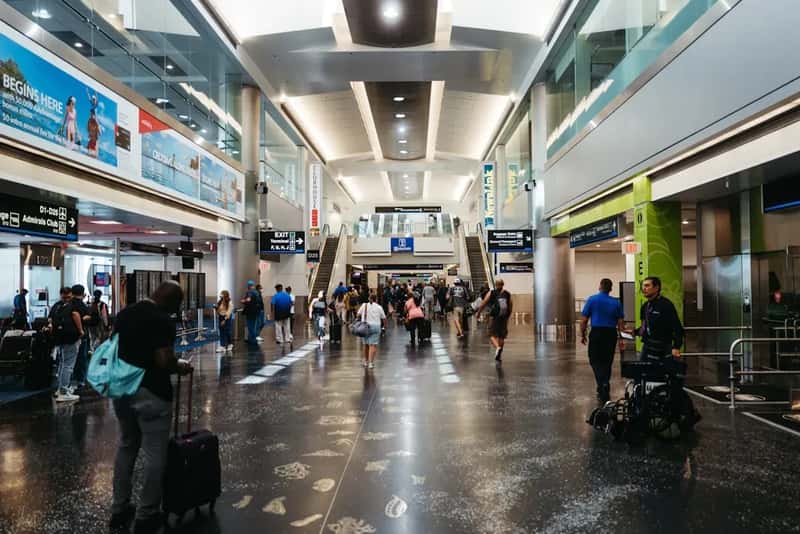
Miami International has been called one of the most stressful airports in the country – and older travelers feel it acutely. MIA is widely flagged for long security lines, and its horseshoe-shaped terminal design means long walks through what can be a poorly air-conditioned environment. The signage, particularly at the satellite terminals, has confused passengers for years with little improvement.
Connections at MIA are a recurring nightmare. International passengers clearing customs face re-screening for domestic connections with minimal time and no dedicated fast-track option for older or mobility-impaired travelers. The lack of adequate seating between gates and the extreme distances between international and domestic concourses make MIA one of the most physically taxing airports in the Sun Belt. The airport at #11 adds a structural twist that catches even seasoned travelers off guard.
#11 – Denver International Airport (DEN): The Train Ride Before Your Terminal Even Starts
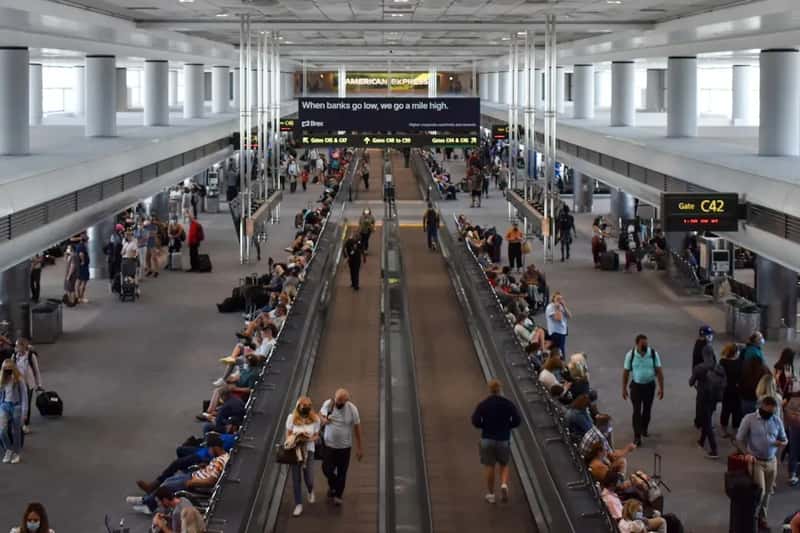
Denver has a genuinely beautiful airport – and a maddening one. Every passenger, regardless of airline or destination, must pass through the main terminal and then take an underground train to one of three concourses. That train ride is unavoidable, and for travelers with carry-ons and joint pain, the sprint from the train platform to a distant gate in Concourse B or C can be a genuine hardship. The airport was designed for throughput, not for travelers who need to move at a measured pace.
Denver is also consistently flagged for weather-related disruptions that compound the navigation problem – because when flights are delayed and gates change, older travelers who’ve already walked a quarter-mile to their gate have to backtrack to a different concourse entirely. A gate can change twice in ten minutes. Denver’s isolated, spread-out concourse design makes those last-minute changes especially punishing for anyone who can’t sprint. Airport #10 takes that kind of crowding pressure to a different level.
Quick Compare: Why Denver Hits Differently for Travelers Over 60
- Mandatory underground train before you even reach a concourse – no bypass option
- Three concourses spread across a large campus, each requiring a separate train leg to reach
- Gate changes during weather delays can send travelers all the way back to a different concourse
- Concourse B and C gates farthest from the train platform offer no moving walkway assist
- Denver’s high altitude subtly affects stamina – a real but often overlooked factor for older travelers
#10 – Charlotte Douglas International Airport (CLT): Packed, Crowded, and Running Out of Space

Charlotte Douglas is the sixth-busiest airport in the world by passenger count – and it is clearly straining under that weight. CLT scored 581 out of 1,000 in passenger satisfaction while handling nearly 59 million travelers in 2024. Those numbers mean the airport’s current setup and facilities are being asked to do far more than they were designed for.
CLT’s single-terminal, single-concourse design funnels everyone through the same bottlenecks – security, food courts, gate areas – which become genuinely gridlocked during peak travel windows. A $1 billion runway expansion project and additional TSA screening lanes are underway, but the construction chaos is very real right now. Older travelers report getting turned around by temporary signage that conflicts directly with the physical layout around them. The airport at #9 has been frustrating seniors for a completely different structural reason.
#9 – San Francisco International Airport (SFO): The International Terminal Disconnect
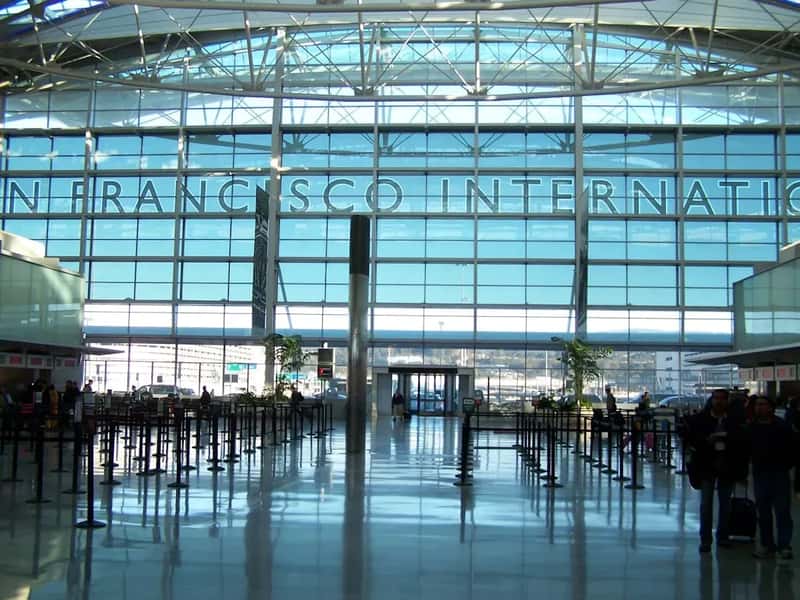
SFO frequently ranks among the better-reviewed airports for business travelers – which makes it all the more surprising how often frequent flyers over 60 cite it as a navigation headache. The domestic and international terminals are physically separated in a way that requires either a long walk or an AirTrain ride, and the loop isn’t intuitive for unfamiliar passengers. Terminal changes between domestic carriers can mean leaving the secure zone and re-clearing security entirely.
SFO’s layout is often described as a figure-eight of connected buildings, and when airlines shift gates between terminals – which happens regularly – older travelers find themselves walking significant distances they hadn’t planned for. PreCheck lanes that once ran under ten minutes can now stretch past thirty at SFO on busy days. The airport’s food and retail areas are concentrated in ways that pull travelers away from their gates, and the rush back is stressful in a way that compounds with fatigue. Airport #8 creates a different kind of exhaustion – scale.
#8 – Hartsfield-Jackson Atlanta International Airport (ATL): The World’s Busiest Airport Is Also One of Its Most Exhausting
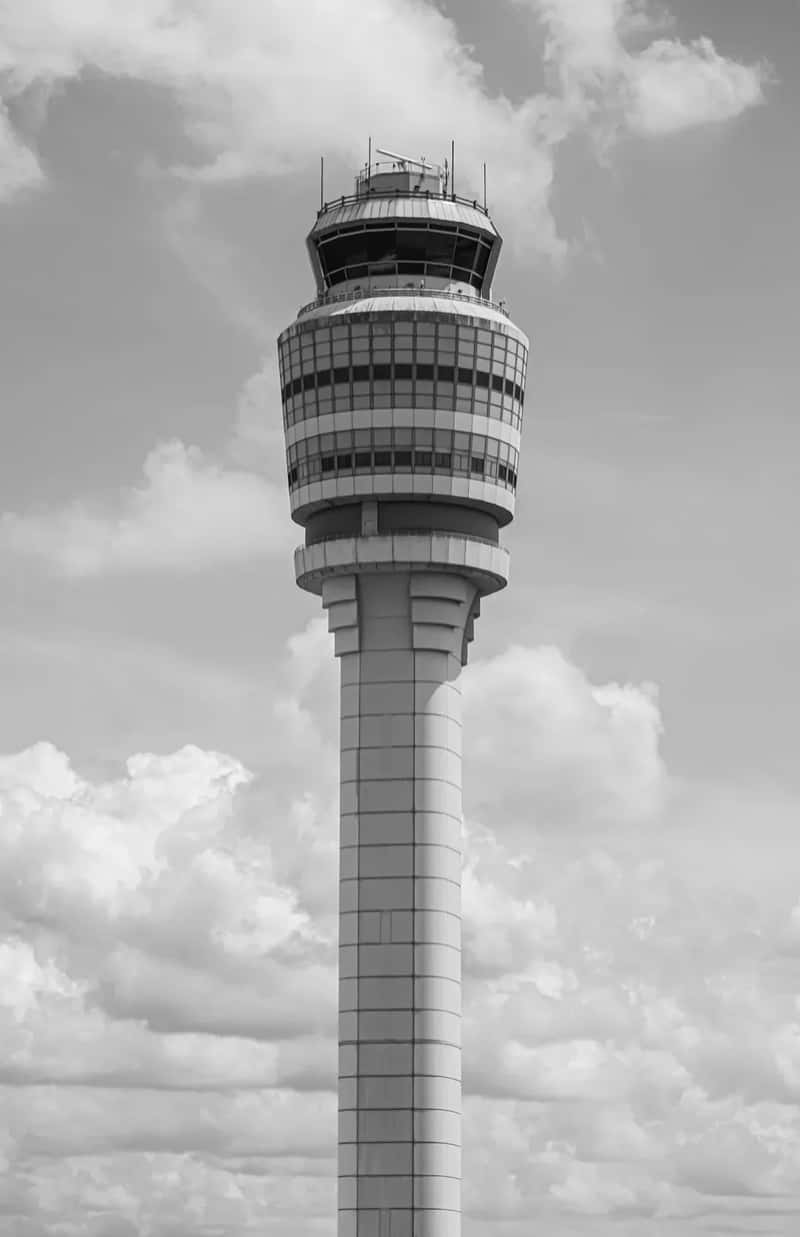
Atlanta’s Hartsfield-Jackson is manageable if you know it cold – but when you’re moving more slowly than average, it is relentless. In 2024, ATL served over 108 million travelers, making it the busiest airport on earth. That volume means the Plane Train is crowded, the concourses are loud, and the pace of the place assumes everyone can keep up with it.
Each concourse is more than a mile in length. The underground Plane Train connects them, but during peak hours it becomes extremely crowded, and it drops passengers at the center of each concourse – meaning the farthest gates, especially in Concourse E, require a long walk with no moving walkways to assist. For older travelers with connection anxiety, the underground train environment – dark, loud, and packed – adds a layer of genuine stress that younger travelers barely register. Airport #7 is smaller, but its navigation failures are sharper and more specific.
#7 – Washington Dulles International Airport (IAD): The Bus Shuttle That Time Forgot
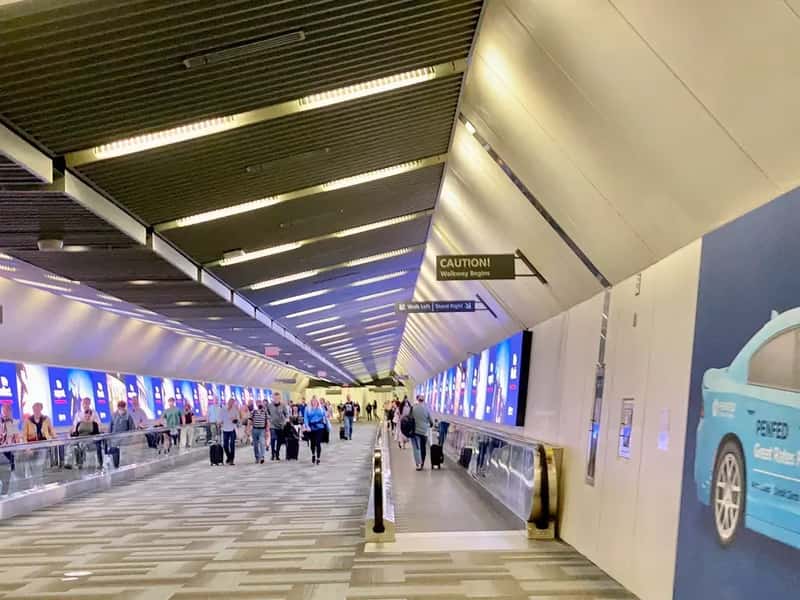
Washington Dulles is a stunning piece of architecture – Eero Saarinen designed the soaring main terminal in the early 1960s, and it still looks like a vision of the future. But getting from that main terminal to the remote concourses still relies heavily on a bus shuttle system that has frustrated passengers for decades. The inter-terminal buses require standing, waiting, and boarding with luggage – a real challenge for older travelers with mobility limitations or heavy bags.
Airports are getting bigger, with ever longer distances to traverse, and that is a particular challenge for older flyers – a group that is growing fast.
Airports Council International
At Dulles, those distances are compounded by pedestrian infrastructure that hasn’t caught up with the airport’s passenger volume. Once you’re inside the satellite concourses, the walking corridors are among the longest of any U.S. airport – up to 1.62 miles from one end to the other. The disconnect between the iconic main terminal and the utilitarian satellite gates is jarring, and for older travelers making connections, the bus-to-gate process regularly eats into connection time in ways that are hard to predict or recover from. Airport #6 adds a digital layer to this frustration that’s become its own kind of obstacle.
#6 – Orlando International Airport (MCO): A Tourist Machine That Ignores Its Older Travelers
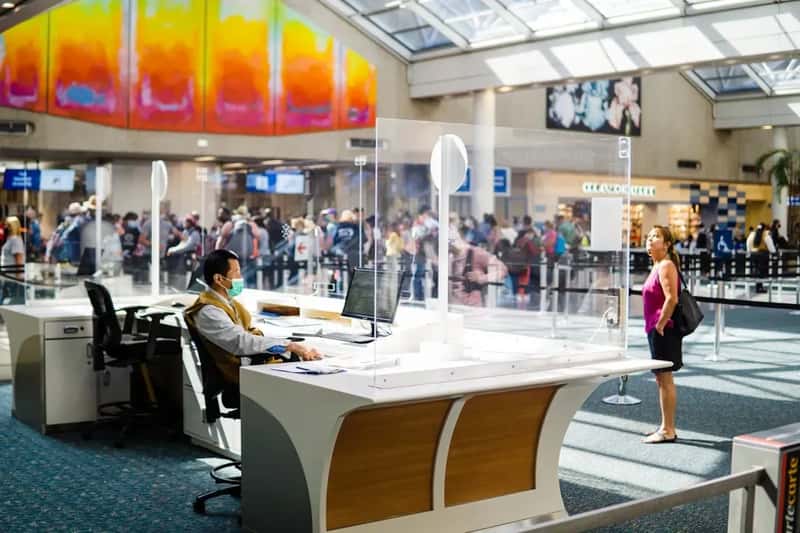
Orlando is built for volume – it processed over 57 million passengers in 2024 – and it is tuned almost entirely for the family vacation crowd. Older frequent flyers report that MCO’s design prioritizes retail and entertainment over clear navigation, and the airport’s newer South Terminal (Terminal C) has added complexity rather than clarity. When gates change across terminals, re-routing through the Automated People Mover adds significant time and distance.
Immigration wait times at MCO have been measured at over 30 minutes during peak holiday periods – among the longest of any tracked U.S. airport. The airport’s heavy reliance on digital kiosks and app-based services for check-in, ground transportation, and baggage information leaves older travelers who prefer staff interaction in a genuinely difficult position. Many older adults prefer face-to-face help at information desks rather than touchscreens, and at Orlando, those touchscreens are rarely intuitive enough to substitute. Airport #5 takes that kind of institutional indifference to a much larger scale.
Worth Knowing: Why MCO Frustrates Older Frequent Flyers
- MCO spans roughly 23 square miles – one of the physically largest airport campuses in the U.S.
- The Automated People Mover is the only way between terminals – boarding the wrong one can trigger a full security re-screen
- Digital kiosks handle check-in, baggage info, and ground transport with minimal staff backup
- Peak holiday immigration waits have hit 30+ minutes, among the worst tracked nationally
- The new Terminal C added a third navigation layer that even frequent visitors find confusing
#5 – Houston George Bush Intercontinental Airport (IAH): Five Terminals, One Massive Headache
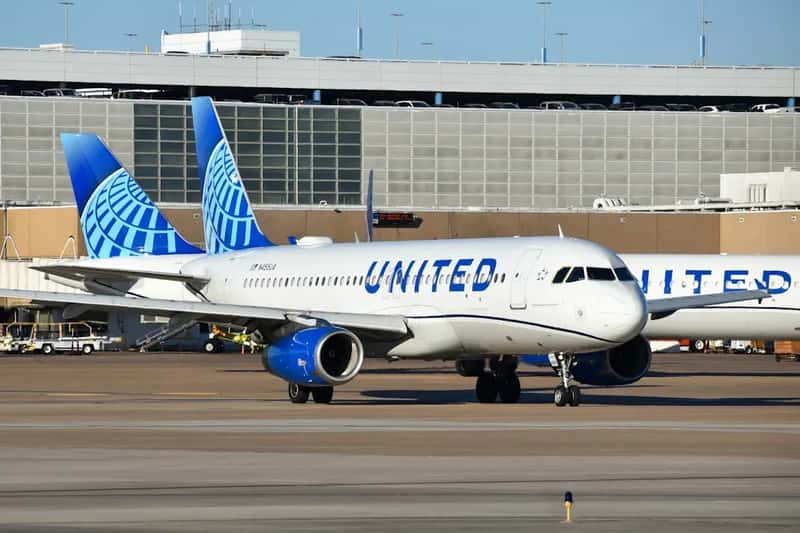
George Bush Intercontinental has five terminals connected by a bus system – and those buses don’t run on a schedule that’s forgiving for tight connections. Older travelers have long flagged IAH as a particularly disorienting airport because the terminals feel visually similar but operate very differently depending on which airline you’re flying. Signage between terminals has historically been inconsistent and hard to follow under pressure.
IAH is a major United Airlines hub, handling a heavy volume of international connections – and international passengers must clear customs and re-clear security for domestic connections, a process that routinely takes over an hour. Airlines close boarding doors up to 20 minutes before departure, even when passengers are still inside the terminal. At a five-terminal airport where the inter-terminal bus averages 15 to 25 minutes, those early closures effectively punish slower-moving travelers. The airport at #4 makes IAH’s layout look manageable by comparison.
#4 – New York LaGuardia Airport (LGA): Newly Rebuilt, Still Stressful to Get To
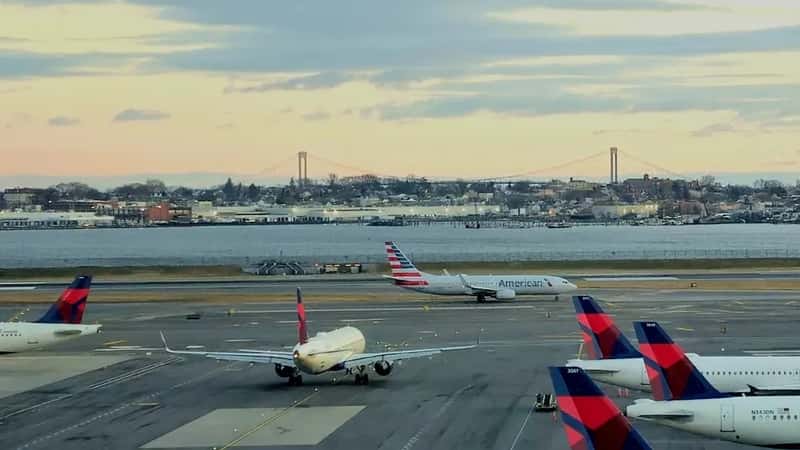
LaGuardia’s $8 billion reconstruction transformed it from the nation’s most-mocked airport into a genuinely attractive facility – and the press releases were everywhere when it opened. But here’s what those press releases left out: getting to and from LaGuardia is still one of the most stressful ground transportation experiences in the country, particularly for older travelers arriving with luggage.
There is no direct rail link to LGA. Taxis, rideshares, and buses compete for limited curb space in a layout that confuses even seasoned New Yorkers. Gate changes, delayed baggage handling, and long security lines compounded the stress as operations struggled to keep pace with demand after the redesign. For an older traveler arriving late at night at LGA with heavy bags and no ride confirmed, the ground transportation situation is genuinely daunting in a way the beautiful new terminal can’t fix. Airport #3 combines access headaches with a completely different set of internal navigation failures.
#3 – Boston Logan International Airport (BOS): The Terminal Letter Lottery
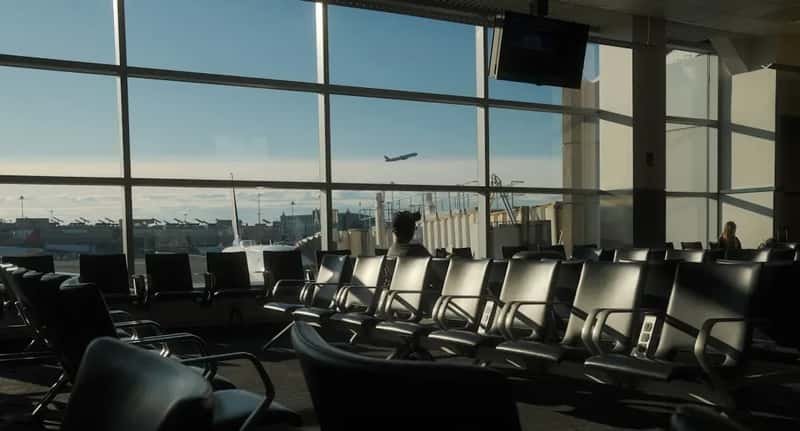
Boston Logan is compact by mega-airport standards – but that compactness is deeply deceptive. Its terminals – A, B, C, and E – are not internally connected after security. Changing terminals means exiting, going outside through whatever New England weather has decided to deliver that day, and re-entering. For an older traveler connecting between airlines or managing an itinerary on different carriers, this is an unwelcome and often costly surprise.
Logan’s international Terminal E sits at the far end of the airport and requires either a shuttle bus or a long outdoor walk to reach from other terminals. Age-related changes – including reduced stamina, vision and hearing decline, and heightened anxiety in unfamiliar or fast-moving environments – all hit harder when the building itself forces you outside mid-connection. A terminal layout that imposes cold-weather outdoor walks between gates isn’t just inconvenient; it’s an accessibility failure hiding inside a compact footprint. The two airports at #2 and #1 represent the most consistent, most emotionally charged complaints from frequent flyers over 60.
#2 – Minneapolis-Saint Paul International Airport (MSP): Praised by Data, Frustrating in Practice
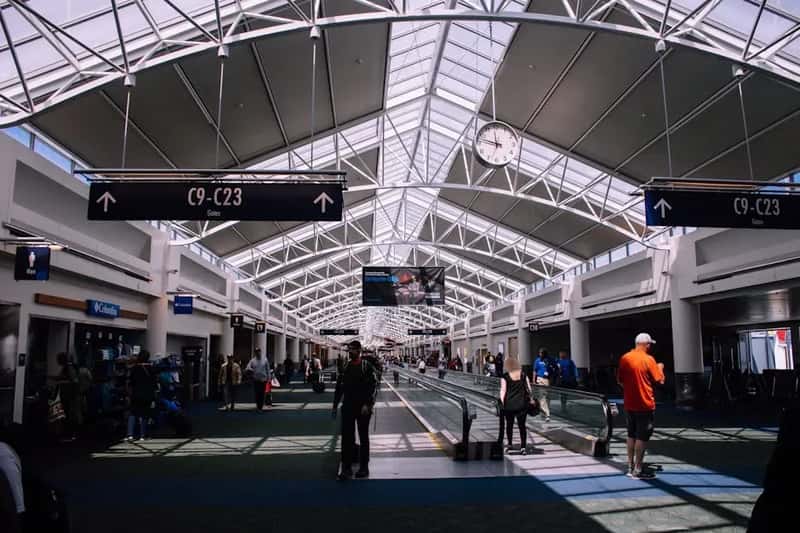
This one is counterintuitive – and that’s precisely why it belongs near the top. Minneapolis-Saint Paul ranked as the most satisfying mega-airport in J.D. Power’s 2024 study with a score of 671, which makes it easy to dismiss older traveler complaints about it. But MSP is currently undergoing a $242 million modernization project, which means the airport that scores well on paper is delivering a construction-zone experience in practice – rerouted walkways, temporary signage, and sharply reduced seating.
MSP’s two terminals – Lindbergh and Humphrey – are connected by a tram, and older travelers have missed flights by assuming it runs frequently enough to absorb tight connections between them. In winter, when delays cascade across the Midwest, MSP’s gate areas become overcrowded with limited seating and narrowed corridors. Critically, travelers aged 55 and older have seen a significantly steeper drop in airport satisfaction since 2019 than younger passengers – a gap of 8 points for older adults versus just 3 points among 18-to-34-year-olds. MSP earns good marks from the average traveler, but older frequent flyers say the gap between its reputation and its reality has never been wider. None of that prepares you for what makes airport #1 the most-cited frustration of all.
Why It Stands Out: The MSP Paradox
- Ranked #1 among mega-airports in J.D. Power’s 2024 satisfaction study (score: 671)
- Yet a $242 million modernization has turned it into an active construction zone for travelers right now
- Two terminals connected by a tram that can swallow tight connection windows if you underestimate wait times
- Travelers 55+ have seen an 8-point satisfaction drop since 2019 – more than double the drop among younger passengers
- Winter delay cascades turn already-reduced gate seating into a genuine overcrowding problem
#1 – Washington Reagan National Airport (DCA): The Airport That Outgrew Itself and Never Recovered
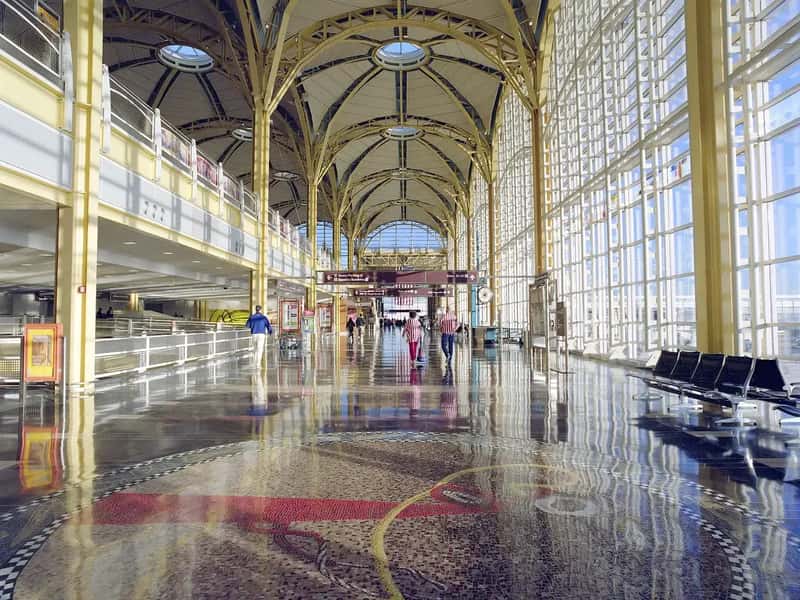
Reagan National is the airport that comes up first, most often, and with the most emotion when frequent flyers over 60 are asked where they’ve had their worst navigation experiences. By virtually every structural measure, it is an airport that has been asked to do far more than it was ever built to handle. The original mid-century terminal sits alongside newer concourses connected by corridors that require long walks, elevator-dependent level changes, and a degree of spatial orientation that regularly defeats first-time visitors and frustrates returning ones. Gate areas are cramped, seating is scarce, and the corridors between Terminals B and C involve some of the longest unsupported walking distances of any major U.S. regional airport.
DCA is the airport where multiple systemic failures arrive simultaneously: limited wheelchair assistance availability at peak times, confusing multi-level terminal transitions, and a ground transportation area that becomes genuinely hazardous to navigate in low light or bad weather. Every adjustment the modern airport system has made – faster boarding, digital check-in, app-based gate notifications – assumes speed, digital fluency, and constant attention. Younger travelers adapt quickly. Older travelers often do not – not because they can’t, but because the system no longer accommodates slower navigation. At Reagan National, that failure is baked directly into the architecture itself, and until a serious structural overhaul happens, it will remain the airport frequent flyers over 60 dread most.
The thread running through all 19 of these airports isn’t age, infirmity, or inexperience. It’s the collision between aging or overwhelmed infrastructure and a travel system that has rapidly shifted toward speed, digital self-service, and unforgiving timelines. An AARP survey found that 17 percent of travelers aged 50-plus already require accommodations for a disability or health condition, and of those, 75 percent specifically need mobility assistance – exactly the kind of help these airports are least prepared to provide. Air travel used to guide passengers through the process. Now it tests them. Frequent flyers over 60 aren’t asking for special treatment. They’re asking for airports that work – clearly marked, physically accessible, and staffed well enough to catch the moments when the system fails an individual traveler. Until that changes, these 19 airports will keep showing up in the complaints.