Most first-time cruisers pack for a repositioning sailing exactly the way they’d pack for a week in the Caribbean, and it almost always backfires. A ship crossing an ocean isn’t a floating resort with a quick pharmacy run down the block – it’s a sealed bubble for a week and a half or more, and there’s no corner store waiting on day six.
Veteran cruisers who’ve done a dozen of these crossings quietly make a completely different set of choices before they ever step onboard, and none of it has to do with sunscreen or swimsuits. Here’s what experienced repositioning cruisers actually decide to do differently, starting with the smallest habits and building to the one decision that changes everything about how the trip feels.
#20 – They Skip the Surge Protector Everyone Else Brings
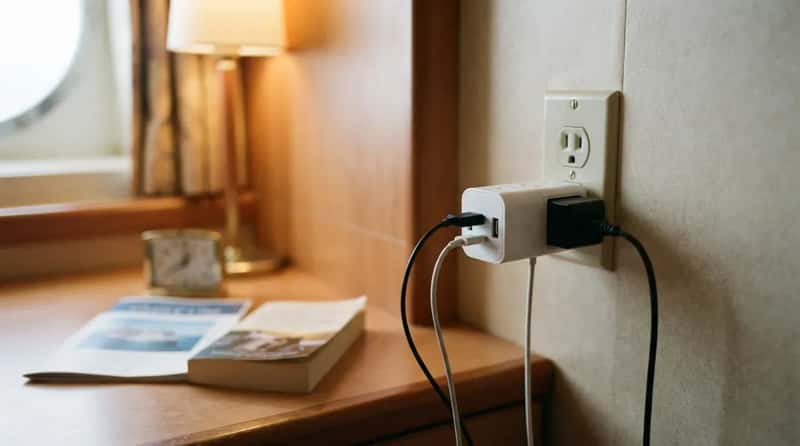
Seasoned cruisers know that the power strip they’ve used on every hotel trip for a decade gets confiscated at security if it has surge protection built in. Cruise lines treat surge protectors as a fire risk, and staff pull them at the gangway without much sympathy.
The fix is buying a non-surge, simple multi-outlet splitter weeks before departure, not discovering the rule at check-in. Repositioning sailings often run 10 to 25-plus nights on older ships with limited outlets per cabin, so this small swap matters more than it would on a quick weekend cruise.
#19 – They Load Entertainment Before Boarding, Not After
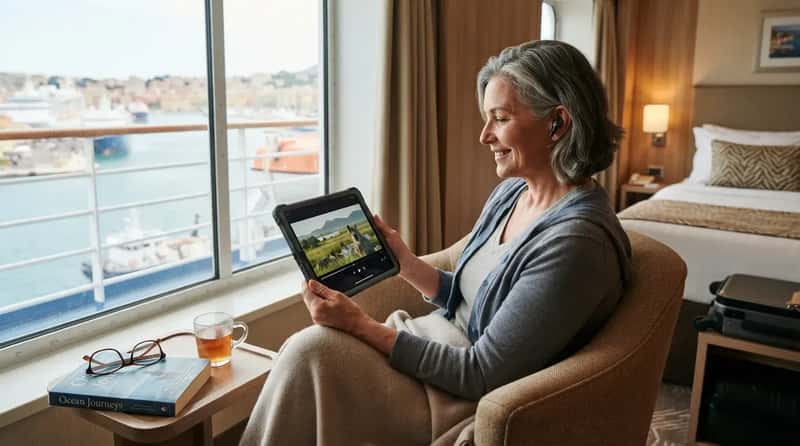
Experienced sailors download shows, audiobooks, and podcasts onto a tablet before the ship ever leaves the dock. They treat shipboard WiFi as a bonus, not a plan, especially on longer crossings.
This habit exists because ship WiFi on older vessels can crawl to a near standstill once hundreds of passengers are online at once, day after day, with no port stop to give the system a break. Cruisers who’ve learned this the hard way never gamble on connectivity twice – downloaded content becomes the real plan, not the backup.
#18 – They Stock Up On Toiletries Before The Gangway, Not At The First Port
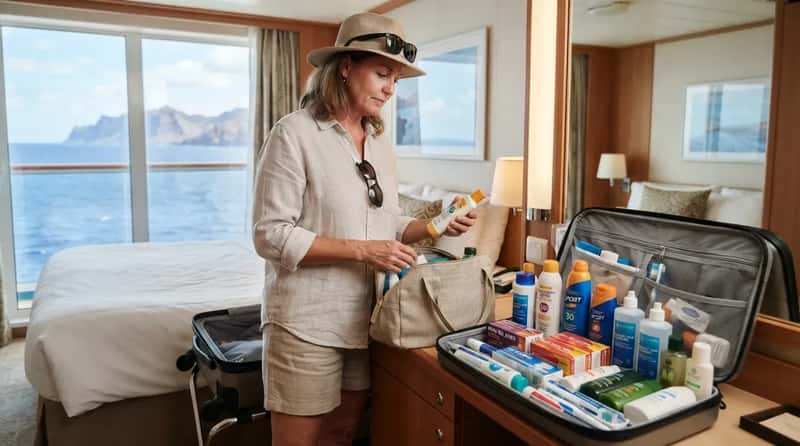
Seasoned cruisers buy a full supply of sunscreen, contact solution, and pain relievers before boarding because they know restocking mid-voyage isn’t guaranteed. Repositioning itineraries simply don’t offer the safety net that island-hopping cruises do.
That’s because these routes trade frequency for distance – they often visit fewer ports overall than a standard Caribbean or Mediterranean run, but the stops that do happen tend to be farther apart and more unusual. Running out of something small becomes a much bigger deal when the next chance to buy it is four or five days away.
Fast Facts
- Repositioning sailings often run 10 to 25-plus nights, compared with just 3 to 10 nights on a typical Caribbean cruise.
- These routes usually stop at fewer ports overall, but each stop tends to be farther apart than on a standard itinerary.
- Popular repositioning routes include Europe to the Caribbean, Alaska to the West Coast, and Asia to Australia.
#17 – They Choose A Suite For The Laundry, Not The View

Frequent repositioning cruisers will pay up for a bigger suite category for one very unglamorous reason: included laundry. It’s a decision that has nothing to do with square footage and everything to do with practicality.
One veteran cruiser explained it simply: “With laundry and dry cleaning included in the top suites, we could have packed much lighter.” On a three-week crossing, that perk quietly saves an entire suitcase.
#16 – They Pack Liquid Detergent Instead Of Extra Outfits
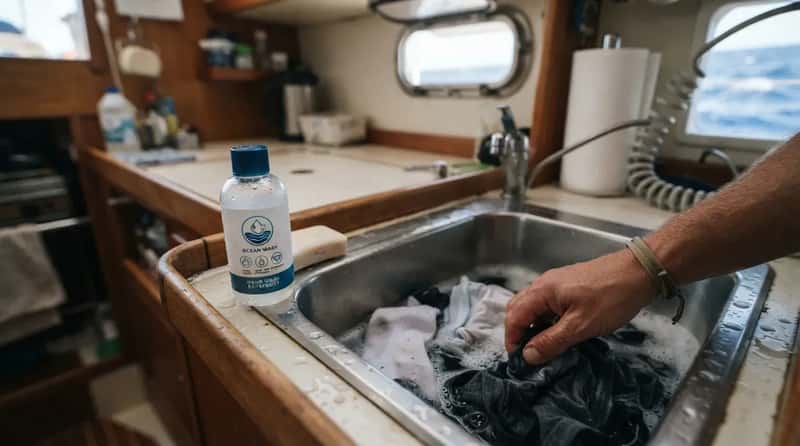
Rather than overpacking clothes for a 20-day sailing, experienced cruisers bring a small bottle of detergent and plan to hand-wash essentials in the cabin sink. It’s a lighter-luggage strategy that only makes sense once you’ve done a long crossing.
Packing guides for these exact itineraries specifically recommend liquid laundry detergent to wash small items in the cabin. It’s a two-dollar item that solves a two-week problem.
#15 – They Buy Motion Sickness Remedies Before They Feel Queasy
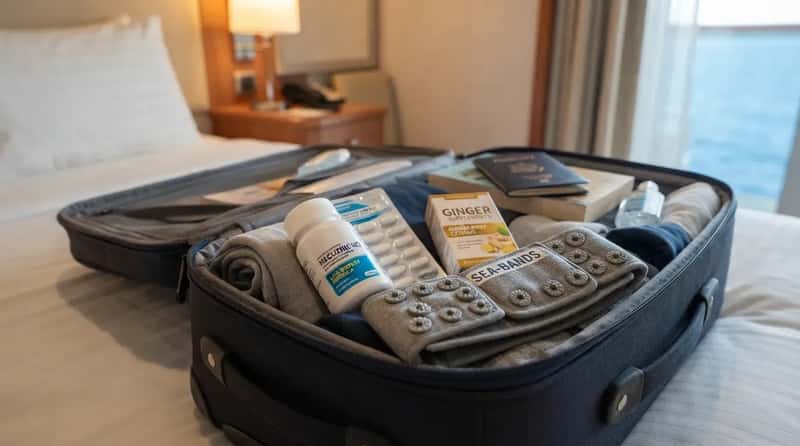
Seasoned repositioning cruisers never wait for the first wave of nausea to hit the ship’s tiny gift shop. They arrive with a stocked supply already in their carry-on.
Cruise lines themselves warn that if you think you may be prone to seasickness, you should pack anti-nausea medication in advance, and many travelers also find ginger supplements and pressure-point bands helpful. Fall Atlantic crossings, in particular, are known for rougher swells than a typical Caribbean run.
#14 – They Stop Trusting Their Phone For The Time
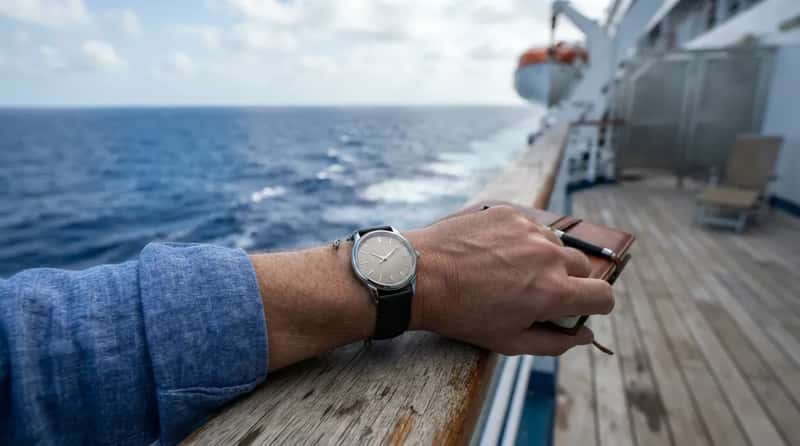
On long crossings, phones quietly lose track of what time it actually is, and seasoned cruisers know it. They keep a simple watch or the room clock as the real source of truth.
One first-time repositioning cruiser was caught off guard when “the ship shaved an hour off of the clock about every other night so that we arrived at our destination in the right time zone.” Missing a dinner reservation because of a silent time change is a rookie mistake veterans avoid entirely.
#13 – They Pack For Two Climates, Not One
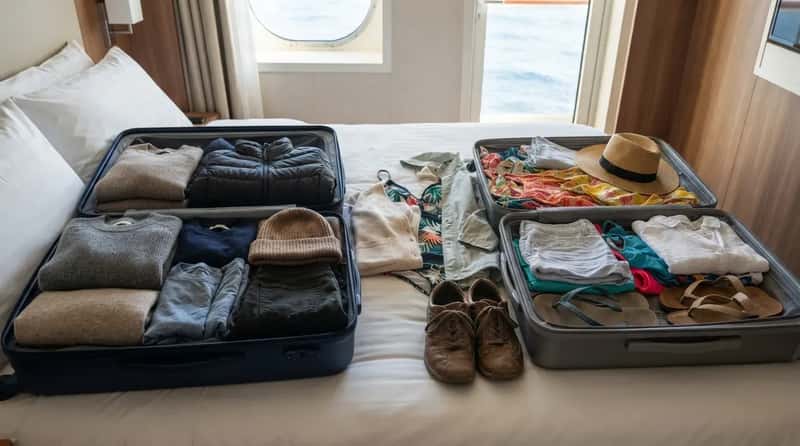
Instead of one cohesive wardrobe, experienced cruisers plan for a trip that starts in one climate and ends in a completely different one. It’s a mindset shift most new cruisers never make until it’s too late.
Packing advice for these routes is blunt about it: “Consider that you’ll start in one climate and arrive in another… your cruise may begin in cool, brisk fall weather in the Mediterranean and end in hot, humid conditions in the Caribbean.” Layers that mix and match beat any single outfit built for one destination.
Quick Compare
- Mediterranean route: cool, brisk fall weather at departure vs. hot, humid conditions by the Caribbean arrival.
- Alaska route: chilly, layered departure mornings vs. milder coastal air by the West Coast leg.
- Smart packers plan for both extremes instead of betting on just one.
#12 – They Book Two One-Way Flights Instead Of One Round-Trip

Long before the sailing, veteran cruisers accept that their air travel won’t look like a normal vacation. They book two separate one-way tickets to two different cities, months apart.
That’s simply the structure of the trip: unlike most cruises, you’re not flying round trip to the same destination, but rather booking one-way tickets to and from different ports. Waiting until the last minute on this decision usually means paying dramatically more for airfare than the cruise fare itself.
#11 – They Fill Every Prescription To The Last Day, Not The First

Seasoned cruisers count out medication for the full length of the voyage, plus buffer days, before they ever leave home. It’s not a habit most people build until they’ve been stuck without options mid-ocean.
With sailings running 10 to 25-plus nights, compared to 3 to 10 nights for a traditional cruise, a standard 30-day prescription refill schedule doesn’t always line up cleanly with departure and return dates. Running short on a medication somewhere in the middle of the Atlantic isn’t a problem you can fix by day twelve.
#10 – They Pack At Least One Formal Outfit, Even If They Hate It

Minimalist packers who skip formalwear on a repositioning sailing almost always regret it once the first elegant night arrives. Seasoned cruisers pack one outfit specifically for this, even if it never leaves the suitcase on other trips.
One couple learned this the hard way, admitting “formal nights are really not our thing, and with our minimalist packing, dinner jackets and ball gowns were out of the question.” On longer crossings, formal nights tend to show up more than once, not just on the classic “first Tuesday” of a short cruise.
#9 – They Book Specialty Dining Before The Ship Leaves The Dock
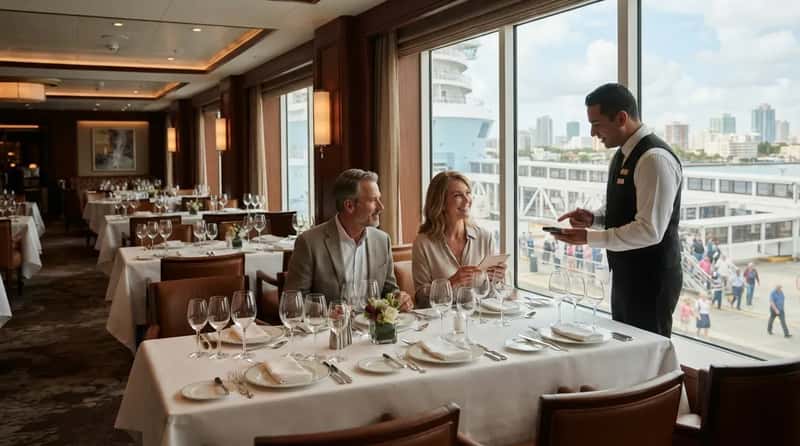
Experienced repositioning cruisers reserve specialty restaurants online in the weeks before sailing rather than waiting to book once onboard. With so many sea days stacked back to back, prime dinner slots fill up fast once everyone realizes there’s nowhere else to go.
This is a small decision with an outsized payoff: it turns one of many identical sea days into something worth looking forward to. Waiting until day three to try is often the difference between a table and a two-hour wait.
#8 – They Actually Do The Math On The Drink Package
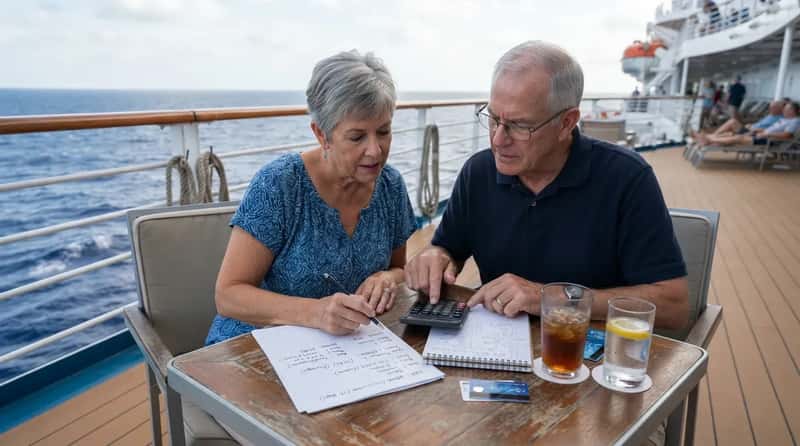
Instead of automatically adding the unlimited beverage package, seasoned cruisers calculate their real daily habits against the per-day cost before deciding. On a 16-day crossing, that upfront math can mean hundreds of dollars either saved or wasted.
Long sailings change the math because there’s simply more time to use – or not use – everything included. Cruisers who’ve done several of these trips know the package only makes sense if the drinking pattern matches a short cruise’s pace, not a slower three-week rhythm.
#7 – They Break Big Bills Into Small Ones Before Boarding

Veteran cruisers hit the bank before departure specifically to get a stack of small denominations. Casino tips, extra gratuities, and small onboard purchases all move faster with ones and fives on hand.
It sounds minor until you’re on day nine of a crossing with no ATM anywhere nearby and only large bills in your wallet. This is one of those decisions nobody thinks about until the first time they’re caught without change.
#6 – They Smuggle A Few Snacks From Home In Their Carry-On
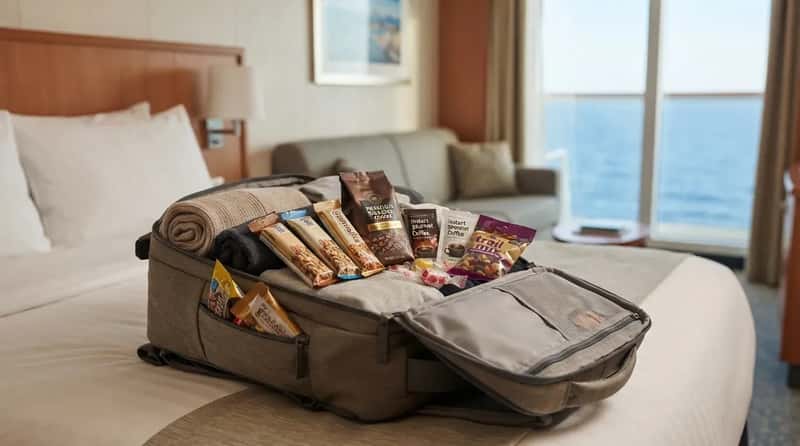
Even with full dining rooms and buffets onboard, seasoned cruisers still tuck a few familiar snacks into their carry-on bag. Two weeks of unlimited but repetitive menus can wear on anyone by the second week.
It’s less about hunger and more about comfort – a favorite granola bar or coffee packet from home breaks the monotony of a long stretch of identical sea days. It’s a tiny decision that seasoned cruisers say makes a surprisingly big difference by day ten.
#5 – They Use A Travel Agent Specifically For This Type Of Sailing

Rather than booking directly, experienced repositioning cruisers lean on a travel agent who specializes in these longer, one-way itineraries. It costs nothing extra and often unlocks perks that aren’t available booking solo.
One repeat cruiser put it plainly: “Our experience convinced us we’d do it again, and a travel agent is a must! They work with cruise lines to find you the best deals and perks – at no extra cost to you.” On a sailing this long, extras like cabin upgrades and onboard credit add up fast.
#4 – They Buy Trip Insurance Built For One-Way Itineraries

Seasoned cruisers don’t reach for the generic round-trip travel insurance policy. They specifically look for coverage that understands two separate flights, two separate cities, and no easy rebooking if something goes wrong.
Because the trip is built around one-way tickets to and from different ports rather than a simple there-and-back trip, a missed connection or delayed flight has bigger consequences than on a normal vacation. Standard insurance products often don’t account for that complexity, and experienced cruisers know to read the fine print before assuming they’re covered.
Worth Knowing
- Repositioning trips rely on two separate one-way flights to two different cities, not a round-trip.
- A missed connection can strand travelers far from either the ship’s start or end point.
- Standard round-trip travel insurance doesn’t always cover one-way itinerary complications.
#3 – They Print Physical Copies Of Every Document
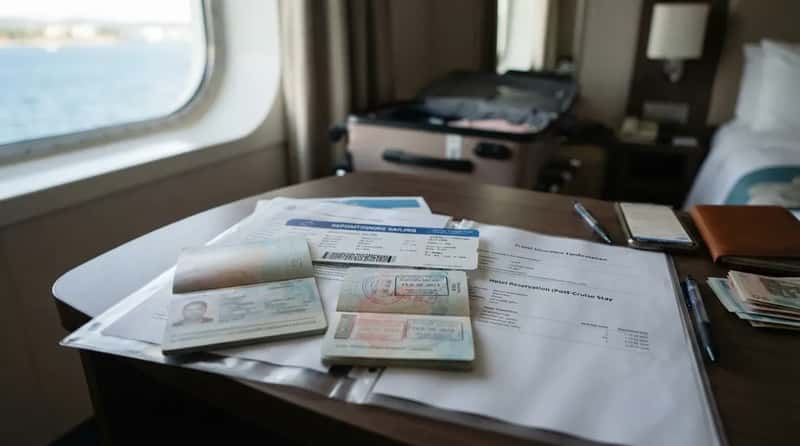
Before boarding, veteran repositioning cruisers photograph and print passports, visas, and boarding documents rather than relying only on their phone. A dead battery mid-crossing shouldn’t mean a document emergency at customs.
These sailings routinely move passengers between entire regions – Europe to the Caribbean, Alaska to the West Coast, Asia to Australia – which means crossing multiple countries’ waters and, often, multiple customs checkpoints along the way. A paper backup is a five-minute decision that solves a problem nobody wants to solve in an immigration line.
#2 – They Check For Starlink Before They Check The Itinerary
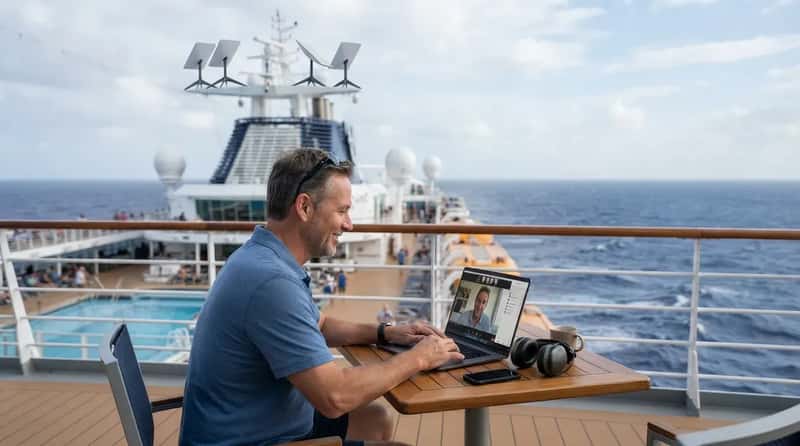
Before comparing ports or price, experienced repositioning cruisers now check one thing first: whether the ship has Starlink-grade internet. It’s become the single biggest quality-of-life decision on a long crossing.
The real catch on these voyages is to only book on Starlink-equipped ships – Royal Caribbean, Norwegian, Celebrity – because nine straight sea days on legacy satellite WiFi is a professional disaster.
Repositioning cruiser, 2026
#1 – They Book The Biggest Cabin They Can Actually Afford
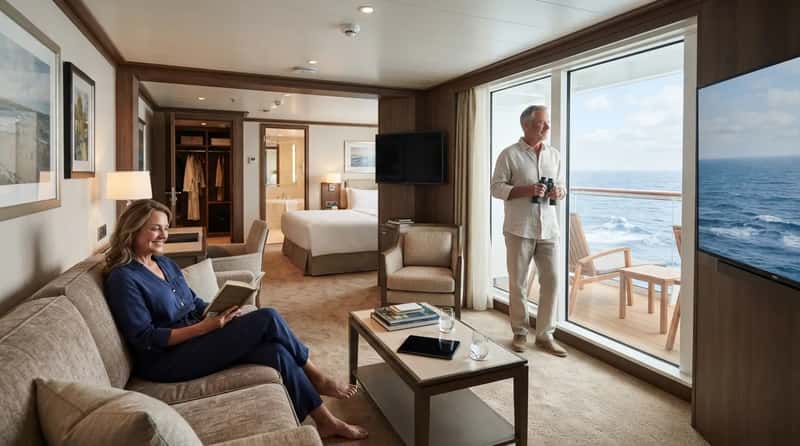
Every seasoned repositioning cruiser eventually learns the same lesson: on a sailing with this many consecutive sea days, the cabin isn’t just where you sleep – it’s where you live. Skimping on space becomes a daily regret by the second week, not the first.
While a typical cruise might offer only one or two sea days, transatlantic and repositioning itineraries usually stack several in a row, and there’s simply nowhere else to retreat to when the ship feels crowded or the weather turns. Cruisers who’ve done multiple crossings say this single decision affects their mood more than any port, meal, or excursion combined.
Why It Stands Out
- Repositioning itineraries can stack several consecutive sea days in a row, unlike the one or two on a typical cruise.
- There’s no port to escape to when the ship feels crowded or the weather turns rough.
- A larger cabin becomes a living space, not just a place to sleep, over a multi-week crossing.
None of these twenty decisions cost much money or take more than a few extra minutes to make. But strung together, they’re the difference between a repositioning cruise that feels like a slow, restless holding pattern and one that feels like the best-kept secret in travel. The people who’ve done a dozen of these crossings didn’t learn this from a brochure – they learned it the hard way, one missed prescription or dead phone battery at a time.
What’s the one repositioning cruise lesson you had to learn the hard way? Drop it below – the next person scrolling this list might need it.