Planning a trip abroad in 2026 is more exciting than ever. The world has reopened its doors wide, and millions of travelers are eager to explore it. But with that excitement comes a very real question that every smart traveler should ask before booking a flight: how safe is the place I’m heading to?
The global safety landscape has shifted dramatically in recent years. Some destinations that once seemed risky have quietly cleaned up their act. Others that looked perfectly fine on a brochure have slipped into instability. The data tells a story that no travel influencer’s Instagram feed will. Let’s dive into what the latest research actually says.
The Big Picture: A World Growing Less Safe

Honestly, the headline numbers are sobering. The 2025 Global Peace Index found that the world became less peaceful for the 13th time in the last 17 years, with the average level of country peacefulness deteriorating by 0.36 percent over the prior year – marking the sixth consecutive year that global peacefulness has declined. That’s not a blip. That’s a trend.
There are now 59 active state-based conflicts worldwide, the highest number since World War II, and 78 countries are involved in fighting beyond their own territory. Let that sink in for a moment. Meanwhile, the global economic impact of violence reached $19.97 trillion in 2024, equivalent to 11.6 percent of global GDP, with military expenditure alone accounting for $2.7 trillion.
The 2025 Global Peace Index shows an overall decline of 0.36 percent, marking the sixth straight year of worsening global peacefulness. While 74 countries saw some improvement, a larger group of 87 countries became less peaceful – reinforcing the idea that conflict escalates faster than peace can be rebuilt. Still, there are plenty of extraordinary places where travelers can feel genuinely secure.
Iceland: The Undisputed World Champion of Safety
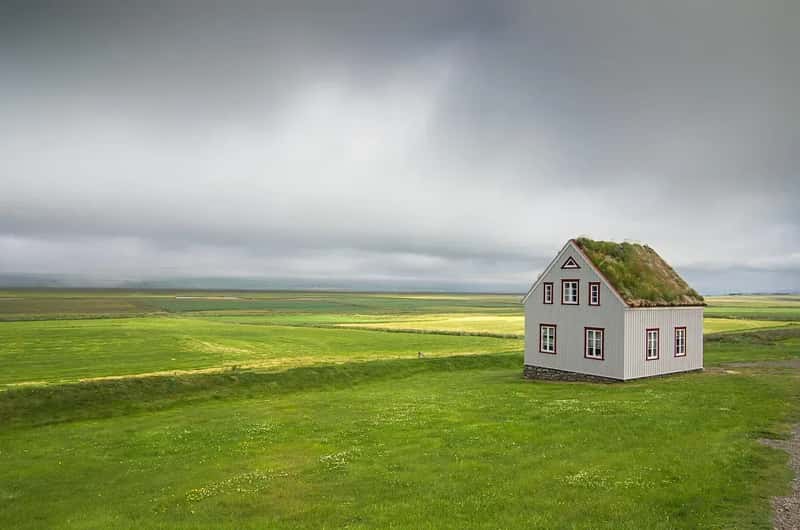
Iceland remains the most peaceful country in the world according to the Global Peace Index 2025, for the 17th consecutive year. That is a remarkable, almost unbelievable streak. Think of it like winning a championship title nearly two decades running. No one else is even close.
Iceland has extremely low rates of violent crime compared to most countries in the world, including one of the lowest murder rates in Europe, with just six reported homicides in 2025. Six. For an entire country. Thanks to a well-functioning democratic system, Iceland has a history of peaceful transitions of power, and the Nordic nation recently topped BBC Travel’s Safest Countries list as well.
In 2026, Iceland is projected to welcome a record 2.32 million international visitors, marking a three percent increase over the previous year, with air traffic at Keflavík International Airport expected to exceed 8.4 million passengers. The one caveat worth knowing: volcanic eruptions in Iceland can affect the one main road that rings the country, which has the potential to leave travelers stranded. Nature keeps things interesting.
Ireland and New Zealand: The Silver and Bronze Medalists
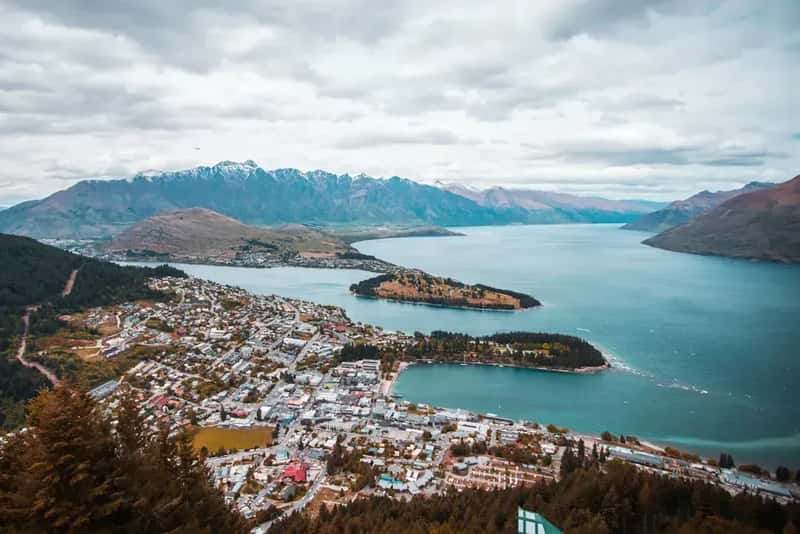
Just behind Iceland sits Ireland, ranked second in the Global Peace Index 2025 for its stability, low conflict levels, and societal safety – which for travelers equates to a country where everyday life feels calm, welcoming, and well-ordered. Locals are famously friendly, public spaces feel open and secure, and crime rates, including violent crime, are among the lowest in Europe.
New Zealand ranked third in the Global Peace Index 2025, having climbed two places since the previous year, reflecting continued political stability, low corruption, and a strong sense of social trust. Crime rates are impressively low, with serious violent crime a rarity. The Corruption Perceptions Index places New Zealand among the cleanest governments in the world, scoring 83 out of 100 and ranking fourth globally in 2024.
Unlike its neighbor Australia, which is known for its dangerous wildlife, New Zealand has no deadly animals. It’s a rare combination of breathtaking scenery and genuine personal safety. New Zealand, the most peaceful country in the Asia-Pacific region, recorded an improvement in peacefulness over the past year of 3.1 percent.
Austria, Switzerland, and Singapore: The Quietly Safe Overachievers

Austria ranks fourth in the Global Peace Index 2025 in terms of peacefulness, and Vienna, the second most livable city according to the Economist Intelligence Unit, boasts a crime rate significantly lower than other European metropolises. It’s the kind of city where you can stroll through imperial palaces and historic cafés without a second thought about personal security.
Switzerland ranks eighth in the BHTP 2026 ranking for tourist safety and fourth on the Global Peace Index 2025 for peacefulness. Its legendary political stability, excellent healthcare infrastructure, and low crime rate make it an ideal destination for all types of travelers. Singapore also places two countries in the global top ten for Asia, alongside Japan, ranked sixth overall.
Here’s the thing about these three countries. They aren’t flashy about their safety records. They just consistently deliver. Common attributes of the world’s safest countries include high levels of wealth, social welfare, education, effective criminal justice systems, and positive government-citizen relationships. Austria, Switzerland, and Singapore tick every single one of those boxes.
Portugal and Denmark: Europe’s Rising Stars of Safety
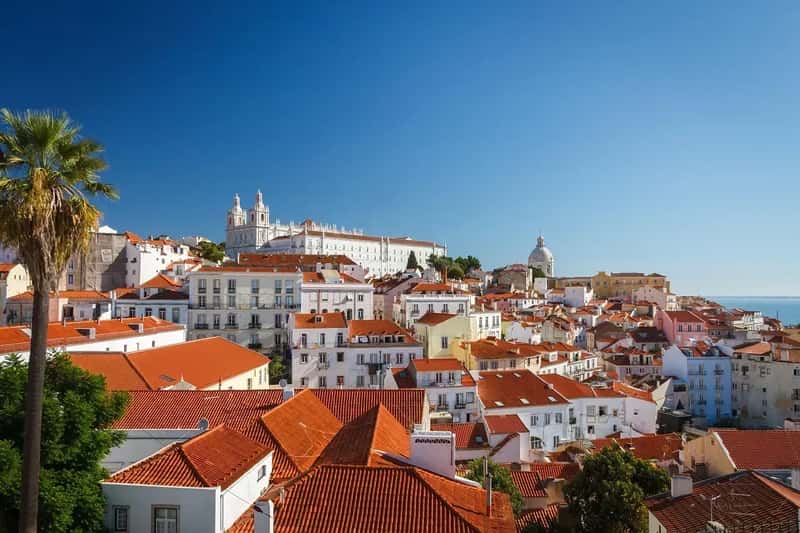
Portugal marches to the beat of its own drum when it comes to peace and safety. Over the past few years, this nation of about 10 million people has emerged as one of the biggest climbers of the Global Peace Index, moving from the 18th spot it held in 2014 into the top 10. Ranking above the industrialized nations’ average in terms of housing, work-life balance, personal security, and environmental quality, Portugal is also considered one of the top expat destinations due to its overall quality of life.
Danish citizens feel relatively safe thanks to low crime rates, stable political relations with their neighbors, and a general trust in institutions such as the police and legal systems. Safe public spaces, a sense of community, and progressive policies like gender equality help promote inclusivity. The safest country in the world for women as of 2026 is Denmark, according to the 2025/26 Women, Peace and Security Index.
Western and Central Europe is the most peaceful region in the world, home to eight of the ten most peaceful countries, although its peacefulness has been falling over the last four years. Portugal and Denmark are living proof that Europe still very much has its best foot forward when it comes to safe travel.
The United States: A Middle-of-the-Pack Warning Sign

This one might surprise some American readers. The United States, in the wake of a stressed economy and increasing hostile political divisions among its populace, placed 131st on the Global Peace Index for a second year in a row. That puts it far, far below most of its Western allies and many developing nations.
The United States ranked 89th out of 146 countries in the Numbeo safety index, with a safety score of 50.8. Despite recent data showing a decline in violent crime in major U.S. cities, public perception remains cautious. Concerns about gun violence, theft, and assault persist, pulling the U.S. well below countries like Ireland, Portugal, and even some developing nations.
The United States’ ranking has fallen every year since 2016, a drop usually attributed to a decrease in life satisfaction, rising political division, and an increasing wealth gap. It’s hard to say for sure whether this trend reverses anytime soon. For international travelers considering the U.S. as a destination, it remains a generally manageable place to visit, but the data suggests a level of caution that many visitors don’t initially expect.
Russia and Ukraine: The Most Dangerous Conflict Zone in the World
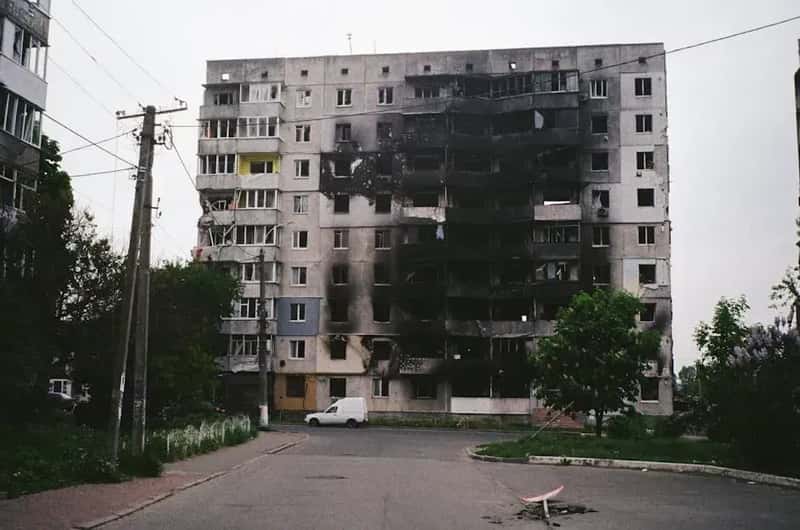
In the 2025 Global Peace Index, Russia ranked as the least peaceful country in the world, driven largely by its ongoing war with Ukraine and rising militarization. Heavy military engagement, high conflict-related deaths, and increased military spending all weighed heavily on Russia’s score. Economic strain from sanctions, political repression, and international isolation have added pressure at home, pushing Russia to the very bottom of the global peace rankings.
Ukraine ranked as the second least peaceful country in the world in the 2025 Global Peace Index, reflecting the ongoing toll of Russia’s invasion. Years of fighting have reshaped everyday life, forcing millions of people from their homes and leaving many communities struggling with damaged infrastructure, disrupted services, and constant uncertainty. For a large share of the population, daily concerns revolve around safety, displacement, and survival rather than normal economic or social activity.
Conflict deaths reached the second highest toll in the past 30 years, with the conflicts in Ukraine and Gaza accounting for nearly three-quarters of deaths, with Ukraine alone recording over 83,000 conflict deaths. Both Russia and Ukraine carry U.S. State Department Level 4 “Do Not Travel” advisories, the highest warning level issued.
Sudan, Yemen, and Somalia: Overlapping Crises, Extreme Danger
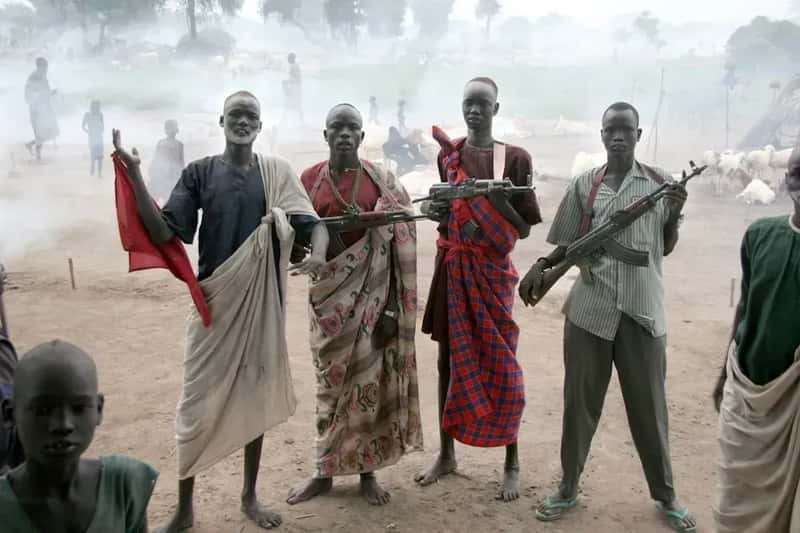
Sudan ranks among the world’s least peaceful countries in the 2025 Global Peace Index, driven by a brutal internal conflict that has torn the country apart. Fighting between rival military forces has led to widespread violence, especially in regions like Darfur, where civilians have been caught in the crossfire. Millions of people have been forced to flee their homes, basic services have collapsed, and access to food and medical care remains severely limited. With law and order largely broken down in many areas, daily life for much of Sudan’s population is defined by insecurity and humanitarian crisis.
Yemen remains one of the strongest examples of why “scenic” does not mean “safe.” Riskline includes Yemen in its 2026 “Worst for health and medical care” list, while the U.S. State Department places Yemen at Level 4 and cites terrorism, unrest, crime, health risks, kidnapping, and land mines. The U.S. Embassy in Sana’a has suspended operations and the U.S. government cannot provide routine or emergency consular services there.
Somalia continues to receive maximum-level travel warnings from multiple governments because terrorism and kidnapping risks remain persistent and support options are limited. In Mogadishu, attacks have been reported against hotels, checkpoints, and government-linked sites, and incidents can occur with little warning. Independent movement between cities is often treated as a security operation rather than normal travel. Offshore, piracy is also a concern, with Somali pirates hijacking ships and holding crew and passengers hostage for ransom.
Afghanistan, South Sudan, and Haiti: Where Travel Becomes Genuinely Life-Threatening
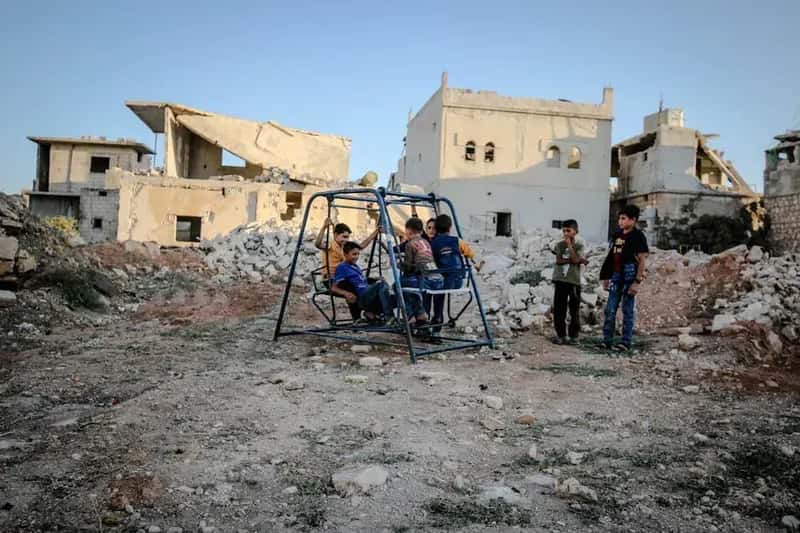
Afghanistan is repeatedly rated among the world’s highest-risk destinations because active security threats combine with very limited emergency support. Foreign ministries maintain “do not travel” guidance, warning about terrorism risks, the possibility of detention, and how difficult evacuation becomes if conditions deteriorate. Commercial travel insurance often excludes coverage, which can turn basic logistics into a major barrier for visitors.
South Sudan combines severe security concerns with weak medical capacity, which is a brutal pairing for travel planning. Riskline lists it among the 2026 “Least safe” countries and also includes it in the “Worst for health and medical care” group. The U.S. State Department advisory places South Sudan at Level 4 and cites unrest, crime, kidnapping, land mines, and health threats.
Haiti’s risk profile intensified through 2024 and 2025 as armed gangs expanded influence in and around Port-au-Prince, driving frequent reports of kidnapping, armed robbery, and road blockades. Conditions can shift quickly by neighborhood, which makes normal movement planning difficult even for experienced travelers. During major spikes in violence, commercial travel options have faced disruptions. Gangs are the primary stakeholders in the country with ties to political and security elements, and despite a Haitian-led intervention force, police have not yet regained meaningful control of the capital.
The Middle Ground: Countries Worth Watching in 2026
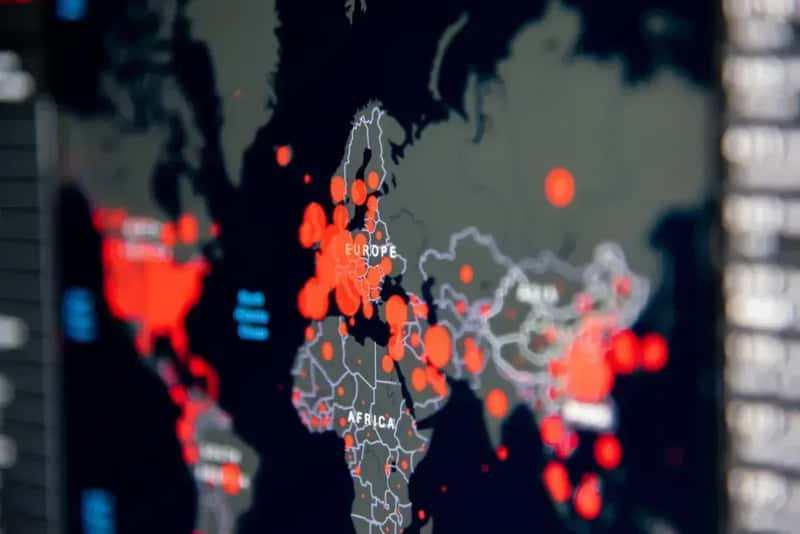
A report released by Europe-based risk analysis companies Safeture and Riskline concluded that the “security situation has deteriorated in 77 countries” around the globe. Similarly, the annual outlook from International SOS didn’t lower the security risk rating for a single country in 2025 and intensified warnings for quite a few, citing “geopolitical tensions” as the most prominent trigger.
Venezuela is not just risky by the standards of Latin America – it has one of the highest rates of violent crime, corruption, and unrest in the world. The capital city of Caracas is a focal point for violent demonstrations, organized crime, robbery, kidnapping, and homicide. Venezuela was rated the world’s most dangerous country by Numbeo’s user-submitted safety surveys, with a dismal safety score of 19.3.
At the start of 2026, there are officially 22 countries listed with Level 4 “Do Not Travel” warnings – the highest advisory level, reserved for places where the risks are genuinely extreme. Countries where travel risks are associated with inadequate health systems include Afghanistan, the Central African Republic, South Sudan, Syria, Yemen, Haiti, Venezuela, and Papua New Guinea, all experiencing severe shortages of infrastructure, medicines, and medical staff. For travelers, this middle ground of “risky but not extreme” destinations – places like Mexico, Colombia, Myanmar, and parts of sub-Saharan Africa – requires the most careful, region-specific research before booking anything.
The world in 2026 is vast, extraordinary, and full of places worth seeing. The gap between the safest and most dangerous destinations has never been wider, and that gap matters. Whether you’re planning a weekend escape to Reykjavik or considering something far more adventurous, let the data guide your decisions rather than a filtered photo feed. What destination on this list surprised you the most?