Most guests assume they’re invisible the moment they walk through a hotel’s front doors – just another name on a reservation list, another swipe of a credit card. That assumption is almost entirely wrong. Front desk teams are trained to read a guest in the first few seconds, long before a word is exchanged, and what they see quietly shapes everything from your room assignment to how fast maintenance responds if something breaks.
The strange part is how little of this has to do with money or status. A guest in a luxury suit can get flagged as difficult in ten seconds, while someone in travel-worn sweatpants can walk away with a free upgrade. Here’s what hotel insiders actually watch for the moment you arrive.
1. The Ten-Second Snapshot Before You Say a Word
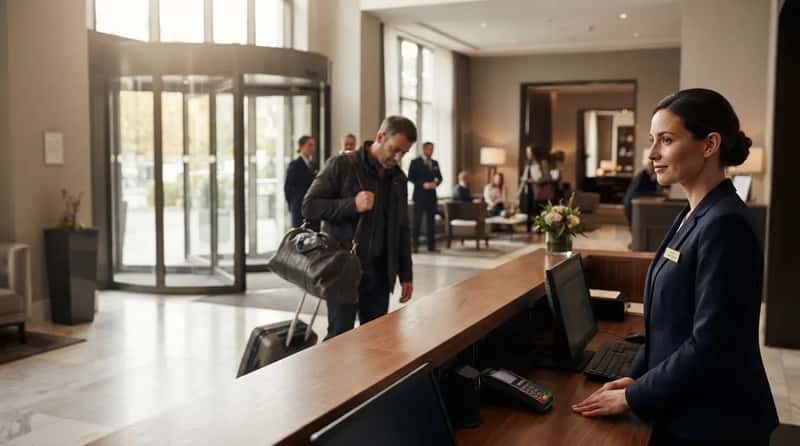
By the time you reach the counter, staff have already formed an impression based purely on how you move. The second you step through those doors, your body language tells a story – whether you’re slumped forward with exhaustion, striding confidently, or frantically scanning the lobby for the desk. None of it is judgment; it’s triage.
All of it registers, because anticipatory hospitality means picking up on what guests might need before they ask. A front desk agent who clocks fatigue before you speak can shave real friction off your check-in. It’s the reason a tired guest sometimes gets a room close to the elevator without ever asking for one.
Fast Facts
- Staff are trained to read posture, pace, and facial expression within seconds of an arrival.
- Anticipatory service – noticing a need before it’s spoken – is a core training goal at many properties.
- A visibly tired guest may quietly be moved closer to the elevator without ever requesting it.
- These snapshot judgments are about triage, not taste – they have nothing to do with class or income.
2. The Phone Test: What Your Screen Habits Reveal
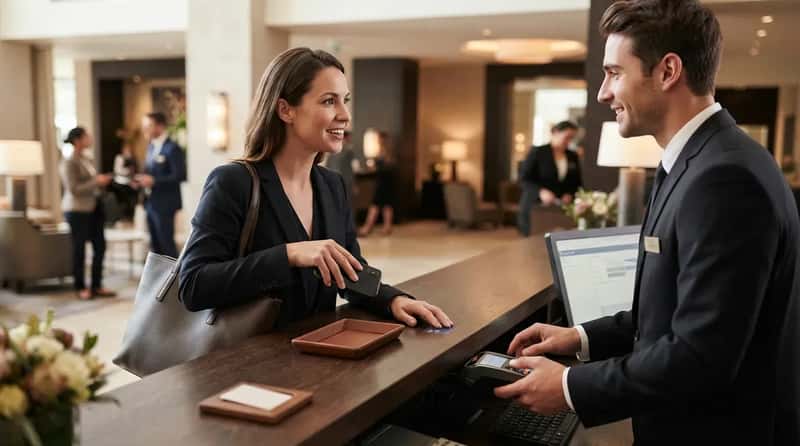
Your device says more about your mood than your mouth does. Staff notice if you’re frantically texting, photographing the lobby ceiling, or keeping your phone tucked away entirely – the phone is a behavioral signal, and hotel staff read it fluently. It’s often the single biggest tell of how relaxed or stressed a guest actually is.
It even changes the quality of service you get. A guest who puts the phone away and makes eye contact during check-in almost always gets a warmer, more personalized interaction. Two very different experiences can hinge on one small gesture.
3. Eye Contact vs. the “Furniture Treatment”
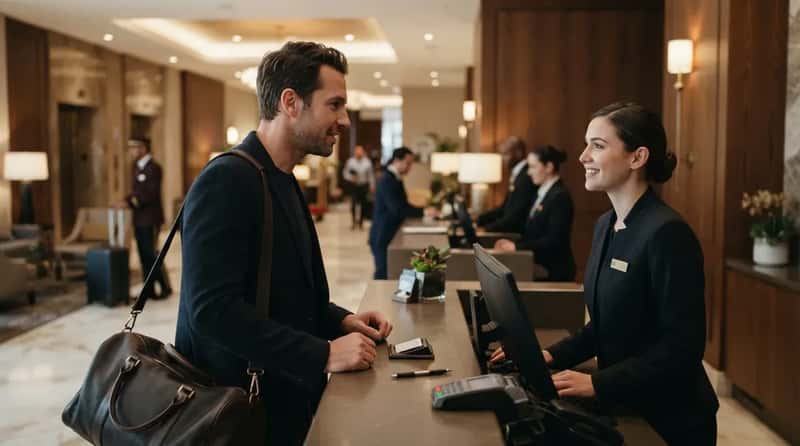
Some guests look straight through the person checking them in, and staff absolutely notice. One bellhop described it plainly: some guests treat staff like furniture, while others make eye contact and use names right off the name tag.
This split-second assessment shapes everything that follows, because staff communicate about guests constantly. A single dismissive glance can travel from the bellhop to the front desk to housekeeping before you even reach the elevator.
4. The First Question You Ask Reveals Your Bank Balance

Forget your outfit or your luggage brand – your opening question is the real tell. One front desk manager put it simply: guests who feel financially comfortable tend to ask about experiences rather than expenses.
Guests with more financial breathing room ask different questions entirely – restaurant recommendations instead of the nearest grocery store, spa availability rather than gym hours. Your relationship with money broadcasts itself in seconds, whether you mean it to or not.
5. How Ready You Are With ID and Confirmation Numbers
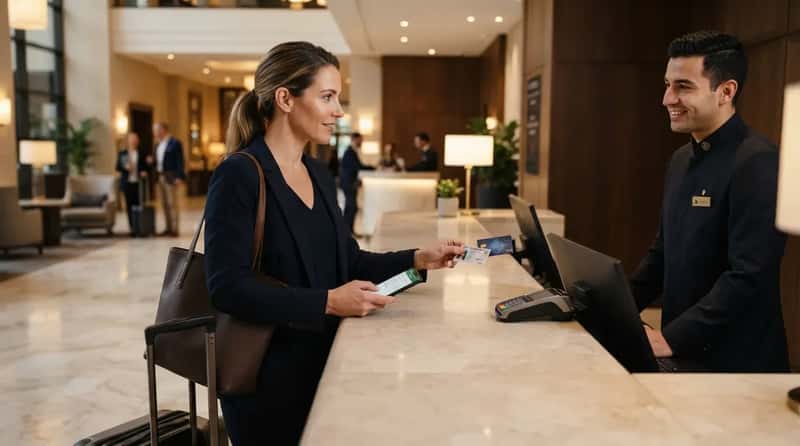
Seasoned travelers move like they’ve done this a hundred times, because they have. They have their ID and credit card ready before they reach the counter, and that frictionless 45-second handoff signals experience immediately.
Fumbling isn’t a crime, but it does change how you’re treated. Staff notice how prepared a guest seems – whether ID and reservation details are ready – and if someone looks disorganized or flustered, they’ll often take extra steps just to help calm things down.
6. The Loyalty Name-Drop That Changes Everything
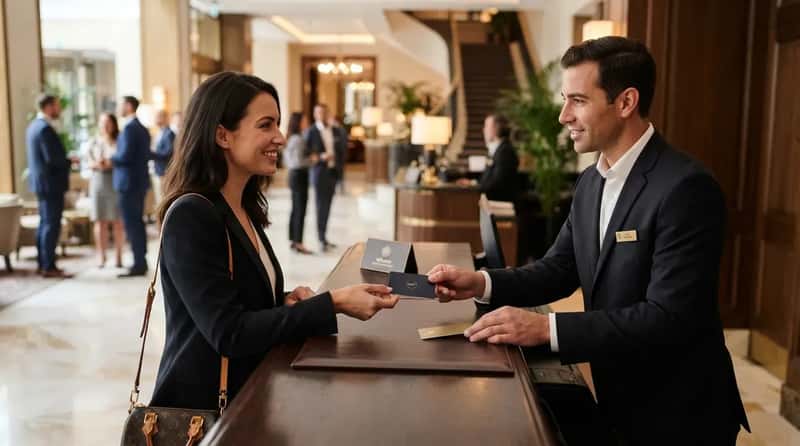
Say the right words early, and the whole interaction shifts. Guests who mention confirmation numbers or loyalty accounts upfront often get faster, more attentive service, because it signals they already know the system.
Staff often note status at check-in and may greet you by name or quietly acknowledge your perks. Even at smaller hotels without big loyalty programs, staff remember repeat guests and may prepare small touches like a preferred room type. Loyalty isn’t just a discount – it’s a memory system working in your favor.
Worth Knowing
- Mentioning a loyalty number or confirmation code upfront tells staff you already know how the system works.
- Elite-tier members are often flagged automatically, prompting a personalized greeting or a quiet room upgrade.
- Even small independent hotels without formal loyalty programs remember repeat guests and their preferences informally.
- Recognition rarely announces itself loudly – it usually shows up as one small, unrequested touch.
7. Crossed Arms, Averted Eyes: The Silent SOS

Body language often says what words won’t. Standing tall with eye contact and a smile signals confidence and ease, while crossed arms or averted eyes can read as fatigue or discomfort.
Staff use these cues to decide how to approach you. They quickly pick up on frustration if you’re tapping impatiently or hitting the bell too hard, and they adapt – if you look overheated or unwell after a long flight, staff may even offer water or a faster check-in.
8. The Rant Before “Hello”
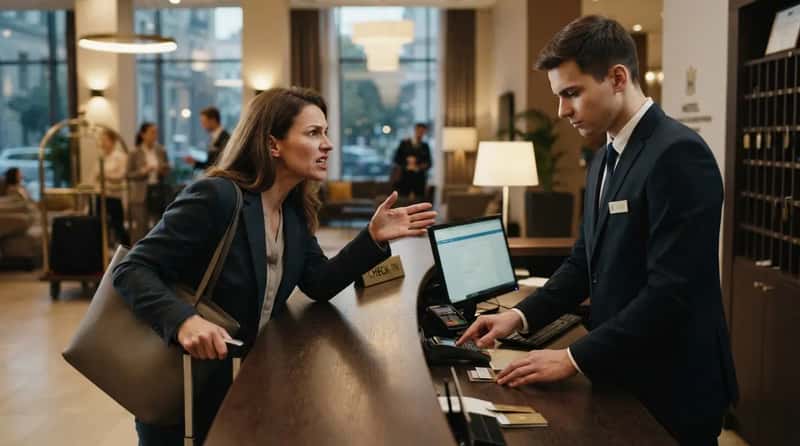
How you open the conversation can set the tone for your entire stay. Storming up to the desk with visible frustration is the fastest way to get labeled as difficult, and staff brace the moment a guest launches into complaints about traffic, delays, or airline failures before even saying hello.
This is one of the more uncomfortable truths in hospitality: venting first, even when you’re completely justified, can backfire. That frustrated energy travels fast up the chain, and front desk agents have been known to quietly flag a room number for the manager on duty before the guest even reaches the elevator.
9. How You React to the First Piece of Bad News
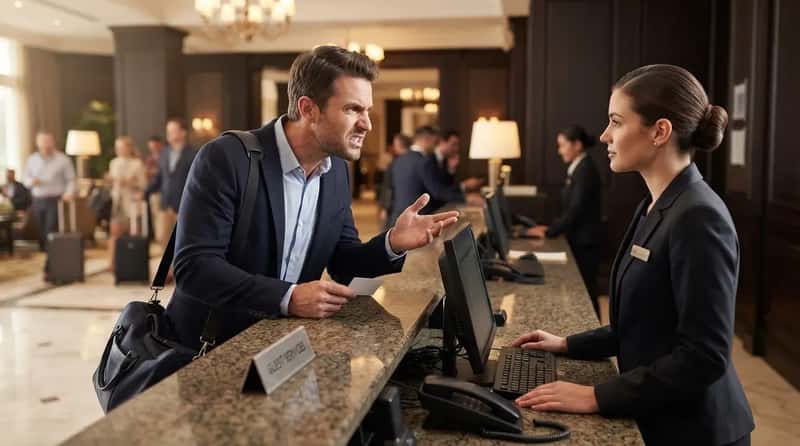
Every stay hits a friction point eventually, and how you respond matters more than the problem itself. How a guest reacts at that very first hurdle becomes a signal that shapes how staff prepare for the rest of the visit – patience at the desk goes further than most people realize.
Here’s the uncomfortable part: being right doesn’t always protect you. Front desk agents have real discretion over room assignments, noise levels, and how fast maintenance responds to a call – a guest who’s completely justified in their anger can still end up in the room next to the ice machine.
10. The Couple Test: Close Together or Miles Apart
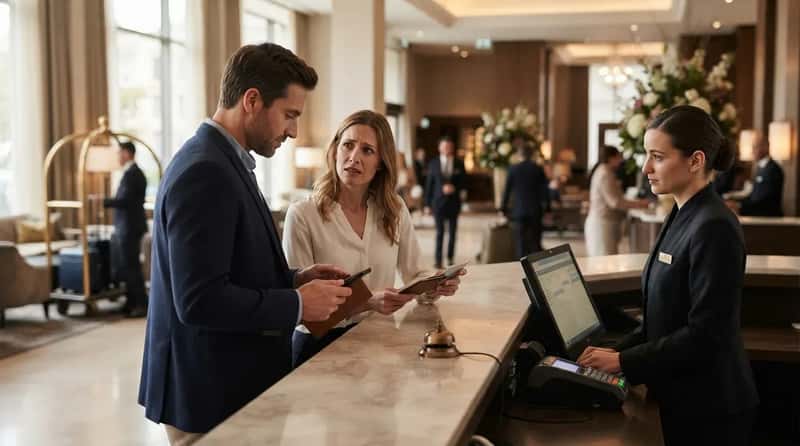
Concierges swear they can read a relationship before either partner says a word. The way couples stand together – or don’t – tells its own story, and one concierge has said she can tell within ten seconds whether a couple is celebrating or barely surviving the trip.
That read isn’t just gossip fuel; it shapes the welcome itself, whether that means a celebratory upgrade offer or a quieter, no-frills check-in. Distance between two people at a front desk can be more telling than anything either of them says out loud.
11. Luggage That Triggers a Quiet Deposit Flag
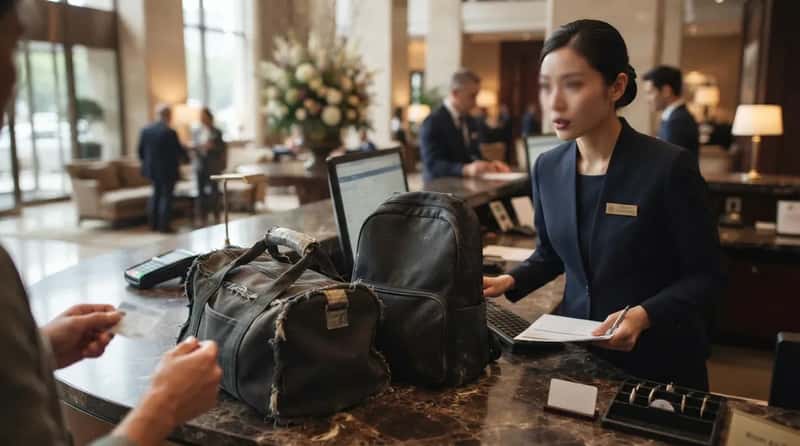
Your bags rarely get you turned away, but they can quietly change the paperwork. It’s highly unlikely staff will reject a guest over luggage size alone, but hotels do use safeguards against possible walkouts – a flagged guest may be asked for an upfront payment on top of the usual deposit.
It doesn’t always stop at the front desk, either. Some guests report being asked to settle bills periodically throughout the stay instead of at checkout, and in those cases housekeeping is often quietly asked to keep an eye out and report anything unusual back to the desk.
Quick Compare
- Smooths things over: eye contact, a calm tone, and ID ready before reaching the counter.
- Raises a quiet flag: minimal luggage, a vague itinerary, or visible irritation at standard questions.
- Triggers extra scrutiny: repeated payment issues or pushback on a routine deposit hold.
- Builds real goodwill: a genuine thank you, using a staff member’s name, or acknowledging a long shift.
12. Grooming and the Unspoken Presentability Scan
Hotels train their staff to look sharp, and – even if it’s never said aloud – they expect a version of that from guests too. Everything from your body language to your grooming to the energy you bring to the counter feeds into that first impression.
This isn’t about wealth signaling – it’s about legibility. Staff use grooming and presentation as one more data point when deciding how much guidance or hand-holding a guest might need during the stay.
13. The One-Finger Phone Hold-Up
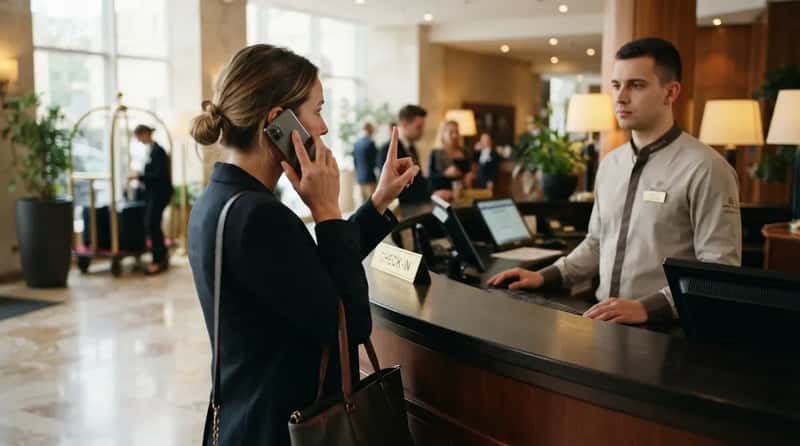
Walking up mid-call with one finger raised feels harmless enough, but staff remember it every time. The guest who approaches the desk still on the phone, holding up a single finger as if to say “just a second,” registers clearly – and staff notice.
It’s one of those moments that feels insignificant to the guest but lands very differently on the other side of the counter. A five-second delay can quietly color the entire tone of a check-in before it even starts.
14. Bell-Tapping and Impatience Tells
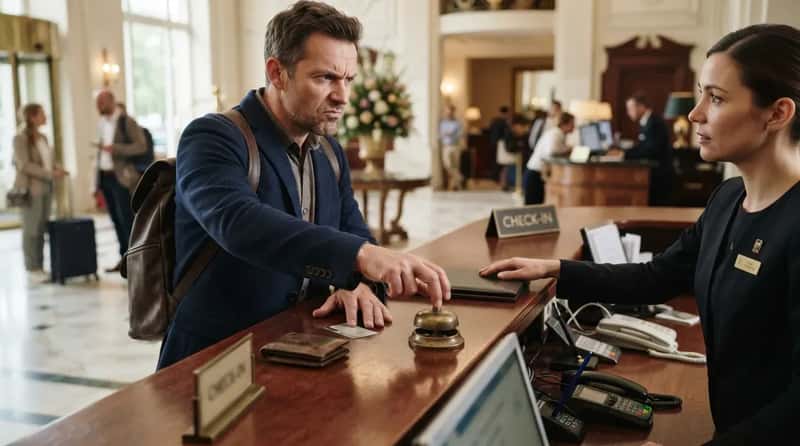
Small physical habits carry big signals in a lobby. Staff quickly pick up on frustration the moment a guest starts tapping the counter or hitting the bell a little too hard.
It’s rarely about the noise itself – it’s what the noise represents. Staff read repeated tapping as a stress signal and often respond by speeding the process up rather than slowing down, specifically to defuse tension before it escalates.
15. Confused Questions That Scream “First-Timer”
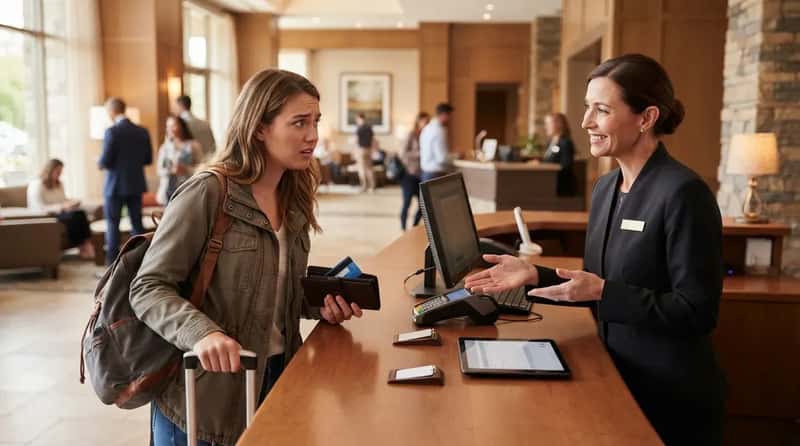
Nervous questions aren’t a red flag – they’re a cue to slow things down. Front desk agents process enough arrivals to sort a guest’s travel comfort level almost without thinking, and first-timers tend to ask very different questions – surprised by the standard hold on their card, unsure about parking they already paid for.
The response is almost always kindness, not judgment. If a guest shows signs of being new to hotel travel, staff will often offer a more detailed walkthrough of the property’s policies during check-in.
16. The Wince at Valet or Resort Fees
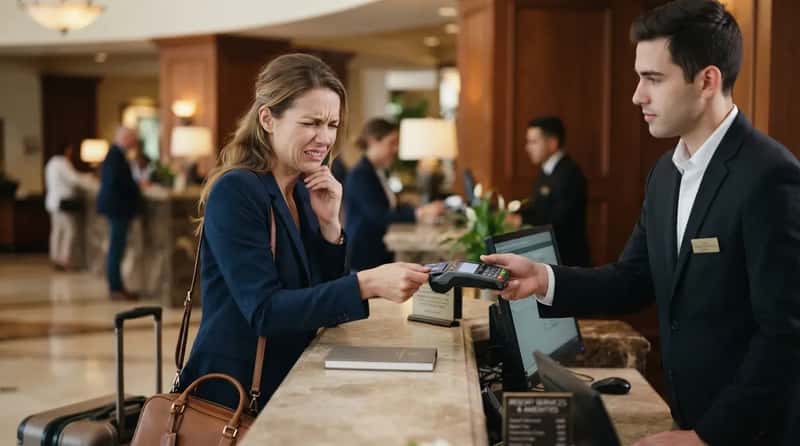
Facial expressions leak financial anxiety faster than words ever could. Staff notice the wince at the mention of valet parking, and they notice just as quickly when a guest asks about free breakfast or happy hour timing instead.
It’s a controversial opinion among hoteliers, but many now argue resort fees have made this the single most reliable financial tell at check-in – more revealing than clothing, luggage, or even the room category booked. A single flinch can shape how hard staff push an upsell later in the conversation.
17. Question Overload That Disrupts the Desk
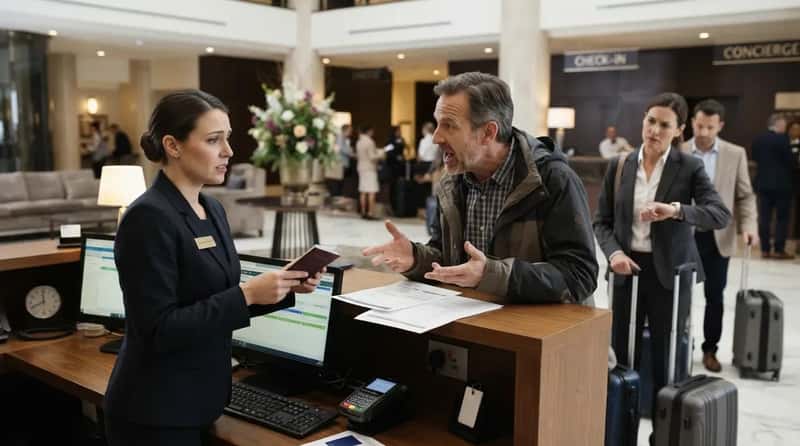
Curiosity is welcome; disrupting the workflow is not. Front desk staff are there to answer nearly any question a guest has, but they also know exactly when an interaction tips into problem territory – too many questions, especially ones that break the rhythm of the line, can quietly signal a difficult guest.
It’s rarely one question that does it – it’s the pattern. Staff quietly track whether a guest respects the flow of a busy lobby or keeps pulling attention away from the people waiting behind them.
18. Patience During the Five-Minute Wait
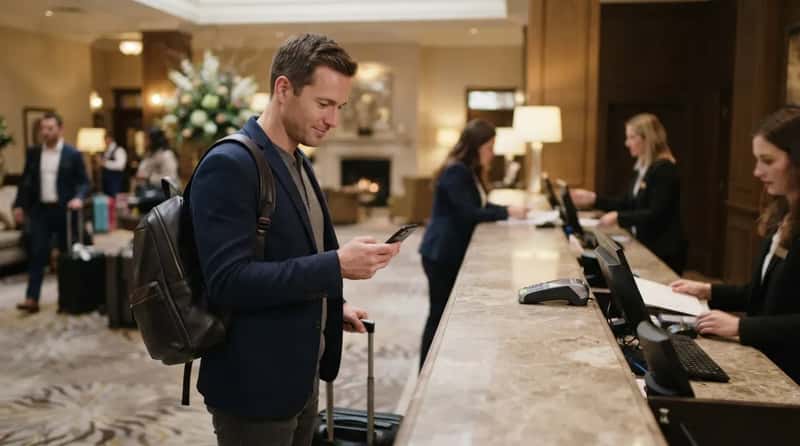
Wait times aren’t just an inconvenience – they’re a satisfaction cliff. Clearly communicating wait times is one of the most important parts of a smooth check-in, and industry research shows that exceeding a five-minute wait can trigger a roughly 47% drop in guest satisfaction among U.S. travelers.
That 47% figure is the kind of number most guests never see, but staff feel it in real time. How you handle those extra minutes – scrolling calmly versus visibly seething – becomes part of your file before you’ve even reached your room.
“Hoteliers have traditionally conceived of check-in as an important high-touch service moment, not a solely transactional function.”
Micah Solomon, Customer Experience Consultant
19. Slouching vs. Standing Tall

Posture is one of the fastest, most subconscious signals a guest sends. When body language doesn’t match what you’re saying, staff draw their own conclusions – slouching especially can read as disengaged or bored with the whole interaction.
The reverse is just as powerful. Standing straight and making eye contact is a simple way to project confidence, and staff are trained to mirror that same energy right back – it’s part of how a warm, welcoming check-in gets built in the first place.
20. How You Handle the Credit Card Hold Conversation
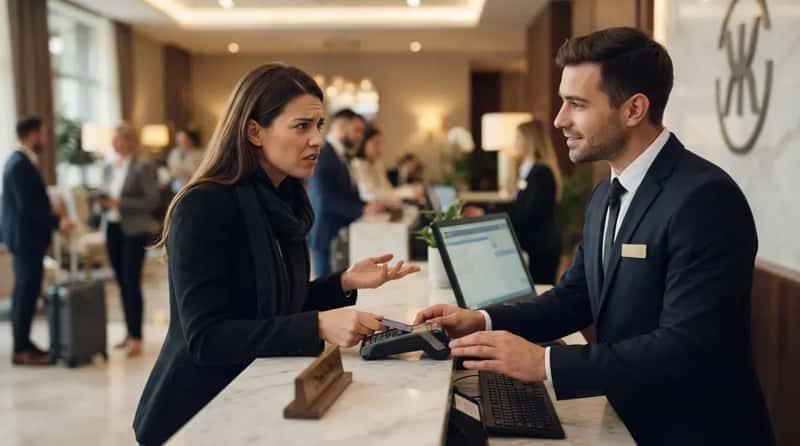
The deposit-hold conversation is a small moment that reveals a lot. From the way you walk through the door to how you react when staff explain the hold on your card, everything gets noticed at the front desk – and those details quietly shape the service you get.
Guests who push back aggressively rarely realize how much leverage they’re giving up. Staff quietly note whether someone treats a standard policy like a personal insult, and that reaction – more than the hold itself – often decides how flexible they’ll be later in the stay.
21. The Thank-You That Determines Your Whole Stay
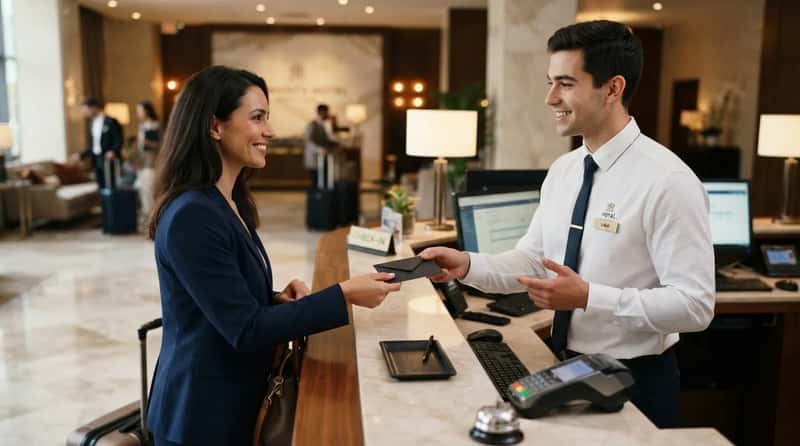
After all the body language, phone habits, and posture checks, it comes down to something almost embarrassingly simple. A warm smile and a polite greeting can set the tone for an entire stay, while a curt or demanding attitude tends to make every interaction after it a little tenser.
The payoff is real and measurable. Upselling at the front desk can generate five to nine times more revenue than offers made before arrival, and the guest who says thank you, uses a staff member’s name, and treats the exchange like a conversation rather than a transaction is, statistically, the guest most likely to walk away with an upgrade, a late checkout, or a better view – not because they asked, but because staff wanted to give it to them.
None of these signals are about judgment – they’re pattern recognition built from thousands of arrivals. Staff aren’t scanning guests for wealth or status; they’re scanning for how the next fifteen minutes, and the next few days, are likely to go.
The guests who fare best rarely do anything dramatic. They just put the phone down, make eye contact, and say thank you like they mean it – which, it turns out, is the cheapest upgrade in the entire hotel.