You tip the valet. You smile at the front desk. You leave a five-star review because the sheets were crisp and the shower pressure was strong. In your mind, you were the perfect guest.
But the person who actually walks into your room after checkout has a very different story to tell – and it almost never matches the one you’re telling yourself. Housekeepers rarely say a word to your face. They just remember, room after room, year after year. Here’s what they actually notice.
#21 – Flipping the “Do Not Disturb” Sign All Day, Then Complaining Nothing Got Cleaned
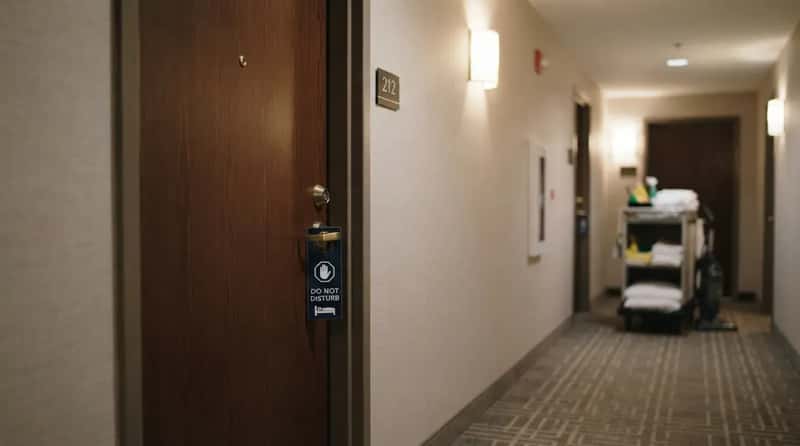
This is the single most common complaint housekeepers bring up, and it’s almost always self-inflicted. Guests hang the sign out first thing in the morning, disappear for the day, and come back furious that the room looks exactly like they left it.
Housekeepers can’t read minds, and they definitely can’t walk through a locked door. If the sign is up, staff are trained to skip the room entirely, no exceptions – which creates a strange standoff where guests feel neglected and housekeepers feel blamed for something completely out of their control.
#20 – Using White Towels as Napkins, Grease Rags, and Makeup Wipes
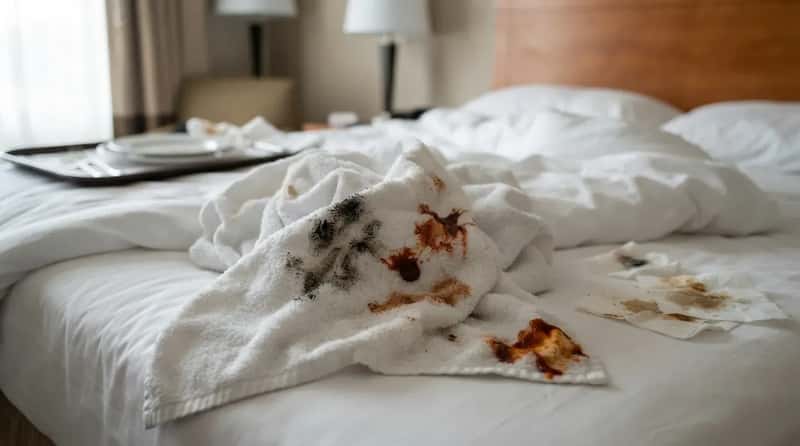
Nothing burns through a hotel’s linen budget faster than a guest who treats bath towels like disposable shop rags. Housekeepers say greasy hands, BBQ sauce, and makeup are the worst repeat offenders on white cotton.
Once a stain sets into hotel-grade towels, it’s often permanent, which means that towel gets pulled from circulation for good. Multiply that by thousands of rooms a year, and it’s a bigger cost driver than most guests would ever guess.
#19 – Scattering Trash Everywhere Except the Actual Trash Can
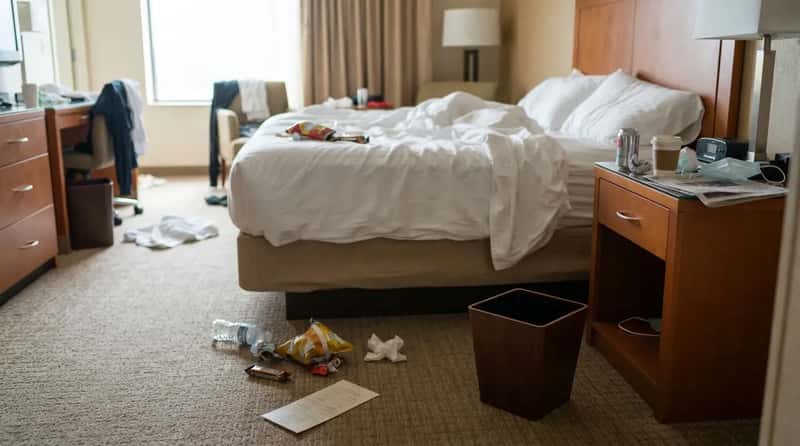
Somehow the garbage can stays completely empty while the rest of the room looks like a landfill. Wrappers on the nightstand, bottles under the bed, tissues on the floor – anywhere but the bin two feet away.
Housekeepers don’t mind cleaning up trash; that’s the job. What actually slows them down is hunting for every stray wrapper on a strict room-turnover schedule, turning a routine clean into a scramble.
#18 – Letting Takeout Containers Sit for Days Like a Science Experiment
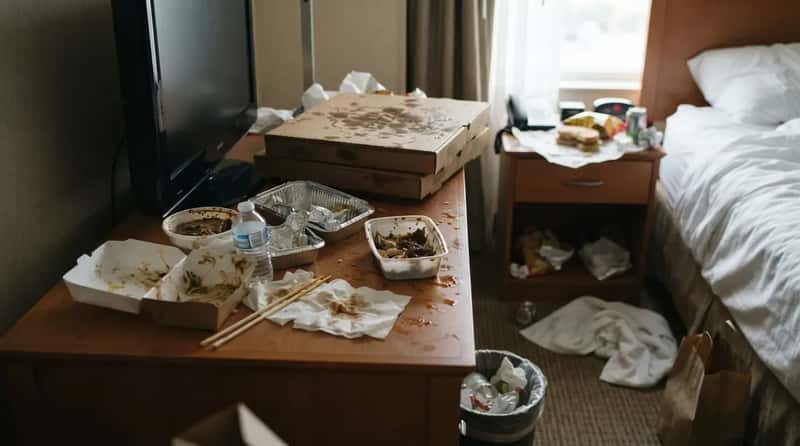
Room service isn’t the problem. Room service left to rot for three days absolutely is. Pizza boxes stacked on the desk, half-eaten takeout on the nightstand, seafood containers quietly fermenting by the TV – all immediate red flags for staff.
These leftovers attract pests and leave odors that soak into carpet, curtains, and upholstery long after the food itself is gone. Multi-night guests are the biggest culprits, mostly because they forget housekeeping isn’t coming every single day.
Fast Facts
- Automatic daily housekeeping is no longer standard at many hotel chains, so leftovers can sit far longer than guests expect.
- Warmer room temperatures speed up bacterial growth, which is why food odors set in fastest during summer stays.
- Multi-night guests are the most frequent offenders, mostly because they assume someone will “handle it eventually.”
- Once food smell soaks into soft furnishings like carpet or curtains, it often outlasts the food itself by days.
#17 – Piling Garbage Outside the Door Instead of Using the Bin
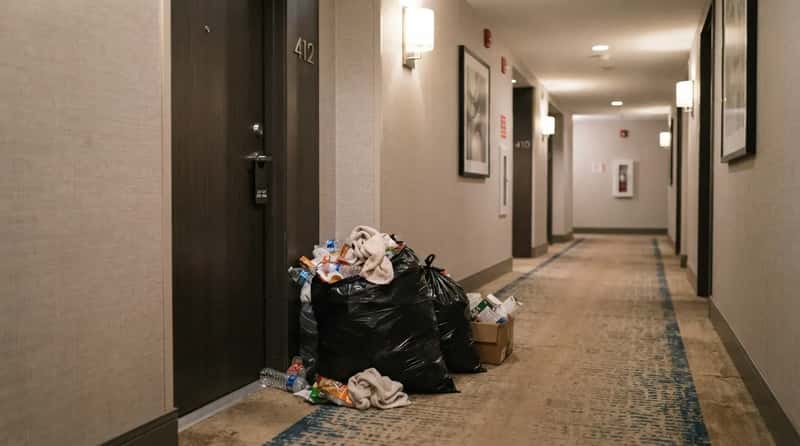
A surprising number of guests treat the hallway like their personal dumpster. One housekeeper named it as her single biggest pet peeve: bags of trash left right outside the door instead of inside the room.
It seems considerate on the surface – out of sight, out of the room – but it actually creates a fire-code hazard and a tripping risk in narrow hallways. The irony, housekeepers say, is that the in-room trash can sitting empty a few feet away would have taken the exact same amount of effort.
#16 – Turning the Bathroom Into a Personal Salon and Leaving Hair Dye Everywhere
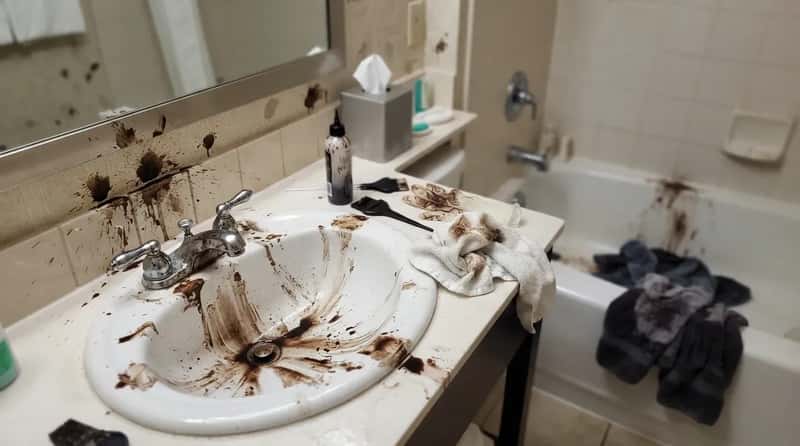
DIY hair color at a hotel is a bigger habit than most people admit, and the aftermath is brutal for cleaning crews. Dye stains on grout, wallpaper, sinks, and tubs are a frequent complaint among housekeeping staff.
Unlike a coffee spill, dye doesn’t wipe away – it bonds with porous surfaces and often needs professional treatment or a full grout replacement. It’s rarely disclosed at checkout, leaving the next housekeeper to discover the damage cold.
#15 – Leaving a Layer of Hair in the Tub and Sink
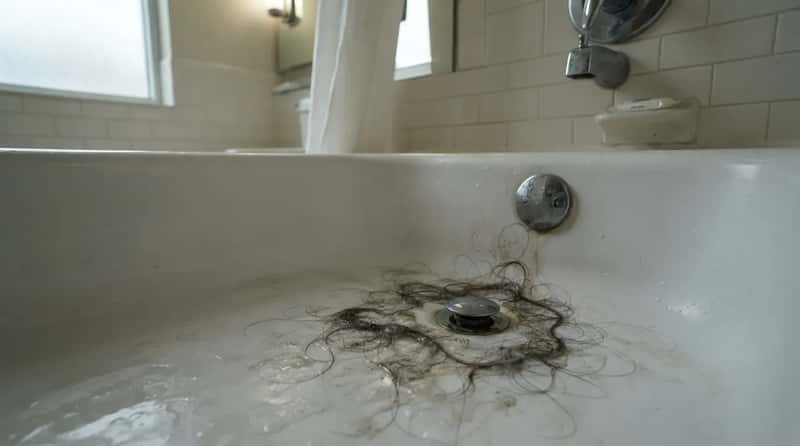
This one sounds minor. Housekeepers insist it’s one of the most physically unpleasant parts of the job, right up there with the messes on this list you’d expect to be worse.
A quick rinse before checkout takes roughly ten seconds and solves the whole problem. Housekeepers say the guests who actually do it are a small minority – and staff notice every single time.
#14 – Sitting There Watching Housekeeping Clean the Room
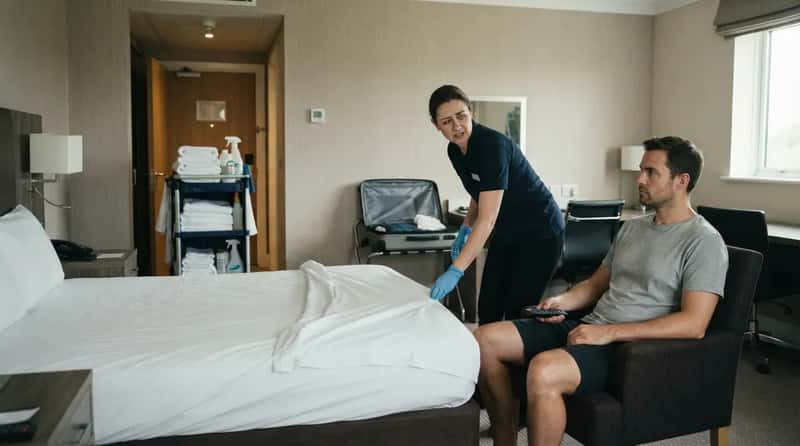
It sounds harmless enough. Housekeepers describe it as one of the most uncomfortable parts of the entire job.
Most staff are trained to move fast, hit specific checkpoints, and get out – having someone hovering nearby, even silently, throws off that rhythm and adds an awkward layer of pressure to already physical work. If you’re staying in the room while it’s being cleaned, most housekeepers would honestly rather come back later.
#13 – Accusing Housekeeping of Theft Without Actually Looking First
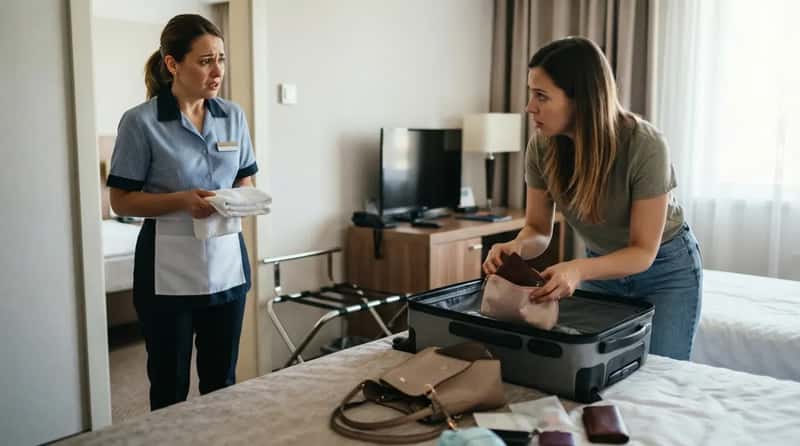
Missing items get blamed on staff far more often than staff actually take anything. It’s an accusation that follows housekeepers around for their entire careers, fair or not.
I’m not saying that no hotel housekeepers have ever stolen, but by and large, we know there’s a huge amount of unspoken trust you have to have to let us into your room, and we’re not abusing it.
Hotel housekeeper, quoted by Thrillist
Housekeepers say the accusation stings far more than guests realize, especially since most missing items eventually turn up in a suitcase pocket, a jacket lining, or the bottom of a gym bag.
#12 – Trying to Sneak Out With the Robe, Pillows, or Comforter
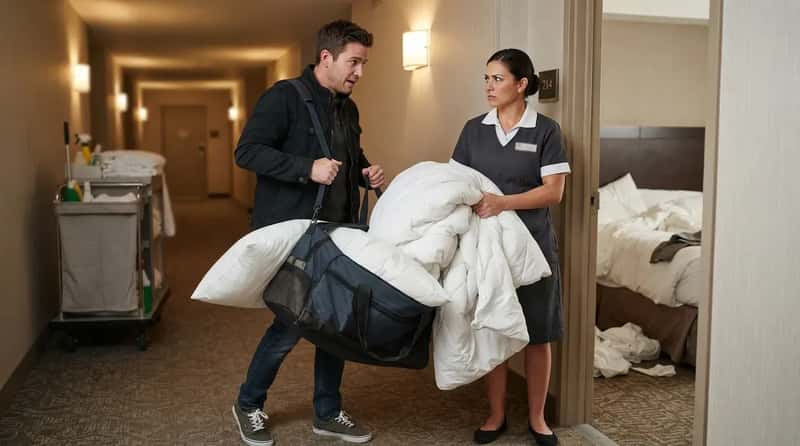
This isn’t a rare, isolated incident – it’s a pattern hotels actively watch for. In one documented case, a family at an Oklahoma hotel was caught after a supervisor spotted a king-size comforter sticking out of their bag.
The follow-up search revealed a king-size blanket stuffed in as well, while the daughters had already carried four bed pillows out to the car. Had housekeeping not caught it, the family’s card would have been charged more than $600 to replace the bedding. Bathrobes and slippers are usually fair game to take home; sheets, comforters, and pillows almost never are.
Quick Compare
- Usually fine to take: bathrobe, slippers, extra toiletries, notepad and pen
- Almost never fine: bed pillows, comforters, blankets, sheets
- Often billed automatically if missing: towels, hangers, remote controls
#11 – Leaving Bodily-Fluid Messes Without Saying a Word
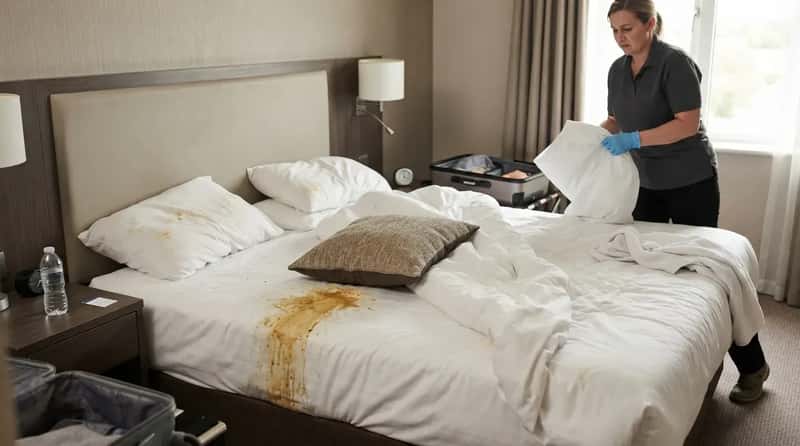
This is the habit housekeepers describe with the most visible frustration. Accidents happen – the real issue is guests who leave the mess behind without a single word of warning.
One widely shared account described a New Year’s stay where vomit covered the bed and pillows, and the guest simply stacked a pillow on top of it and blocked housekeeping from entering until checkout, by which point everything had dried together. A quick heads-up takes thirty seconds and lets housekeeping suit up properly instead of walking in blind.
#10 – Forgetting Cash and Jewelry in the Room Safe
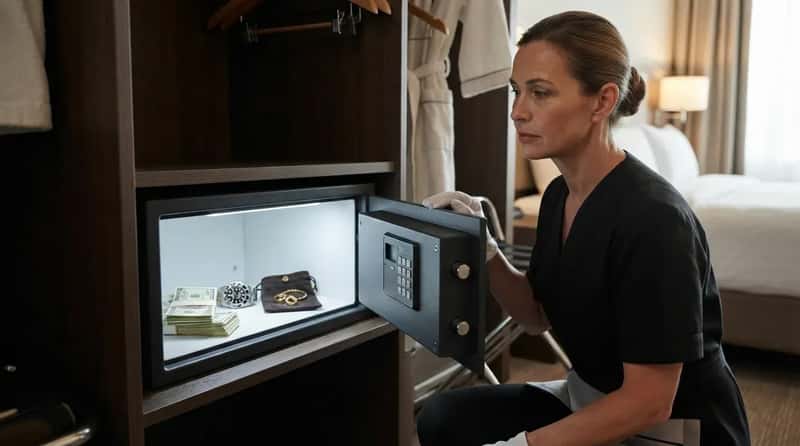
You’d be stunned how often genuinely valuable items get left behind by accident. Housekeepers find everything from bags of cash to electronics and jewelry sitting untouched in room safes long after checkout.
If it’s not in the garbage can, it’s not garbage. We even save socks and underwear; we don’t take any chances.
Hotel operations manager
Even so, strict privacy policies usually mean staff can’t call you directly to return it. A forgotten Rolex or Birkin bag becomes a multi-week mystery instead of a quick phone call home.
#9 – Stripping the Room of Every Toiletry, Hanger, and Hand Towel

There’s a difference between taking the shampoo and taking everything that isn’t bolted down. Some guests clear out extra towels, hangers, notepads, and even remote batteries like it’s a garage sale.
Most hotels genuinely don’t mind small toiletries disappearing – it’s built into the pricing. But stripping a room bare means the next housekeeper has to restock from scratch on a schedule with zero room for it.
#8 – Hiding Gross Items in Drawers Instead of the Trash
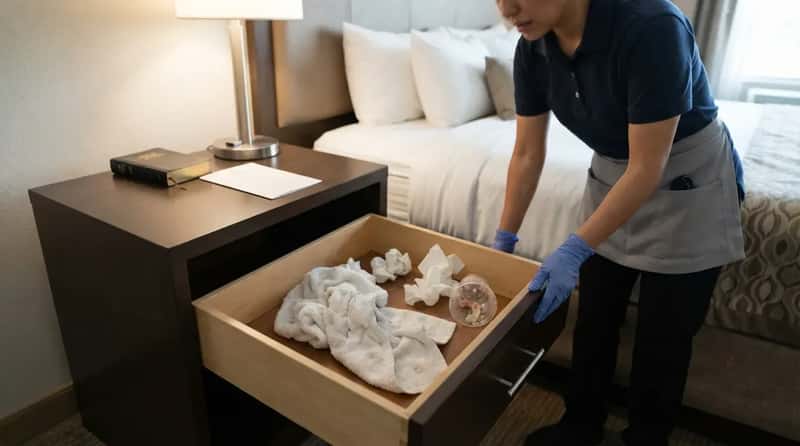
This one comes up again and again, and housekeepers say it’s more common than most guests would ever admit. Chew-spit cups, soaked towels, used tissues – tucked into drawers, closets, or under the bed instead of just tossed.
One housekeeper even found vomit hidden inside a bedside drawer. Staff say the pattern is always the same: it’s not that the item exists, it’s that someone deliberately hid it, so housekeeping opens a closed drawer expecting nothing and finds exactly the opposite.
#7 – Never Tipping Housekeeping, Even on Multi-Night Stays

Housekeeping is one of the few hotel roles guests almost never think to tip, mostly because staff rarely interact with guests face-to-face at all. Out of sight, out of mind, out of the tip envelope.
Industry etiquette generally recommends a few dollars per night, left daily rather than in one lump sum at checkout, since the person cleaning night one is often not the same person cleaning night four. Housekeepers say even a small, consistent tip stands out precisely because so few guests bother.
Fast Facts
- The American Hotel & Lodging Association recommends $1 to $5 per night for housekeeping at a standard hotel.
- Luxury properties with daily cleaning or turndown service often see tips in the $10 to $20 range.
- Leave it daily, not just at checkout – a different housekeeper may service the room on different days.
- A short note reading “Housekeeping” or “Thank you” helps staff avoid confusing a tip with money left behind by accident.
#6 – Turning Room Service Trays Into Permanent Furniture

That tray was supposed to sit outside the door for pickup within the hour. Instead it becomes part of the room’s decor for days at a time.
Beyond the odor and pest concerns already piling up with abandoned takeout, stacked trays make it physically harder to clean surfaces, dust, or vacuum properly. Most hotels have a standing pickup line specifically to prevent this – housekeepers just wish more guests actually used it.
#5 – Not Disclosing That a Pet Was in the Room
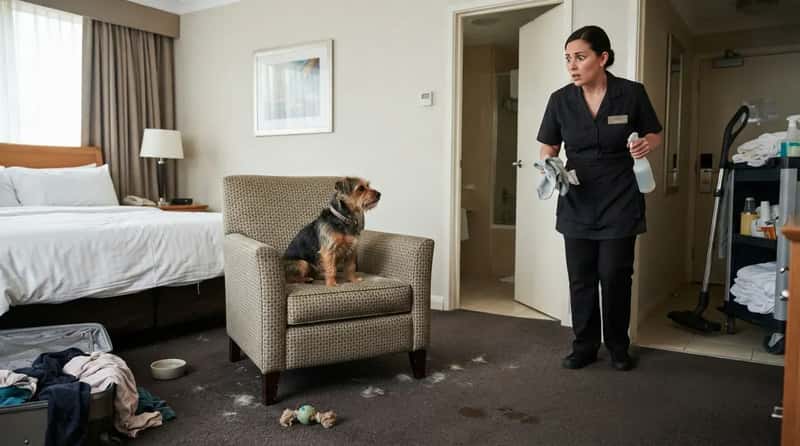
Pet-friendly rooms require an entirely different cleaning protocol, and skipping that disclosure creates real problems for whoever walks in next. One guest traveling with a less-than-friendly dog simply asked staff to skip his room and let him clean it himself – a request they honored without issue, since a heads-up like that makes everyone’s job easier.
But when pets stay in rooms without anyone mentioning it, housekeepers walk in unprepared for allergens, waste, or an unexpectedly territorial animal. A simple mention at check-in prevents almost all of it.
#4 – Smoking Indoors and Trying to Disguise It
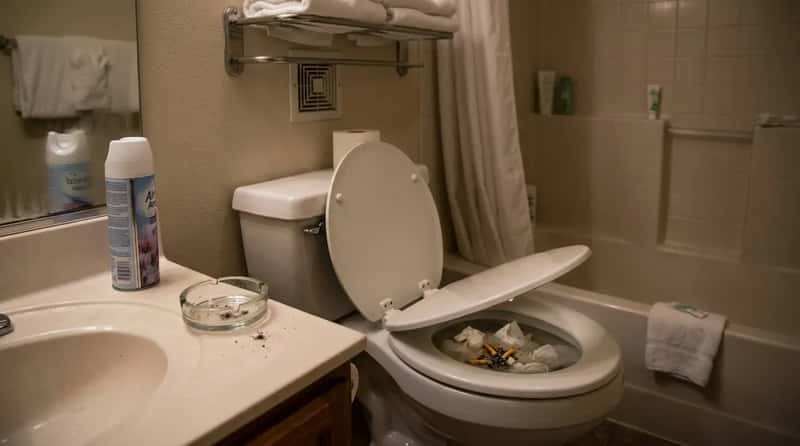
Smoke damage is one of the hardest things for housekeeping to fully erase, and guests rarely get away with hiding it. The giveaway is never the smell alone – it’s the elaborate cover-up: air freshener sprayed directly onto curtains, the bathroom fan left running for hours, ashtrays hidden and emptied straight into the toilet.
In one memorable account, a housekeeper dumped an ashtray, froze at what she saw, and called a manager instead of flushing – it turned out to be a small fortune quietly dissolving in the toilet water. Most non-smoking violations trigger an automatic cleaning fee anyway, so the disguise rarely changes the outcome.
Worth Knowing
- Smoking violation fees typically run $250 to $500 per incident, depending on the property and room size.
- The American Hotel & Lodging Association estimates full smoke remediation can climb to $600 to $1,500 in severe cases.
- Many properties now use air-quality sensors that flag smoking or vaping automatically, no housekeeper walkthrough required.
- The fee is rarely negotiable once evidence – ashes, burn marks, or lingering odor – is documented at checkout.
#3 – Leaving the Room in Disaster Mode and Expecting a Miracle in 20 Minutes
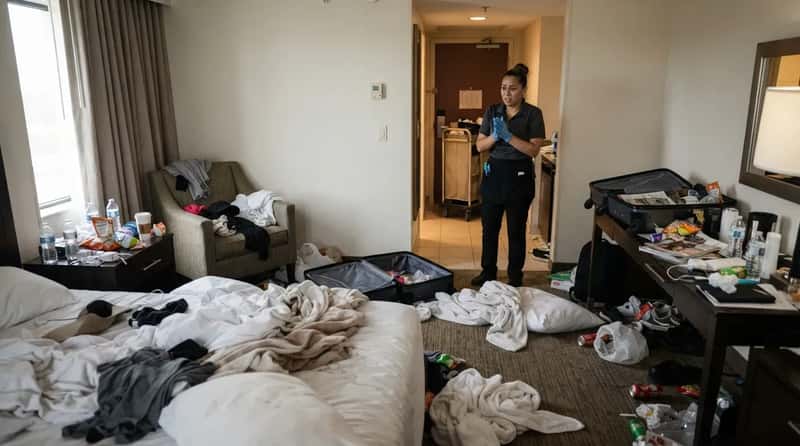
Standard checkout cleans are budgeted for a set number of minutes, not an hour of archaeology. Housekeepers describe rooms where every surface is buried, furniture has been rearranged, and the bed looks like it survived a small storm.
One housekeeper at a five-star Orlando hotel admitted the time crunch means she often can’t clean as thoroughly as she’d like – vacuuming, scrubbing the tub, or getting under the bed sometimes just gets skipped. A messier room doesn’t earn more time; it just gets a rushed, lower-quality clean, which ultimately punishes the next guest more than anyone.
#2 – Leaving Passive-Aggressive Notes Instead of Talking to the Front Desk
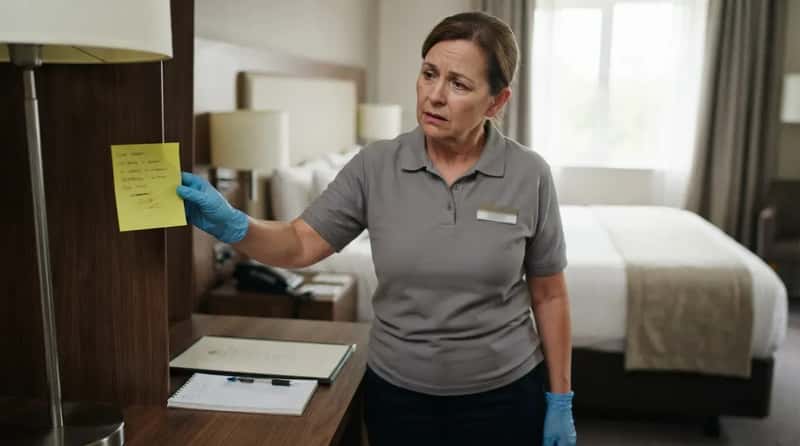
A sticky note complaining about pillow firmness left on the desk doesn’t fix anything. It just confuses the next housekeeper, who has no context and zero authority to act on it.
Staff say written complaints left in the room, instead of routed through the front desk, almost never reach anyone who can actually resolve the issue. It’s a strangely common way for guests to avoid a face-to-face conversation – but it guarantees the same problem repeats for the next occupant instead of getting solved.
#1 – Treating Housekeepers Like They’re Invisible
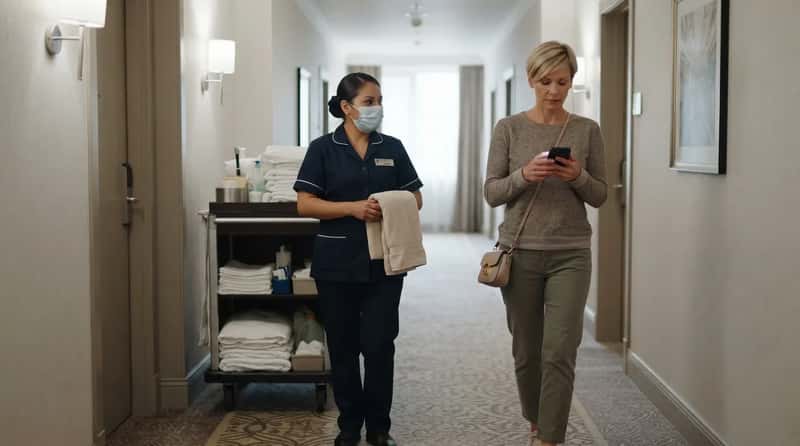
Of every habit on this list, this is the one staff bring up most, and it’s rarely about any single mess. It’s the guests who won’t make eye contact, won’t say hello in a hallway, or talk over them like the room somehow cleans itself.
A simple nod or “thank you” costs nothing and takes two seconds, yet staff say it’s rarer than almost any other courtesy on this list. The guests housekeepers actually remember fondly, the ones they go out of their way for, are almost never the ones who tipped the most – they’re the ones who treated a person doing hard work like a person, not furniture in the hallway.
None of these habits will get you banned from a hotel. But housekeepers remember every single one, and the guests who avoid them tend to get the small, unspoken perks – extra pillows, a slightly better clean, a little more patience when something goes wrong.
The pattern across every story, survey, and Reddit thread is the same: it’s rarely about money, and almost always about basic acknowledgment. Which of these did you not expect? Drop it in the comments.