Most people picture 1970s cruising as glamorous, formal, and effortless – tuxedos at dinner, endless buffets, nothing but sunshine and shuffleboard. The real story is stranger, smaller, and a lot less polished than the postcard version everyone remembers. The entire industry was barely a blip compared to today, and a lot of what felt “classic” was actually improvised, restrictive, or just plain odd by modern standards.
Some of what passengers tolerated back then would trigger a full-blown meltdown today – separate dinners for kids, one assigned table for seven straight nights, and entertainment that meant a single orchestra and a guy telling jokes in a ballroom. Here’s what old ship pamphlets, cruise historians, and one very influential TV show actually reveal about the decade everyone thinks they remember.
#21 – Carnival’s Wild Rule: No Dress Code At All (Just Please Wear Pants)
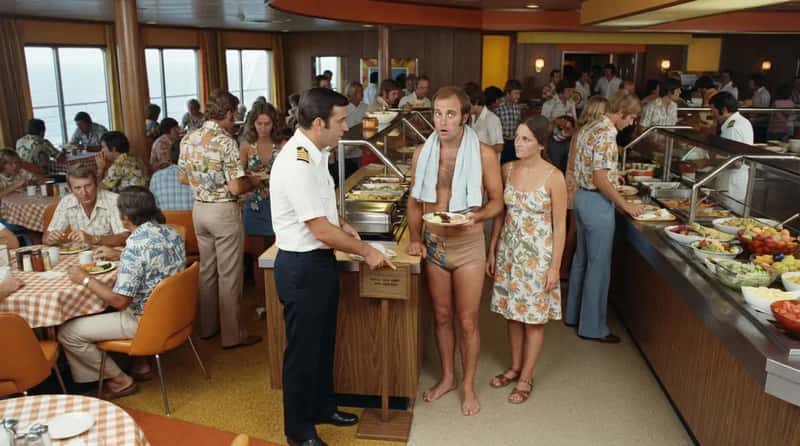
While most 1970s ships clung to strict formality, one brand-new line went the opposite direction almost overnight. Cruises had been somewhat dressy affairs until Carnival launched in the 1970s with no dress code at all, a radical departure from the buttoned-up norm that confused a lot of first-time cruisers.
The confusion got so bad that staff had to step in constantly. The line actually had to remind passengers to put on a pair of shoes and a top if they wanted to be served in the buffet. It sounds absurd now, but it was the first real crack in cruising’s rigid dress culture – decades before “no dress code” became the industry standard.
#20 – “Formal Night” Wasn’t One Night – It Was Basically Every Night
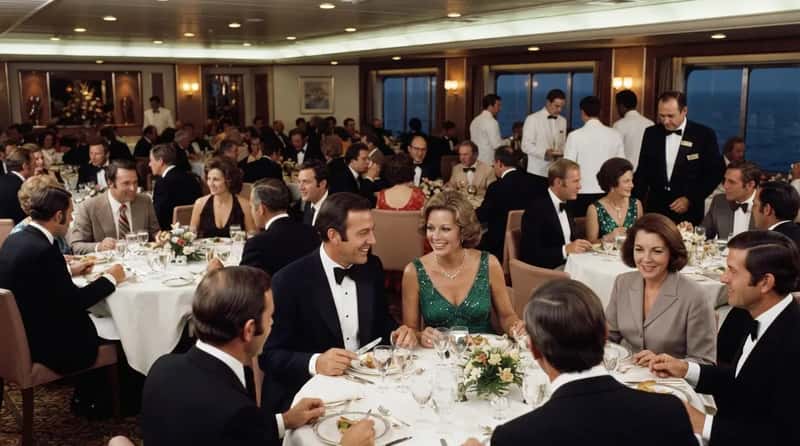
Today, most ships schedule one or two formal nights per week and call it a special occasion. In the 1970s, that expectation was baked into nearly every evening. A 1981 pamphlet for Song of Norway recommended cocktail dresses and pantsuits for ladies, and requested gentlemen wear jackets and ties in the dining room after 6:00pm on most evenings.
That wasn’t a suggestion – it was the baseline. Passengers packed entire suitcases just for evening wear, and skipping it meant risking an awkward conversation with the maître d’. Compare that to modern casual cruising, where shorts and a t-shirt get you into most dining rooms without a second glance.
#19 – You Got One Table, One Time Slot, All Week Long
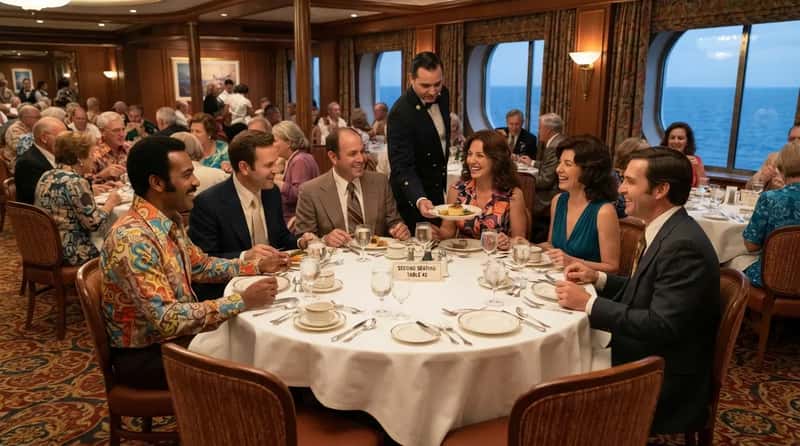
Flexible dining didn’t exist yet, and passengers had zero say in the matter. There were two seatings for all three meals in the main dining room, with dinner themes including Italian, French, Caribbean, and “America The Beautiful.” You were locked into your seating time and your tablemates for the entire cruise.
If you didn’t like your dinner companions, tough luck – there was no app to switch, no specialty restaurant to escape to. Meals were a fixed social contract for the whole voyage, which explains why so many 1970s cruisers describe becoming genuinely close with total strangers by day three.
Fast Facts
- Two fixed seatings covered breakfast, lunch, and dinner every day
- Dinner themes rotated through Italian, French, Caribbean, and “America the Beautiful” nights
- Passengers kept the same table and the same tablemates for the entire cruise
- No online system to swap tables – you asked the maître d’ in person, if at all
#18 – Kids Ate Dinner Without Their Parents – On Purpose
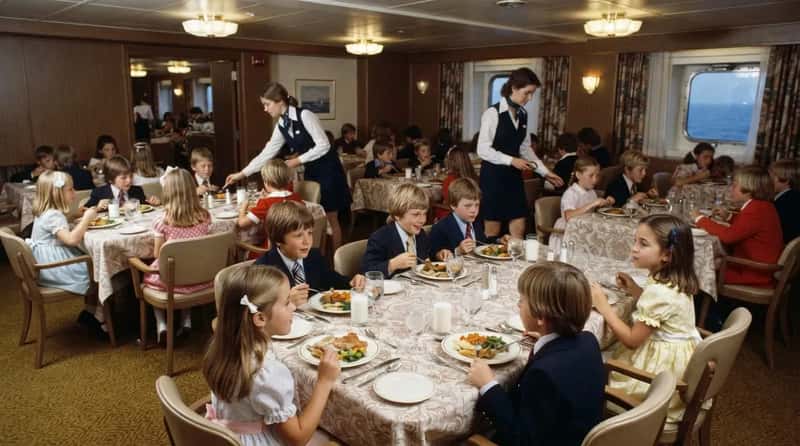
Modern cruises are built around family dining, but that wasn’t always the case. A former Love Boat writer who’d sailed on real liners before the show recalled a very different setup: children were seated in a separate dining room and didn’t eat with their parents at all.
It wasn’t a punishment – it was just how formal cruising worked. Ships treated evening dinner as an adult social ritual, and kids were routed elsewhere so parents could enjoy a quiet, dressed-up meal. Most families today would find that arrangement almost unthinkable.
#17 – The Real Passengers Were the Movie Extras
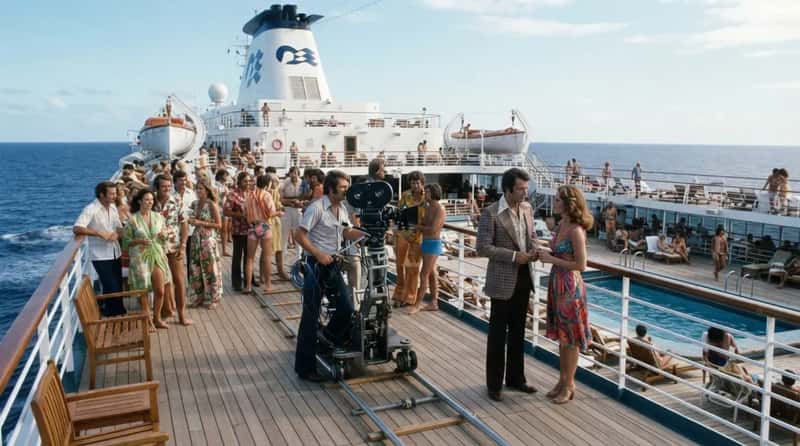
The show that defined 1970s cruising in America wasn’t entirely fictional. Scenes from “The Love Boat” were occasionally filmed aboard real-life cruises, with the passengers serving as extras, which only added to the appeal. Regular vacationers ended up in the background of a hit network TV show without auditioning for anything.
The show partnered directly with a real cruise line for authenticity. Episodes were filmed aboard various Princess Cruise ships, with the Pacific Princess and Island Princess being the most notable. That blurring of fiction and reality is part of why so many viewers assumed every ship looked and felt exactly like the one on TV.
#16 – Most “Cruise Ships” Were Just Old Ocean Liners in Disguise
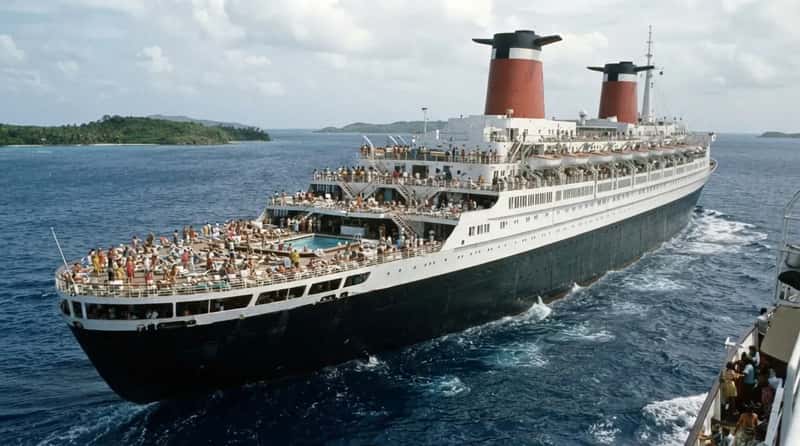
Purpose-built cruise ships were still rare in the early 1970s. The launch of “The Love Boat” came at a time when the vast majority of cruise ships on the water were former liners that had been converted, with very few new ships in service. Passengers were essentially sailing on repurposed transatlantic crossers.
These ships weren’t designed for leisure – they were designed for speed and efficiency between continents. Retrofitting them for vacation cruising meant awkward layouts, cramped public spaces, and none of the resort-style amenities that define new ships today.
#15 – Only 500,000 Americans Cruised a Year – Total
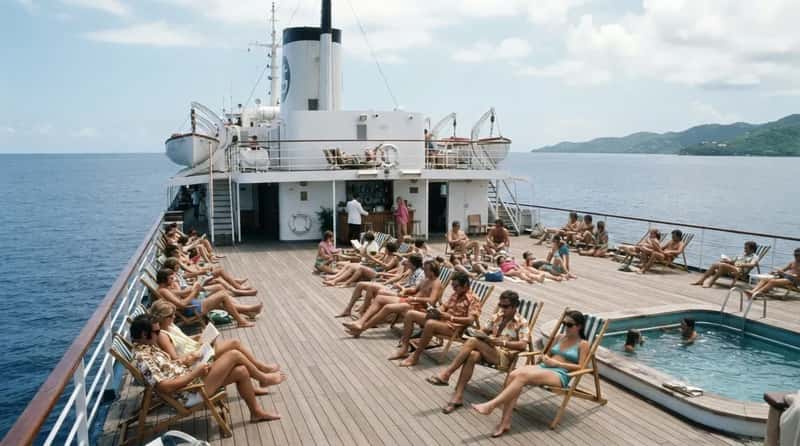
The scale of the industry is almost impossible to imagine now. The cruise industry was very different in 1970, catering to an estimated 500,000 passengers total. That’s a fraction of what a single modern mega-ship carries over just a few years.
Three decades later, that number exploded. By the late 1990s, that figure had jumped to five million passengers annually. Cruising in the 1970s wasn’t a mainstream vacation – it was a niche experience most Americans had never even considered.
#14 – Entertainment Meant One Orchestra, One Comic, and a Cabaret Singer
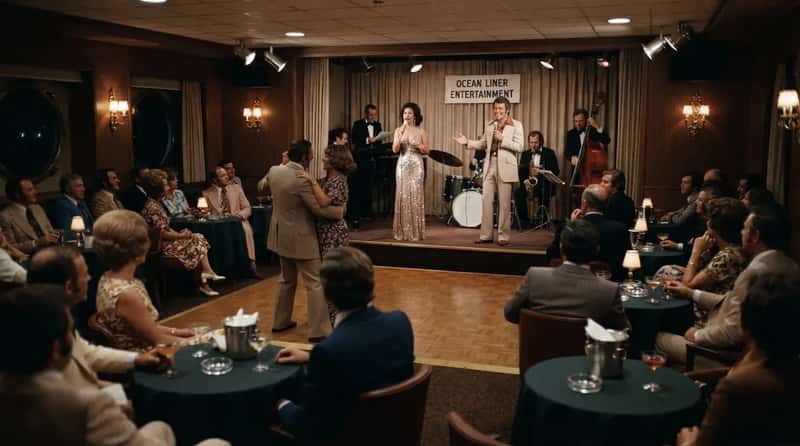
Forget Broadway-style productions and acrobats – 1970s entertainment was minimal by comparison. There was dancing every night, a girl singer along with a comic and dance acts, and orchestras that were franchises usually booked by Lester Lanin. That was often the entire evening lineup.
There simply wasn’t the infrastructure for anything bigger. Ships never had shows like modern productions and didn’t even have theaters except to show movies. The elaborate stage shows passengers expect today didn’t exist yet in any real form.
At a Glance
- Nightly dancing led by an orchestra, often booked through Lester Lanin’s franchise
- One “girl singer” plus a stand-up comic rounded out most evenings
- No dedicated theaters – movies and cabaret shared the same ballroom space
- Zero large-scale production shows, decades before Broadway-style cruise entertainment
#13 – Crew Weren’t Allowed to Bring Their Families Onboard
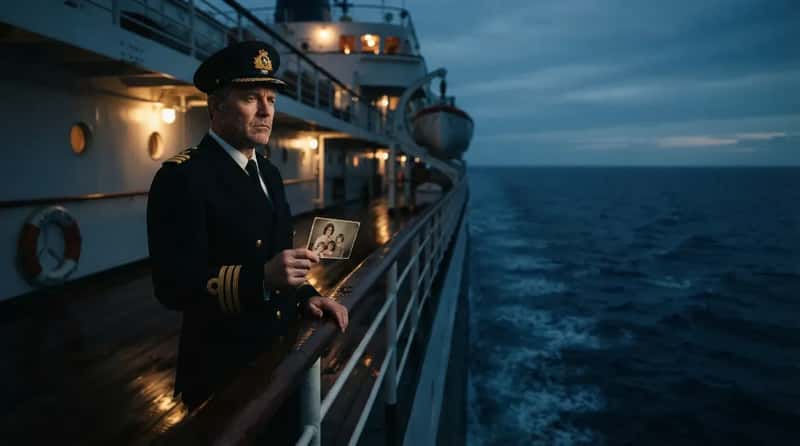
Modern crew members sometimes bring spouses along on contracts, but that wasn’t the culture in the 1970s. The officers on these ships were not traveling with their wives or kids. Life at sea meant genuine separation from family for the length of each contract.
It reinforced just how formal and hierarchical shipboard life was back then. Passengers and crew occupied very separate worlds, with almost none of the casual, personality-driven crew interactions that define today’s cruise culture.
#12 – Guests Dressed as Groucho Marx and Dolly Parton for Costume Night
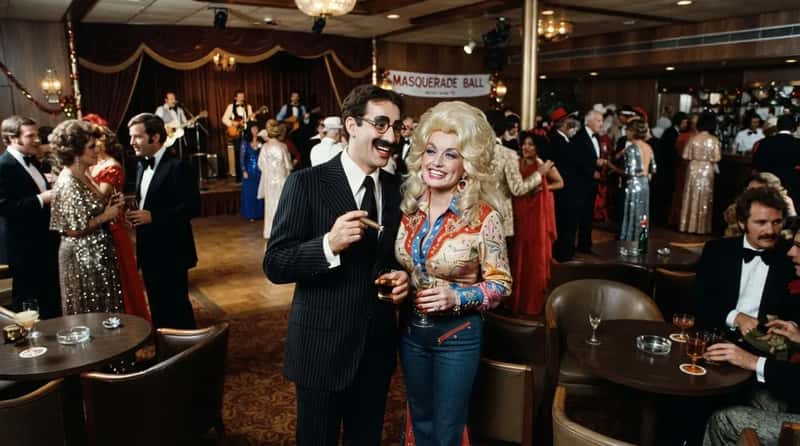
Theme nights existed, but they looked nothing like today’s glow-in-the-dark deck parties. There was pirate’s night as well as a “Madcap Masquerade,” where guests could dress up as Groucho Marx or Dolly Parton. Passengers packed costumes specifically for these evenings.
Other formal evenings had their own theatrical flair too. The Captain’s Gala Cocktail Party asked guests to make a “grand entrance dressed in your most devastating gown or best dinner jacket.” Costuming and pageantry were a built-in part of the cruise experience, not an optional extra.
#11 – The Only Casual Meal All Day Was Burgers on the Deck
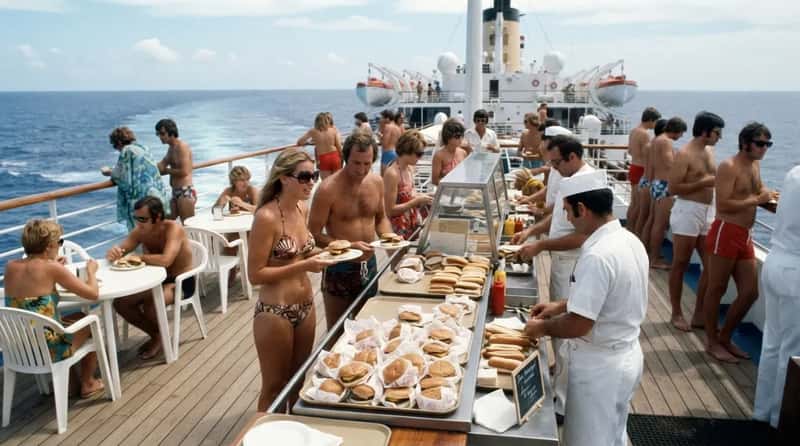
With so much formality elsewhere, one meal stood out as the sole break from the rules. The Sun Worshipper’s Lunch was a luncheon served outdoors on the aft of the Promenade Deck, with hamburgers, sandwiches, and hot dogs served with no dress code required.
For a single hour, passengers could show up in swimsuits without judgment. Everywhere else onboard – dining rooms, lounges, evening decks – carried some expectation of proper attire, making this casual lunch feel like a genuine daily escape valve.
#10 – Bouillon at 11 A.M. Was a Real, Serious Ritual
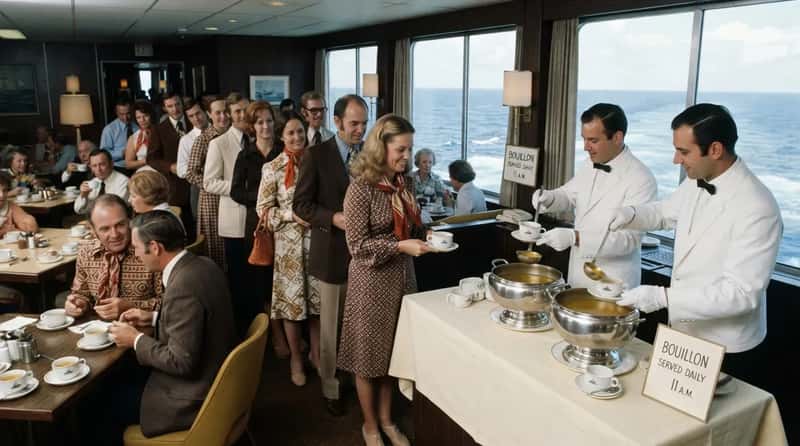
Some 1970s food traditions have simply vanished. A Mid-Morning Bouillon service offered a traditional late-morning pick-me-up at the Verandah Cafe on sea days. Passengers genuinely lined up for a cup of broth mid-morning as a scheduled social event.
It ran alongside another vanished ritual. Afternoon Tea offered tea and pastries at the Verandah Cafe every single afternoon. These weren’t occasional specials – they were fixed daily rituals passengers built their whole day around, something almost no modern ship still offers as standard.
#9 – Midnight Buffet Wasn’t Special – It Happened Every Single Night
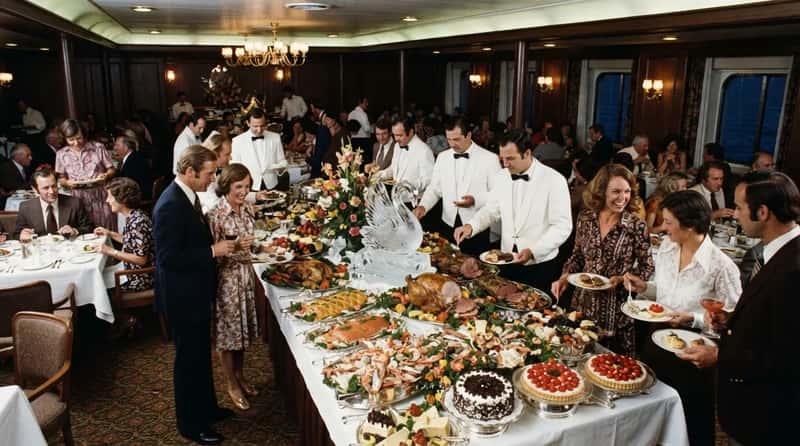
Today, a midnight buffet is a rare, hyped-up event on theme cruises. Back then, it was just Tuesday. The midnight buffet was perhaps the best-known meal on a cruise ship, and before ships had an overwhelming number of dining venues, it was available every night in the main dining room.
Passengers didn’t need a reservation or a special occasion – it simply appeared, night after night, as a core part of the schedule. Considering how few dining options existed elsewhere onboard, it functioned as the evening’s real social highlight.
Quick Compare
- 1970s: Midnight buffet served every night, no reservation needed
- Today: Special “gala” buffets happen once or twice per cruise, often as ticketed events
- 1970s: Bouillon and afternoon tea were fixed daily rituals at set hours
- Today: Most ships swap scheduled service for casual grab-and-go snacks
#8 – Flying to Meet Your Ship Was a Brand-New, Shocking Idea
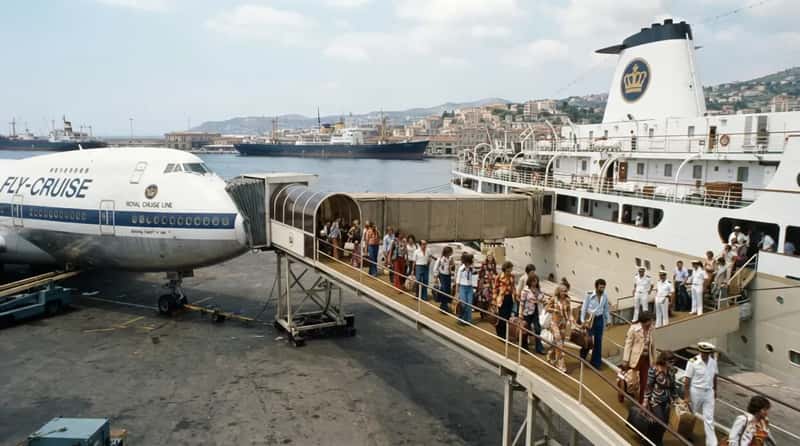
The now-standard “fly-cruise” concept felt genuinely radical in the 1970s. Royal Cruise Line’s Golden Odyssey was one of the first ships to introduce the concept of fly-cruises, where passengers flew to join the ship, with a passenger load matching exactly that of a Boeing 747.
Before this, most cruisers boarded from a home port and sailed the whole round trip. Flying partway to meet a ship overseas was such a novelty that it was treated as a headline feature, not the routine booking option it is for nearly every cruiser today.
#7 – College Kids Turned a Cargo Ship Into a Floating Campus
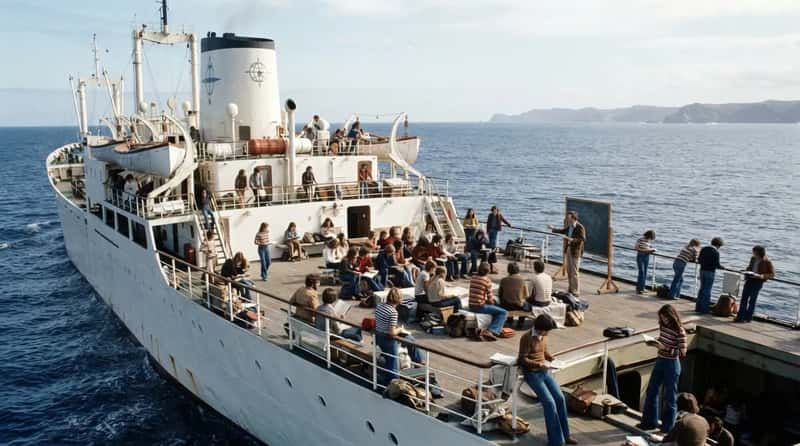
One of the decade’s strangest experiments barely resembled a cruise at all. World Explorer Cruises was founded around a converted freighter called Universe, with a new concept organizing cruises for students for part of the year, called “Semester at Sea.”
It was equal parts classroom and ocean voyage, decades before “educational cruising” became a marketing buzzword. The idea of studying calculus on a repurposed cargo ship sounds bizarre now, but it planted the seeds for the themed and enrichment cruises that are common today.
#6 – Cruising Almost Died Before It Ever Took Off
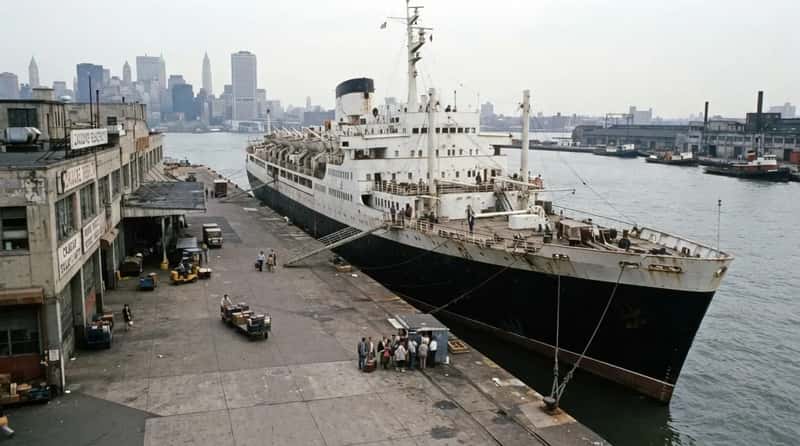
It’s easy to assume cruising has always been thriving, but the industry was genuinely struggling before the decade ended. One cruise historian credits the era’s shift with turning a sagging 1970s industry into what we know today.
Rising air travel had already gutted transatlantic crossings, and many classic liners were being retired with no clear replacement business model. Cruising in the 1970s wasn’t a booming success story yet – it was an industry quietly searching for a reason to survive.
#5 – Ships Didn’t Even Have Theaters – Just Ballrooms
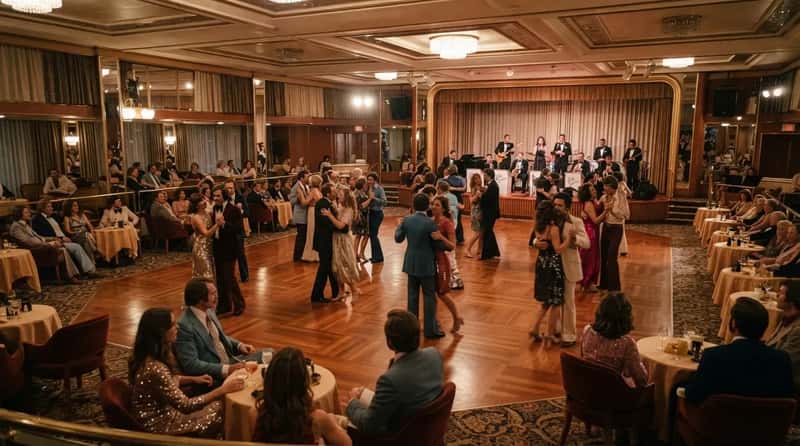
The physical layout of 1970s ships reveals how different the priorities were. Ships didn’t even have theaters except to show movies – instead there were very large ballrooms used as cabarets. Entertainment space meant a dance floor, not a stage.
That changed fast once television raised passenger expectations. The influence of onscreen entertainment was a major factor in contemporary cruise ships eventually building large theaters and production numbers. The showrooms passengers expect on every ship today simply didn’t exist yet in the 1970s.
#4 – Cruising Was for Couples, Not Families
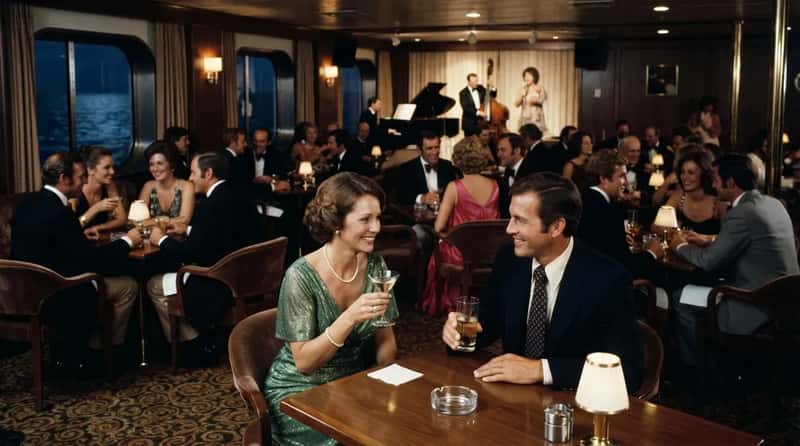
The idea of a cruise as a kid-friendly family vacation is a much newer development than most people assume. Back in the 1970s and 1980s, cruising was not thought of as a family vacation – it was more for couples.
Waterslides, kids’ clubs, and splash zones weren’t part of the pitch yet. Cruising was marketed almost entirely as a romantic escape for adults, which explains why so many surviving 1970s brochures show couples in evening wear instead of children in swimsuits.
#3 – The Great Ocean Liners Were Being Retired for Good
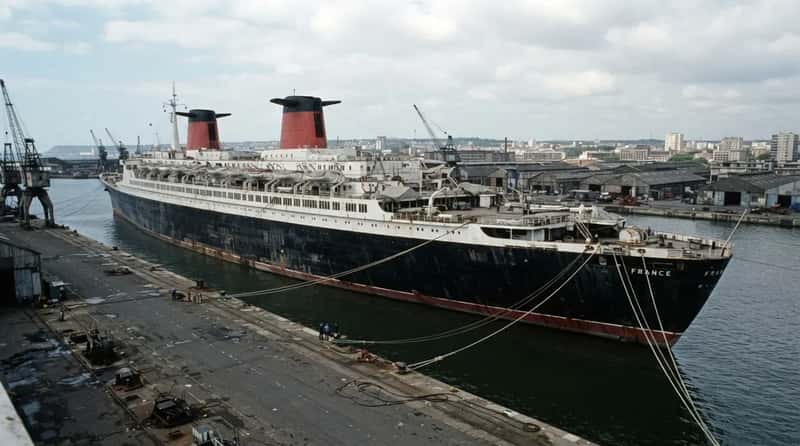
While cruising was finding its footing, an entire era of ocean travel was quietly ending. Ships including the Queen Mary, Queen Elizabeth, France, and all the Italian Line ships were pulled from service by the 1970s.
These weren’t struggling budget vessels – they were some of the most famous ships in maritime history. Their retirement marked the definitive end of ocean liners as practical transportation, clearing the runway for cruising to redefine what a passenger ship was even for.
Worth Knowing
- Queen Mary and Queen Elizabeth were both pulled from transatlantic service
- France, one of the fastest liners ever built, was retired around the same era
- Italy’s classic Italian Line ships exited service during the same stretch
- Their exit cleared the way for ships built purely for vacationing, not point-to-point travel
#2 – One TV Show Turned 500,000 Passengers Into 5 Million
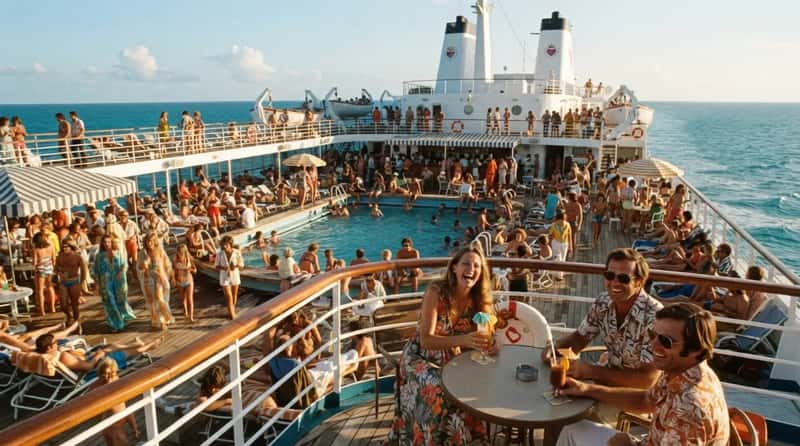
The scale of the shift this single show caused is almost hard to believe. In 1970, an estimated 500,000 people took a cruise vacation; by 1997, that number had jumped to five million. No other single factor gets credited this consistently by historians.
Industry insiders themselves have put a number on the impact. P&O Lines stated years later that the show had probably generated over a billion dollars in revenues for cruise companies. A prime-time sitcom effectively became the cruise industry’s most powerful marketing department.
#1 – The Industry Didn’t Just Get Popular – It Rebuilt Itself to Match a TV Fantasy
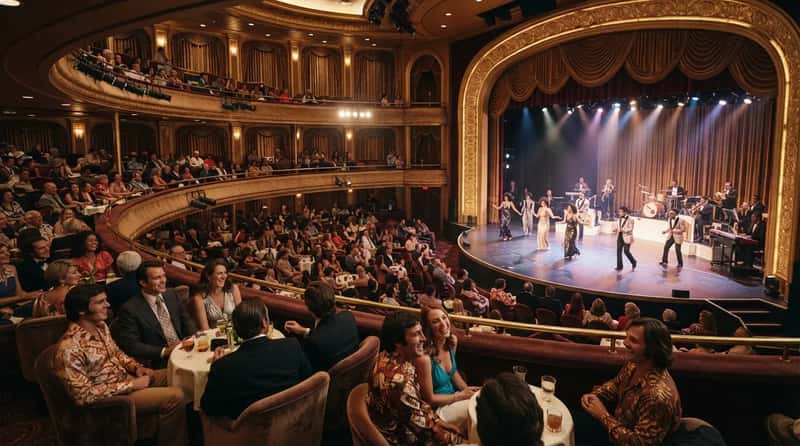
This is the detail that still surprises historians the most: cruise lines didn’t just benefit from the show’s popularity, they scrambled to actually become what the show pretended they already were. The show’s trivia nights, musical performances, and masquerades led to an increase in real entertainment offerings, forcing cruise lines to realize what they’d advertised wasn’t yet actually available onboard.
That single pressure reshaped ship design for decades. The show’s influence became a major factor in cruise ships eventually building enormous showrooms, and audiences who’d seen the fictional version demanded real ships have mini Radio City Music Halls of their own. A fictional TV boat quietly dictated the blueprint for the real cruise industry we sail today.
Looking back, 1970s cruising wasn’t the effortless glamour people picture – it was rigid, tiny, and often genuinely inconvenient by today’s standards. Assigned dinners, separate kids’ tables, and ships without real theaters were just normal life at sea. What’s wildest is that a single network TV show didn’t just popularize cruising – it forced an entire industry to rebuild itself to match a fantasy, and we’ve been sailing inside that fantasy ever since.