Most people assume the final boarding group is where flying goes to die – cramped bins, dirty looks, and a mad scramble down the jet bridge. But ask anyone who flies 50-plus segments a year, and they’ll tell you the last group is actually the calmest part of their trip. They’ve stopped fighting a system that was never designed to reward panic in the first place.
What separates them from everyone else scrambling at the gate isn’t luck, status, or a better seat. It’s a short list of habits they quietly refuse to do, no matter how chaotic boarding gets. Here’s what experienced flyers actually skip when their group number gets called last.
#21 – They Never Panic-Sprint to the Line the Second Boarding Starts
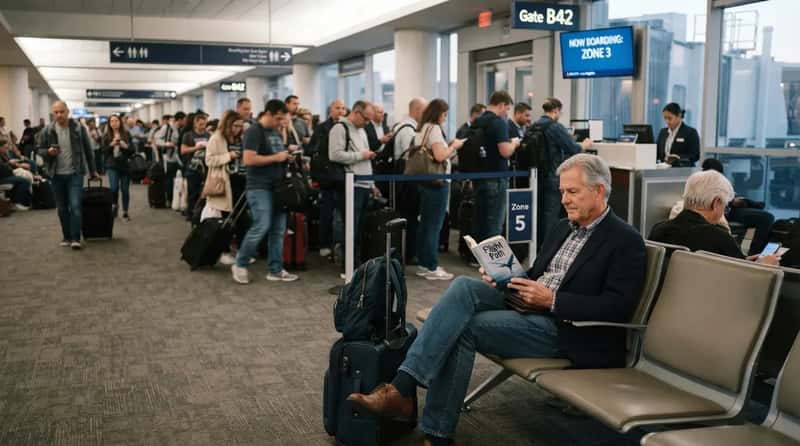
Veteran flyers know that sprinting to the gate the moment boarding begins accomplishes nothing when you’re several groups away from being called. The most experienced flyers aren’t anxious about boarding order at all, because they’ve done it enough times to know a few minutes’ difference has never once made or broken a trip. Standing in a crowded line for ten extra minutes just adds stress with zero payoff.
Instead, they sit near the gate, watch the monitor, and walk up only when their letter or number is actually announced. The habit isn’t laziness – it’s earned confidence. They know the plane isn’t leaving without them once they’re standing at the counter with a confirmed seat.
#20 – They Never Bring a Full-Size Roller Bag and Hope for the Best
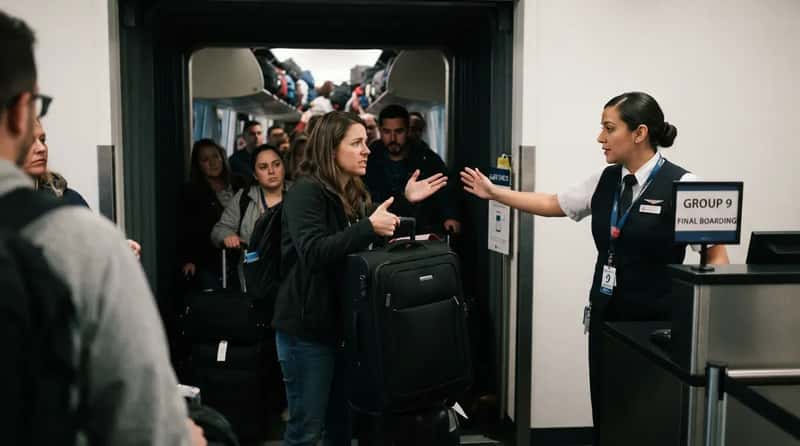
Basic economy travelers who show up with a standard rolling suitcase are setting themselves up for a very public disappointment. Basic Economy passengers board last, typically in Group 9, and overhead bin space is usually full by then, so the smart move is to plan on checking your carry-on bag and bringing only one personal item on board. Veteran flyers pack accordingly instead of gambling.
They travel with a soft, under-seat-sized bag or accept upfront that a rolling suitcase will get gate-checked. They never waste energy resenting the fare rules they agreed to when they booked. Planning ahead beats arguing at the jet bridge every time.
#19 – They Never Assume Their Seat Is in Danger
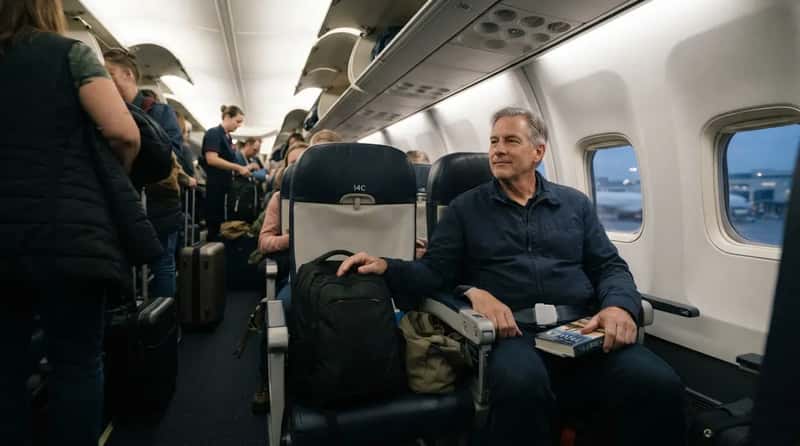
A surprising number of nervous flyers think boarding last somehow threatens their actual seat assignment – it doesn’t. On most airlines, your seat is assigned regardless of when you board. Veteran flyers know the only real stakes in the final group involve luggage, not their spot on the plane.
That distinction changes everything about how they behave at the gate. They don’t rush, elbow, or stress-check the monitor every thirty seconds. The seat is locked in the moment they booked it – boarding order only affects bin access.
#18 – They Never Skip the Bathroom Before Their Group Is Called
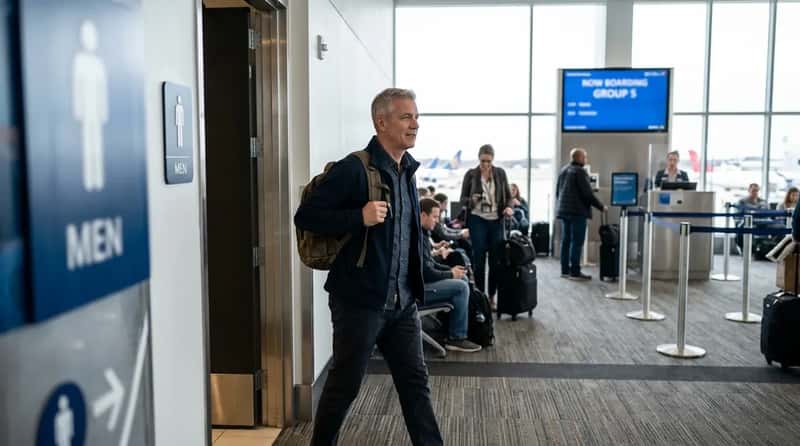
Nothing slows down a boarding line faster than someone darting off mid-line for a last-minute bathroom run. Experienced flyers handle this before their group is even close to being called, not after. They know once boarding starts moving, there’s no graceful way to step out and get back in line.
This sounds minor, but it’s a habit that separates relaxed travelers from frazzled ones. Veteran flyers treat the 20 minutes before boarding as prep time, not downtime. A five-minute detour becomes a non-issue when it’s handled early.
#17 – They Never Join “Gate Lice” Crowding the Wrong Lane
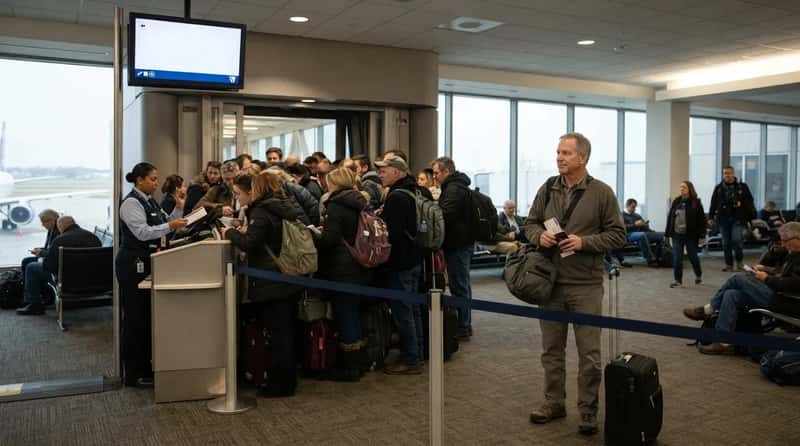
Etiquette experts have a blunt term for travelers who crowd the boarding lane before their group is called – and veteran flyers refuse to be one of them. Frequent flyers resist the urge to jockey for the first position on line, understanding that everyone boards eventually, and follow instructions about boarding groups, period. They let families and early groups move freely instead of blocking the lane.
This isn’t just politeness – it’s practical. Crowding near the podium when you’re not in the current group creates a bottleneck for everyone, including gate agents trying to scan passes efficiently. Standing back actually gets the whole plane loaded faster.
#16 – They Never Forget Their Boarding Group Can Change Overnight
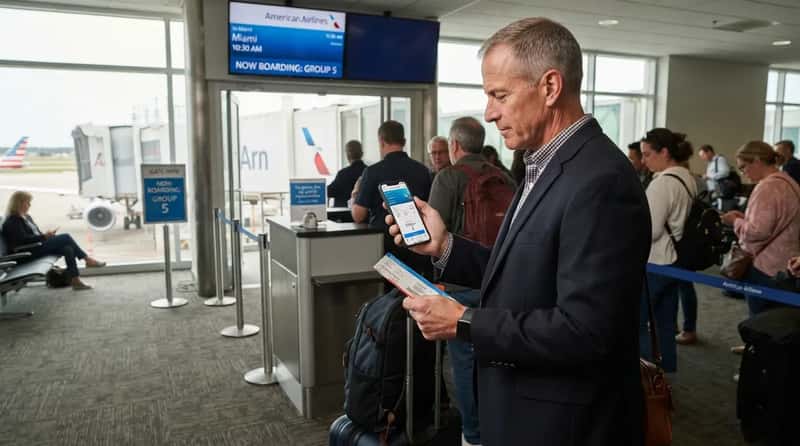
Boarding systems aren’t static, and veteran flyers know it. American Airlines uses nine numbered boarding groups plus a preboarding stage, a system that was updated in May 2025 and reorganized how premium cabin passengers and elite status members flow onto the plane. Some travelers still expect the old chart to apply.
More recently, later in 2026, AAdvantage members on a basic economy fare without status or an eligible credit card will board in Group 7 instead of Group 6 – a small shuffle that still ripples into whether the overhead bins are empty or already full by the time they reach their row. Experienced flyers double-check their group letter every single trip instead of relying on memory.
Fast Facts
- American Airlines now runs nine numbered boarding groups plus a separate preboarding stage.
- The chart was overhauled in May 2025, changing how premium cabins and elite members board.
- Later in 2026, basic economy AAdvantage members without status shift from Group 6 to Group 7.
- Boarding order is now more likely to change year to year than to stay fixed.
#15 – They Never Try to Sneak Into an Earlier Group
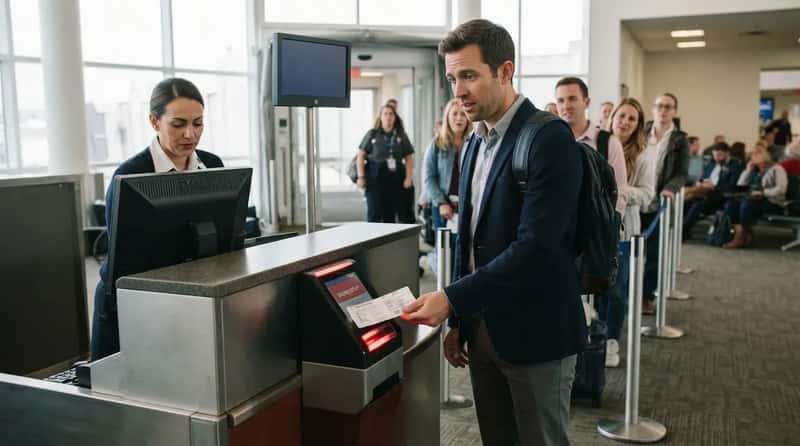
Trying to board with a group that isn’t yours is one of the fastest ways to get flagged, and veteran flyers steer clear of it entirely. Frequent fliers know it’s frustrating when travelers in Group 6 attempt to get their boarding passes scanned with Group 1. The scanner beeps, the line stalls, and everyone behind them notices.
Seasoned travelers know the embarrassment isn’t worth the two minutes saved. A rejected scan in front of a full gate area is far more humiliating than simply waiting your turn. They’d rather board on time than board with attitude.
#14 – They Never Pack Two Carry-Ons and Call One a “Personal Item”
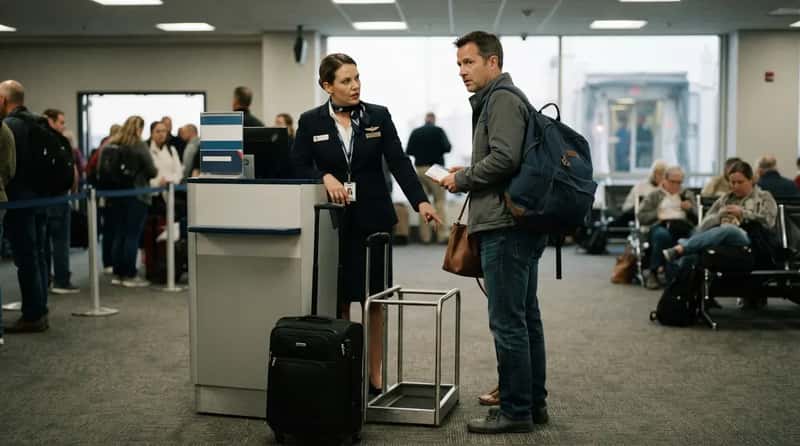
Trying to disguise a second bag as a “personal item” rarely works, especially in the last boarding group where gate agents are watching closely. Carry-on rules typically require a bag that fits in the overhead bin and a personal item that fits under the seat in front of you, and no other items can be carried on – they must be checked at the ticket counter. Veteran flyers respect the limit instead of testing it.
They know gate agents in the final boarding group are trained to catch exactly this move, since it’s the most common trick attempted at the podium. Getting flagged in front of a packed gate area is a worse outcome than simply checking the extra bag early.
#13 – They Never Wait to Consolidate Their Bags Until They’re at the Scanner
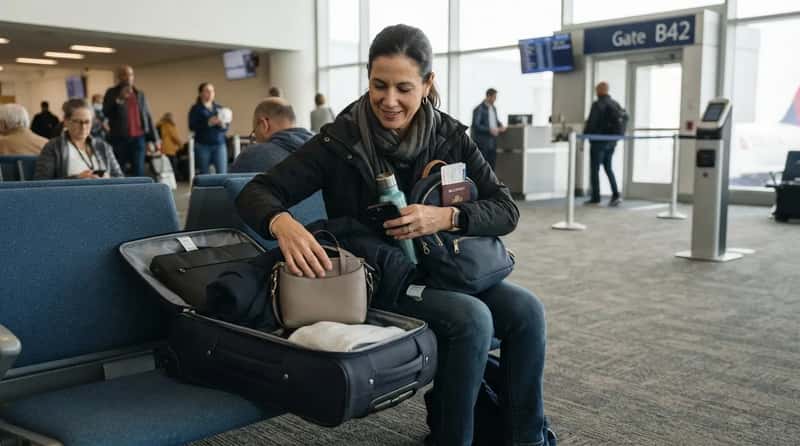
Fumbling with a purse, a coat, a laptop bag, and a coffee cup right at the scanner is a rookie mistake. Veteran flyers consolidate everything into one manageable carry setup while they’re still sitting at the gate, long before their group is called. It sounds small, but it’s one of the biggest time-savers in the entire boarding process.
This habit isn’t about looking put-together – it’s about not becoming the person holding up the line. A ten-second fumble at the scanner creates a domino effect for everyone stacked behind them. Experienced flyers treat gate-side prep as non-negotiable.
#12 – They Never Assume Basic Economy Means No Bag at All
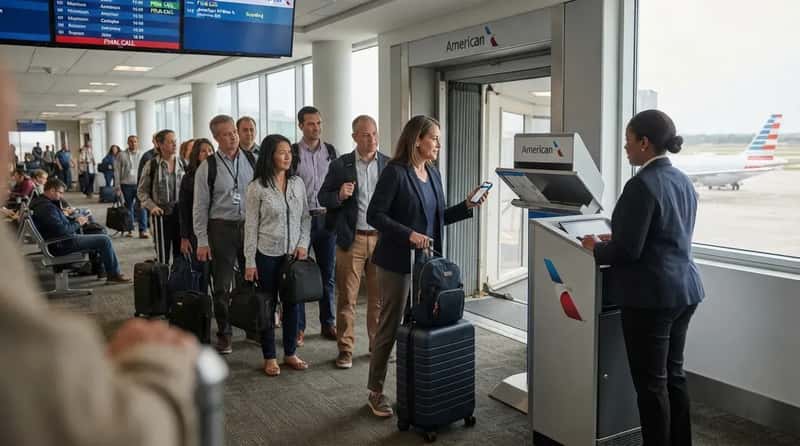
There’s a persistent myth that basic economy travelers can’t bring anything but a purse, and it trips up plenty of nervous flyers. In reality, the rules vary significantly by airline and have shifted recently. “Basic economy” is an ever-evolving concept, and American Airlines recently began allowing carry-on bags again on some fares.
Veteran flyers check the specific rules for their airline and fare class before assuming the worst. Guessing wrong in either direction – packing too much or leaving bags at home unnecessarily – creates avoidable stress. A two-minute check on the airline’s app clears up the confusion instantly.
Worth Knowing
- Basic economy carry-on rules vary by airline rather than following one industry-wide standard.
- American Airlines recently began allowing carry-on bags again on some basic economy fares.
- A quick check of the airline’s app before departure clears up confusion in under two minutes.
- Assuming the strictest possible rule can mean leaving a usable bag at home for nothing.
#11 – They Never Argue With the Gate Agent Over Group Order
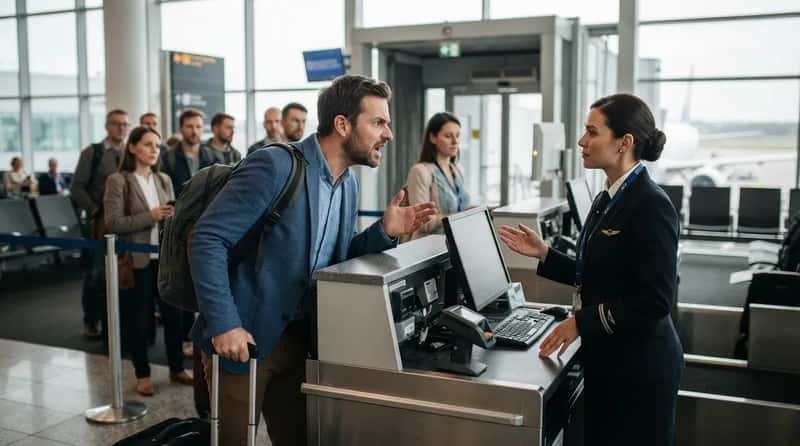
Nothing marks an inexperienced flyer faster than arguing with a gate agent about why their group should board sooner. Veteran flyers know the order is set by fare class, status, and credit card perks – and no amount of debate changes it in the moment. Arguing publicly only slows down the line and rarely produces a different outcome.
They’ve also seen how differently this plays out for people who stay calm versus people who escalate. Gate agents remember faces, and a calm traveler is far more likely to get flexibility later if something actually goes wrong. Losing your temper at the podium is the one guaranteed way to get zero sympathy from airline staff.
#10 – They Never Buy Priority Boarding Just for Bragging Rights
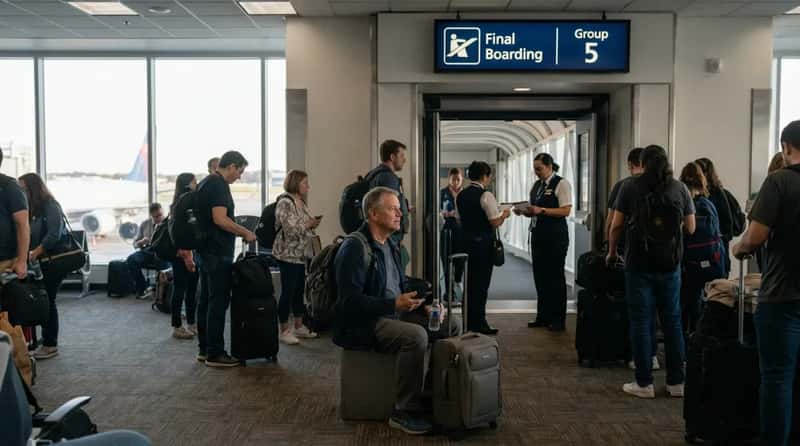
Paying extra to board a few minutes earlier sounds appealing, but veteran flyers do the math first. Airlines will sell an economy ticket holder priority boarding for $15 and up, but that upgrade might only move you one group earlier – priority boarding is often just one step ahead of general boarding, while basic economy still waits until the very end.
Experienced flyers only pay for priority boarding when bin space is genuinely at risk, like on a completely full flight with a tight connection. Otherwise, that $15-40 is better spent on literally anything else at the airport. They save the upgrade money for trips where it actually solves a real problem.
#9 – They Never Ignore the Comfort/Extra Seat Upgrade That Includes Earlier Boarding
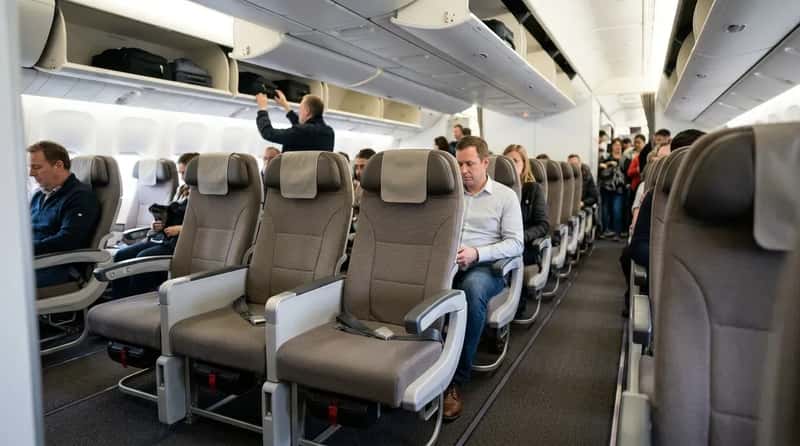
Veteran flyers know some upgrades quietly bundle earlier boarding with extra legroom, making them worth more than they first appear. Main Cabin Extra on American, Comfort+ on Delta, and Economy Plus on United all come with earlier boarding, and sometimes the upgrade is only $30-50 per segment – worth it if overhead bin space matters to you.
They treat this as a two-for-one deal rather than a pure comfort splurge. Getting boarded three or four groups earlier while also gaining legroom is a far better value than paying for priority boarding alone. It’s the upgrade seasoned travelers actually recommend to friends.
Quick Compare
- Main Cabin Extra (American): extra legroom plus an earlier boarding group
- Comfort+ (Delta): extra legroom plus an earlier boarding group
- Economy Plus (United): extra legroom plus an earlier boarding group
- Typical cost: often just $30-50 per segment
#8 – They Never Assume the Overhead Bin Above Their Seat Is “Theirs”
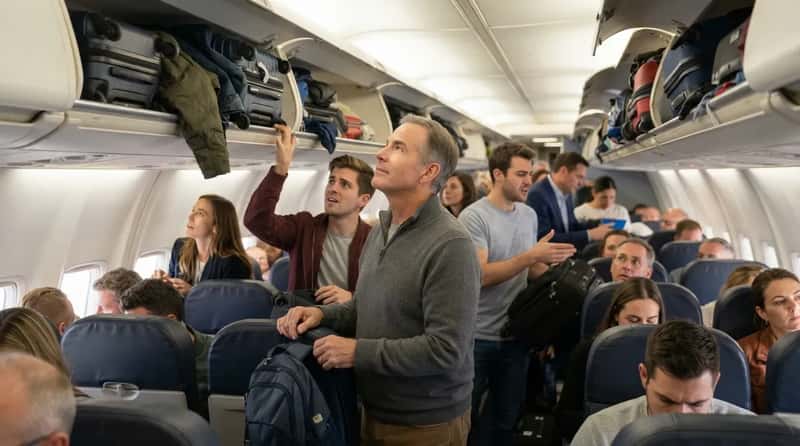
This is one of the most common misunderstandings in air travel, and veteran flyers correct it immediately. The overhead bin space above your seat does not belong to you – it’s community space for the entire cabin. Getting territorial over “my bin” is a losing battle every time.
They also know the numbers make competition inevitable on a packed flight. A typical narrow-body aircraft only has bin space for approximately 120-150 standard carry-on bags, which may not accommodate every passenger’s bag on a full flight. On a full plane, someone in the last group is mathematically guaranteed to run out of room – it’s not personal.
#7 – They Never Refuse to Gate-Check When a Flight Attendant Asks
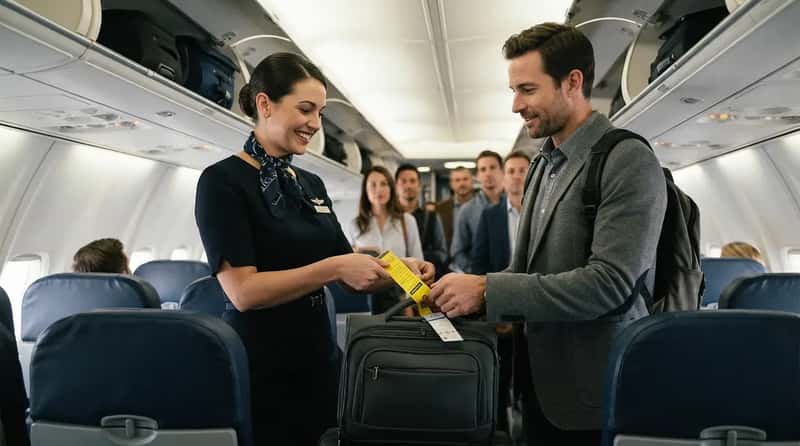
Digging in and refusing to hand over a bag when a flight attendant says the bins are full is one of the most avoidable delays on any flight. Veteran flyers know the good news: it usually doesn’t cost anything. Gate-checking a carry-on for free is a standard survival move when bins fill up – airlines will gate-check bags at no charge in that situation.
They hand the bag over immediately instead of holding up boarding for everyone behind them. A calm gate-check takes 30 seconds; an argument about it takes five minutes and annoys an entire cabin. Experienced flyers pick their battles, and this isn’t one worth fighting.
#6 – They Never Treat a Full Bin as a Personal Emergency
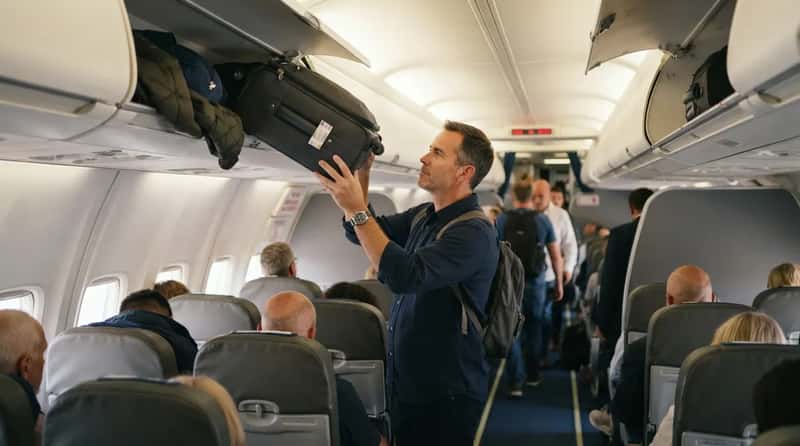
When the overhead bin above their assigned seat is already packed, veteran flyers don’t spiral. Boarding last does put you at risk of gate-checking your bag or storing it in a row behind your seat, so experienced flyers recommend boarding when your group is called and lining up in time to give yourself the best odds – but they don’t panic if a full flight doesn’t cooperate.
They simply walk a few rows back, tuck the bag in an open bin, and remember where they left it. The bag being three rows away has never once caused a flight to leave without it. Frequent flyers have done this hundreds of times without incident.
#5 – They Never Block Families and Wheelchair Passengers During Preboarding
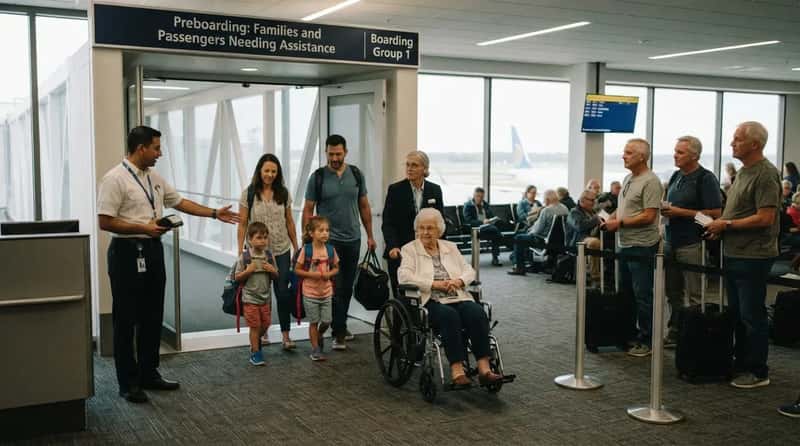
Preboarding exists for a reason, and veteran flyers respect it without complaint. They let wheelchairs and families with young children get comfortable first and follow instructions about boarding groups, period. Crowding this process just to shave off a few seconds is a habit that marks an inexperienced traveler instantly.
They also recognize that patience here reflects broader trends in cabin behavior. Disruptive passenger behavior has been rising, with 2,000 reported incidents in 2024 alone. Veteran flyers understand that staying courteous during preboarding is one small way to keep that number from climbing further.
At a Glance
- Preboarding runs before every numbered group, not after it.
- Wheelchair passengers and families with small children typically board first.
- Reported disruptive passenger incidents hit 2,000 in 2024 alone.
- Staying patient during preboarding costs seconds and avoids adding to that count.
#4 – They Never Forget Their Bag Is Protected Even in the Last Group
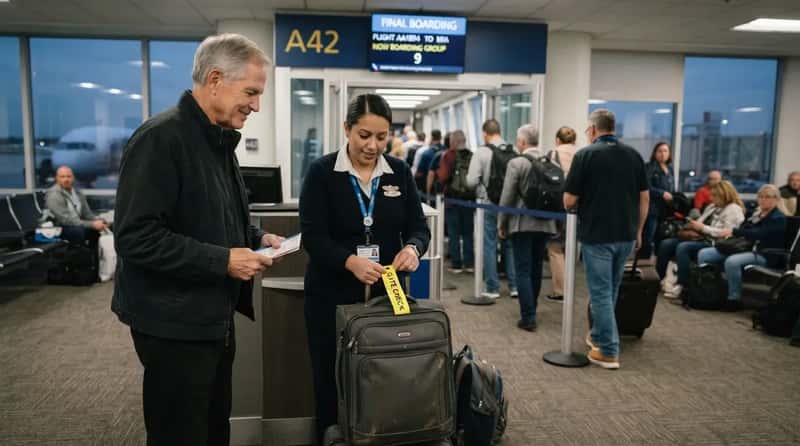
There’s a quiet fear among nervous flyers that boarding last means their checked or gate-checked bag might get left behind. Veteran flyers who’ve tested this know otherwise. If you made it through security en route to the gate, you have a confirmed seat and bag – and of the dozens of final-call passengers interviewed for one investigation, not one had their carry-on bag denied at the gate for boarding.
Sometimes those bags simply got gate-checked when bins filled up, but they still made the flight. The fear of being “left behind” in the last group is almost entirely unfounded once you’re already at the gate. That single fact removes most of the anxiety experienced flyers see in nervous travelers.
#3 – They Never Stress About the Three-Minute Difference Boarding Order Actually Makes
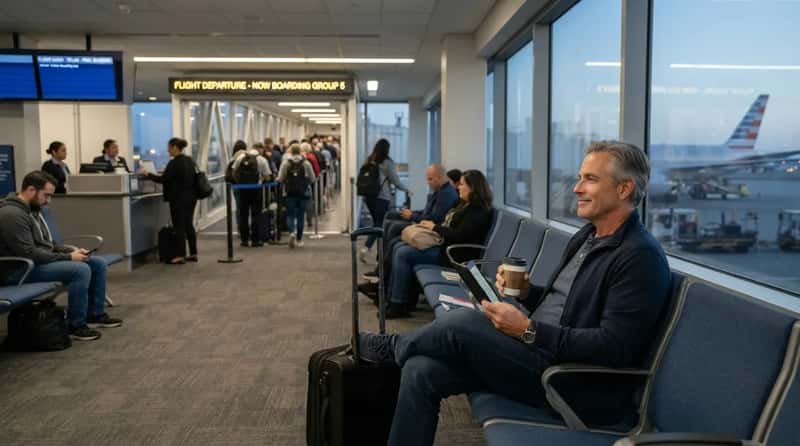
This is the mental shift that changes everything for veteran flyers. They’ve done it enough times to know a three-minute difference in boarding time has never once made or broken a trip, and after enough flights, the frantic scramble for group position starts to look exactly like what it is – a stress response to a problem that mostly solves itself if you just sit down and wait for your number.
Once a flyer internalizes that math, the entire gate experience changes. They stop watching the clock and start enjoying the last few quiet minutes before a flight. The three minutes people fight so hard to save rarely change anything about the trip itself.
#2 – They Never Complain Loudly About Being Called Last
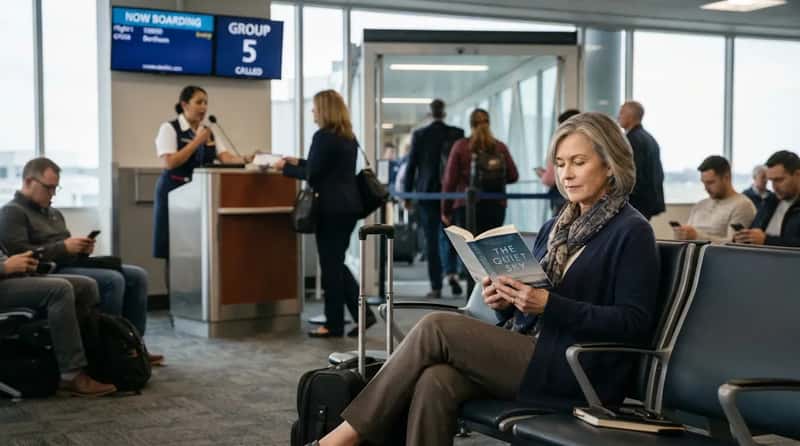
Some travelers treat being in the final boarding group as a personal insult, and gate agents notice every time. Gate agents sometimes announce the last-to-board group as “Basic Economy” over the microphone, but those passengers already know luggage isn’t part of the deal – they’re not a serious threat to anyone’s overhead bin space. Veteran flyers shrug it off instead of taking it personally.
They know complaining changes nothing about the group order and only draws unwanted attention. A loud complaint at the gate has never once moved anyone up a boarding group. Silence and a good book beat outrage every time.
#1 – They Never Buy Into the Myth That Boarding Last Means Getting Bumped
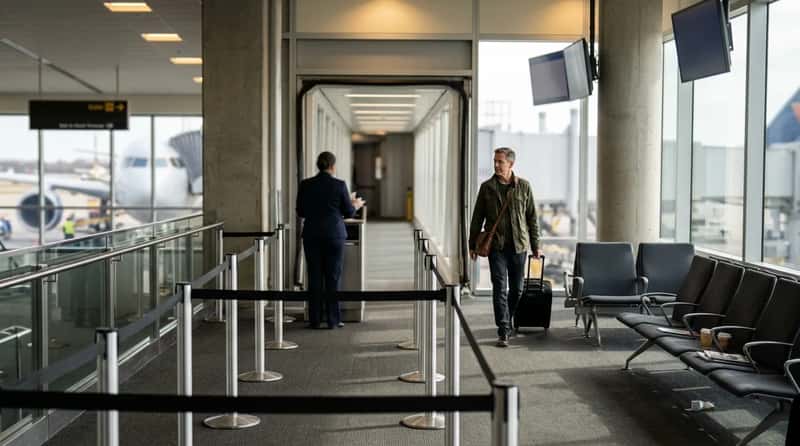
This is the single biggest misconception veteran flyers have learned to dismiss completely. Some final-call travelers now intentionally wait until every other group has boarded before walking up, treating it almost like a strategy rather than a punishment. These self-described “final-call” fliers wait until all rows have been called and the lines have vanished before boarding, saying the pros of delayed boarding far outweigh the cons.
One longtime final-call flier put it simply: “Remember, you still have a confirmed seat 10-15 minutes before the gate closes.” The final boarding group was never a threat to your seat – it was only ever a scramble for bin space, and veteran flyers stopped confusing the two years ago.
None of these habits require elite status, a fancy credit card, or a single extra dollar spent at the airport. They’re simply the result of flying enough times to know which parts of boarding actually matter and which parts are just noise. The final group looks stressful from the outside – crowded lines, tight bins, a slightly bruised ego over the “Basic Economy” announcement – but the people who fly the most have quietly stopped reacting to any of it.
What’s left is a much calmer version of the same trip everyone else is having, minus the sprint, the argument, and the fake emergency over a full overhead bin. So the next time your group gets called dead last, you don’t have to fight the system – you just have to stop treating it like a fight. What’s your best trick for surviving the final boarding group? Drop it in the comments.