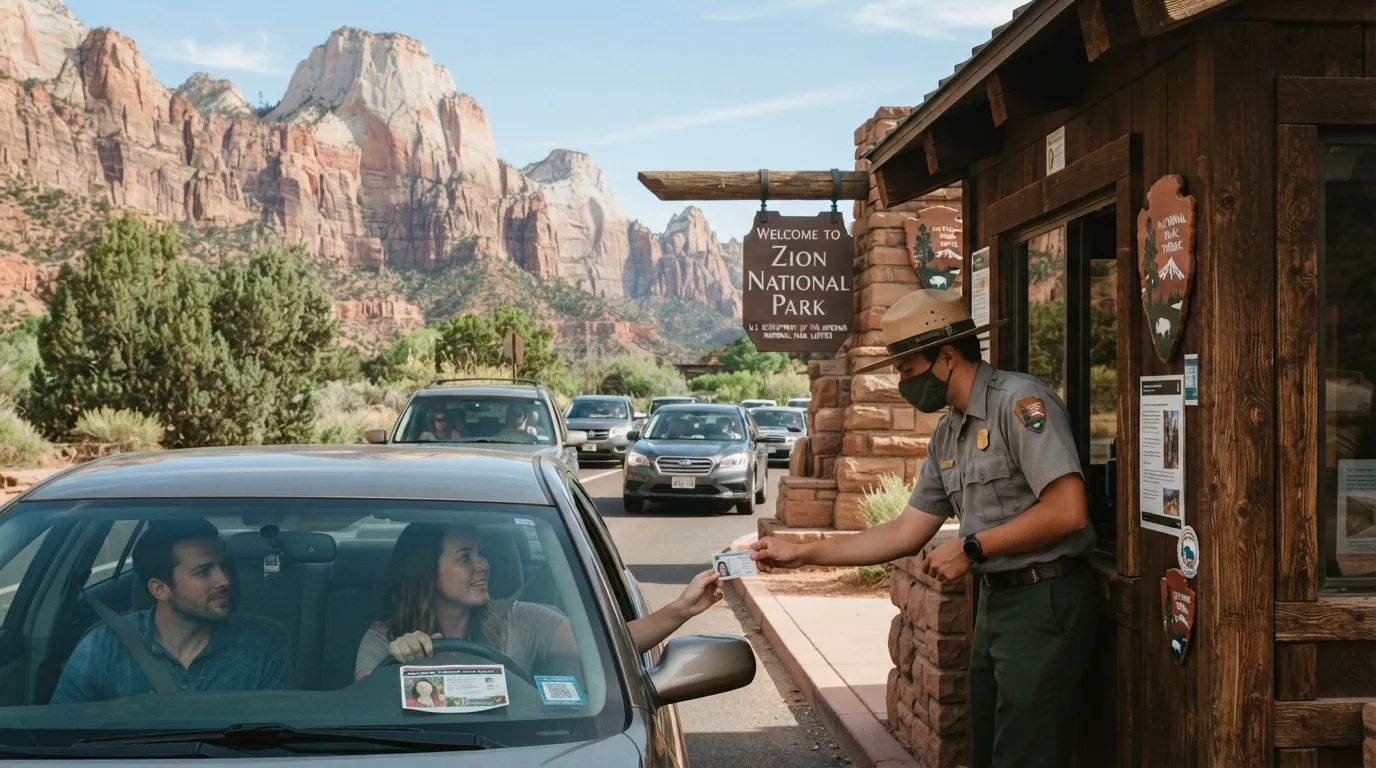
Picture the line at a national park entrance. Engines idle, a ranger leans out of the booth, and driver after driver counts out $35 as if it were simply the price of a view. A surprising number of those drivers are 62, 70 or even 80, and a lot of them didn’t have to pay anything. Below are fifteen gate charges the America the Beautiful Senior Pass wipes out or shrinks.
The pass is open to U.S. citizens and permanent residents age 62 or older, so the cutoff is eight years earlier than the headline suggests. It isn’t a magic wand, though. Some fees get cut in half, some are never touched, and one brand-new charge at 11 famous parks has people trading screenshots. That one is waiting at #1.
#15 – The $10 Fee at Small Historic Parks That Still Sends People Digging for Cards
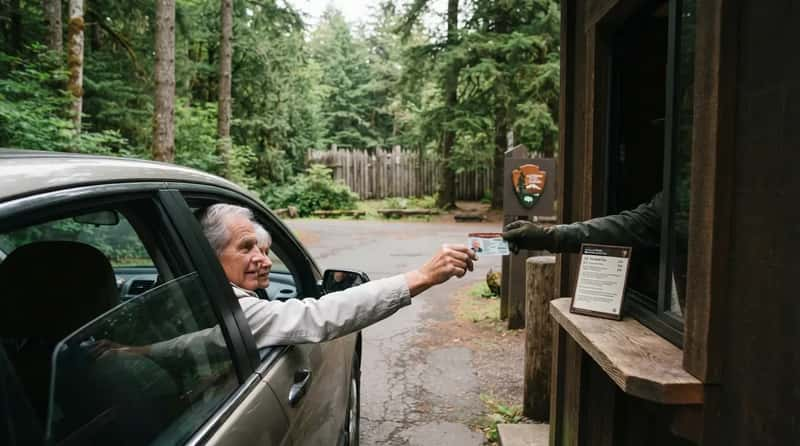
Even a quiet history site can ask you to pay before you step inside. At Lewis and Clark National Historical Park in the Pacific Northwest, the standard pass is $10 and the annual pass is $35. The park also says it does not accept cash, so some visitors reach the booth holding the wrong kind of payment.
The senior pass skips that scramble. At that park, an America the Beautiful pass is the only entrance pass you need, and seniors can buy a discounted version. Even the smallest sites on the map recognize the same card.
But the big-name parks charge far more than $10, and that’s where the savings get serious…
#14 – The Per-Vehicle Fee at Famous Parks That Adds Up Fast
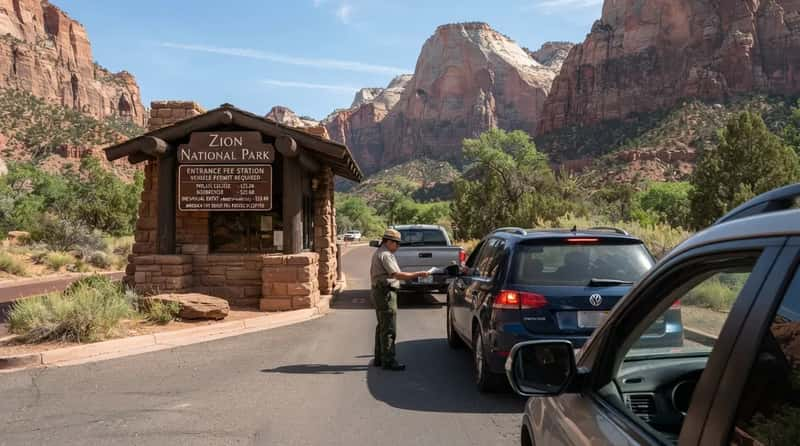
The headline parks charge by the car, and the price isn’t small. Zion’s entrance fee is $35 per vehicle for seven days. Yellowstone and Grand Canyon are each listed at $35 for a single visit.
Stack a few of those on a road trip and the total climbs quickly. Entry without a pass typically runs $20 to $35 per vehicle, so the $80 lifetime senior pass can pay for itself in two or three visits. For a traveler planning a western loop, the cost can be recovered before the trip is half over.
Fast Facts
- Zion: $35 per vehicle, good for seven days
- Yellowstone: $35 for a single visit
- Grand Canyon: $35 for a single visit
- Senior Lifetime Pass: $80, paid once
Here’s a catch most visitors only notice later: that $35 receipt comes with a countdown…
#13 – The Seven-Day Clock Ticking on Every Paid Receipt
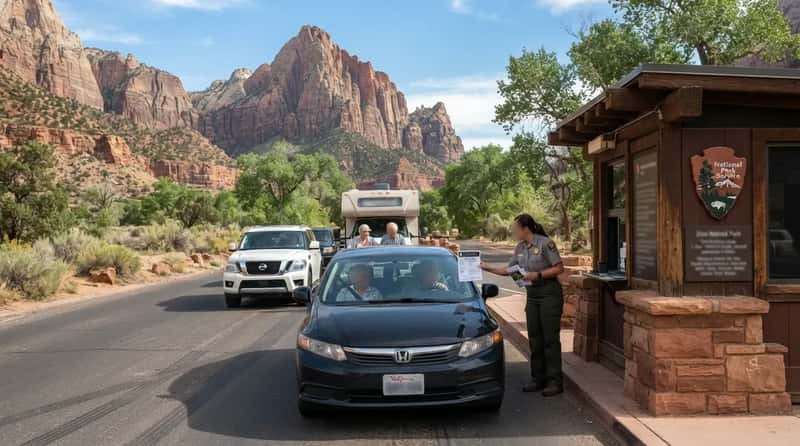
A standard entrance receipt expires. At Zion, the vehicle fee covers seven days. Stay longer, return after a detour, or split a trip around a family visit, and you may be paying all over again.
A senior pass has no such clock. The lifetime version is valid for life, with no renewals. The annual version runs twelve months, from the purchase date through the end of the same month the following year. The lifetime card never asks you to track an expiration date at all.
Then there’s the fee that quietly hits the whole back seat…
#12 – The Charge for Every Passenger Who Rides in Free
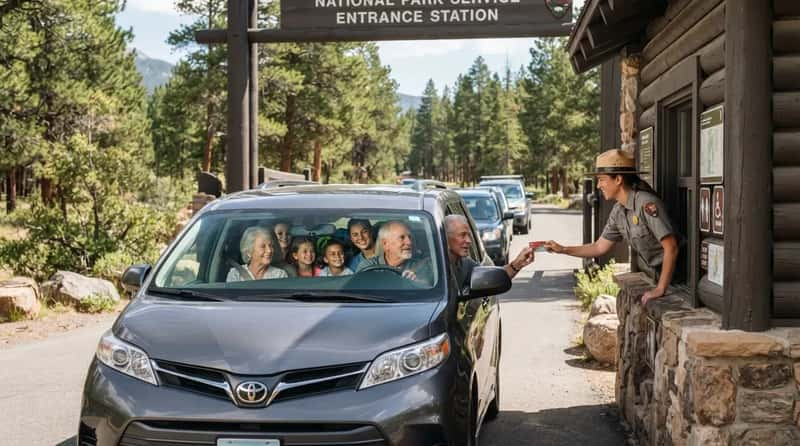
At a park that charges per vehicle, the pass covers a lot of people. It covers the pass holder and any passengers in a private, non-commercial vehicle. That means a full minivan of grandkids, friends or in-laws can roll in on one card.
There are limits. A tour bus or charter doesn’t count, and children under 16 are admitted free regardless of pass type. The card is non-transferable, and it only works if the named holder is in the vehicle.
And what if you aren’t driving in at all? The rules change at the walk-up gate…
#11 – The Per-Person Fee for Walk-Ins and Cyclists
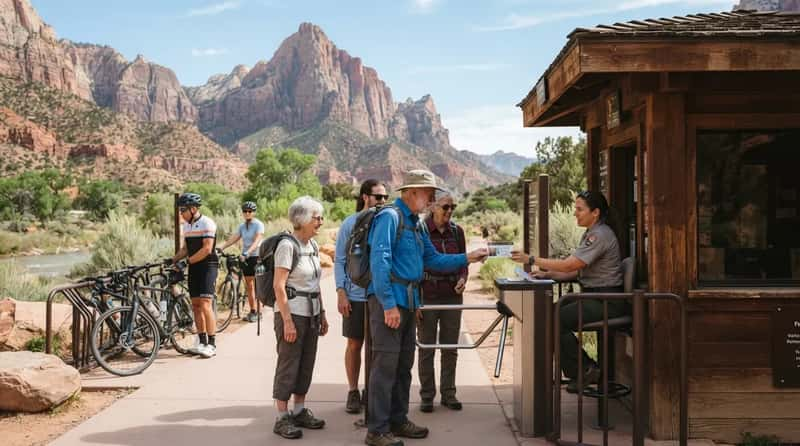
Some entrances charge by the head, not by the car. At Zion, two people entering on foot pay $20 each, before any surcharge. Hikers, shuttle riders and cyclists often run into this charge.
The senior pass still works there, with a cap on how many people it covers. At per-person sites, it covers the pass holder plus three adults. A group of four adults can walk in on a single card. A fifth adult pays.
Now we leave the national parks behind, because the pass works in places most people never think to try…
#10 – The Wildlife Refuge Gate Nobody Connects to the Park Pass
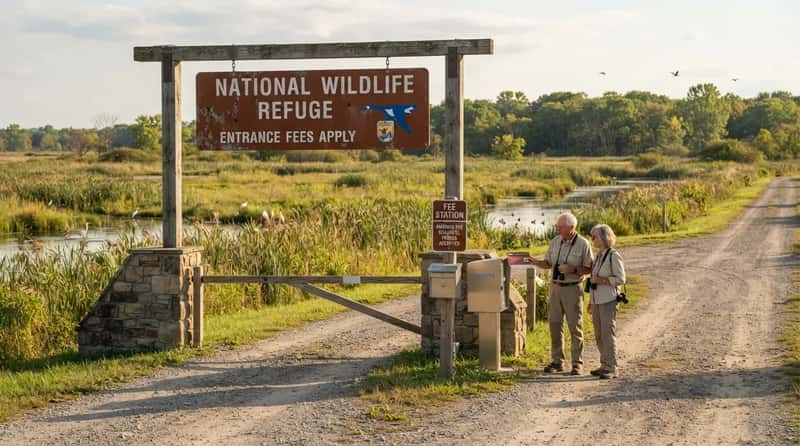
Many travelers think the pass is only for the famous parks. It isn’t. It also covers entrance fees at national wildlife refuges, which makes it a quiet bonus for birding trips and slow wetland drives.
Refuges are run by a different agency. The Fish and Wildlife Service is one of the six federal agencies whose sites the pass covers. Plenty of card holders have never tried it there. The same card that opens a canyon can open a marsh.
At a Glance
- National Park Service: parks, monuments and historic sites
- Fish and Wildlife Service: national wildlife refuges
- Forest Service: national forests and grasslands
- Bureau of Land Management and Bureau of Reclamation: public lands and reservoirs
- Army Corps of Engineers: lake recreation areas
The next stop is even less obvious, and it’s full of small fees that many visitors just pay…
#9 – The Forest Picnic and Trailhead Fees You Never Owed
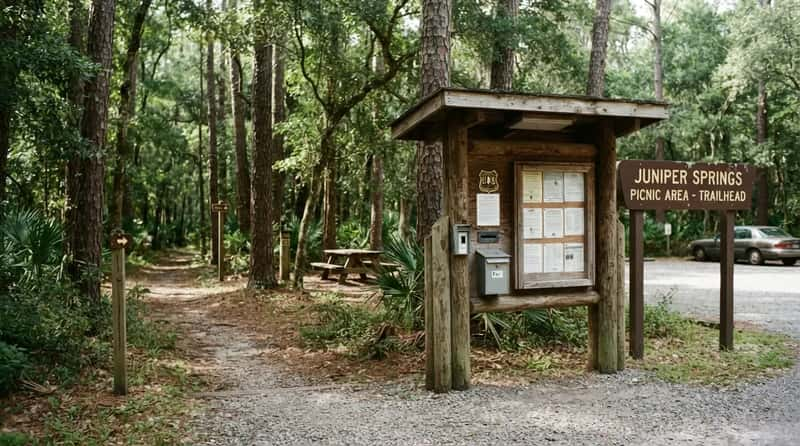
National forests collect small fees in many places. Picnic areas, trailheads and swim spots can charge a few dollars, and plenty of visitors hand the money over at the kiosk without thinking twice.
The pass covers many of those. It applies to standard amenity (day-use) fees on Forest Service land. Those little kiosk fees fall in the same category as the big gate charge. A day in the woods can cost less than you assumed.
Not every forest-type site is called a forest, though…
#8 – The National Grassland Fee Almost Everyone Forgets Exists
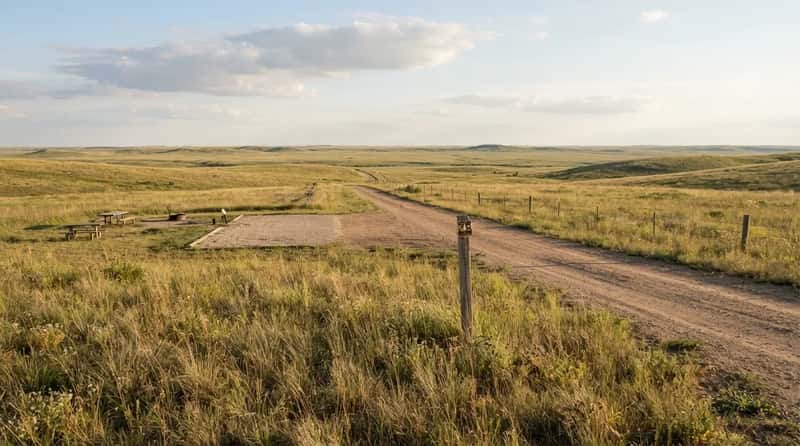
Grasslands rarely make a bucket list. They still have day-use areas, and some of them charge fees. The pass covers standard amenity fees at national forests and grasslands alike.
That puts open prairie in the same pass family as the Rockies. A card bought for a famous park also works on empty prairie roads most visitors skip. It’s a good excuse to take the long way home.
The next agency manages more land than many people realize…
#7 – The Bureau of Land Management Day-Use Charge in Wide-Open Country
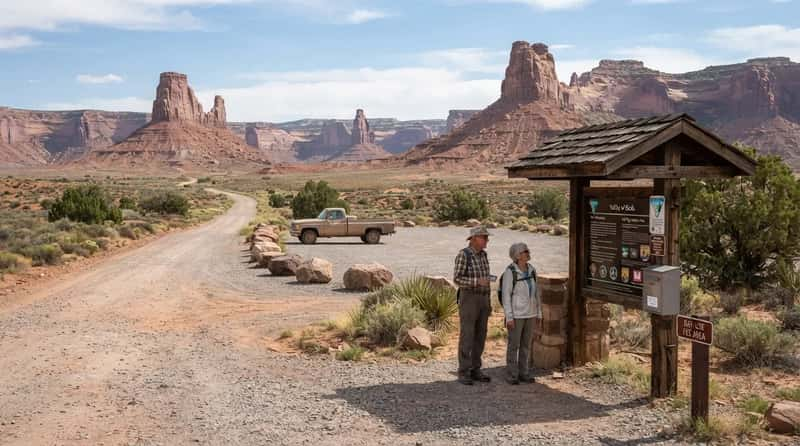
BLM land covers a huge share of the American West, and some of its recreation areas charge day-use fees. Visitors often assume the pass doesn’t apply because the sites feel so remote. In fact, BLM sites are on the list the pass covers.
It’s one of several land agencies on the card. The Senior Pass covers sites managed by the BLM, the Forest Service, the Bureau of Reclamation and the Army Corps of Engineers, not just the National Park Service. The card isn’t only a national park pass. It’s a federal lands pass.
Next up is a federal agency most people associate with dams, not vacations…
#6 – The Reservoir Access Fee at Bureau of Reclamation Sites
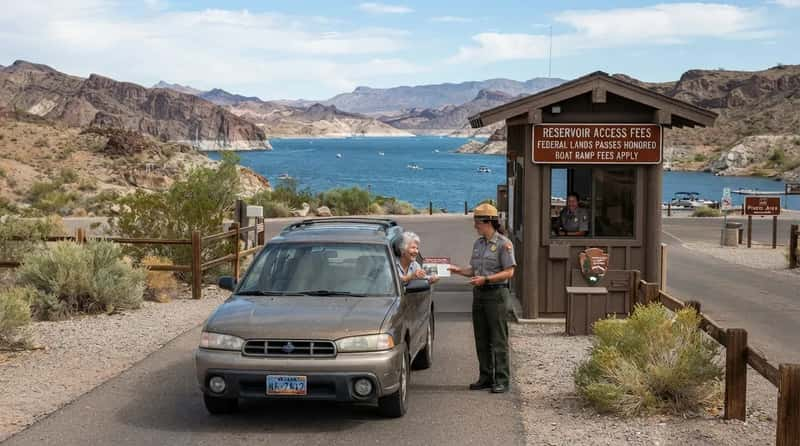
Reclamation manages lakes and reservoirs across the West, and many are popular for boating, fishing and quiet picnics. The agency is easy to overlook because its name sounds like infrastructure, not recreation.
The pass still works there. Bureau of Reclamation lands are among the sites it covers, and it handles day-use fees. It doesn’t erase every charge on the water, though. Boat launches and similar services may be discounted by half instead of waived. That’s a separate category from the gate fee.
The agency after this one oversees hundreds of lakes, and it surprises almost everyone…
#5 – The Army Corps Lake Fee Most Visitors Pay Without Questioning
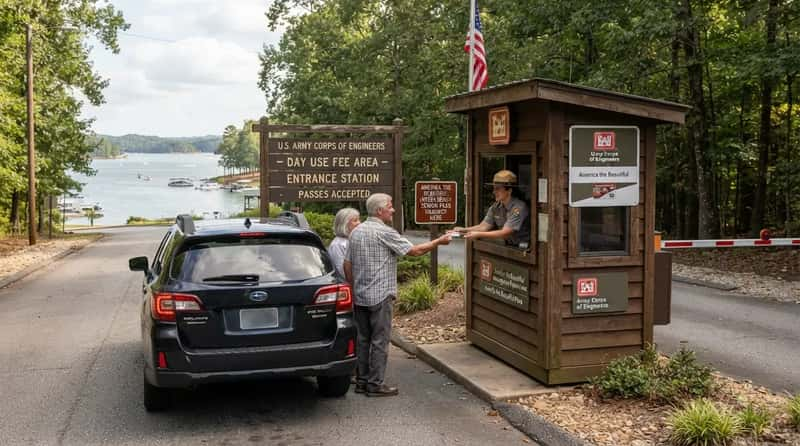
Most people don’t think of the Army Corps of Engineers as a recreation agency. Yet it manages hundreds of lakes and recreation areas across the country, and some of their day-use areas charge a fee.
That’s a sizable list of places for a card that costs $80 once. The Army Corps is one of the six agencies whose sites the pass covers. A lakeside picnic could be covered by the same card that gets you into a national park. Few travelers ever test it.
One more charge sits on the calendar, and plenty of travelers plan their whole trip around it…
#4 – The Fee-Free-Day Scramble Pass Holders Can Ignore
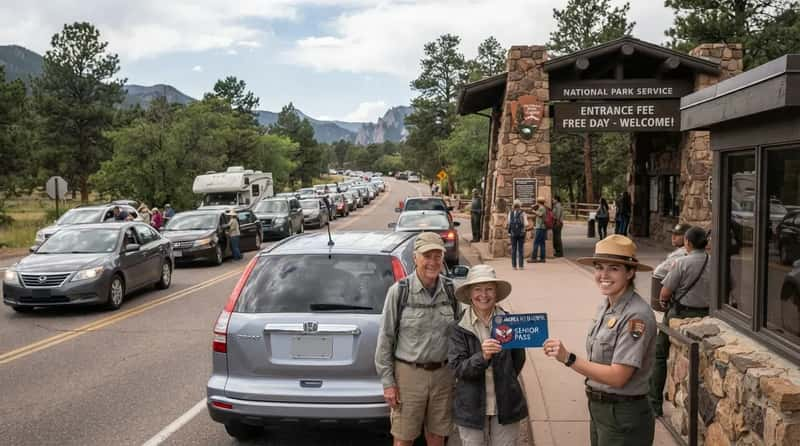
Fee-free days have always worked like a trade. Wait for the right holiday and skip the entrance charge. The rules shifted in 2026, and entrance fee-free days now apply only to U.S. citizens and permanent residents.
A senior pass holder doesn’t need to wait for those dates. Fee-free days also tend to bring crowds. The pass lets you pick a quiet Tuesday instead of a packed holiday. That’s our take, but it’s one with real logic behind it.
And then there’s the charge that isn’t at the gate at all, but still follows seniors home…
#3 – The Yearly Pass Renewal Seniors Can Skip Entirely
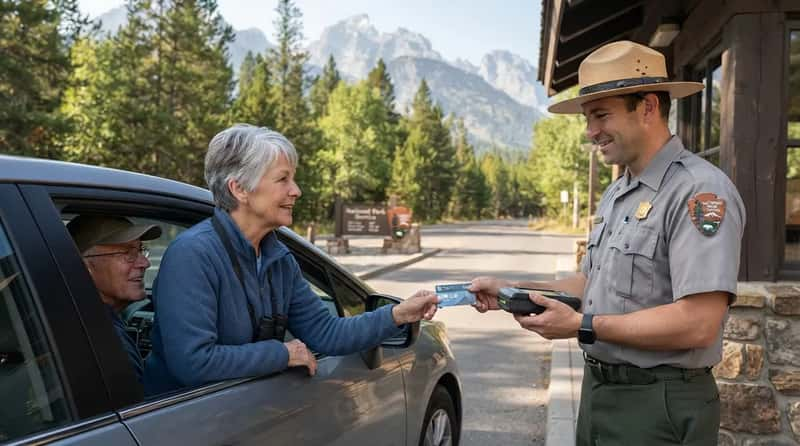
The general public pays every year. The standard annual pass costs $80, which is the same price as the Senior Lifetime Pass. A senior who buys the lifetime version pays once and never sees a renewal notice.
There’s also a stepping-stone option. You can buy a $20 senior annual pass, and four annual passes can be traded in for a lifetime pass. Buying online or by mail adds a processing fee, so it pays to buy in person. It’s a small mistake, but a common one.
Quick Compare
- Senior Lifetime Pass: $80, paid once, valid for life
- Senior Annual Pass: $20, runs twelve months
- Standard Annual Pass: $80, renewed every year
Still, one assumption costs older travelers more than any fee on this list…
#2 – The Gate Fees Paid by People Who Think They Aren’t Old Enough Yet
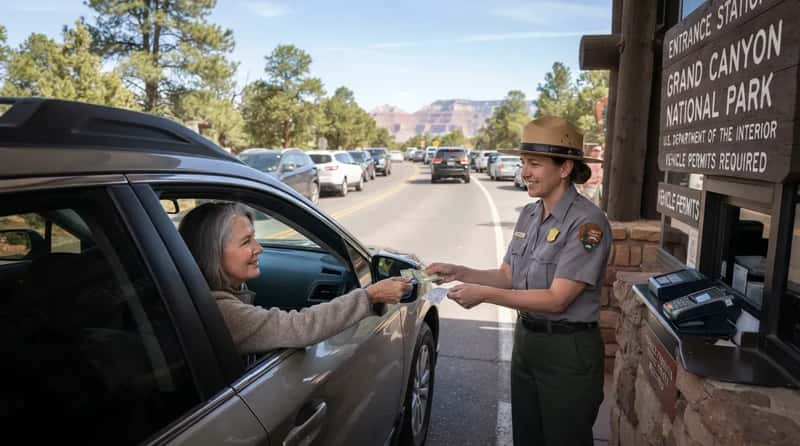
Plenty of travelers pay full price for years because they assume the cutoff is 65, or even 70. The age-65 idea comes from Medicare and Social Security, but the Senior Pass uses its own standard of 62, set by statute.
That gap is where the money goes. Someone who turns 62 and waits until 70 could pay full entrance prices for eight years of trips. The discount starts eight years before the age in our headline. At the gate, you’ll need proof of age and residency.
The last charge on this list isn’t one most Americans will ever see, and it’s the most controversial…
#1 – The $100 Surcharge Pass Holders Never See at 11 Famous Parks
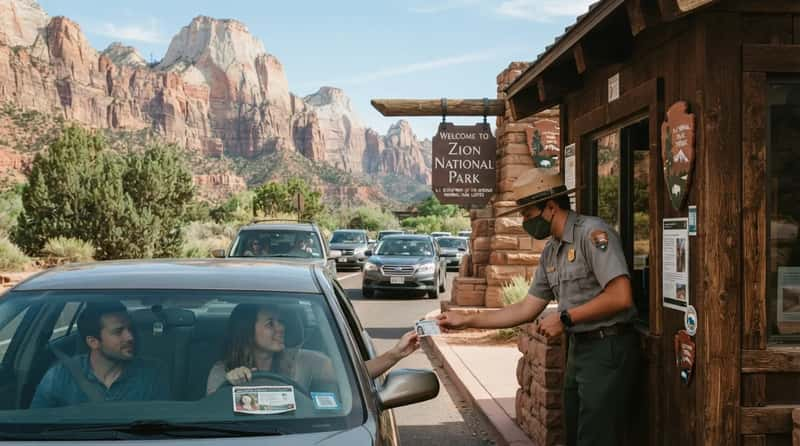
This one is new, and it’s steep. Since January 1, 2026, non-resident visitors age 16 and over pay $100 per person at 11 designated parks, on top of the standard entrance fee, unless they hold the $250 non-resident annual pass. The list includes Yellowstone, Yosemite, Zion, Grand Canyon and Acadia.
A U.S. senior with a pass is shielded. The gate looks for valid U.S. photo ID, such as a driver’s license, passport or green card. A couple on foot from abroad could pay $240 at Zion, while a U.S. pass holder pays nothing at the gate. Some lawmakers have warned the fee could strain park staff and hurt gateway towns, so the debate isn’t settled.
Before you go, know what the pass won’t do.
Worth Knowing
- Special recreation permit fees are generally not covered
- Concessioner charges are generally not covered
- Reservation fees on Recreation.gov are generally not covered
- Camping may be discounted by 50 percent
The pass doesn’t wait until 70. It starts at 62, and it can erase the entrance fee, the per-vehicle charge, the walk-in fee and the small day-use fees at forests, grasslands and lakes. It won’t cover tours, lodges or permits, but it knocks out a surprising number of gate charges.
So the next time a line of cars inches toward a park booth, you’ll know who is quietly holding a card instead of counting out bills.