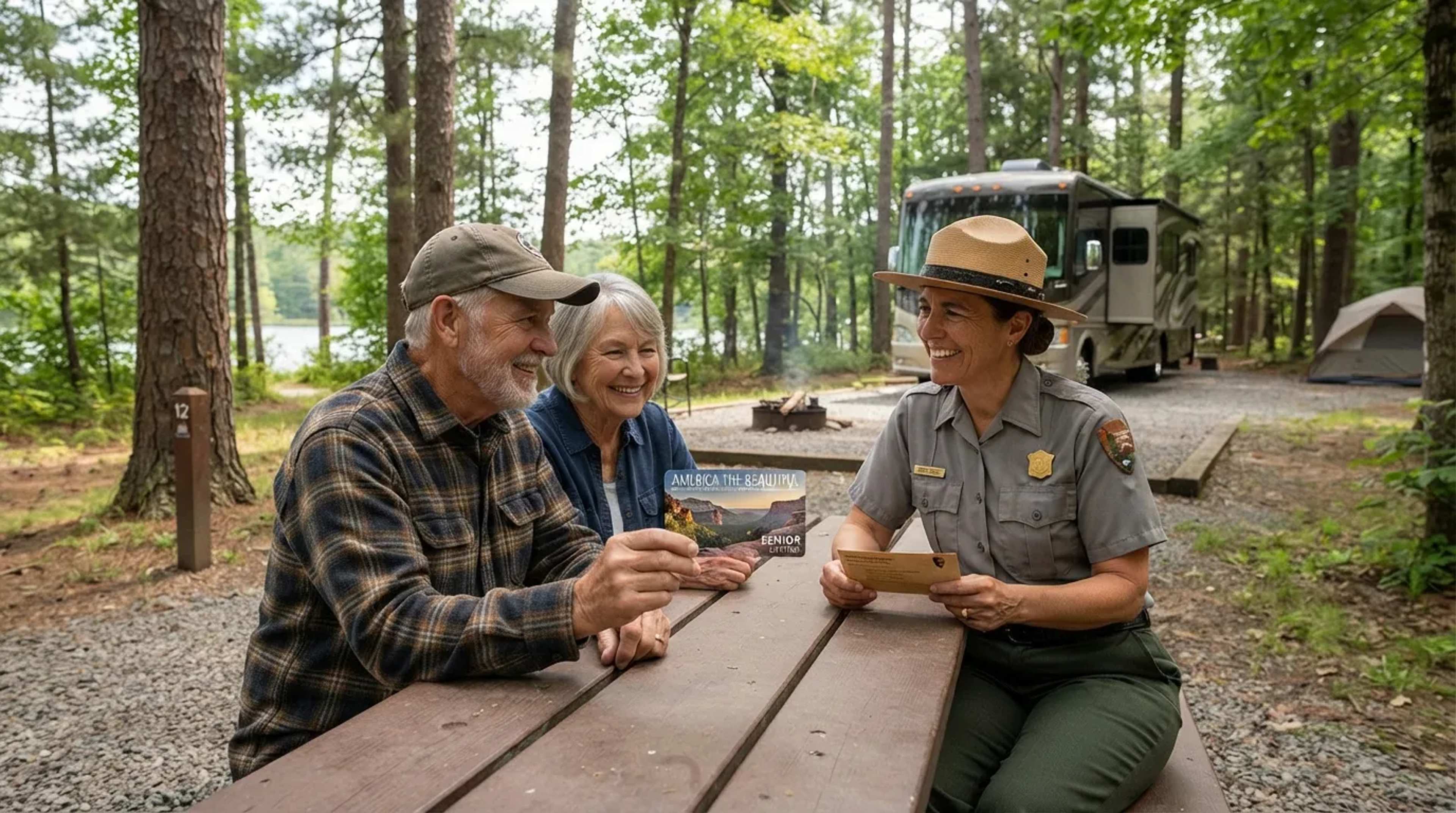
If you are 62 or older, the discount at the entrance gate is the smallest thing your park card does. In 2026 the Senior Lifetime Pass costs $80 once, and an annual version costs $20, for U.S. citizens and permanent residents.1
The bigger savings sit where nobody tells you to flash the card: the campground booking page, the boat ramp, the tour desk. Those charges come around night after night, which is how they outrun a single entrance fee.
The 15 perks below run from small paperwork tricks to the larger savings. The last one is tied to the biggest recurring charge a camper pays.
First, a price with a strange history, because an older and much lower figure still turns up on some pages.
#15 – A Lifetime Pass That Once Cost $10
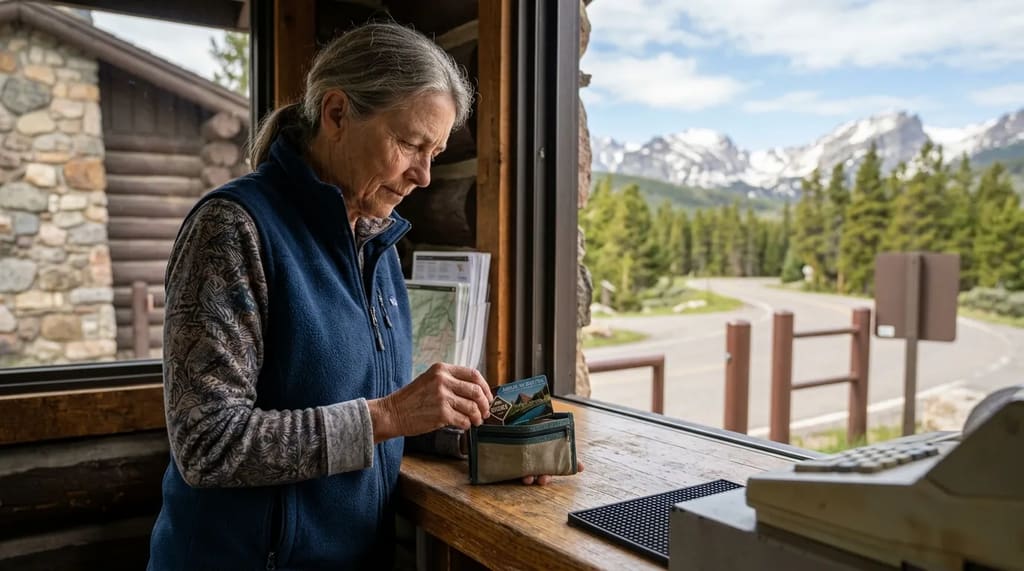
The lifetime pass cost just $10 until August 2017. Then it jumped to $80, the first change since 1994.
The price has held at $80 ever since, and the annual version still costs $20. That is an eightfold jump, which is why older articles still quote the $10 figure.
At least one park service page for a historic site still lists the old $10 lifetime price. Plenty of travelers have read it and wondered why the counter quoted something else.
Even at $80, the arithmetic favors the card. A private-vehicle entrance at the larger parks commonly runs $30 to $35 for seven days, so three paid entries cost more than the lifetime pass.
The $80 figure belongs only to the lifetime version, and a $20 annual card sits beside it at the same counter.
#14 – The $20 Annual Pass and the Four-Year Line
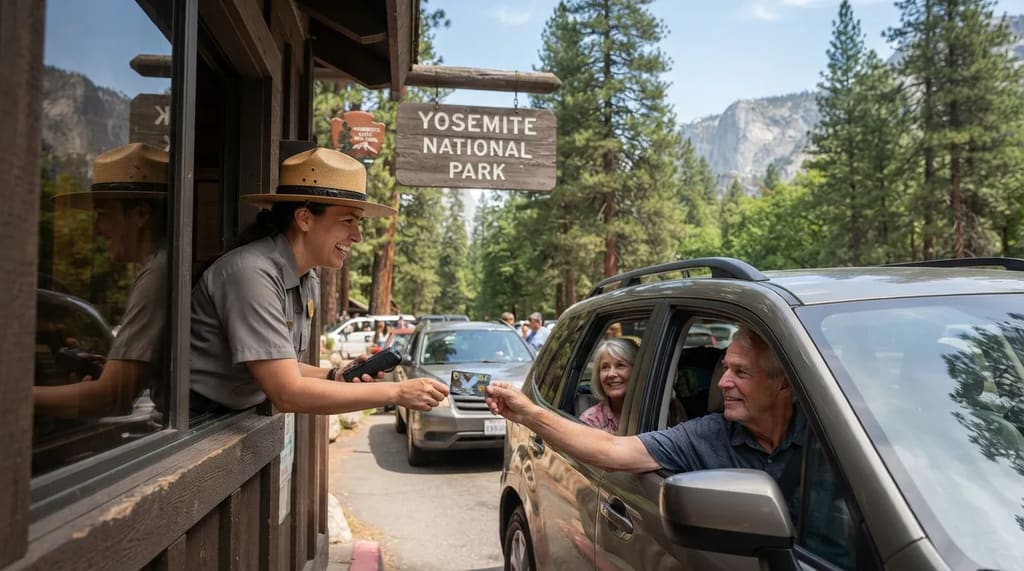
Four years of the $20 annual pass add up to the $80 lifetime price. A traveler who expects to keep visiting past that point comes out ahead with the lifetime card.
If you are unsure how much you will travel, the annual card is a fair way to test it. Both versions carry the same entry benefits and the same expanded amenity discount.
The standard annual pass, open to anyone, rose to $80 in January 2026, the same price as the Senior Lifetime Pass. It covers entrance and standard amenity fees but does not carry the expanded amenity discount.
So if you qualify for a Senior card, skip the standard pass altogether. It costs the same as the lifetime Senior card and leaves out the camping and boat discounts.
Anyone who starts with the annual card is not locked in, because the money already spent counts toward the lifetime version.
#13 – Old Annual Passes Still Count Toward Lifetime
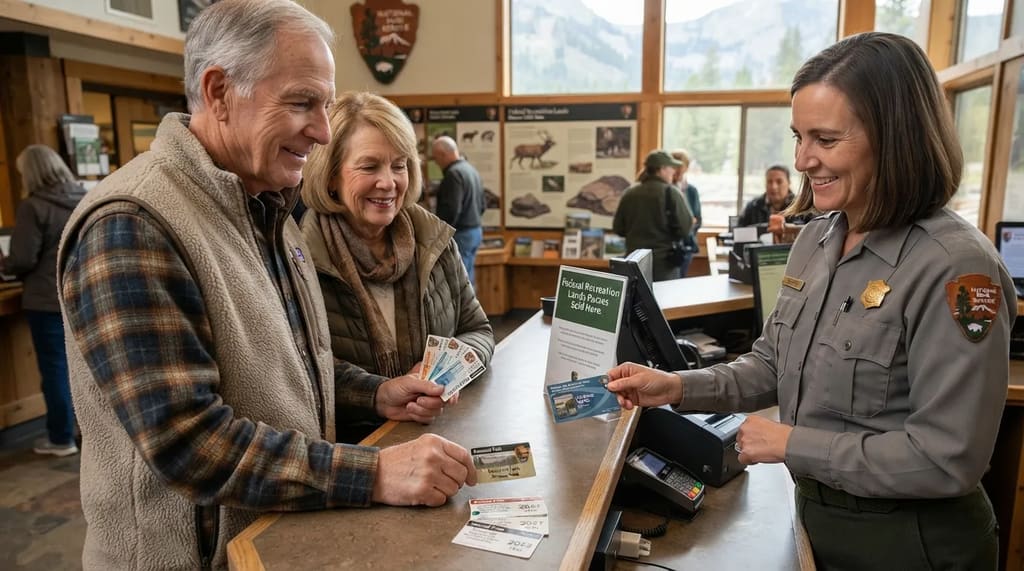
If you begin with an annual pass and later want the lifetime one, you can upgrade in person at any federal site that sells passes. Each annual pass you turn in takes $20 off the $80 price, even if it has already expired.2
The credit works out like this:
- One annual pass turned in: the upgrade costs $60.2
- Two passes: $40.
- Three passes: $20.
- Four passes: the lifetime pass is free.
Because expired cards still earn $20 off each, an old annual pass in a kitchen drawer is worth real money at the counter. Look through that drawer before you pay full price.
The trade has to happen in person at a site that sells passes. Where you buy the card also decides whether extra fees get tacked on.
#12 – Why the Counter Beats the Mail-Order Card
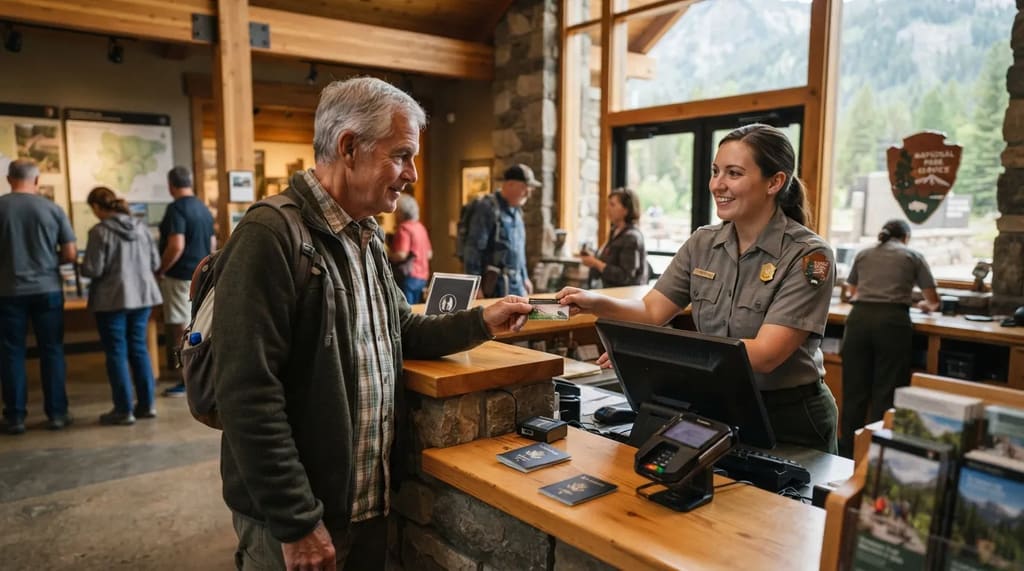
Buying at a federal recreation site is the cheapest route. The USGS online store lists the lifetime card at $80 plus fees totaling $12.50, which brings it to $92.50.3
An annual card ordered online runs $32.50 once the $5 processing fee and $7.50 handling fee are added.3 That is a surcharge of more than 60 percent on a $20 card, which is a poor use of money.
Applicants must provide documentation of age and residency or citizenship, so bring something that shows both.1 The application form lists a driver’s license, passport or state-issued ID as acceptable documents.
A passport covers both age and citizenship in one document. That makes it the simplest thing to carry to the counter.
If the counter is not on your route, there is another way to carry the pass, and it fits in your pocket.
#11 – A Digital Pass for Your Phone
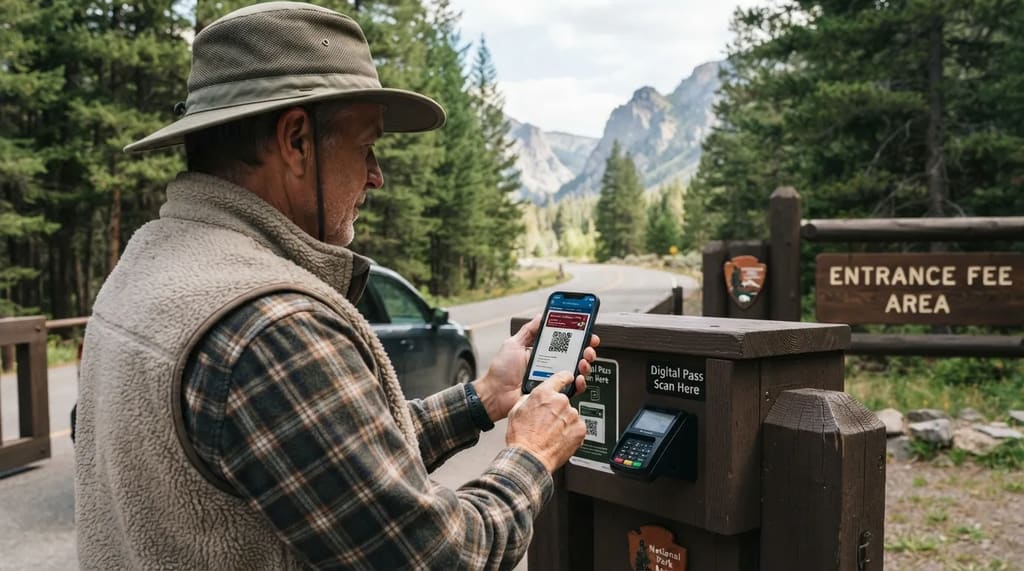
As of 2026, America the Beautiful passes are available in digital form through Recreation.gov. A small processing fee applies to the online version.
The digital card makes sense if no fee station is on your route soon and you want the pass before you leave home. If you will pass an entrance station on your first trip anyway, the plastic card from the counter costs less.
Quick Compare
- Counter card: $80 lifetime or $20 annual, with no online fees added.
- Mail-order card: $92.50 lifetime or $32.50 annual through the USGS store.
- Digital pass: Bought through Recreation.gov for a small processing fee, and ready on your phone.
Cell service is poor at many parks, so open the digital pass at home and make sure it loads without a signal. Carry identification too, since you should have the pass and a valid ID with you at the site.
A phone that dies is an inconvenience. A lost card is a bigger problem, because the replacement rules are stricter than the price suggests.
#10 – The Rule on Lost or Stolen Passes
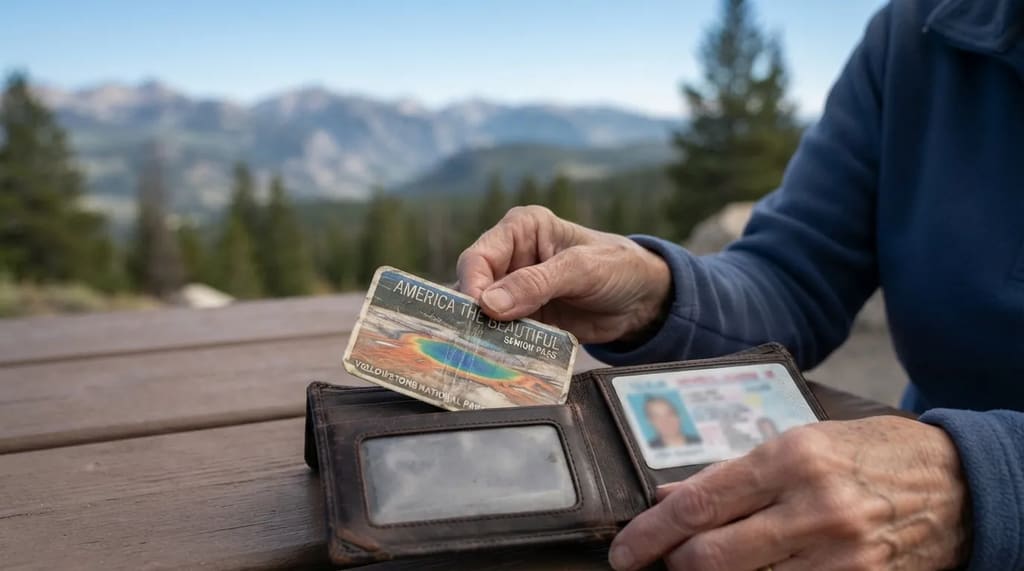
A misplaced, lost or stolen pass cannot be replaced, so you have to buy a new one. For a lifetime holder, that means paying $80 a second time.
Damage is treated differently. A worn or damaged pass can be replaced free at any recreation site where passes are issued, or by mail with a $10 processing fee.
The replacement is allowed as long as part of the pass is still identifiable and you show identification. So a card that went through the wash is worth keeping, while one left in a rental car is gone.
The pass cannot be loaned, sold or given to another person. Nobody else can use it while you hunt for a replacement.
A Golden Age Passport is a separate case, because that older card carries over without a new purchase.
#9 – Swapping an Old Golden Age Passport
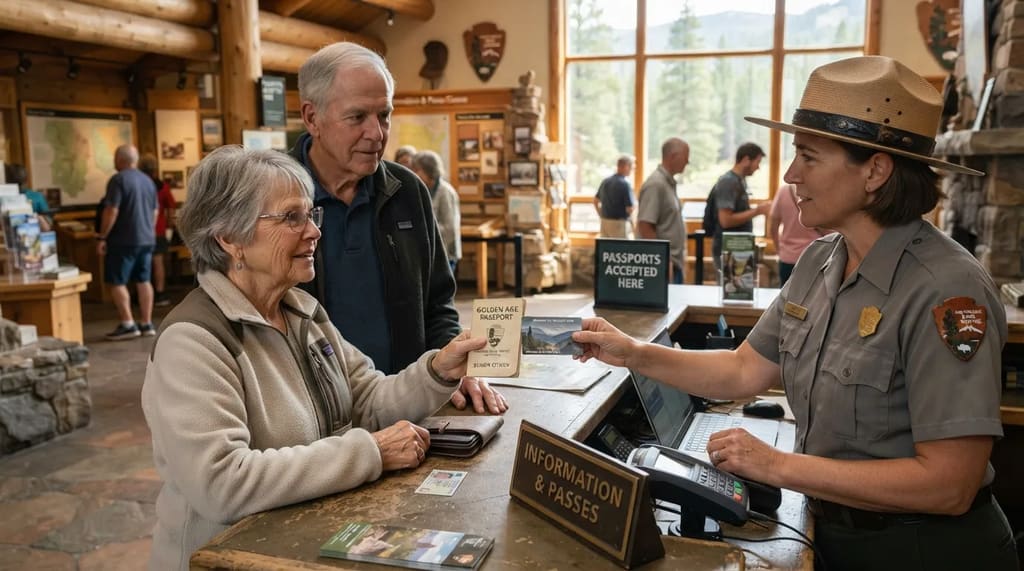
The Golden Age Passport was the federal senior card issued before the current pass series. If you hold one, you can exchange it free for a Senior Lifetime Pass.
The swap costs nothing, so there is no reason to let the old card sit in a drawer. Bring it with your identification to a federal site that sells passes, such as a park visitor center or fee station.
There is no deadline pressure here, and the swap is not a money-saver like the camping discount. Its value is tidiness, since you end up holding the current card with current terms.
Call the visitor center first, because pass stock varies from site to site, as the earlier item on buying in person explained.
#8 – Two Motorcycles on a Single Pass
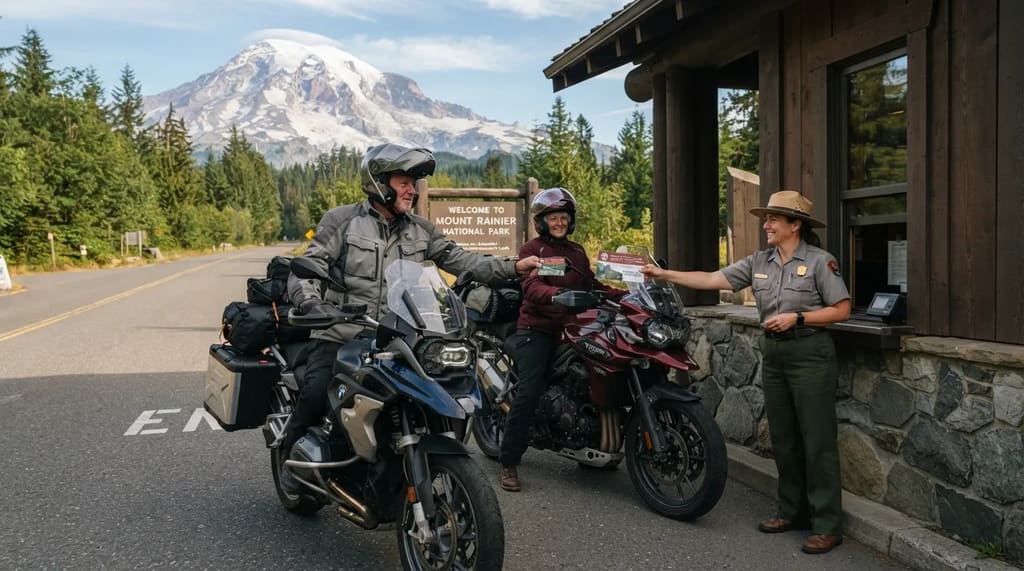
A Senior Pass permits entrance for two motorcycles. That is a generous rule for riders, and it is easy to miss because most pass descriptions talk only about cars.
It suits a couple who ride separate bikes, since two bikes would otherwise each pay a motorcycle entrance fee. At parks that charge by the motorcycle, the pass waives both.
The two-bike rule is more generous than the car rule, which covers a single vehicle. That difference matters as soon as a trip involves two cars.
Cars follow a different rule, and it becomes obvious once a second vehicle joins the trip.
#7 – A Whole Carload on One Card
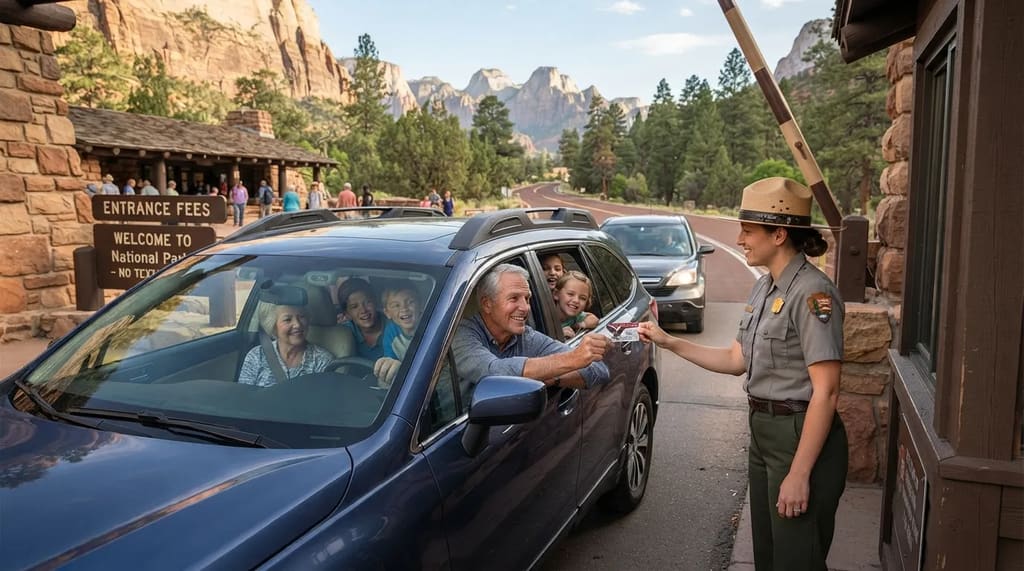
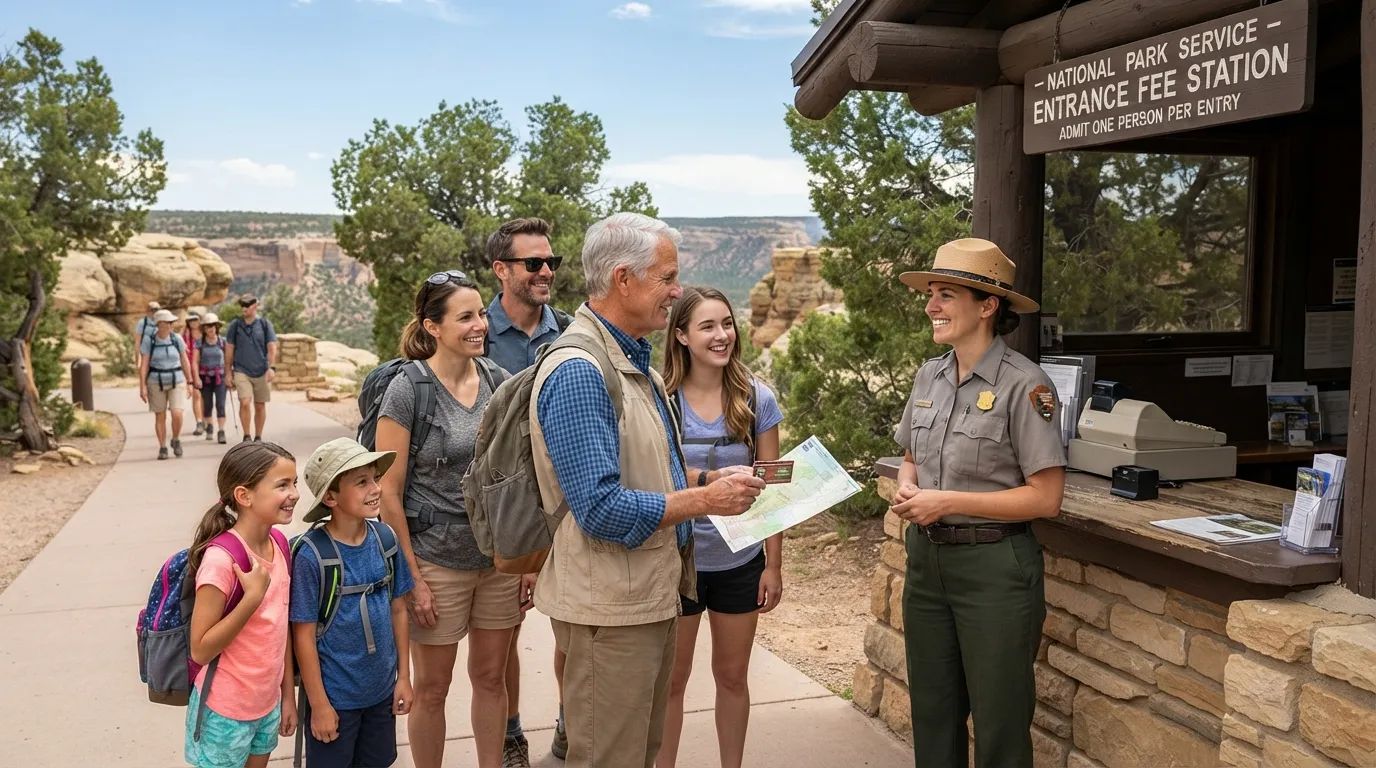
At per-vehicle fee areas, the pass admits the owner and the passengers in a non-commercial vehicle. A grandparent driving a full car gets the grandchildren and the rest of the family in without paying anything extra.
Only the vehicle carrying the pass owner is covered, and a second vehicle must pay the entrance fee or have its own pass. The word non-commercial matters too, because a paid tour van is not a private car.
If two couples are traveling together, putting everyone in the pass owner’s car removes a second entrance fee at per-vehicle parks. It costs a little comfort and saves real money.
Parks that charge by the head work on a different formula, with a cap on how many adults the card can carry in.
#6 – The Four-Adult Cap at Per-Person Sites
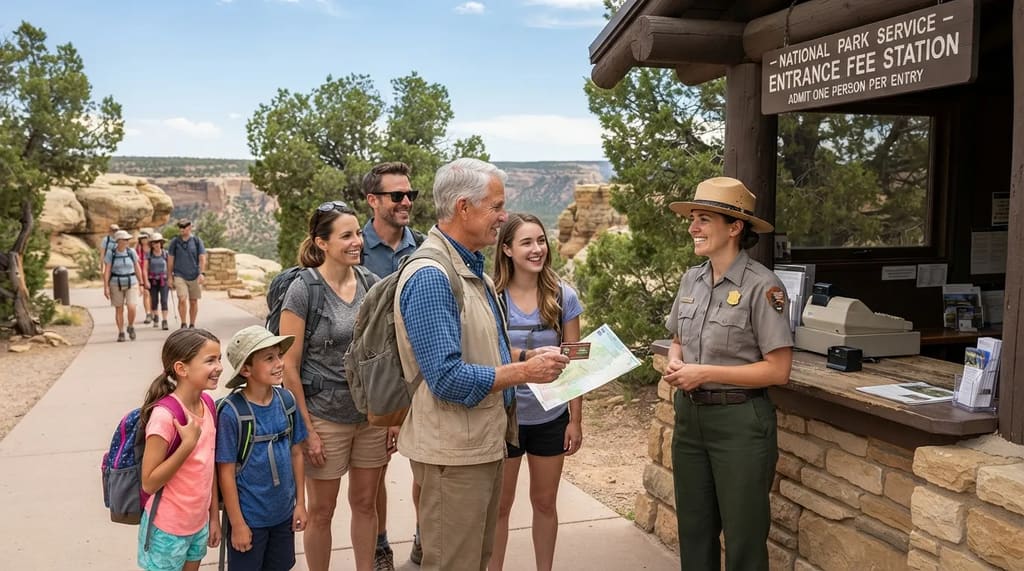
Where fees are charged per person, the pass covers the owner plus three adults, not to exceed four adults in all.4 Children under 16 are always admitted free.
So a pass holder with three adult friends enters free, along with any children in the group. Under 16 means they do not count against the four.
At a Glance
- Per-vehicle sites: The owner and passengers in one non-commercial vehicle.
- Per-person sites: The owner plus three adults, four adults at most.
- Children under 16: Always free, and they never count toward the cap.
At per-person sites, the applicable fee is charged for each additional person. A party of six adults would therefore pay for two of them.
The park’s fees page says whether it charges by vehicle or by person. Check it before you bring a larger group, because per-vehicle parks are far more forgiving of a full car.
#5 – A Free Pass for Permanent Disability
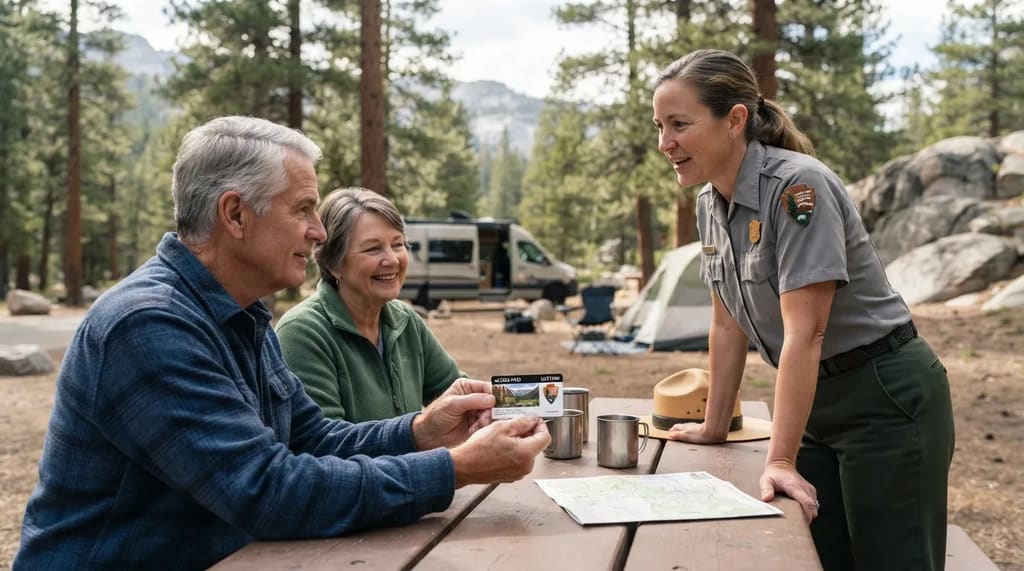
The Access Pass is a lifetime pass available without charge to people who are blind or permanently disabled and are U.S. citizens or permanent residents. If that describes you, the $80 Senior Pass is not the cheapest route.
The Access Pass may provide the same 50% discount on some amenity fees, such as camping and boat permits. Apply for it first and treat the Senior Pass as the fallback.
You will need documentation of the disability. If you apply by mail, there is a $10 processing fee, though the pass itself is free.
Both cards also reach well beyond the national parks, into land run by five other federal agencies.
#4 – Forest, Refuge and Corps Land on the Same Card
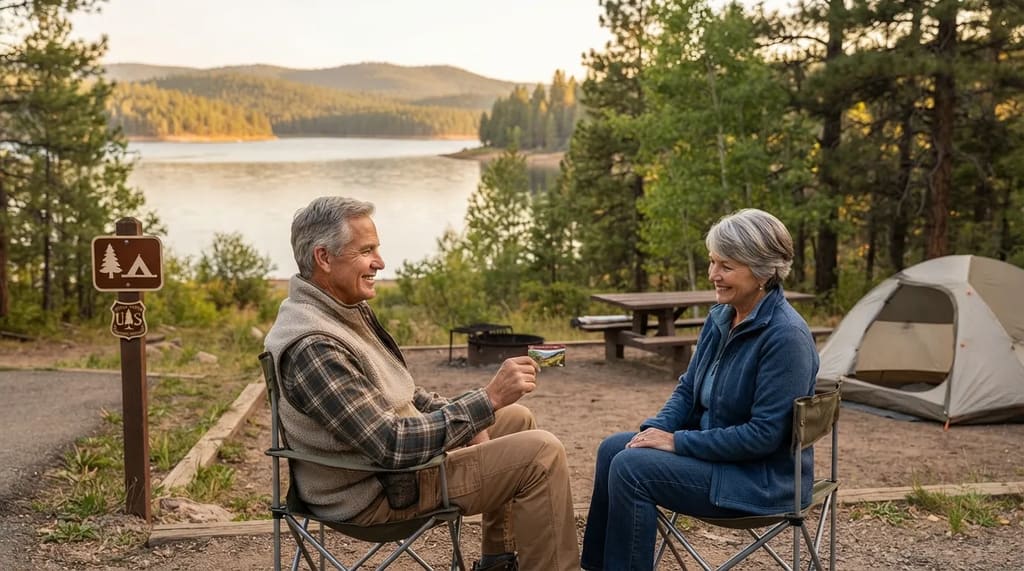
The Senior Pass works at sites run by the Forest Service, National Park Service, Fish and Wildlife Service, Bureau of Land Management, Army Corps of Engineers and Bureau of Reclamation. That adds up to more than 2,000 federal sites, including wildlife refuges and national forests.
Camping discounts follow the card onto much of that land as well. The 50% discount applies at Forest Service, Bureau of Land Management, Army Corps of Engineers and Fish and Wildlife Service campgrounds, as well as at national parks.
That matters on a road trip. When a famous park is full or crowded, a national forest or Corps lake nearby takes the same card and often charges less to stay.
Boat ramps and swim beaches on that land are covered by a half-price discount rather than a free pass.
#3 – Half-Price Boat Permits, Swimming and Tours
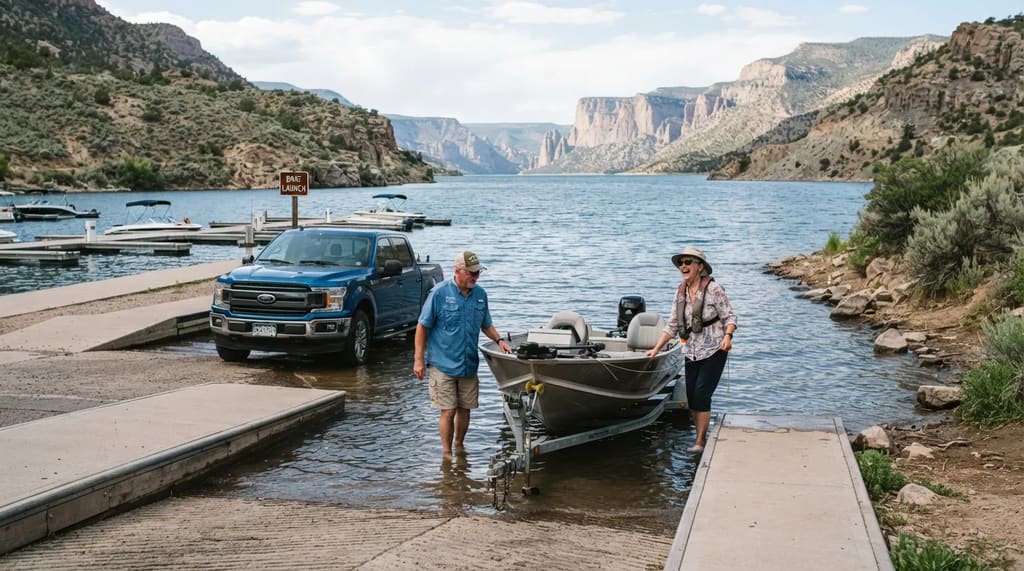
The Senior Pass may provide a 50 percent discount on amenity fees for camping, swimming, boat launch and specialized interpretive services.1 The word may matters, because the discount depends on the site and the service.
Related Stories From Travelbinger
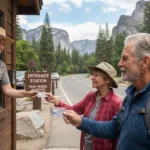
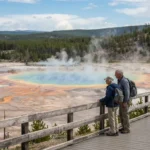
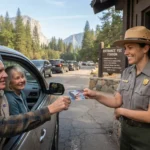
At Curecanti National Recreation Area in Colorado, visitors with a Senior or Access Pass receive 50% off boat permits.5 That is a clear example of a fee that has nothing to do with the entrance gate.
Worth Knowing
- The discount is up to half off, and it varies by site and service.
- Eligible fees include camping, swimming, boat launch and specialized interpretive services.
- Curecanti in Colorado is one park that takes 50% off boat permits.
- Fees charged by private concessioners usually fall outside the discount, which is the next item on the list.
Interpretive services means guided programs, such as ranger-led tours that carry a charge. Not every site charges for them or discounts them.
If you launch a boat even a few times a season, count this discount, because launch fees come around again and again. Ask the desk which services qualify, since the answer changes from lake to lake.
#2 – Where the Half-Price Discount Stops
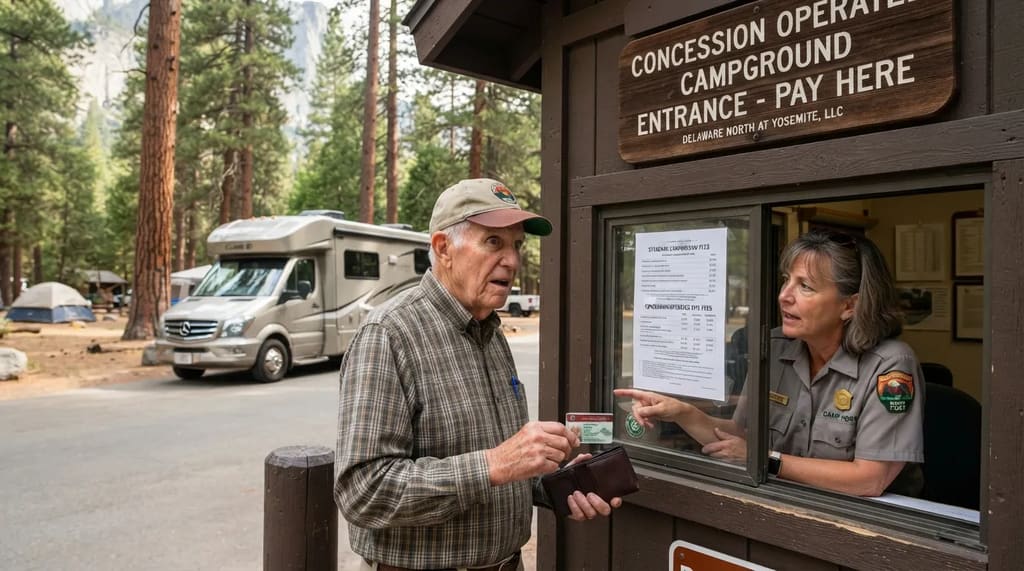
The pass generally does not cover or reduce special recreation permit fees or fees charged by concessioners.1 A concessioner is a private company that runs a service inside a federal site, such as a lodge or a boat tour.
The discount does not apply at concession-operated campgrounds, which are privately run inside parks by companies such as Delaware North or Aramark. A campground can sit inside a national park and still fall outside the pass.
There is no discount on group campsites that charge a flat fee, and at per-person group sites only the pass owner receives it. Before you book, find out who operates the campground.
If the answer is unclear, ask for the price with and without the pass. That one question can save you from a nasty surprise at checkout.
With the exceptions set aside, what remains is the largest saving on the list, because it comes due every night you sleep at a federal campground.
#1 – Half Off Federal Campground Sites
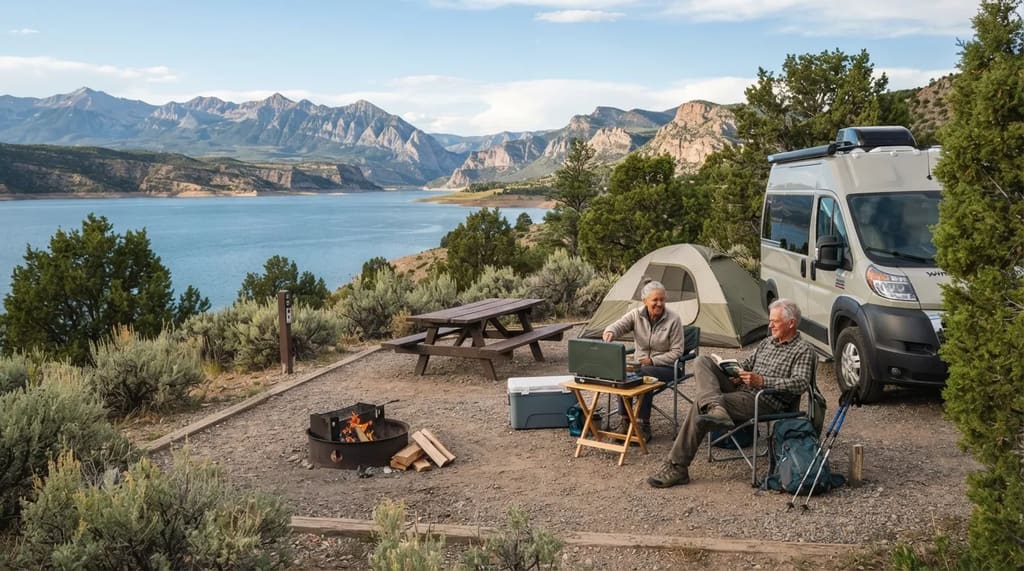
At Curecanti, as one example, visitors with a Senior or Access Pass receive a 50% discount on campground fees.5 The entrance fee is paid once per visit, while a campsite is charged every night, so the discount grows with each night you stay.
The 50% discount applies to the campsite the cardholder is occupying. The reservation therefore needs to be in the pass holder’s name, and extra sites booked for the rest of the party may not qualify.
Recreation.gov lets you attach your pass to your account, and the discount is taken at checkout for eligible sites. Confirm that for the specific campground, since discounts vary widely across the many types of sites.
It is also the clearest reason to buy the Senior Pass instead of the standard $80 annual pass, which carries no such discount. Add up your camping nights in a typical year and halve the site fees.
For a regular camper, that number can dwarf the price of the card. A week-long trip is enough to see how fast it adds up.
Ask About the Pass at Every Desk
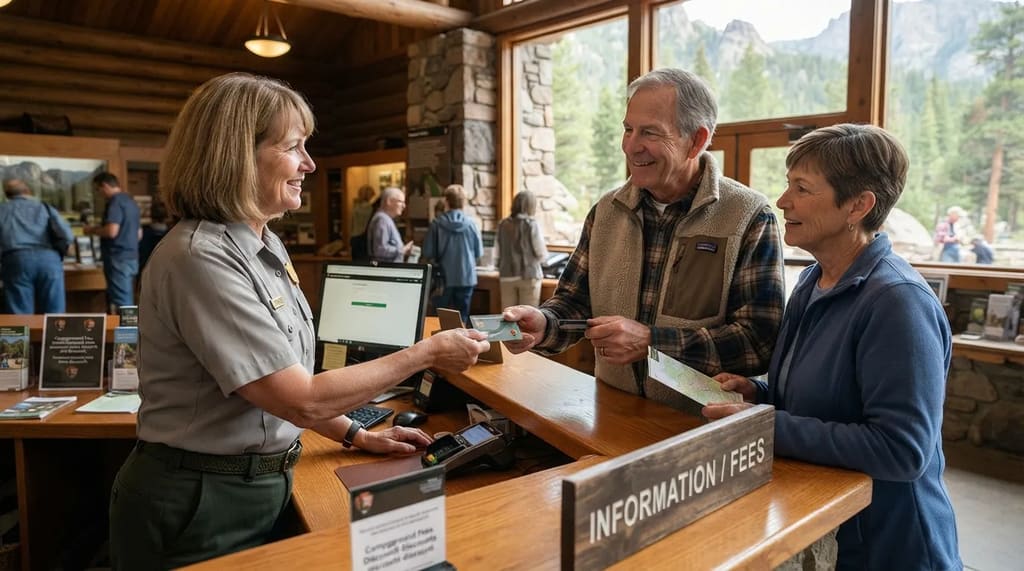
Think of the Senior Pass as a card that works at the gate and also at the fee desk, the boat ramp and the campground booking page. The gate is only the first place it applies, and the others take a question from you.
The question is short: does a Senior Pass discount apply to this fee? Asked before you pay, it costs nothing, and the answer varies from site to site.
At which park or campground did you last use your Senior Pass for something other than the entrance gate?
- National Park Trust Park Passes: https://parktrust.org/parkpasses/
- FedLaws Senior Pass Guide: https://fedlaws.org/america-the-beautiful-senior-pass-eligibility-cost-and-how-to-buy/
- USGS Lifetime Senior Pass: https://store.usgs.gov/lifetime-senior-pass
- NPS Senior Pass Application: https://prod-ibis-green.s3.us-west-2.amazonaws.com/s3fs-public/senior_pass_application.pdf
- Curecanti Fees & Passes: https://www.nps.gov/cure/planyourvisit/fees.htm