Most people figure senior perks kick in at 65 and amount to a cheaper coffee. But the real travel savings start at 62. One $80 pass covers entrance and standard amenity fees at thousands of federal recreation sites for life, and the state cards stacked on top can make the savings even bigger.
The list below is stranger than it looks. Some cards cost nothing, some carry a small one-time or yearly fee, and every entry says which. One of the most popular passes also has a catch that leaves plenty of cardholders paying full price at the gate.
#23 – North Carolina’s $6-a-Night Perk That Most Campers Forget to Ask About
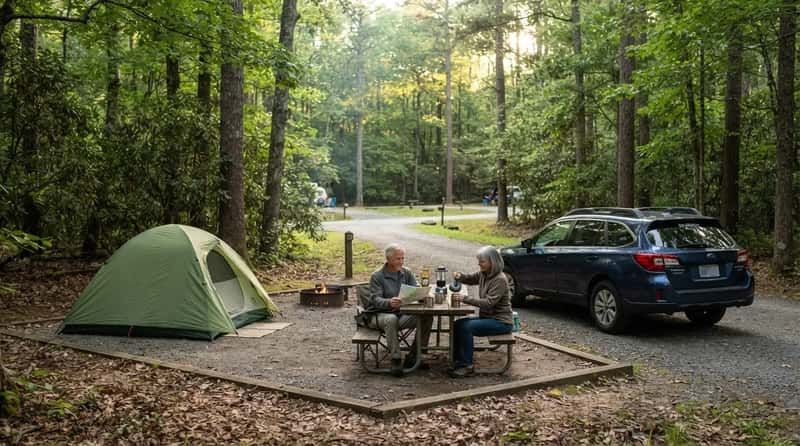
This is the smallest deal on the list, and it’s still real. North Carolina gives seniors 62 and older, plus veterans and military members, $6 off per night on certain campsite reservations.
It’s a flat dollar amount, not a percentage, so some campers shrug it off. But a full week of qualifying nights adds up to $42 off, and there’s no card fee. The word “certain” matters, so check your exact campground before you pack the cooler.
#22 – Virginia’s Annual Pass Costs Less Than Half Price at 62
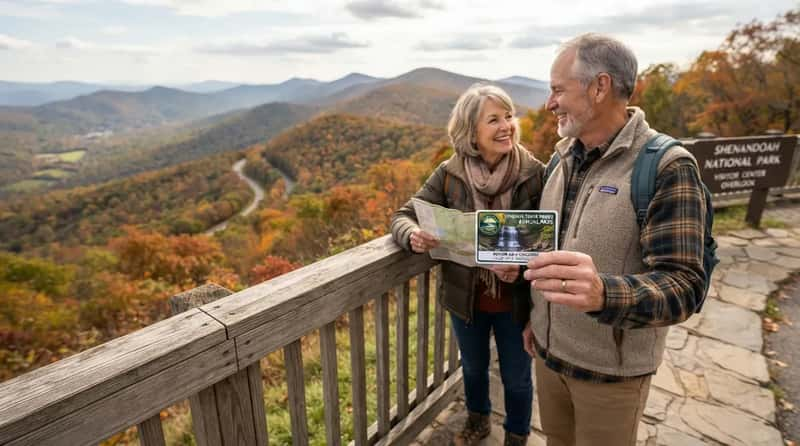
This one does cost money, so we’ll say so plainly. Virginia’s annual park pass is $40 for visitors 62 and older, compared with the normal $85.
That’s less than half the regular price. Some travelers argue a paid pass doesn’t belong on a list like this, and that’s fair. But the savings are baked right into the price, with no add-on required.
#21 – Idaho Quietly Cuts Camping Fees in Half for 62+
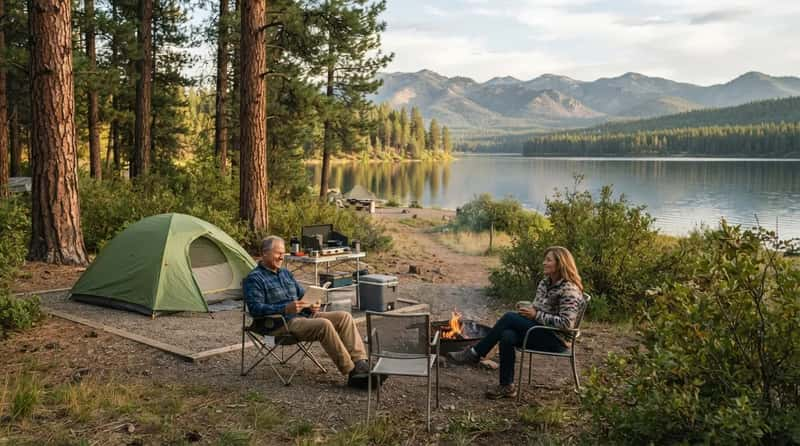
Idaho’s perk is simple and easy to miss. People 62 or older get 50% off camping fees at select Idaho state parks. Notice the word “select,” because not every campground in the system is included.
Half off a campsite is the same size of cut the federal Senior Pass can offer. That makes the two a natural pairing for road-trippers who cross between state and federal land. Confirm which parks honor the discount before you book.
#20 – Kentucky Takes 10% Off Lodges and Cottages
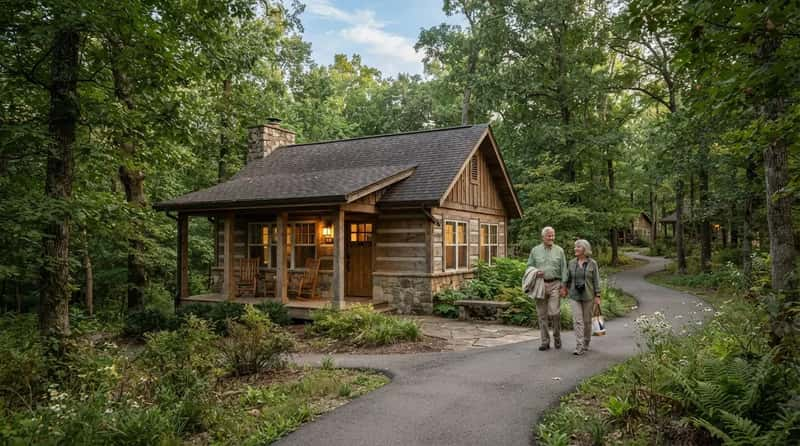
Not every senior perk is about tents. Kentucky offers 10% off lodges and cottages for guests 62 and over, which is a rare break for travelers who’d rather sleep indoors.
Ten percent sounds small until you book a multi-night stay. It shows up on the bill, not as a separate card you have to buy. Some travelers call it the least exciting item here. Others say a roof and a hot shower are worth every percent.
#19 – Alabama’s 15% Break Beats Most Other States
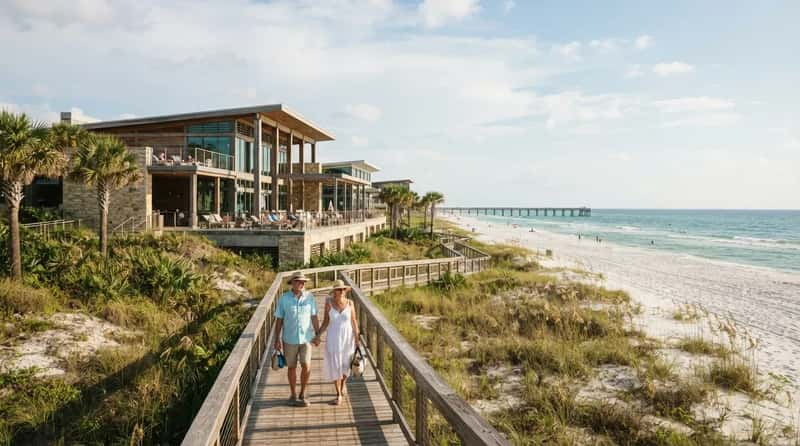
Alabama is one of the generous ones. Alabama State Parks offers a 15% daily discount on overnight accommodations for seniors 62 and older, including stays at Gulf State Park.
That’s higher than the 10% some other states on this list advertise. For a beach-area stay, five extra percentage points can mean real money. The front desk rarely brings the discount up first, so you may have to ask.
#18 – New Jersey’s Senior Pass Skips the Entry Fee Completely
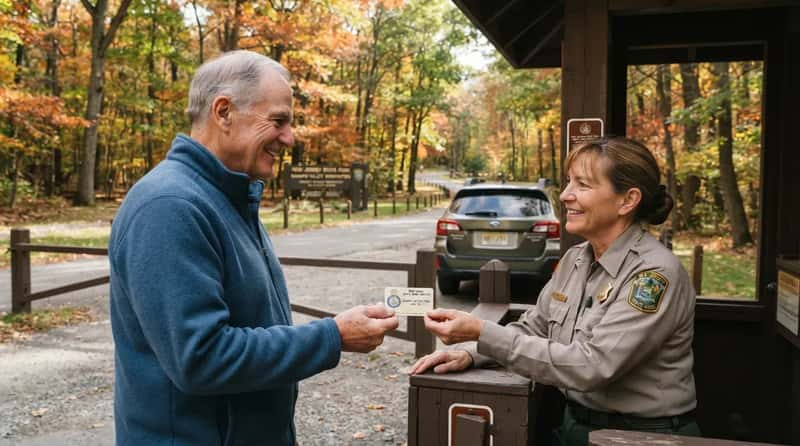
New Jersey residents 62 or older may be eligible for a Senior Citizen Pass. It grants free entrance to state parks and discounted camping rates, two perks on a single card. It’s for residents only.
There’s a wrinkle. The state says the senior pass is being updated, but it can still be obtained at any state park or forest office, or through the Trenton office. Rules for these passes change more often than the brochures do, so call ahead before you drive to an office.
#17 – California’s $20 Golden Bear Pass Covers 200-Plus Parks
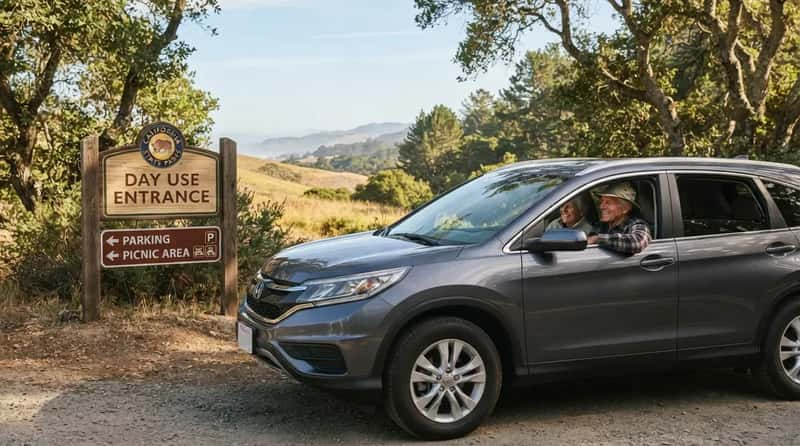
This one costs money, but not much. The $20 pass gives people 62 and over free vehicle day-use access at more than 200 California State Parks-operated units. It’s a calendar-year pass.
Here’s the part many people miss. There’s also a free Golden Bear Pass for certain benefit recipients, or for people 62 and older under listed income limits. So the cheapest route may be no fee at all. Check the income rules before you pay.
#16 – Oklahoma Hands Out a Free Parking Pass, and Spouses Get One Too
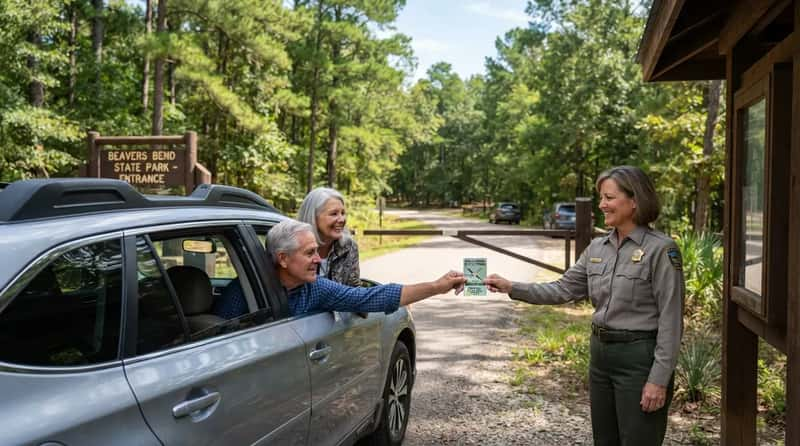
Oklahoma’s 50 Plus page says residents 62 or older, and their spouses, can receive a free Oklahoma State Parks parking pass. No yearly fee shows up in the program details.
The spouse clause is the surprising part. In many programs, the card belongs to one person only. Here, the wording reaches the whole household.
#15 – Louisiana Cuts Campsite Stays in Half With No Maze of Rules
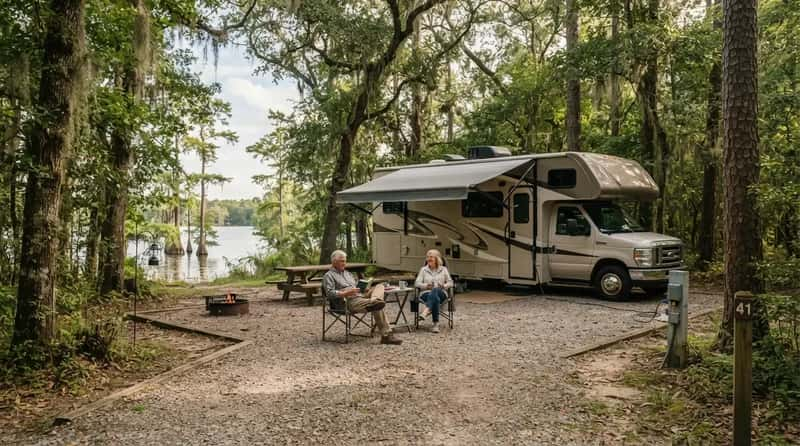
Louisiana state parks offer a 50% discount on campsite stays for visitors 62 and older. The same source says there’s no complicated tier system or weekday maze, which is rare.
Many states limit their discounts to certain days. Here, the simplicity is the selling point. If you’ve ever tried to decode a “Sunday through Thursday, excluding holidays” rule, you’ll appreciate it. Still, call before you travel, since parks can change their policies.
Quick Compare
- Louisiana: 50% off campsite stays at state parks
- Idaho: 50% off camping at select state parks
- Alabama: 15% off overnight accommodations
- Kentucky: 10% off lodges and cottages
#14 – Maryland’s $10 Card Never Expires
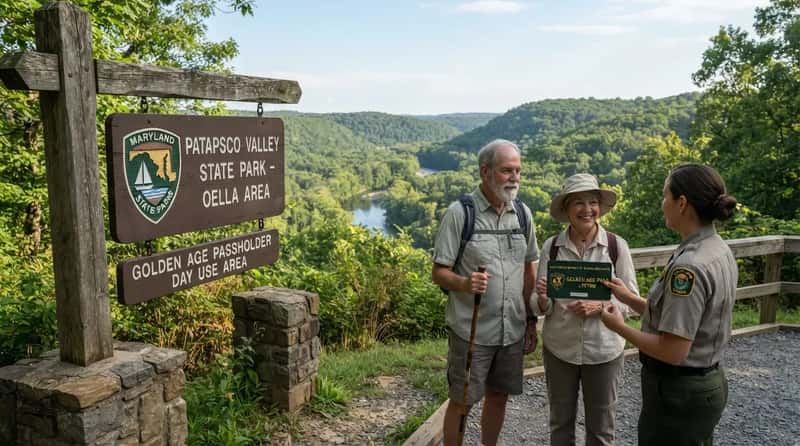
Maryland’s Golden Age Pass is a non-transferable lifetime pass with a $10 processing fee. You must be 62 or older to qualify. That’s one payment, ever.
It gives free day-use entry to state parks that charge fees, half-price camping Sunday through Thursday excluding holidays, and waived boat launching fees. A single ten-dollar bill buys all of that for life. It’s one of the best price-to-perk ratios on the whole list.
#13 – Washington’s Off-Season Pass Means Free Camping From October to March
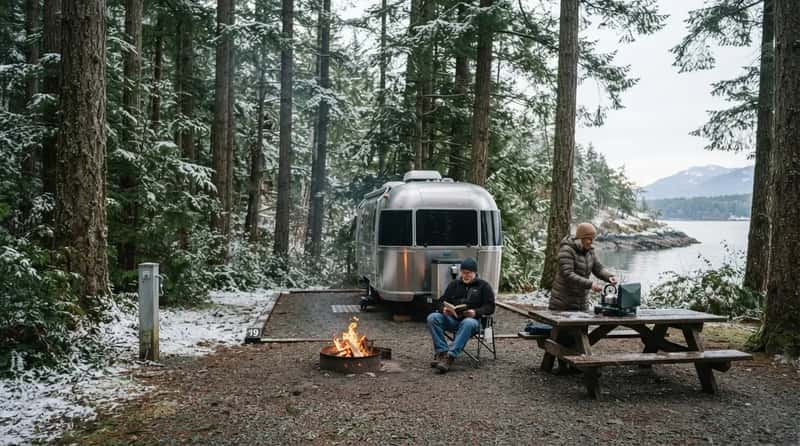
This one is for travelers who don’t mind cooler weather. Washington State Parks’ Off-Season Senior Pass gives people 62 and older free camping and moorage from October 1 through March 31, plus weekday nights in April. Check the current pass terms and any pass price on the state parks site before you go.
That’s six months of free nights. Most tourists fill the campgrounds in summer, so the off-season crowd is thinner and the savings are bigger. Some travelers say winter camping isn’t worth the cold, and that’s a fair debate.
#12 – Washington’s Limited Income Pass Is Free to Apply For and Free to Renew
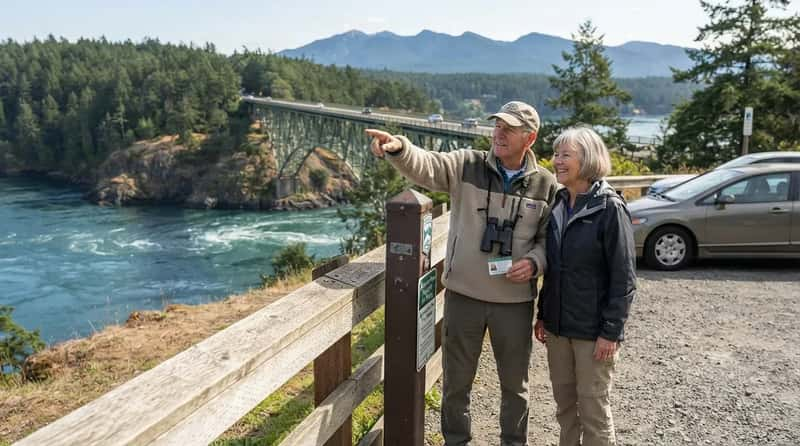
Washington residents 62 or older with an annual income of $40,000 or less can apply. The pass brings free parking at state parks, plus watercraft launch and trailer dump use, with no Discover Pass needed.
It’s free to apply for and must be renewed every five years, which is also free. Married couples and domestic partners can apply together. You never pay a cent, even at renewal. The catch is the income limit, and not everyone qualifies.
#11 – New York’s Golden Park Program Works Only on Weekdays
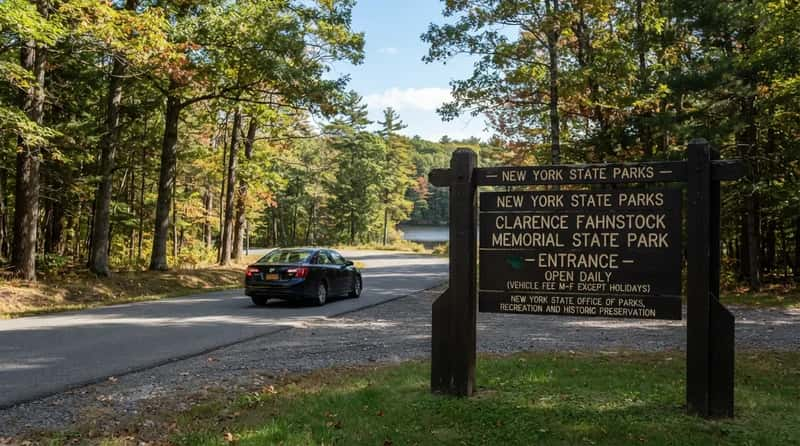
New York residents 62 or older can get free vehicle access to most state parks, boat launches, and arboretums Monday through Friday, except holidays. You show a NYS driver’s license or similar ID.
The free access isn’t valid at Walkway Over the Hudson, Artpark, Lake Superior State Park, Fahnestock Winter Park, Mark Twain State Park, Soaring Eagles Golf Course, or Ganondagan State Historic Site. A Saturday trip means paying the regular fee. Plan your visit around the calendar.
Fast Facts
- Who qualifies: New York residents 62 or older
- When it works: Monday through Friday, holidays excluded
- What it covers: vehicle access at most state parks, boat launches, and arboretums
- What to bring: a NYS driver’s license or similar ID
#10 – The Senior Pass Now Lives on Your Phone
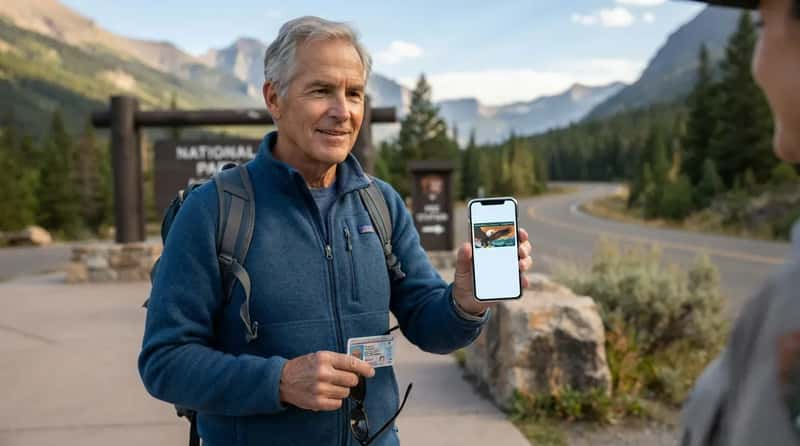
The digital Senior Pass launched on January 1, 2026, through Recreation.gov. The annual version costs $20, and a physical pass adds a $7.50 shipping fee. That means you can skip the plastic if you like.
The lifetime digital pass is $80, with the same shipping fee if you want a physical copy. You can carry it without carrying a card. Some travelers still prefer the physical pass for places with weak cell service, and that’s a smart concern.
#9 – Four $20 Annual Passes Can Turn Into a Lifetime Pass
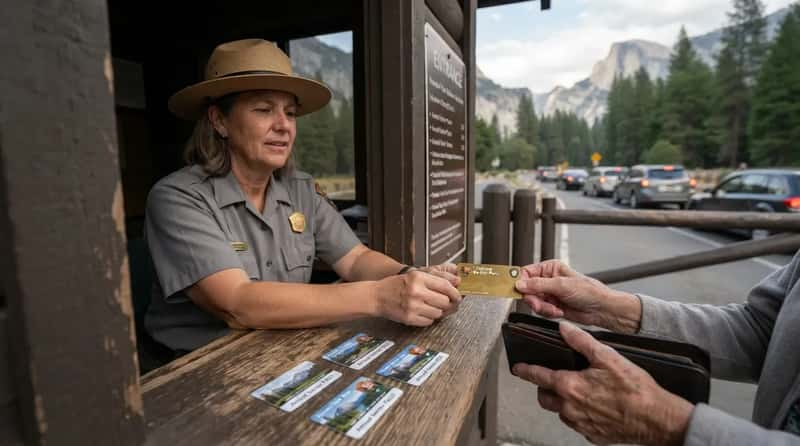
The math is hard to ignore. Four consecutive $20 annual passes can be exchanged in person for a lifetime pass. Four times $20 is $80, which is the lifetime price, so you don’t lose anything by starting small.
Sources don’t fully agree on the number. One guide says three annual passes can be converted at any NPS fee station. Ask at the fee station before you let a pass expire. Frequent travelers often find the lifetime pass is the better buy anyway.
At a Glance
- Annual Senior Pass: $20, valid 12 months from purchase
- Lifetime Senior Pass: $80, paid once
- Physical copy of a digital pass: $7.50 shipping
- Annual-to-lifetime swap: done in person at a fee station
#8 – Old Golden Age Passports Can Be Swapped for Free
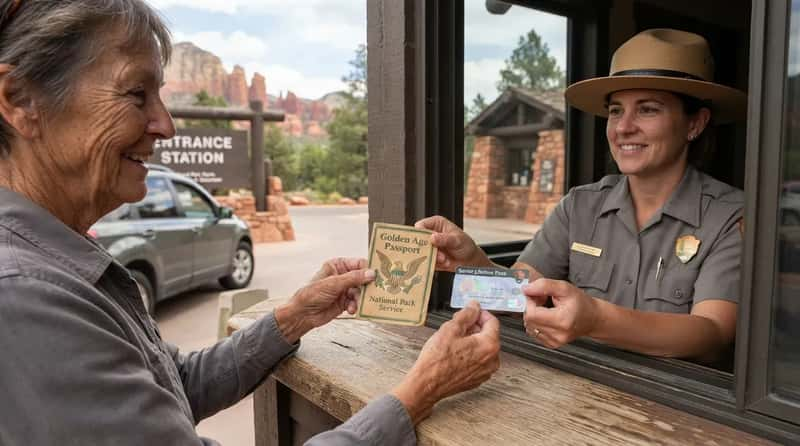
Golden Age Passports and Golden Access Passports are no longer sold. If you’ve got one in a drawer, don’t toss it. It still has value.
The National Park Service encourages holders to exchange the old passport for a current Senior Lifetime Pass for free. The upgrade costs nothing. A piece of travel history becomes a modern pass, which is a nice win for anyone who bought one decades ago.
#7 – The Free Access Pass Might Beat the $80 Option
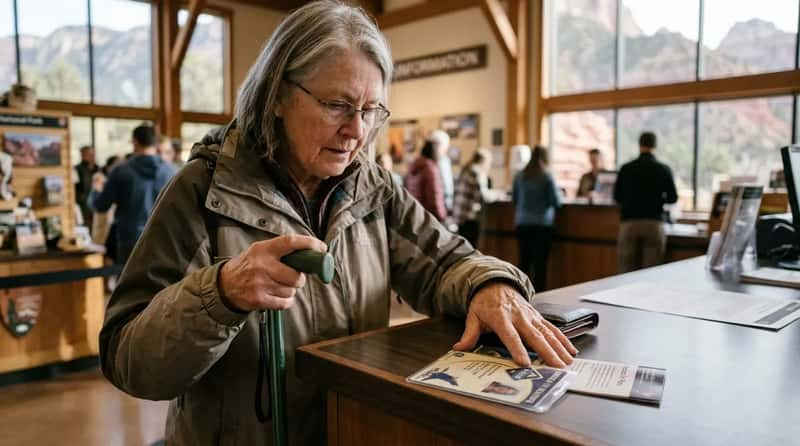
The Access Pass is a free lifetime pass for U.S. citizens or permanent residents with permanent disabilities. Applicants must provide documentation of the disability and of residency or citizenship.
If you’re over 62 and qualify, the free option may beat paying for the senior pass. Free beats $80 every time. There’s a $10 processing fee if you apply through the mail, though the pass itself is free. Compare both before you pick.
#6 – Veterans Over 62 Can Hold Two Federal Passes at Once
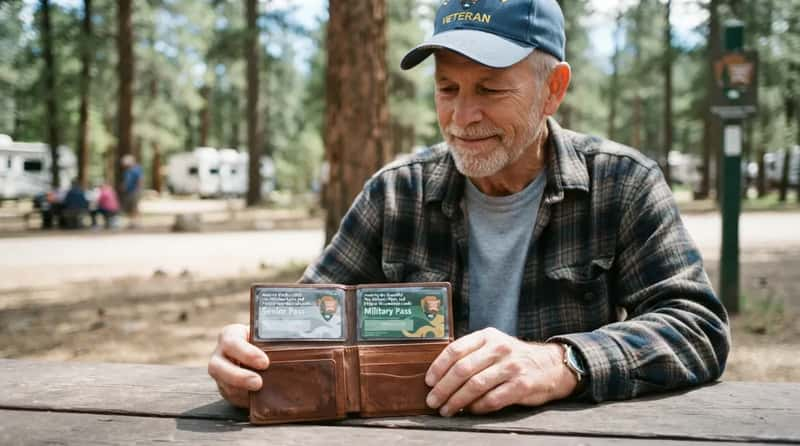
A veteran who’s also 62 or older qualifies for both the Senior Lifetime Pass at $80 and the free Military Lifetime Pass. That’s two passes in one wallet, and most people don’t realize both are available.
So which one should you use? The free one, unless you want the camping discount. The Senior Pass carries a 50% discount on certain amenity fees, so check what each card covers at your destination.
#5 – One Pass, Six Federal Agencies, Thousands of Sites
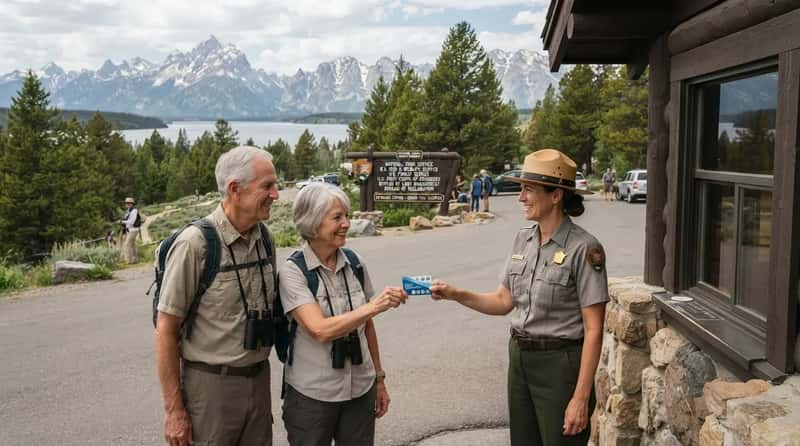
The Senior Lifetime Pass covers entrance fees and standard amenity fees at thousands of recreation locations managed by six federal agencies. Those include the National Park Service, U.S. Fish and Wildlife Service, U.S. Forest Service, and U.S. Army Corps of Engineers.
That’s far more than just the big-name national parks. Lakes, forests, and wildlife refuges are all in the mix. Sources describe more than 2,000 federal recreation sites, which makes the pass work like a master key.
#4 – The Catch: Some Sites Won’t Honor the Pass
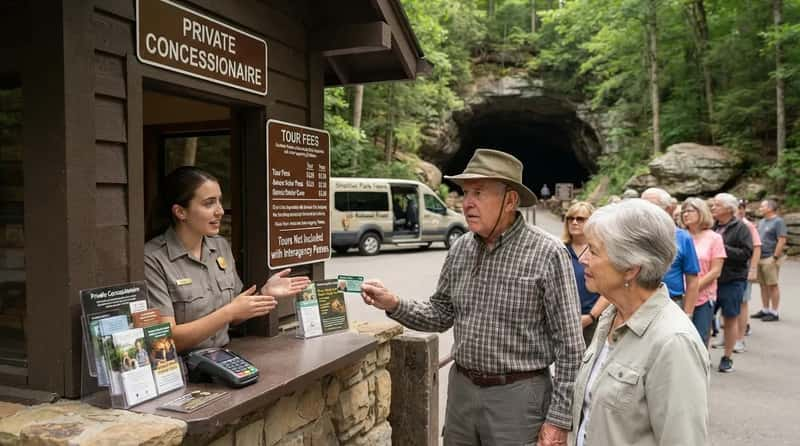
Here’s the truth the brochures skip. The Senior Pass generally doesn’t cover or reduce special recreation permit fees or fees charged by concessioners. That means some tours, rentals, and permits still cost full price.
Lands managed by concessioners may not accept the Senior Annual Pass at all. You can hold the pass and still pay at the gate of a concession-run site. Always ask before assuming a discount applies.
Worth Knowing
- Special recreation permit fees are generally not covered or reduced
- Concessioner fees are generally not covered either
- Concession-run lands may not accept the Senior Annual Pass
- Tours, rentals, and permits can still be full price
#3 – The 50% Camping Discount That Standard Pass Holders Don’t Get
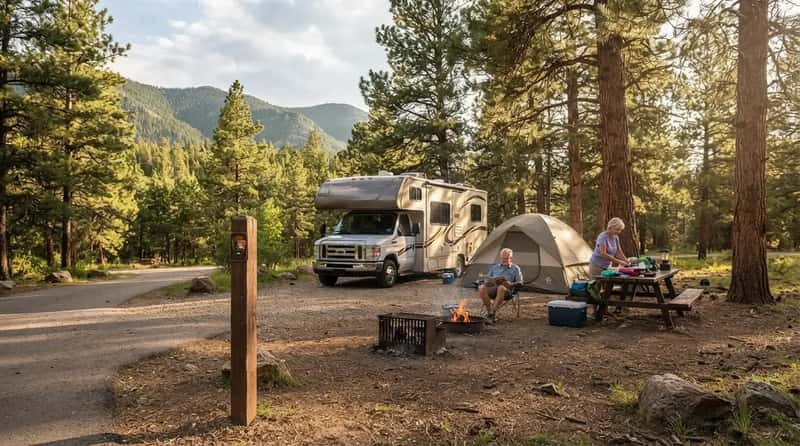
The Senior Pass may provide 50% off amenity fees for things like camping, swimming, boat launches, and specialized interpretive services. That’s a serious cut for RVers and tent campers.
The standard $80 America the Beautiful pass covers entrance fees only and gives no discount on camping. So a 62-year-old pays the same $80 and gets more. That’s why the Senior Pass is often called one of the best deals in the federal system. The discount is a “may,” not a guarantee, so check the campground.
#2 – Your Younger Spouse Gets In Free, Too
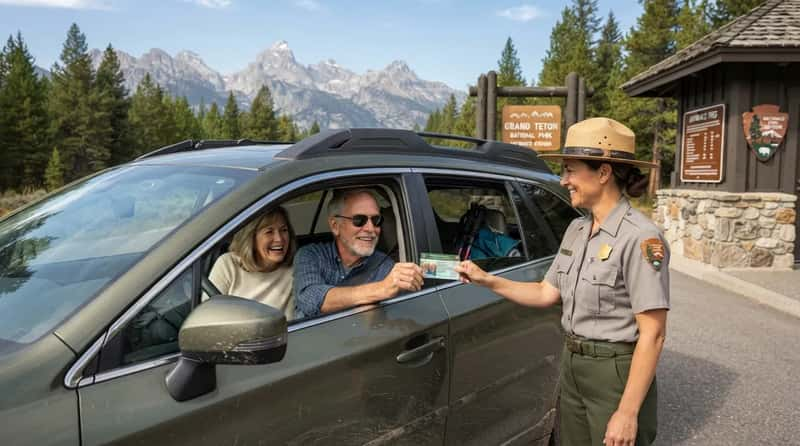
The pass covers the holder and everyone in the vehicle at per-vehicle parks. Where the fee is per person, it covers the holder plus up to three adults. That’s a big perk for family trips.
Say you’re 62 and hold the pass, and your younger spouse rides along. You both get in free. The pass works for the whole car, not just the cardholder, and that includes passengers of any age at per-vehicle sites.
#1 – Visitors From Abroad Pay $250 a Year for What You Get for $80 Once
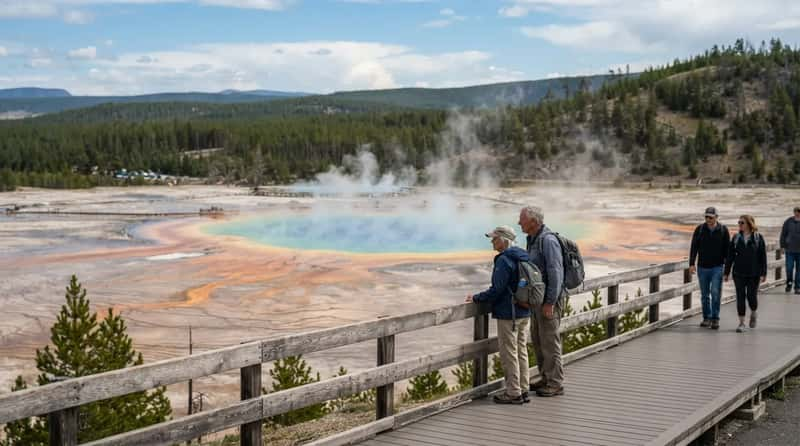
The National Park Service lists the nonresident annual pass at $250, versus $80 for the resident annual pass. The Senior Lifetime Pass is $80 for U.S. citizens and permanent residents 62 and older, and those senior prices are unchanged.
Nonresidents 16 and older also pay a $100 fee on top of regular admission at 11 parks, including Yellowstone, Yosemite, and Zion, unless they hold the nonresident pass. One lifetime senior card costs less than a single visitor’s annual pass. One guide warns that blogs promoting the $80 lifetime senior pass describe a program nonresidents can’t use. One analysis calls the fee policy a major shift, with tradeoffs between infrastructure funding, international tourism, and gateway community economics.
Turning 62 unlocks more than most people expect. The biggest prize is the federal pass, which can cover your whole vehicle, discount camping, and work across six agencies. The catch is that concessioners often charge full price anyway, and state perks vary widely. Check the current rules before you travel.
The best part is how easy these deals are to miss. Most of them go to whoever thinks to ask.