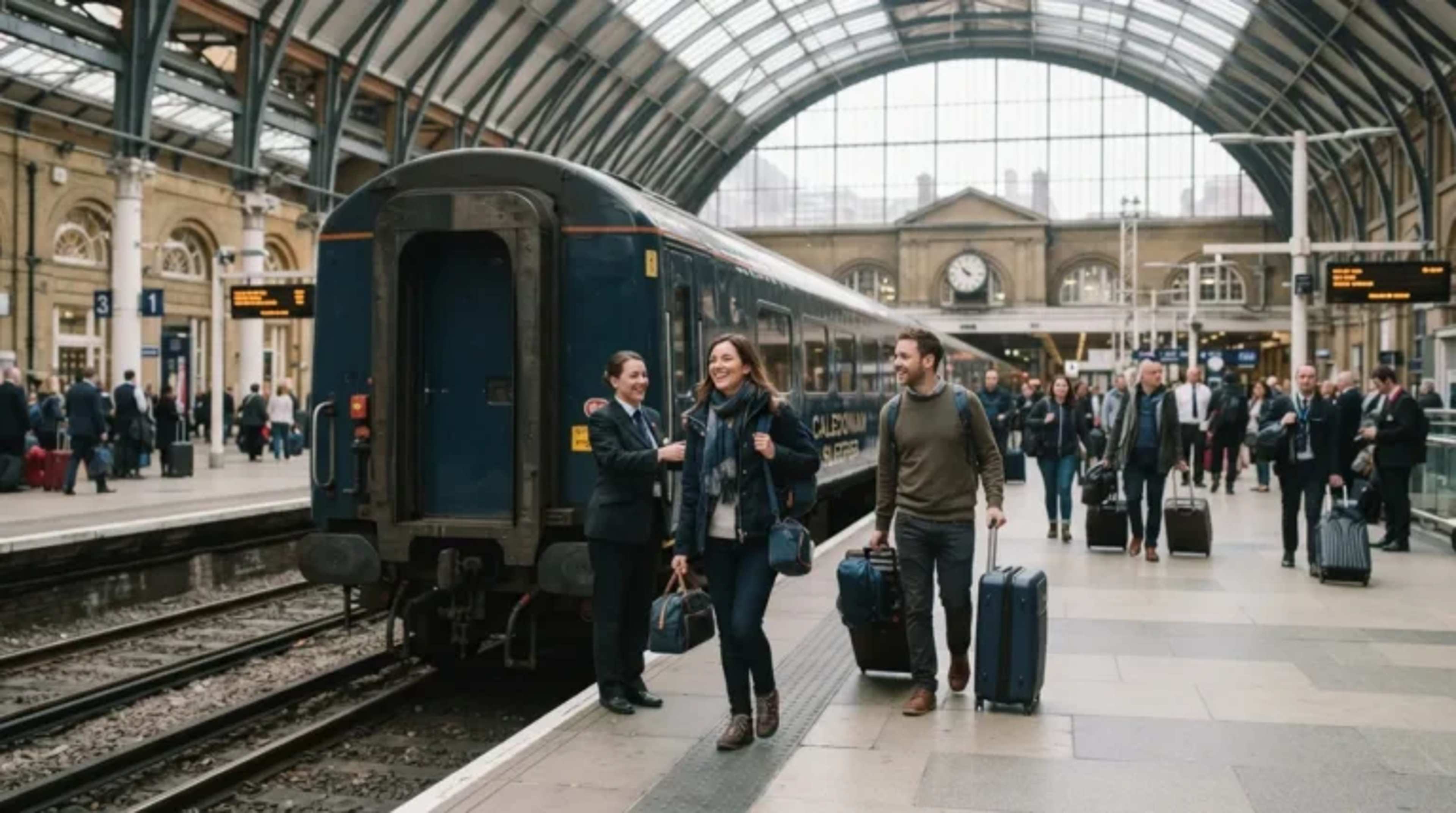
Most people picture the overnight train as the slow, cheap option: a lumpy seat, a long night, and a lot of regret by 3 a.m. Then you meet the regulars, who stroll aboard with one small bag, a sleep mask, and the calm of people who solved the night years ago. Amtrak carried a record 34.5 million customer trips in fiscal year 2025, so plenty of riders are quietly picking up these tricks.
The strange part is how little of it costs money. The gap between a miserable night and a great one usually comes down to small moves nobody mentions at booking. Some are practical, a few are surprising, and the one at #1 is the habit most first-timers never think to try.
#23 – They Treat the Arrival Time Like a Rumor
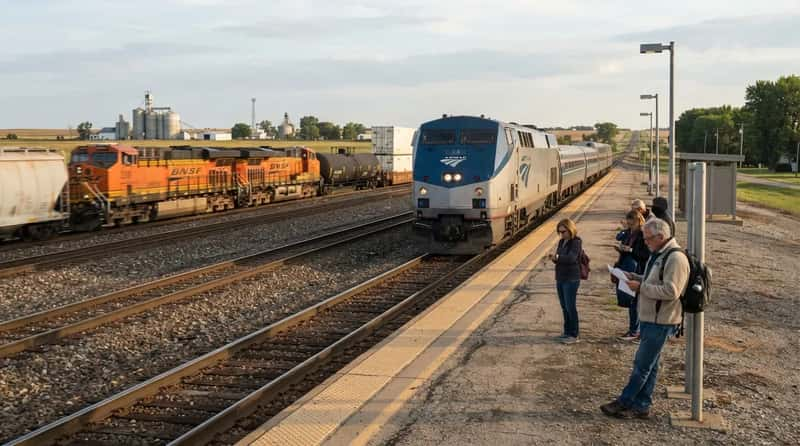
Regulars see the printed arrival time as a hopeful estimate. Outside the Northeast Corridor, most Amtrak trains run on track owned by freight railroads, and freight traffic can hold a passenger train for hours. Long-distance trains are the most exposed because they cross several railroad territories on a single trip.
So veterans never book a same-day flight, a wedding rehearsal, or a job interview right after arrival. The unwritten rule is to leave a generous buffer for anything that matters. Occasional riders learn this once, usually while standing on a platform watching a connection leave without them.
#22 – They Pack a Separate “Night Bag”
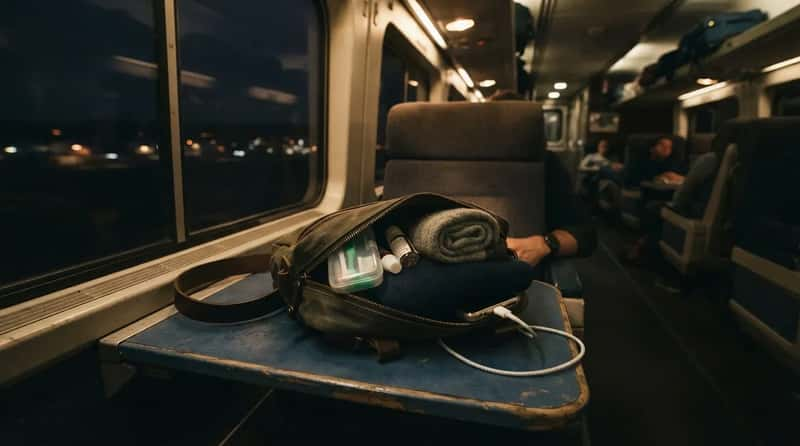
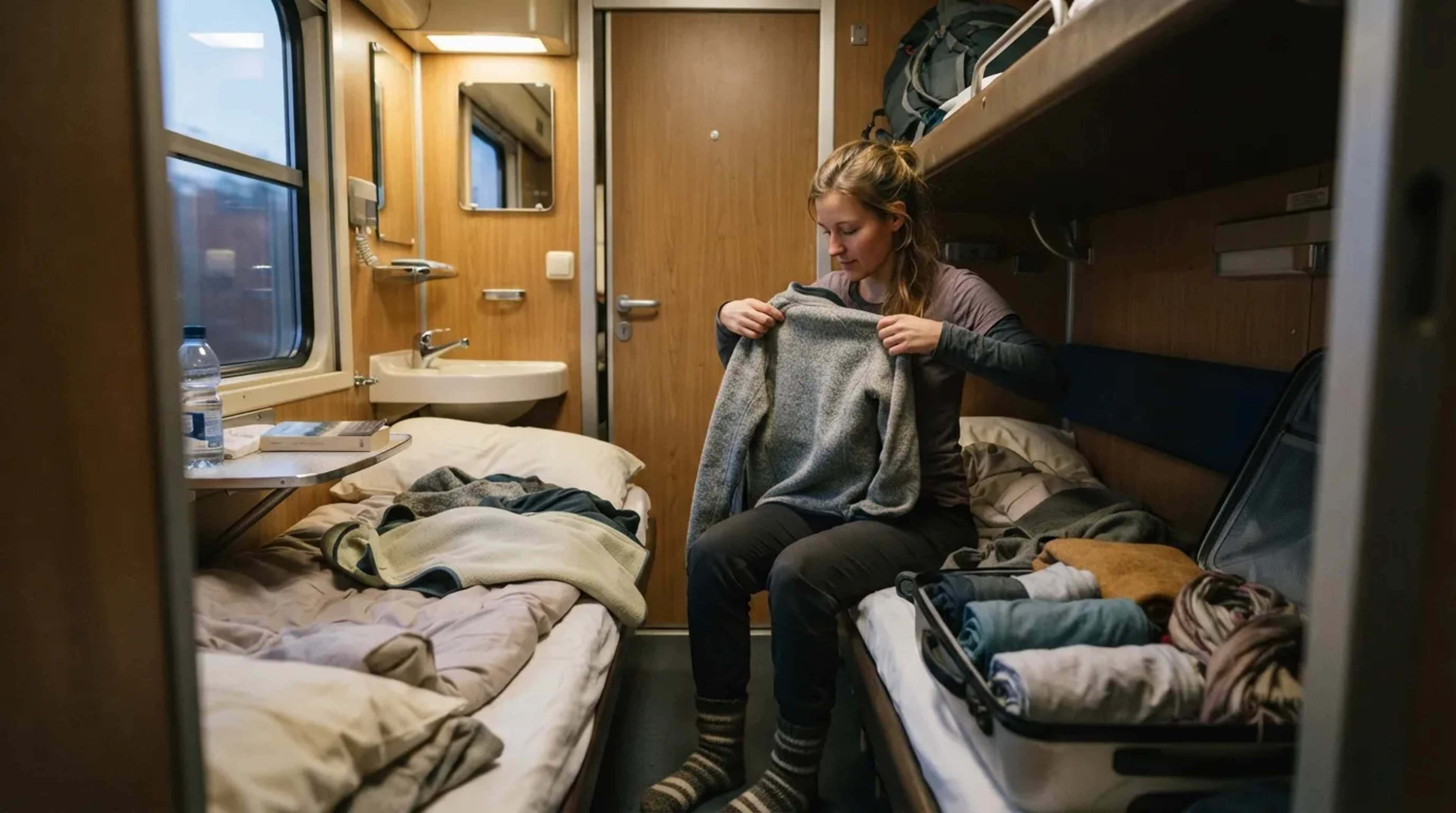
The big suitcase is not what regulars open at 10 p.m. They keep a small bag with a toothbrush, medications, a charger, a sweater, and socks within arm’s reach. On many Amtrak long-distance trains, large bags go on racks downstairs or in checked baggage, so digging into them mid-trip is a hassle. Amtrak’s standard allowance has been two carry-on bags plus two personal items, so a dedicated night bag costs nothing.
That small bag also means nobody is wrestling a rolling suitcase down a dark, swaying aisle at midnight. Routes and ticket types differ, so check your own train’s baggage rules.
Even a perfect bag can’t fix the next thing newcomers get wrong, though.
#21 – They Pick Their Seat Like It’s a Strategy Game
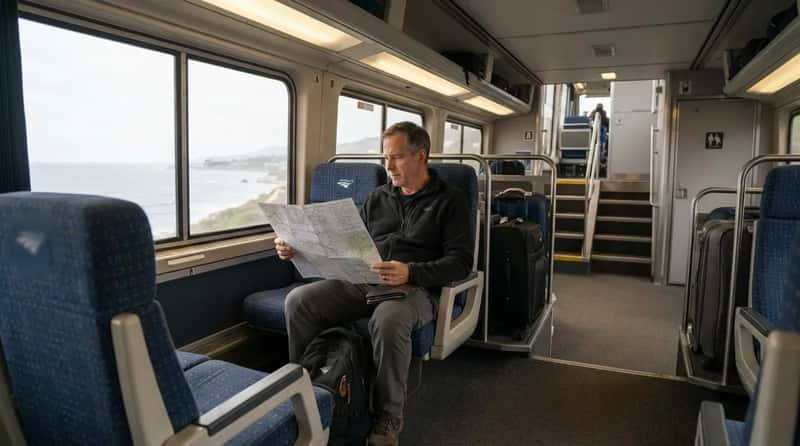
Occasional passengers take whatever seat they’re handed. Regulars ask where it is, which direction it faces, and who’s next to it. On bi-level Superliner trains, the lower level is often favored by veterans because it’s closer to the exits and the luggage racks. Many riders also say it feels a bit steadier.
Scenery matters too. On the Coast Starlight, rail fans traveling south prefer the west side of the train, which faces the Pacific. A seat that looks identical on the booking screen can change the whole trip. Regulars also avoid seats near the stairs, the restroom door, and the vestibule, where doors and foot traffic never stop.
Quick Compare
- Lower level: Closer to exits and luggage racks, and many riders say it feels steadier.
- Upper level: A higher vantage point for scenery, but a longer trip down the stairs at night.
- Coast Starlight southbound: The west side faces the Pacific.
- Near stairs, restrooms, vestibules: Avoid them if you want to sleep.
#20 – They Treat Earplugs and an Eye Mask as Required Gear
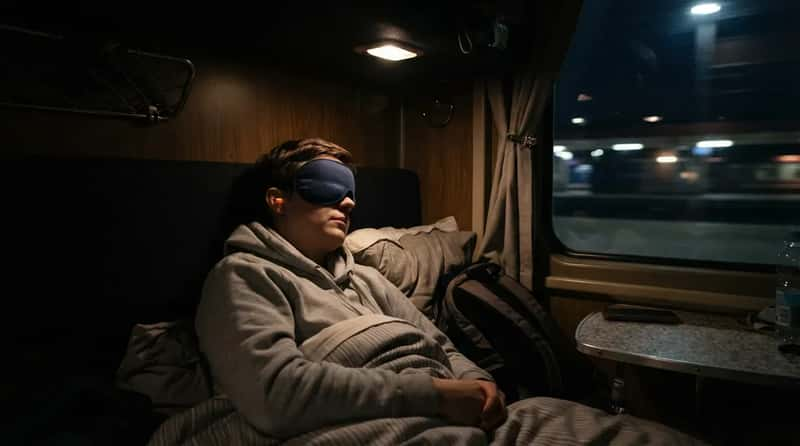
Trains are never silent, even at 2 a.m. There are horn blasts at crossings, announcements, slamming doors, and other passengers. Regulars don’t expect the train to change, so they change themselves. A $10 mask and a pack of earplugs often matter more than a pricey upgrade.
Station lights also pour through the windows whenever the train stops. Some riders add a sleep scarf or a clip to pin the curtain shut. Occasional passengers fight the noise all night. Regulars block it out and move on.
Noise isn’t the only thing that steals sleep, and the next habit is about the other culprit.
#19 – They Dress for Every Temperature Swing
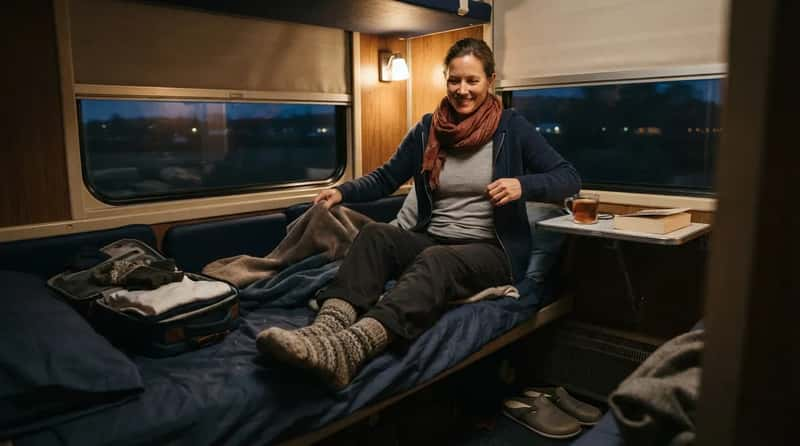
Train cars can swing between stuffy and chilly in the same night. Regulars never rely on one heavy layer. They wear a soft base layer, add a zip-up or wrap, and keep a scarf close. Easy-to-remove shoes and warm socks are standard.
Comfortable clothes also decide how your morning goes. Most veterans sleep in something they’d be fine wearing to breakfast. Nobody wants to rush to a stranger’s table in pajama pants. Occasional riders usually learn that lesson on the first cold night.
Next comes a comfort mistake that’s even easier to make.
#18 – They Bring Their Own Pillow and Blanket
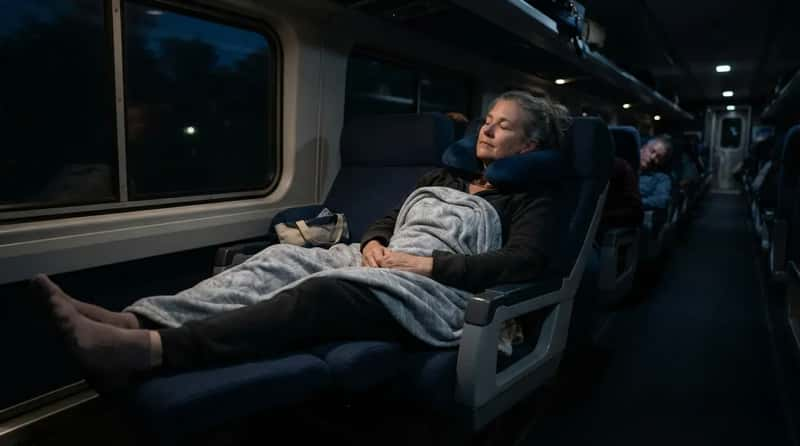
Regulars don’t count on bedding in coach. Coach seats recline and have leg rests on many long-distance trains, but they’re still seats. So veterans arrive with a travel pillow, a light blanket, or both. The rule is simple: comfort you control beats comfort you hope is provided.
Some riders bring an inflatable pillow because it packs flat. Others swear by a small lumbar roll to keep their back from curling. The best setup fits in a bag and takes ten seconds to unfold.
The seat is only half the story, though. One person on board can change your whole night.
#17 – They Introduce Themselves to the Attendant
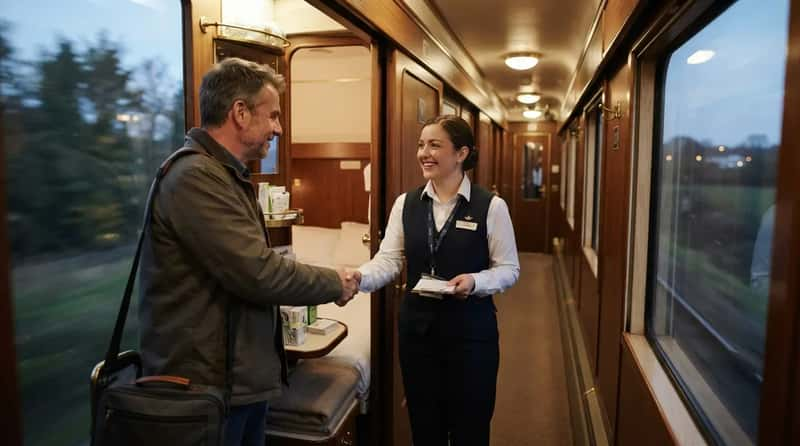
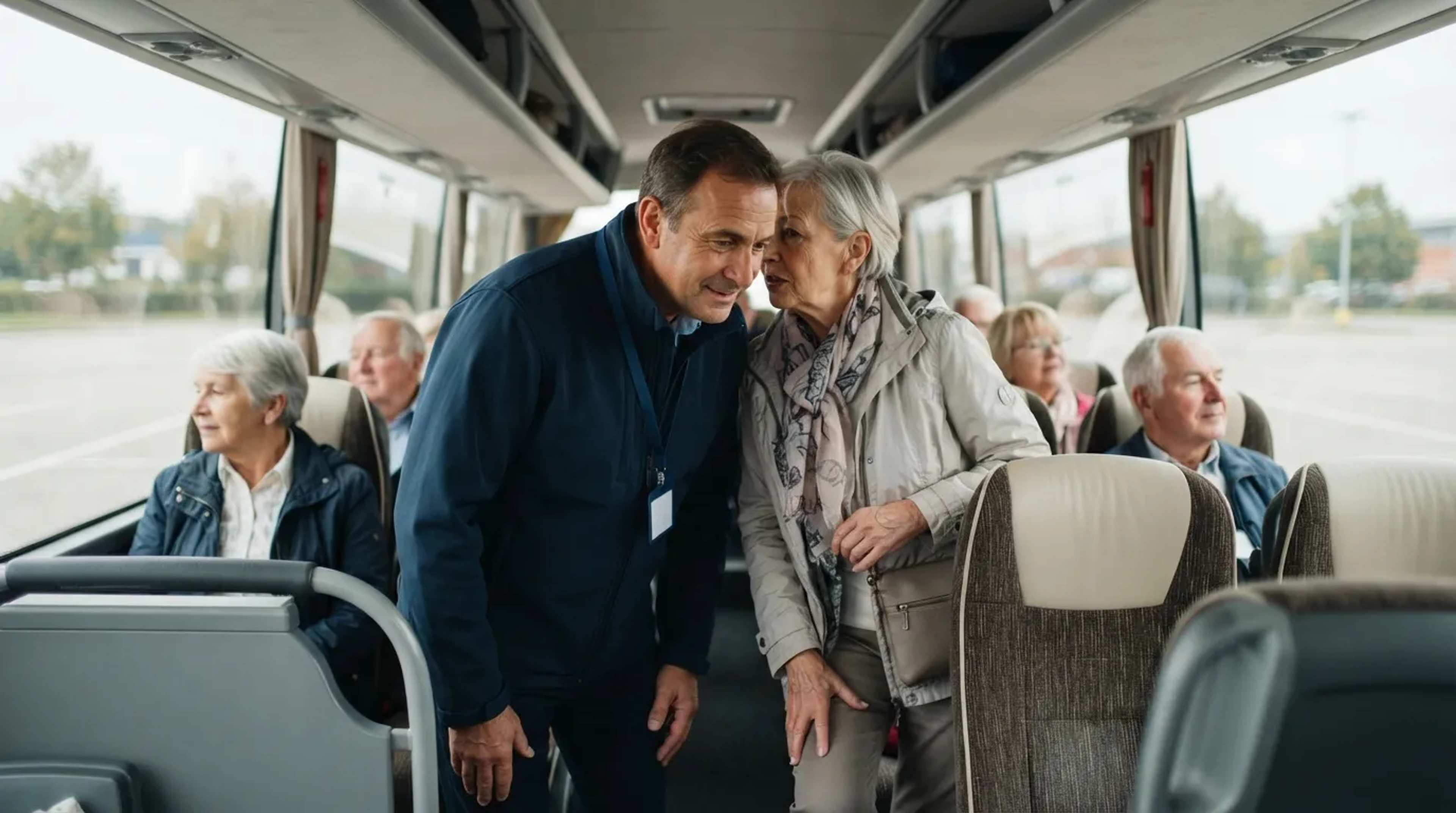
Sleeping-car attendants are the secret engine of a good overnight trip. Regulars say hello early, ask how things work, and tell the attendant when they want the bed made. A friendly start tends to get questions answered faster. It also gives you the best source for what the next stops and timings look like.
Attendants know which door sticks, which restroom is cleanest, and how late the dining car runs. One short conversation can save you a dozen small frustrations. Occasional passengers treat staff like vending machines. Veterans treat them like the crew they are.
Attendants also handle something rookies completely overlook.
#16 – They Lock In Dinner Early
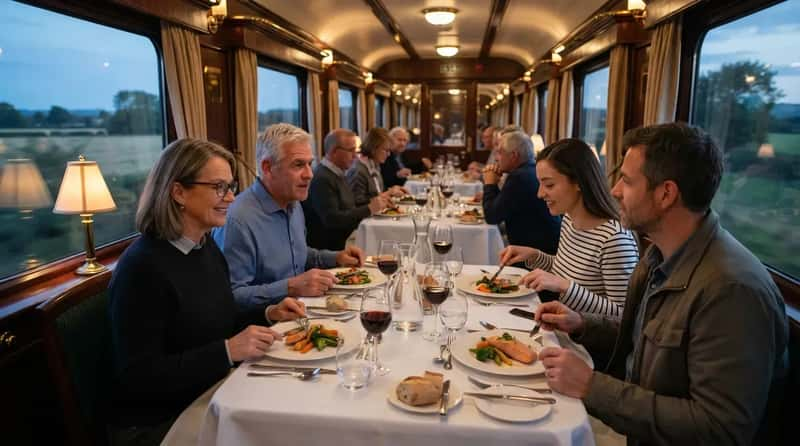
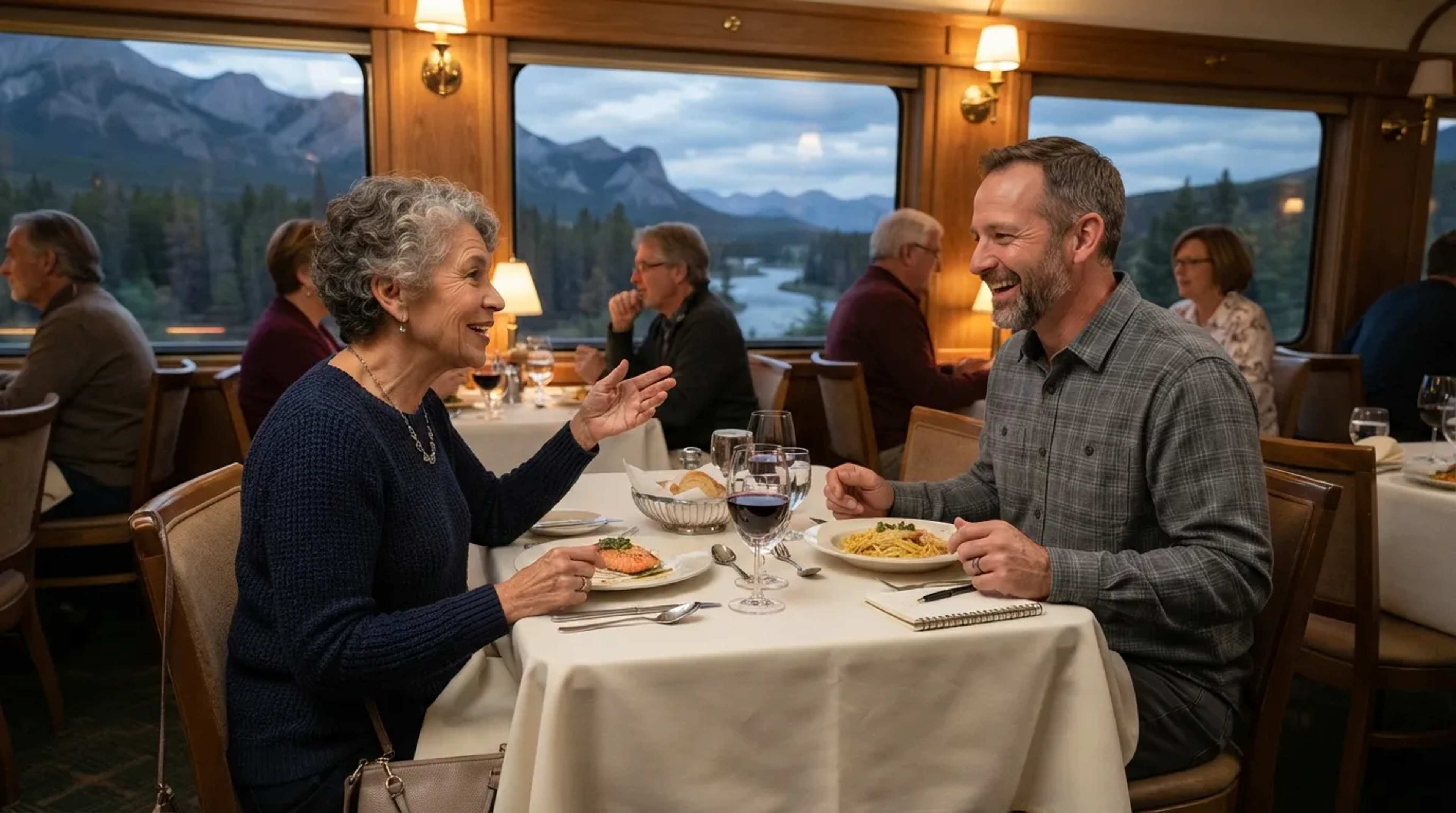
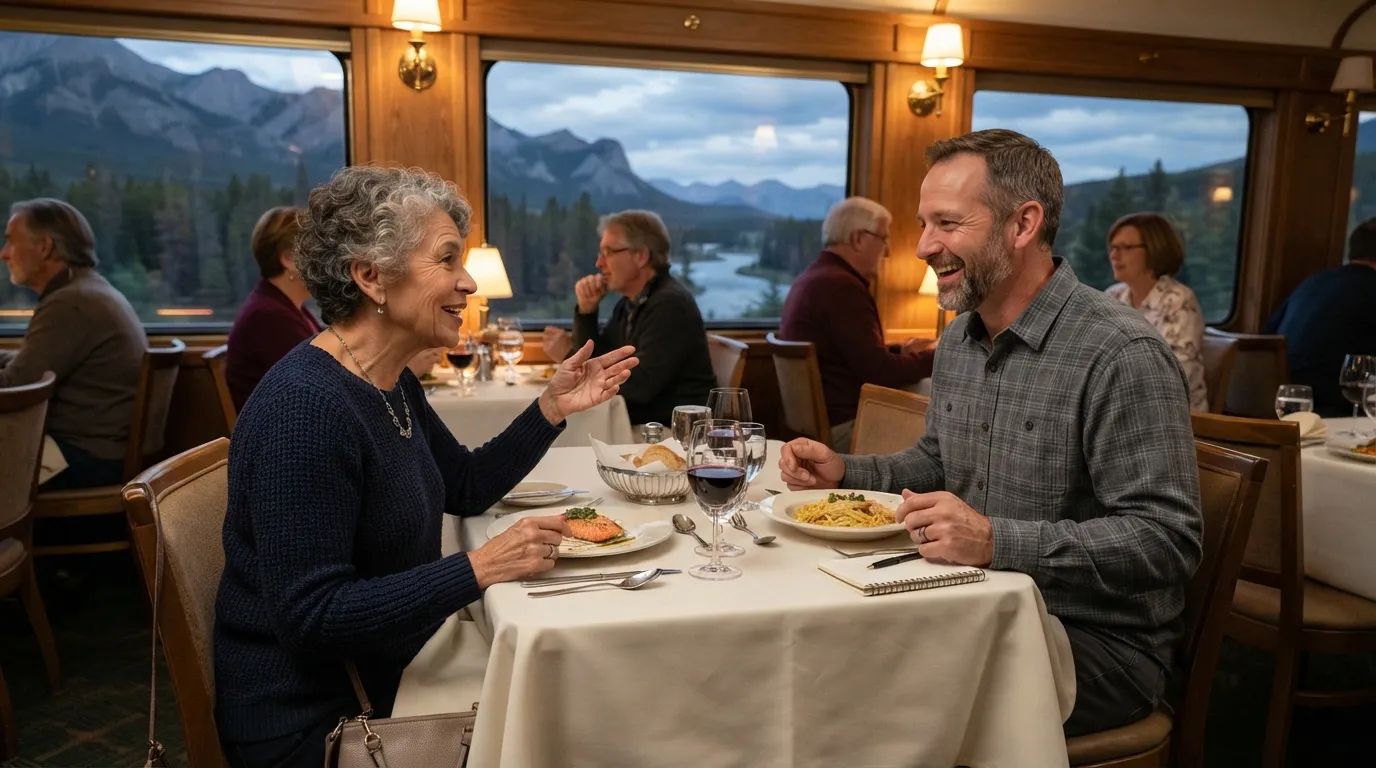
On trains with full dining-car service, dinner is a scheduled operation. Regulars find out how reservations work as soon as they board, then grab an early or late slot to dodge the rush. Seating is typically communal, so you may share a table with strangers.
That detail stuns many first-timers. You may end up eating dinner across from someone you’ve never met. Regulars see that as a feature. If you want a quieter meal, ask for a time when the car is emptier.
#15 – They Know Exactly What Their Fare Includes
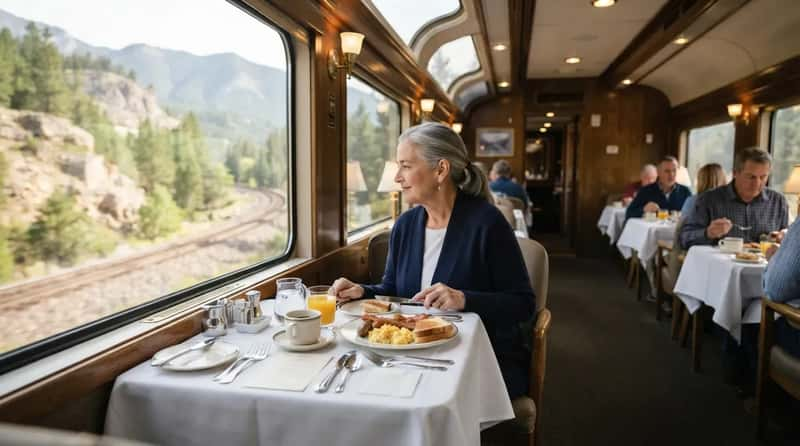
Many riders don’t realize that on routes with traditional dining-car service, sleeper tickets generally cover meals. Regulars check the rules for their specific train before boarding, because service varies by route. They plan their appetite and their budget around it.
That changes how the price tag looks. A room that seems expensive can look more reasonable once meals are counted in. Coach passengers usually pay for food separately, so veterans often bring their own. Not every train is the same, and that’s exactly why they check.
Dining isn’t the only thing that changes by route, and the next habit is a lifesaver.
#14 – They Download Everything Before Departure
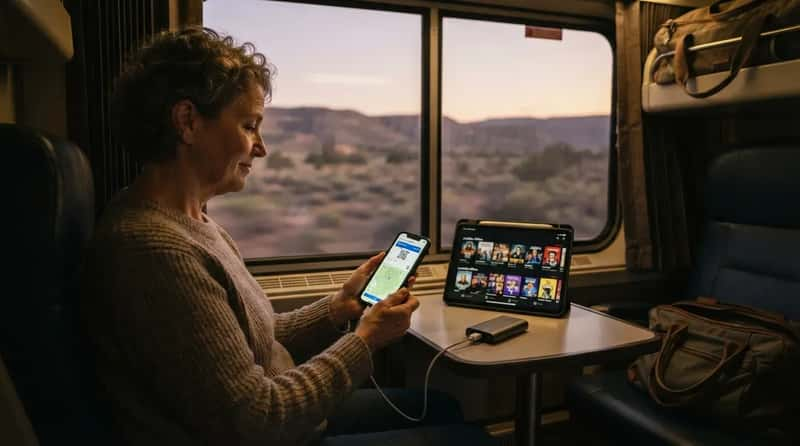
Wi-Fi is not something long-distance regulars rely on. Cell service drops out across remote stretches of the West and Midwest, and onboard connectivity varies by train. So they download shows, playlists, podcasts, maps, e-books, and boarding confirmations before they leave.
They also screenshot their tickets. A dead signal in the middle of the night can’t lock you out of your own reservation if it’s already saved. Veterans keep a small battery pack in the night bag too, because the outlet by your seat may already be taken.
At a Glance
- Entertainment: Shows, playlists, and podcasts saved before boarding.
- Navigation: Offline maps for the stretches with no signal.
- Paperwork: Screenshots of tickets and confirmations.
- Power: A small battery pack in case the outlet is taken.
#13 – They Watch the Time Zones Like Hawks
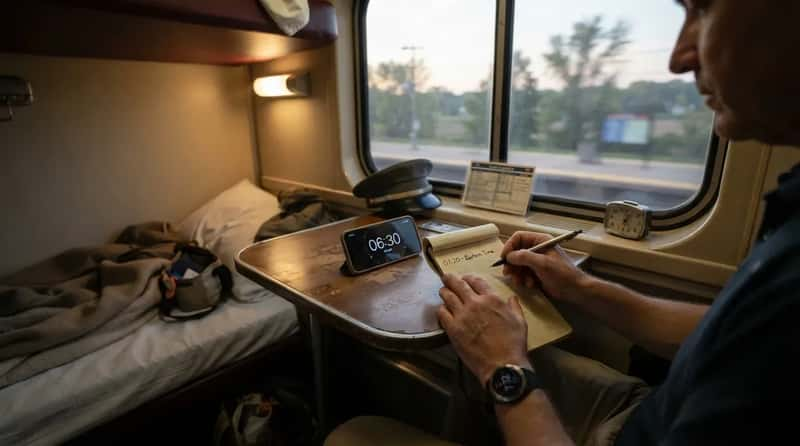
Long-distance trains cross multiple time zones, and schedules show local times. A dinner reservation, a wake-up request, or a connection can easily get scrambled when the clock jumps while you sleep. Regulars ask the crew which time to use and set a second clock on their phone.
Some even write the times on paper. Missing breakfast by an hour because of a time zone line is a rookie mistake regulars simply don’t make. They also double-check the time zone at their destination before setting an alarm.
Clock confusion is bad. What can happen when you step off at a stop is worse.
#12 – They Never Wander Far at “Fresh Air” Stops
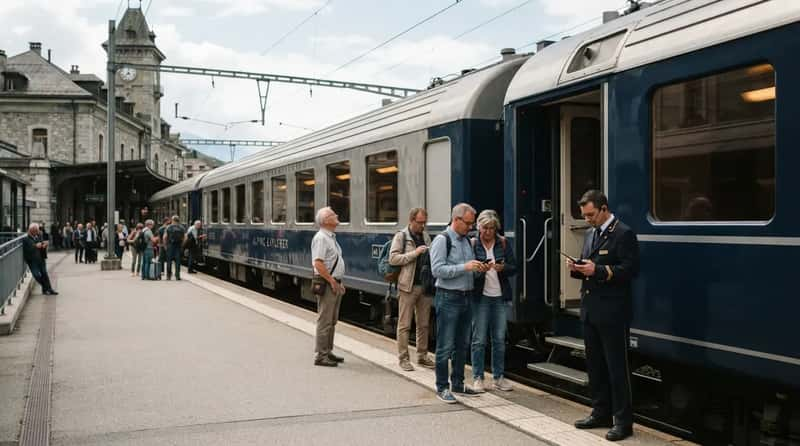
Long-distance trains pause at certain stations for crew changes, servicing, or schedule recovery. Crews sometimes announce a short fresh-air stop. Regulars step out only when the crew says it’s okay, and they stay close to their car door.
The reason is simple. A train can leave the platform right on schedule, with or without anyone who wandered off. Veterans keep a phone and ticket on them, never in the seat. Newcomers find out too late that a stop is rarely as long as it feels.
#11 – They Lean Into the Rocking
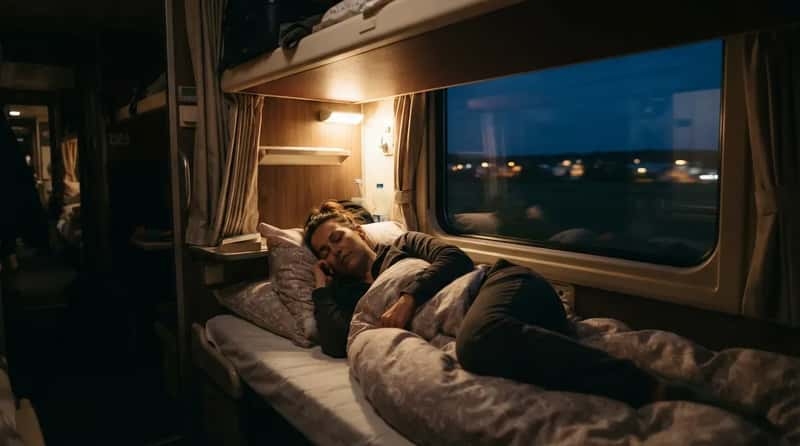
Trains sway, and first-timers often fight it. Regulars let it happen. They lie down early, relax their shoulders, and treat the rhythm as part of the ride.
There’s real science behind that instinct. A 2019 study in Current Biology found that gentle rocking helped people fall asleep faster and sleep more deeply. That experiment used a lab bed rather than a train, so it doesn’t prove trains work for everyone. Still, it suggests gentle motion isn’t always the enemy of sleep.
Motion may not be the biggest sleep ruiner after all. The next habit is about something else on board.
#10 – They Keep Valuables on Their Body
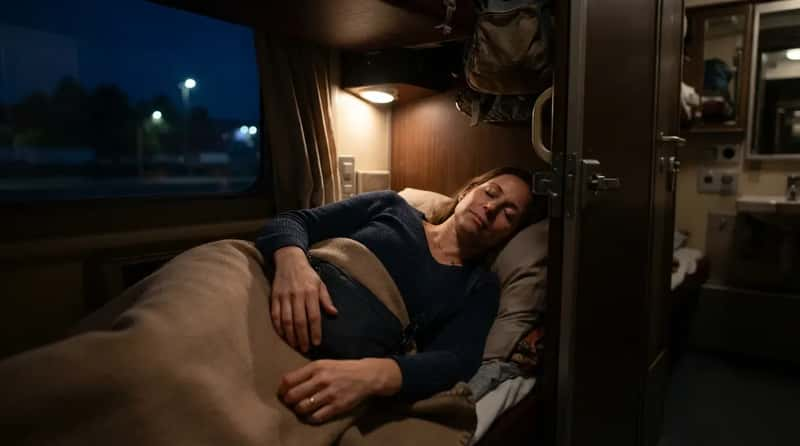
Regulars rarely leave a wallet, phone, or passport in a seat pocket or on a tray table. They keep essentials in a small bag or a zipped pocket, even while they sleep. In sleeping cars, they lock the room door from the inside whenever they’re in it.
It’s not paranoia. It’s habit. Most passengers are honest, but a 2 a.m. station stop is the worst time to discover a missing phone. Veterans also keep their ID where they can reach it without waking the whole car.
#9 – They Match the Route to the Trip
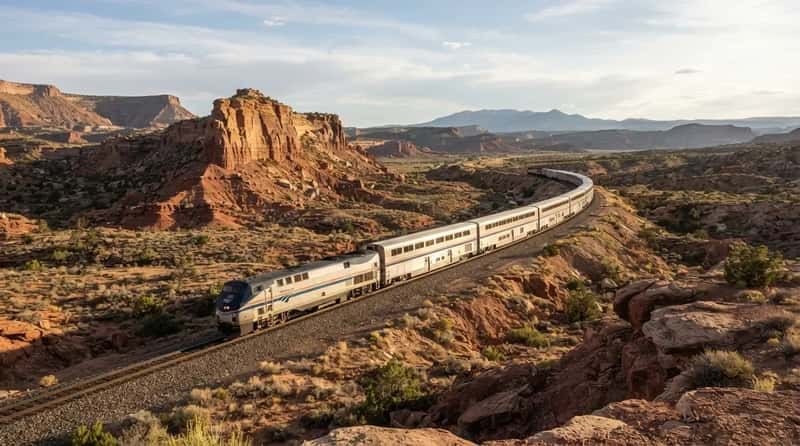
“Overnight train” covers wildly different journeys. Amtrak’s long-distance routes range from roughly 830 miles on the Palmetto to 2,728 miles on the Texas Eagle’s through service between Chicago and Los Angeles. That’s a huge gap in time, cost, and comfort.
Regulars choose accordingly. One route can feel like a pleasant single night, while another is a multi-day commitment. They pick the train that fits their stamina, not just the lowest fare. Occasional riders find out the mileage after they board.
The next habit is the one that starts arguments among experts.
#8 – They Skip the Pricey Bedroom (Most of the Time)
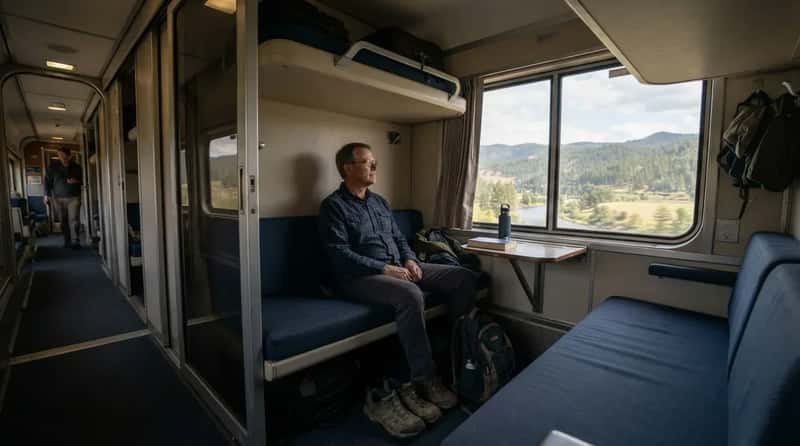
Here’s a take that sparks debate. Many travelers dream of a private bedroom, but a lot of seasoned solo riders argue the smaller roomette is plenty. In a roomette, you mostly sleep, and you spend the day elsewhere on the train.
The bedroom has more space and a private bathroom, which matters to some people. But veterans point out that you spend much of the trip in the lounge car anyway. Couples and families may disagree, and that’s fair. Regulars simply weigh the extra square footage against how much of it they’ll actually use.
Worth Knowing
- Roomette: Smaller, and mostly a place to sleep.
- Bedroom: More space and a private bathroom.
- Solo riders: Often say the lounge car gets more of their daytime hours.
- Couples and families: May value the extra room more, so the math changes.
#7 – They Pack Real Food, Not Just Hope
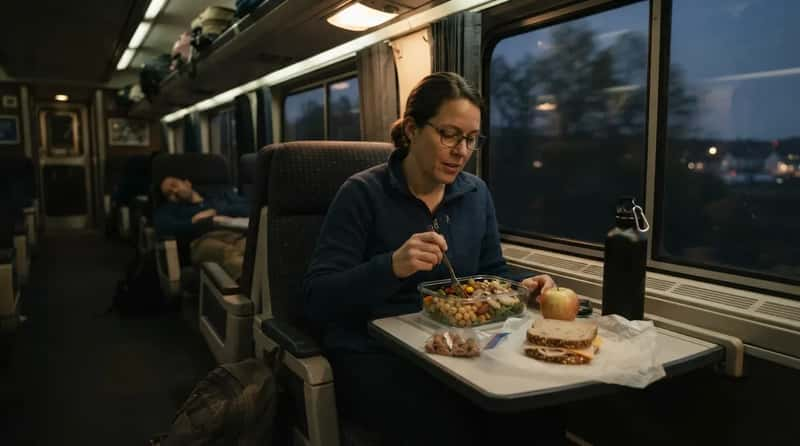
Even when dining is available, regulars carry their own snacks. Dining-car hours are limited, and the café car can have long lines. Fruit, nuts, sandwiches, and protein bars are common choices because they don’t need a fridge.
They also bring a refillable water bottle. Plenty of veterans say they’ve never regretted bringing too much food, only too little. A delayed train can stretch a meal gap by hours. A snack in the night bag is cheap insurance.
The best spot to eat that snack isn’t where you’d expect.
#6 – They Know the Right Time to Visit the Lounge Car
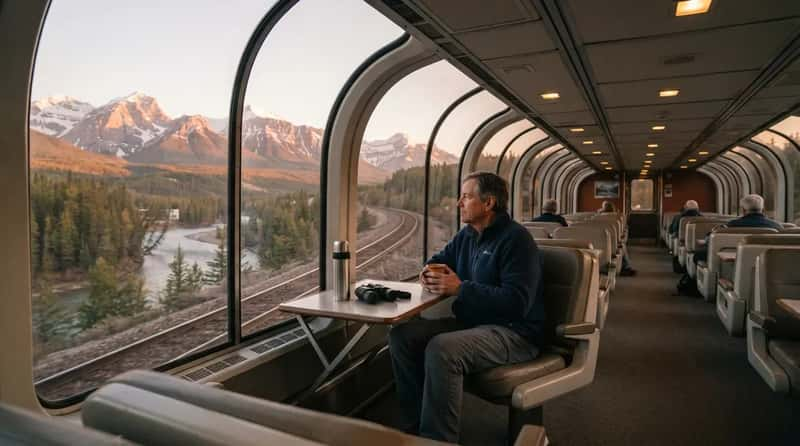
Regulars don’t just wander into the lounge car at random. On many Superliner trains, the Sightseer Lounge has huge windows and an upper level made for scenery. They go at sunrise or during the famous stretches, then retreat when it gets crowded.
On the Coast Starlight, sleeping-car passengers also get the Pacific Parlour Car. Veterans time the lounge for a mountain pass or a stretch of coastline, not just whenever they’re bored. They also bring a coffee and a jacket, because those big windows can run chilly.
#5 – They Follow the Unwritten Etiquette
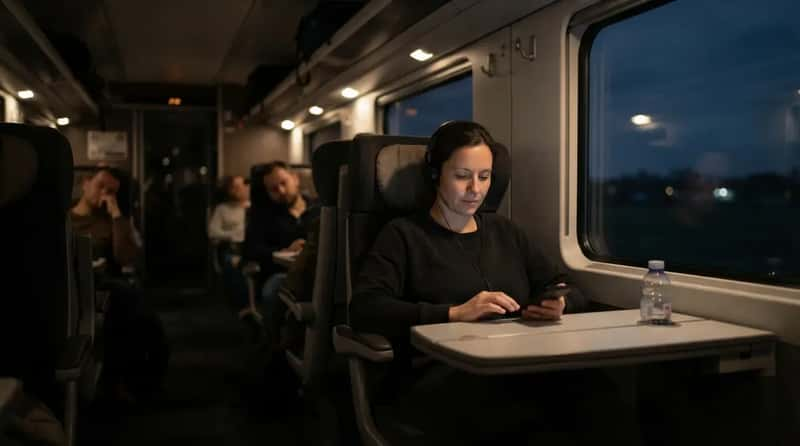
Quiet hours aren’t always posted, but regulars act as though they are. They use headphones, keep phone brightness low, and talk softly after dark. They ask before reclining all the way, and they never leave trash on the tray table.
It’s a small thing that adds up fast. One loud video at midnight can ruin the night for an entire car. Veterans say a quick “mind if I recline?” prevents most conflicts. Occasional riders usually discover the rules by breaking them.
One more habit separates regulars from everyone else, and it kicks in around 3 a.m.
#4 – They Sleep Right Through the 3 A.M. Stops
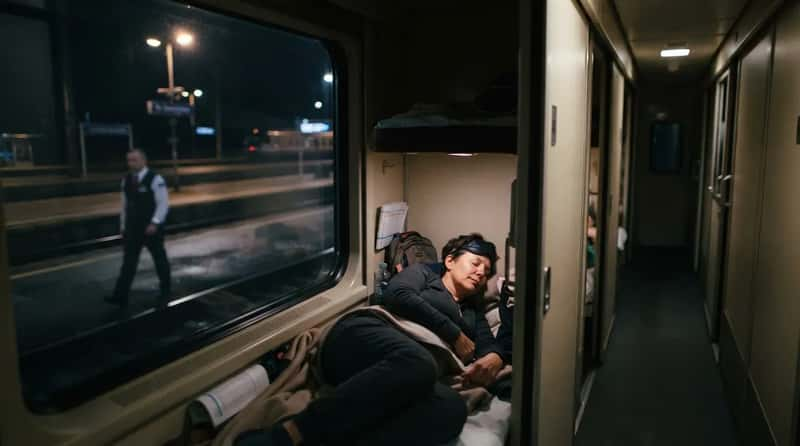
Long-distance trains stop in the middle of the night, sometimes for a long while. Doors open, voices carry, and lights flood the car. Newcomers wake up every time and wonder what went wrong.
Regulars know that’s normal. Many of those stops are crew changes, servicing, or waiting for a freight train to clear the track. They check the schedule before bed, so they know roughly where the stops fall. Once you know what’s going on, it’s much easier to roll over and go back to sleep.
So why do regulars put up with all of this? The next habit is the reason.
#3 – They Pick Trains for the Landscape, Not the Speed
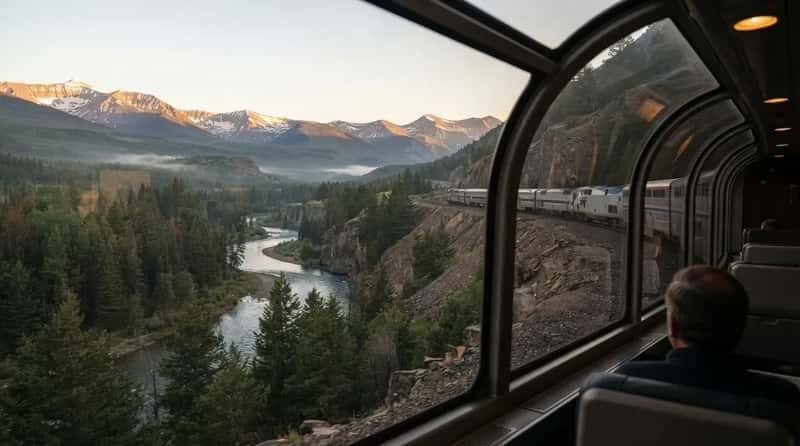
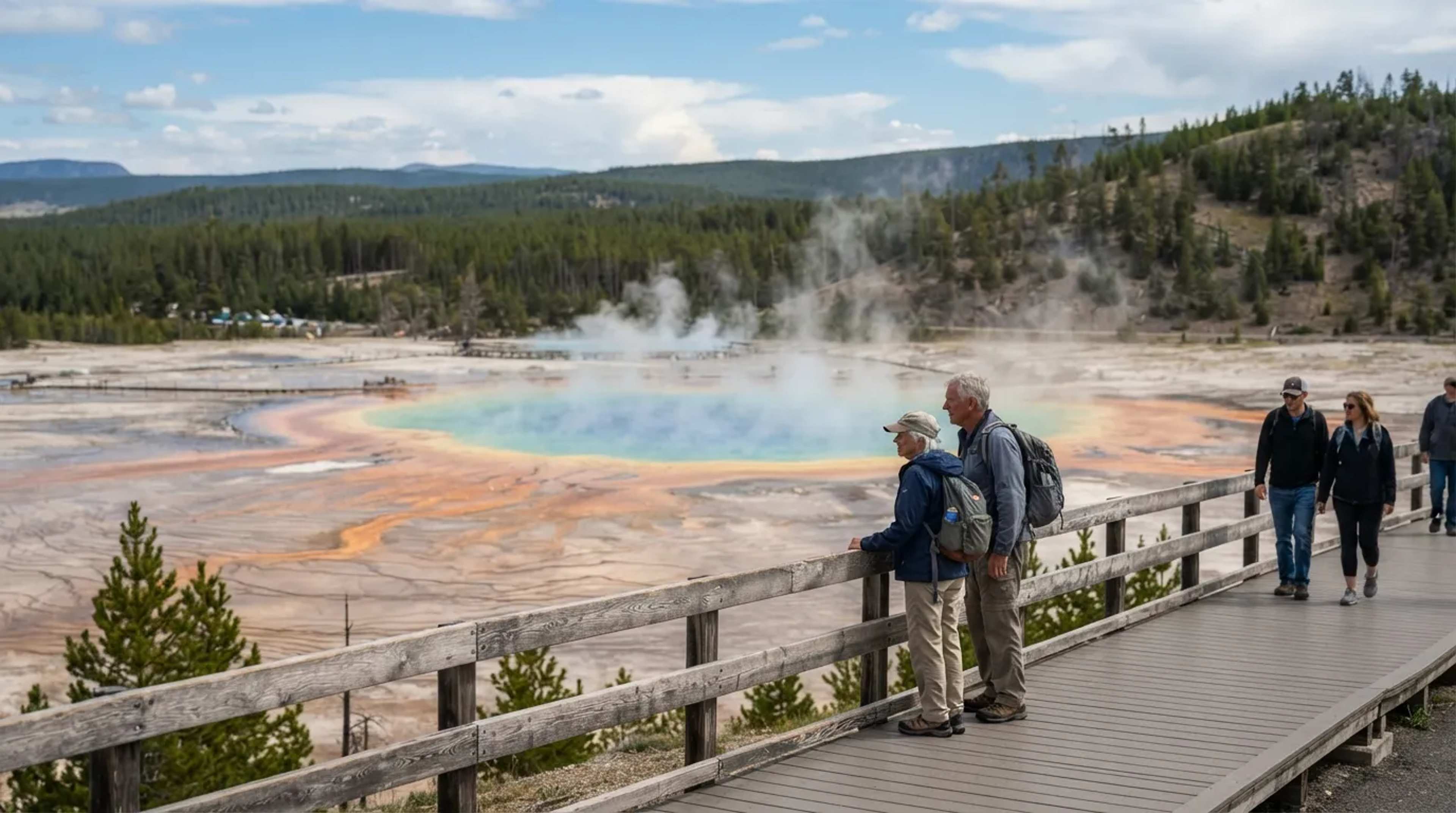
Nobody takes the overnight train to save time. Regulars choose it because the route itself is the point. The Empire Builder runs 2,206 miles between Seattle and Chicago, and the scenery changes with the landscape and the hour. They plan the trip so the best views land in daylight.
That’s why many riders study the schedule before they book. A night spent asleep is a night of scenery missed, so smart planning puts the postcard stretches at dawn and dusk. Regulars may even choose a direction because of what they’ll see at sunrise. Flying can’t offer that, and they know it.
Fast Facts
- Route: The Empire Builder links Chicago and Seattle, with a Portland section that splits off along the way.
- Distance: 2,206 miles between Seattle and Chicago.
- Scenery: The route skirts Glacier National Park in the northern Rockies.
- Planning move: Check where the train will be at sunrise and sunset before you pick a travel day.
#2 – They Keep Coming Back to the Same Train
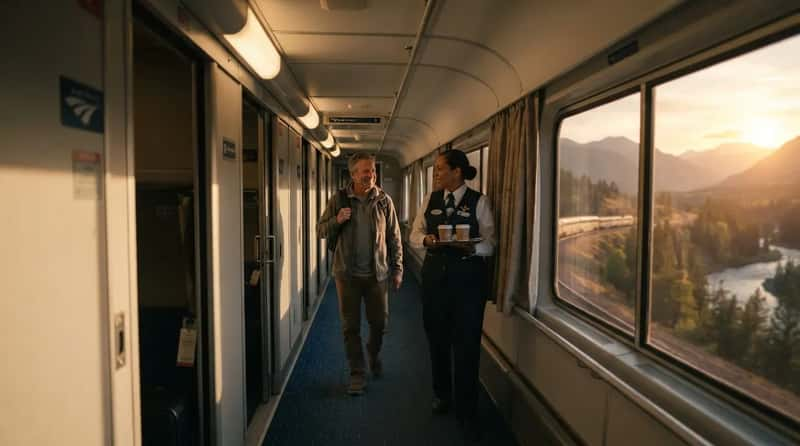
Regulars aren’t loyal to a train because it’s perfect. They’re loyal because they learned its quirks and made them work. They know which stretch has the best sunset, which stop has the good coffee, and which car rides smoothest.
That loyalty also means they notice change. Repeat riders are the first to spot refreshed seats, new lighting, or a menu that’s been tweaked. They keep a mental list of what works and what doesn’t, and they trade it with each other like a secret recipe.
The habit at the top of this list has nothing to do with gear or schedules.
#1 – They Talk to the Stranger Across the Table
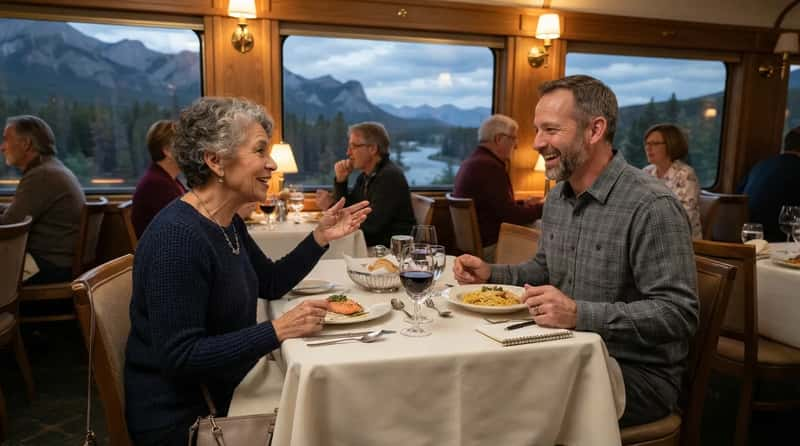
This is the habit most occasional passengers never learn. Regulars say the best part of overnight rail isn’t the room or the view. It’s the person you end up sitting across from at dinner.
Communal seating in the dining car turns strangers into a temporary neighborhood. Veterans say their favorite trips are the ones where a stranger became part of the story. They ask where people are headed, trade tips, and sometimes swap numbers. On a train with no rush and spotty Wi-Fi, conversation becomes the entertainment. That’s the truth regulars know and rarely say out loud.
Look back over the list and notice how little of it has to do with money. Regulars pad the schedule, pack a night bag, learn the fare rules, and treat the crew like allies. They block out light and noise, respect the shared space, and accept the sway.
Most of all, they treat the journey as the whole point. That’s why a record 34.5 million trips on Amtrak in fiscal 2025 doesn’t surprise them. Somewhere around 3 a.m., with the car dark and the wheels humming, they’re exactly where they meant to be.