Most people assume that once you’re on a fixed income, the era of meaningful travel is basically over. But talk to retirees who’ve actually done it – couples who visited 30 countries after 65, solo travelers who spent a month in Portugal for less than a week in a U.S. hotel – and a completely different picture emerges. The gap between retirees who travel well and those who blow their savings isn’t luck. It’s a set of habits that most people simply never learn.
What’s surprising is how few of these habits are about sacrifice. Most of them are about timing, asking the right question, or knowing which card to carry. According to AARP’s 2024 Travel Trends survey, retirees spend an average of $6,659 per year on travel. The ones who stretch that budget the furthest aren’t spending less – they’re spending smarter. Here are the 21 habits they swear by, counting down to the single one that has saved more retirees more money than almost anything else.
#21 – They Always Carry ID Proving Their Age (and Actually Use It)
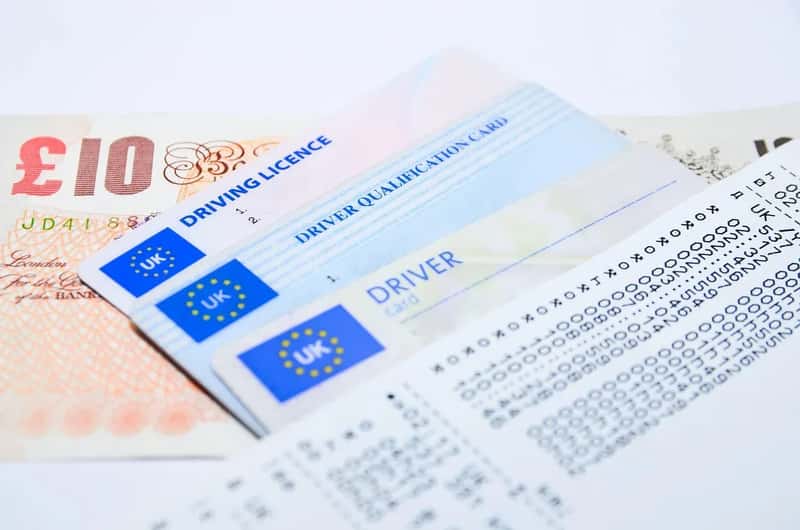
This sounds almost insultingly simple – but a surprising number of retirees leave money on the table every single trip just by not asking. Museums, parks, and historical sites routinely offer senior discounts that are never posted on big signs. They go to the people who ask. Membership organizations like AARP and AAA layer additional savings on top of that, covering everything from flights and cruises to car rentals.
The key habit isn’t just having the card – it’s making “do you have a senior or AARP discount?” the first sentence out of your mouth at every hotel desk, car rental counter, and museum ticket window. Retirees who do this consistently report that it adds up to hundreds of dollars per trip without changing a single thing about where they go or what they do. It’s the lowest-effort item on this list, and it works every time.
Fast Facts
- AARP membership costs $16/year and unlocks discounts at thousands of hotels, car rental companies, and attractions.
- Senior discounts at museums and historic sites are often 10%–50% off – but are rarely advertised at the door.
- AAA membership starts around $60/year and covers travel discounts, roadside assistance, and hotel negotiation leverage.
- Many senior discounts begin at age 55, not 65 – always ask, even if you think you’re “too young.”
#20 – They Skip Third-Party Booking Sites and Call Hotels Directly

Booking platforms are convenient, but they’re not always cheapest – especially for senior travelers. Many hotel chains and independent properties offer discounts to older guests that simply don’t appear on Expedia or Hotels.com. Sometimes the rate lives on the hotel’s own website. Sometimes it only unlocks when you call the front desk directly and mention your AARP membership or senior status.
Hotel industry insiders note that properties with low occupancy will often negotiate rates that never get published anywhere. Government rates can slash costs by up to 50% for eligible guests. Savvy retirees treat a direct phone call as a non-negotiable step before every hotel stay – not an afterthought. The worst anyone ever says is no, and the best is a rate that makes the whole trip cheaper.
#19 – They Fly on Tuesdays and Wednesdays Whenever Possible

Midweek travel is one of the least glamorous and most effective cost-cutting habits in the retiree playbook. Flights on Tuesdays and Wednesdays are consistently among the cheapest of the week. Hotels follow the same pattern – occupancy-driven rates drop on weeknights compared to weekends, and front desk staff have more flexibility to offer upgrades and late checkouts when the property isn’t slammed.
The freedom to fly on a Wednesday instead of a Friday is a genuine structural advantage that working-age travelers simply don’t have – and most retirees aren’t fully using it. Combining a midweek departure with an off-peak travel season can make the difference between a trip that strains a budget and one that doesn’t. The flexibility that comes with retirement is a financial asset. Treat it like one.
#18 – They Set Price Alerts Instead of Manually Checking Fares

Refreshing flight search engines every day is a time sink that rarely pays off. The smarter move is setting automated alerts on platforms like Google Flights or Hopper and letting the tools do the watching. When a fare drops to your target price, you know immediately – no guesswork, no missed windows, no obsessive tab-switching.
Airfares and accommodations can be 20% to 40% cheaper in the off-season, and a price alert combined with true calendar flexibility is something almost no working traveler can replicate. Retirees who use this habit consistently report catching fare sales that their friends completely missed because they weren’t watching at exactly the right moment. Set the alert, live your life, and book when the number appears.
#17 – They Eat One Meal a Day Like a Local (Not a Tourist)

Food is a bigger budget leak than most retirees realize. When vacationing, Americans spend an average of $378 eating at restaurants compared to just $42 on food they prepare themselves – that’s not a small gap, it’s a chasm. The retirees who manage this best don’t eat every meal at sit-down tourist restaurants. They find one meal per day, usually lunch, at a market, a bakery, or a local spot with no English menu in the window.
Beyond the savings, this habit tends to produce the most memorable meals of any trip. In Europe and Latin America, lunch is when prix-fixe menus appear – full three-course meals at a fraction of the tourist-district dinner price. Retirees who apply this rule on a two-week international trip routinely report saving $300 to $500 on food alone. It’s not about deprivation. It’s about knowing which meal to splurge on and which to handle differently.
#16 – They Book Accommodations with a Kitchen at Least Half the Time

Hotels are comfortable and convenient, but they make it nearly impossible to manage food costs. Retirees who consistently save money have shifted toward apartments, extended-stay properties, and vacation rentals with a kitchen. Being able to make breakfast and pack a lunch changes the daily math of a trip dramatically – and it starts paying off on day one.
Extended Stay America targets travelers 55 and older with specialized rates, and their properties feature full kitchens and complimentary Wi-Fi, making them popular for longer visits. A two-bedroom apartment with a kitchen for a two-week stay can easily cost less per night than a single hotel room – and saves hundreds more in restaurant bills on top of that. Many retirees who switched to this habit say they’ll never go back to hotel-only travel for trips longer than a couple of nights.
#15 – They Take the Train Instead of Flying for Short Domestic Hops

For distances under 400 miles, a lot of retirees have quietly abandoned flying altogether – and their wallets thank them. Once you factor in parking, airport fees, TSA wait times, and the cost of getting to and from the airport, the train often wins on both price and total door-to-door time. Travelers 65 and older are eligible for a 10% discount on Amtrak fares, and that discount stacks with already-competitive rail pricing on popular routes.
Internationally, the deals get even better. Passengers 60 and older can purchase a Eurail Senior Pass for 10% off European rail travel. Senior rail cardholders 60 and older save one-third off UK rail fares. The Grand Canyon Railway offers guests 62 and older 15% off tickets. Train travel is one of the most consistently discounted categories for senior travelers across the board – and most retirees still aren’t using it nearly enough. The scenery doesn’t hurt either.
Quick Compare
- Flying under 400 miles: Add parking, airport fees, and transit time – often 4–5 hours door-to-door
- Taking the train: City-center to city-center, no bag fees, no TSA, often cheaper all-in
- Amtrak senior discount: 10% off for travelers 65+ – stackable with sale fares
- Eurail Senior Pass: 10% off for passengers 60+ across most of Europe
- UK Senior Railcard: One-third off fares for travelers 60+, valid on nearly all routes
#14 – They Use Home Exchange Programs to Eliminate Hotel Costs Entirely

This is the habit that stops people cold the first time they hear about it – and then converts them for life once they try it. Home exchange platforms let you swap your home with another homeowner in a destination you want to visit, meaning you stay for free. Platforms like HomeExchange let you filter for specific neighborhood types, activity access, or property features, so the match actually works for both sides.
Retirees are ideal candidates for home exchanges. They typically have well-maintained homes, reliable track records, and the schedule flexibility to arrange swaps around other families’ calendars. House-sitting – living rent-free in exchange for caring for someone’s home and pets – is another variant that budget-conscious retired travelers swear by. Eliminating accommodation costs for even one international trip per year can free up $1,500 to $3,000 that goes directly toward experiences instead. That’s not a small number on a fixed income.
#13 – They Book International Trips Two to Eight Months Out – Not Last Minute

The “last-minute deal” is one of travel’s most persistent myths. For retirees booking international trips, the evidence points clearly in the other direction. The sweet spot for international airfare is typically four to six months out – when airlines have released their full inventory but haven’t yet seen peak demand. For domestic flights, booking one to two months in advance tends to work best.
Booking in the right window can save up to 61% on airfare compared to booking at the last minute – and that is not a typo. It represents the real gap between what planners pay and what procrastinators pay on the exact same route. Retirees who commit to the two-to-eight-month advance booking window for international travel consistently call it one of the single biggest money-saving changes they’ve ever made. The flexibility of retirement makes it easy. The only thing stopping most people is old habit.
#12 – They Join Road Scholar or a Similar Senior-Focused Group Tour

Solo travel sounds romantic, but for many retirees, group tours built specifically for their age group deliver a better deal than anything they can piece together independently. Programs like Road Scholar and ElderTreks combine group rates on accommodations, transport, and guided activities with the social benefit of traveling alongside like-minded people. Road Scholar alone offers several itineraries under $600 per person.
The cost-per-day on a well-run group tour often undercuts what an individual traveler would spend piecing together hotels, transit, local guides, and restaurant meals on their own. Local universities, museums, and community organizations also offer discounted group trips for seniors that rarely get advertised widely. Beyond the savings, the safety net of a structured itinerary and an experienced group leader is something many retirees genuinely value – especially on a first trip to an unfamiliar region.
At a Glance
- Road Scholar: Educational travel for 50+, with some programs under $600/person including lodging and meals
- ElderTreks: Adventure-focused tours exclusively for travelers 50+, with small group sizes
- Overseas Adventure Travel (OAT): Small-group international trips averaging 10–16 people, with solo traveler options
- Local university alumni tours: Often deeply discounted and rarely publicized – call the continuing education office directly
#11 – They Never Skip the “Cancel for Any Reason” Coverage Add-On

Standard travel insurance covers specific listed reasons for cancellation. “Cancel for Any Reason” coverage – known as CFAR – covers everything else. For retirees with health variables, family obligations, or plain unpredictability, it’s the upgrade that experienced travelers say they’ll never skip again. CFAR typically reimburses 50% to 75% of prepaid, non-refundable costs if you need to walk away for any reason.
The detail most retirees miss is the purchase window: CFAR must typically be added within 14 to 21 days of your first trip deposit, not at your booking date weeks later. Set a calendar reminder the day you make any travel deposit – that single habit has saved travelers from losing thousands on non-refundable bookings when life changed their plans without warning. The cost of the upgrade is almost always worth it. The cost of not having it, when you need it, is devastating.
#10 – They Use a No-Foreign-Transaction-Fee Card for Every International Purchase

Foreign transaction fees are a quiet, consistent drain that most travelers don’t notice until they add it all up at the end of the year. Most standard credit cards charge 2% to 3% on every purchase made abroad. On a $5,000 international trip, that’s $100 to $150 in fees for doing absolutely nothing differently – just for using the wrong card.
The best no-foreign-fee travel cards also come with built-in travel protections: trip delay coverage, lost luggage reimbursement, and sometimes emergency medical evacuation benefits that replace or supplement separate insurance policies. Retirees who make this switch consistently call it one of the most effortless changes on this entire list. It costs nothing to get the right card. It costs real money every single year not to.
#9 – They Travel in Multigenerational Groups to Split Fixed Costs

Renting a large house, hiring a private driver, or booking a boat excursion sounds expensive – until you split the cost six ways. Multigenerational travel, where retirees travel with their adult children and grandchildren, has become one of the most financially powerful travel formats available. AARP’s 2025 Travel Trends survey found that 15% of domestic and 11% of international trips among travelers 50-plus were multigenerational – an ideal setup for sharing costs on larger rentals, private transfers, and group bookings.
The math is straightforward: a vacation rental that sleeps ten costs a fraction per person of what individual hotel rooms would run. The same logic applies to guided excursions, airport transfers, and restaurants with minimum spending requirements. Retirees who travel with two or more other households consistently report saving 30% to 50% on accommodation costs compared to solo travel arrangements. And unlike most savings strategies, this one actually makes the trip more fun in the process.
#8 – They Choose Off-the-Beaten-Path Destinations Over Famous Ones

Here’s a genuinely controversial opinion among experienced travelers: the most famous destinations in Europe are often the biggest wastes of money. Paris, Rome, and Amsterdam are extraordinary – but they’re priced to match their reputations. Retirees who’ve cracked the code tend to go to the country next door instead. Lithuania, Bulgaria, and Georgia offer remarkable history, food, and culture at a fraction of the Western European price tag.
Georgia’s capital Tbilisi has become a trending destination for budget-savvy travelers – stunning architecture, extraordinary food, and some of the lowest daily costs in Europe. Albania offers Mediterranean beaches without Italian prices. The unspoken rule of budget travel is that the “second city” in almost every region delivers 70% of the experience at 40% of the cost: Krakow instead of Warsaw, Porto instead of Lisbon, Plovdiv instead of Sofia. Retirees who’ve made this mental shift report traveling more often, staying longer, and feeling far less financial pressure – all at once.
Worth Knowing
- Tbilisi, Georgia: Full daily budget (hotel, meals, transport) often under $60/day for two
- Porto vs. Lisbon: Comparable beauty and food culture – typically 20%–30% cheaper across the board
- Krakow, Poland: One of Europe’s best-preserved medieval cities, with costs roughly half of Prague
- Albania: Adriatic coastline, UNESCO-listed cities, and daily costs that rival Southeast Asia
- Plovdiv, Bulgaria: European Capital of Culture, with accommodation averaging under $50/night
#7 – They Get the America the Beautiful Lifetime Senior Pass

If you’re a U.S. citizen or permanent resident over 62, there is an $80 purchase that pays for itself embarrassingly fast. The America the Beautiful Senior Pass grants lifetime access to more than 400 national parks and over 2,000 federal recreation sites – and a single-day park entry can run $35 or more per vehicle, meaning this pass breaks even in just a handful of visits. A $20 annual version is also available for those who prefer not to commit to the lifetime pass right away.
The pass also provides a 50% discount on some amenity fees at federal recreation sites – including camping, boat launches, and swimming areas – a massive bonus for retirees who travel by RV or enjoy road trip camping. Over the course of an active retirement, the $80 lifetime pass is estimated to save the average national park visitor well over $1,000, making it one of the highest-return single purchases on this entire list. Not having this pass if you’re 62 or older is simply leaving money on the table every time you approach a park entrance.
#6 – They Build and Protect a Dedicated Travel Fund

The retirees who travel consistently and without financial stress share one habit above almost all others: they treat travel as a real line item in their budget, not an impulse purchase. Setting up a dedicated travel fund within your retirement plan means trips aren’t an afterthought – they’re already funded before the conversation even starts. This shift in framing changes everything about how you plan and how you feel about spending once you’re there.
For those targeting one or two major trips per year, setting aside a lump sum at the start of the year – as part of an intentional income withdrawal strategy – keeps the money ring-fenced and ready. Retirees who fund travel this way almost never cancel trips due to money anxiety, because the funds were already earmarked. The fund also creates a natural ceiling that prevents overspending in the moment: when the fund is gone, the year’s travel is done. Simple systems work precisely because they’re simple.
#5 – They Always Buy Travel Insurance and Understand What Medicare Won’t Cover Abroad

This is the habit where skipping it costs the most. Medicare, the primary health coverage for most American retirees, has a hard boundary at the U.S. border. A medical emergency abroad without travel insurance isn’t an inconvenience – it’s a financial catastrophe, and it happens to retirees every single year. Coverage for preexisting conditions and high limits for emergency medical care and evacuation are the two features that matter most when comparing plans.
If you travel several times a year, an annual travel insurance policy almost always makes more financial sense than buying separate single-trip policies each time – and often costs less than two of them combined. Retirees who’ve made a medical claim abroad without insurance, or who know someone who has, are unanimously evangelical about this habit. The peace of mind is worth something. The financial protection is non-negotiable.
Why It Stands Out
- Medicare covers almost nothing outside U.S. borders – even in Canada and Mexico
- Emergency medical evacuation alone can cost $50,000–$200,000+ without coverage
- Annual multi-trip policies typically run $200–$500 and cover unlimited trips for 12 months
- Look for plans with at least $100,000 in medical coverage and $500,000 in evacuation benefits
- Pre-existing condition waivers are available – but usually only if you buy within 14–21 days of your first deposit
#4 – They Stack Senior Discounts on Car Rentals Like a Professional

Car rental is one of the most heavily discounted categories for senior travelers – and one of the most confusing. Rates vary wildly based on membership, age bracket, booking channel, and time of year. The retirees who win at car rental don’t just check one rate. They compare their AARP rate, their direct-booking rate, and third-party rates every single time. Avis and Budget offer AARP members up to 35% off base rates. Hertz’s Fifty Plus Program cuts base rates by 20% for travelers over 50, regardless of AARP membership.
The “free additional driver” perk available through AARP partnerships can save couples $15 to $25 per day – often the equivalent of an entire tank of gas. Retirees who make it a habit to compare at least three booking channels before committing to a rental report saving $40 to $80 per transaction. Over a year of active travel, that compounds into a number worth paying attention to. The extra five minutes of comparison shopping is never wasted.
#3 – They Earn and Redeem Travel Rewards Points Strategically

Travel rewards credit cards are not equally useful for everyone – but for retirees who pay their balances in full each month and travel regularly, they’re one of the most powerful savings tools available. When you book award flights with miles or points, you typically pay only taxes and fees – as low as $5.60 each way on domestic flights, with far greater savings on international routes. According to AARP’s 2025 Travel Trends survey, 46% of travelers age 50 and older planned to fly, and the value of rewards points grows even more during periods of tight or fixed budgets.
Retirees who put all regular spending – groceries, utilities, prescriptions, insurance – on a no-fee travel rewards card and pay it off monthly report accumulating enough points for one to two free round-trip flights per year without changing their spending habits at all. The ironclad rule is the same one it’s always been: pay off the balance every month. The rewards only work if the interest never kicks in. Used correctly, this habit funds trips that would otherwise simply not happen.
#2 – They Travel in Shoulder Season – Every Single Time

Peak season travel is the single most expensive habit in tourism. Summer in Europe. Spring break in Florida. December in New York. Shoulder season – the weeks just before and just after those peaks – is when prices fall, crowds thin, and the experience often actually gets better. AARP Research found that 47% of domestic trips and 51% of international trips planned by travelers 50-plus in 2025 fell during those quieter windows, where airfares and hotel rates drop, points redemptions open up, and upgrades become far more available.
According to KAYAK’s shoulder season analysis, international airfares drop by 33% and domestic airfares fall 21% compared to peak summer – and airfare to Europe during shoulder season runs about 37% lower than peak months. A 30% discount on flights and hotels across a two-week international trip can easily translate to $800 to $1,500 in savings – for simply choosing different dates. Retirees with no school schedules or office calendars to work around have an extraordinary structural advantage here. The ones who actually use it say it’s the single habit that changed their retirement travel more than anything else on this list – until they tried number one.
At a Glance: Shoulder Season by Region
- Europe: March–April and late September–October – weather is mild, crowds are minimal
- Caribbean: Late April–June and November – prices drop sharply, most resorts fully open
- Japan: Late May–June and mid-September–October – full access, far fewer lines
- U.S. National Parks: September is the sweet spot – crowds at ~85% of peak, all amenities still open
- Spain: Shoulder season airfare from the U.S. runs nearly 47% lower than peak summer fares
#1 – They Slow Travel: Staying Longer in Fewer Places Instead of Rushing Through Many

Nothing else on this list saves as much money, changes as much about the quality of the experience, and feels as counterintuitive to first-time retiree travelers as this one. Slow travel – staying in one place for a week or more instead of city-hopping every two to three days – eliminates the most expensive parts of any itinerary. Fewer transit days mean fewer costly travel days. No daily hotel shuffles. No bag fees from back-to-back flights. Staying in one place for a month or more often unlocks significant weekly and monthly discounts on Airbnb and VRBO that nightly rates never come close to matching.
Experienced slow-travel retirees report budgeting approximately $2,000 a month for two people in less expensive countries across Asia, and around $3,000 a month in parts of Eastern Europe – living comfortably on both. Compare that to a two-week, eight-city European tour at $400 per night: slow travel in one beautiful place can cost less per month than a rushed two-week trip costs in two weeks. Beyond the money, retirees who’ve made the switch almost universally say it produced their most meaningful travel memories – because they actually had time to get to know a place, its rhythms, and its people. That’s the habit that ties every other one on this list together. Travel isn’t a race, and the retirees who figured that out first are the ones who ended up traveling the most.
Which of these habits surprised you most? If your own retirement travels have taught you something that isn’t on this list, share it in the comments – there are thousands of people planning their next trip right now who could use the tip.