Most people assume they have all the time in the world to take that one big trip. Then they turn 68, and the knees say otherwise. Financial planners call the early retirement years – the 60s and into the early 70s – the “go-go years,” when people are still active, still hungry, and still fully capable of doing the hard trips. What experienced travelers will tell you, bluntly, is that the window is real. It just doesn’t announce itself when it starts closing.
Here’s what nobody warns you about: you won’t get a memo. One year a trip is on the list. The next year it quietly feels like too much. That’s the shift experienced travelers describe – a gradual loss of fire for longer, harder, more demanding itineraries that were completely fine just a few years earlier. These are the 21 trips worth doing before that shift happens to you.
#21 – An African Safari During the Great Migration
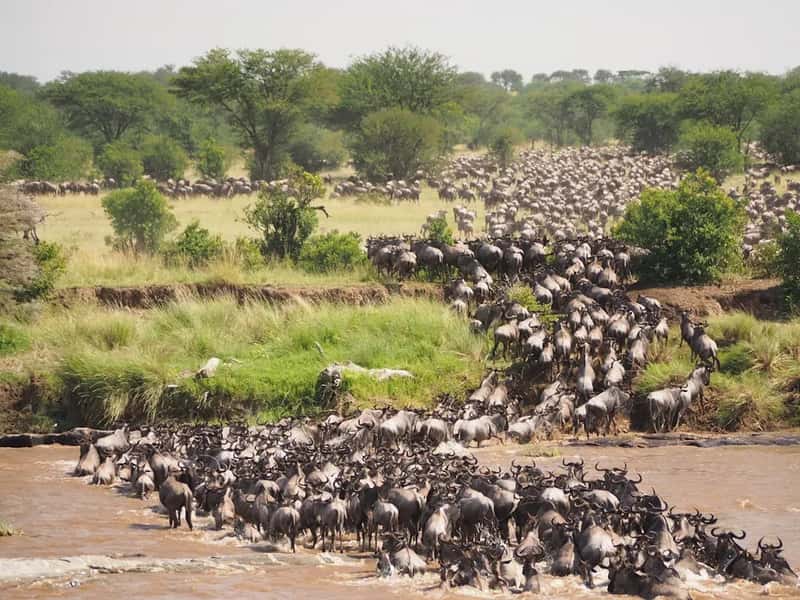
The idea that an African safari is comfortable, leisurely travel is one of the most misleading things in the entire travel industry. The roads across the Serengeti and Maasai Mara are relentlessly rough, the days are brutally long, and early morning game drives start in near-darkness and biting cold. Travelers in their early 70s consistently describe the same villain: their lower back, meeting the constant punishment of a 4×4 negotiating the open savannah from sunrise to dusk.
The Great Migration – over 1.5 million wildebeest and hundreds of thousands of zebra crossing the Mara River in a churning, thundering flood – is one of the most staggering wildlife events on earth. Recognized as one of the Seven Wonders of the Natural World, it involves animals traveling 800 to 1,000 kilometers annually in search of fresh grazing. There is genuinely nothing else like it. But going while your spine can handle a full-day game drive on unpaved tracks makes the difference between an experience you absorb completely and one you spend half of gritting your teeth through. Experienced travelers flag this one specifically as a trip not to delay. Book it before you start negotiating with your lower back every morning.
Fast Facts
- Over 1.5 million wildebeest participate annually – visible from space
- The migration circuit covers 800–1,000 km through Tanzania and Kenya
- About 250,000 wildebeest are lost each year to predators, drowning, and exhaustion
- Best Mara River crossings: July through October in the northern Serengeti
- Calving season (Feb–Mar) offers a second extraordinary viewing window
#20 – Trekking the Inca Trail to Machu Picchu
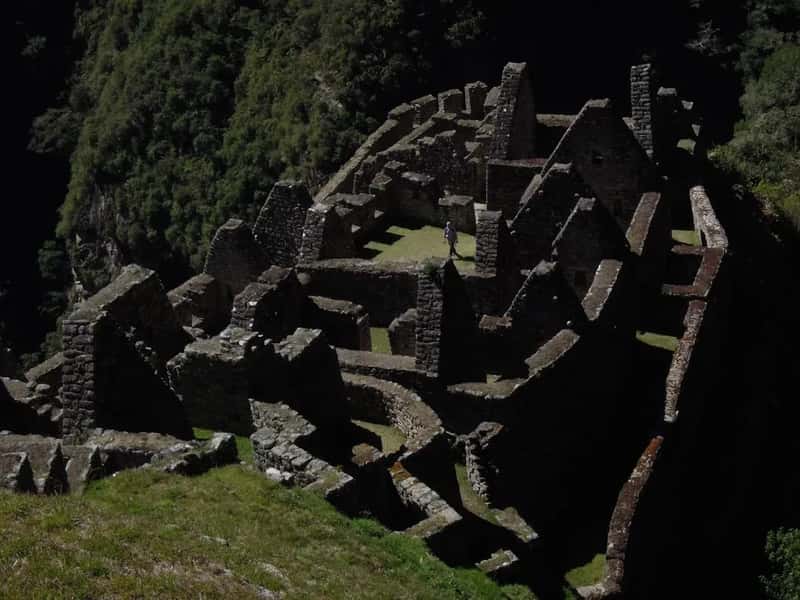
You can take the train to Machu Picchu at almost any age, and it’s still extraordinary. But actually hiking the Inca Trail – the 4-day route that winds through cloud forest and crests Dead Woman’s Pass at 13,828 feet – is a completely different experience, and it has a physical expiration date for most people. The trail features steep stone staircases carved into the mountainside that punish the legs and demand real balance. That gets dramatically harder as joints age.
The classic Inca Trail permit sells out months in advance, and Cusco alone sits above 11,000 feet – enough to floor a perfectly fit traveler who arrives without acclimatizing. Altitude sickness is the single most common reason hikers abandon the trail, and its effects don’t care how determined you are. Travelers who completed Cusco, the Sacred Valley, and Machu Picchu in their early 70s reported that even with altitude medication and solid fitness, they were genuinely exhausted by the end. Their consistent advice: do this one when you’re younger and still think of the altitude as part of the adventure rather than the obstacle.
#19 – Iceland’s Ring Road and Northern Lights Chase
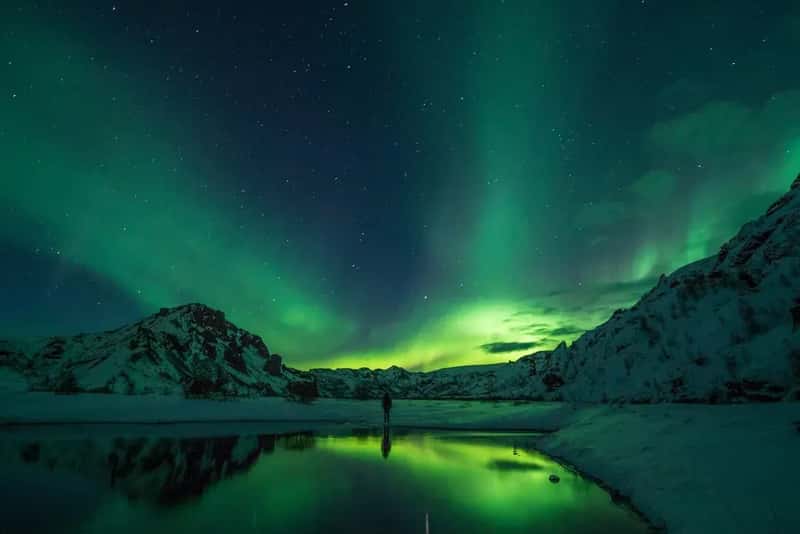
Iceland rewards people who are willing to get uncomfortable. Chasing the Northern Lights means staying up past midnight in sub-zero temperatures, driving roads that ice over without warning, and scrambling across lava fields in biting wind to reach a waterfall that has no guardrails and no apologies. The brochure version of Iceland is beautiful. The real version is cold, physical, and slightly chaotic – and that’s exactly why it’s so good.
Every traveler who has been to Iceland says the country makes you feel small in the best possible way. Standing inside the spray of Skógafoss or descending into a glacier cave is physically demanding in ways the photographs never quite capture. The payoff is total – but cold terrain, unpredictable weather, and physical scrambling are a core part of what makes Iceland Iceland. Go while you can still let the planet rough you up a little and call it the highlight of the trip.
#18 – The Camino de Santiago
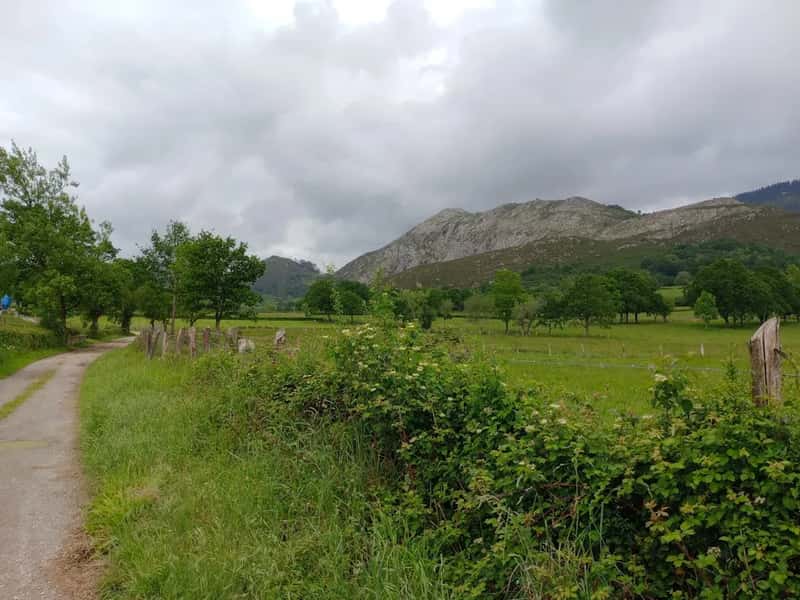
The most popular route, the Camino Franés, runs over 500 miles from the French Pyrenees to Santiago de Compostela in northwest Spain. People walk it in stages, in chunks, or all at once – but the full journey requires weeks of consecutive daily hiking, carrying a pack, and sleeping in simple pilgrim hostels called albergues. It is long, emotional, and physically unrelenting. There is no shortcut that delivers the same thing.
Those who’ve completed a meaningful stretch of the Camino almost universally say it changed them – not as a cliché, but literally. It strips out the noise and forces a kind of reflection that’s very hard to manufacture elsewhere. The Camino is technically doable at many ages, but completing it while your feet can still handle weeks of miles – and while you’re still open to sleeping in a bunk next to strangers and eating whatever’s on the pilgrim menu – is worth timing with some intention.
#17 – Patagonia: Torres del Paine and the W Trek
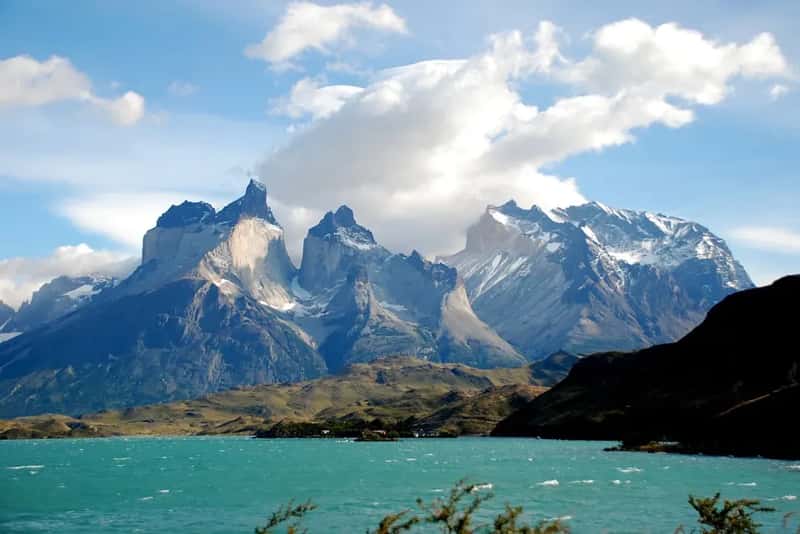
Patagonia is not a destination you visit casually. Covering the southernmost parts of Chile and Argentina, it’s best known for landscapes marked by the slow progress of glaciers and granite towers rising straight out of the earth. Torres del Paine National Park’s W Trek covers roughly 50 miles of mountain terrain where the weather can shift from warm sunshine to horizontal sleet in the time it takes to eat lunch. The scenery is so dramatic it almost seems invented.
The 14-mile round-trip hike to Mirador Las Torres was described by one traveler as the most grueling day of hiking she’d ever done – and she was grateful she’d completed it at 70, because she doubted her knees could handle that terrain now. The altitude in Patagonia is actually low since the mountains rise close to the sea, making it more accessible than the Himalayas – but the terrain is still brutal on the joints. Go while you can still carry your own pack without negotiating with your body every mile.
#16 – Nepal: Trekking in the Himalayas
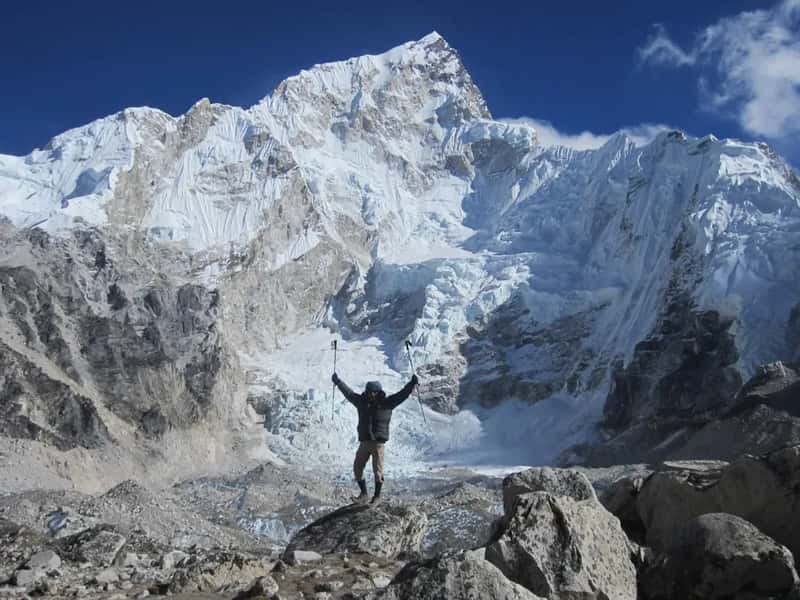
The Annapurna Circuit and the trek to Everest Base Camp are two of the most famous hikes on earth, and they are serious undertakings at altitude. Everest Base Camp sits at 17,598 feet. The Annapurna Circuit crosses Thorong La Pass at over 17,700 feet. Acute mountain sickness is a genuine risk at those elevations and doesn’t care how fit or determined you are. The body either adjusts or it doesn’t.
Nepal also requires weeks of consecutive daily hiking, nights in basic teahouses, and a cardiovascular system that can adapt to rapid elevation gain. The cultural depth of the journey – Buddhist monasteries perched on cliffsides, prayer flags snapping against white peaks, Sherpa villages where life has operated the same way for centuries – is unlike anything else on the planet. Most experienced trekkers flag Nepal above almost every other destination as a “do it before your body stops cooperating” trip. The views from the Everest Base Camp moraine are the reward for weeks of hard, committed work.
At a Glance: Himalayan Trek Numbers
- Everest Base Camp elevation: 17,598 ft – oxygen roughly 50% of sea-level levels
- Annapurna Circuit high point (Thorong La): over 17,700 ft
- Typical trek duration: 12–18 days of consecutive daily hiking
- Recommended acclimatization before departure: at least 2–3 days in Kathmandu
- Teahouse food and basic sleeping conditions throughout – no luxury fallback
#15 – Antarctica Expedition Cruise
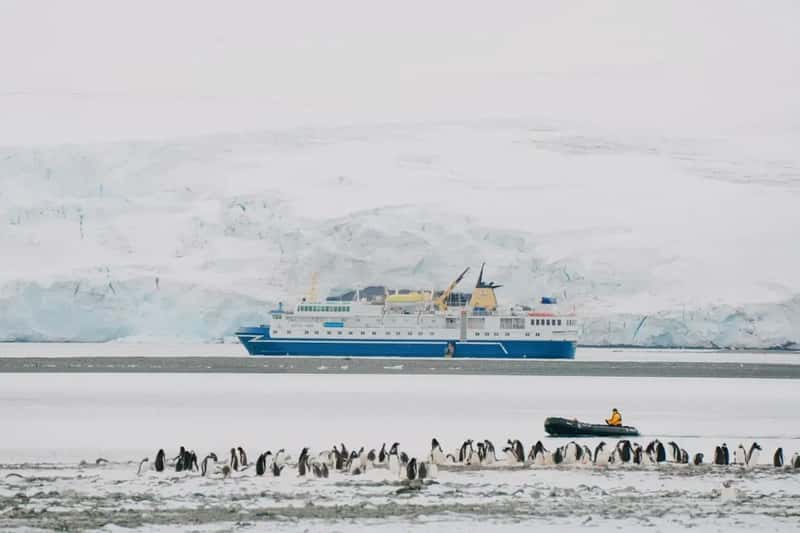
Antarctica is technically possible at nearly any age – there is no official upper age limit for visiting, and the decision depends entirely on personal health and fitness. But the reality of getting there and fully experiencing it is more demanding than any brochure suggests. Zodiac wet landings onto ice and rocky Antarctic beaches require you to swing your leg over the side of a rubber boat, push yourself upright, and walk confidently on wet, uneven ground. Good mobility isn’t a preference here – it’s a safety matter.
The Drake Passage crossing – a notoriously rough two-day ocean transit separating the tip of South America from the Antarctic Peninsula – can be genuinely brutal even for people with strong sea legs. Emergency rescue and medical evacuation in Antarctica are exceptionally slow and difficult given the remote location, which means pre-existing health conditions carry more weight here than almost anywhere else on the planet. The reward – emperor penguins waddling past your boots, blue icebergs the size of city blocks, total silence – is unlike anywhere else on earth. Do it when your body is still fully on board for the ride.
#14 – A Safari in the Galápagos Islands
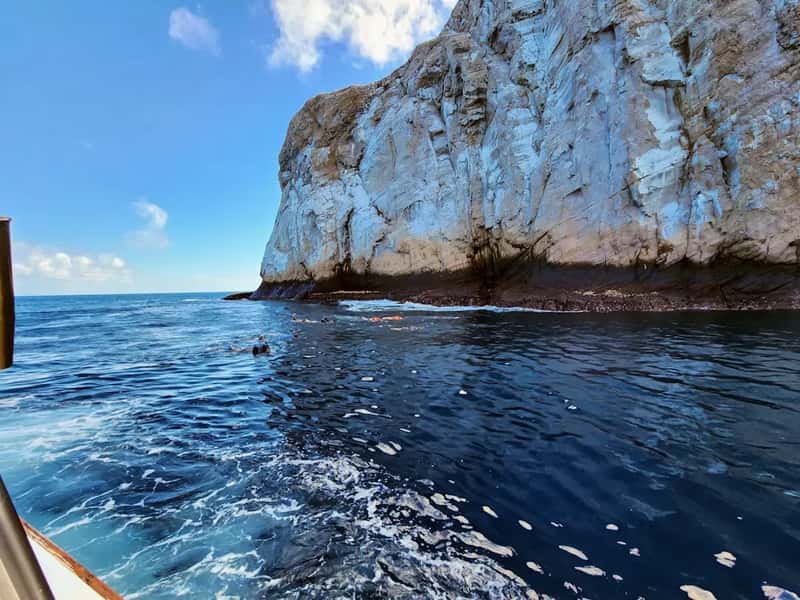
The Galápagos are extraordinary at any age, but getting the absolute most out of them requires snorkeling in cold, current-heavy water, clambering over volcanic lava fields, and keeping pace with naturalist guides who move quickly between landing sites. The expedition cruise boats here are small, bunk-style, and designed for maximum time in the field – not maximum comfort. This is an active destination first, a relaxing one second.
The Galápagos is arguably one of the few places on earth where snorkeling nose-to-nose with a sea lion is a completely routine Tuesday. Experienced travelers specifically cite the Galápagos as one of the trips they were most relieved they didn’t wait any longer to do. Go while the cold-water current doesn’t scare you off, while you can still scramble across lava rock without second-guessing every step, and while the snorkel mask doesn’t feel like an obstacle.
#13 – Kyoto, Japan in Cherry Blossom Season
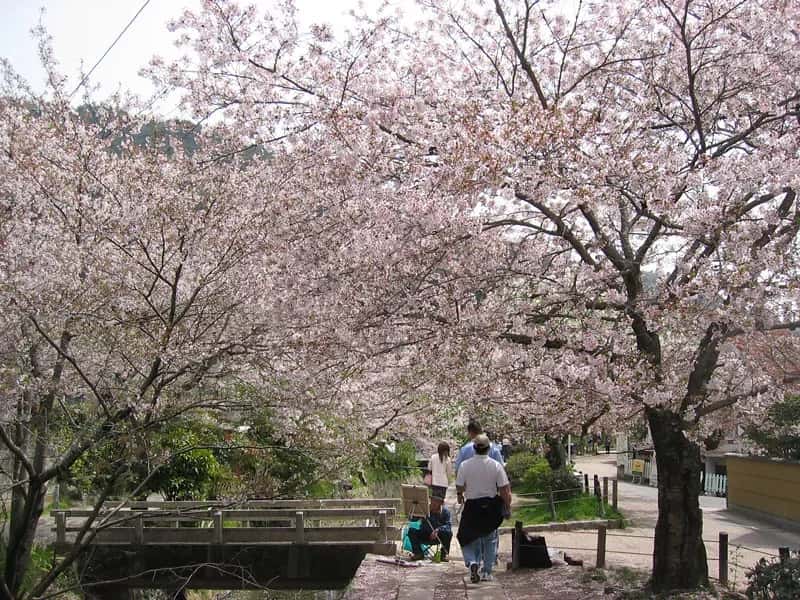
Kyoto in cherry blossom season – sakura – is one of the most beautiful and culturally layered travel experiences available to any human being. The catch is that peak bloom lasts roughly one week, the timing shifts year to year, the city becomes extraordinarily crowded, and the best moments happen at dawn and dusk. The travelers who talk about it most reverently are always the ones who rose at 5 a.m. to reach Fushimi Inari before the crowds, who stood in temple gardens for two hours without checking their phones.
What makes Kyoto a “before 70” trip specifically is the stamina required to do it properly – walking miles of cobblestoned temple paths every day, rising before sunrise, standing in bamboo groves waiting for the right light. Walking through the Arashiyama groves or sipping matcha in a centuries-old teahouse feels like time travel, and veteran travelers say the experience rewards full presence in a way that’s harder to access when your energy is rationed. This is a trip that gives back exactly as much as you put in.
#12 – Vietnam End-to-End by Train and Motorbike
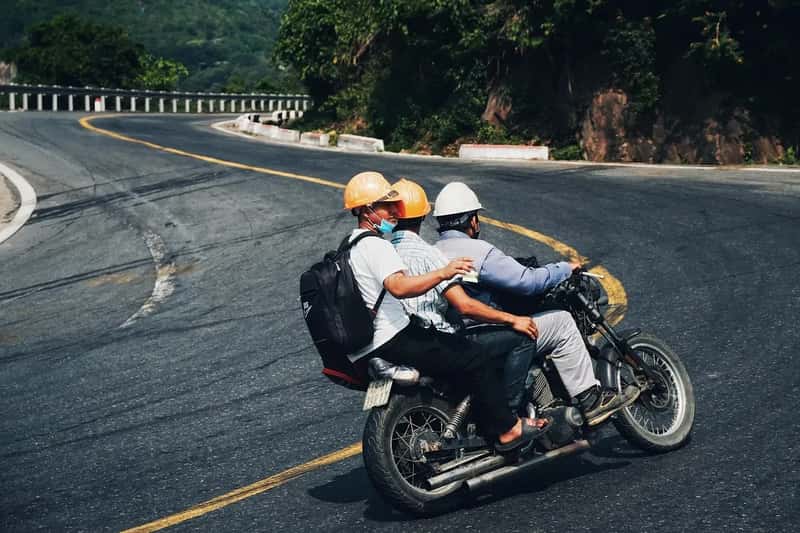
Vietnam can technically be done in luxury or on a shoestring, but experiencing it fully – the chaotic street food markets of Hanoi, the limestone karsts of Ha Long Bay from a sea kayak, the winding coastal mountain passes between Hue and Hoi An on a motorbike – requires energy, serious heat tolerance, and the kind of flexibility that means going with the chaos rather than fighting it. Experienced travelers specifically flag Vietnam as a destination where the conditions themselves create demands around food, heat, and physical stamina that are simply easier to meet at 62 than 72.
The Hai Van Pass motorbike route – described by countless travelers as one of the most spectacular coastal roads on earth – involves a full day of riding in high heat and humidity. The sensory overload of Vietnam is part of what makes it unforgettable: the smells, the sounds, the pace, the startling beauty that appears around corners you weren’t expecting. That same overload is what makes it physically taxing. Go while it still energizes you rather than depletes you.
#11 – Morocco’s Sahara and Medina Labyrinth
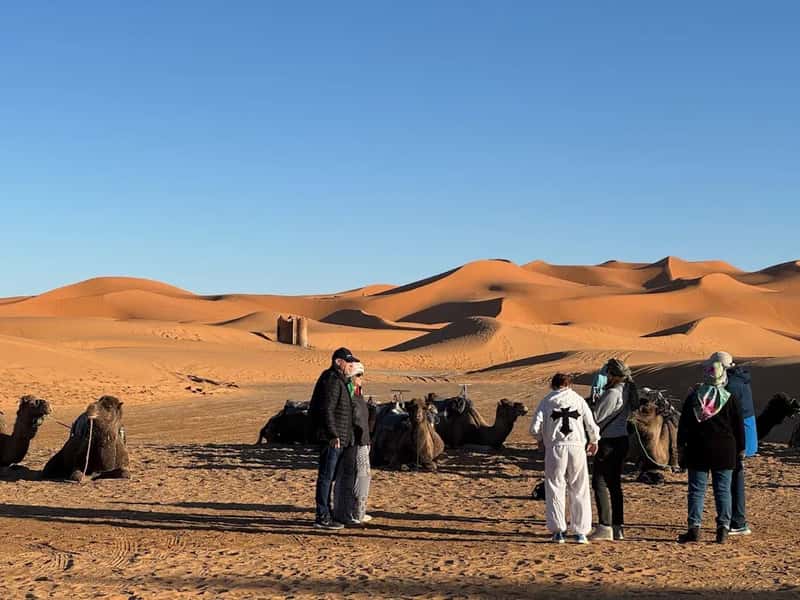
Morocco is just 8.6 miles from Spain at the Strait of Gibraltar, but the experience could not feel more different from any Western destination. The medinas of Fes and Marrakech are genuine labyrinths without street addresses, where navigation runs on memory, instinct, and a willingness to get completely lost for hours without panicking. Summer heat regularly hits 110°F, and the camel trek into the Sahara dunes requires a full day of physical endurance in that heat. This is not a lounge-by-the-pool destination.
The overnight desert camp in the Merzouga dunes – watching the Milky Way blaze overhead while the sand dunes glow silver around you – is one of those rare travel moments that genuinely rewires something in you. The cobblestoned souks, the hammam steam baths, the call to prayer echoing through the city at 4 a.m. – Morocco is a full-body, full-sensory experience. Go before the desert heat and the uneven medina terrain shift from part of the adventure to a genuine physical obstacle.
#10 – Trekking in New Zealand’s South Island
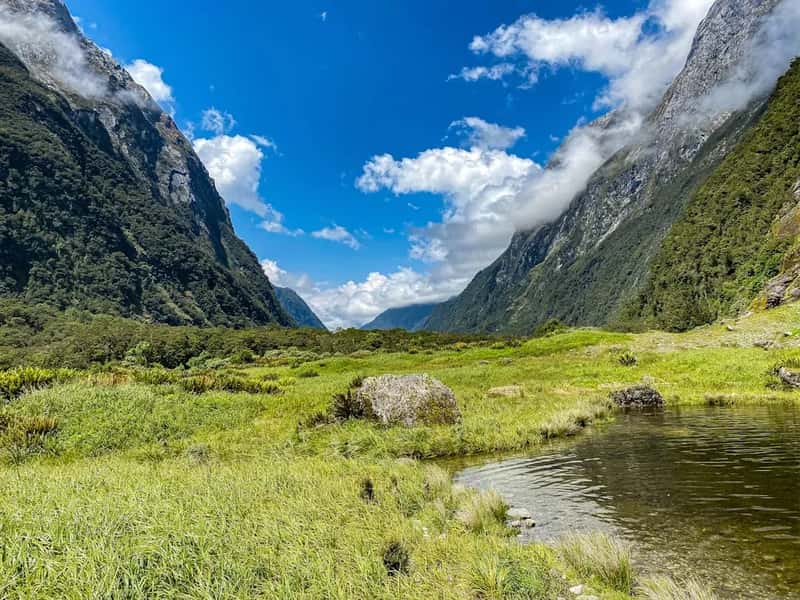
New Zealand’s South Island is widely considered one of the most spectacular places on earth – and also one of the most physically demanding for anyone who wants to truly experience it rather than just see it from a bus window. The Great Walks, including the Milford Track and the Routeburn Track, are multi-day backcountry hikes through terrain that combines river crossings, alpine passes, and near-vertical ascents. Nearly a third of the country is protected national parkland, and getting into it requires real effort.
The Milford Track is often called “the finest walk in the world” – and completing it requires four consecutive days of hiking with overnight packs through genuinely remote wilderness with no bail-out option. Even travelers who skip the Great Walks find that the most iconic South Island experiences – Queenstown’s canyon scenery, Fiordland boat trips, the West Coast glaciers – require good mobility and endurance. New Zealand consistently appears on experienced travelers’ shortened bucket lists as one of the places they most hope to still reach while physically capable. Don’t let it become a regret.
#9 – India’s Golden Triangle and Rajasthan
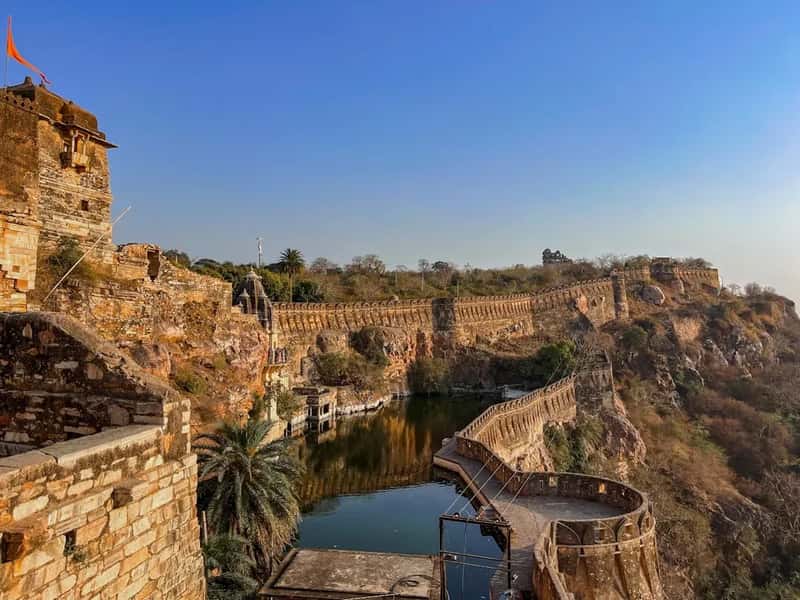
India is simultaneously one of the most rewarding and most physically demanding travel experiences on the planet. Heat in Rajasthan regularly exceeds 100°F from April through June. The sensory intensity – crowds, noise, traffic, dust, and extraordinary beauty arriving simultaneously – is relentless from the moment the plane lands. The rewards are staggering: the Taj Mahal at sunrise, the pink city of Jaipur, forts that dwarf anything in Europe, and a food culture of shocking depth and variety.
What experienced travelers specifically note is that India demands physical and mental resilience that most people underestimate until they’re inside it. The gastrointestinal adjustment alone – entirely manageable when you’re healthy and strong, genuinely miserable when you’re not – is simply easier to handle at 60 than 75. Experienced travelers heading toward 70 specifically identify India as a destination to get done while still in good health to handle the heat, the pace, and the conditions. This one richly repays every bit of effort it takes.
Quick Compare: Destinations by Physical Demand
- Highest altitude challenge: Nepal (17,700 ft+) > Inca Trail (13,828 ft) > Kilimanjaro approaches
- Most relentless heat: India (Rajasthan 100°F+), Morocco (110°F+), Vietnam (humid 95°F+)
- Most demanding on joints: Patagonia W Trek, New Zealand Great Walks, Kyoto cobblestones
- Hardest logistics & access: Antarctica (Drake Passage), Trans-Siberian (7-day rail), Amazon basin
- Narrowest timing window: Kyoto sakura (1 week), Great Migration crossings (July–Oct)
#8 – Egypt: The Nile, the Pyramids, and the Valley of the Kings
Egypt sits on almost every serious traveler’s list for decades – and then keeps getting pushed back because of political instability, cost, or simply because other trips kept jumping the queue. One traveler described Egypt as her single bucket-list item for years: every time she had the funds, Egypt was too volatile, and when it was stable, the money or time wasn’t there. She eventually made it at 75 and called it magnificent. The relief in that story is palpable – and so is the implied warning.
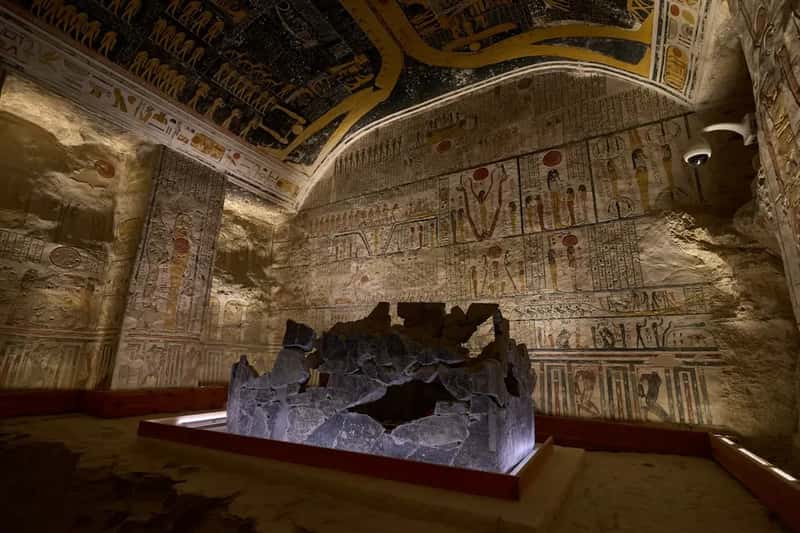
The Valley of the Kings at Luxor involves descending steep, narrow shafts into tombs that require agility, a tolerance for enclosed spaces, and the ability to handle brutal heat underground. The Pyramids of Giza are surrounded by sandy, uneven terrain designed for nobody’s comfort. Abu Simbel requires an early morning desert flight or a four-hour road journey each way. Egypt is absolutely worth every bit of it – it’s just worth it more when you can move freely through all of it and let none of it become a test of endurance rather than a feast for the eyes.
#7 – Tuscany and the Italian Countryside (Not the Tourist Circuit)
Most travelers who hit Italy in their 20s and 30s do the greatest hits: Rome, Florence, Venice in seven days, a selfie at the Colosseum, a prosecco in a Venetian bar. The Tuscany experience that experienced travelers describe is completely different – renting a villa for a week or two and doing almost nothing except eating, drinking local wine, and watching the light change on the hillsides. Spending an entire afternoon at a family-run vineyard where the owner opens a bottle of Brunello and explains the harvest. When you’re young, this sounds boring. When you’re in your 60s, it sounds like exactly what you’ve been working toward your whole life.
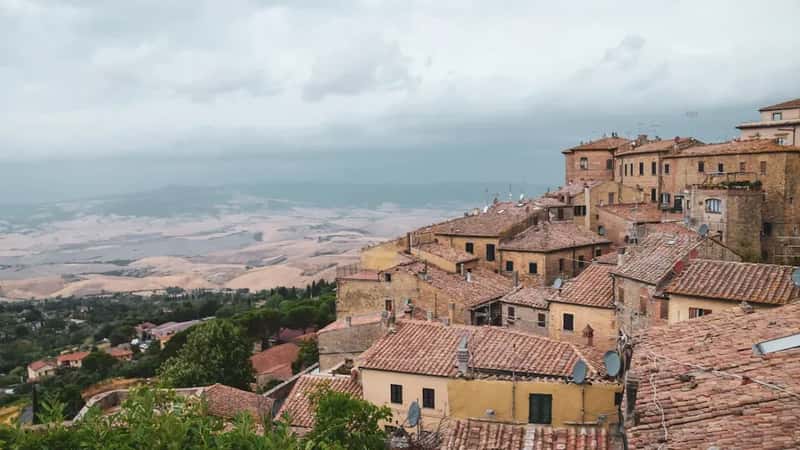
But here’s the overlooked physical reality of Tuscany: the most beautiful villages – Montepulciano, Montalcino, San Gimignano – are perched on hilltops with steep, uneven cobblestones that punish bad knees without mercy. The best olive oil tastings are in family cellars down precarious staircases. The most memorable experiences require an ambulatory ease that many people lose gradually and often don’t notice until they’re standing at the bottom of a hill that used to feel like nothing. Go while the cobblestones are still just charming.
#6 – Scotland’s Highlands and the North Coast 500
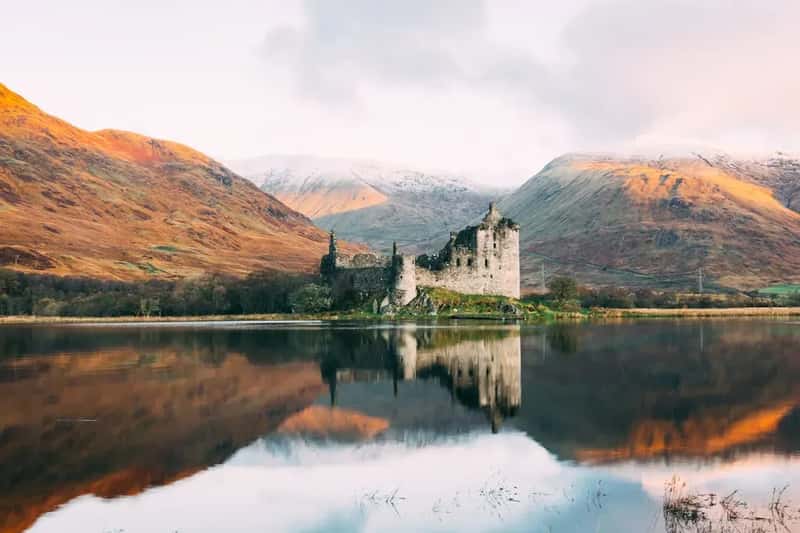
The North Coast 500 – Scotland’s answer to Route 66, a 516-mile loop around the Scottish Highlands starting and ending in Inverness – is one of the most dramatic road trips in the world. It winds past ancient castles, deserted white-sand beaches, stag-haunted moorland, and sea lochs that reflect skies of impossible color. The best views, though, are not from the car window. They’re earned on foot, after you’ve pulled on waterproofs and hiked into terrain that has no interest in making itself easy.
What makes Scotland a “before 70” trip is the combination of demanding optional hikes and the concentration required for hours of driving on single-track roads where one distracted moment can put two wheels in a ditch. The Isle of Skye’s most famous trails – the Quiraing, the Fairy Pools, the Old Man of Storr – involve steep, boggy terrain that is significantly more punishing wet than the photographs ever suggest. Go while your knees and your nerves are both still fully cooperative. The Highlands reward the kind of traveler who still finds unpredictability thrilling.
#5 – Japan’s Kumano Kodo Pilgrimage Trail
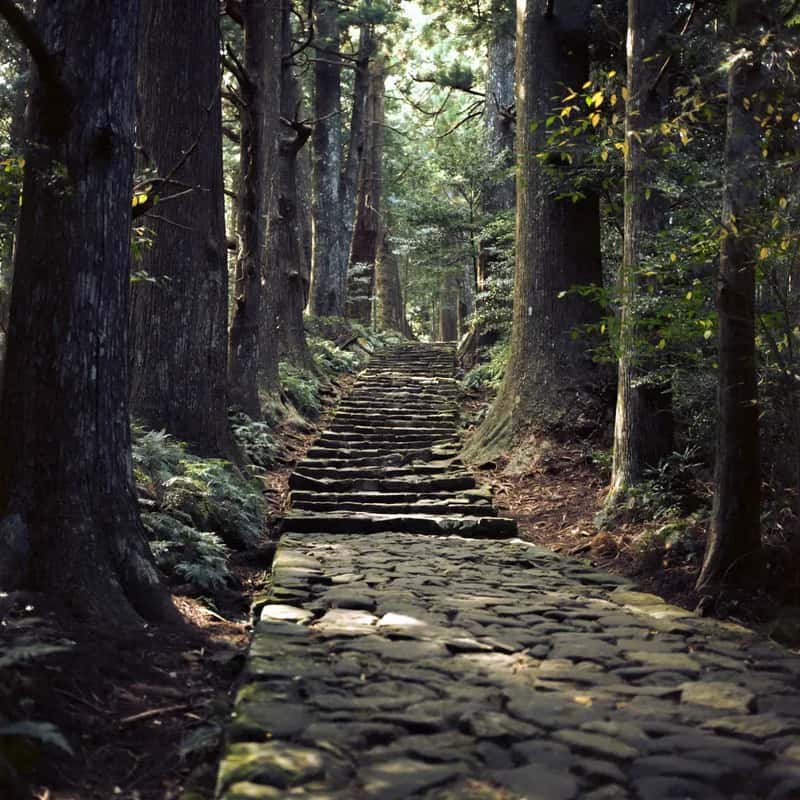
While Kyoto gets all the Instagram attention, the Kumano Kodo – a network of ancient pilgrimage trails in the Kii Peninsula south of Osaka – is what experienced Japan travelers quietly call the real prize. It’s one of only two UNESCO World Heritage pilgrimage routes in the world, the other being the Camino de Santiago, and completing a meaningful section means days of hiking through deep cedar forest, stopping at centuries-old shrines, and sleeping in family-run guesthouses where dinner is a procession of small, exquisite dishes and the only sound after 9 p.m. is rain on the roof.
The Nakahechi route – the classic pilgrimage path to the Kumano Grand Shrines – covers roughly 40 miles over three to four days of genuine mountain hiking. The paths are often paved in ancient stone worn smooth by a thousand years of pilgrim feet, which makes them beautiful and treacherous in equal measure when wet. This is one of the world’s great walks, and it deserves to be done while you can still fully lose yourself in it – not merely survive it.
#4 – Alaska: Glacier Bay, Denali, and the Kenai Peninsula
Alaska is deceptive. People assume that because it’s part of the United States, it must be relatively manageable. It isn’t. The scale is incomprehensible – Denali National Park alone is larger than the entire state of New Hampshire – and getting deep into it requires serious physical endurance, tolerance for cold and wet wilderness conditions, and the stamina for long days of hiking when the sun barely sets. Alaska is proof that you don’t need a passport to check off some of the most extraordinary experiences on earth.
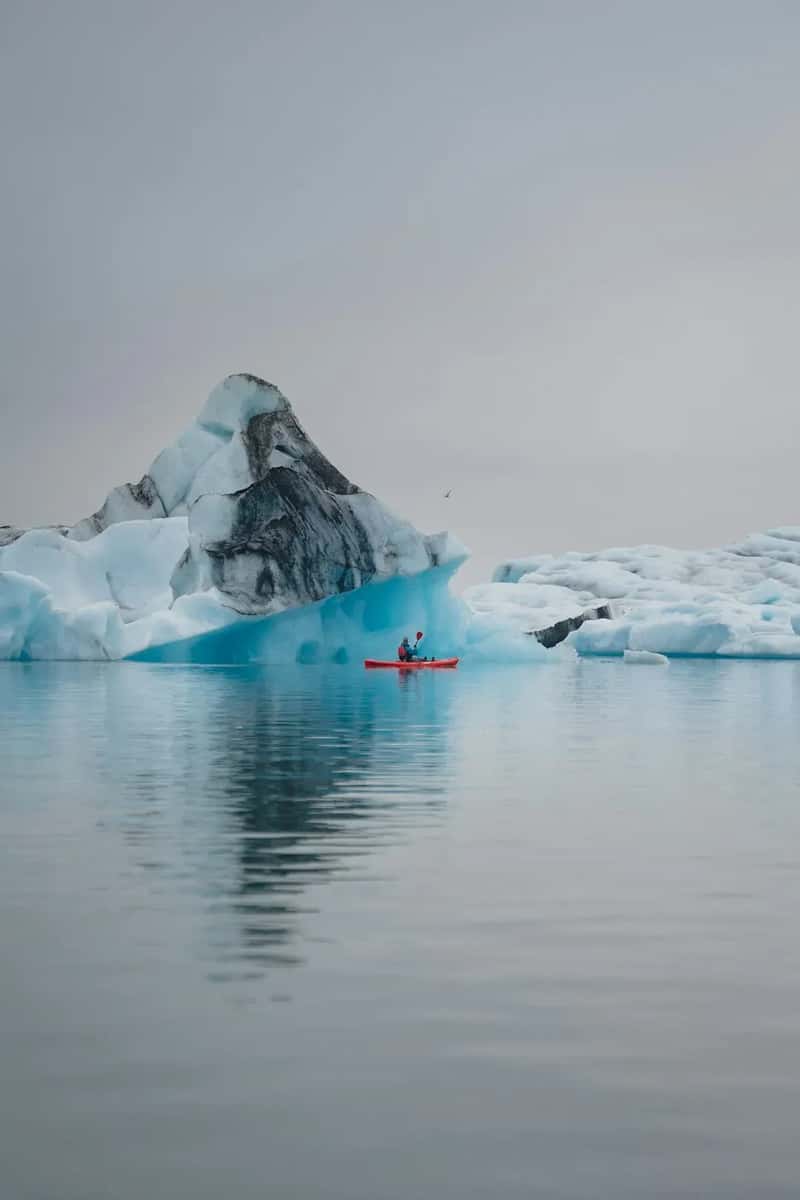
Glacier Bay National Park is accessible primarily by boat, but actually experiencing it – sea kayaking among calving glaciers, watching humpback whales surface thirty feet from your kayak, hiking into backcountry that feels genuinely untouched – requires a body that handles cold, sustained physical effort, and real exposure to the elements. The wildlife density in Alaska is staggering in a way that still surprises even veteran travelers: bears, moose, eagles, wolves in the open, all operating as if humans are the newcomers here. Which, of course, they are.
#3 – Peru’s Sacred Valley and the Amazon Basin
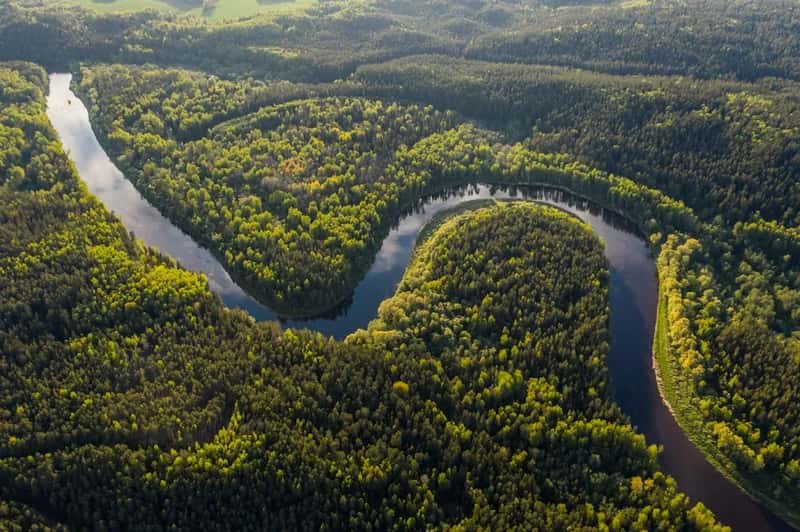
Combining the Sacred Valley and Machu Picchu with a deep-jungle Amazon experience is one of travel’s great double punches – and it requires a level of physical resilience that makes timing matter enormously. The Amazon basin involves humidity that averages 80–90%, hours of boat travel on slow rivers between remote lodges, and rainforest camps accessible only by narrow jungle channels. Travelers who completed this combination in their early 70s – fit, prepared, with altitude medication – described being genuinely exhausted by the end. Their advice was consistent: do this one younger.
The Peruvian Amazon – particularly Manu National Park and the Tambopata Reserve – is one of the most biodiverse places on earth, full of macaw clay licks, giant river otters, and jungle canopy walks that reveal a living world operating at a scale that staggers even veteran naturalists. The heat, the insects, the boat travel, the absence of comfortable infrastructure – all of it is genuinely worth it, and all of it is substantially easier to absorb and enjoy at 62 than 72. This is a combined trip that rewards those who go all-in while they still can.
#2 – A Trans-Siberian Railway Journey
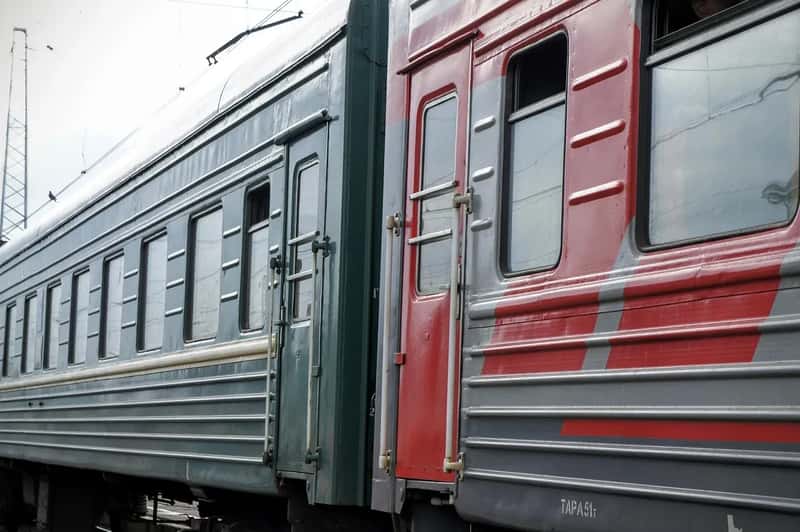
The Trans-Siberian Railway – stretching 5,772 miles from Moscow to Vladivostok across eight time zones, making it the longest rail journey in the world – is one of travel’s ultimate experiences of scale and solitude. For days, the world outside the window shifts from birch forests to open steppe to the Mongolian plateau, while inside the carriage, strangers share tea from a samovar and the rhythm of the rails becomes the only clock that matters. The full journey takes approximately seven days without stops, passing through more than 80 cities across two continents. The physical demands are different from trekking – but they’re real and they’re specific.
Back pain, circulation issues, and the inability to sleep flat for eight hours in a narrow second-class berth are the specific enemies of this journey for older travelers, and they compound quietly with age. Extended rail journeys of this kind also require total openness to unpredictability: delayed trains, language barriers, food that may not accommodate any dietary preferences, and schedules that change without explanation. There is a moment in every traveler’s life when they realize that certain adventures have a physical expiration date. The Trans-Siberian Railway is squarely in that category – and the window is worth respecting.
Worth Knowing: Trans-Siberian at a Glance
- Distance: 5,772 miles (9,289 km) Moscow to Vladivostok – longest passenger rail route in the world
- Journey time: approximately 7 days non-stop; 14–20 days with city stops
- Time zones crossed: 8 – clocks on board stay on Moscow time throughout Russia
- The route passes alongside Lake Baikal, the world’s deepest freshwater lake, for 207 km
- Second-class berths (platzkart) are communal, open-plan, and flat-out uncomfortable for bad backs
#1 – A Slow, Overland Journey Through Southeast Asia
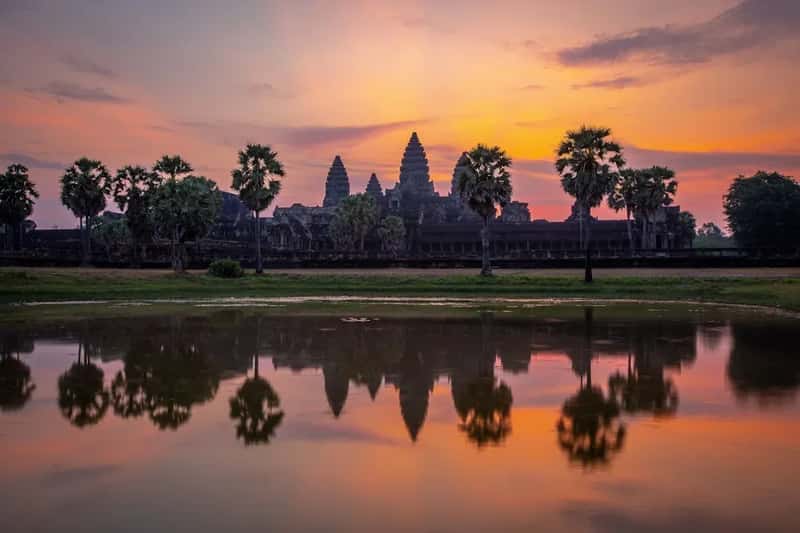
Every experienced traveler who has done a real, unhurried overland journey through Southeast Asia – not a resort stay in Bali, but an actual trip through Thailand, Vietnam, Cambodia, and Laos – says the same thing: it is one of the most transformative experiences available to a human being, and it demands a physical and logistical resilience that quietly narrows with age. The heat is relentless. The transport is often chaotic. The food is extraordinary and occasionally dangerous. And the temples – Angkor Wat, Luang Prabang, the ancient city of Bagan – require hours on foot in 95-degree heat with 90% humidity and no shortcuts worth taking.
Angkor Wat alone – the world’s largest religious structure, covering more than 400 acres and comprising over 1,000 buildings – demands arriving before dawn for sunrise and walking six to eight hours across uneven stone causeways in tropical heat just to see it properly. Built in the 12th century by the Khmer king Suryavarman II and designated a UNESCO World Heritage Site in 1992, it remains one of the most staggering things a human can stand in front of. Experienced travelers specifically cite Vietnam and Cambodia as places they’re trying to visit while they can still manage them, noting that heat and long days on foot are already requiring more pacing than they once did. This region is the trip that experienced travelers most consistently say they’d tell their younger selves to move to the very top of the list. It is the most rewarding overland journey most Americans will ever take – and it belongs on a timeline with genuine urgency.
The idea gaining traction among travel planners and retirement researchers is to replace the traditional bucket list with “time buckets” – shifting the question from what you want to do before you die to when you’ll be best positioned to do it. Every trip on this list is still possible after 70 for many people. Some will do Antarctica at 82 and come home glowing. But the honest consensus from those who’ve actually done these journeys is that the margin for doing them fully, joyfully, and on your own terms is narrower than it looks from the outside. The regret experienced travelers talk about is never the trips they took. It’s always the ones they kept putting off until the window had already quietly closed.