Most people picture a friendly crew member pulling them aside before every mistake, gently explaining the rules like a patient tour guide. That stopped happening years ago. Crew members watch the same disasters unfold on every single sailing, and after the thousandth repeat, the warning just isn’t worth the breath anymore.
Now they just stand at the rail, watch it happen, and move on to the next port. Here’s what cruise staff actually say about tourists once corporate isn’t listening.
#22 – Checking the Wrong Clock
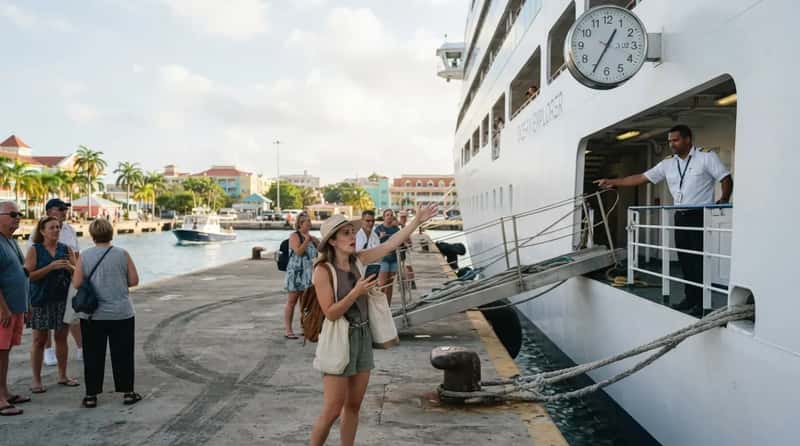
Passengers glance at their phone, see 2:47, and figure they’ve got plenty of time before the 3 p.m. cutoff. What they don’t realize is that their phone quietly switched time zones the second it connected to a local tower. The ship never did.
Crew always run on ship time, not whatever a phone claims, and “all aboard” is the deadline, not the moment to start walking back. Staff used to plaster reminders everywhere about this. Now they just assume someone in every group will learn the hard way, and someone always does.
#21 – Treating “All Aboard” Like a Suggestion
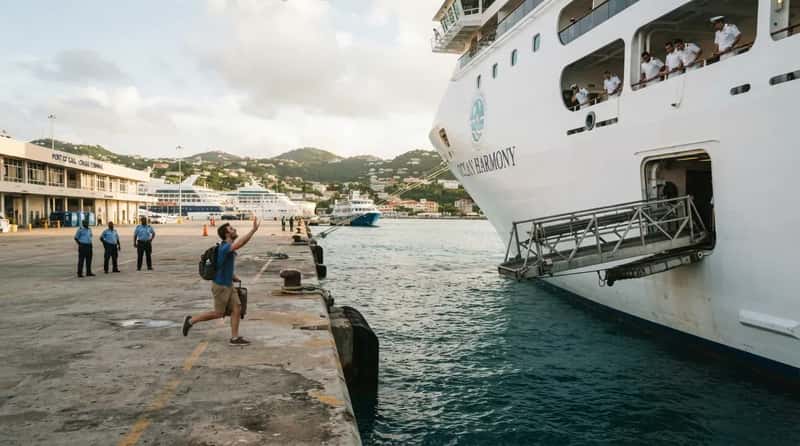
There’s a specific kind of passenger who hears the final boarding call and decides it means “start walking now” instead of “already be inside.” Crew have a name for these people, and it isn’t flattering.
Officers on the bridge track stragglers in real time, and some crews even admit they secretly enjoy watching “pier runners” sprint for the gangway at the last second. It’s become a running joke below deck. It’s a lot less funny for the family that actually watches the ship pull away without them.
#20 – Confusing a Private Tour’s Freedom With a Ship Excursion’s Safety Net

Booking a cheaper tour outside the cruise line feels like a smart money move, right up until the group runs 40 minutes behind schedule. Passengers assume the ship will simply wait, the way it does for official excursions.
It won’t. Passengers on cruise line-sponsored excursions don’t have to worry about missing the ship, since it waits for those groups and covers costs if they need to catch up at the next port. Independent tours carry none of that protection, something staff used to spell out in detail until they realized most people skim right past it.
Quick Compare
- Ship-sponsored excursion: The ship waits if the tour runs late, and getting you to the next port is the cruise line’s problem, not yours.
- Independent tour: No safety net at all – missing the deadline means you’re personally responsible for catching up, at your own expense.
- Typical savings: Independent tours often run noticeably cheaper, but that discount comes with zero built-in protection.
#19 – Never Actually Reading the Excursion Ticket
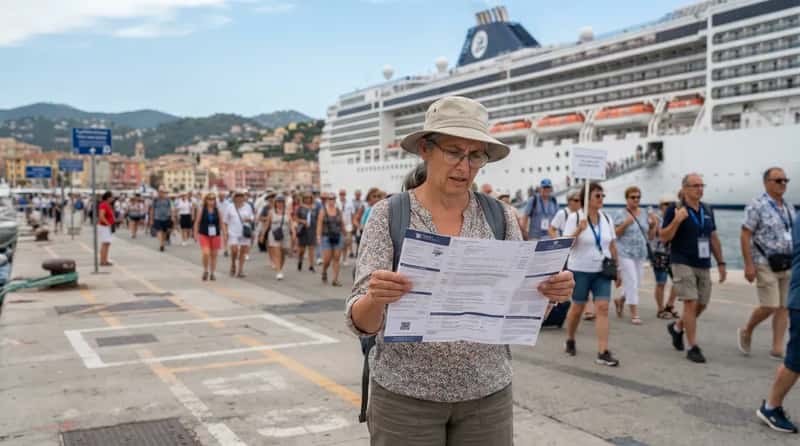
The ticket in a passenger’s hand isn’t just a receipt. It’s the entire instruction manual for getting back onboard, and almost nobody opens it.
Crew keep saying to actually read the excursion tickets, because they list exactly where to be and when. Meeting points change from port to port, and a group might wait onboard in one stop but gather right on the pier in the next. Guessing instead of reading is how entire tour groups end up standing at the wrong spot, watching everyone else board without them.
#18 – Assuming a Friendly Stranger at the Gangway Is “With the Cruise”

Someone in a polo shirt near the terminal exit waves people toward a “shortcut” or a “better deal,” and travelers follow without a second thought because the person just seems official.
Most of the time, that person was never cruise staff at all, and the tactic exists purely to funnel passengers toward specific businesses. Real crew members carry a visible pass, and anyone can simply ask to see it if something feels off. Staff stopped warning people about this because the imposters keep changing their outfits faster than any announcement can keep up.
#17 – Getting Talked Into a “Free” Beauty Treatment That Isn’t Free

A sample of skincare cream near the port shops turns into a full sales pitch before anyone realizes what happened. It’s one of the oldest tricks at cruise stops, and it still works constantly.
Promoters offer complimentary skincare samples, and visitors who accept a seat and a free drink soon find themselves surrounded by sales staff as prices climb and the receipt quietly lists “final sale.” Complaints about these beauty shop tactics surface constantly around Caribbean ports. Nobody walks in planning to spend $300 on face cream, yet plenty of people walk out having done exactly that.
#16 – Buying Resort Day Passes From a Guy in the Parking Lot

A “discounted” day pass to an all-inclusive beach resort sounds like a steal when a friendly driver offers it right at the pier. The catch shows up later, at the resort gate.
A recent scam circulating in Costa Maya and other ports involves taxi drivers selling discounted day passes, only for passengers to arrive and find their tickets aren’t valid at all. Resort passes should only be purchased through official websites or at the venue itself, never through a stranger with a clipboard. Crew used to mention this in port talks; now they just hope word of mouth travels faster than the scam does.
#15 – Handing Cash to a Street Currency Changer
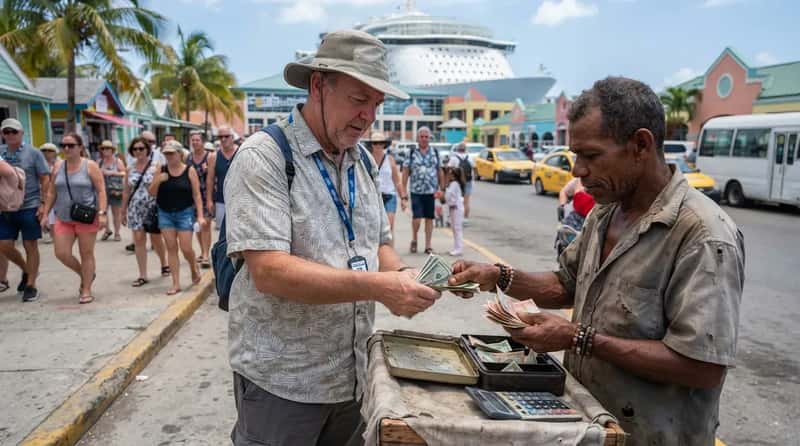
Someone offers a “better rate than the bank” right outside the terminal, and the math sounds tempting when you’re standing there holding U.S. dollars and confusion.
Some vendors shortchange tourists with faulty calculators or the wrong bills, especially when travelers don’t know the local currency. Unauthorized money changers may flash great-looking exchange rates, but the deal often hides fees or fake bills altogether. Staff know this is one of the easiest scams to avoid, which is exactly why they stopped repeating the warning – it’s everywhere already, and people still hand over the cash.
#14 – Jumping Into the First Taxi That Yells “Taxi!”
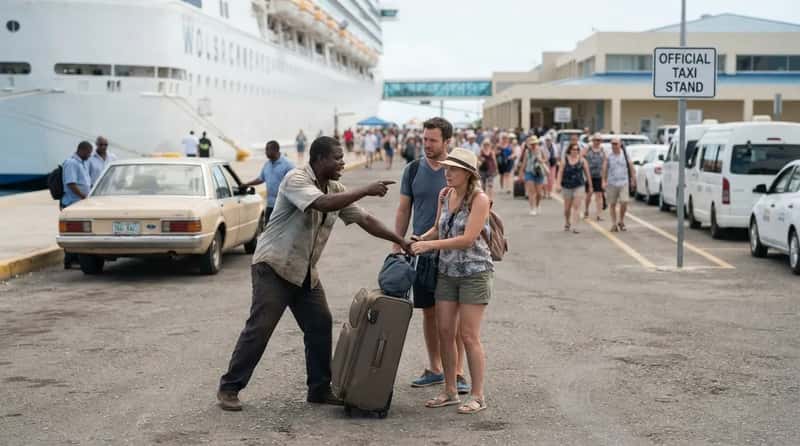
The moment feet hit the pier, someone shouts, grabs a suitcase, and suddenly a stranger is your driver. It feels efficient. It rarely is.
Fake taxi touts call out “taxi,” grab your bag, collect a payment, then hand you off to the actual driver who charges the going rate anyway. Other drivers simply take a ten-mile detour for a two-mile trip, or refuse to use the meter at all. Crew still see it happen every port day, but they gave up trying to intercept guests before it starts.
Worth Knowing
- Official taxi stands are usually marked and sit right at the terminal exit, not further out in a parking lot.
- Agreeing on a price, or confirming a meter is actually running, before the car moves prevents most fare disputes.
- Cruise line-recommended taxi services typically post fixed rates for the most common port destinations.
- A driver who won’t quote a price upfront is usually the clearest red flag of the whole trip.
#13 – Haggling Like It’s a Blood Sport

Bargaining is part of the fun in a local market, until a passenger turns a five-dollar disagreement into a public spectacle over pocket change that barely matters back home.
Haggling belongs in markets, not fixed-price stores, and it should stay light-hearted rather than hostile, since a small amount can mean real income for a local vendor. In formal shops or boutiques, negotiating generally isn’t welcome at all. Staff who grew up near these ports used to gently coach visitors on this, but most have given up, because the loudest hagglers never take advice from anyone.
#12 – Walking City Streets Wearing What Belongs on a Pool Deck

Flip-flops and a swimsuit feel practical on a hot excursion day, right up until a passenger gets turned away from a cathedral or fined outside a temple.
What’s appropriate on the pool deck isn’t always appropriate ashore, and skipping that research can mean a denied entry, a fine, or handing over clothing on the spot. In parts of Asia, dressing conservatively matters far more than comfort ever will. Crew mention it in the daily newsletter, but most guests never open that page until they’re already standing at the door, being turned away.
#11 – Pocketing “Just One” Shell or Piece of Coral

A single shell in a beach bag feels harmless. Multiply that by a few thousand passengers a week, and entire coastlines quietly disappear one souvenir at a time.
In the South Pacific, respecting natural resources means leaving all sand and shells behind and always asking permission before taking photos. Locals in these regions have watched their beaches erode under the weight of “harmless” tourist habits for years. Staff stopped explaining this over the microphone because the message never seemed to land, no matter how many times it was repeated at the gangway.
#10 – Snapping Photos of Strangers and Sacred Sites Without Asking

A camera phone goes up in someone’s face – a vendor, a worshipper, a child playing near a temple – before anyone thinks to ask if it’s even okay.
Travelers are asked to seek permission before taking photos, especially around sacred or private moments. It’s a small courtesy that costs nothing and prevents real offense in communities that live with cruise crowds every single week. Crew have watched this exact scene play out at nearly every port stop, and the awkward confrontations that follow rarely end well for anyone.
#9 – Carrying the Actual Passport Instead of a Copy
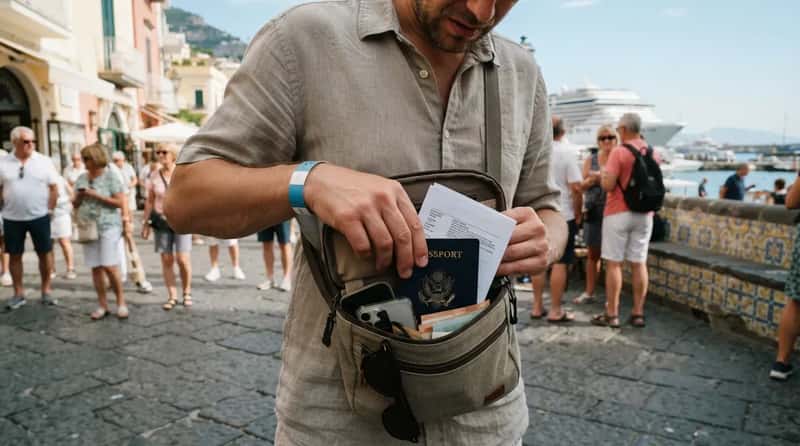
It feels safer to keep your passport on you at all times. In most ports, it’s actually the opposite, and losing it ashore turns a fun day into a multi-day nightmare.
Losing a passport in a foreign port creates a far bigger headache than leaving it on the ship, since replacing one abroad means consulate visits, paperwork, and emergency fees. Staff recommend keeping the original in the cabin safe and carrying a photocopy instead, unless local law specifically requires the original. That exception trips people up constantly, which is exactly why the advice stopped being announced – it genuinely changes at every single stop.
#8 – Booking Every Single Hour of Every Port Day

Some travelers treat a seven-hour port stop like a competitive event, stacking a hike, a market tour, a beach visit, and a distillery stop into one exhausting sprint.
In a misguided attempt to maximize vacation time, some travelers book all-day tours on every single port day, exhausting themselves in the hot Caribbean sun until burnout wins. The best vacation is made of activities that actually make you happy, and it’s perfectly fine to skip a hike for a lounge chair and a frozen drink instead. Crew see the exhausted faces boarding at 4 p.m. every week and no longer bother suggesting a lighter itinerary.
#7 – Skipping Local Food Entirely to “Get Their Money’s Worth” on the Buffet

Because the cruise fare already covers every onboard meal, some passengers refuse to spend a single dollar on food in port, even when fresh street tacos are practically calling their name.
It’s tempting to eat every meal onboard to maximize the fare, but skipping local cuisine in port is a real missed opportunity. Trying local ice cream, a bakery, or a regional dish gives real insight into local life, whether that’s conch salad in the Bahamas or a tortilla espanola sandwich in Barcelona. Staff used to gently suggest this at every port talk. Now they just trust the smell of fresh bread to do the convincing for them.
#6 – Stepping Off the Ship With Zero Plan

Walking off the gangway with no idea what to do next sounds relaxing in theory. In reality, it usually burns through half the day before anyone actually decides on something.
Shore excursions sell out fast, so waiting until you’re onboard to book can mean missing out entirely. Crew repeat it every cruise: not researching the ports ahead of time is one of the most common first-timer mistakes there is. Time spent with no plan is time spent far less wisely than it could be. Staff figured out years ago that no announcement fixes procrastination.
#5 – Getting Drunk and Disorderly Blocks From the Ship
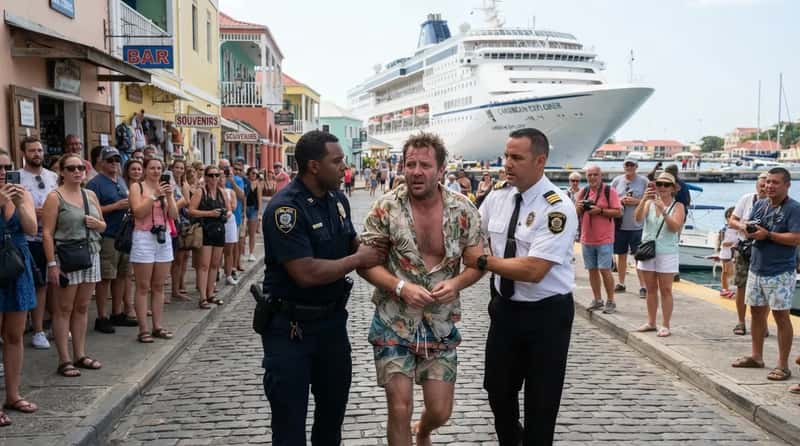
A few too many drinks at a beach bar can turn a relaxed afternoon into a scene that local police, and eventually ship security, end up handling together.
Getting drunk and disruptive in small, quiet towns, or ignoring local laws around drinking and behavior, is one of the fastest ways to sour an entire visit for everyone around you. Onboard, crew handle this kind of thing constantly and quietly – one disorderly passenger was handled by security within 30 seconds of a discreet bartender signal. In port, there’s no bartender watching, which makes the same behavior far riskier than most people realize.
#4 – Trusting a Jewelry Store’s “Cruise Exclusive” Discount
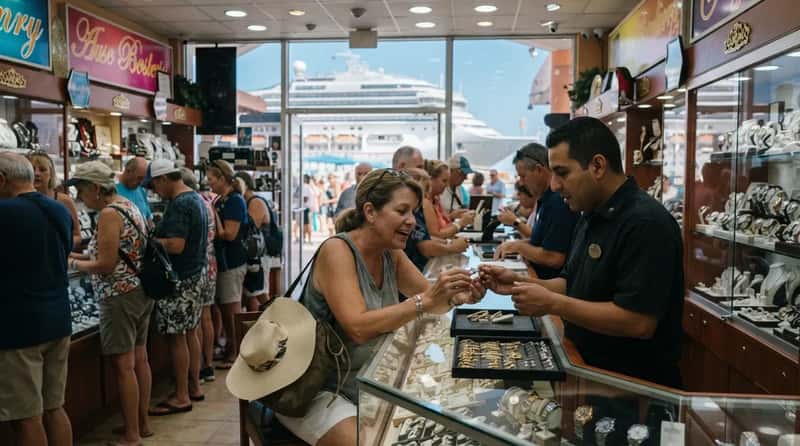
A shop just steps from the terminal promises a once-in-a-lifetime deal on diamonds or watches, timed perfectly to your ship’s arrival. That timing is not a coincidence.
Port shops often lure tourists with promises of deep discounts on luxury jewelry, but some of those items turn out overpriced or even counterfeit, leaving buyers with little recourse. The real danger is the impulse buy – staff recommend verifying a shop’s legitimacy and researching reputable jewelers before the trip, not during it. Crew have heard the same regret story too many times to count.
#3 – Booking a Bargain Private Excursion With No Time Cushion

Saving money on a third-party tour feels smart, right up until that tour runs long and there’s no cruise line safety net waiting to cover the gap.
Third-party tours are usually cheaper and more varied, but the fine print matters: you’re personally responsible for getting back to the ship on time. This is exactly the mistake behind one of the most publicized cruise stories of the past two years. Eight passengers on a private tour in Sao Tome and Principe were expected back by 3 p.m., and the tour operator even called ahead to warn the ship they’d be late. It didn’t matter.
#2 – Cutting the Return Down to the Literal Last Minute
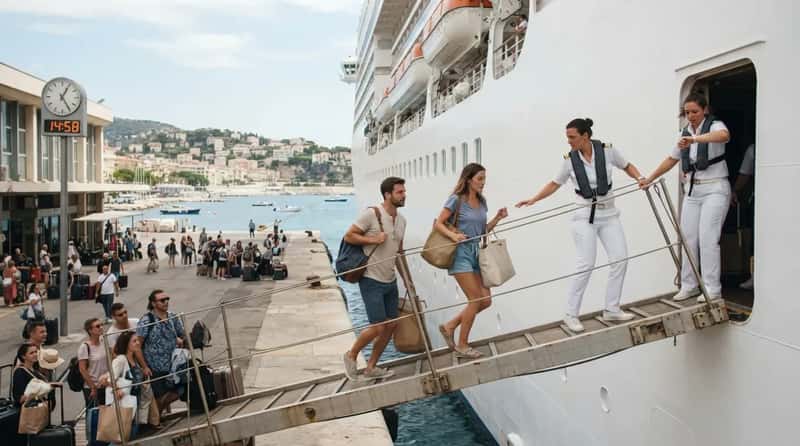
Some travelers treat the all-aboard time as a personal challenge, strolling back with minutes to spare as if punctuality were optional right up until the second it isn’t.
Cruise lines impose strict boarding deadlines, and missing them means getting stranded at the port, which is why crew recommend returning 30 to 60 minutes early to absorb any unexpected delay. This rarely happens to careful travelers; it mostly hits people exploring alone without tracking time, since every delay costs the ship money and disrupts a tightly scheduled itinerary. Staff have simply accepted that some people will always test the deadline anyway.
#1 – Actually Getting Left Behind
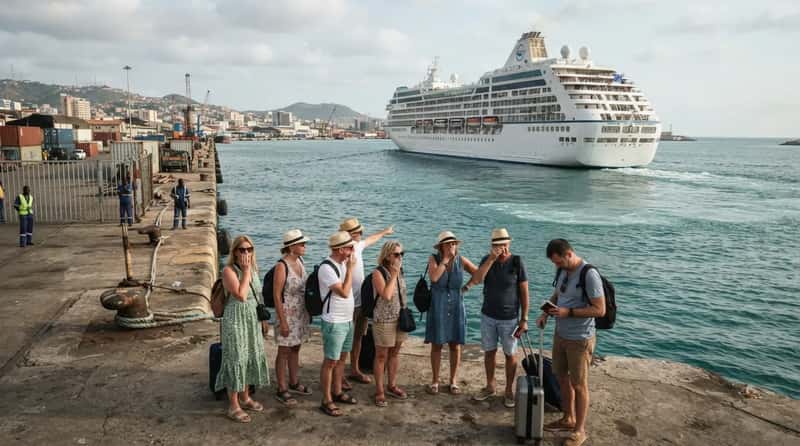
This is the story crew talk about long after the cruise ends, because it plays out exactly the way everyone assumes it never will – right up until it does.
A group of eight cruise passengers was left stranded at a port in West Africa in 2024 after the vessel wouldn’t let them board due to lateness, turning a dream vacation into a genuine ordeal. The harbor master tried reaching the ship, but the captain declined to let the group board. The stranded travelers ended up crossing several countries over the following days just to reach the next port. Staff stopped softening this warning years ago, because nothing softens what actually happens when the ship pulls away without you.
Fast Facts
- The real case behind this scenario happened on March 27, 2024, when eight Norwegian Dawn passengers missed the ship’s 3 p.m. all-aboard time in São Tomé and Príncipe.
- The group – six Americans and two Australians – had been on a private tour that wasn’t booked through the cruise line.
- It took roughly a week of driving, ferries, and border crossings for the travelers to finally catch up with the ship in Senegal.
- The couple leading the group later said they covered thousands of dollars in emergency lodging and travel costs for the whole party.
Guests are responsible for returning to the ship by the all-aboard time posted on their excursion ticket and announced onboard.
Royal Caribbean Cruises, guest terms and conditions
None of these mistakes require bad luck. They require a phone that didn’t switch time zones, a ticket nobody read, or a “friendly” stranger who wasn’t actually crew.
The pattern is the same every single time: confidence, a shortcut, and a story that ends up in the news instead of the photo album. Which one of these have you seen happen firsthand?