Deckhands will tell you the same thing every time: they know within ten minutes of embarkation who has done this before and who hasn’t. It’s not the luggage, the outfit, or the loyalty pin on the lanyard. It’s a string of tiny, almost invisible habits that separate a relaxed veteran from a first-timer scrambling to catch up.
Most passengers assume crew are too busy to notice anything beyond drink orders and towel folds. The truth is stranger than that – some of the smallest gestures onboard say more about a cruiser’s experience level than an entire loyalty account ever could. Here’s what deckhands actually watch for, one habit at a time.
#22 – They Never Roll the Dice on a Same-Day Flight

Veteran cruisers treat flying into the port city on embarkation morning as an unacceptable gamble, not a convenient shortcut. One flight delay or missed connection means the ship sails without them, no exceptions, no refunds. Deckhands watch this exact panic unfold every sailing when a latecomer sprints for a gangway that’s already being pulled away.
Experienced travelers arrive the night before instead, treating one hotel stay as cheap insurance for an entire vacation. That extra day means a relaxed morning and time to explore the port city before boarding. Crew clock the difference instantly – the guests strolling up calm and unhurried are almost never first-timers.
#21 – They Check In the Second the Window Opens
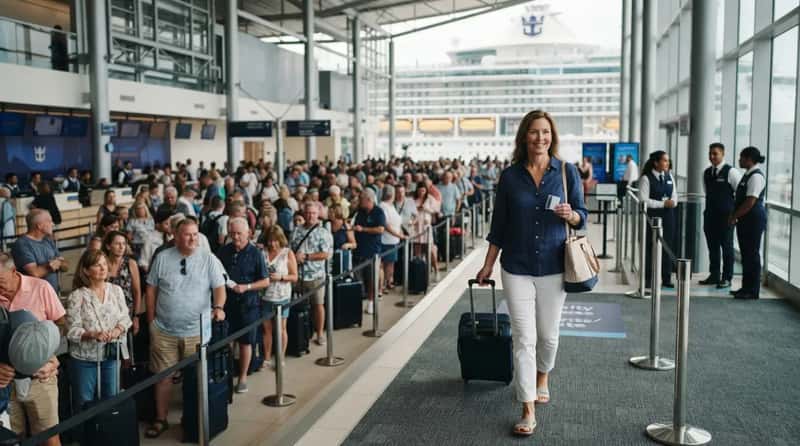
Seasoned cruisers don’t wait until the week before departure to handle paperwork. Royal Caribbean opens online check-in 45 days before sailing, and veterans are logged in at midnight the moment it unlocks. That single midnight login can mean the difference between an early boarding slot and hours stuck in a terminal line.
This one habit quietly rewrites an entire embarkation day. Crew can usually spot who did their homework early, because those guests walk straight to their cabin instead of standing at guest services fixing a missed step. First-timers treat check-in like a flight boarding pass; veterans treat it like a race with a real prize.
Quick Compare
- Royal Caribbean & Celebrity: check-in window opens 45 days before sailing
- Norwegian Cruise Line: opens 21 days out, closes 3 days before departure
- Carnival: window opens just 14 days before sailing
#20 – They Pack a Separate Bag They Never Hand to a Porter
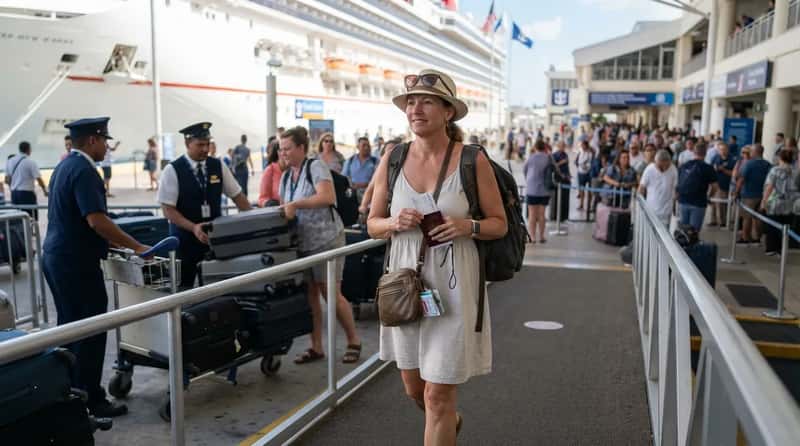
Experienced cruisers keep one bag light, specific, and physically attached to them through the entire boarding process. Inside it: medications, chargers, swimsuits, and documents – nothing that can vanish into a luggage cart for three hours. It never leaves their hands, no matter how tempting a porter’s offer sounds.
Deckhands see the difference immediately once the ship gets moving. First-timers hand over everything and end up stuck without a swimsuit or a phone charger for half the afternoon. The passengers already poolside with a drink an hour after boarding are almost always the ones who kept this bag close.
#19 – They Photograph the Cabin Before It Gets Messy

There’s a narrow window right after boarding when a stateroom looks flawless – bed made, towels folded, nothing unpacked yet. Experienced cruisers snap a quick photo during that window, every single time, before a single suitcase gets opened. It takes ten seconds and costs absolutely nothing.
It sounds paranoid until you realize why it matters: it’s protection against any damage disputes that crop up at the end of the cruise. Deckhands who’ve handled awkward end-of-cruise conversations know exactly which passengers thought to do this. First-timers never even consider it – they’re already unpacking.
#18 – They Ask the Steward to Pull the Minibar on Day One
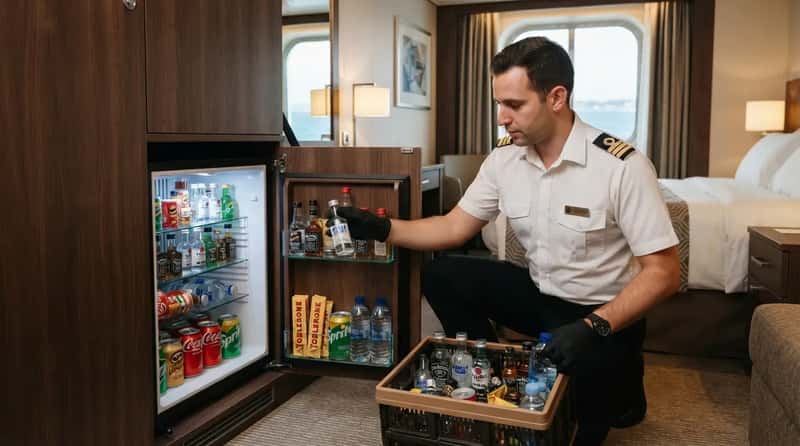
Within minutes of reaching their cabin, veteran cruisers make a request that sounds strange to newcomers but is nearly universal among regulars. They ask their steward to pull every overpriced item out of the minibar right away. It takes less than a minute and removes an entire category of surprise charges before it can happen.
The logic is simple math, not paranoia. Most first-timers don’t discover this trick until after they’ve already been billed for snacks they don’t even remember touching. Stewards get this request from veterans so often they barely blink anymore.
#17 – They Double Their Closet Space With Dollar-Store Hooks

Standard cabin closets give you one skinny rod and nowhere near enough room for a week’s worth of outfits. Frequent cruisers solve it with cheap metal S-hooks from a dollar store, hung right on the existing rod. Each hook creates a second tier of hanging space, effectively doubling wardrobe capacity in a closet the size of a broom cupboard.
It costs almost nothing, weighs nothing in a suitcase, and takes about thirty seconds to set up. Crew spot the hooks the moment they walk in for turndown service – it’s practically a badge of experience. First-timers, meanwhile, are still living out of an open suitcase on day four.
#16 – They Know Someone Is Stealing Their Door Magnets

Of every habit on this list, this is the one that catches even experienced cruisers off guard, because it sounds almost too strange to be true. Cute cabin door magnets have a habit of vanishing mid-cruise, taken by other passengers wandering the halls. It happens on nearly every sailing, to nearly every ship.
Regulars now treat replacing a missing magnet as routine maintenance, not a mystery worth solving. Deckhands who walk the corridors constantly have watched this exact scene repeat for years – a first-timer confused about a missing decoration, a veteran shrugging and pulling out a spare from their bag.
#15 – They Use the TV Remote as a Nightlight

Interior cabins are pitch black around the clock, which throws off sleep schedules for first-timers who completely lose track of time. Repeat cruisers found an unexpected fix – leaving the TV remote’s little power light on instead of packing an actual nightlight. It’s such a simple trick most people would never think to try it on their own.
Deckhands notice which cabins have this figured out, because those guests never call for maintenance confused about total darkness at 3 a.m. Veterans pass this trick along like a secret handshake, often the first tip a new cruiser hears from a regular one.
#14 – They Barely Touch Cash the Entire Trip
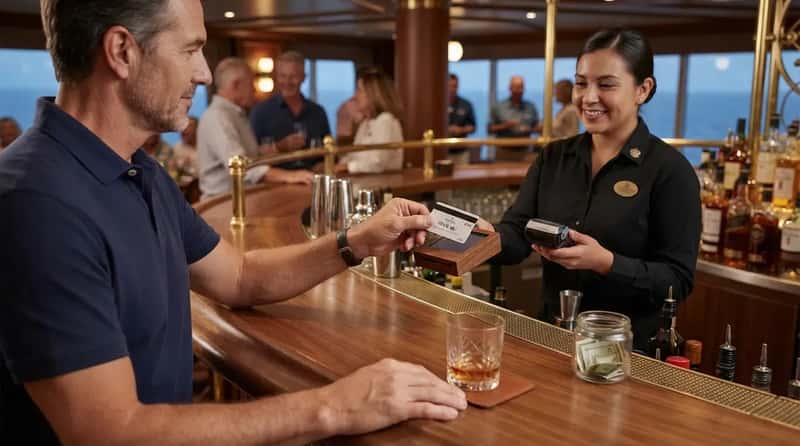
First-timers sometimes bring wads of cash, expecting to need it constantly onboard. In reality, almost everything runs through your room key or the cruise line’s app, tied directly to a card on file. Cash barely gets touched the entire trip.
Regulars save it only for port tips or the rare crew member who prefers it directly. Deckhands see the room key held out reflexively by veterans, while newcomers dig through wallets at the bar looking for bills nobody actually needs. It’s a tiny gesture, but it says everything.
#13 – They Tip With Intention, Not Just Obligation
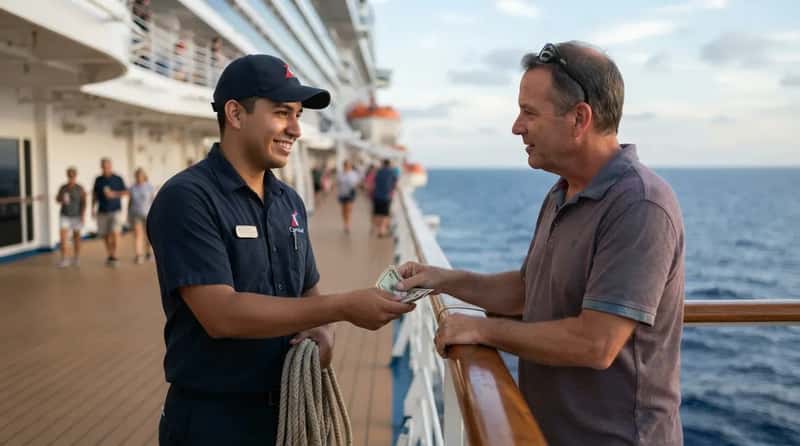
Standard gratuities are usually built into the cruise fare, but experienced cruisers understand that’s the baseline, not the ceiling. Crew notice instantly when a guest tips generously and specifically, because it reflects real appreciation rather than routine politeness. Adding an extra tip for exceptional service creates goodwill that lasts the whole week.
Deckhands remember faces attached to extra tips far longer than most passengers would guess. It’s rarely about the amount – it’s the specificity, tipping the person who actually helped rather than tossing cash generally at the end. Veterans always know exactly who earned it.
Fast Facts
- Carnival: $17 per person daily for standard cabins, $19 for suites
- Norwegian: $20 to $25 per person daily depending on cabin category
- Celebrity: $19.50 per person daily for standard cabins as of mid-2026
- Holland America: $18 per person daily for standard cabins, $20 for suites
#12 – They Actually Talk to the Crew Like People
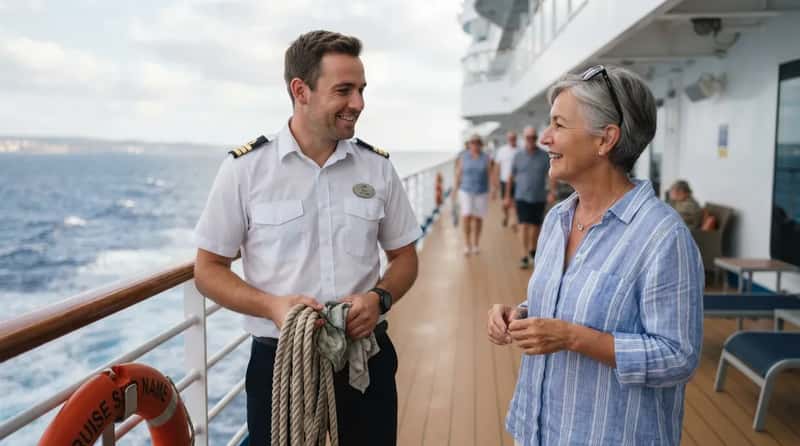
People tend to be more social on cruise ships than they are on land, and experienced cruisers lean into that instead of ignoring it. Getting to know crew members by name offers real insight into what’s happening onboard, upcoming opportunities, and honest advice, since crew live onboard and see everything. Veterans treat that access like a genuine resource.
Deckhands can tell within seconds whether a guest sees them as furniture or as a person with a name and an opinion. Small conversations – asking where someone’s from, remembering a name the next day – change the entire tone of a week-long trip for everyone involved.
#11 – They Claim the Ship at 6 A.M. Before Anyone Else Wakes Up

The ship feels like an entirely different place at 6 a.m., and experienced cruisers treat that window as sacred. No crowds fighting for pool chairs, no announcements echoing through the corridors, just the sound of water and maybe a few joggers making their rounds. Coffee stations are fully stocked and the crew is still quietly setting up for the day.
Experienced cruisers claim this hour like territory, while most passengers never see the ship this way at all. Deckhands working early shifts recognize the same handful of faces every single sailing – the ones who understand mornings are the ship’s best-kept secret.
#10 – They Build Naps Into the Schedule Like Professionals

Cruise ships run nonstop from early morning until late night, which sounds appealing until exhaustion sets in around day three. Smart cruisers build rest into their days like professionals instead of pushing through it. The afternoon lull between lunch and dinner offers a perfect napping window, since cabins are quiet and ship activities briefly pause.
Evening events feel far more appealing when you’re actually rested enough to enjoy them, instead of fading halfway through the show. Deckhands notice the guests who show up sharp for dinner versus the ones nodding off by 8 p.m. Rest isn’t laziness out here – it’s strategy.
#9 – They Never Hog a Pool Chair for Hours
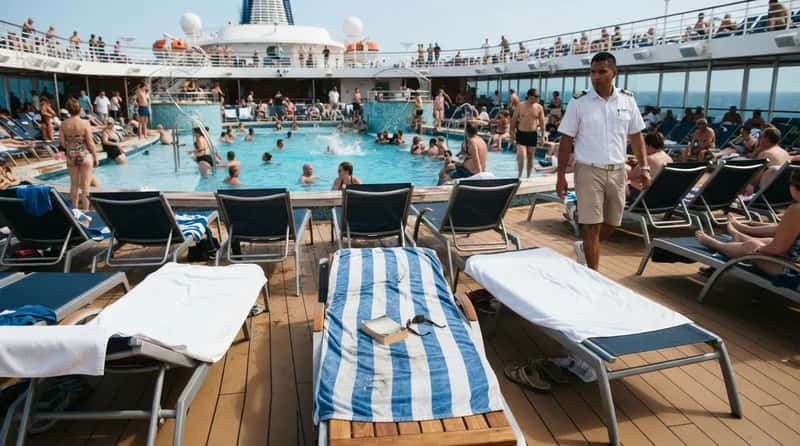
Nothing irritates crew and fellow passengers faster than a reserved-but-empty deck chair sitting in the sun for hours. First-timers do this constantly, without realizing the consequences it creates for everyone around them. Crew members say it’s the exact habit that gets flagged fastest.
It’s especially obvious when someone disappears for a three-hour lunch and shopping run while their “reserved” chair sits empty under a towel. Veterans grab a chair, actually use it, and give it up the moment they leave. Deckhands and pool attendants notice this courtesy instantly, because it’s rare enough to stand out.
#8 – They Book Excursions Independently, Not Through the Ship

This is a genuinely divisive habit, and crew have opinions about it too. Ship-sponsored excursions guarantee the boat won’t leave without you if something runs late, but many experienced cruisers argue they’re overpriced compared to booking the same tour independently. Doing that research before embarkation day, instead of scrolling options at a hallway kiosk, gives cruisers time to compare reviews and pricing properly.
It’s a small act of homework that can save real money over a multi-port itinerary. Some crew quietly agree the markup on ship-sponsored tours is steep, even if they’d never say so on the microphone. It’s one of the more controversial habits on this list, and it sparks debate every time it comes up.
#7 – They Research the Exact Port Before Packing a Single Bag
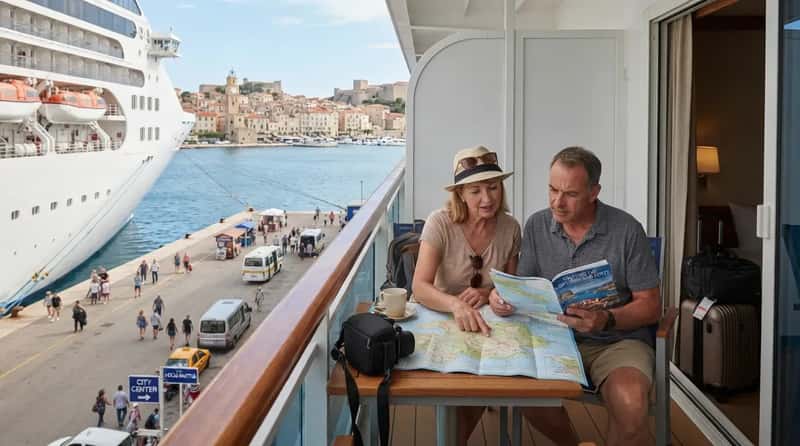
Not every port works the same way, and assuming otherwise has burned even experienced cruisers more than once. Some ports don’t have reliable taxis, rideshares, or shuttle buses waiting nearby, turning a planning gap into a real risk of missing the ship entirely. A port that’s easy in Miami can be chaos somewhere else.
Veterans now treat port research as non-negotiable, whether the ship sails from Miami, Sydney, Hong Kong, or Seattle. Deckhands who’ve watched anxious latecomers sprint down a gangway know exactly which passengers skipped this step before they ever left home.
#6 – They Never Try to Skip the Muster Drill

Some new cruisers assume the muster drill is optional orientation fluff they can quietly avoid. It isn’t, and crew treat it as absolute. International maritime law requires every passenger to attend before the ship can legally leave port, and crew are trained to track down anyone missing.
Veterans show up on time, phone away, without complaint, because they know arguing gets nowhere with a legal requirement. Deckhands assigned to muster stations remember every single passenger who tried to talk their way out of it. Experience means knowing this one is simply non-negotiable.
Worth Knowing
- The rule traces back to the SOLAS convention, the international treaty governing safety at sea
- Every guest is assigned a muster station number tied to their room key card
- Crew physically check cabins for anyone who hasn’t reported, which can delay the ship’s departure
#5 – They Never Pack Banned Appliances
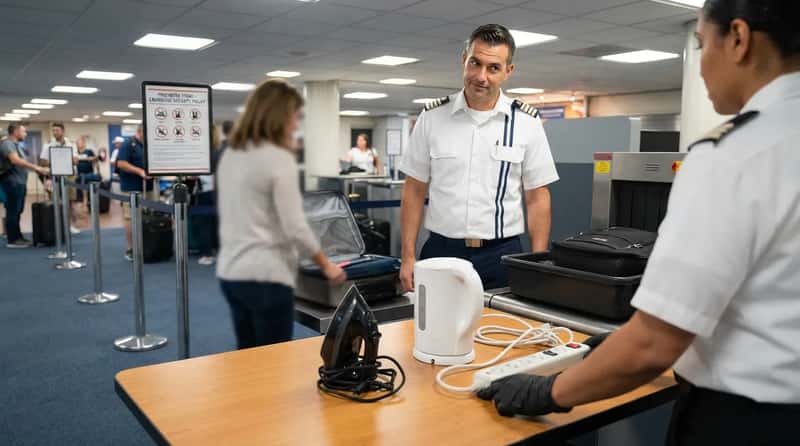
Most first-timers have no idea certain everyday appliances are completely banned onboard, and it costs them the moment security opens their bag. Items like travel irons, kettles, and surge-protected power strips are usually prohibited across major cruise lines. Travel writers consistently advise checking a specific line’s rules before packing anything with a cord.
These items get pulled at security and held until disembarkation, no refunds and no exceptions. It’s a small oversight that costs travelers a favorite gadget for an entire week. Deckhands watch this exact scene at the scanner on nearly every sailing, while veterans checked the banned list before they ever started packing.
#4 – They Decide on Self-Disembarkation Before They Even Sleep
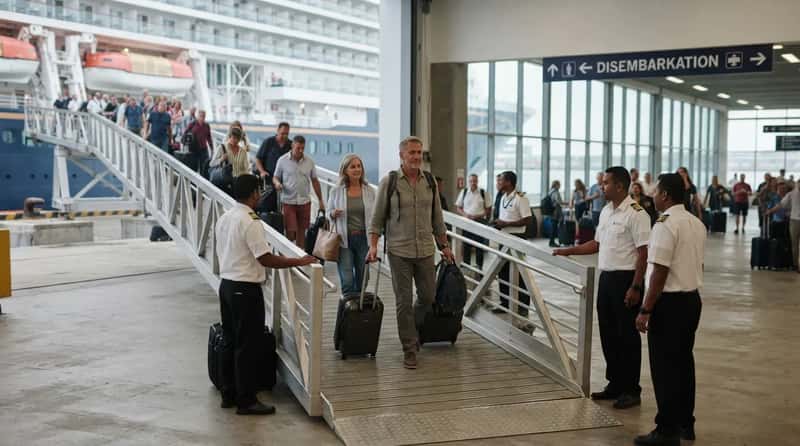
This choice gets made calmly the night before, never in a rushed hallway at 7 a.m. Guests capable of carrying their own bags can often choose an early self-assist disembarkation option, keeping luggage in the stateroom overnight instead of setting it out for pickup. It’s a small logistical choice with a surprisingly large payoff.
Deckhands and gangway crew can spot the difference between a guest who planned ahead and one improvising at sunrise with three overstuffed bags. Veterans know exactly which line to stand in before the announcement even plays over the intercom.
#3 – They Treat the Last Night Like It Actually Matters

Most first-time cruisers treat the last night like any other – one more dinner, one more show, nothing special about it. Veteran cruisers know better: the final night is actually the most important night of the whole trip. Skipping its quiet rituals is exactly how a great vacation ends on a stressed, distracted note.
Whether it’s the buffet, room service, or a late-night pizza window, veteran cruisers rarely skip a final indulgence. It’s less about hunger and more about ritual – one more taste of a vacation that’s about to end. Deckhands see the same wistful faces at the pizza window every single final night.
#2 – They Pack a Separate Bag for the Final Morning
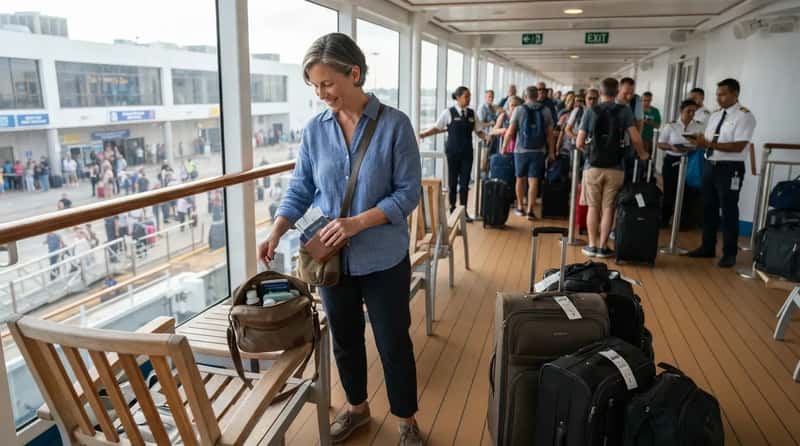
A rushed disembarkation morning has ruined more vacations’ endings than any actual travel delay ever has. Experienced cruisers pack a second, smaller bag for the final hours – a change of clothes, toiletries, medications, and travel documents, kept somewhere easy to reach. It’s a two-minute habit built the night before, not the morning of.
First-timers often pack medication or chargers straight into the checked bag, then panic at 7 a.m. searching for them. Deckhands watching the disembarkation crowd can spot the calm bag-checkers versus the frantic re-openers instantly, every single time.
#1 – They Treat Crew Like People, Even When Things Go Wrong
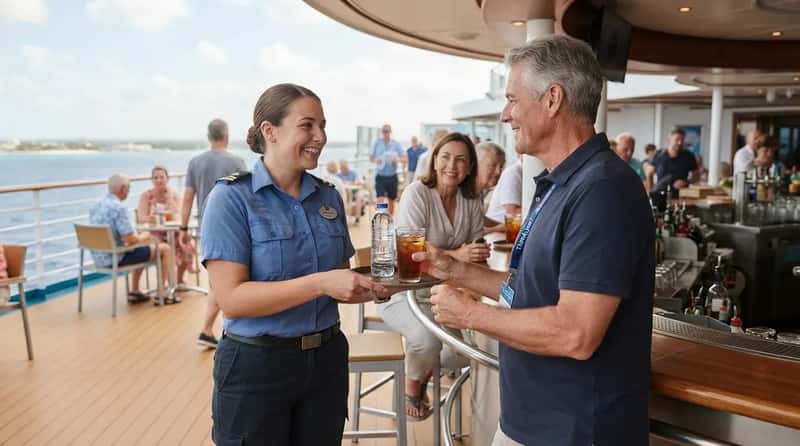
Every deckhand, bartender, and steward has a version of the same story: the guest who stayed calm and kind even when the trip went sideways. Experienced cruisers say please and thank you, remember names, and treat a busy server like a person, not a button to press. Small courtesies like these stand out a mile on a long, exhausting shift.
The reverse is just as visible to everyone nearby – the couple at the bar who saw it and quietly judged, the person in the buffet line who shook their head at rude behavior. Deckhands say this single trait, more than any packing trick or app hack, is the clearest sign of a genuinely experienced cruiser – someone who understands the ship is a small floating community, not a hotel staffed by strangers.
None of these habits require status, luck, or a bigger budget. They’re small, deliberate choices – the kind that take thirty seconds but quietly separate a smooth week at sea from a stressful one. Deckhands notice them within minutes because they’ve watched the same patterns repeat for years, sailing after sailing.
What’s most surprising isn’t any single habit – it’s how few of them cost anything at all. Kindness, timing, and a little homework outperform loyalty points every time. Which of these did you already know?