You think the free upgrade was luck. You think the extra pillows just happened to be there. You think the manager who said your name at breakfast just had a good memory. None of that is true, and once you see how the system actually works, you’ll never look at a hotel lobby the same way again.
Long before you step through the door, a quiet chain reaction is already running behind the front desk, through housekeeping, into the kitchen, and sometimes all the way up to a morning management meeting you’ll never sit in on. Here are 22 things hotel teams are already handling before you ever open your mouth.
#22 – Your Name Is Already On A Screen Before You Reach The Counter
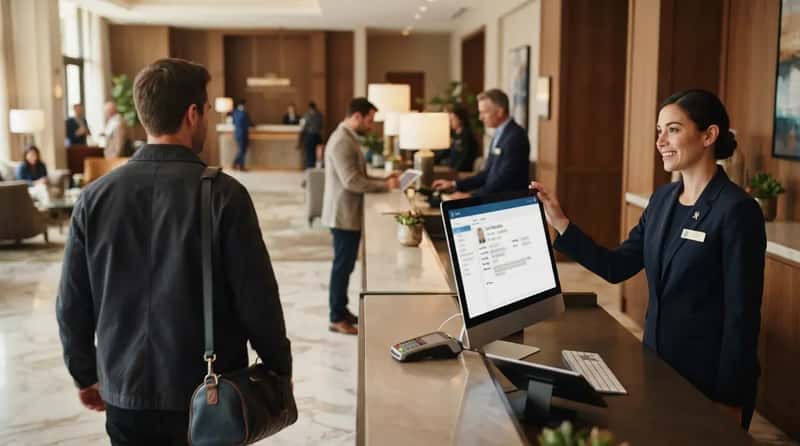
By the time you’re crossing the lobby, the front desk has usually already pulled your file. Your preferred room type, your past spending, and any special notes from last time are sitting right there on the screen, waiting.
This isn’t a five-star exclusive anymore. Most modern hotel software builds a guest profile the moment you book, storing your identity, contact details, stay history, and preferences in one place. The whole point is simple: nobody on staff should ever have to ask you something you’ve already answered.
#21 – Housekeeping Gets Briefed Before Your Key Card Is Even Cut

Front desk recognition is only half the story. Housekeeping teams often get a briefing sheet before you arrive, listing exactly how you like your room set up based on your last stay – not some generic template pulled off a checklist.
This is where the experience quietly splits between properties. Some hotels still rely on handwritten logs passed between shifts, but more chains are pushing your preferences straight to the cleaning cart automatically. It’s one of the least glamorous parts of hospitality, and one of the most underrated.
#20 – Your Exact Pillow Setup Shows Up Without A Word

Pillow requests sound minor until you realize how organized the system behind them really is. Once you’ve asked for a firmer pillow or an extra one, that note usually sticks for good, and plenty of hotels now offer a full pillow menu to guests who bother to ask.
Many properties collect this information before you even land, through digital check-in forms that feed straight into your profile. The next time you stay, your exact pillow setup is just there waiting – no request required.
#19 – Allergy Notes Quietly Follow You To A Different City
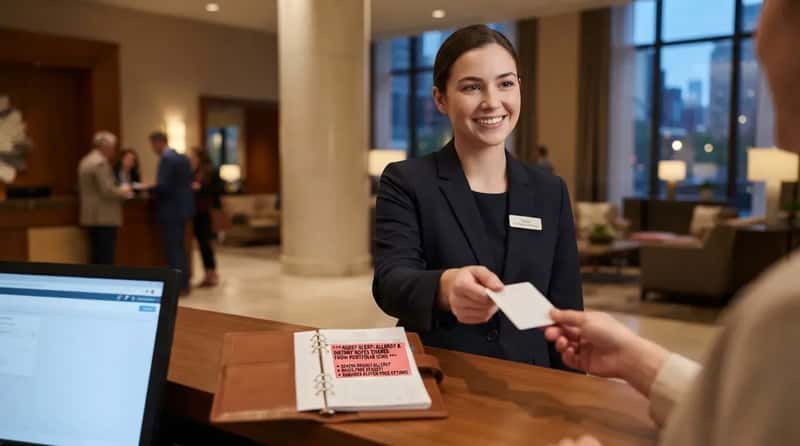
This is the one that catches frequent travelers off guard. If you’ve stayed at one hotel inside a brand’s portfolio, your allergy and dietary notes can follow you to a completely different property in a completely different state.
This matters more than most people realize. Roughly 32 million Americans live with food allergies, according to Food Allergy Research & Education, which makes shared allergy notes a genuine safety feature, not just a convenience. A shared profile means you shouldn’t have to explain your allergy at every single check-in.
Fast Facts
- The FDA recognizes nine major food allergens: milk, egg, peanut, tree nuts, wheat, soy, fish, shellfish, and sesame.
- Sesame became the ninth officially recognized major allergen in the U.S. starting January 1, 2023.
- Allergic reactions can appear within minutes, which is why staff treat these notes as urgent rather than optional.
- A properly logged allergy note can travel with you to any hotel inside the same brand family.
#18 – A Handwritten Note Is Waiting Before You Even Unpack
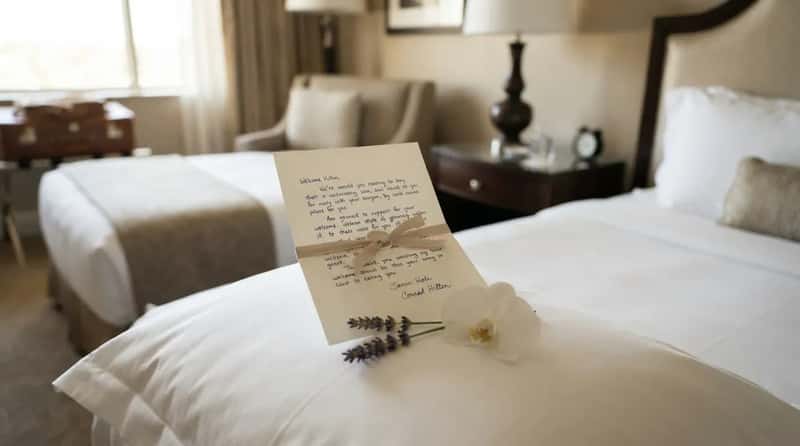
It looks spontaneous, but it almost never is. A short handwritten note waiting on the pillow or the desk is one of the most deliberately scripted touches in the entire industry.
The little things are the big things.
Conrad Hilton
That single sentence sums up why so many brands train staff to trigger a personal note specifically for repeat guests. It feels like kindness. It’s actually a step in a loyalty playbook you were never meant to notice.
#17 – Your Name Gets Read Out Loud In A Morning Staff Meeting

Here’s the part most guests never expect: your name might get discussed before your car even pulls into the lot. Many hotels run daily operations meetings covering VIP arrivals, repeat guests, and pending special requests for the day ahead.
Front desk, housekeeping, room service, and management can all walk away from that meeting knowing you’re coming. A handful of employees you’ll never personally meet may already know exactly what you like before you’ve had your morning coffee.
#16 – Your Go-To Snack Or Drink Gets Restocked Before You Ask

Order the same room service item three stays in a row and someone on staff has probably noticed. Guest profile systems are built specifically to catch patterns like a favorite wine, a preferred snack, or an extra blanket you always request.
The goal is to skip the request entirely and let the surprise do the talking. Most guests assume this kind of thing is a lucky coincidence. It’s actually a tracked pattern, logged the first time you asked and quietly repeated every time after.
#15 – Your Room Temperature Is Set Before You Walk In
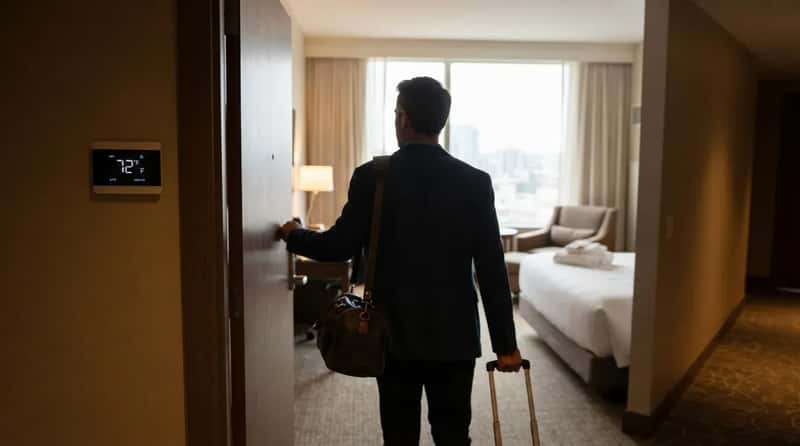
This is one of the quietest comforts hotels have perfected. Temperature preference is now a standard field in most digital check-in forms, collected alongside pillow choice and dietary notes before you ever arrive.
Housekeeping and engineering teams use that note to pre-set the thermostat ahead of your arrival. Frequent travelers say it’s often the first thing they notice – the room already feels right the second the door opens, no fumbling with the dial required.
#14 – You Quietly Get The Same Room Back When It’s Available

Plenty of guests assume room assignment is random. For repeat stays, it usually isn’t. Stay history helps hotels flag you as a returning guest, and room preference notes mean you’re often slotted back into your familiar room without ever asking.
This is actually a mild point of tension inside the industry. Some revenue managers argue holding a specific room for one guest costs money on high-demand nights, but most properties still do it anyway – a familiar room number builds more loyalty than a slightly better rate ever could.
Quick Compare
- Returning guest: often reassigned to the same room number automatically, based on a stay-history flag.
- First-time booker: assigned strictly by availability and rate class, with no preference weighting.
- Returning guest: floor, view, and quiet-zone notes get checked before the room is locked in.
- First-time booker: preferences only apply if specifically requested at booking or check-in.
#13 – Loyalty Perks Get Applied Before You Mention Your Status
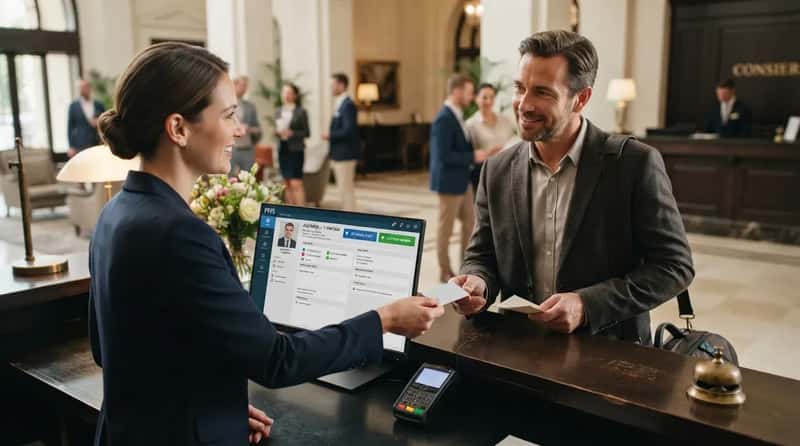
Loyalty tiers aren’t just point balances sitting quietly in an app anymore. Many cloud-based hotel systems use color-coded flags right on the check-in screen – blue for a returning guest, green for a loyalty member – so staff know instantly who’s in front of them.
Reward balances, special requests, and stay notes are all visible the second you check in. Your loyalty tier is often flagged in color before you’ve said a single word to anyone.
#12 – Staff Say Your Name Before You’ve Introduced Yourself

This one feels personal, and it’s meant to. Mobile hotel software lets staff pull up your reservation on a handheld device, even if they bump into you in the hallway instead of at the desk.
Brands quietly obsess over this detail because of how much it changes the tone of an interaction. Hearing your own name before you’ve offered it turns a transaction into something that feels closer to being remembered by a friend.
#11 – Your Favorite View Gets A Priority Hold Over New Bookings

Frequent travelers often assume the best floors and views go to whoever books first. That’s only partly true. Once your preference is logged, some hotels quietly place a soft hold on similar rooms for you, ahead of brand-new reservations, whenever inventory allows.
This is one of the more debated practices among hotel staff, since it can mean a first-time guest loses out on a room they’d have loved just as much. Regardless of the debate, the pattern holds across most branded properties: familiarity gets rewarded, sometimes at a stranger’s expense.
#10 – Your Do-Not-Disturb Pattern Gets Remembered
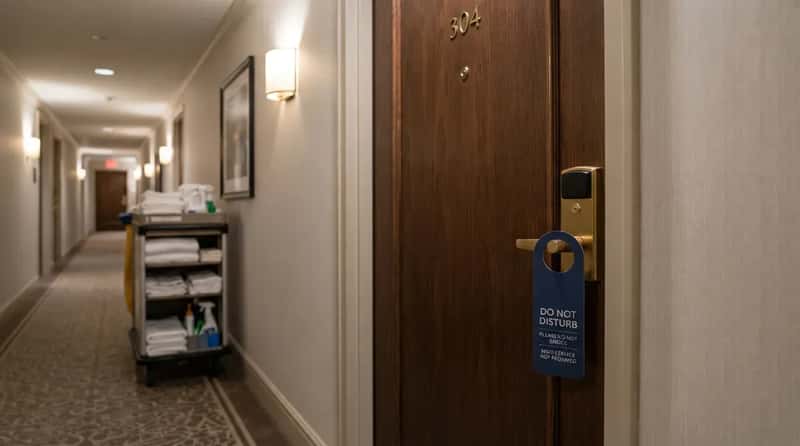
Housekeeping teams increasingly track behavior, not just requests. If you consistently skip daily cleaning or only want service every other day, that pattern often gets noted so staff stop knocking unnecessarily.
It sounds small, but it solves real friction. Guests who’ve had their door knocked on one too many times remember it clearly, and hotels that fix this quietly tend to see it show up in glowing reviews later.
#9 – Dietary Restrictions Reach The Kitchen Before Breakfast Starts

This is one of the more operationally serious items on this list. Special requests logged during booking or check-in get funneled into a shared system, often involving the kitchen for dietary needs and housekeeping for room setup at the exact same time.
Common allergens like nuts, dairy, eggs, shellfish, and gluten get flagged with real urgency, since staff have to treat medical necessities differently than simple preferences. Most guests never see this internal handoff, but it happens well before their first coffee is poured.
Worth Knowing
- Executive chefs often receive a same-morning list of any guests with declared allergies or dietary restrictions.
- Some properties assign one staff member to double-check allergy-safe plates before they leave the kitchen.
- A restriction documented during one stay typically carries forward into every future reservation automatically.
- Kitchen and front-desk systems are often linked so a dietary note never has to be repeated twice.
#8 – Your Language Preference Follows You To Every Interaction
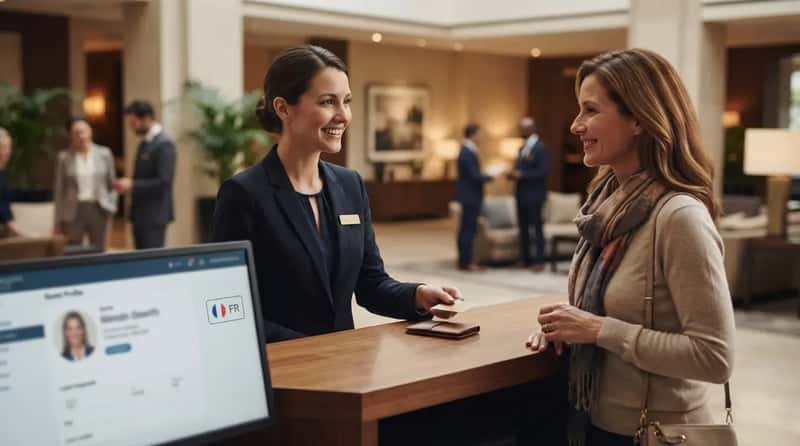
For international travelers, or U.S. guests who simply prefer a specific language, this detail gets logged once and reused every time. Some hotel messaging systems now offer real-time two-way translation so language barriers don’t slow anything down.
This matters more than most guests realize, since it shapes how staff greet you, message you, and troubleshoot problems during your stay. A returning guest’s preferred language often gets pinned to their profile permanently, quietly removing a barrier before it ever comes up again.
#7 – Spa And Restaurant Reservations Get Pre-Suggested From Your History
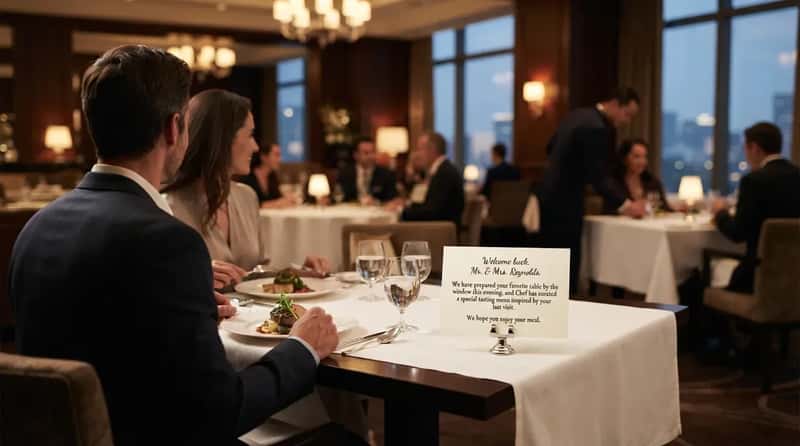
Booking systems increasingly cross-reference your past spending to guess what you’ll want next. For marketing teams, this means sending targeted upsells based on real behavior instead of generic offers blasted to everyone.
Opinions split hard here. Some travelers love the pre-suggested dinner reservation waiting in their inbox, while others find it a little invasive, more targeted advertising than hospitality. Either way, the practice is becoming standard across mid-size and large properties alike.
#6 – Late Checkout Gets Silently Pre-Approved Before You Ask
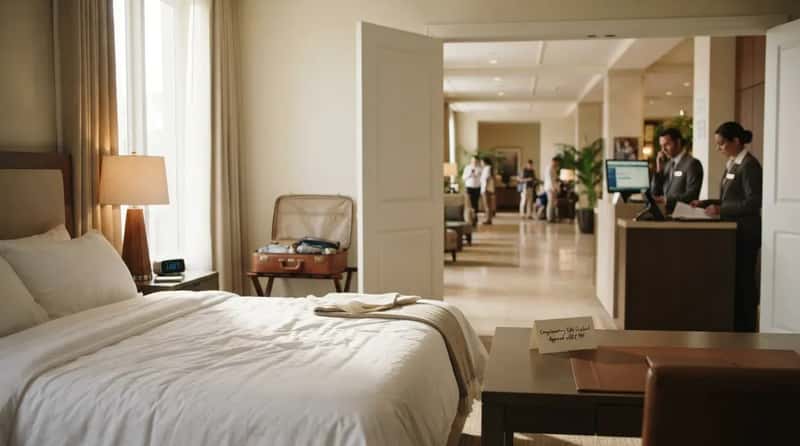
Front desk teams often approve late checkout internally, before you’ve even requested it, based on how you’ve behaved on past stays and how full the hotel is that day. It’s rarely advertised, but insiders describe it as one of the easiest perks to quietly extend.
This is quietly one of the biggest frustrations for first-time guests who ask for the exact same thing and get turned down flat. The uneven treatment isn’t personal, it’s just data-driven, but it creates a two-tier experience most travelers never notice until they’ve stayed somewhere three or four times.
#5 – Your Review History Shapes How You’re Greeted
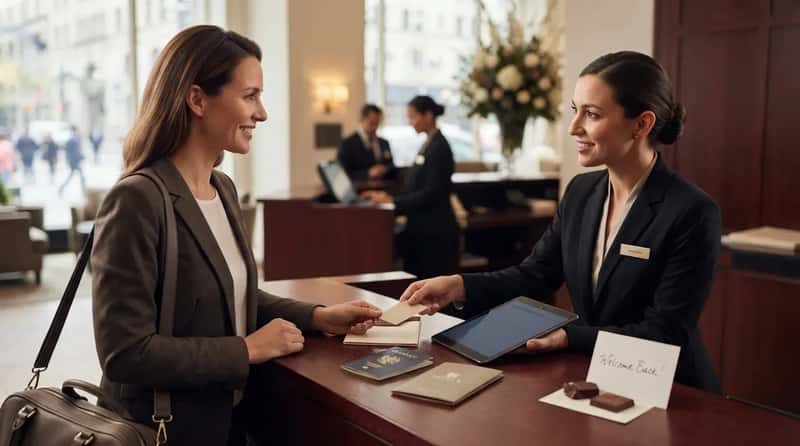
Hotels increasingly track sentiment, not just stay history. Staff who respond to your reviews by name are trained to recognize there’s a real person on the other end, someone whose praise deserves warmth and whose complaint deserves attention.
Guests who left glowing reviews sometimes get quietly flagged for extra attention on their return. Guests with a documented complaint in their file may trigger a more cautious, detail-focused approach from staff before they’ve even checked in.
#4 – A Past Complaint Can Trigger A Quiet Service Recovery Gesture

If your last stay involved a broken AC unit, a noisy hallway, or a late delivery, some properties flag that history and quietly prepare a small gesture for your return, without you ever bringing it up again. It’s less about guilt and more about protecting the relationship.
This is a mildly uncomfortable truth inside the industry: guests who complain sometimes get treated better on their next visit than guests who never said a word. Staying quiet rarely earns the same recovery gesture that speaking up does.
#3 – Marketing Offers Get Personalized Instead Of Blasted

Generic promotional emails are increasingly a thing of the past for returning guests. Hotel systems now tailor offers based on your past behavior and preferences, which means the email in your inbox is rarely the one a first-time guest receives.
Booking source even changes what you’re offered. Guests who book through third-party sites often get nudged toward direct-booking perks, while loyal direct bookers get steered toward upsells built around their history. Same hotel, different guest, different offer.
#2 – A Hotel In A City You’ve Never Visited Already Knows You

This is the detail that surprises frequent travelers the most. When a hotel belongs to a larger portfolio, your guest history and preferences can travel across the entire brand, not just the one property where you originally checked in.
In practice, this means a hotel you’ve never physically set foot in can already know your pillow type, your dietary notes, and your loyalty tier before you arrive. It’s one of the least visible but most powerful shifts in modern hospitality – recognition without a single previous stay at that exact address.
Why It Stands Out
- Your guest profile can sync across hundreds of properties under the same parent brand.
- Loyalty status, pillow type, and dietary notes transfer instantly, even on a first visit to a brand-new city.
- This kind of cross-property recognition used to be reserved for ultra-luxury flagship hotels; now it’s common across mid-scale chains too.
- It means “regular” status can follow you nationwide, not just at the one hotel you consider your usual spot.
#1 – A Manager Personally Reviews Your Arrival The Morning You Show Up

The most surprising item on this entire list isn’t a system or a piece of software, it’s a person. Managers regularly review preferences, prior stays, VIP status, and outstanding notes, then coordinate across departments so the whole team is ready before you check in.
Repeat guest recognition only matters if a hotel actually acts on it, which is exactly why these morning briefings exist. Before your car is even in the parking lot, a manager has likely already said your name out loud in a meeting you’ll never know happened.
None of this requires a five-star budget or a celebrity reputation. It’s built on ordinary software, ordinary notes, and staff trained to actually use both. The strangest part is how invisible the whole system is designed to be – the more a hotel remembers about you, the less it wants you to notice the machinery behind it.
So the next time a hotel gets your pillow, your allergy note, or your favorite floor exactly right without you asking, it’s not charm. It’s a file. What’s the smallest thing a hotel has ever remembered about you without being asked? Drop it in the comments.