Picture two families walking up to the same cruise terminal on the same morning. One glides through in fifteen minutes, drink in hand by noon. The other is still arguing with a Guest Services rep an hour later, sweating through their vacation clothes, wondering why nobody warned them.
The difference almost never comes down to luck. It comes down to a quiet checklist that experienced cruisers finish long before they ever see a gangway – and most of it happens somewhere nobody’s watching.
#22 – They Lock In Online Check-In The Moment The Window Opens
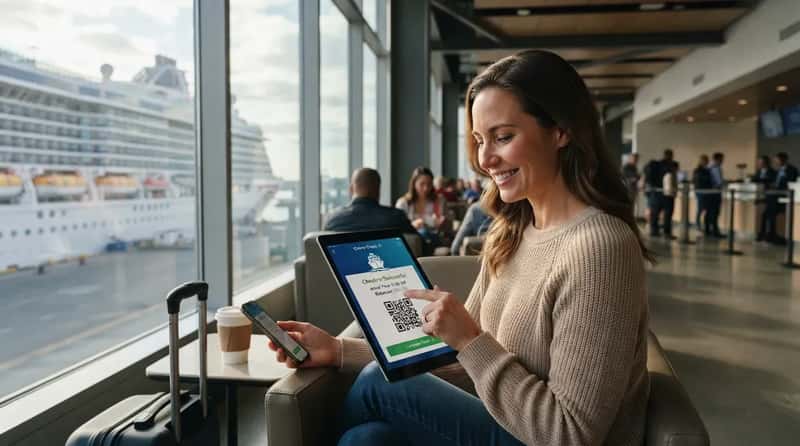
Seasoned cruisers don’t wait until the week of departure to check in. Most major lines open the process well in advance, and skipping it creates real friction at the port. Royal Caribbean, for example, lets guests check in online or through the app up to 45 days before sailing.
Skipping this step doesn’t cancel the cruise, but it does complicate boarding. Passengers who skip it can’t pick an arrival time or set up an onboard account, and instead get stuck showing a QR code repeatedly before they’re allowed to board. Veterans treat this five-minute task like a non-negotiable.
Quick Compare
- Carnival: opens 14 days out, closes at midnight ET the night before sailing
- Norwegian: opens 21 days out, closes 72 hours before departure
- Celebrity: opens 45 days out, closes 3 days before sailing
- Disney: opens 30 days out for first-time guests, even earlier for returning Castaway Club members
#21 – They Screenshot Everything Before Leaving Home
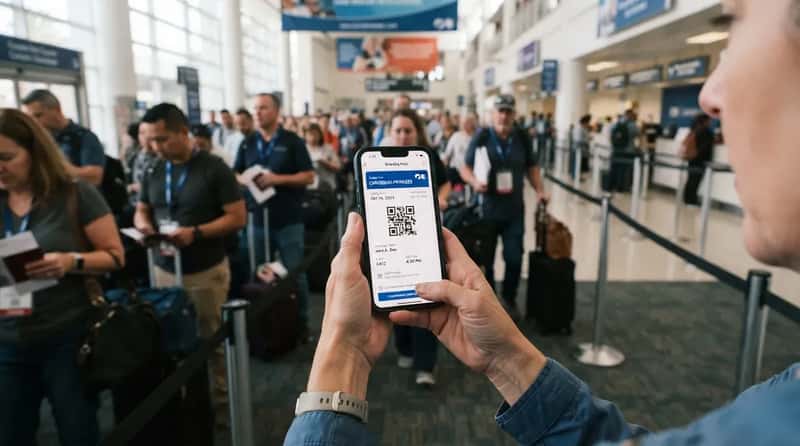
Wifi at cruise terminals is famously unreliable, so experienced travelers never count on pulling up documents live. Boarding passes, passport photo pages, and insurance confirmations get saved as offline screenshots the night before.
This habit sounds minor until a phone loses signal in a packed terminal line. Frequent cruisers treat digital backups as insurance against the one moment they can’t afford a dead connection.
#20 – They Book Specialty Dining Before Anyone Else Even Thinks About It

Specialty restaurants aren’t an embarkation-day decision for people who cruise often. Steakhouses, teppanyaki, and chef’s table experiences fill up fast, and waiting until boarding usually means settling for a bad time slot or missing out entirely.
This is one of the more controversial habits among cruisers – some argue reserving dinner before you’ve even left home kills the spontaneity of vacation. But repeat cruisers see it differently; they’re protecting the one splurge meal the whole trip was planned around.
#19 – They Reserve Spa Time Before The Ship Leaves The Dock

Thermal suites and spa treatments book up almost as fast as dinner reservations. Veteran cruisers know the best slots – sea days, sunset hours – disappear within the first day reservations open.
Waiting until boarding day often means getting stuck with an early morning or late-night slot nobody else wanted. For cruisers who planned the entire trip around relaxing, that mismatch is the difference between a great vacation and a mediocre one.
#18 – They Buy The Drink Package Before Stepping Onto The Pier

Pricing on drink packages typically climbs the closer you get to sail date, and walking up at the port is almost always the most expensive way to buy one. Frequent cruisers lock in pricing months ahead instead of deciding at check-in.
It’s a small line item that adds up fast. On a week-long sailing, waiting until boarding can mean paying noticeably more per day for the exact same package that was cheaper online weeks earlier.
#17 – They Learn The App Before They Need It

Nearly every major line pushes passengers toward its own app, and seasoned cruisers open it long before boarding day instead of fumbling with it in a crowded terminal. It becomes one of the most-used tools onboard, from check-in through the last night of the cruise.
Before setting foot on the ship, the app lets guests complete online check-in, review booking details, and often select a port arrival time. Learning the interface early means one less thing to figure out on the busiest day of the trip.
#16 – They Deliberately Avoid The Two Busiest Boarding Windows
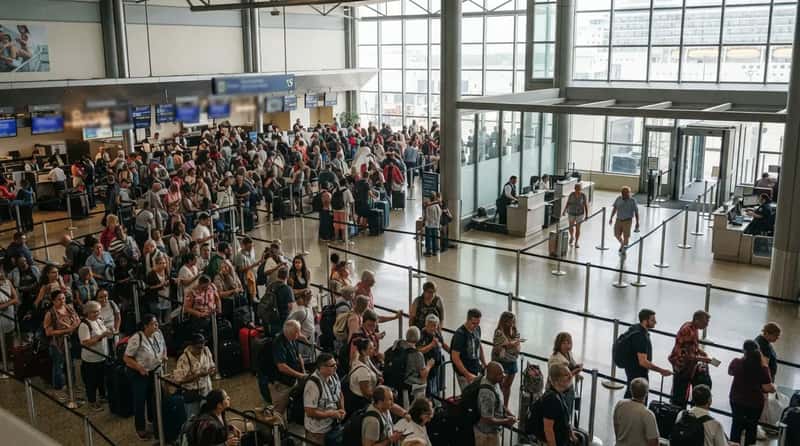
Most first-timers assume earlier is always better. Experienced cruisers know that’s a trap – the 11 a.m. rush and the 2 p.m. wave are consistently the busiest, and noon to 1 p.m. is often the sweet spot instead.
Showing up right when the terminal opens usually means standing in the longest line of the day alongside every other eager first-timer. Veterans deliberately pick the “boring” middle slot because it’s genuinely the calmest one.
Fast Facts
- Regular check-in at most terminals begins around noon
- Noon to 2 p.m. is consistently the busiest window of the day
- Arriving right before noon or after 2 p.m. usually means a noticeably shorter wait
- Most lines require guests onboard one to two hours before departure, no exceptions
#15 – They Pack A Separate Bag For The First Few Hours

Checked luggage doesn’t magically appear in the cabin the second you board, and that surprises a lot of new cruisers every single sailing. Bags often don’t arrive until late afternoon, so everything needed for the first four or five hours has to go in a carry-on.
Seasoned travelers build this bag with intention: a change of clothes, chargers, and anything they’ll want before dinner. Skip this step and you’re wandering the ship in travel clothes for half the day.
#14 – They Keep Medications And Valuables On Their Body, Not In Checked Bags
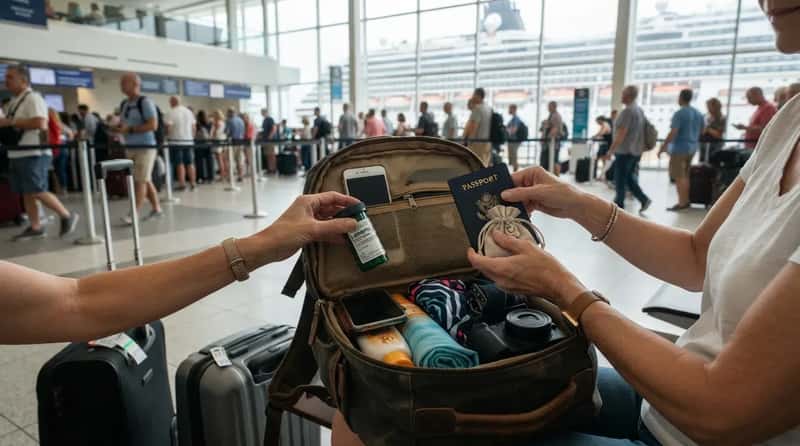
Documents, prescriptions, jewelry, and electronics never go into a suitcase that’s handed off to a porter. Frequent cruisers keep anything they’ll need before the room opens – sunscreen, swim gear, valuables, electronics – in a carry-on instead.
This isn’t paranoia, it’s practical math. Checked bags can take hours to arrive, and nobody wants to go that long without blood pressure medication or a passport.
#13 – They Download Entertainment Before Boarding, Not After
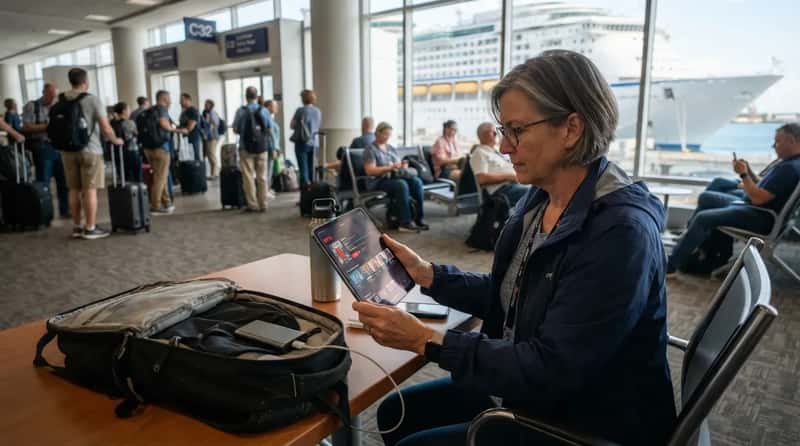
Ship wifi has a reputation for being slow and expensive, and veteran cruisers plan around that instead of fighting it. Podcasts, audiobooks, or shows downloaded ahead of time provide entertainment without burning through a data package.
It’s a small habit that saves real money over a week-long sailing. People who skip it often end up paying premium prices just to stream something they already had access to at home.
#12 – They Watch The Safety Video Before Anyone Makes Them
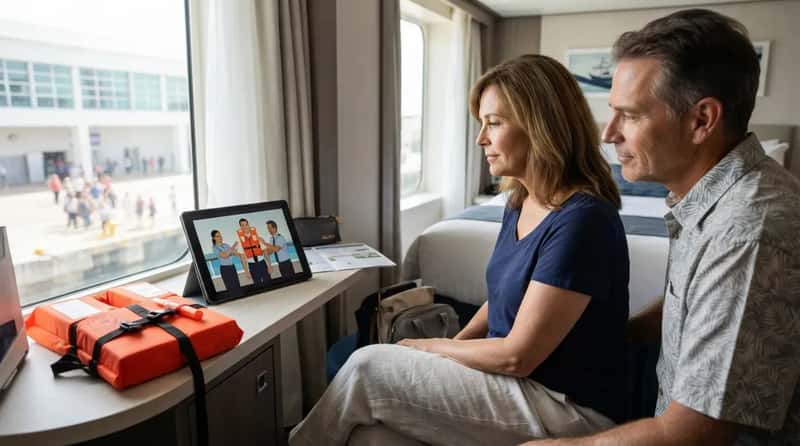
The muster drill isn’t optional on any sailing, and repeat cruisers already know the format before boarding. Under international maritime law, every passenger on every cruise must complete the ship’s safety drill after boarding and before setting sail.
Many lines now offer a version to preview digitally ahead of time. Modern muster drills are much easier than they used to be and often take only a few minutes – knowing what’s coming just means less standing around confused on day one.
Worth Knowing
- International maritime law requires every passenger to complete a safety drill before the ship can leave port
- Many lines now let guests preview the safety video in the app days before boarding
- On most modern ships, the actual drill itself takes just a few minutes
#11 – They Set Up The Onboard Account Before They’re Standing At Guest Services
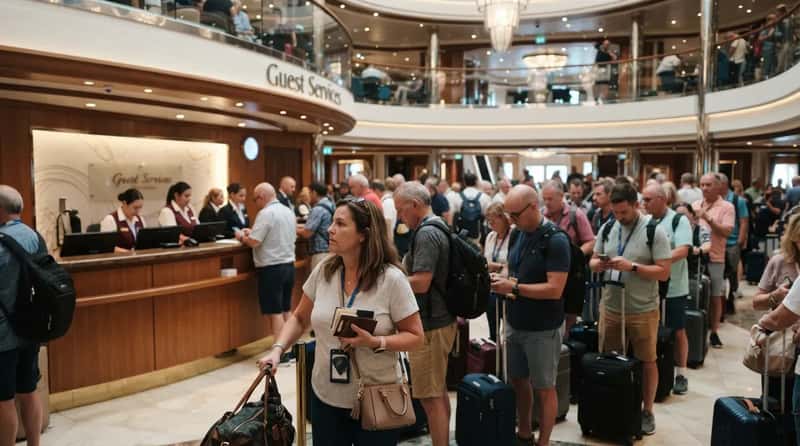
Attaching a credit card and setting spending preferences is a five-minute task online, or a frustrating line at Guest Services on day one. Experienced cruisers always choose the former.
This step also lets them set daily spending alerts or link a second traveler’s card in advance. Waiting until boarding just adds another stop to an already long list of embarkation-day errands.
#10 – They Triple-Check Passport Expiration Dates Weeks In Advance
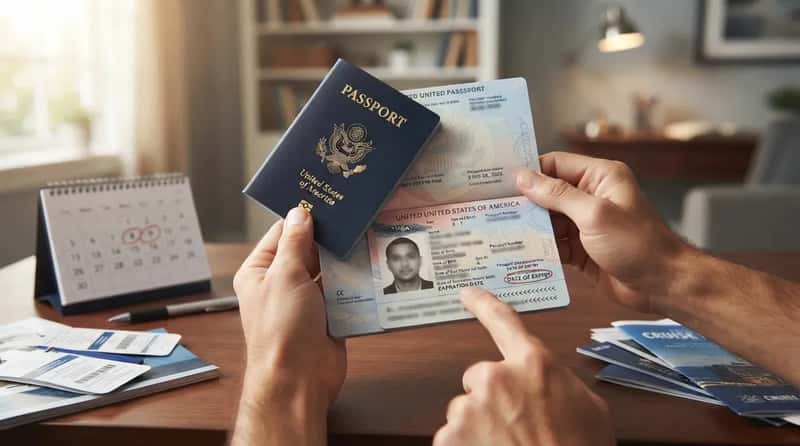
This is one of the quietest cruise-killers out there. Many countries require passports valid for six months beyond the travel dates, and a passport that’s “almost expired” is enough to deny boarding entirely.
Veteran cruisers check this the moment they book, not the week before. It’s unglamorous, but it’s also the single most preventable reason someone gets turned away at check-in.
#9 – They Buy Travel Insurance Before Anything Can Go Wrong
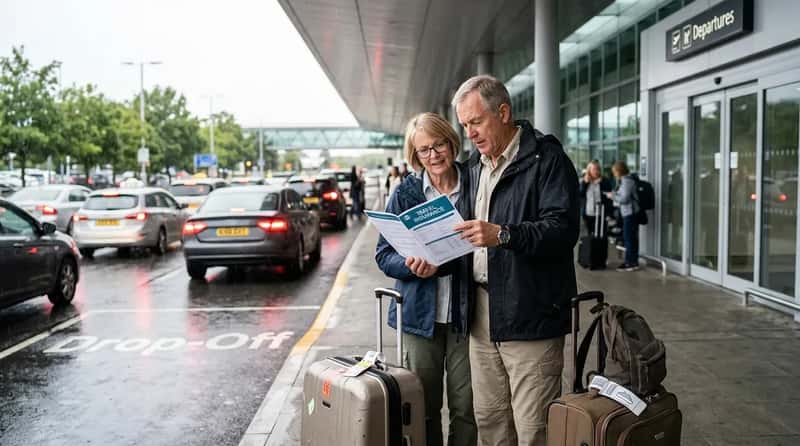
Frequent cruisers treat travel insurance as a cost of doing business, not an upsell to skip. It can cover additional expenses from travel delays, which is worth checking before departure.
With flight delays becoming more common, this step has grown more important, not less. Check-in times may seem flexible on paper, but they’re designed for a smooth boarding process, and delays have only gotten more common in recent years.
#8 – They Fly In A Day Early Instead Of Cutting It Close

This is one of the most quietly controversial habits among veteran cruisers – many refuse to book a same-day flight into the port city, even when it’s cheaper and more convenient. They’ve seen too many delayed flights turn into missed cruises.
Booking a hotel the night before adds an extra expense, but it removes the single biggest risk factor on the entire trip. For anyone who’s watched a flight get cancelled on departure morning, the math becomes obvious fast.
#7 – They Tag Luggage The Night Before, Not The Morning Of
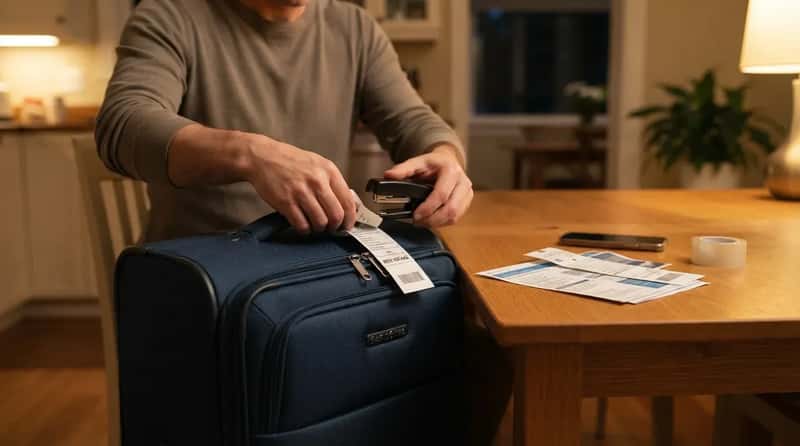
Fumbling with luggage tags curbside is a rookie move. Experienced cruisers attach tags before leaving home, either stapling paper ones or using waterproof versions so nothing falls off or tears in transit.
This sounds minor, but a lost or mistagged bag can mean it doesn’t reach the right cabin – or the right ship – at all. Doing it calmly at a kitchen table the night before avoids that entire headache.
#6 – They Keep Small Bills Ready For Porters

Curbside porters aren’t cruise line employees, and seasoned cruisers never assume tipping is automatically included. A dollar or two per bag, adjusted for weight and size, is the norm.
Showing up without cash means either skipping the tip or scrambling for an ATM inside the terminal. Veterans just keep a small stack of ones in an easy-to-reach pocket instead.
#5 – They Book Shore Excursions Independently, Not Through The Ship

This is a genuinely divisive habit. Ship-sponsored excursions guarantee the boat won’t leave without you if something runs late, but many experienced cruisers argue they’re overpriced compared to booking the same tour independently.
Doing the research ahead of embarkation day – instead of scrolling options at a hallway kiosk – gives cruisers time to compare reviews and pricing properly. It’s a small act of homework that can save real money over a multi-port itinerary.
#4 – They Link Their Loyalty Number Before It’s Too Late To Fix
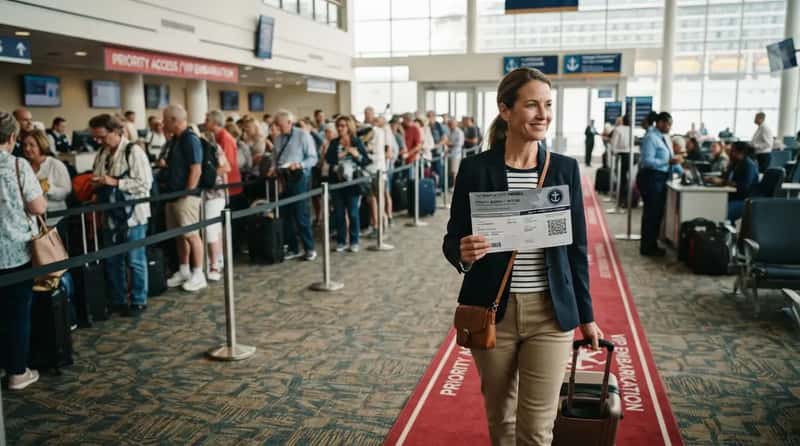
A loyalty number that isn’t attached to a booking in advance can mean missing out on perks that are otherwise automatic – priority boarding among them. VIPs and suite passengers in particular often get skip-the-line access or early embarkation.
Fixing this at the terminal is possible but often slow and inconsistent. Cruisers who’ve been burned once make sure the number is attached the same day they book.
#3 – They Study The Deck Plan Before They Ever See The Gangway

Knowing where the muster station, cabin, and main dining room sit relative to each other saves real time on a ship carrying thousands of people. Today’s cruise ships move so many passengers that the whole turnaround process runs longer and more complex than boarding a plane.
Veteran cruisers pull up the deck plan days ahead, not while standing confused in a hallway. It’s a small habit, but it turns the first disorienting hour onboard into a non-issue.
#2 – They Keep Physical And Digital Copies Of Every Document – In Separate Bags
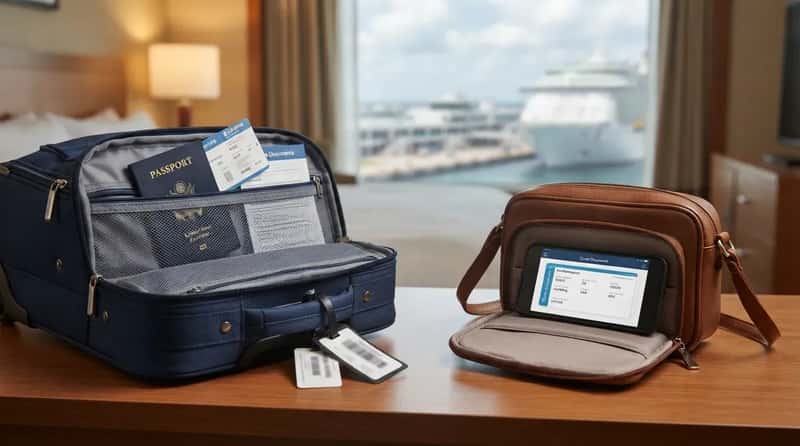
This one sounds excessive until it saves a trip. Passports, boarding passes, and insurance paperwork get duplicated – one physical copy in a carry-on, one digital copy saved offline – and the two never travel in the same bag.
If one bag gets misplaced curbside or a phone dies at the worst moment, the backup is already covered. It’s a small redundancy that experienced cruisers treat as completely non-negotiable.
#1 – They Treat The Boarding Cutoff As Absolute, Not A Suggestion
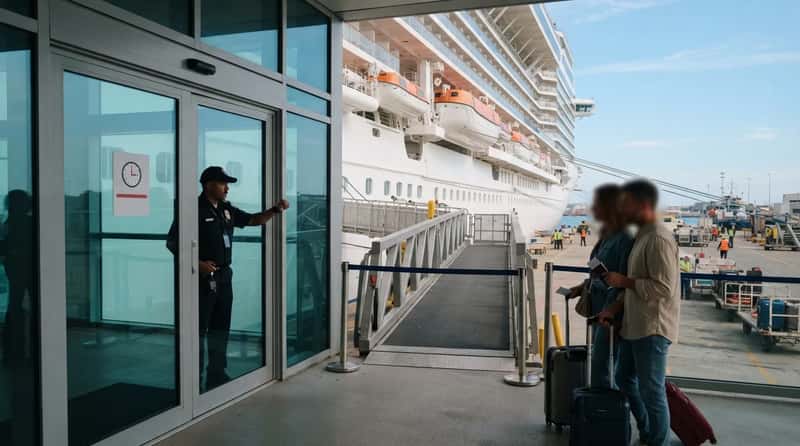
This is the habit that separates veterans from everyone else, and it’s rooted in a hard truth: ships have strict boarding times and will leave without you. Missing the deadline can mean missing the entire cruise, since the boarding window closes much earlier and far more rigidly than most people expect.
The confusion usually isn’t laziness – it’s a misunderstanding of the timeline. Many first-timers assume sail-away time is the deadline, but boarding has typically closed hours before the ship actually pulls away from the pier. Seasoned cruisers build in extra time specifically because they’ve heard the horror stories, or lived one themselves.
At a Glance
- Final boarding cutoff is typically one to two hours before scheduled departure
- Guests who skipped online check-in are often required to arrive a full two hours early instead
- Missing the cutoff by even a few minutes can mean missing the ship completely
None of these habits are flashy, and most take less than ten minutes each. But stacked together, they’re the real reason some travelers glide through embarkation day while others spend it stressed, sprinting, or standing in the wrong line.
The pattern is simple: seasoned cruisers front-load the boring work so the exciting part – actually being on vacation – starts the second they step onto the gangway. Which of these did you already know, and which one are you adding to your list before your next sailing?