Most people assume long-distance train travel is just “buy a ticket, show up, and relax.” Regulars know that’s the tourist version of the story. The riders who do this trip every month have quietly built a private rulebook that separates a smooth 30-hour journey from a miserable one, and almost none of it is written on Amtrak’s website.
What looks like luck to first-timers – the good roomette, the seat with the outlet, the dinner reservation that doesn’t run out of the good entrée – is almost never luck. Here’s what the regulars actually do before those doors close for good.
#23 – They Book The Room Before They Book The Trip
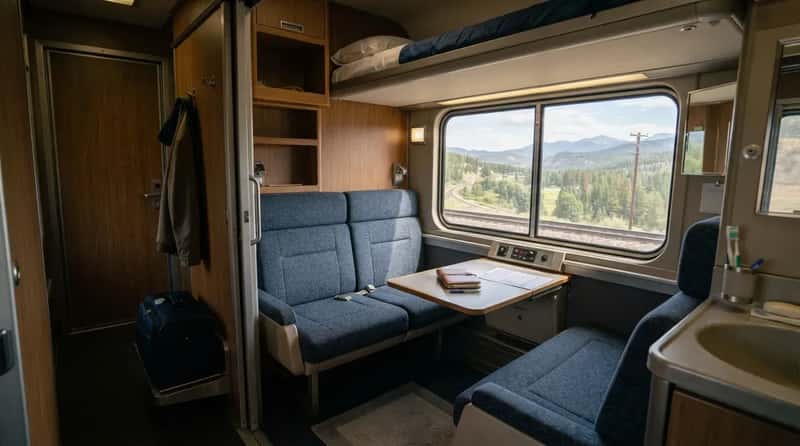
Casual travelers pick their travel dates first and worry about accommodations later. Regulars flip that order completely, because they know sleeper inventory disappears long before coach seats do.
Sleeper rooms are limited and often sell out quickly, especially during peak travel seasons, which means the actual bottleneck on a long-distance train isn’t the train itself – it’s the handful of roomettes and bedrooms attached to it. Regulars build their whole itinerary around room availability, not the other way around.
#22 – They Pick A Side Of The Train On Purpose
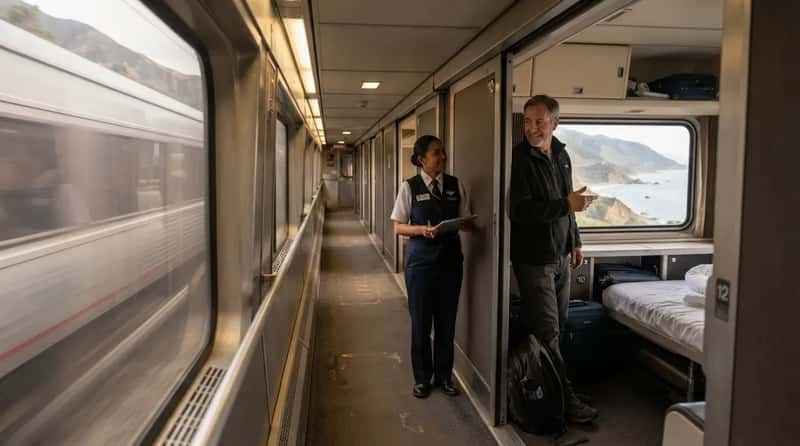
Nobody boards randomly – regulars know exactly which side of the sleeper car they want before they step on.
On most sleeper configurations, if your sleeper car is at the front of the train, the roomette side typically faces the locomotive, and if your car is at the rear, the bedroom side faces forward instead. That single detail changes which direction you’re facing for hours of mountain or coastline scenery. Casual riders shrug it off; regulars ask the attendant before they even sit down. But that’s nothing compared to what we found about #21…
#21 – They Never Assume A Room Swap Is Guaranteed
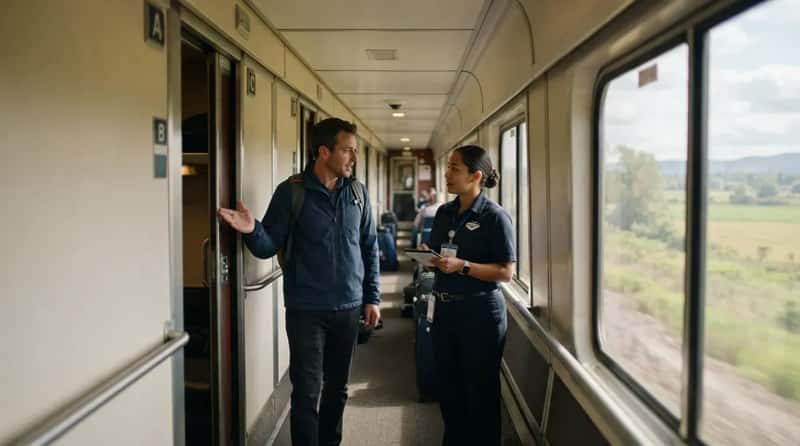
New riders think switching rooms mid-trip is as easy as asking nicely. Regulars know it’s a gamble that rarely pays off.
Sleeper rooms sell out fast, and a room that’s open when you board may not stay available for the rest of the journey. So the smart move is asking the attendant immediately at boarding, not three states later, when the “better” room has already been claimed by someone faster.
#20 – They Download The App Before The Train Leaves The Station
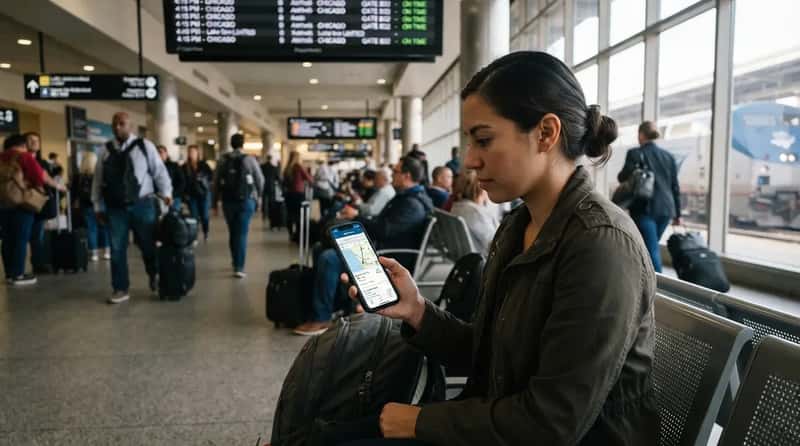
Most first-timers don’t even think about their phone until something goes wrong. Regulars have the Amtrak app open before they’ve found their gate.
Long-distance departures shift constantly, so it pays to download the Amtrak app and enable “Trip Updates & Status” in settings, which delivers real-time gate information and arrival updates. That one habit saves regulars from standing in the wrong terminal while everyone else scrambles.
#19 – They Choose The Roomette Over The Coach Seat, Even When Money Is Tight
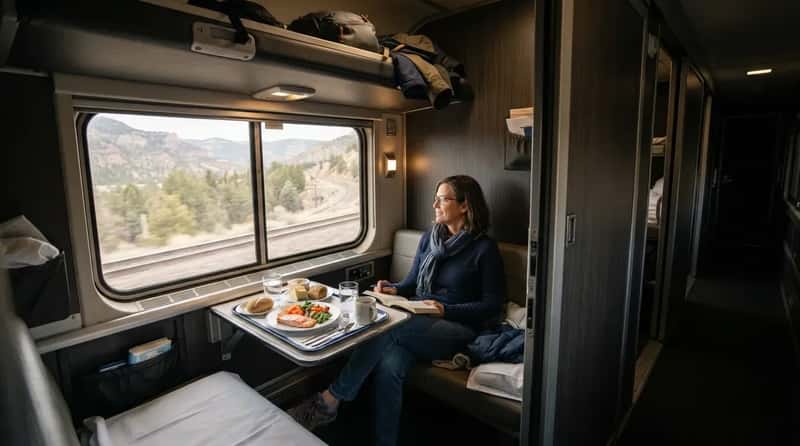
Plenty of travelers assume coach is the “smart” budget choice. Regulars disagree, and loudly.
The math changes once you factor in what’s actually included. Sleeper passengers typically receive complimentary meals in the dining car, so on a two-day route, that’s six meals essentially bundled into the fare. Regulars treat the roomette as a food-and-lodging package, not just a bed, which is exactly why they rarely blink at the price difference.
Quick Compare
- Roomette: private room, meals included, priority boarding, lounge access
- Coach seat: lower base fare, no included meals, general boarding line, no lounge access
- Bottom line: regulars price the roomette against a hotel-plus-restaurant tab, not just a plane ticket
#18 – They Skip The Line With Priority Boarding On Purpose
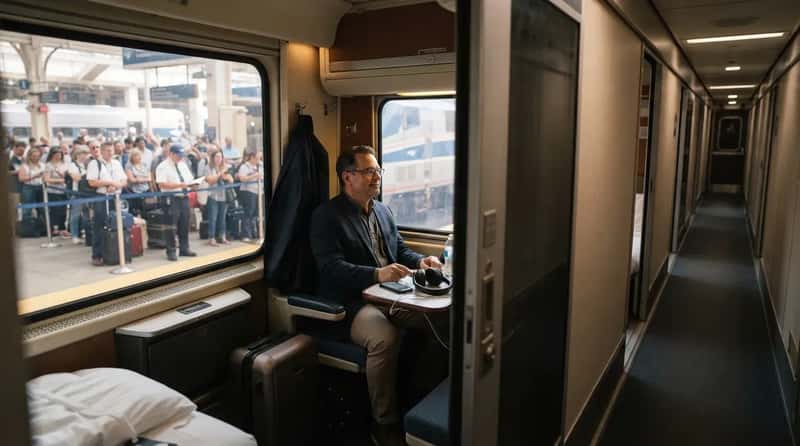
Casual riders wait in the general boarding crowd out of habit. Regulars know that’s the one line they never have to stand in.
Sleeper tickets come with priority boarding, meaning you can board earlier than coach passengers and get settled into your room before departure. Regulars use those extra minutes to unpack, claim outlets, and get their bearings before the coach rush even hits the platform.
#17 – They Treat The Metropolitan Lounge Like A Free Airport Lounge
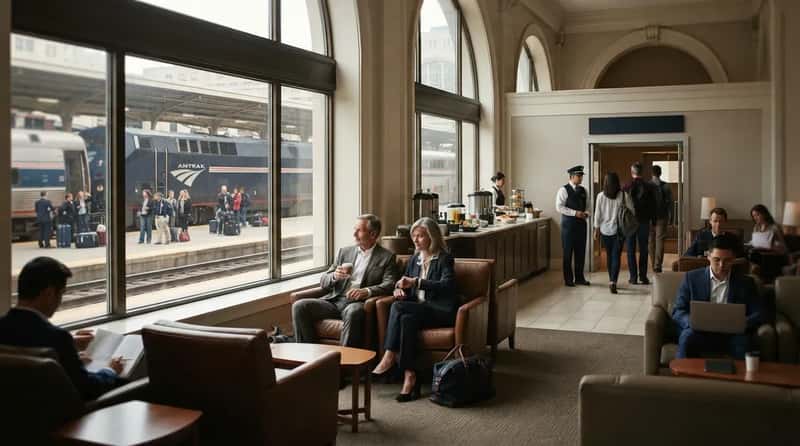
Most travelers walk right past the quiet lounges at major stations without a second glance. Regulars practically live in them before departure.
Sleeper passengers get access to Amtrak’s Metropolitan Lounges at select stations, complete with comfortable seating, refreshments, and their own priority boarding line. It’s a small perk that most coach travelers never learn exists, and regulars aren’t in a hurry to advertise it either.
#16 – They Never Bother Locking Their Compartment
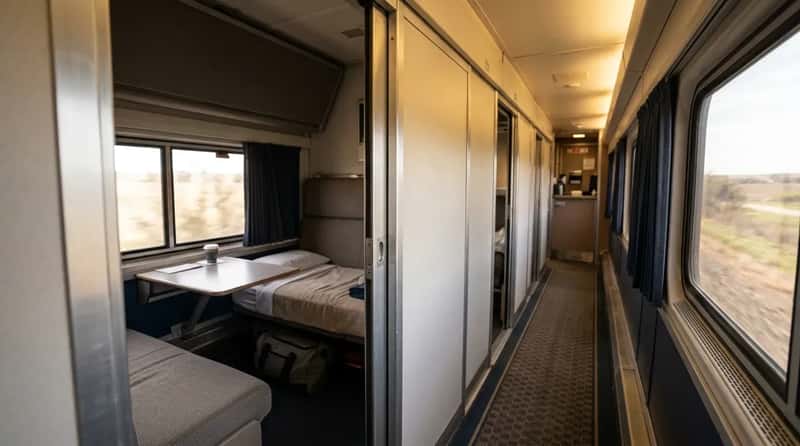
First-time riders, especially anyone used to European sleeper trains, often panic when they realize their door doesn’t lock. Regulars don’t think twice.
Amtrak sleeper rooms genuinely have no lock on the outside, so when you leave for the dining car, café, or observation lounge, your compartment stays unlocked. The car attendant keeps an eye out for stray visitors, and Europeans used to keycard-locked compartments are usually a little flustered at first. Regulars just tuck valuables out of sight and move on with their trip.
#15 – They Request Special Meals Days In Advance, Not At The Table
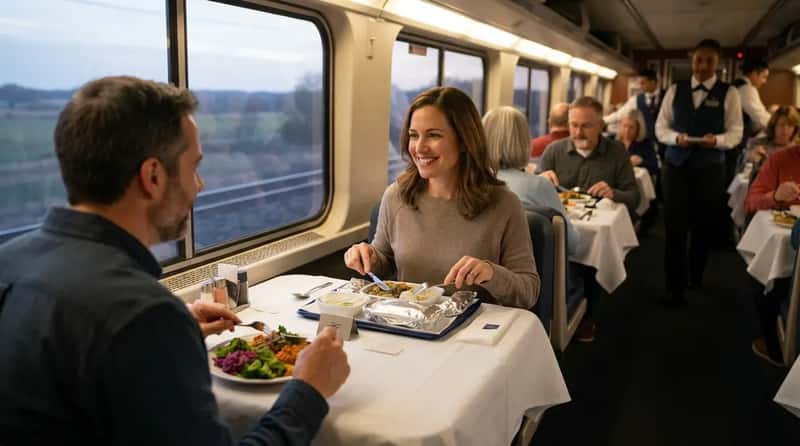
Travelers with dietary restrictions who wait until dinner service are setting themselves up for disappointment. Regulars call ahead.
Kosher meals must be ordered at least 72 hours in advance by calling 1-800-USA-RAIL. Vegan meals are more flexible and don’t technically require notice, but since quantities are limited, regulars still flag their preference early to lock it in.
Fast Facts
- Kosher meals: order at least 72 hours ahead via 1-800-USA-RAIL
- Vegan meals: no formal notice required, but supplies are limited
- Other dietary needs: flag them with the attendant on day one, not at the table
#14 – They Order Their Favorite Dish On Day One, Not The Final Stretch
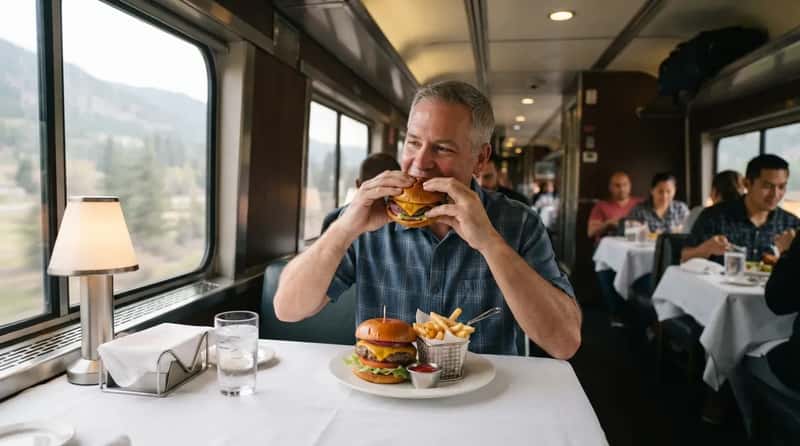
New riders assume the dining car menu stays fully stocked the whole trip. Regulars know better, and they order strategically.
Popular items genuinely run out before the route ends. Some long-distance trains run low on specific dishes as they near the final destination, so regulars ask for their favorite early instead of waiting. By hour thirty, that cheeseburger might just be a memory someone else already ordered.
#13 – They Know Exactly When The Café Car Closes
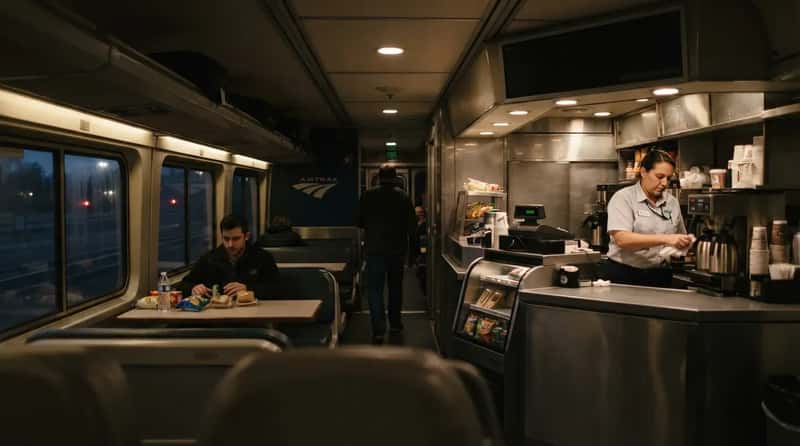
Hungry travelers who assume snacks are available around the clock are in for a rude surprise somewhere around midnight.
The café car stays open to all passengers throughout the trip, but it closes overnight and during meal service. Regulars stock up before those windows close instead of wandering the corridors at 1 a.m. looking for a vending machine that doesn’t exist.
#12 – They Choose The Lower-Level Coach Seat When Sleepers Are Sold Out
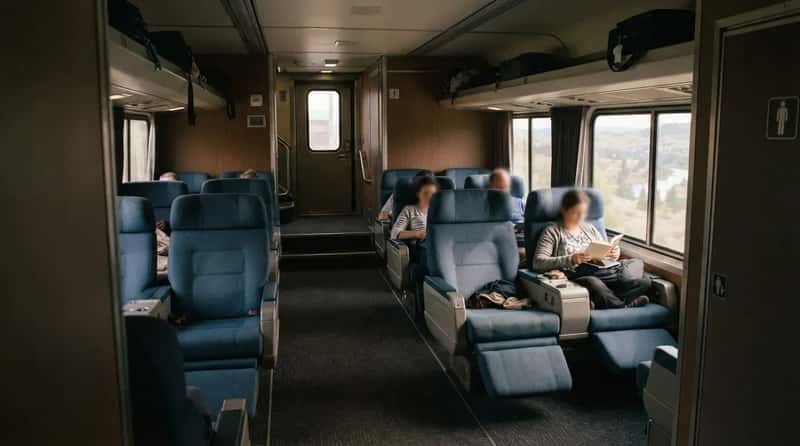
Most travelers grab whatever coach seat comes up first. Regulars know one specific seating zone is quietly better than the rest.
The lower level is the industry’s worst-kept secret. If a roomette or bedroom is out of reach on a Superliner, regulars aim for a lower-level coach seat instead, since there are only twelve seats down there, it’s noticeably quieter, and the bathroom is a few steps away instead of a hike. But that’s nothing compared to what we found about #11…
#11 – They Never Trust A Room To Stay Locked While They Sleep, So They Sleep Smart
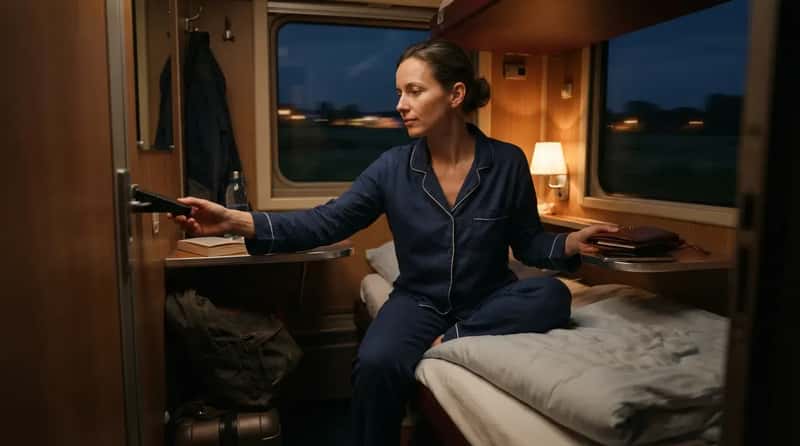
Regulars have a nighttime routine that has nothing to do with the pillow and everything to do with peace of mind.
They tuck valuables into a secure but easily reachable spot in the room and change into loose, comfortable sleep clothes before lights-out. It’s a small, boring habit, but it’s the difference between a restful overnight run and waking up startled every time the train jolts through a rail switch.
#10 – They Skip The Communal Dining Car On Purpose Sometimes
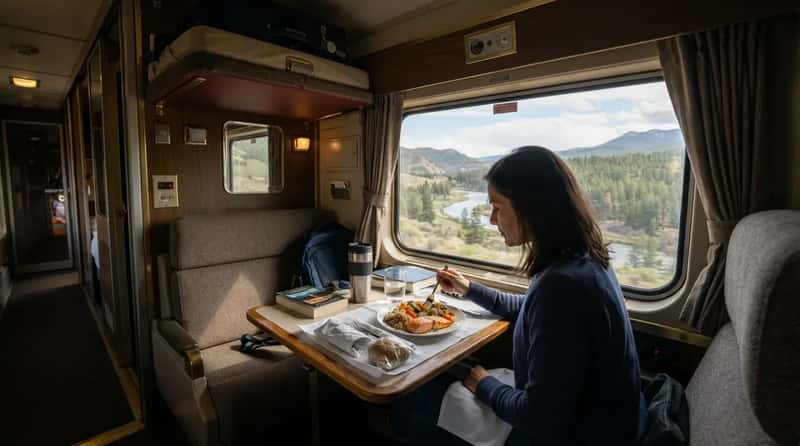
Plenty of riders assume the dining car experience is mandatory. Regulars know it’s optional, and sometimes they’d rather eat alone.
If a rider wants to eat in their private room instead, the car attendant can prepare a to-go meal, plated, wrapped, and packed with drinks included. Regulars treat this as a mood decision, not a rule everyone else seems to think it is.
#9 – They Pick Routes Based On Which Half Of The Country They’re Crossing
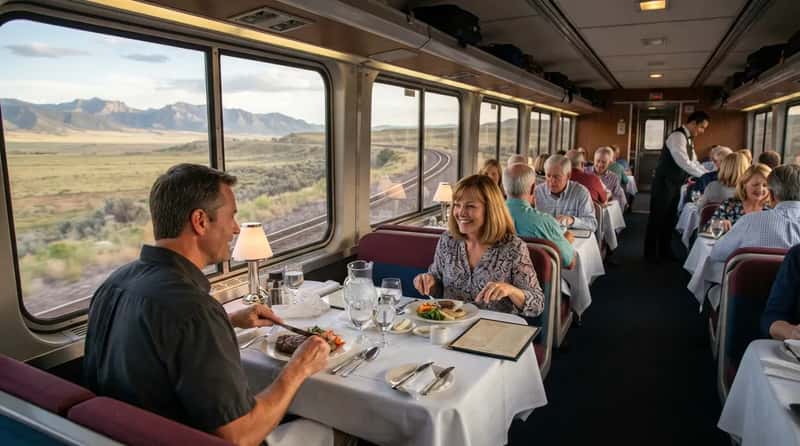
New riders assume every long-distance train works the same way. Regulars know the dining experience literally splits the country in half.
On routes west of the Mississippi – generally trains starting in Chicago or San Antonio and heading west – you’ll find full dining-car service with sit-down meals at set times, including on the California Zephyr, Coast Starlight, Empire Builder, Southwest Chief, Sunset Limited, and Texas Eagle. Regulars pick their route already knowing exactly which dining format they’re signing up for.
#8 – They Order Meals Around Fixed Windows, Not Whenever They’re Hungry
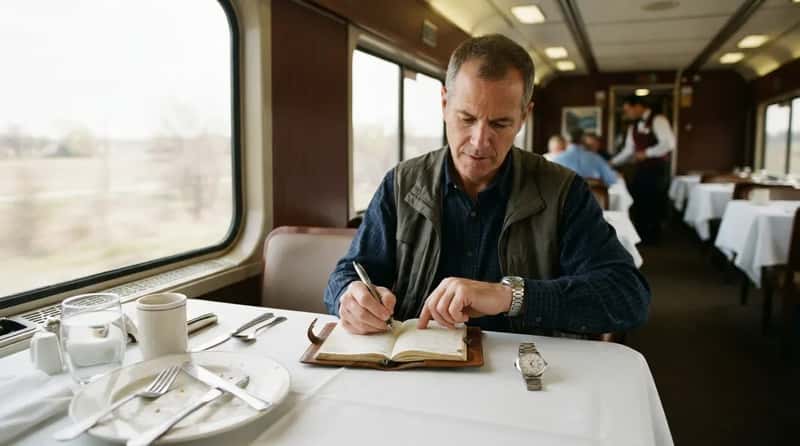
Casual travelers wander toward the dining car whenever their stomach growls. Regulars work around the clock like it’s a job.
Passengers on traditional-dining routes make reservations for lunch and dinner, with breakfast running 6:30–9:30 a.m., lunch 11:30 a.m.–2:30 p.m., and dinner 5:00–9:00 p.m. Miss the window, and you’re stuck with café car snacks until the next one opens.
At A Glance
- Breakfast: 6:30–9:30 a.m.
- Lunch: 11:30 a.m.–2:30 p.m. (reservation needed)
- Dinner: 5:00–9:00 p.m. (reservation needed)
- Miss the window? Café car snacks are the only backup
#7 – They Ask For The Complimentary Drink Instead Of Paying For One
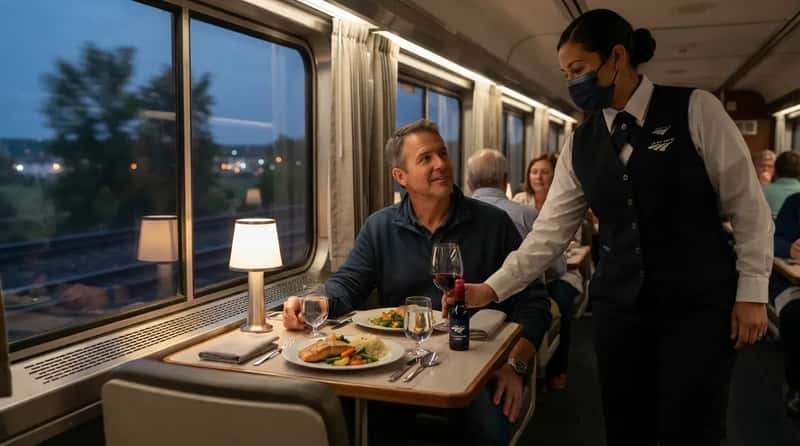
A surprising number of coach and sleeper passengers never realize dinner comes with a freebie attached.
Most riders never even ask. Amtrak offers a complimentary alcoholic beverage with dinner on all long-distance trains, a perk that came bundled in when Flex Dining rolled out system-wide. Regulars know to mention it before the attendant moves on to the next table.
#6 – They Read The Route Before Assuming Dining Will Be The Same The Whole Way
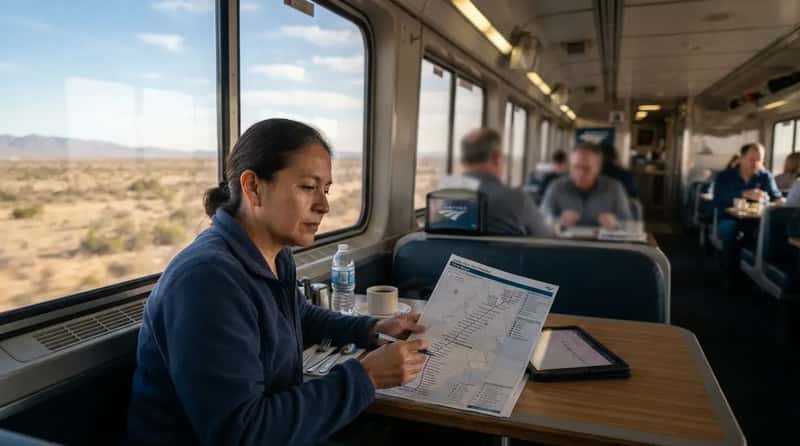
Some travelers get blindsided halfway through a trip when the entire dining format suddenly changes.
Traditional dining runs only between Los Angeles and San Antonio; from San Antonio to Chicago, passengers switch to Amtrak’s Flexible dining instead. Regulars study the segment breakdown ahead of time so the switch never catches them off guard mid-route.
#5 – They Chat Up Their Sleeping Car Attendant Early
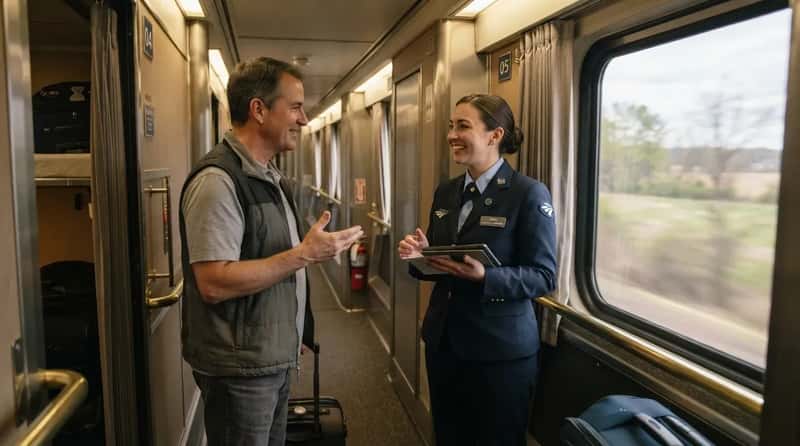
Quiet, standoffish passengers get standard service. Regulars build rapport in the first ten minutes and reap the benefits for the rest of the trip.
The attendant runs your entire overnight experience, handling turndown service, meal timing, and luggage help. A friendly rider who introduces themselves early tends to get better bed timing, quicker meals, and a lot more useful information than someone who stays silent the whole ride.
#4 – They Don’t Panic Over The Roomette’s Size
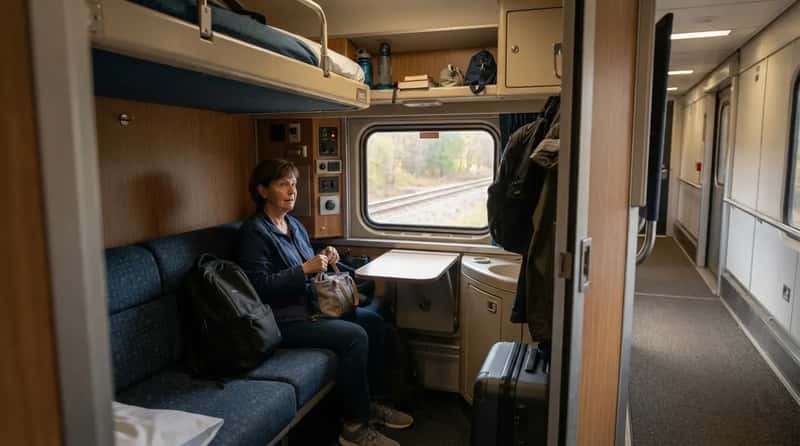
Almost everyone has the same reaction the first time they see a roomette in person, and regulars remember exactly what that felt like.
First-timers arrive at their roomette and audibly gasp at how tight the space is – it’s really built for a solo traveler or a duo comfortable being close together. Regulars stopped being surprised years ago; newcomers still gasp, and honestly, that reaction is basically a rite of passage.
#3 – They Head Straight For The Observation Lounge At Golden Hour
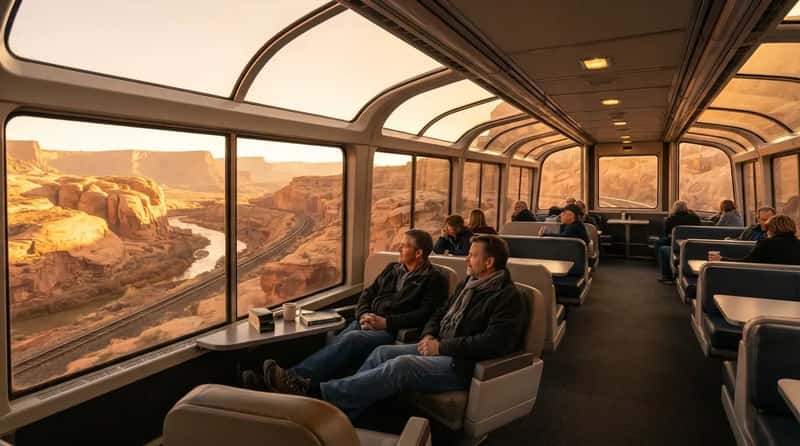
Casual riders stay glued to their seat the whole trip. Regulars know exactly when to relocate for the view everyone else misses.
The Sightseer Lounge and café car are open to all passengers and offer some of the best views on the train. Regulars time their visit for the golden-hour stretch through canyons or coastline, because that’s the window when the scenery quietly becomes the entire reason people take the train instead of flying.
#2 – They Pack Like The Bathroom Is A Shared, Sometimes Distant Resource
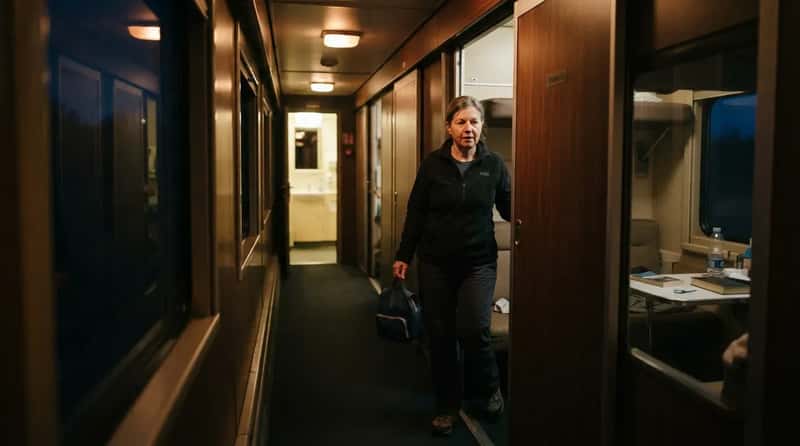
First-timers assume every room has its own bathroom. Regulars know that’s rarely true, and they plan accordingly.
Roomettes offer a fold-down table and easy-reach essentials, but no private bathroom; bedrooms, by contrast, come with a sink, vanity, and enclosed toilet and shower. Regulars in a roomette pack a small grab-and-go toiletry bag, because the shared restroom down the hall isn’t always empty when nature calls at 3 a.m.
Worth Knowing
- Roomette: fold-down table, no private bathroom, shared restroom down the hall
- Bedroom: private sink, vanity, enclosed toilet and shower
- Both: daytime seating that converts into beds at night
#1 – They Choose The Overnight Sleeper Over Flying, Even When It Costs More
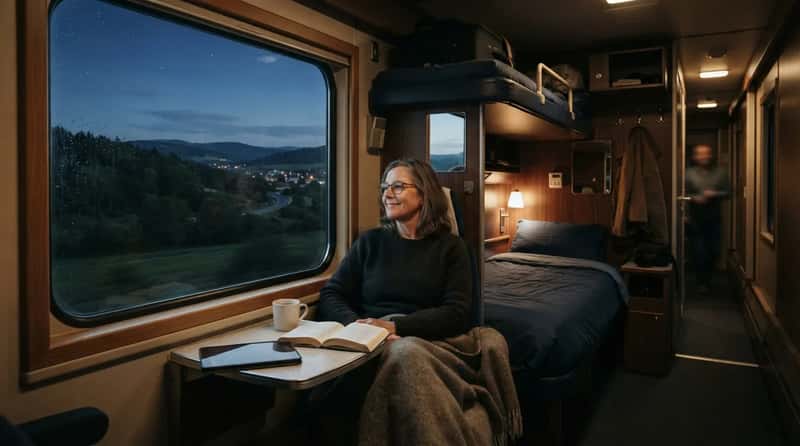
This is the decision that separates true regulars from everyone else, and it’s rarely about the destination at all.
It’s the one choice they never regret. Between the included meals, the priority boarding, the lounge access, and a private room where the scenery becomes part of the trip instead of a blur out a tiny window, longtime riders treat the overnight sleeper as the whole point of traveling this way. Coach gets you there. The roomette is why they keep coming back, and some regulars will tell you flat out that flying the same route, even cheaper and faster, feels like skipping the best part of the journey entirely.
None of these decisions are secret, exactly. They’re just the small, boring habits nobody writes down until you’ve made the same overnight run a dozen times and learned which corners get cut and which perks quietly disappear if you don’t ask.
Book the room first, learn the dining windows, be kind to the attendant, and don’t wait until hour thirty to order the cheeseburger. Did we miss a habit every rail regular swears by? Drop it in the comments – chances are someone else on that train already does it too.