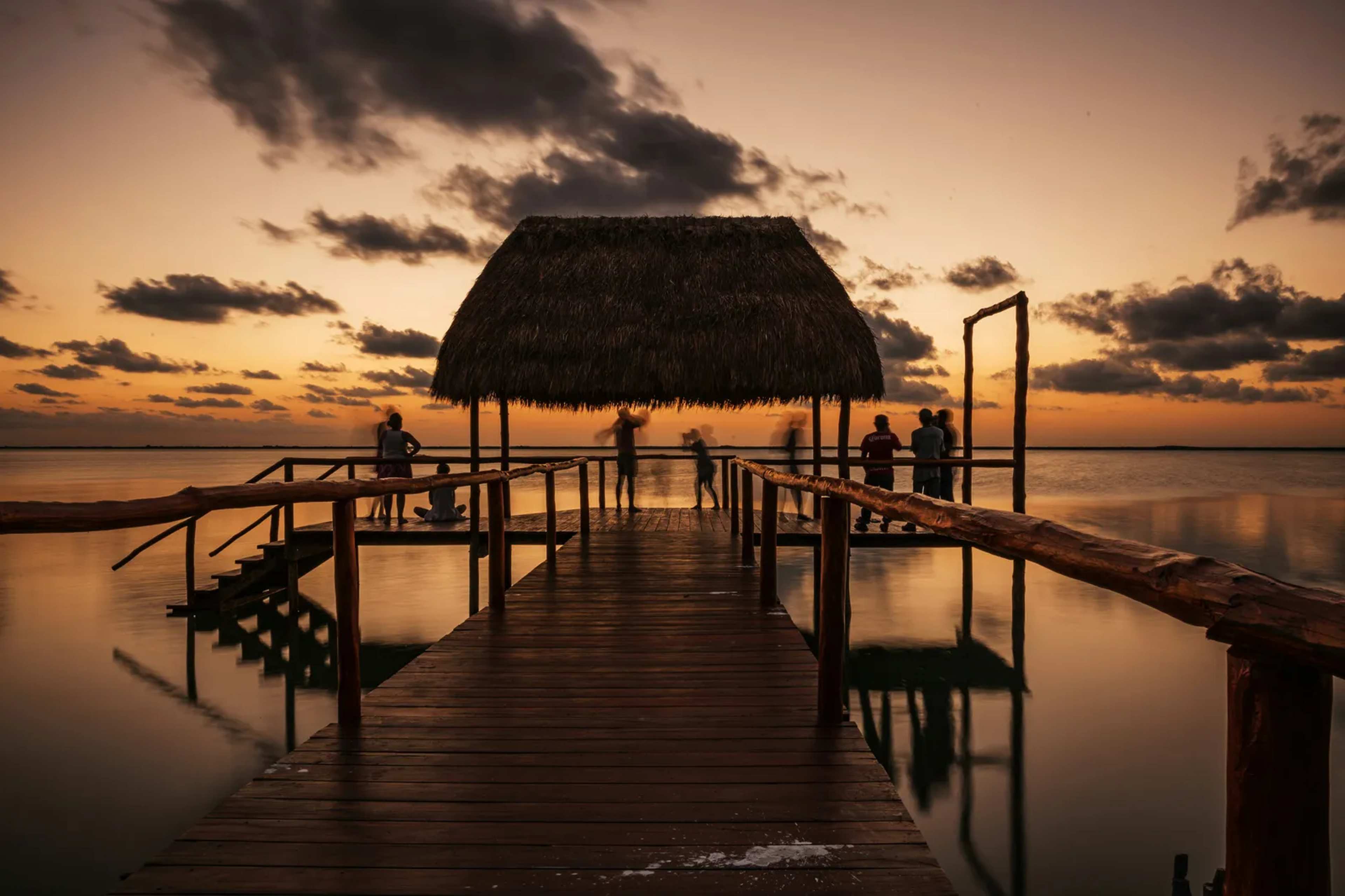
Book the wrong week and a resort feels like a fortress. Every good room is locked behind a status tier, a minimum-stay rule, or a wedding block you’ll never be part of. Book the right week, though, and the same hotel starts handing out categories of rooms it swore were never available.
Front desk staff know exactly when that shift happens, and it has almost nothing to do with luck. It’s about occupancy math quietly falling apart in your favor. Here are the 23 room categories that come out of hiding once the calendar empties out.
#1 – Overwater and Water-View Bungalows Nobody Mentions on the Website
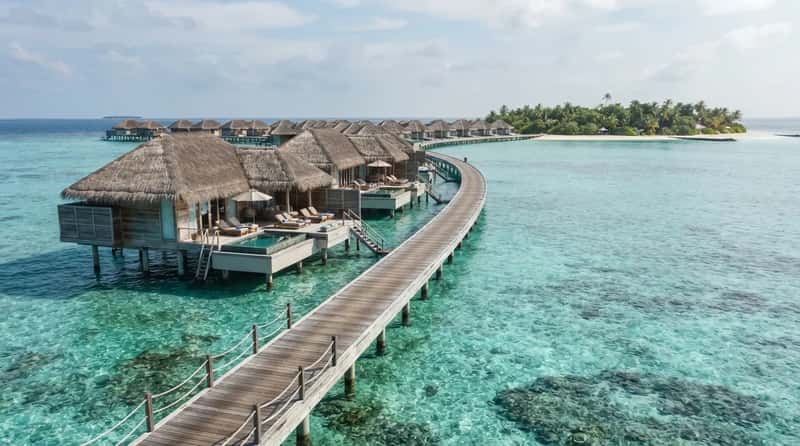
Water-facing bungalows are usually the first rooms sold out for a resort’s busiest stretch, which means they’re also the first to reappear when demand drops. One loyalty program member described getting a space-available upgrade from a beach villa to an overwater villa during a low-season stay. That kind of swap almost never happens during a fully booked week.
The reason is simple inventory math, not generosity. If the overwater villas had been fully booked instead, the same upgrade would have been impossible. During shoulder weeks, front desk teams suddenly have real rooms to work with instead of an already-full chart.
#2 – Ocean-Corner King Rooms That Are Never “Available” in July
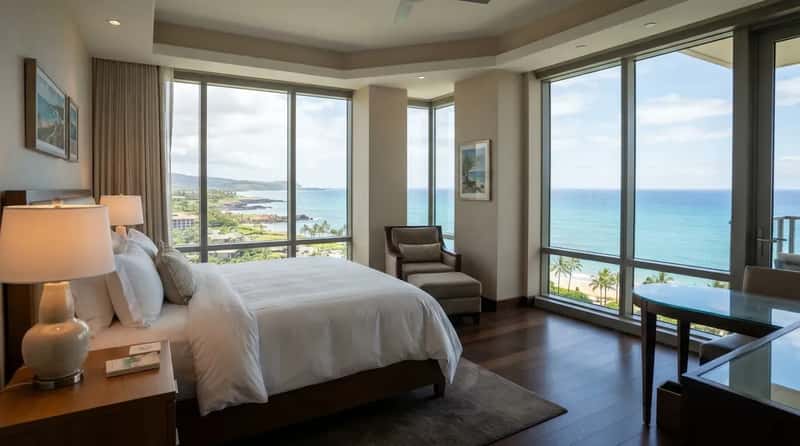
Corner rooms with double window exposure are a favorite for a reason: they get the most light and the widest view for the same square footage as a standard room. During peak weeks, these get locked into the highest rate tier and sold first.
During slower weeks, asking specifically for one works far better than a vague request. Guests who ask for something exact, like a high-floor corner king room, tend to have far better luck than those who just ask for “any upgrade.” The trick isn’t luck – it’s timing your ask to a week when that inventory actually exists.
#3 – Club-Level Lounge Access Rooms Held Back for Group Blocks
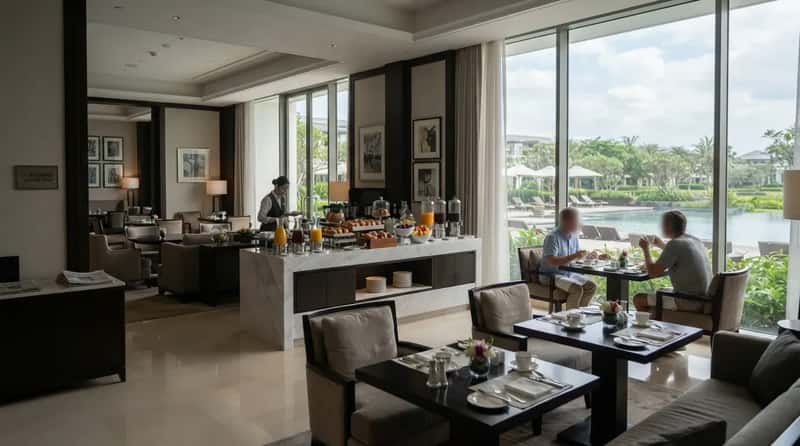
Club floors are usually protected for corporate groups, wedding blocks, and loyalty elites during high season. When those blocks disappear in shoulder weeks, the rooms attached to lounge access often get released into general inventory.
That means an ordinary guest booking a standard rate can end up with a room that comes with lounge breakfast and evening appetizers, simply because nobody else claimed the floor that week. Front desk managers rarely explain why the upgrade happened. They just quietly assign it.
#4 – Suites Tied to Loyalty-Program Elite Status
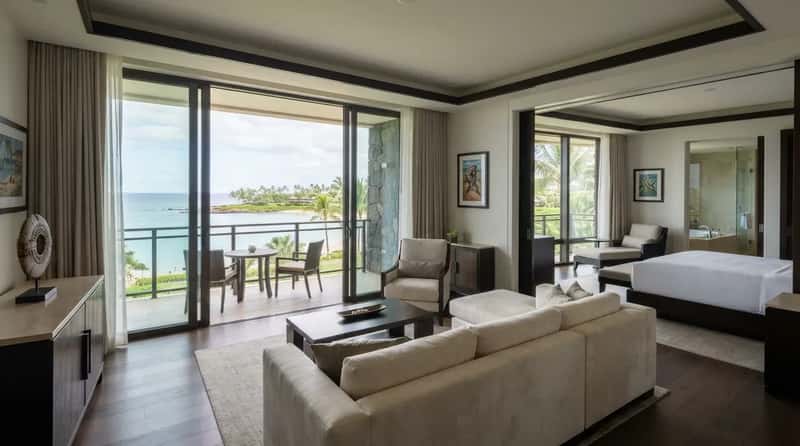
Elite status upgrades are always technically “available,” but they only turn into a suite when there’s a suite left to give. Marriott Bonvoy Platinum Elite members, Hilton Honors Gold and Diamond members, and World of Hyatt Globalist members are all promised upgrades based on availability at check-in. That word – availability – is doing a lot of quiet work.
During a packed weekend, availability is often zero. During a shoulder week, it can be an entire wing. This single distinction explains why the same status card produces wildly different results depending on when someone travels.
Quick Compare
- Marriott Bonvoy Platinum Elite: suite upgrade based on availability at check-in
- Hilton Honors Gold & Diamond: space-available upgrade, same catch applies
- World of Hyatt Globalist: suite upgrade promised, but tied to the exact same availability rule
#5 – IHG Ambassador Suites That Skip the Waitlist
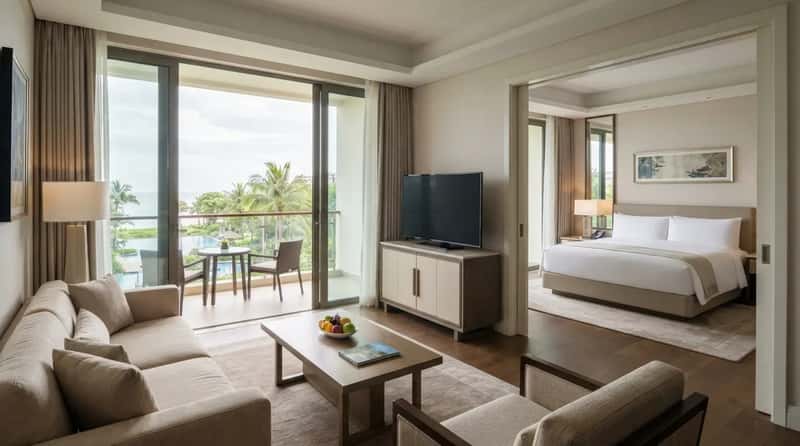
Some brand programs guarantee upgrades rather than just hope for them, but only under specific conditions. IHG’s system can confirm an entry-level suite, or a premium room if a suite isn’t available, for up to five nights when upgrade space exists within 14 days of arrival.
The catch is that “space” is the operative word again. Only certain rate types, including Best Flexible, Member Discount, and Reward Night rates, qualify for these confirmed upgrades. During quiet weeks, resort teams have far more of that space to hand out than during a sold-out holiday stretch.
#6 – Honeymoon and Anniversary Suites Reassigned on the Fly
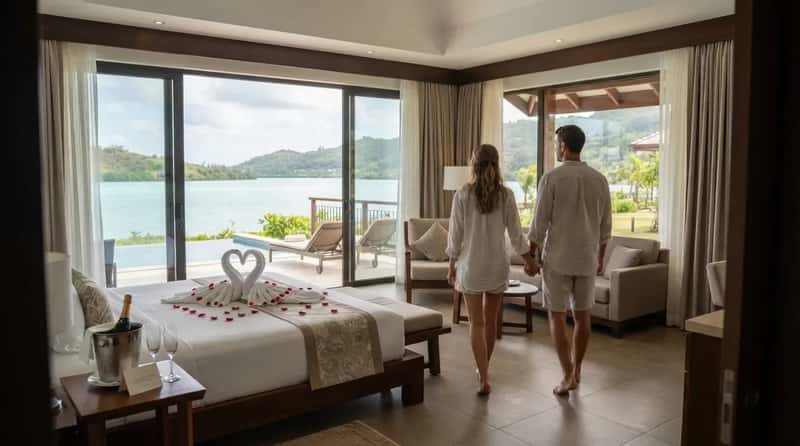
Resorts keep a small handful of rooms designated for celebration stays, and staff have real discretion over who gets one. Mentioning an anniversary, honeymoon, or milestone birthday in reservation notes or at check-in gives hotels a reason to use that discretion.
During a full house, those rooms go to the guests who booked them directly. During a slow week, staff often reassign an empty honeymoon suite to any couple who mentions a special occasion, simply because letting it sit empty makes no financial sense. It’s less about romance and more about not wasting inventory.
#7 – Signature Suites Booked Through VIP Travel Programs
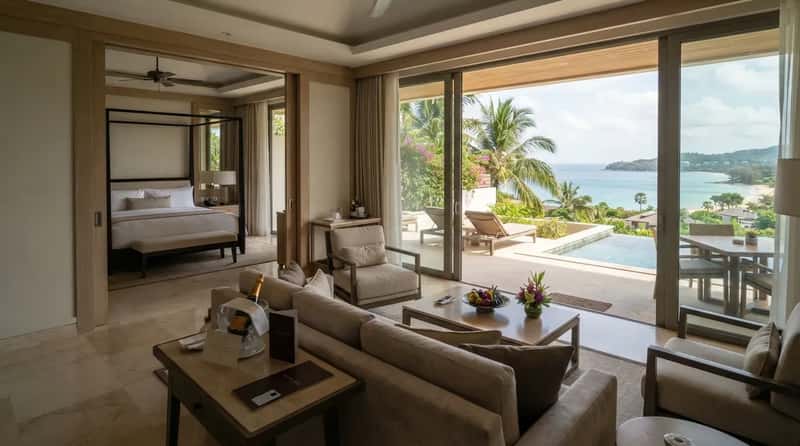
A whole category of rooms exists almost exclusively for guests who book through the right channel rather than the right loyalty tier. Booking through programs like Amex Fine Hotels & Resorts, Hyatt Prive, Virtuoso, or the Visa Signature Luxury Hotel Collection typically includes an upgrade if one is available at check-in.
These programs negotiate the arrangement directly with the property year-round, but the upgrade only materializes when a suite is actually sitting empty. Shoulder weeks are when that “if available” clause finally works in the guest’s favor instead of staying a hollow promise on a brochure.
#8 – Presidential and Penthouse Suites Sitting Dark
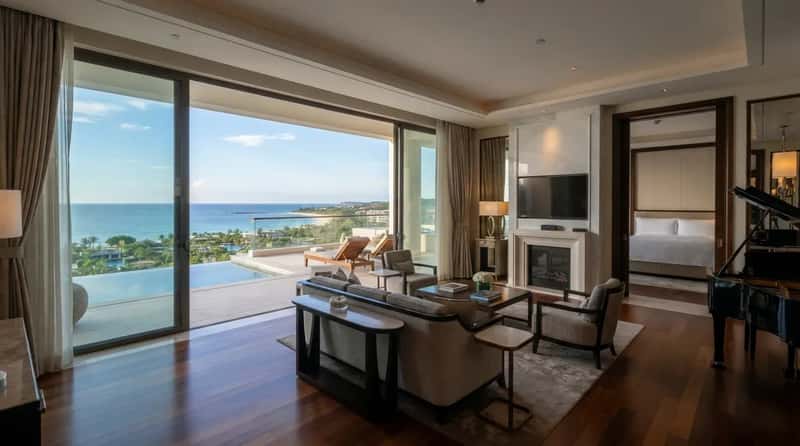
The single most expensive room category at any resort is often the least occupied outside of major holidays and celebrity bookings. During a quiet week, that suite can go unsold for days at a time, which changes how staff think about it.
Rather than let a top-tier suite generate zero revenue, many properties will discount it dramatically or offer it as a surprise upgrade to a loyal repeat guest. The presidential suite most travelers assume they’ll never see is sometimes the easiest upgrade in the entire building during a slow stretch.
Worth Knowing
- Presidential and penthouse suites can sit empty for days outside major holidays
- Properties often prefer a deep discount to zero revenue on the space
- Loyal repeat guests are the most common recipients of a surprise upgrade here
#9 – High-Floor Panoramic Rooms Reserved for “Someday”
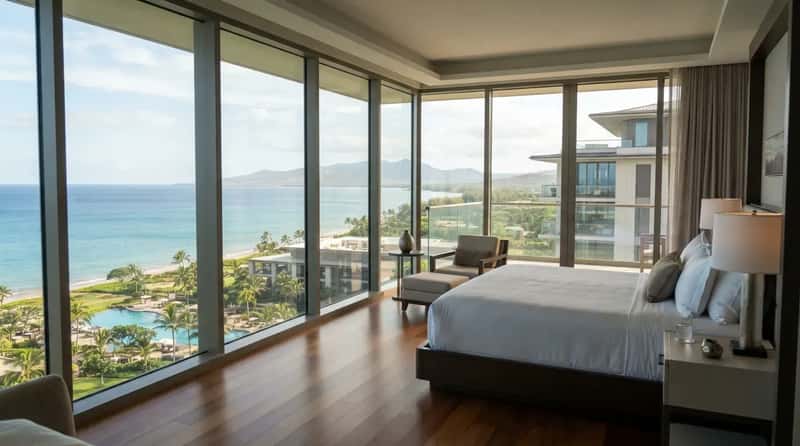
Top-floor rooms with unobstructed views get sold at a premium and reserved early for guests willing to pay for the vantage point. During packed weeks, front desk staff have zero flexibility to move anyone up, because every high floor is already spoken for.
Shoulder weeks flip that completely. With fewer bookings at the top of the building, staff often move guests up simply to balance out housekeeping schedules across floors, not as a special favor. The upgrade is really a byproduct of low occupancy, not generosity.
#10 – Swim-Up and Poolside Cabana Suites
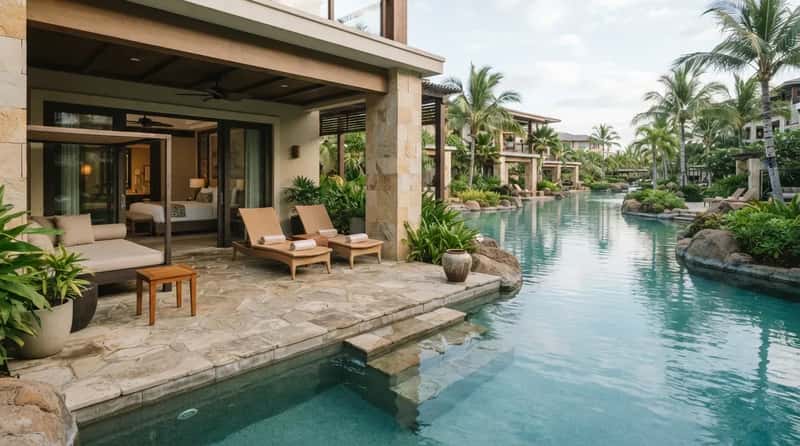
Ground-floor rooms with direct pool or lagoon access are some of the most requested – and most restricted – categories at any resort with a pool bar culture. They’re typically the first rooms locked into minimum-stay requirements during high season.
Once demand cools, those restrictions loosen fast. Resort teams would rather fill a swim-up room at a lower nightly rate than leave it empty, which is exactly why quiet weeks are when this category becomes realistic for travelers who never thought they’d land one.
#11 – Family Connecting Suites Freed From Group Holds
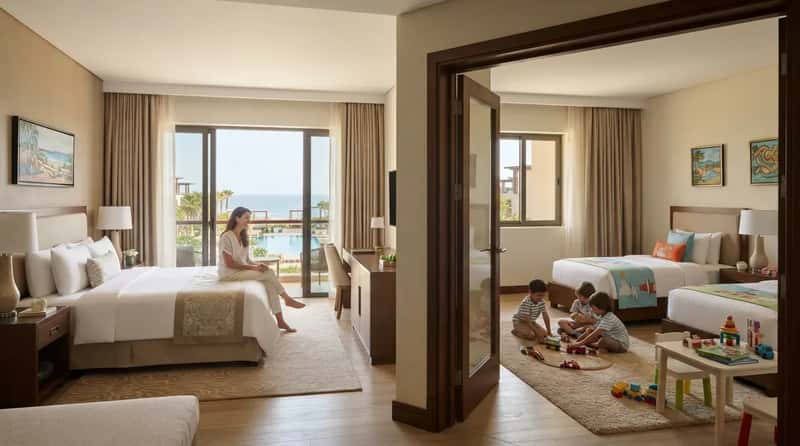
Connecting rooms and multi-bedroom family suites are often blocked months in advance for reunions, wedding parties, and school-break travelers. That means an individual family booking outside of a holiday week frequently can’t access them at all during peak season.
Shoulder weeks change the math because fewer group blocks exist to protect. A family traveling mid-week in a slower month often finds connecting suites released back into standard inventory, priced close to a regular double room instead of a specialty rate.
#12 – Accessible-Design Suites With More Room to Spare
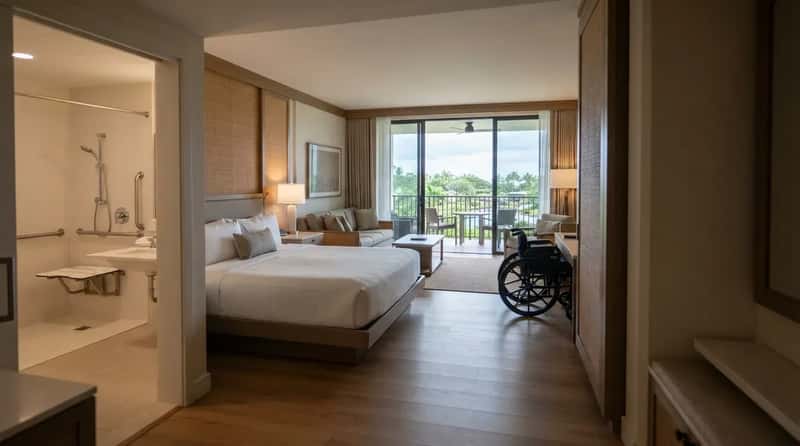
ADA-compliant rooms are held to strict availability rules and can’t just be given away on a whim, but that doesn’t mean they’re always full. During slow weeks, these rooms – often larger with wider layouts – sit unbooked more frequently than any other category.
Some properties will offer these rooms to any guest who requests extra space, especially families or anyone recovering from an injury, simply because leaving a spacious room empty makes no sense when demand is thin. It’s rarely advertised, but it’s frequently available if asked about directly.
#13 – Spa-Wing Wellness Rooms Built for Silence
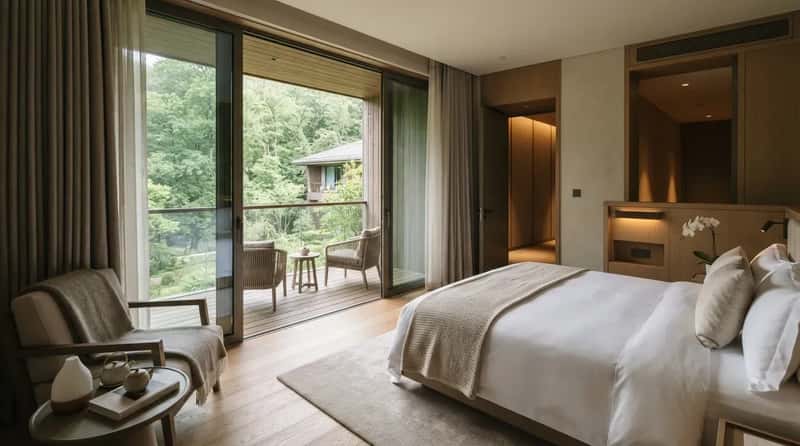
A growing number of resorts have quiet-floor rooms positioned near the spa, designed for guests who want fewer hallway sounds and no proximity to pool noise. Wellness travelers specifically want quiet, and resorts increasingly build offerings around that exact demand.
During packed weeks, these rooms get scooped up by wellness retreat groups first. During shoulder weeks, individual travelers who simply want a calm stay often get placed there by default, because the alternative is leaving an entire quiet wing sitting empty.
#14 – Corporate Retreat Suites With Boardroom Access
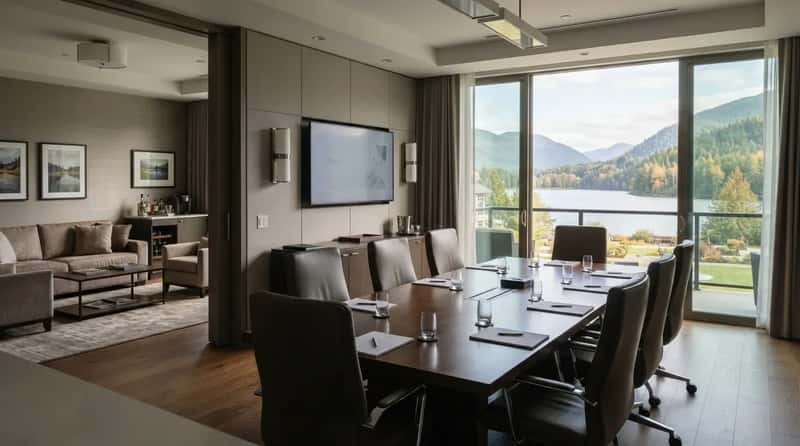
Some suites come bundled with small private meeting rooms or boardroom-style layouts built for executive retreats. Resorts increasingly target corporate teams who specifically want retreat space and choose to meet during shoulder weeks to avoid summer crowds.
When a corporate group cancels or a retreat wraps early, that block of rooms often opens to leisure travelers with almost no notice. These groups care about reliable Wi-Fi and functional meeting rooms more than getting the lowest possible price, which is why the rooms tend to be well-equipped and surprisingly comfortable for a standard vacation stay.
#15 – Weekday-Only Suites at Resorts Built for Weekend Crowds
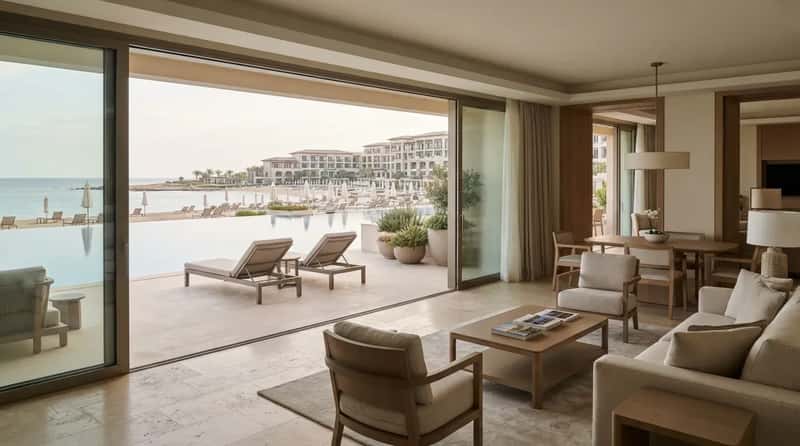
Resort inventory doesn’t just shift by season – it shifts by day of the week, and most travelers never think to exploit that. Resort hotels are consistently emptier midweek, the mirror opposite of business hotels, which go quiet on weekends instead.
That means a suite category that’s completely unavailable on a Saturday can be wide open on a Tuesday at the exact same property, no shoulder season required at all. Combine a shoulder month with a midweek stay and the odds compound fast.
At a Glance
- Resort hotels: quietest midweek, busiest on weekends
- Business hotels: quietest on weekends, busiest midweek
- Same suite category can swing from sold out to wide open within a matter of days
#16 – Extended-Stay Loft Suites Meant for Long Bookings
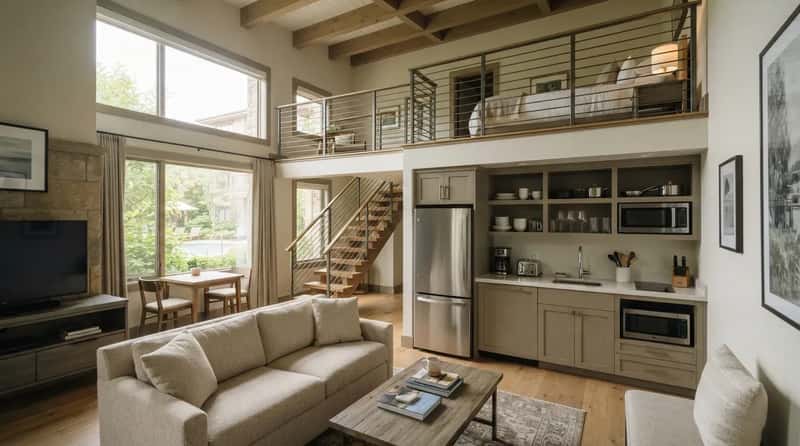
Loft-style suites with kitchenettes and separate living areas are usually priced and marketed toward week-long or monthly stays. During busy months, resorts protect this inventory for guests booking longer stretches, since a seven-night booking is more valuable than several short ones.
During quiet weeks, that logic falls apart because there aren’t enough long-stay bookings to fill the category anyway. Resorts often release loft suites to short-stay guests at a lower nightly rate just to avoid empty units sitting untouched for days.
#17 – Freshly Renovated Rooms Still in “Soft Launch” Mode
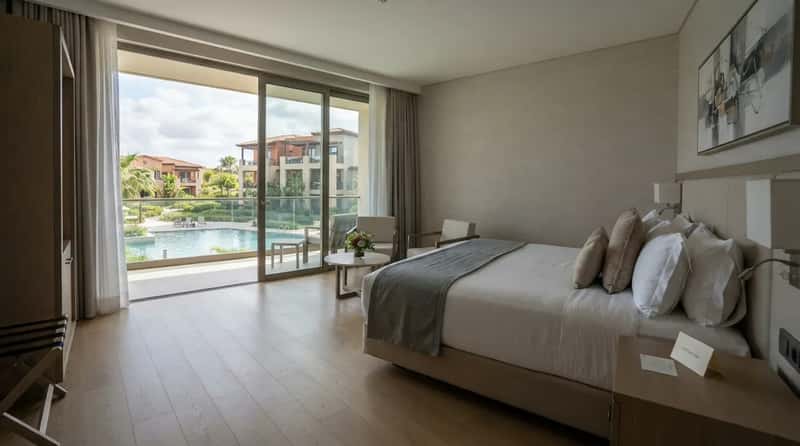
Resorts frequently finish renovation projects right before their slow season begins, using the quiet stretch as a low-stakes test run before the newly redone rooms get marketed at full price. Staff want feedback on the new layout without risking a bad review during a sold-out peak week.
That’s why the freshest, most updated rooms in the building sometimes show up as unassuming upgrades during shoulder weeks instead of being flagged as a premium new category. Guests often have no idea they’re staying in a room that hasn’t officially been added to the price sheet yet.
#18 – Pet-Friendly Upgraded Suites Near Ground-Level Exits
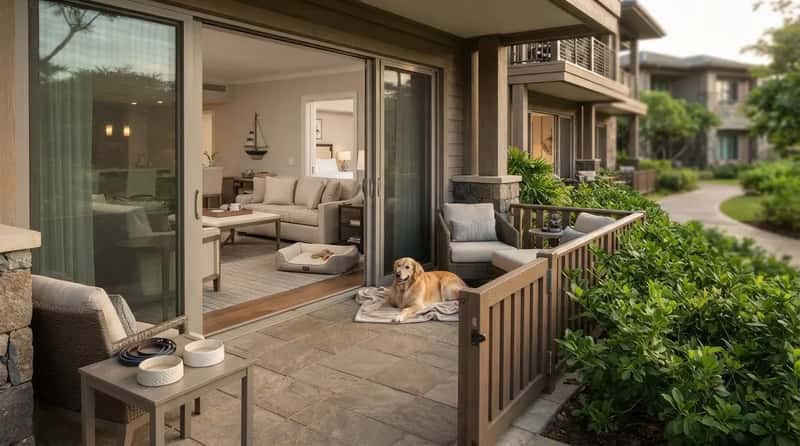
Pet-friendly rooms are usually limited to a small, specific set of units near ground-floor exits, and during busy months they fill up faster than almost any other category because there are so few of them. Once demand drops, these rooms open up dramatically.
Some properties upgrade pet-traveling guests into larger units in this wing simply because the smaller pet-designated rooms sit empty otherwise, and a bigger occupied room beats a smaller vacant one on every internal metric that matters to a hotel’s books.
#19 – Private Plunge-Pool Villas Locked Behind Minimum Stays
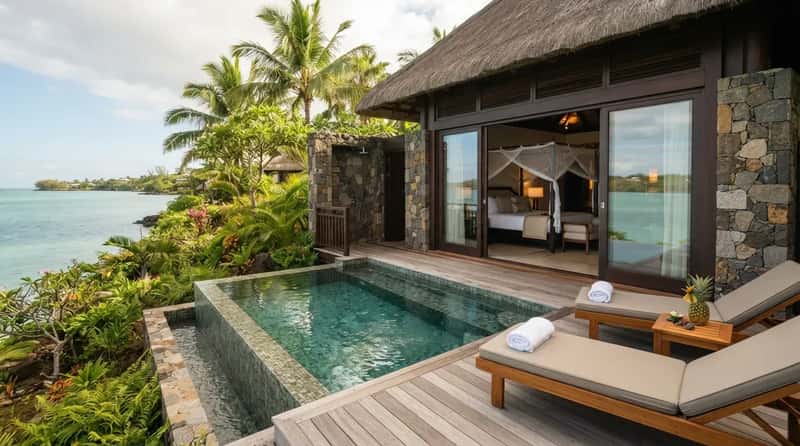
Villas with a private plunge pool almost always carry the strictest minimum-stay rules and highest rates during peak weeks, protecting them from single-night bookings that would otherwise clog the calendar. That policy exists purely to maximize revenue when demand is strong.
During shoulder weeks, those same minimum-stay rules frequently get waived because filling the villa for two nights beats leaving it empty for five. This is one of the biggest hidden discounts in the entire resort category, and almost nobody asks about it directly.
#20 – Butler-Service Suites With Nobody Left to Serve
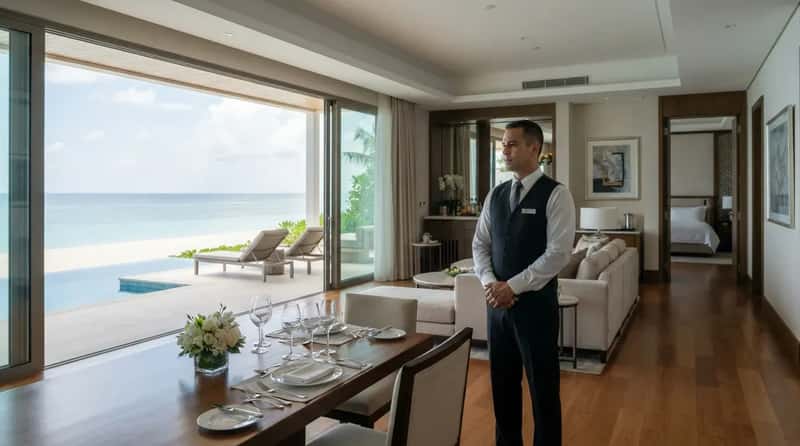
Butler service is usually reserved for the top handful of suites at any luxury resort, and during peak season those butlers are stretched thin across a full roster of demanding guests. The experience can actually feel rushed despite the premium price tag.
During a quiet week, the opposite happens: one or two butlers might be assigned to almost nobody. Guests placed in these suites during shoulder weeks often report far more attentive, personalized service than travelers who paid the same rate during a packed month.
#21 – Fireside Mountain-View Suites Built for a Different Season
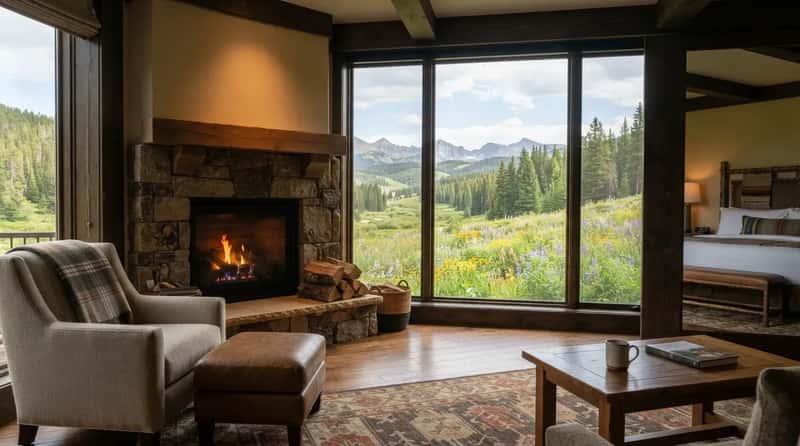
Mountain resorts often carry a category of rooms built around a fireplace and a specific seasonal view – ski-in access in winter, wildflower meadows in summer. These properties see steep occupancy swings depending on the season, with ski hotels slowing down dramatically outside winter.
That means fireside suites built for winter demand often sit half-empty and heavily discounted the moment the snow melts, even though the room itself, the fireplace, and the view haven’t changed at all. The room category doesn’t get worse in the off-season – the price just collapses around it.
Fast Facts
- Ski-resort occupancy can drop sharply once the snow melts
- Fireside suites built for winter demand often get discounted heavily off-season
- The room, fireplace, and view stay the same – only the price changes
#22 – Multi-Room Parlor Suites Meant for Entourages
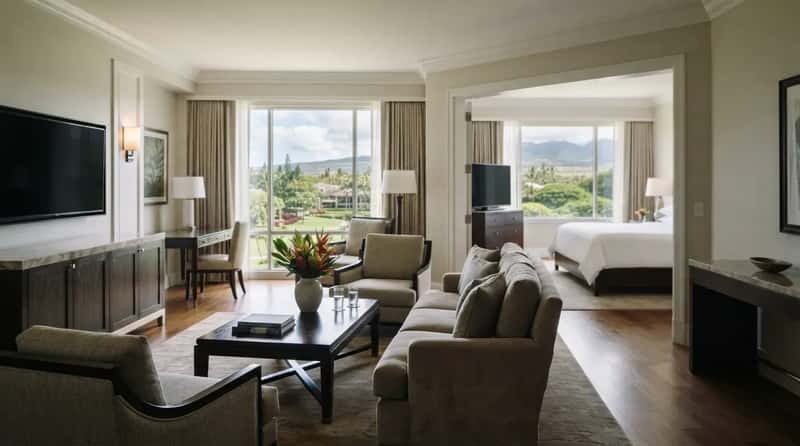
Parlor suites, which combine a bedroom with an attached separate sitting room, are traditionally built for entertainers, executives, or large entourages traveling together. During packed weeks they’re either occupied by exactly that kind of group or held in reserve for one.
When no entourage shows up during a slower month, these suites frequently get offered to ordinary couples or small families as a straightforward upgrade. The extra sitting room, originally designed for a manager or assistant, becomes an unexpected bonus living space instead.
#23 – “Surprise and Delight” Suites Reserved for Loyalty Stories
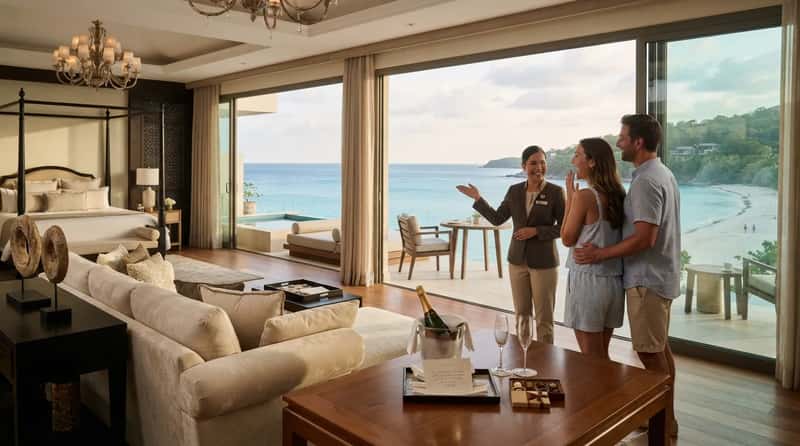
The final category is less about square footage and more about strategy: a handful of top rooms that resort brands deliberately hold back to create loyalty stories. Hotels use these upgrades to turn an ordinary stay into something a guest will talk about for years, especially during slower stretches when there’s less competition for the room.
These suites rarely appear on any rate chart because they aren’t meant to be booked – they’re meant to be given. A quiet week is exactly when a front desk manager has both the empty room and the motivation to hand one over, turning a routine shoulder-season stay into the best hotel story a guest has ever told.
None of these 23 categories are secret in the sense of being hidden from resort staff. They’re simply invisible on a normal booking page because they only exist once occupancy drops low enough to reveal them. The pattern across almost every one is the same: quiet weeks turn locked inventory into flexible inventory, and flexible inventory turns into upgrades nobody planned for.
Travelers who understand this timing don’t need insider connections or a status card with a dozen years of history behind it. They just need to book the week everyone else is avoiding. Which of these room categories would you actually chase on your next trip? Tell us in the comments.