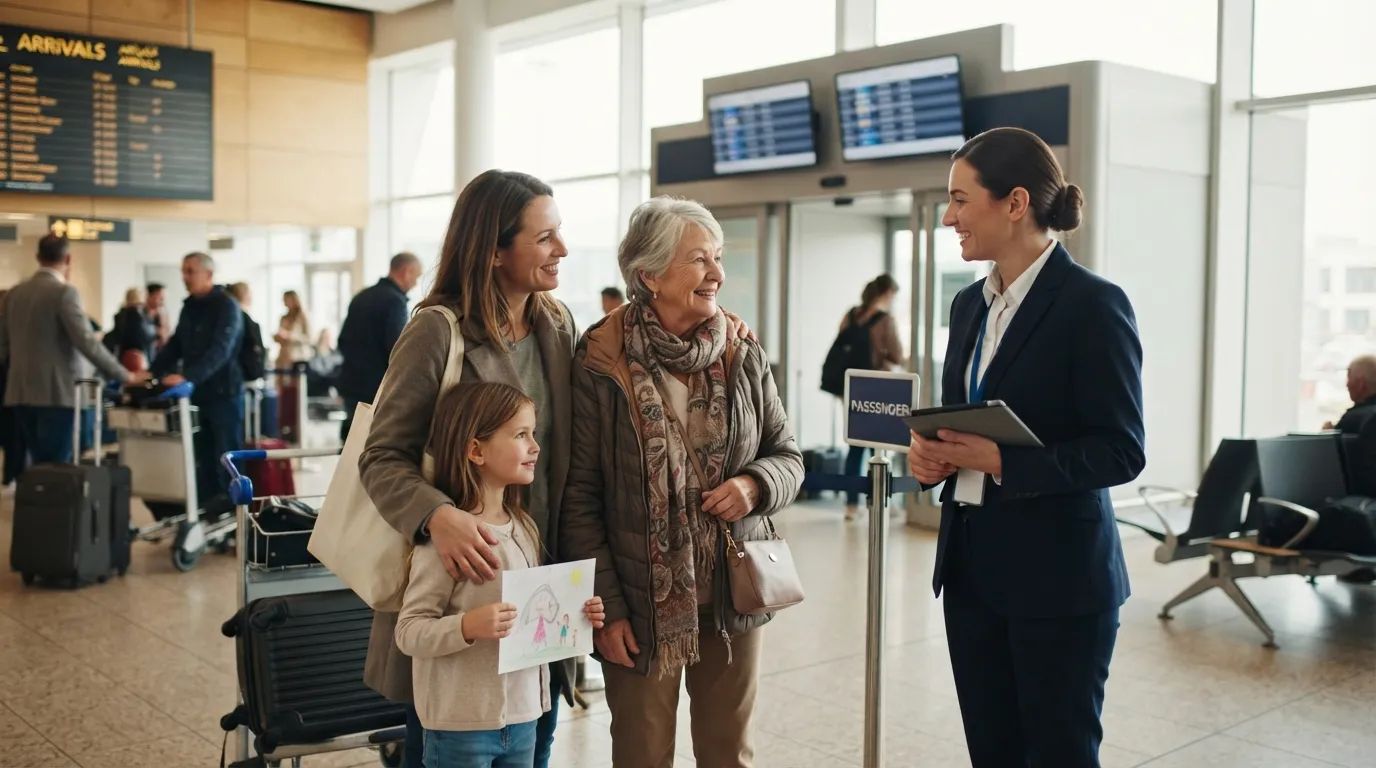
You probably picture a smiling stranger with a name sign and a wheelchair. That’s the part you can see. The best teams do most of their work before a traveler over 65 says a single word: mapping the walk, flagging medical needs, and lining up the car, the room, and the text to a worried daughter.
Services vary by airport, airline, and provider, so none of this is guaranteed everywhere. But these are the quiet habits good teams are known for, and a few of them are things most travelers never knew they could have. Start with the one that happens before the plane has even emptied.
#23 – The First Face They See Is Waiting at the Aircraft Door
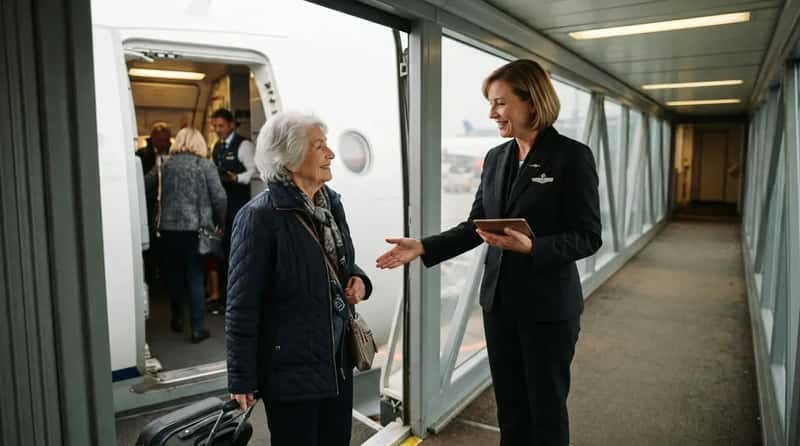
Many assisted-arrival teams meet travelers at the jet bridge, not out in the arrivals hall. That removes the hardest moment of landing: stepping into a crowd with no idea where to go. The first friendly face is already there.
The team usually coordinates with airline staff so the passenger can wait while the aisle clears. Nobody gets rushed or jostled. The next arrangement is one many travelers turn down at first.
#22 – A Wheelchair Is Ready Even When the Traveler Says “I’m Fine”
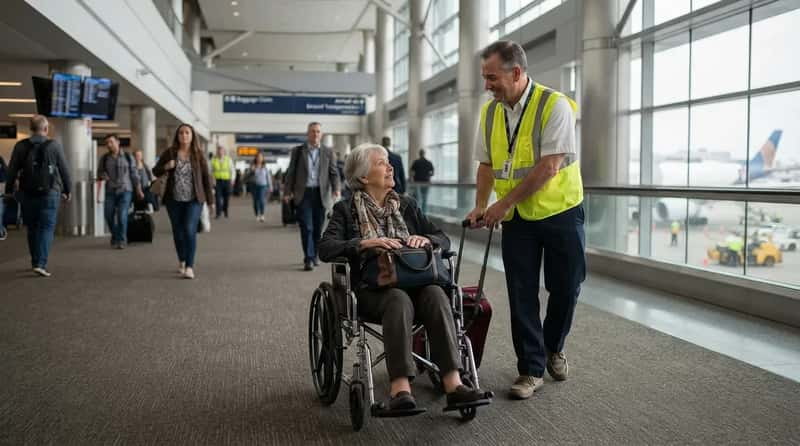
Plenty of travelers wave off the chair, and staff often line one up anyway. Under the U.S. Air Carrier Access Act, airlines must provide wheelchair assistance at no charge, so the airline doesn’t bill the passenger for it. Teams know the real problem isn’t the first 100 yards. It’s the last half mile after a long flight.
Lots of people see accepting a chair as giving in. Staff tend to frame it the other way: you’re saving your energy for the actual trip. Arriving rested at the hotel beats arriving proud and wiped out.
Fast Facts
- The Air Carrier Access Act dates back to 1986 and covers U.S. airlines.
- Airline-provided wheelchair help costs the passenger nothing.
- You can use the chair for only part of the trip, such as the long gate-to-exit stretch.
- Requesting help when you book is the simplest way to get it on the schedule.
#21 – The Walking Route Is Measured Before the Plane Lands
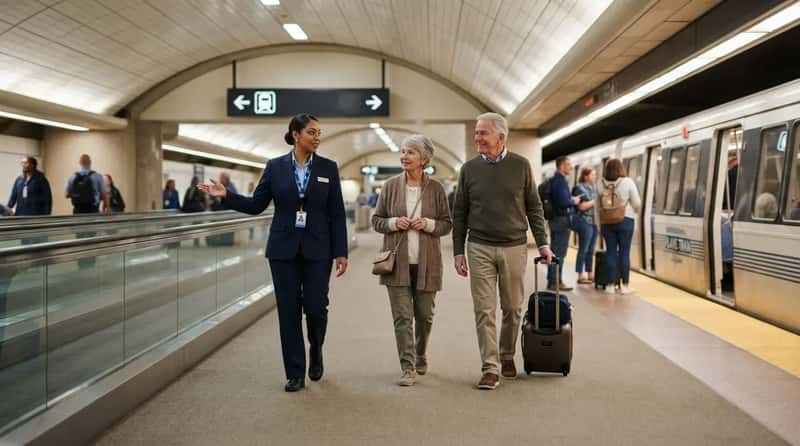
Big airports can be a real hike from gate to exit. Teams study the route ahead of time, including moving walkways, elevators, and shuttles. Some airports have shortcuts most visitors never spot, and staff know when the train beats the walkway.
The goal is fewer stairs, fewer surprises, and no dead-end detours. Nobody announces any of this, and the traveler just notices that the walk felt oddly easy.
#20 – Heavy Bags Never Touch the Traveler’s Hands
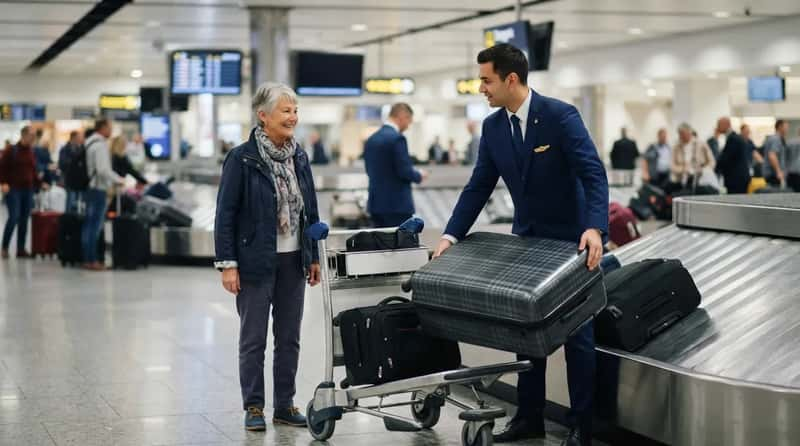
A porter or escort quietly takes the carry-on and handles the checked luggage, without making a speech about it. A crowded carousel is a classic spot for a twisted back or a dropped suitcase. Staff treat that moment as one to skip entirely.
Some teams also reach for the overhead bin before the passenger even stands. It looks like simple courtesy, but it’s also a smart way to prevent a bad fall.
#19 – A Seat Appears Right Where the Line Starts
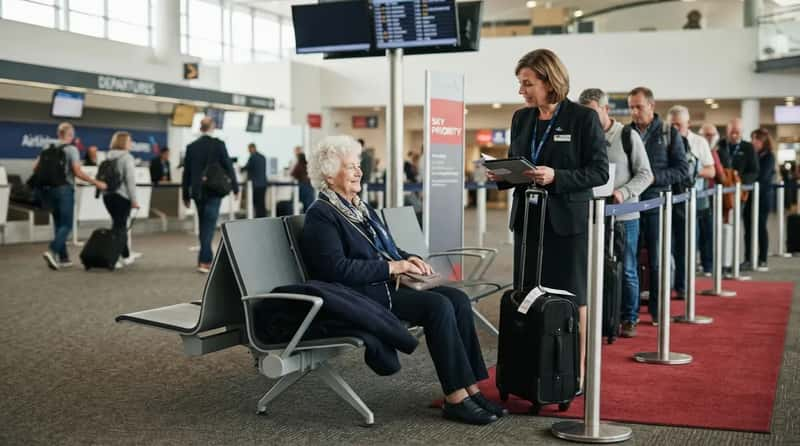
Standing in line is one of the sneakiest hard parts of an airport day. Experienced teams scout for benches near check-in, security, and immigration. Many travelers over 65 never ask for a chair and simply endure the wait.
Staff often settle the traveler on a seat while they handle the line’s paperwork. Where policy allows, they hold the spot or speak to an agent directly. It’s a small move, but it changes the whole mood of the morning.
#18 – A Quiet Call to TSA Happens Before Anyone Leaves Home
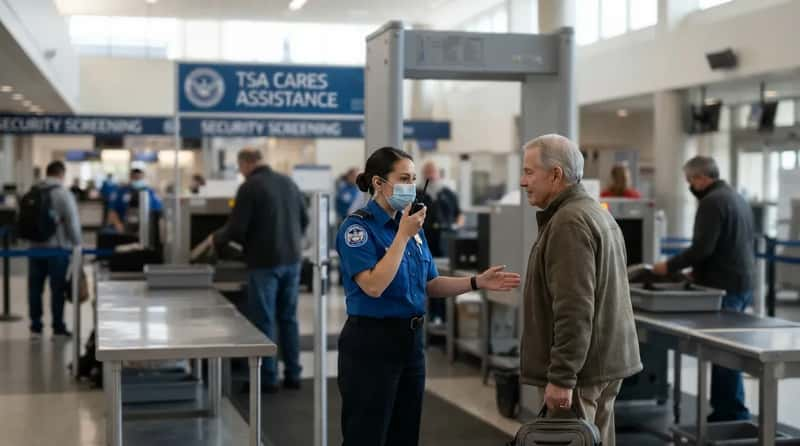
TSA runs a program called TSA Cares for travelers who need extra help at the checkpoint. It asks passengers to reach out ahead of time, ideally at least 72 hours before the flight. Good teams often make that contact for the client, so a screening officer is ready and waiting.
TSA has also long offered modified screening for travelers 75 and older, though the details can change. It’s worth checking current rules before you fly.
#17 – Pacemakers and Hip Implants Get Flagged Before the Beep
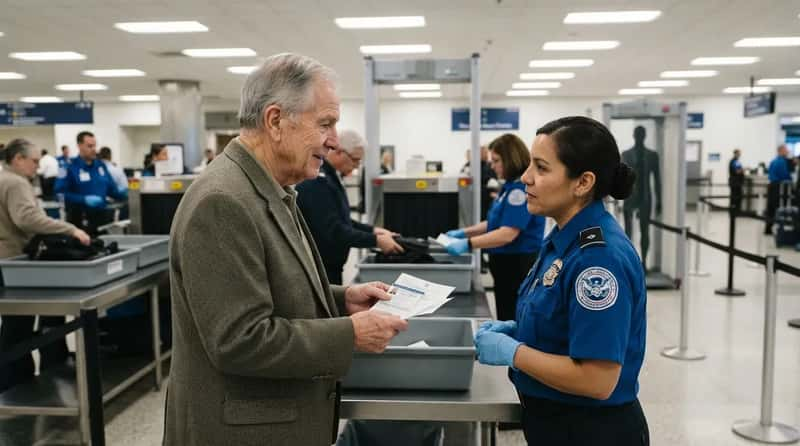
Metal detectors and body scanners can react to medical devices. TSA advises travelers with pacemakers or joint replacements to tell the officer before screening starts. Teams often do that announcing for them, so nobody gets a surprise pat-down halfway through the line.
A device card or surgery letter can speed up the conversation, and staff often make sure it’s in hand before the checkpoint. It’s a small piece of prep. It also spares a proud traveler a very public moment of embarrassment.
Worth Knowing
- Tell the officer about an implant before screening begins, not after an alert.
- Body scanner screening is optional, and travelers can ask for a pat-down instead.
- A medical device card can help, but TSA doesn’t require one.
- The TSA Cares helpline is 855-787-2227 for questions before you travel.
#16 – The ID Gets Checked Twice, and It’s Not Because of Nerves
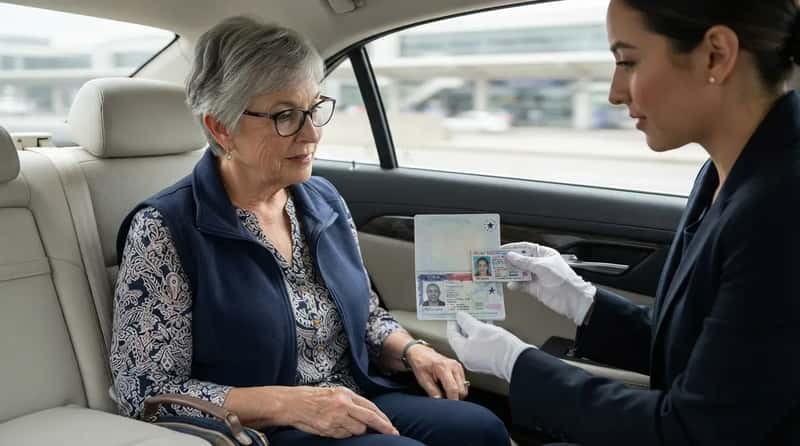
Since May 7, 2025, travelers flying within the U.S. need a REAL ID-compliant license or another accepted ID, such as a passport. Teams quietly verify this before the car leaves home. An old license can stop a trip cold at the checkpoint.
International trips add passport validity rules, visas, and entry forms. A good team checks all of it, not just the boarding pass.
#15 – Restroom Stops Are Mapped Without a Word
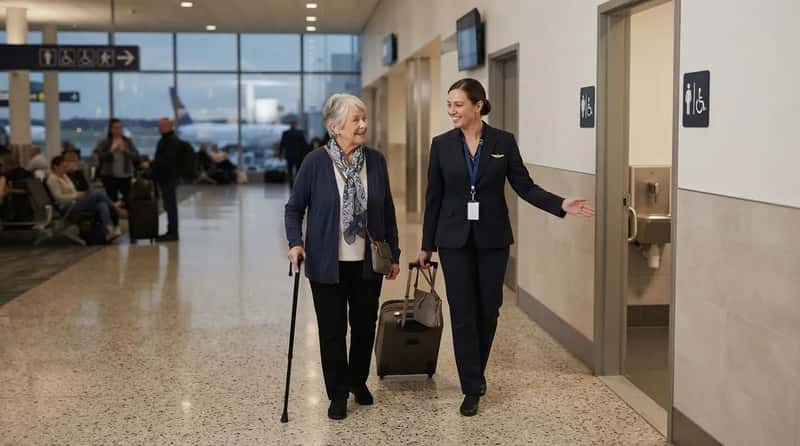
It’s not glamorous, but it’s one of the most practical things teams do. They know which restrooms sit close to the route and which ones have shorter lines. Staff often time a stop before a long walk, not in the middle of it.
Asking is awkward, so good escorts simply build it into the plan. They say something casual, like “We’ve got time if you want to freshen up.” Nobody feels singled out.
#14 – Water and a Snack Show Up Before the Dizziness Does

Long travel days often mean skipped meals and not enough water. Teams commonly carry or fetch a bottle and something light. Airplane cabins are far drier than most homes, and dehydration can sneak up on anyone.
Staff may also steer travelers toward soft, easy snacks instead of a rushed airport meal. It’s quiet, unglamorous care, and it can keep a good day from going sideways.
#13 – A Calm Human Steps In at Immigration
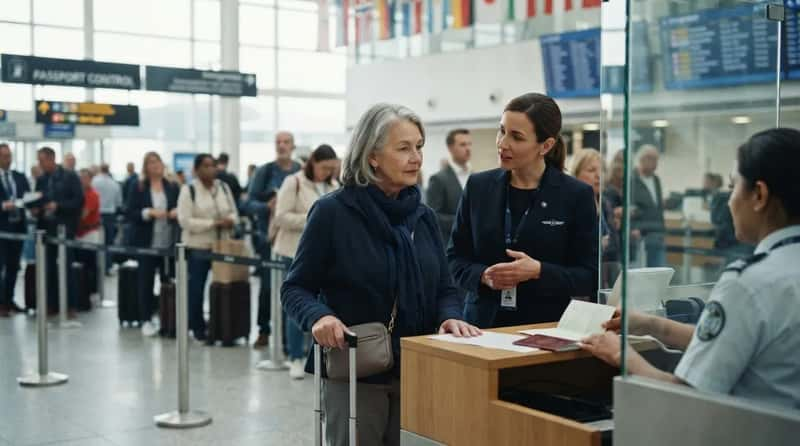
Border lines can be confusing, especially when announcements come fast or in a second language. Teams often walk the traveler through each step. Some services even provide a staff member who speaks the traveler’s language, though that depends on the provider.
Some people assume an app can replace all this. In practice, tone and patience matter as much as vocabulary.
#12 – Arrival Forms Are Half-Finished Before the Wheels Touch Down
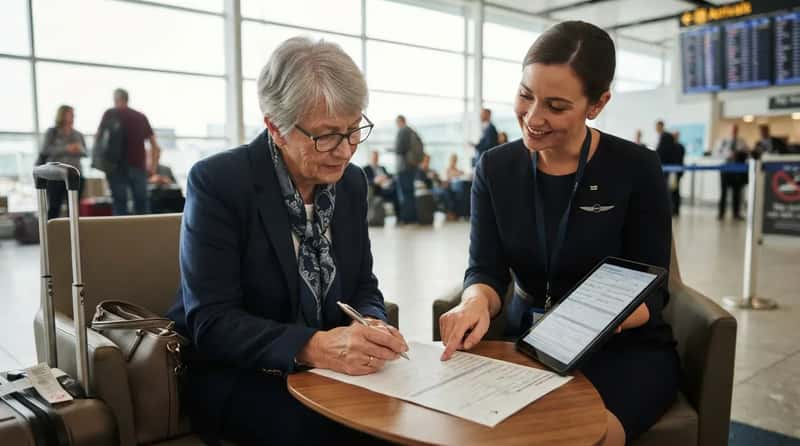
Arrival cards and declarations can be a headache after a long flight. Many teams ask for passport and trip details in advance and prepare as much as they legally can. The traveler still checks and signs, but the heavy lifting is already done.
That matters because a tired hand and tiny print are a bad mix. Staff often use large-print copies or a tablet. The result is less stress and fewer mistakes.
#11 – The Phone Gets Fixed Before the Family Starts Calling
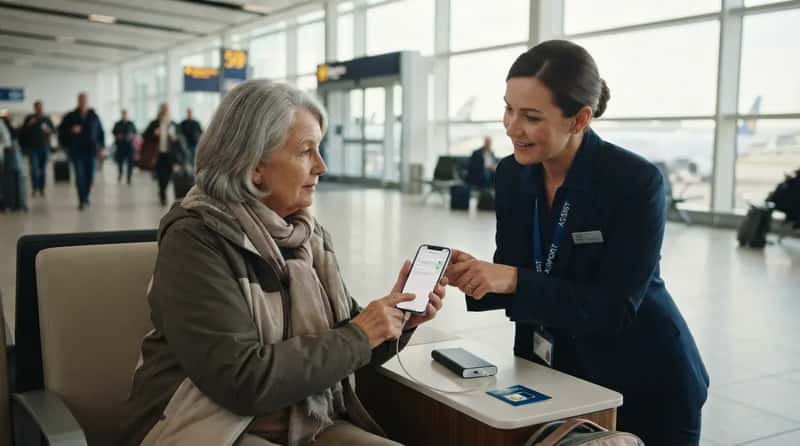
A dead battery or no signal can make a traveler feel completely cut off. Staff often check charging, offer a portable battery, and help with Wi-Fi or an international plan. An eSIM can sometimes be installed before the trip, if the phone supports it.
It’s a boring detail until the moment it saves someone from panic in a foreign terminal.
#10 – A Quiet Corner Beats the Crowded Gate

Gate areas are loud, packed, and rarely comfortable. Depending on the service, teams may book a lounge or simply find a calm corner. A lounge pass looks like a luxury, but for a long layover it can be the smartest money a traveler spends.
A quiet seat, power outlets, and food nearby take the edge off the wait. Staff check in on the traveler without hovering, which is harder than it sounds.
Quick Compare
- Crowded gate: Free and close to the plane, but loud and short on seats and outlets.
- Quiet corner: Usually free and calmer, though it takes local know-how to find.
- Lounge: Costs extra, but it offers seating, food, and a real break on long layovers.
#9 – Tight Connections Get Walked, Timed, and Sometimes Rebooked
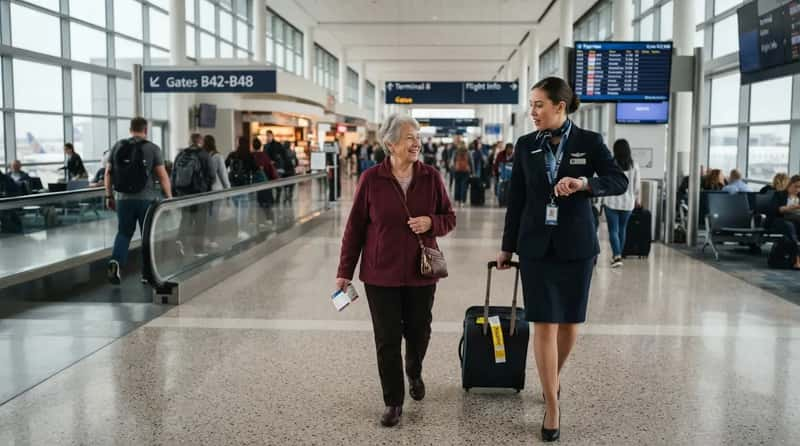
A 45-minute connection looks fine on paper. Teams know it can fall apart when the next gate is in another terminal. Some staff will recommend a different itinerary before the trip is even booked.
If a flight runs late, escorts usually talk to the airline right away. They don’t wait for the traveler to ask.
#8 – Medication Schedules Are Quietly Tracked Across Time Zones
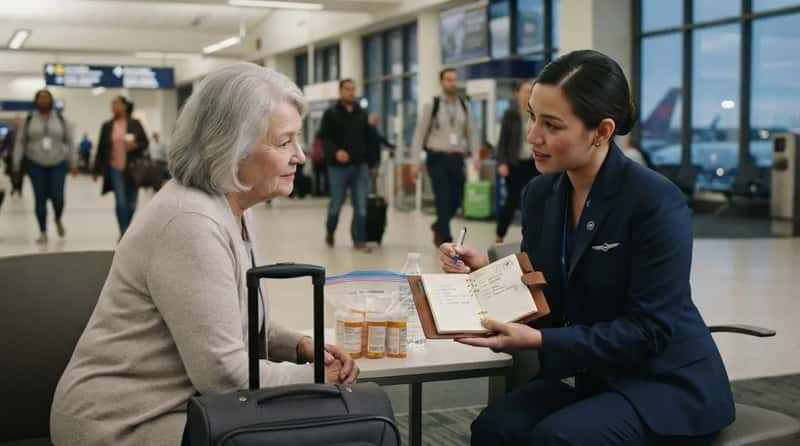
Pills don’t care about jet lag. Good teams ask about medication schedules and note what will fall due during the trip. TSA allows medically necessary liquids in reasonable amounts, though they should be declared at screening, and keeping medicine in the carry-on is standard travel advice.
Staff don’t give medical advice, and they shouldn’t. What they can do is remind the traveler to check with a doctor before leaving. It’s a practical, safe step that can head off a rough first night abroad.
#7 – They Face You, Slow Down, and Put It in Writing
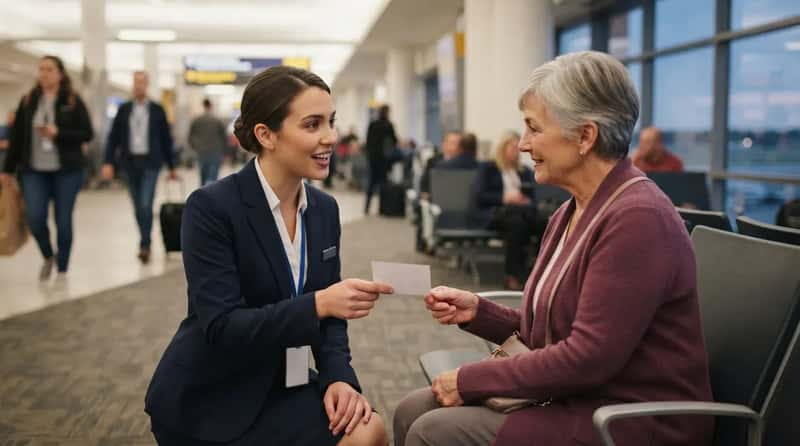
Airports are loud, and hearing loss is common among older adults. Trained staff speak clearly, face the traveler, and avoid shouting. Many hand over written details, such as gate numbers and pickup spots.
It’s a small habit with a big effect. The traveler leaves feeling informed, not managed.
#6 – The Car Is Waiting at the Door, With the Right Step Height

A ride only helps if the traveler can get in and out comfortably. Teams often check the vehicle type, curb access, and trunk space. A low sedan can be a real hurdle after hours of sitting.
Many arrange for a driver who waits inside the terminal instead of circling outside. They also confirm the pickup spot is close to the building’s entrance. It’s pure logistics, but it feels like kindness.
#5 – The Hotel Gets a Heads-Up About the Early Arrival

Flights often land hours before standard check-in. Teams may contact the hotel to ask about an early room or a place to rest. There’s no guarantee, but asking costs nothing.
Staff also confirm accessibility needs, like a ground-floor room or a walk-in shower. Those details rarely show up in a booking confirmation, and they can make or break the first night.
#4 – A Plan B Is Ready Before the Delay Is Announced
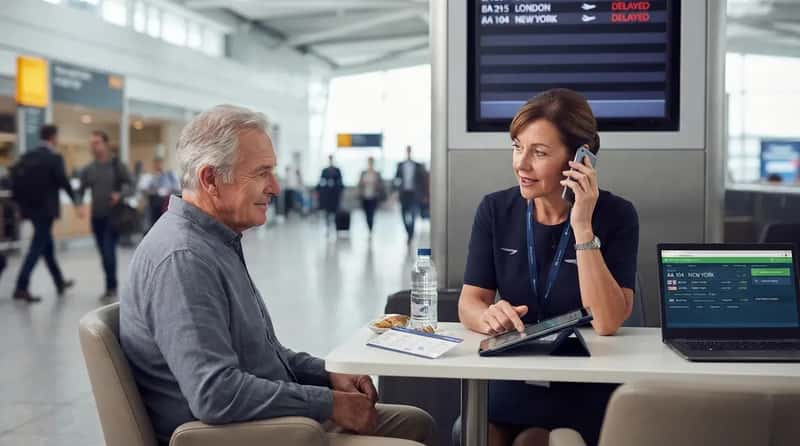
When a flight slips, the first few minutes matter most. Teams monitor flight status and prepare options, including seating, food, and rebooking. With live tracking, they can learn about a delay before the traveler does.
That head start can get them to an airline agent before the line grows. It also means family members hear the change from a person, not from a confusing app alert. The real product here is control.
Why It Stands Out
- The team hears about trouble early, so the traveler isn’t left guessing.
- A seat, a meal, and a rebooking plan are lined up before the crowd reacts.
- Family gets one calm update from a person instead of a string of alerts.
- The traveler stays out of the stress spiral entirely.
#3 – Family Gets a Text the Moment the Traveler Is Safe
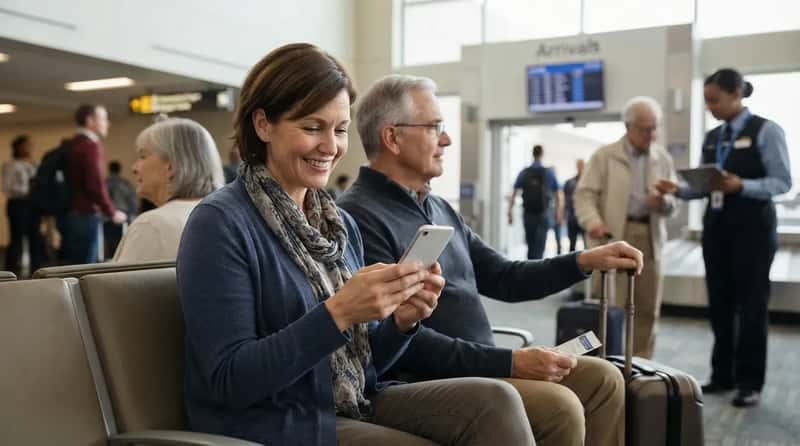
Relatives often worry more than the traveler does. Many services send a message or photo at key moments, such as landing, clearing customs, and heading to the car. That single text can end hours of anxiety.
Privacy still matters, so good teams ask who should get updates. Sharing happens only with permission.
#2 – They Offer Help Without Ever Making It Feel Like Help
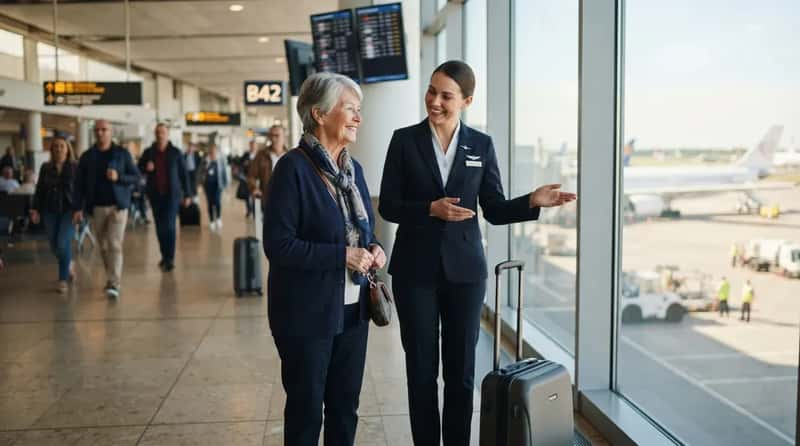
The best staff never use the word “elderly.” Instead they say things like, “Let me take the bags while you enjoy the view.” Tone decides whether help feels welcome or insulting.
They also let people carry what they want to carry. Independence stays intact, and so does dignity.
#1 – Nobody Leaves Until a Real Person Is There to Take Over
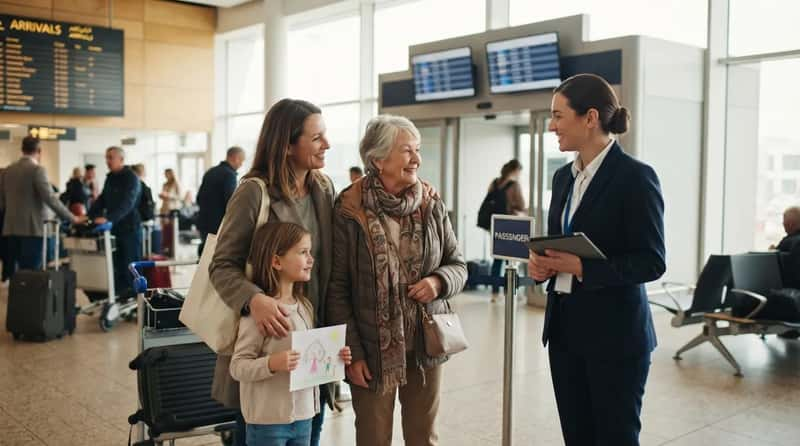
The last step matters most. Good teams stay with the traveler until the driver, hotel host, or relative has actually arrived. The handoff isn’t complete until someone confirms it face to face.
It’s easy to treat that as a formality, but it’s exactly where trips go wrong. A missed pickup can leave a tired traveler alone in a busy arrivals hall. Staff know that, so they wait quietly until the last piece falls into place.
The most surprising part isn’t any single service. It’s how much of the work is invisible: the route maps, the quiet calls, the text to a worried daughter. Many of these steps are possible with free airline assistance and a little planning, even without a private team.
The best help is the kind you barely notice. You just remember that the day felt easy.