Most people freeze the second they hear “canceled” over the gate speaker. Frequent flyers don’t. They’re already moving before the announcement finishes, and the gap between those two reactions is the difference between sleeping in your own bed tonight or on an airport bench.
It’s not luck, and it’s not magic status. It’s a set of small, almost mechanical habits that road warriors have drilled into muscle memory after years of delays, storms, and mechanical issues. Here’s what frequent flyers actually do in that first chaotic minute – and why almost none of it looks like what everyone else is doing.
#24 – They Screenshot Everything Before The App Can Change It
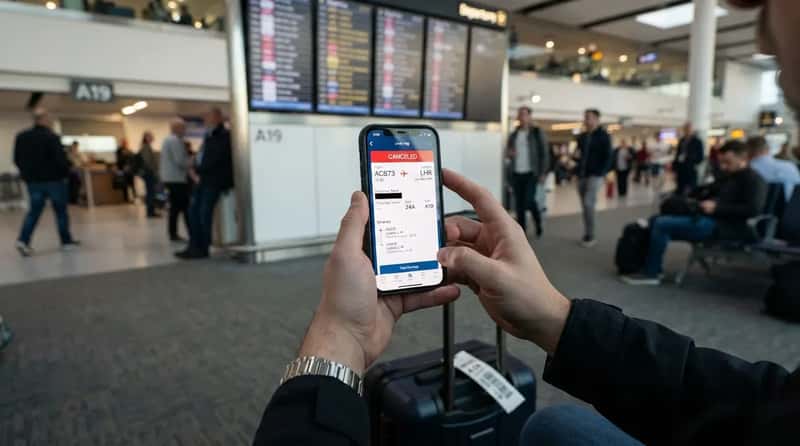
The first move isn’t rebooking – it’s documentation. Frequent flyers grab a screenshot of the departure board, the boarding pass, and the original flight confirmation within seconds of the word “canceled” appearing.
This habit sounds paranoid until you need it. If a dispute over refunds or compensation comes up later, having timestamped proof of the original itinerary and the cancellation notice removes all the guesswork. It’s a two-second habit that saves hours of arguing later.
#23 – They Skip The Customer Service Line On Purpose
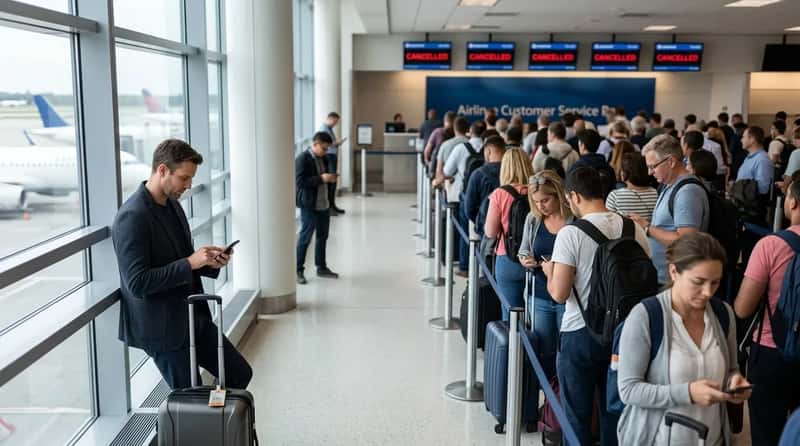
This is the single biggest tell that separates seasoned flyers from everyone else. While the crowd forms a line at the counter, the frequent flyer is already on their phone, booking one of the last remaining seats on an alternate flight.
Standing in line feels productive, but it’s usually the slowest path to a solution. Frequent flyers treat the physical line as a backup plan, not a first move, because by the time they’d reach the counter, the best seats are already gone to people who moved faster on their phones.
#22 – They Already Have The International Support Number Saved
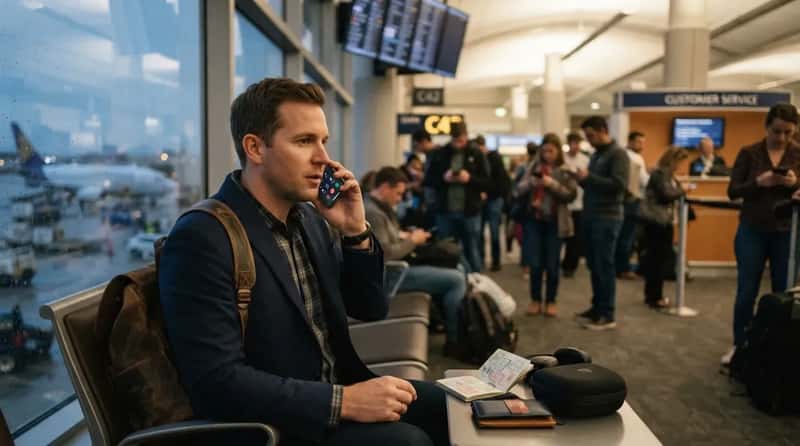
Most travelers only know the domestic customer service line, which becomes a nightmare during mass disruptions. Frequent flyers know a workaround most people have never even considered.
If the U.S. line is jammed, they’ll call the airline’s international customer service number, since offices in Australia, the U.K., or Canada may have shorter wait times and can rebook you just the same. It’s a quiet trick that gets almost no attention, but it can cut a two-hour hold time down to five minutes.
#21 – They Divide And Conquer With Their Travel Companions
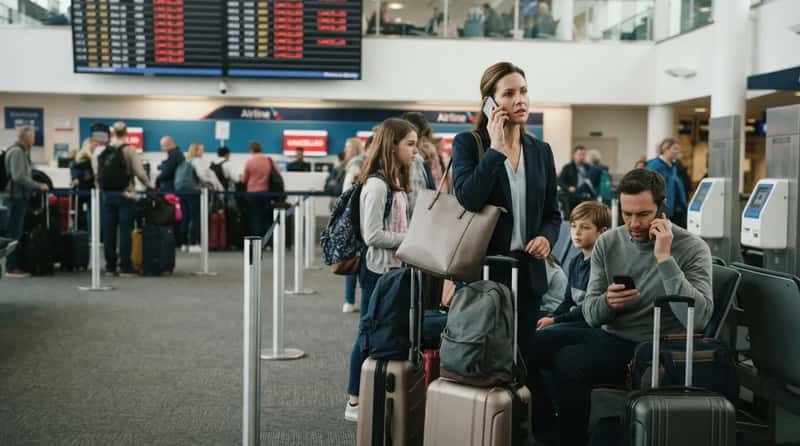
When traveling with family or a group, frequent flyers immediately split responsibilities instead of all doing the same thing. Someone joins the customer service line at the airport while someone else calls the airline’s support number at the same time.
This tactic feels a little unsentimental to some travelers, and it draws real pushback from people who think a family should stay physically together no matter what. But whoever gets through first – phone, app, or counter – locks in seats for everyone else in the group.
#20 – They’re In The App Before The Gate Agent Finishes Talking
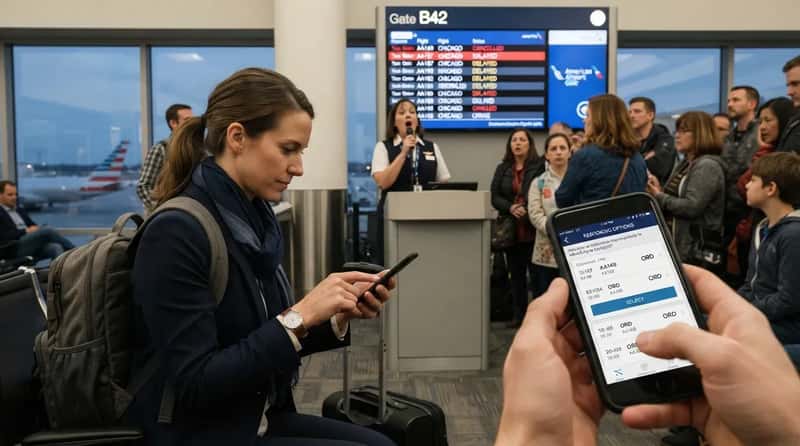
This is the move that looks almost rude to bystanders, but frequent flyers don’t wait for confirmation from a human. The instant the departure board flickers or a push notification hits their phone, they’re already working the rebooking screen.
Most major airlines let you rebook yourself through their mobile app, sometimes for a new time or even a nearby origin or destination city, which is why the airline app should probably be your first stop. The digital system almost always updates before the announcement even ends.
#19 – They Check Nearby Airports, Not Just The Original One
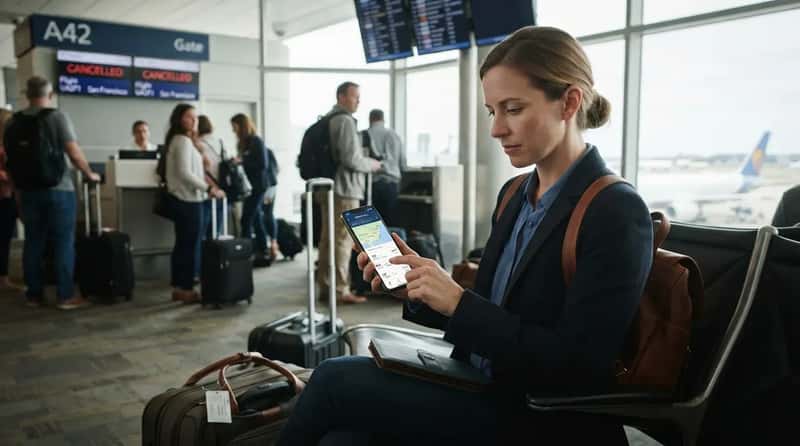
A canceled flight to one airport doesn’t mean a canceled trip. Frequent flyers immediately widen their search radius to include secondary airports within driving distance of their destination.
This is a habit that surprises casual travelers, who tend to fixate on the exact airport code on their original ticket. A seat on a flight to an airport ninety minutes away, paired with a rental car or rideshare, often beats waiting two days for a direct replacement.
#18 – They Know Which Airlines Are Waiving Fees That Day
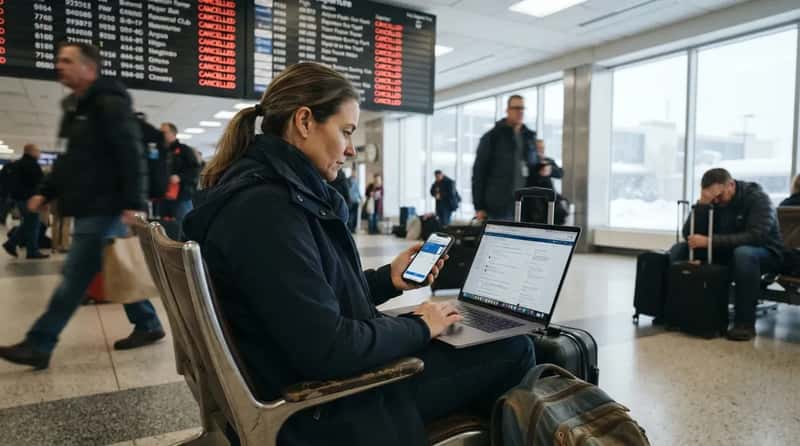
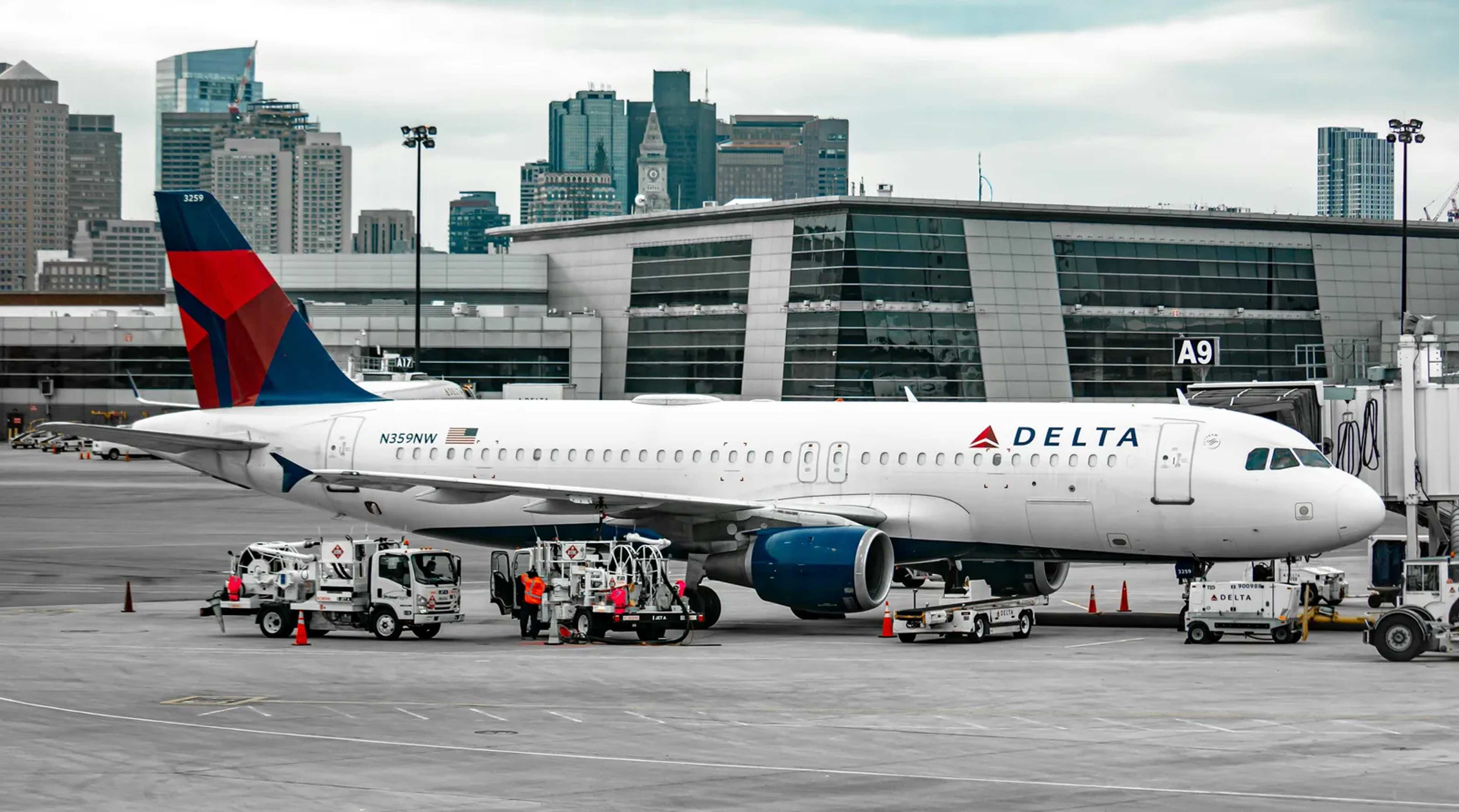
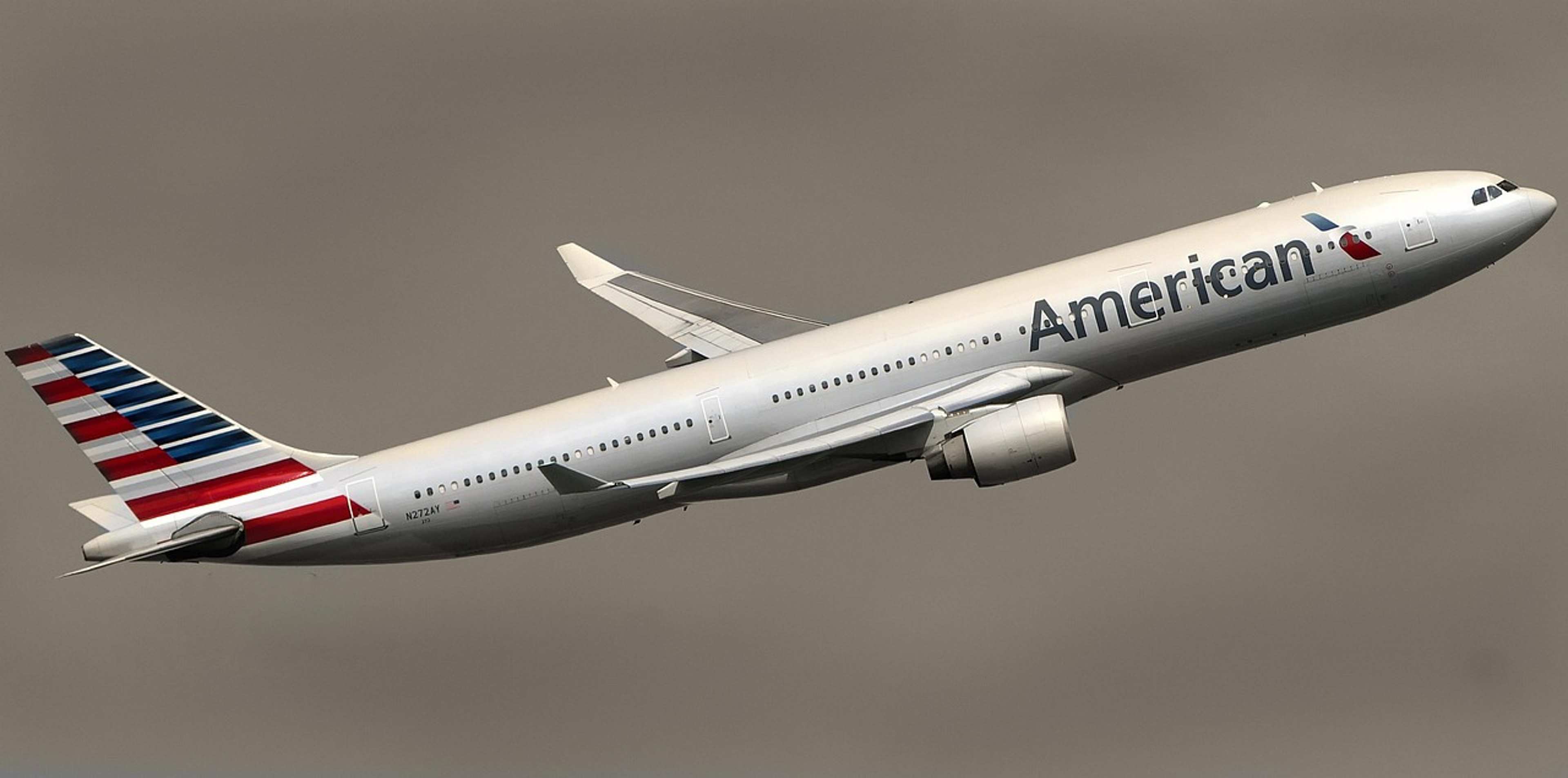
During large-scale disruptions like winter storms, most major carriers relax their normal rules – but only for a limited window, and only if you know to ask. Major airlines, including Delta, American, Southwest, Air Canada, Alaska, Frontier and Spirit, are known to waive change fees during major storms, giving travelers more flexibility as they shift their plans.
Frequent flyers track this in real time through airline alert pages and travel forums. Most casual travelers never even ask, and end up paying fees that were quietly waived for everyone else in the same terminal that day.
#17 – They Watch The Clock, Because Timing Triggers Refund Rights
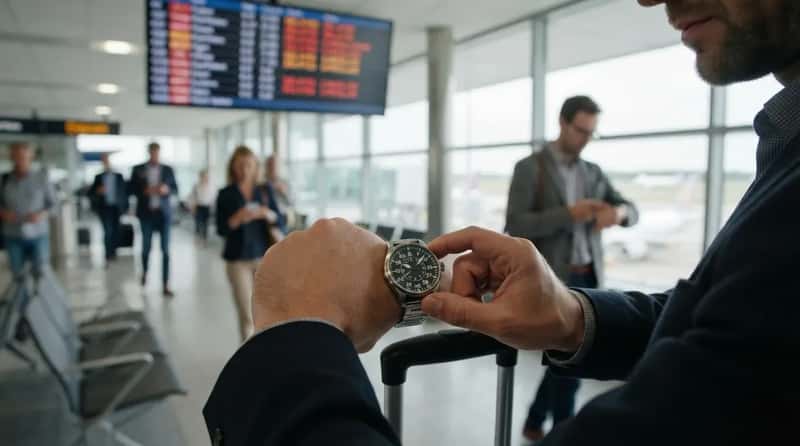
A delay isn’t just a delay once it crosses a specific threshold. If a flight is canceled or delayed by 3+ hours domestically or 6+ hours internationally, passengers are entitled to a cash refund, and the same window applies for major schedule changes.
Frequent flyers watch the delay creep past that line on purpose, because it flips their legal position entirely. What looked like a minor inconvenience can suddenly become a guaranteed cash refund instead of a rebooking hassle.
Fast Facts
- Domestic delays of 3+ hours trigger refund eligibility
- International delays of 6+ hours trigger the same right
- Major schedule changes count the same as a delay
- The clock starts the moment the airline confirms the change
#16 – They Never Accept The First Rebooking Option Offered
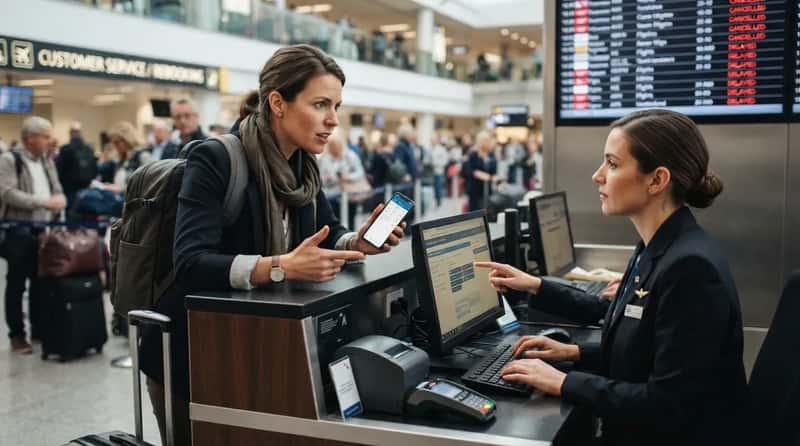
The first flight an agent or app suggests is rarely the best one available. Frequent flyers treat that initial offer as a starting point for negotiation, not a final answer.
They’ll specifically ask whether “hidden” alternatives exist that the system didn’t automatically surface. Airlines sometimes default passengers into whatever option looks fastest to process, but it’s always worth checking if other options exist that could actually work better.
#15 – They Ask Specifically About Connections Through Other Hubs
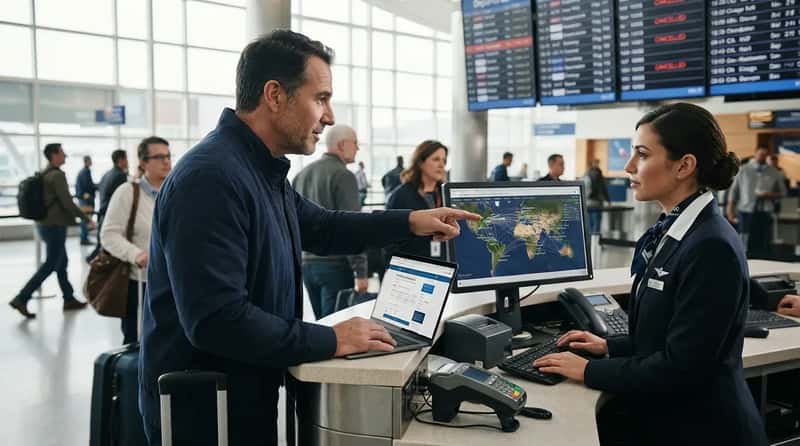
A canceled direct flight doesn’t have to mean a canceled trip if you know how to reroute yourself. Frequent flyers push agents to think creatively rather than defaulting to the obvious nonstop replacement.
They’ll ask about connections through other hubs on the same airline, because a direct flight might be canceled, but two legs might still get you there on time. This single question – “what about connecting through another hub?” – solves more disruptions than people realize.
#14 – They Push For Rebooking On Rival Airlines, Not Just Their Own
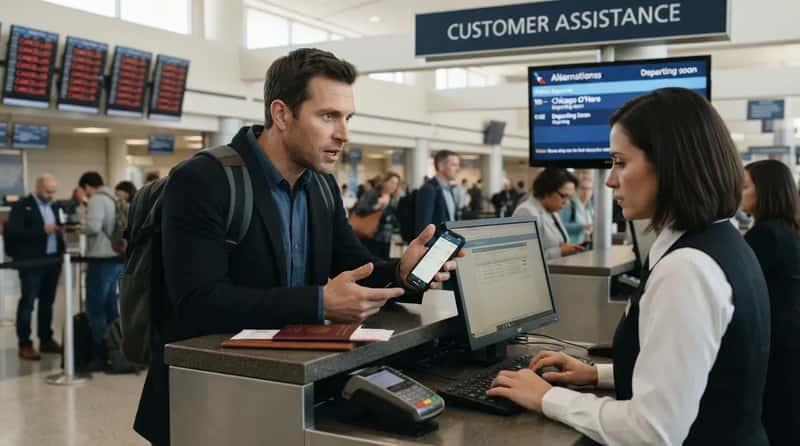
Most travelers assume they’re stuck rebooking with the same carrier that just canceled on them. Frequent flyers know that isn’t always true, and they ask about it directly instead of assuming.
Some airlines will rebook you on a competitor with an earlier departure, since interline agreements allow re-routing across carriers, even though others only offer alternatives on their own flights. It’s a question most gate agents won’t volunteer unless you ask.
#13 – They Chase The Waitlist Instead Of Settling For “Next Available”
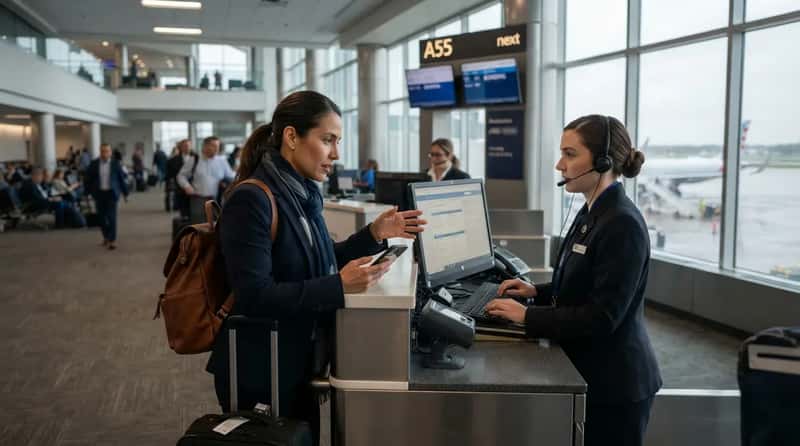
The flight that shows as “full” on your phone isn’t always actually full by departure time. Seasoned flyers know that no-shows happen constantly, and a waitlisted seat can open up minutes before boarding.
Flight search engines like Google Flights usually hide fully booked flights from results entirely, and airline systems tend to skip them too. But years in the industry show there’s still a real chance of getting a seat, since plenty of passengers simply never show up at the gate.
#12 – They Save Every Receipt, Not Just The Big Ones
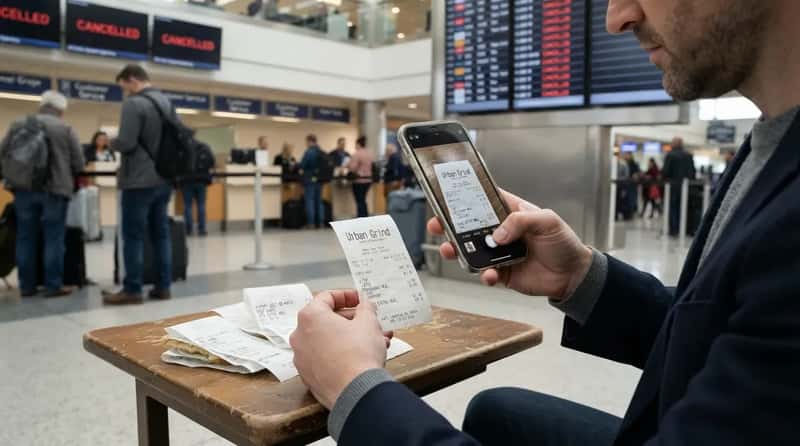
Meals, ride shares, even a bottle of water bought during a six-hour delay all get logged. Frequent flyers know these small, forgettable costs add up to real reimbursement money if a disruption drags on.
They photograph receipts on the spot instead of hoping they’ll remember later. Most casual travelers toss these in the trash without a second thought, then wonder why their compensation claim comes back lower than expected.
#11 – They Already Carry A Card With Built-In Trip Protection
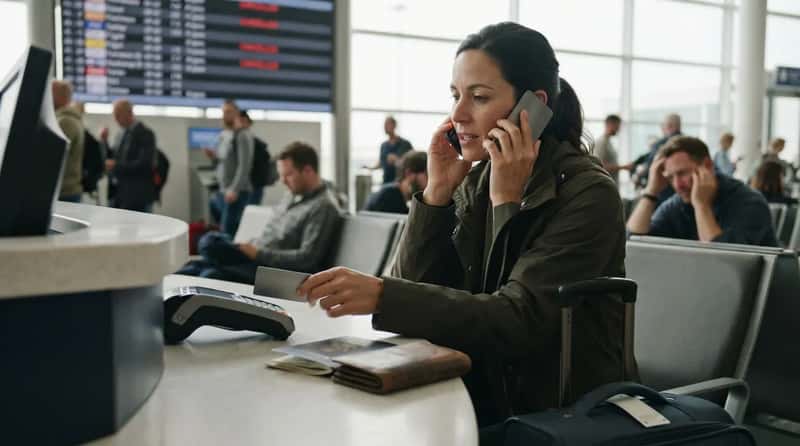
This one happens weeks before any cancellation ever occurs. Frequent flyers deliberately book with a credit card that includes trip delay or cancellation coverage, knowing disruptions are a matter of “when,” not “if.”
It’s a quiet insurance policy that most people forget they even have. When a delay hits the multi-hour mark, that overlooked card benefit can cover a hotel room or a meal that would otherwise come out of pocket.
Worth Knowing
- Many travel rewards cards cover trip delay expenses like meals and hotels
- Some cards reimburse lost or delayed baggage automatically
- Coverage often kicks in after a set delay window, not immediately
- Claims usually require receipts and the airline’s official delay notice
#10 – They Lean On Elite Status Like A Skeleton Key
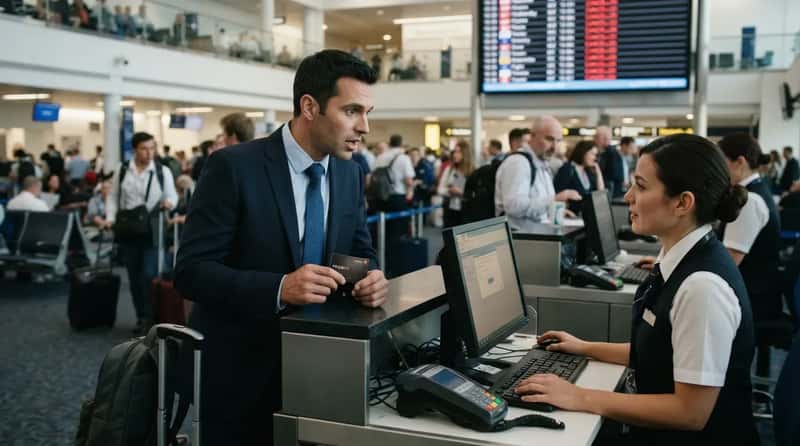
Status isn’t just about lounge access – it’s leverage during a meltdown. Passengers with a business class ticket or frequent flyer status usually get higher priority when airlines assign alternative flights, which is why it’s worth enrolling in an airline’s loyalty program before you even fly, since it’s free and improves your odds during disruptions.
Frequent flyers also know that if the system doesn’t automatically apply their status perks during rebooking, it’s worth speaking up. Flexing loyalty status is a common way travelers avoid extra fees, and if the airline doesn’t automatically acknowledge elite status, it’s worth asking whether it applies in that specific situation.
#9 – They Refuse A Voucher Until They’ve Asked About Cash
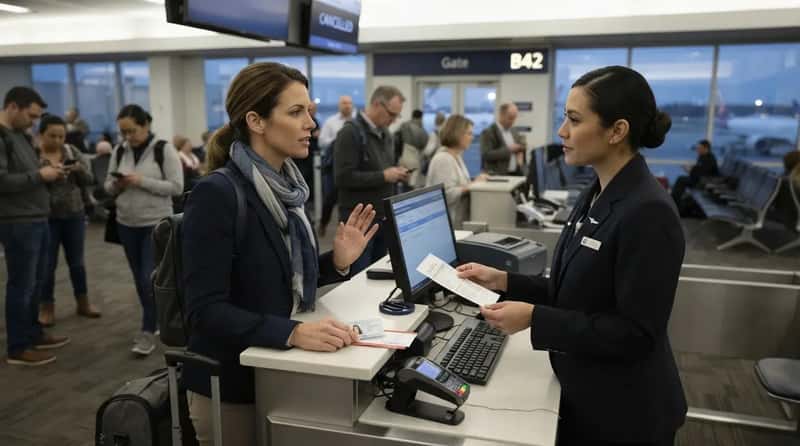
Gate agents will often offer a travel credit first, because it’s cheaper for the airline than a refund. Frequent flyers know that’s a choice, not an obligation.
Consumer travel advocates have stressed that travelers are eligible for a refund, not just vouchers for future travel, and if you do take a voucher, you should always ask about blackout dates and other restrictions first. Most travelers never even ask the question and default straight to whatever the agent hands over.
#8 – They Know Exactly How Fast A Refund Legally Has To Land
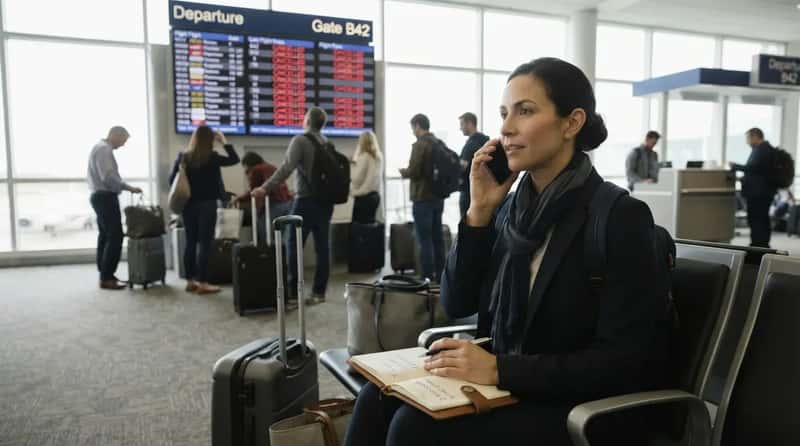
This is the fact almost nobody outside frequent flyer circles knows off the top of their head. Refunds must be processed within 7 business days for card payments or 20 calendar days for other methods.
Knowing this exact number changes the entire conversation with customer service. Instead of vaguely hoping money shows up “eventually,” frequent flyers can calmly say when the clock runs out – and escalate immediately if it does.
Quick Compare
- Card payments: refund required within 7 business days
- Cash, check, or other methods: refund required within 20 calendar days
- Both clocks start once the airline confirms the cancellation
#7 – They Track The Loophole Airlines Have Been Quietly Using
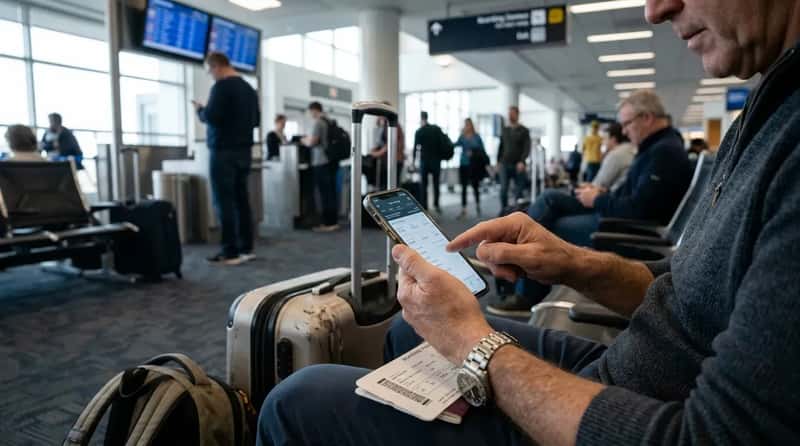
This is the one that genuinely divides frequent flyer communities right now, and it’s newer than most people realize. A recent regulatory shift quietly changed how “canceled” gets defined, with the DOT temporarily pausing refund obligations for flights that are simply renumbered rather than canceled outright, so long as the passenger is rebooked without significant change or delay.
This is genuinely controversial among frequent flyers, because a flight can now get a new flight number instead of a formal cancellation, meaning passengers may not automatically qualify for the cash refund they’d have gotten a year earlier. Seasoned travelers now specifically ask whether their new flight number matches the original booking before assuming a refund is owed.
Passengers are entitled to a refund – not just a travel credit – when an airline cancels or significantly changes a flight.
U.S. Department of Transportation
#6 – They Know A Cancellation Guarantees Real Compensation, Not Just An Apology
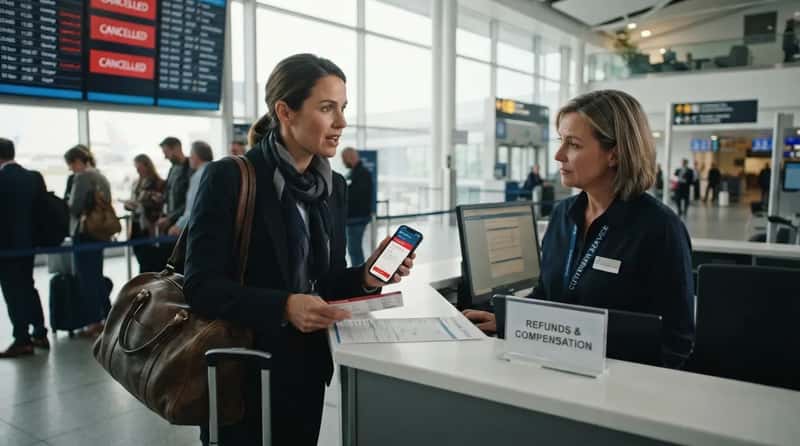
This is the baseline fact every frequent flyer carries into every disruption. If you decide to cancel the trip entirely, you’re entitled to a full refund, even on a non-refundable ticket, plus a refund of any bag fees, seat upgrades, or other extras.
Casual travelers often assume a non-refundable fare means they’re simply out of luck. Frequent flyers know the fare rules go out the window the moment the airline, not the passenger, is the one canceling the flight.
#5 – They Check If Other Airlines At The Same Airport Are Having The Same Problem
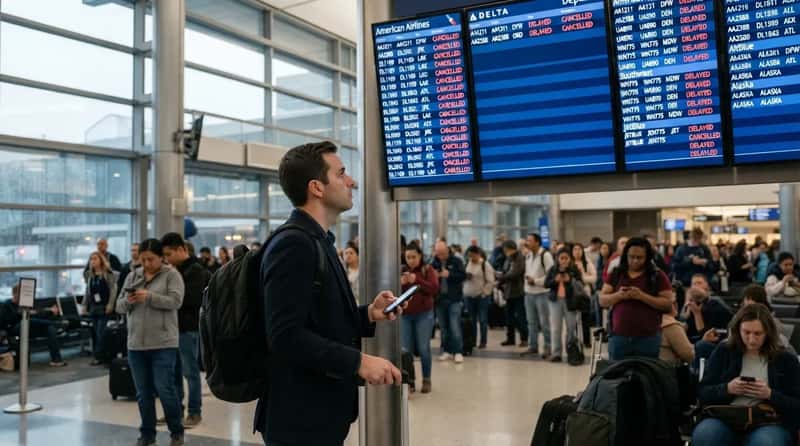
Sometimes a “canceled” flight isn’t really about one airline – it’s the airport, the weather, or the runway. Frequent flyers glance at the departure boards for other carriers before assuming their airline uniquely failed them.
If it’s a shared weather event, they know rebooking will be slow across the board and plan accordingly, sometimes accepting a longer layover instead of chasing an impossible same-day fix. If it’s isolated to one airline, they push harder, faster, because better options genuinely exist elsewhere.
#4 – They Know The Exact Definition Of A “Significant Change”
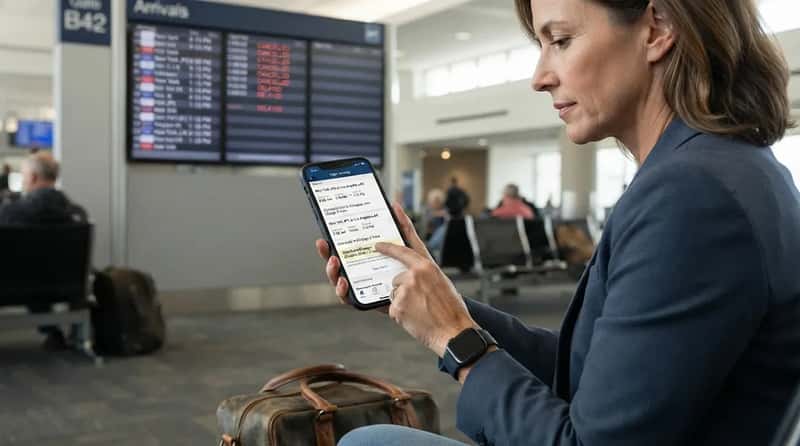
Most travelers think only a full cancellation triggers a refund. Frequent flyers know the rules go further than that. If a flight is significantly changed and a passenger doesn’t want the new itinerary, and doesn’t accept any other compensation offered instead, they’re entitled to a refund.
That single sentence is worth memorizing. It means a schedule shift, a new connecting airport, or extra stops can be treated exactly like a cancellation – as long as the passenger says no to the new plan.
At a Glance
- Domestic itinerary shifts of 3+ hours can qualify as significant
- International shifts of 6+ hours carry the same weight
- A new departure or arrival airport can count as significant
- Added connections or extra stops may also qualify
#3 – They Document The Exact Wording Of The Cancellation Notice
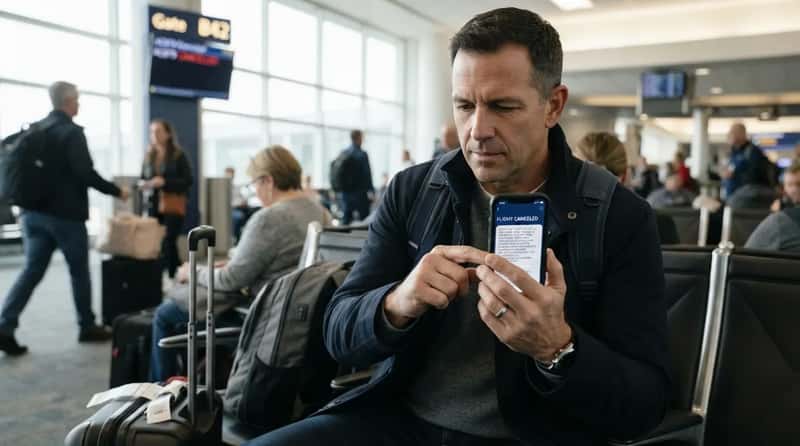
Language matters more than most travelers realize. Federal rules require airlines to promptly notify passengers affected by a canceled or significantly changed flight of their right to a refund, so people are better informed when that right actually kicks in.
Frequent flyers save that notification text specifically, because it becomes proof the airline acknowledged the cancellation and the associated refund right. It removes the “he said, she said” element completely if a dispute ever comes up weeks later.
#2 – They Start Dialing While Still Walking, Not After Standing Still
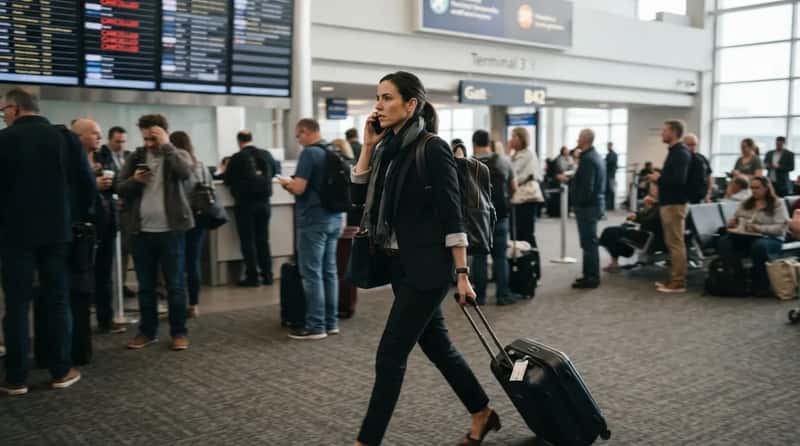
This sounds small, but it’s a genuine habit gap between frequent flyers and everyone else. The moment the word “canceled” registers, they’re already calling while walking toward wherever they were headed next – never pausing to fully process the situation first.
This single behavioral difference, moving and problem-solving simultaneously instead of freezing, is often cited by seasoned travelers as the biggest separator during mass disruptions. Standing still to feel frustrated is a luxury frequent flyers have simply trained themselves out of.
#1 – They Rebook Themselves Before Most Passengers Even Process What Happened

This is the habit that ties every other item on this list together, and it’s the biggest one of all. Waiting for a gate agent to fix things is the slow, losing move, because the real action happens on a phone screen thirty seconds after the agent’s face changes – and there’s an entire unwritten playbook seasoned flyers follow the second “canceled” flashes on the board.
By the time most passengers finish reading the departure board, frequent flyers are already holding a new confirmation number. It’s not about having special access – it’s about refusing to wait for permission to start solving the problem.
None of this requires elite status, insider connections, or luck. It’s a sequence: move before the line forms, ask about options nobody volunteers, know the exact rules that force airlines to pay up, and document everything along the way. The travelers who master this playbook don’t avoid cancellations – they just stop being afraid of them.
Which of these do you already do without thinking twice? Drop your own canceled-flight survival trick in the comments – the next person stuck at a gate might need it.