Most people assume shoulder season cruising just means “off-peak equals cheaper,” so they book the same way they always do – click, pay, pack, go. But the cruisers who’ve done this a dozen times treat those quieter spring and fall sailings like a logistics project, quietly setting up small arrangements weeks before they ever touch the gangway.
What they’re doing behind the scenes has almost nothing to do with finding a low fare. It’s about protecting that fare, stretching it further, and dodging the very specific headaches that only show up during these in-between weeks. Here’s what veteran cruisers actually lock in before a shoulder season sailing.
#1 – They Buy Insurance Built for Storm Season, Not Vacation Season
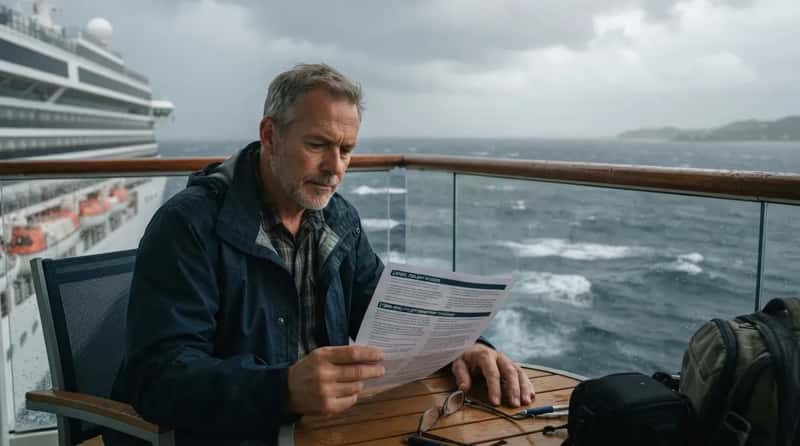
Veteran cruisers don’t buy generic travel insurance – they buy policies with “cancel for any reason” clauses or storm-specific interruption coverage, because they know exactly why the fare dropped in the first place. The Caribbean’s shoulder season overlaps with hurricane season, and that overlap is the entire reason the deal exists.
Casual cruisers see a cheap fare and book it without a second thought. Veterans know that same fare is a trade-off, and they insure against the trade-off instead of ignoring it. The savings and the risk arrive as a package deal, and only one type of traveler prepares for both.
At a Glance
- Atlantic hurricane season officially runs June 1 through November 30, with the historical peak falling around September 10.
- Roughly two-thirds of a typical season’s storm activity lands between late August and mid-October, right in the heart of shoulder season sailings.
- Even in a forecasted quieter year, veteran cruisers insure as if any season could turn active, since a single storm is all it takes to disrupt a trip.
#2 – They Book an Extra Buffer Day Before Embarkation
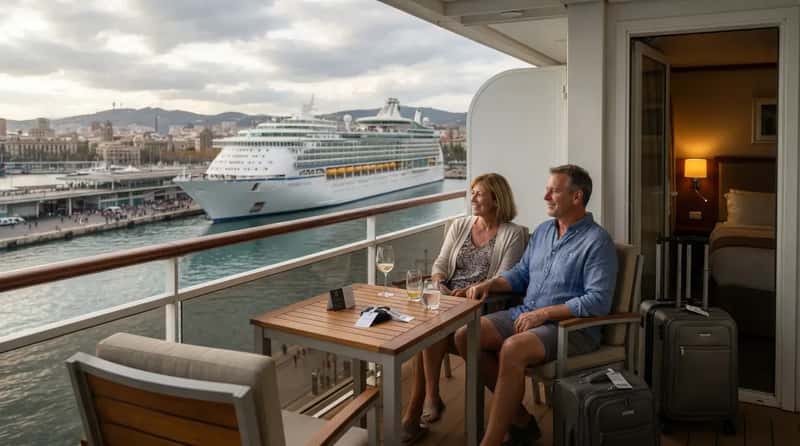
A one-night hotel stay before the cruise sounds excessive until you understand why experienced cruisers insist on it every shoulder season sailing. Storm systems and unpredictable regional weather can snarl flights in ways peak summer travel rarely does, and missing a ship’s departure is a nightmare no discount can fix.
Veterans build in a full extra day, sometimes two, specifically for sailings in these windows. They’d rather eat the cost of a hotel room than risk watching their ship leave the dock without them. It’s a small insurance policy that costs a fraction of what a missed embarkation would.
#3 – They Lock In Trip Interruption Coverage Before the Fare Sale Ends
Shoulder season fares move fast, but experienced cruisers never move so fast that they skip interruption coverage. Regional weather swings can force itinerary changes, missed ports, or delayed returns, and a policy that only covers cancellation isn’t enough for a season this unpredictable.
They specifically look for coverage that reimburses lost port days, not just lost cruises. Most first-timers don’t even know that distinction exists until they need it and don’t have it. It’s the difference between a minor inconvenience and a financial headache.
#4 – They Book Their Own Shore Excursions Off the Ship

Ship-sponsored excursions are convenient, but veteran cruisers know shoulder season is when independent tour operators are hungriest for business. Fewer ships in port during these weeks means local guides have thinner crowds and more flexibility to negotiate.
Booking directly with a local operator instead of through the cruise line often means smaller groups, lower prices, and a guide who isn’t rushing eight buses through the same stop. The same tour can cost half as much off the ship as it does through the cruise line’s excursion desk. Veterans arrange this weeks in advance, before the good slots vanish.
#5 – They Reserve Specialty Dining Before They Even Board
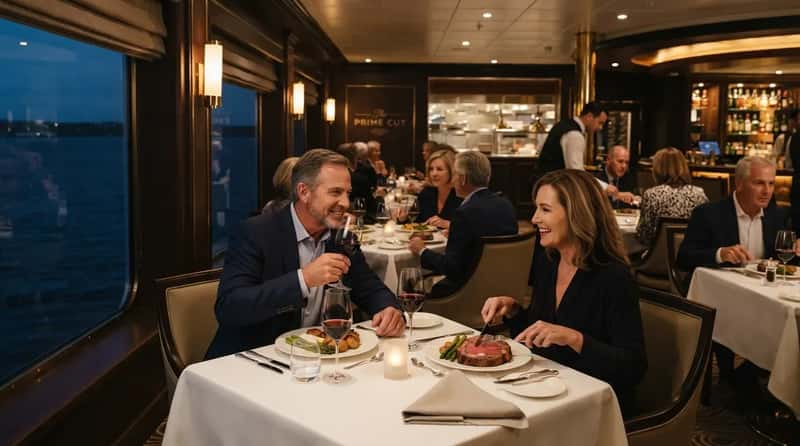
Here’s a myth worth busting: shoulder season doesn’t mean empty specialty restaurants. Even with fewer passengers overall, the good tables at the steakhouse or sushi bar still fill up because the guests who sail these weeks tend to be repeat cruisers who know exactly what they want.
Veterans reserve their dining slots the moment booking opens, sometimes months ahead, rather than sorting it out onboard. Ironically, the “quiet” season can make certain venues harder to get into, not easier, because loyalty members flock to these sailings. They treat reservations like appointments, not afterthoughts.
#6 – They Request a Status Match With a Different Loyalty Program

Cruise lines want to poach loyal customers from their competitors, and shoulder season is prime hunting season for that strategy. Veteran cruisers know to call or email and ask for a status match, using their existing tier with one line to unlock perks on another.
This isn’t published anywhere obvious – it’s a quiet arrangement that happens through a phone call or a well-worded email to a loyalty department. Most passengers never ask, so most passengers never get it. Free drinks, priority boarding, and cabin upgrades can all hinge on a five-minute conversation nobody told them to have.
#7 – They Route Their Booking Through a Travel Agent for Onboard Credit

This is one of the most overlooked plays in the entire shoulder season playbook. Cruise lines often bundle value-adds during these slower weeks – discounted airfare, onboard credit, hotel stays, Wi-Fi, drinks – and a good agent can frequently stack an additional credit on top of whatever the cruise line is already offering.
Booking directly feels simpler, but it frequently leaves money on the table. The exact same cabin, same sailing, same price – except one version comes with an extra $100 to $300 in onboard spending money. That’s a phone call worth making before clicking “book.”
#8 – They Double-Check Real ID Compliance Before Flying to the Port
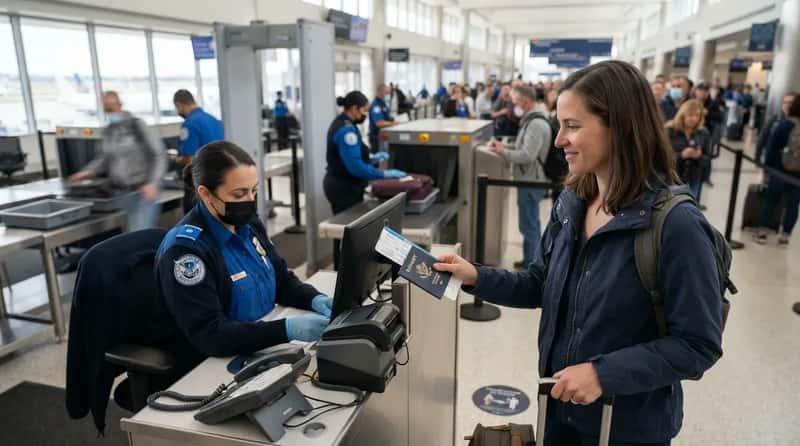
This one trips up more travelers than almost anything else on this list. As of May 7, 2025, passengers flying domestically need a Real ID or another federally approved form of ID, like a passport, to board a flight. Veteran cruisers flying to their embarkation port treat this as non-negotiable homework, not a last-minute checkbox.
Even more important: starting in February 2026, the TSA began charging travelers without REAL ID-compliant identification a verification fee of $45. Skipping this check can now cost real money at airport security, not just delay. Veterans verify their ID status months before departure.
“It’s a real penalty for travelers who arrive unprepared.”
Sally French, travel expert at NerdWallet
#9 – They Pack a Passport Even When It Isn’t Required
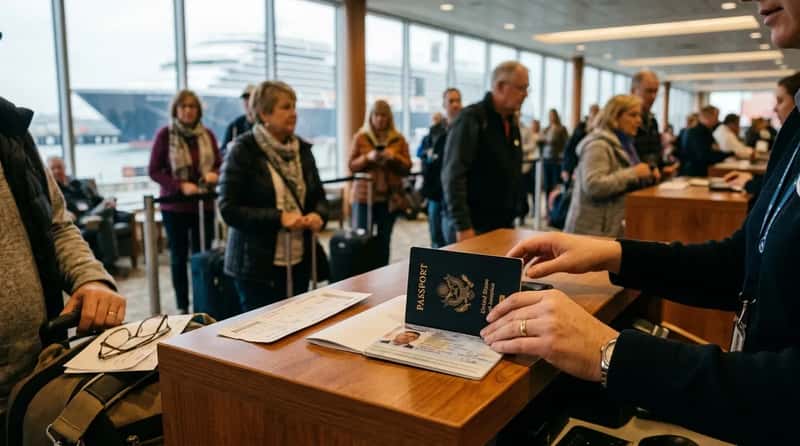
Plenty of shoulder season sailings are domestic round-trips that technically don’t demand a passport. Veterans bring one anyway, because they’ve learned that “technically allowed” and “actually smooth” are two different things. A U.S. citizen can present a state-certified birth certificate for closed-loop sailings, but that document isn’t REAL ID-compliant and still requires a separate government-issued photo ID.
A passport skips that entire paperwork juggling act in one clean document. If a storm reroutes the ship to an unexpected international port, only passport holders get off comfortably. It’s a small item that solves a dozen possible headaches at once.
#10 – They Pack for Four Seasons in One Suitcase
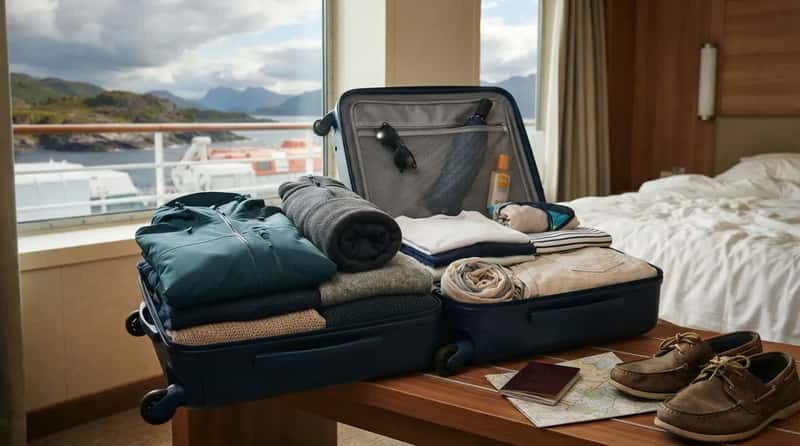
Shoulder season weather is famously two-faced. A morning departure can feel like winter and an afternoon port stop can feel like midsummer, sometimes on the same day. Veterans arrange their packing lists around layers, not around a single seasonal theme.
They pack a lightweight rain shell, a warm layer for windy sea days, and breathable clothes for port afternoons, all in the same carry-on. Rookie cruisers often show up with a suitcase built for a single climate and regret it by day two. The temperature swing during shoulder months is wider than almost any other time to sail.
#11 – They Pre-Purchase Wi-Fi Packages During the Sale Window

Shoulder season promotions frequently bundle internet packages that cost significantly more once onboard. Veterans watch for these windows and lock in Wi-Fi before boarding, rather than paying the inflated day-of-sailing rate.
They also know which weeks tend to trigger these bundled promotions, often timed around slower booking periods when cruise lines are trying to fill remaining cabins. A package that’s free during a promotional sale can cost well over $20 a day once purchased onboard. It pays for itself in the first few hours at sea.
#12 – They Do the Drink Package Math Before Deciding

Here’s a controversial one: plenty of travel forums push drink packages as an automatic yes, but veteran cruisers increasingly argue they’re a waste of money on quieter shoulder season sailings. With fewer passengers onboard, bars and lounges sometimes run shorter hours or reduced happy-hour promotions that make the math less favorable.
Veterans calculate their actual expected daily drink count against the package price instead of assuming it “always breaks even.” On some shoulder season sailings, paying per drink actually beats the package outright. It’s a spreadsheet moment most casual cruisers skip entirely.
#13 – They Request a Midship, Lower-Deck Cabin
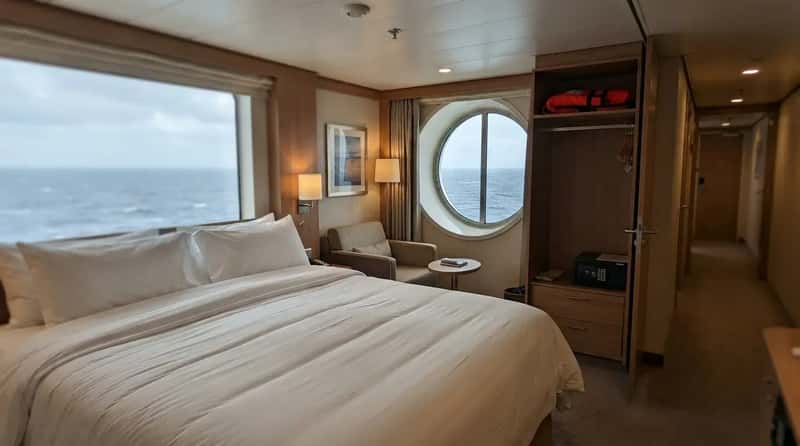
Shoulder season sailings sometimes coincide with the tail end of storm systems, which means slightly rougher seas are more common than during calm summer months. Veteran cruisers specifically request cabins located midship and on lower decks, where the ship’s motion is least noticeable.
This isn’t paranoia – it’s physics. A cabin at the front or top of the ship can feel dramatically rockier than one positioned near the center of gravity. Veterans arrange this at booking, not as an afterthought once they’re already assigned a cabin near the bow.
Worth Knowing
- Cabins near the ship’s center feel the least side-to-side roll, since that’s the vessel’s natural pivot point.
- Lower decks sit closer to the waterline, which softens the up-and-down motion compared to cabins high above.
- Rooms at the very front or back of the ship amplify pitching the most, especially in choppier shoulder season swells.
- Motion-sickness remedies tend to work best when taken before symptoms start, not after the rocking begins.
#14 – They Add a Laundry Package for Longer Shoulder Itineraries
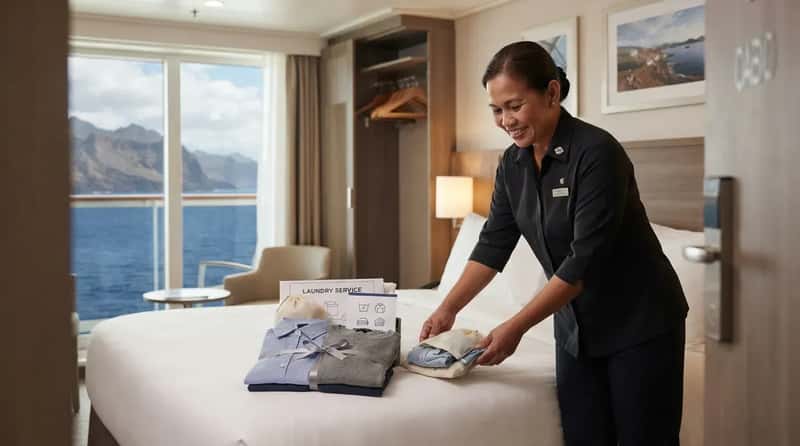
Shoulder season often brings slightly longer or repositioning-style itineraries as ships shift between regions ahead of the next peak season. Veteran cruisers on these longer sailings arrange laundry packages in advance instead of packing enough clothes for two full weeks.
It sounds like a minor convenience until you do the suitcase math. A pre-purchased laundry bundle can replace half a suitcase of extra clothing entirely. Veterans see it as a packing hack disguised as a housekeeping service.
#15 – They Arrange Their Own Airport Transfer

Cruise line transfers are convenient, but they run on the ship’s schedule, not the traveler’s. Veteran cruisers flying into a shoulder season embarkation port often arrange a private or rideshare transfer instead, giving themselves control over timing.
This matters more during shoulder months because airports handling shifting seasonal traffic can experience unpredictable delays and gate changes. An independent transfer means never waiting around for a shuttle bus that only leaves once it’s full. It buys back hours of flexibility.
#16 – They Line Up a House Sitter or Pet Sitter Early

Shoulder season sailings often fall during odd weeks – a random Tuesday departure in late September, for instance – that don’t align with typical vacation coverage. Veteran cruisers arrange house and pet sitters weeks in advance because the usual summer-vacation sitter pool is busy with different clients during peak months, not these in-between weeks.
They treat this arrangement with the same seriousness as booking the cruise itself. Waiting until the week before to find pet coverage during an odd shoulder season week is one of the most common last-minute scrambles veterans have learned to avoid. It’s unglamorous, but it’s essential.
#17 – They Carry Extra Cash for Smaller, Quieter Ports

Shoulder season itineraries frequently swing through smaller ports that see less traffic, and those local vendors often run cash-only during slower tourist weeks. Veteran cruisers arrange a stash of small bills before ever leaving home.
They know that card readers and reliable Wi-Fi aren’t guaranteed in every port stall, especially the smaller markets that only get busy during true peak season. A pocketful of small bills can be the difference between buying that local craft item and walking away empty-handed. It’s a low-tech arrangement for a very real gap.
#18 – They Refill Prescriptions Before Departure, Not During

Shoulder season sailings sometimes hit smaller or more remote ports where pharmacy access is limited compared to major peak-season stops. Veteran cruisers treat prescription refills as a pre-trip checklist item, arranging enough medication for the full sailing plus a few extra days as buffer.
They’ve learned this the hard way – a missed refill window at home is a minor errand, but a missed refill mid-cruise in a port with no proper pharmacy is a genuine problem. Veterans build medication buffers the same way they build weather buffers, because both scenarios are equally avoidable with a little planning.
#19 – They Book Spa Treatments for the Ship’s Quietest Hours

With fewer passengers onboard during shoulder season, veteran cruisers have figured out that spas often discount treatments during port days, when most guests are off the ship exploring instead of booking massages. Arranging a treatment during these off-peak hours means better rates and a genuinely quieter spa experience.
This runs counter to how most people book spa time, which is usually during sea days when demand – and prices – are highest. Booking against the crowd’s natural rhythm is one of the more overlooked shoulder season tricks. It’s not published anywhere; it’s simply something repeat cruisers have figured out through trial and error.
#20 – They Pre-Purchase Photo Packages Before Boarding
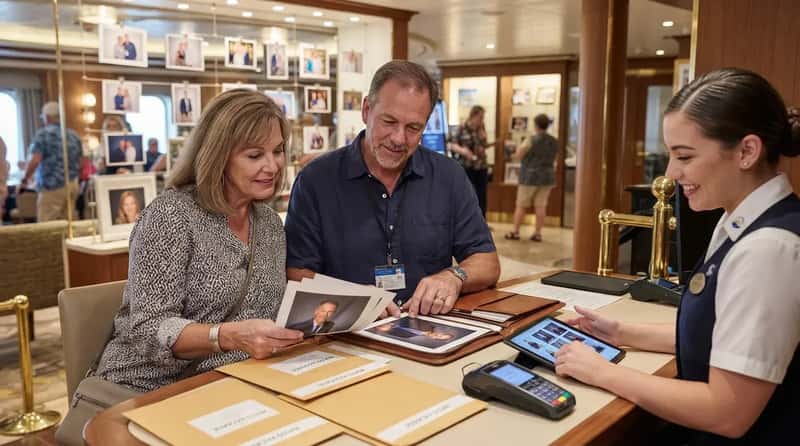
Cruise line photography pricing tends to be more flexible during promotional shoulder season windows, and veteran cruisers watch for these bundles the same way they watch for Wi-Fi deals. Buying the package in advance locks in a lower rate than paying per printed photo onboard.
It’s a small arrangement, but the math adds up fast on a week-long sailing with formal nights and port day photo ops. A pre-purchased unlimited package can cost less than buying just three or four individual prints at onboard pricing. Veterans buy early, buy on sale, every time.
#21 – They Track Weather and Storm Forecasts Weeks Out
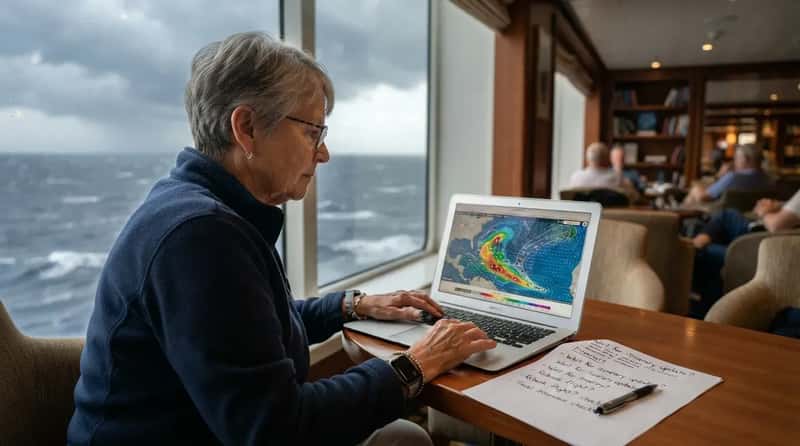
This is where casual cruisers and veterans diverge sharply. Veterans start checking regional storm forecasts weeks before a Caribbean, Gulf, or Atlantic shoulder season sailing, arranging their packing, insurance, and even flight timing around what the forecasts suggest.
Because shoulder season overlaps with active storm windows in several regions, itinerary changes aren’t rare surprises – they’re a known possibility veterans plan around from day one. Most first-time cruisers only start worrying about weather the week of departure, while veterans have been watching it for a month. It’s less anxiety and more preparation.
#22 – They Set Up Fare-Drop Price Alerts After Booking

Shoulder season pricing doesn’t sit still. Cabin rates can drop again after initial booking as cruise lines try to fill remaining space closer to sail date. Veteran cruisers arrange price-tracking alerts through their agent or a fare-tracking service so they know the moment a drop happens.
Many cruise lines will apply a lower fare as onboard credit or a straight refare if you catch it before final payment. Passengers who never set up tracking simply never find out they overpaid. It’s a quiet arrangement that keeps working long after the initial booking is done.
Quick Compare
- With price-drop tracking: A fare dip before final payment often becomes onboard credit or a refare, at no extra cost to arrange.
- Without price-drop tracking: The same fare dip quietly comes and goes, and the passenger simply never finds out they overpaid.
#23 – They Confirm Their Cruise Line’s Itinerary Change Policy in Writing
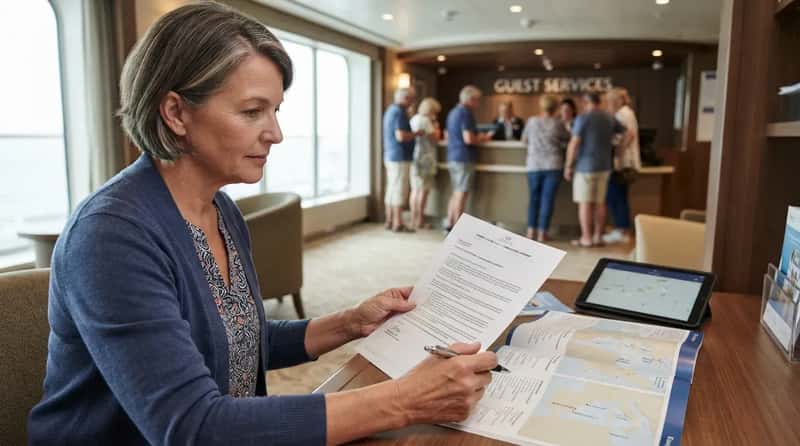
Shoulder season is exactly when port swaps and itinerary tweaks happen most, whether from weather, mechanical schedules, or seasonal port availability. Veteran cruisers don’t assume they know the policy – they call and get written confirmation of what happens to their money if a port gets cancelled or swapped.
This single arrangement prevents an enormous amount of onboard frustration. Passengers who never checked the fine print are the ones standing at guest services arguing about a missed port, while veterans already know exactly what compensation, if any, applies. It’s five minutes of homework that saves hours of stress.
#24 – They Build a Flex Day Into Their Return Trip Home
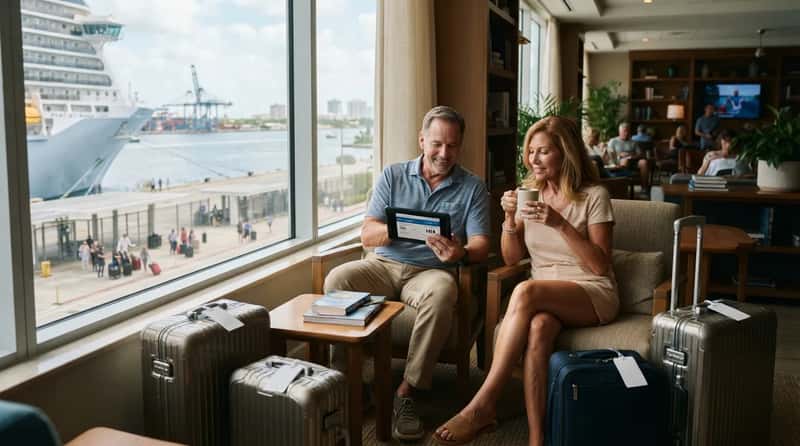
This is the arrangement veteran cruisers treat as absolutely non-negotiable, and it’s the one that saves the most heartbreak. They never book a flight home for the same day the ship docks – especially not during shoulder season, when weather-driven itinerary shifts and port delays are more common than during peak summer sailings.
Building in a buffer day between disembarkation and the flight home means a delayed return to port, a late customs line, or an unexpected schedule shift doesn’t turn into a missed flight and a cascade of rebooking fees. This single habit, more than any other on this list, is the one veteran cruisers say they learned only after getting burned once. It’s the last arrangement they make, and the first one they never skip again.
None of these arrangements are secret, exactly – they’re just easy to overlook until you’ve sailed enough shoulder seasons to get burned by skipping one. Individually, each item feels small: a buffer day here, a cabin request there, a five-minute call to a loyalty desk.
Stacked together, they’re the actual reason veteran cruisers walk off these sailings talking about how smooth everything felt, while first-timers spend half the trip solving problems that were entirely avoidable.