Every year, millions of travelers save up, plan meticulously, and fly or drive across the country to visit America’s most iconic destinations. They arrive full of excitement. They leave full of regret. The coffee was nine dollars, the view was blocked by strangers holding selfie sticks, and there was a man in a Spider-Man costume demanding twenty bucks for a photo nobody asked for.
Honestly, some of America’s most famous tourist spots have built their entire reputation on pure marketing hype, and the actual experience couldn’t be further from the dream. The gap between expectation and reality is sometimes so wide you could park a tour bus in it. Buckle up, because this gallery tells the truth that travel brochures never will.
1. Times Square, New York City
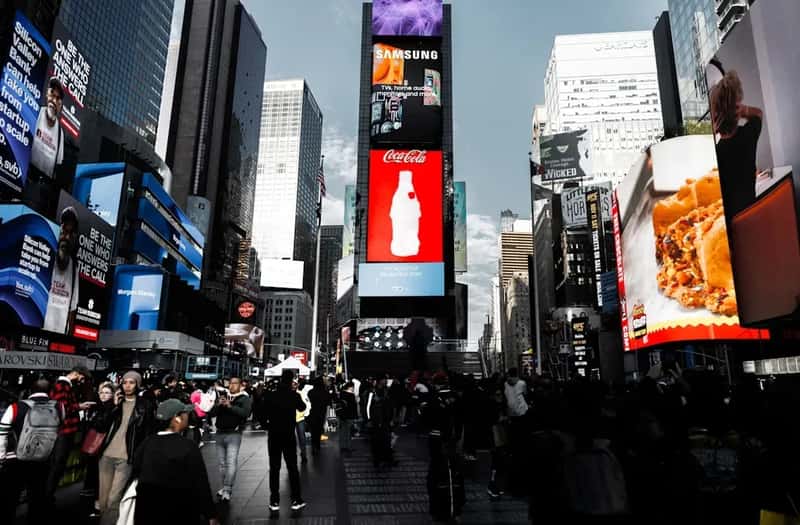
Times Square in NYC is considered the most overrated tourist trap in the world, with visitors often complaining about crowds, dirtiness, and lack of excitement. The numbers are staggering. According to Times Square Billboard data, the neon-lit destination gets 131 million visitors annually from nations all over the world.
A 2024 Business Insider article revealed that even experienced travelers, including one who had visited all 50 states, labeled Times Square as profoundly overrated. The area, once celebrated for its cultural significance, is now seen as little more than a spectacle filled with chain stores and aggressive vendors, leaving little room for authentic New York experiences.
The costumed characters in Times Square, including Elmo and Spider-Man, are not part of some official city attraction. They are freelance street performers who aggressively hustle tourists for tips. If you take a photo, expect to be asked, sometimes demanded, for ten to twenty dollars per person.
Food scams are also a serious problem. In New York specifically, food-related scams represent a staggering 63% of total tourist fraud incidents reported. The whole area is essentially a business model designed to extract money from people who don’t know any better.
2. Fisherman’s Wharf, San Francisco
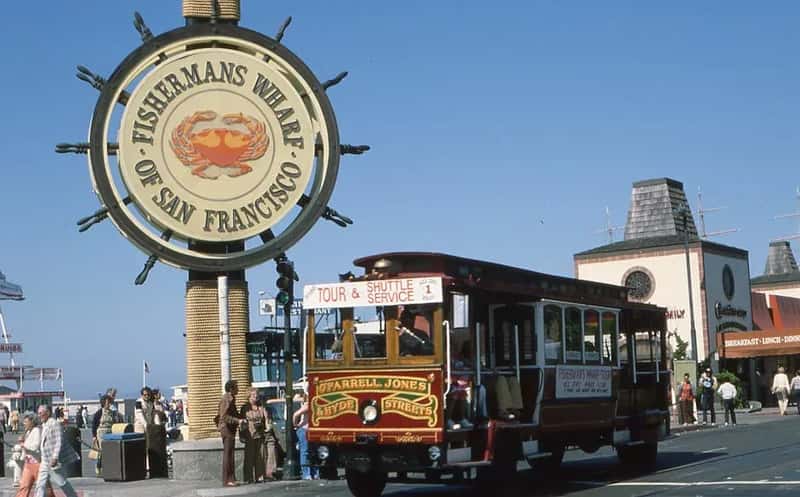
Casago’s study identified Fisherman’s Wharf in San Francisco as the biggest tourist trap in the United States and the world. Its analysis found 1,049 TripAdvisor reviews containing the words “tourist trap” for the California city’s iconic waterfront business district that sees around 12 million visitors annually.
Over the years, complaints have grown that Fisherman’s Wharf has become too commercialized. The original feel of the wharf has disappeared and been replaced with trinket shops at every turn. The attractions that were supposed to draw visitors are now viewed as more of a tourist trap than an experience to remember.
A native San Franciscan told SF Gate that locals hate Fisherman’s Wharf, describing it as “overcrowded with tourists, tacky souvenirs and overpriced food that isn’t good.” After an attempt to enjoy the place, they very savagely concluded that it’s a “hellscape.”
Since the COVID-19 pandemic, Fisherman’s Wharf has not gotten back the crowds it used to. The over-commercialization has since caused the wharf to look more like a ghost town, with businesses shuttering over the last few years. What remains are a few souvenir shops, overpriced restaurants, and a version of Fisherman’s Wharf that has led to continued decline in tourism.
3. The Hollywood Walk of Fame, Los Angeles
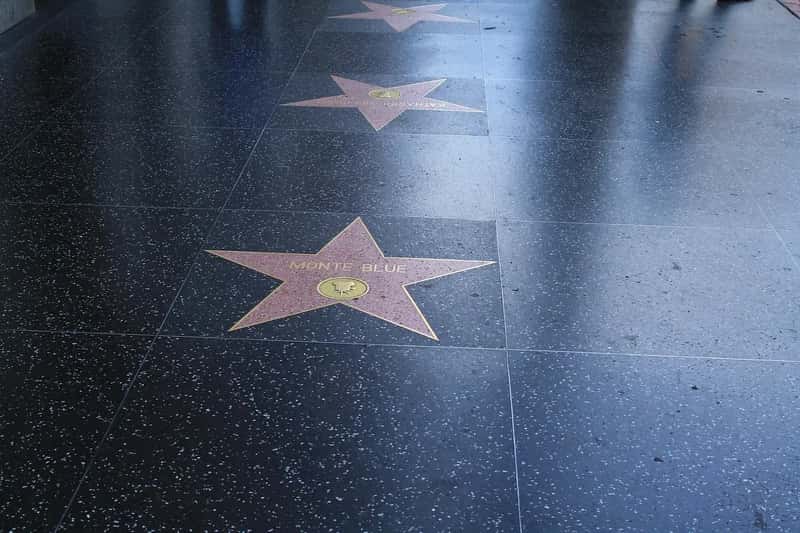
The Hollywood Walk of Fame in Los Angeles, where tourists expect to see the glamour of the entertainment industry immortalized in gold stars, often falls short of expectations. While this sidewalk is home to the names of some of the world’s biggest stars, many visitors are shocked by the area’s grittiness and inauthenticity. Instead of the glitz and glamour they envisioned, tourists often encounter costumed performers, souvenir shops, and a general sense of commercial exploitation.
The 2025 analysis by AOL listed the Hollywood Walk of Fame as one of the top global tourist traps, largely due to overcrowding and a lack of true Hollywood allure.
Reviews commonly mention cracked pavement, crowds, street vendors, and concerns about cleanliness and safety in the immediate area. The hype gap is partly structural: people expect celebrity sightings and studio sparkle, but the attraction is spread over blocks of normal city streets.
It gets hot under the Los Angeles sun, the costumed impersonators can be annoying, there are pickpockets waiting to steal your dollars, and the shady goings-on at night should give even the most enthusiastic traveler pause.
4. Mount Rushmore, South Dakota
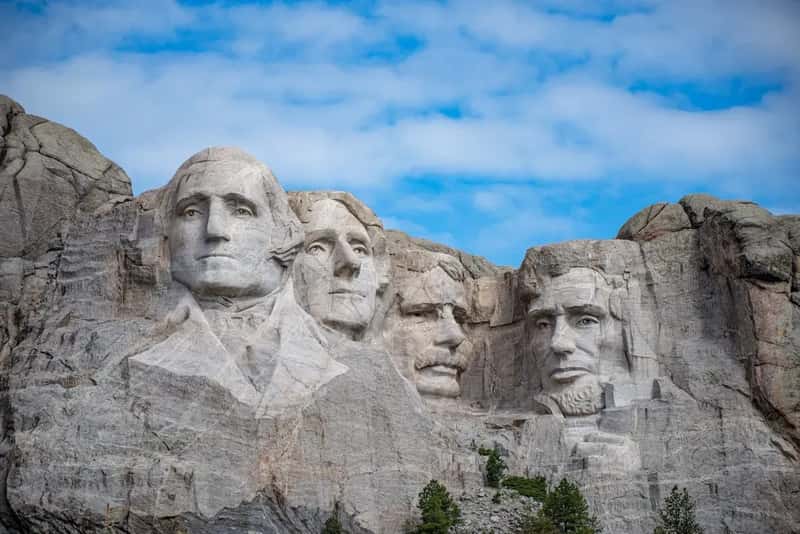
Mount Rushmore is an American icon, but a frequent visitor complaint is that the monument feels smaller and farther away than expected. Many people arrive imagining a close-up, immersive experience, then realize the main view is from designated overlooks with a fairly brief visit time.
The drive to Mount Rushmore is long and the payoff is not what many visitors hope for. In reality, if you’ve seen a picture of Mount Rushmore, you’ve basically seen everything that it has to offer. It is four presidential faces on a mountain, a feat of engineering and artistry to be sure, but still not worth the hassle for many.
Posts on X in 2025 threads describe it as “the most disappointing tourist spot in America,” with complaints about high entry fees and limited viewing angles that don’t justify the buildup.
It’s a managed site with parking, a visitor center, and structured pathways, which can clash with the “remote mountain” image created by photos and pop culture. Think of it like ordering a legendary burger and getting a fast food slider.
5. The Alamo, San Antonio, Texas
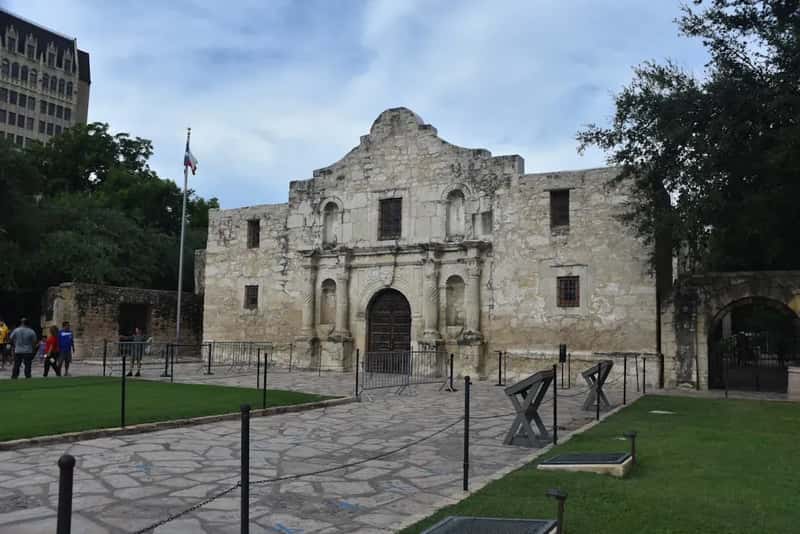
The Alamo, a pivotal locale in the Texas Revolution, has been described as the worst tourist trap in Texas. Just be prepared for a visit that might feel smaller than the legends that echo through the halls of Texan lore.
According to a USA TODAY report, the mission and the San Antonio River Walk were named among the most overrated tourist traps in the world. The outlet analyzed 23.2 million Google reviews of the world’s 500 most popular tourist attractions in 65 countries.
Some reviewers call the Alamo “the most boring historic site” they have ever seen, while others lament the many cheap gift shops in the area. Seeing the Alamo sometimes requires standing in line. If you are in San Antonio during summer when it’s hot and humid, this could be a miserable experience. Once you get in, there’s not much to look at besides the front wall of the mission.
The Alamo’s 2.73% disappointing review share places it fourth nationally. Despite its historical importance, visitors often mention minimal exhibits and overcrowding.
6. Graceland, Memphis, Tennessee
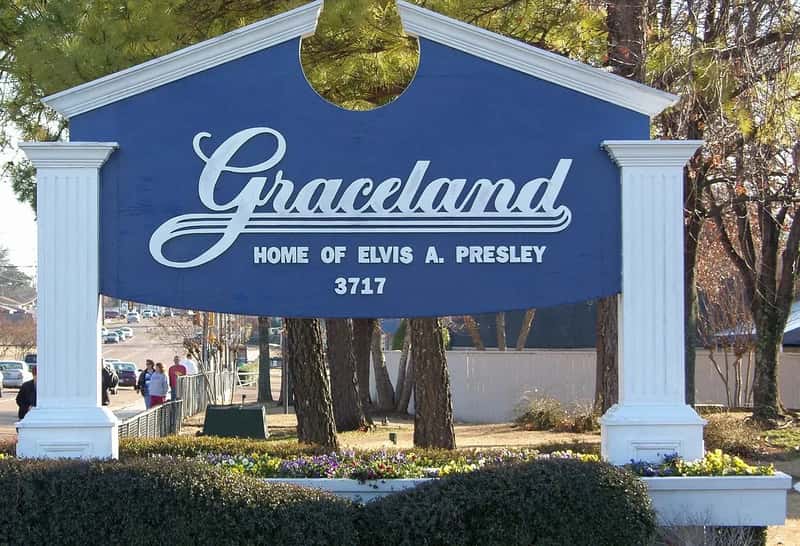
Graceland tops the list of the most overpriced tourist traps, with 206 reviews calling it a “tourist trap” and an entry fee of $84. Though undeniably historic, many visitors complain about the extremely long waits and the poor organization of the attraction.
According to one study, 38% of reviewers said Elvis’ iconic Memphis estate wasn’t worth the price of admission. Common complaints included steep ticket costs, minimal exhibits, and the lingering sense that “there’s not much to see.”
Graceland in Tennessee had entry costs up to $84. With more than 200 negative reviews, one analysis estimates over $17,000 in wasted collective spending. Elvis fans may still make the pilgrimage, but for many, long waits and poor organization sour the experience.
Even the most devoted fans have dubbed it “the tourist trap from hell.” That’s a hard truth, especially for people who drove hours to pay tribute to the King.
7. The Biltmore Estate, Asheville, North Carolina
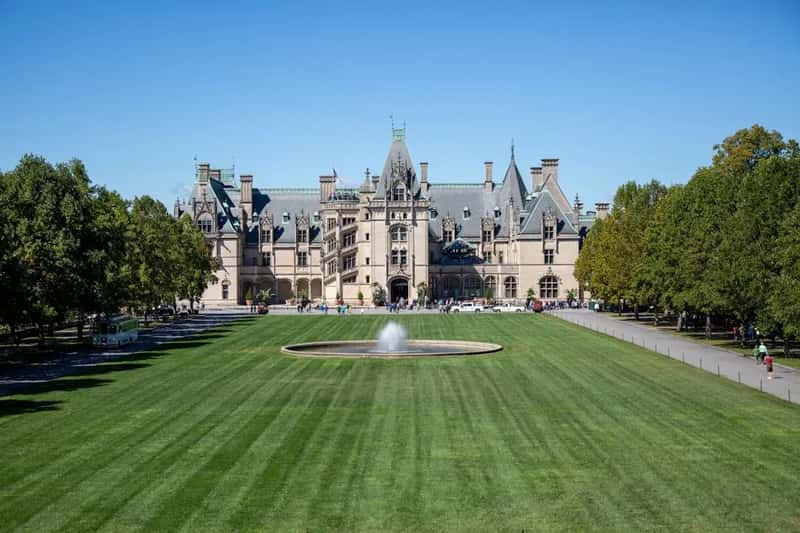
In North Carolina, the lavish Biltmore Estate charges $130 for entry, the highest single ticket price on the Nomad eSIM list. Though the property’s history is undeniable, nearly 100 reviewers dismissed it as a tourist trap, resulting in wasted spending close to $13,000.
Ticket prices for the Biltmore Estate fluctuate wildly depending on the time of year. Visiting during the holidays comes with lavish décor, rooms festooned with twinkling lights, and sky-high ticket prices that can reach $105. Additionally, count on sharing the estate with 330,000 other sightseers during the short Christmas season. Visiting alongside such massive crowds only deflates the value of the estate’s peak-season prices.
In previous years, post-Christmas ticket prices fell to a slightly more reasonable $69. However, according to a 2025 TripAdvisor review, visiting the Biltmore was still harrowingly expensive in March, Asheville’s shoulder season. One reviewer noted: “It makes NO SENSE that 4 people pay over $460.”
8. The Four Corners Monument
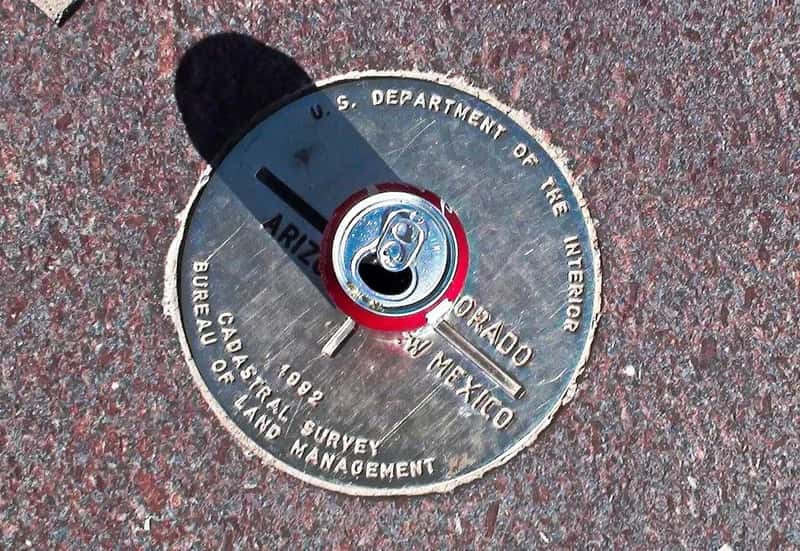
The Four Corners Monument has a fun premise, standing in four states at once, but visitors often call it underwhelming for the effort required. Complaints commonly mention the remote drive, lines for the photo spot, and paying an entrance fee for what amounts to a quick snapshot.
This monument is, by one reviewer’s account, “in the middle of nowhere.” The official website for the Four Corners Monument notes that the nearest gas station and convenience store is 30 miles away. There is no water or electricity at the monument, and the lines are notoriously long.
Aside from the lack of phone and internet service, it is in the middle of nowhere and the monument is supposedly positioned some 1,800 feet from the actual intersection of those four states. So you’re not even standing where you think you’re standing.
If you are looking to add states to your “been there” list, you can knock out four of them in this one stop. However, many people have found that one Instagram picture wasn’t worth all the hassle.
9. Wall Drug, Wall, South Dakota
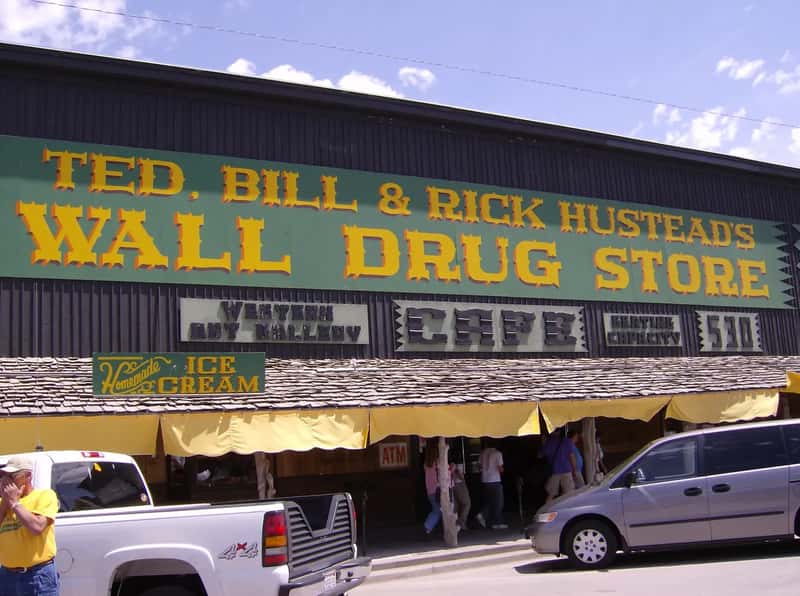
San Francisco’s Fisherman’s Wharf and South Dakota’s Wall Drug share the top spot in a Nomad eSIM study of America’s worst tourist traps. Wall Drug is basically an entire town built around a drugstore that decided to put up hundreds of billboards on highways across the country.
Wall Drug got its start by offering free ice water to travelers, which it still does today. The business is built on the premise that repetitious advertising will force travelers to stop, and it has been quite an effective marketing strategy. There are hundreds upon hundreds of signs for Wall Drug on highways leading to the Badlands. The furthest sign from the store is almost 400 miles away.
Wall Drug’s critique in the Nomad eSIM study centered on its sprawling gift shops and carnival-like atmosphere. Let’s be real: the place is a glorified souvenir mall that advertised itself into existence. It’s pure Americana, yes, but also pure hype.
10. Bourbon Street, New Orleans, Louisiana
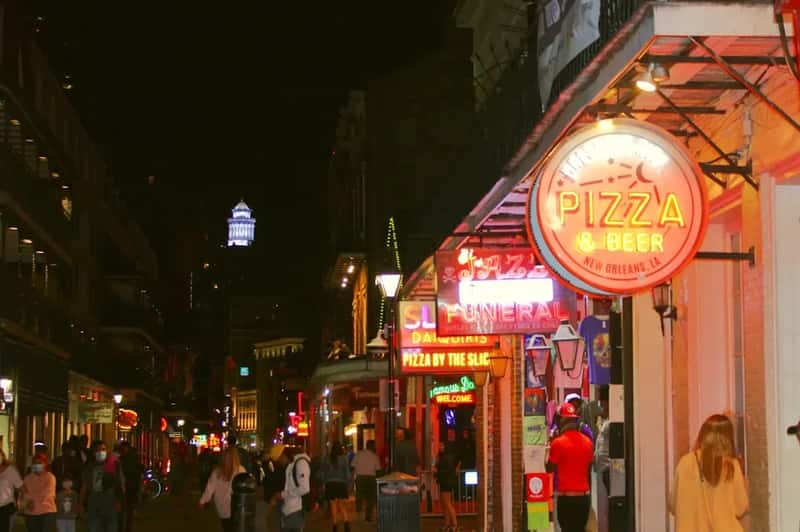
Bourbon Street is sold as the must-see party strip of New Orleans, but many visitors say the reality is messy and loud. Reviews often cite packed sidewalks, strong odors from spilled drinks and trash, and a rowdy atmosphere that can feel one-note outside of bar hopping.
Locals tend to steer clear, preferring more laid-back spots. A stroll down New Orleans’ famous street could leave you dodging tipsy tourists rather than soaking in authentic culture.
The real New Orleans, the one with incredible live jazz, soul food, and genuine Creole architecture, is just a few blocks away on Frenchmen Street. You wouldn’t know it from the travel guides, though, because Bourbon Street has the brand recognition and the marketing dollars. Meanwhile, every overpriced hurricane cocktail you buy there is basically a souvenir of your own disappointment.
11. The Las Vegas Strip, Nevada
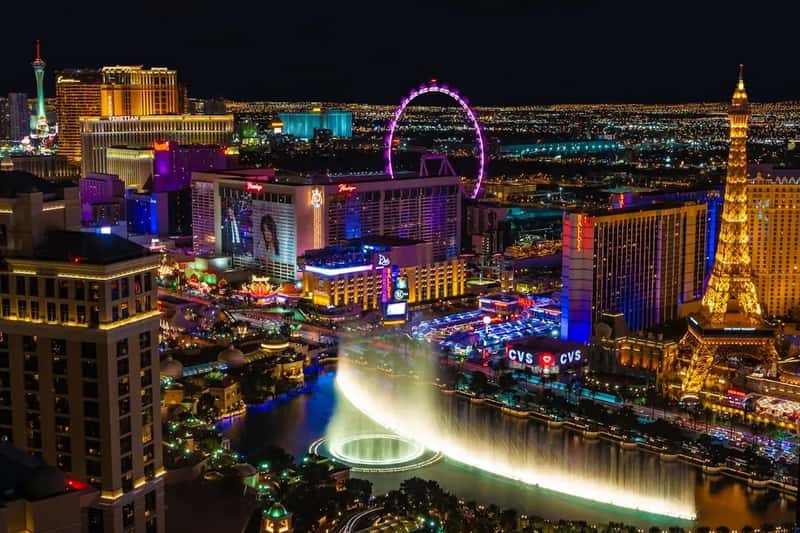
The Las Vegas Strip is near the top of many travelers’ lists of overrated destinations. Although the Strip is a sight unlike any other, its artificiality puts it near the top of the list of overrated tourist destinations.
The Las Vegas Strip sells nonstop spectacle, fountains, mega-resorts, and headline shows, but visitors increasingly complain about sticker shock. Common gripes include high resort fees, pricey food and drinks, paid parking, and constant add-ons that make a “quick weekend” cost far more than expected.
Especially in Las Vegas, visitors will find people posing as professional photographers who convince tourists to let them take a picture and then charge ten to twenty dollars for the photograph. It’s a city specifically engineered to transfer money from your wallet into someone else’s. At least it’s honest about it, in a way.
12. Niagara Falls, New York
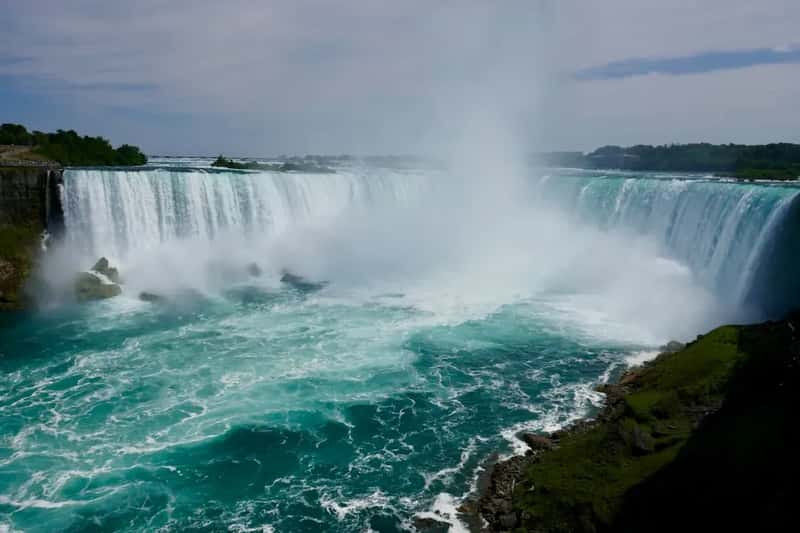
Niagara Falls attracts millions of visitors every year. While the falls themselves are undoubtedly breathtaking, many find the surrounding area to be crowded and touristy. Visitors can expect to encounter long lines at every attraction and souvenir shops on every corner. Furthermore, everything from toiletries to gifts is overpriced, making Niagara Falls one of the largest tourist traps in the U.S.
In an analysis of overrated New York tourist attractions, Niagara Falls State Park ranked 14th among spots that people consider a waste of money.
Here’s the thing: the waterfall itself is free to look at. The problem is that the entire surrounding infrastructure, from the Maid of the Mist tickets to the marked-up hotel rooms with “falls views,” is priced to squeeze every possible dollar out of visitors. The Canadian side is widely considered the better view anyway. Arriving expecting magic and leaving knowing you could’ve watched it on YouTube is a uniquely Niagara experience.
13. The Grand Canyon Skywalk, Arizona
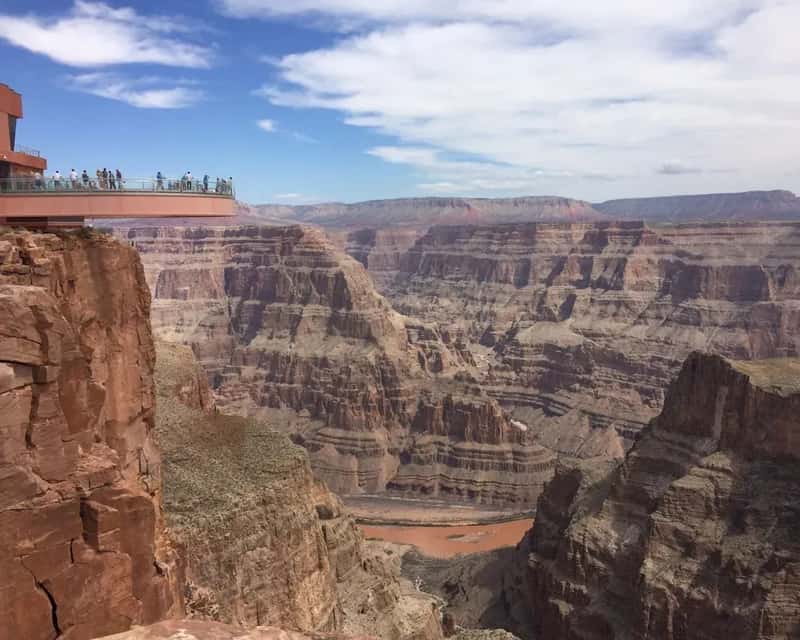
The Grand Canyon Skywalk in Arizona offers tickets starting at $99 for all-access. Visitors frequently complain that the experience doesn’t live up to the price tag, and the collective disappointment is pegged at nearly $14,000 in wasted spending across all negative reviewers.
Graceland topped the overpriced list, but the Grand Canyon Skywalk came in second, with the attraction drawing significant criticism despite its glass-bottomed walkway concept.
The Grand Canyon itself is one of the most awe-inspiring natural sites on the planet, full stop. But the Skywalk is a private, separately ticketed add-on that charges a premium for the privilege of looking straight down through a glass floor. Many visitors say the actual walk takes less than ten minutes. Paying nearly a hundred dollars for a ten-minute photo op while surrounded by crowds is, honestly, a tough sell by any definition.
14. Plymouth Rock, Plymouth, Massachusetts
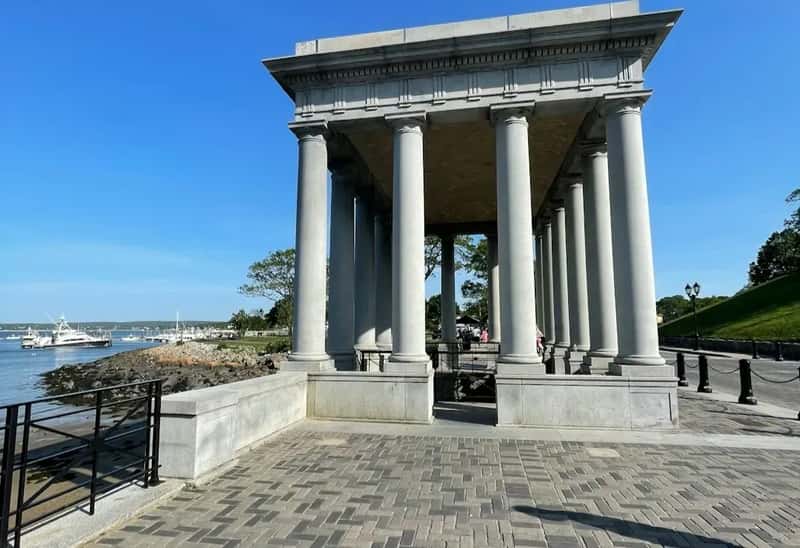
Plymouth Rock, supposed to mark the Pilgrims’ landing site, often leaves visitors underwhelmed due to its small size. A better alternative is Cape Cod with its beautiful beaches, quaint towns, and scenic lighthouses, which is a wonderful spot for a more extended, relaxing vacation.
Here’s what nobody puts in the travel brochure: Plymouth Rock is a boulder in a pit under a little stone portico. It’s smaller than most kitchen tables. Historians also note that the rock’s association with the 1620 Pilgrim landing wasn’t popularized until more than 100 years after the event. You’re essentially driving to look at a mid-sized rock that may have had nothing to do with the Mayflower at all.
It’s one of the great let-downs in American tourism history, a monument to a story about a stone that became a monument. Still, every year, thousands of visitors make the pilgrimage, snap a photo through the iron fence, look at each other, and quietly wonder if they took a wrong turn somewhere.
15. Navy Pier, Chicago, Illinois
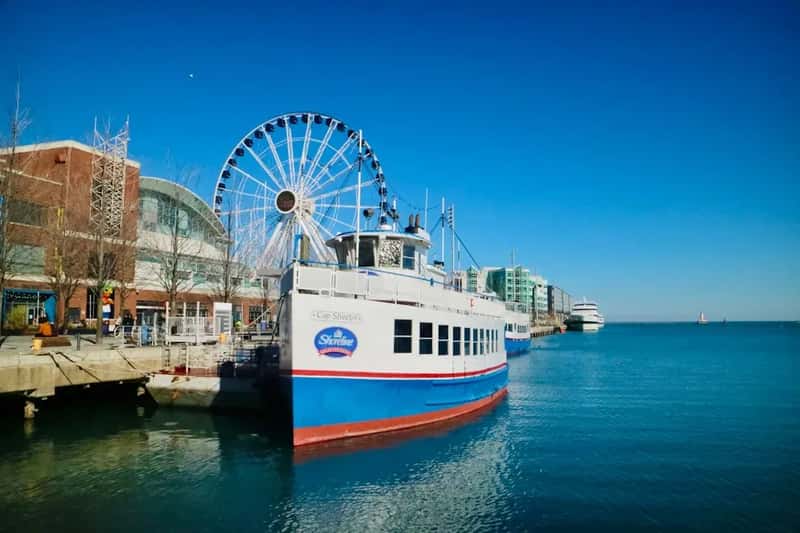
Urban hot spots like Navy Pier in Chicago are frequently described as chaotic, commercialized, and lacking authentic local feel. Chicagoans largely avoid it, treating it the same way New Yorkers treat Times Square.
Navy Pier offers a Ferris wheel, overpriced restaurants, souvenir shops, and lake views. The lake views are genuinely nice. Everything else is a premium-priced version of things you could do better and cheaper elsewhere in a city famous for its architecture, food scene, and genuine neighborhoods. Spending an afternoon at Navy Pier and thinking you’ve experienced Chicago is a bit like eating at an airport TGI Friday’s and thinking you’ve experienced French cuisine.
The food prices on the pier are notoriously high, the crowds in summer are brutal, and the parking costs alone can add up to a small fortune. Chicago has too many genuinely world-class things to offer for visitors to spend a full day at what amounts to a very expensive boardwalk.
16. The Hollywood Sign, Los Angeles
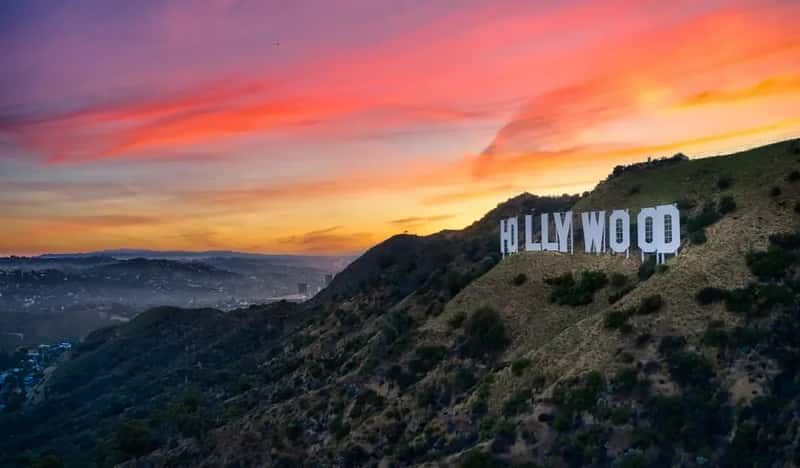
From afar, the Hollywood Sign promises the glitz and glamour of the movie world. But once you make the trek, you might find it’s not all you hoped for. You can’t get very close because it’s fenced off, and honestly, the sign is less dramatic than expected. It’s simply a large sign, perched above Los Angeles, looking down at the buzz far below.
Getting to the sign requires either a difficult uphill hike in the Los Angeles heat or a costly guided tour. When you arrive, you are still hundreds of meters from the actual letters, behind a fence. The best view of the Hollywood Sign is widely considered to be from Griffith Observatory, which you can reach for free. So tourists quite literally hike for hours to get a worse view than they could have had by just driving to a free park.
The sign itself has no interactive element, no museum, no visitor center. It’s nine letters on a hillside. Lovely from afar, deeply anticlimactic up close, and somehow still one of the most hyped destinations in the entire city.
17. Roswell, New Mexico
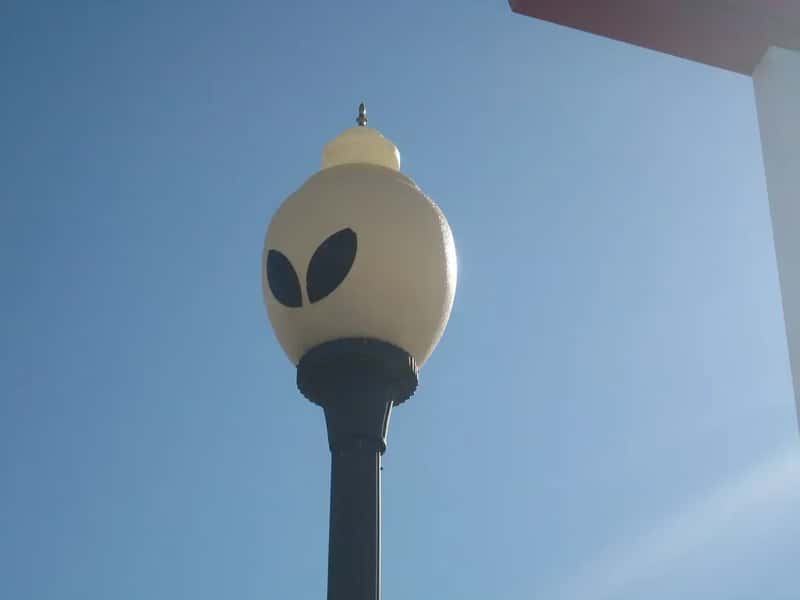
The extraterrestrials that allegedly crashed here in 1947 must have had a vehicle malfunction, because this place is bleak. For most of the year, Roswell is a small town with an abundance of kitsch alien paraphernalia and a shortage of people. The UFO Museum leaves a lot to be desired, and there’s little to see and do until the UFO Festival rolls around in summer.
The Roswell incident is genuinely fascinating from a historical and cultural perspective. The town, however, has leaned so hard into the alien branding that the actual story gets buried under green foam antennae, alien-themed fast food joints, and shops selling things like “Area 51 Hot Sauce.” The museum, which should be the centerpiece, is widely described as basic and unconvincing even by UFO enthusiasts.
It’s hard to say for sure whether the alien crash actually happened, but it’s easy to say that driving four hours out of your way to Roswell during any month other than July is likely to leave you with nothing but a refrigerator magnet shaped like a flying saucer.
18. Little Italy, New York City
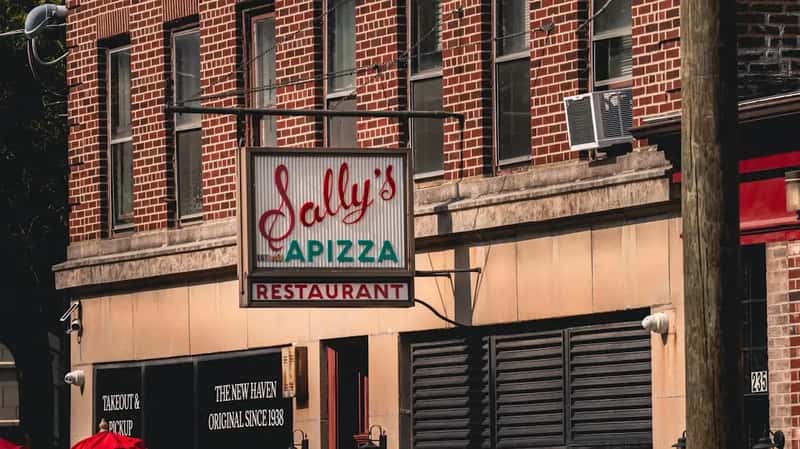
Little Italy used to be a hub for the best Italian food in New York City. In recent years, however, it has become a bit run-down. There are a few good Italian restaurants left, but it’s mostly overpriced food and waiters heckling tourists to come try their food.
Little Italy was once a vibrant cultural neighborhood with lots to see and buy. Now it’s mostly a tourist trap with overpriced restaurants that don’t even serve the best Italian food in the city.
The alternative is not even complicated. Skip this NYC tourist trap and head to Arthur Avenue in the Bronx for real Italian food. Arthur Avenue is now considered the “real Little Italy” and has much more than just Italian restaurants. Travelers will find the Arthur Avenue Retail Market filled with shops displaying sausages, pastries, coffee, bread, gourmet meats, and more.
19. Atlantic City, New Jersey
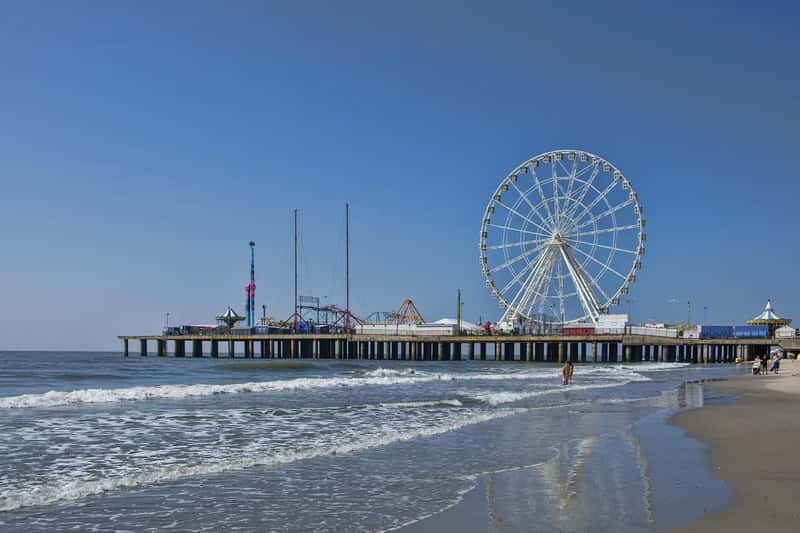
Atlantic City, the Jersey Shore’s most famous tourist attraction, is a major letdown. The casinos feel outdated, and the boardwalk area and surroundings are lackluster, dirty, and smelly. As you’d expect, the food prices are outrageous.
Atlantic City was once genuinely glamorous, the East Coast answer to Las Vegas. Decades of economic decline, casino closures, and failed redevelopments have left parts of the city looking exhausted. The boardwalk has its fans, but for every person who enjoys it, there are several who feel they wandered into a place that’s been trying to make a comeback since 1985.
Several major casinos have shuttered in recent years, and the city’s infrastructure has struggled to keep pace with maintenance demands. The gap between the glittering casino interiors and the surrounding neighborhoods can feel jarring. Visitors who go expecting Vegas-style excitement and polish tend to leave deeply underwhelmed.
20. Salem, Massachusetts (in October)
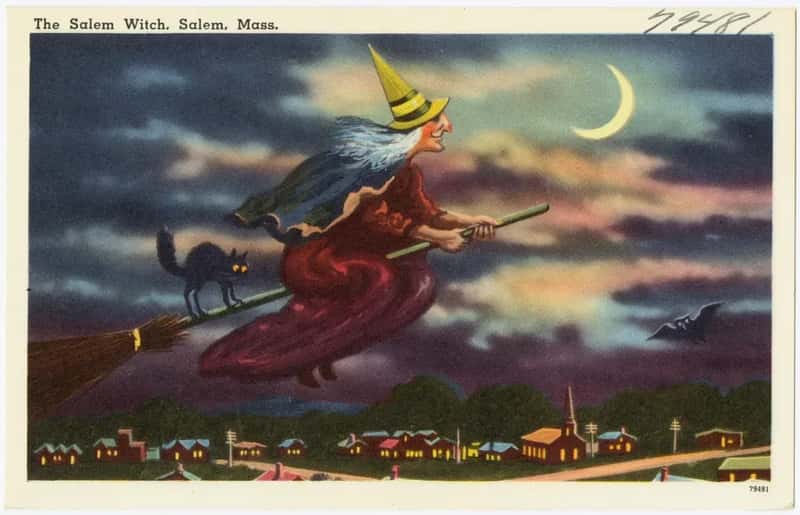
A traveler who has visited all 50 states recommends avoiding Salem, Massachusetts, in October due to the immense crowds. Visiting kitschy or unique tourist landmarks can be fun on a road trip, but Salem in peak witch season is another story entirely.
Salem is a genuinely interesting place with real colonial and maritime history. The problem is that every October, it transforms into a Halloween-themed carnival where prices spike dramatically, hotel rooms become nearly impossible to find, and the actual historical sites are buried under a wave of themed merchandise, haunted attraction up-charges, and costumed crowds that stretch for blocks.
The Salem witch trials were a genuine historical tragedy, and the serious museums that address them are thought-provoking. However, visiting in October means competing with hundreds of thousands of tourists for every inch of sidewalk while paying three times the normal price for everything. The city itself will happily take your money and send you on your way without much deeper reflection.
21. Ripley’s Believe It or Not! Museums (Nationwide)
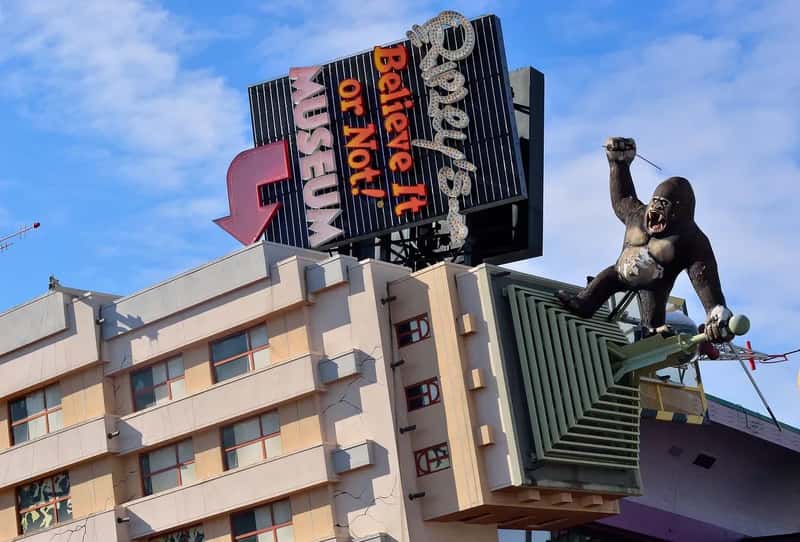
The Empire State Observatory is one example of an expensive tourist trap. Located near Times Square, the Ripley’s museum of oddity is generic and too expensive for the experience. In a city filled with world-class museums, Ripley’s is underwhelming and shouldn’t be on your list of places to visit on your next trip to New York.
Ripley’s has locations in dozens of tourist-heavy American cities, from Times Square to Gatlinburg, Tennessee. The concept sounds fun in theory: a museum of bizarre and unbelievable exhibits. In practice, most locations feel dated, with displays that haven’t been updated in years and admission prices that feel shockingly high for what is essentially a collection of wax figures and oddity displays.
The chain has perfected the art of placing itself directly in the path of tourists who have just arrived somewhere new and haven’t yet figured out what else to do. It’s hard to say there’s nothing interesting inside, because there usually is something. The question is whether the experience justifies the cost, and for most visitors, the honest answer is no.
22. Pike Place Market, Seattle, Washington
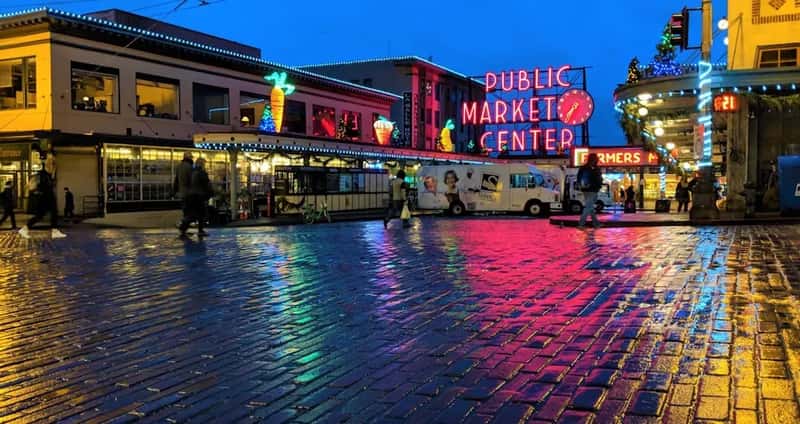
Seattle’s Pike Place Market is labeled overpriced and overhyped by many visitors, who say it is more of a photo opportunity than a genuine local experience.
The fish-throwing tradition and the original Starbucks are the main draws, and both deliver exactly what you’d expect: a photo for Instagram and a very long line. The market itself does have legitimate local vendors, fresh produce, and artisan goods, but the sheer volume of tourists makes navigating it feel more like a theme park than a farmers market. The busiest sections feel like running a gauntlet of selfie sticks and shoulder bags.
Locals do still love parts of Pike Place, and the broader market complex is genuinely large. Still, first-time visitors often report expecting a quaint, authentic Seattle experience and getting something closer to a very crowded airport gift shop with better coffee. The expectation gap is real and consistent across review platforms.
23. Historic River Street, Savannah, Georgia
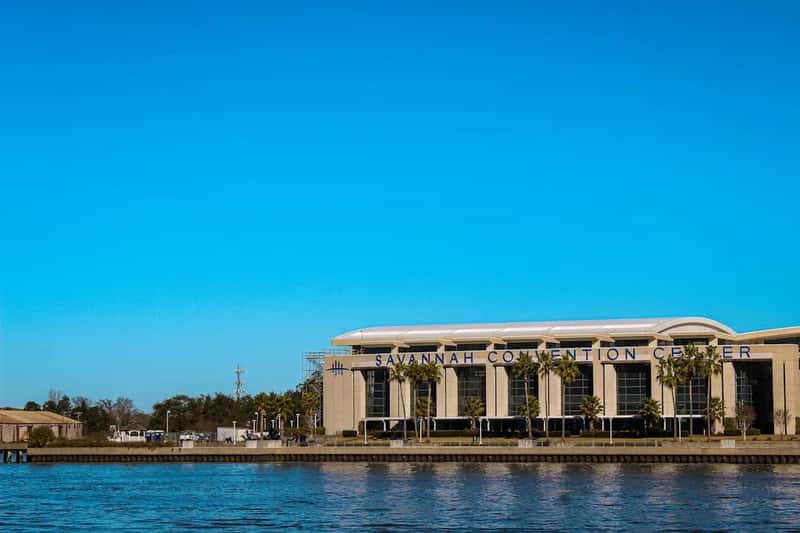
Historic River Street in Savannah, Georgia, is labeled overpriced and overhyped by reviewers on major travel platforms, drawing comparisons to other commercialized waterfront tourist strips across the country.
Savannah is objectively one of the most beautiful cities in America. Its historic squares, Spanish moss-draped oaks, and antebellum architecture are genuinely magnificent. River Street, however, is where the tourist infrastructure has taken over. The cobblestones look charming in photos, but the actual experience involves navigating bars and gift shops that could exist in any tourist town in America.
The prices in River Street restaurants and shops carry a significant “captive tourist” premium. Visitors who wander just a few blocks away from the river often discover far better food and far better prices. River Street’s biggest problem is that it sits at the entry point of one of America’s most underrated cities, capturing visitors before they discover the real Savannah.
24. Duval Street, Key West, Florida
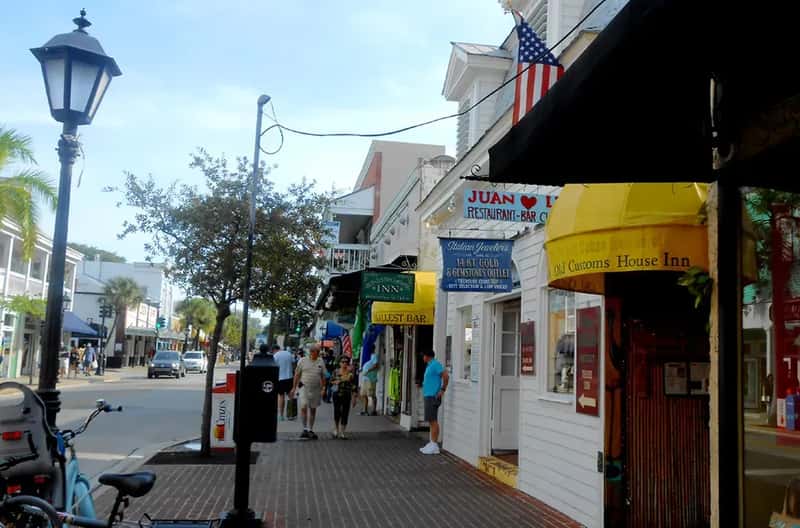
Duval Street in Key West is widely identified as a tourist trap, filled with tacky bars and trinket shops that fail to capture anything genuinely authentic about the Florida Keys.
Key West has a legendary reputation, built on Hemingway’s ghost, endless sunsets, and the laid-back Keys lifestyle. Duval Street, though, is more or less a mile-long parade of overpriced frozen drinks, chain merchandise, and bars that all look exactly the same. The prices are high even by Florida standards, and the scene can feel less like paradise and more like a spring break strip that never quite ended.
The real Key West, the one with local art, authentic seafood shacks, and genuine quiet beauty, is a short walk off Duval in almost any direction. But most visitors never find it, because Duval sits at the center of every hotel recommendation, every walking tour, and every “things to do in Key West” blog post. The street has essentially colonized the Key West brand.
25. The Empire State Building Observatory, New York City
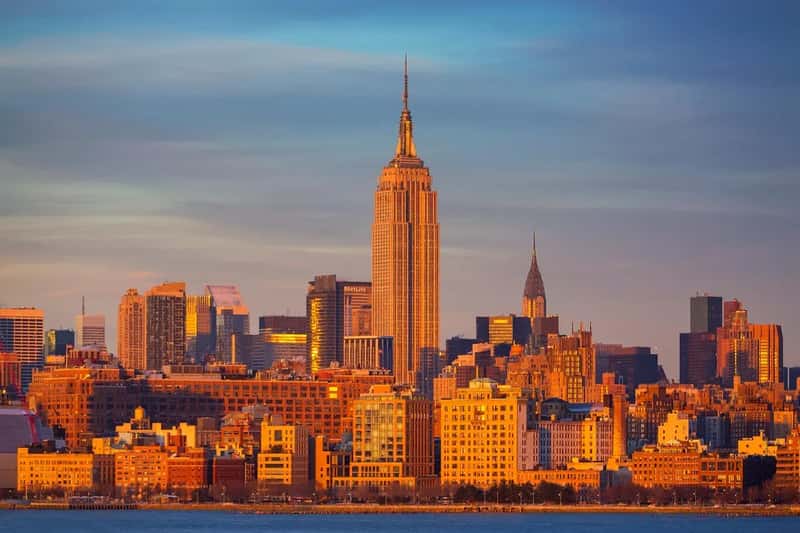
The Empire State Building Observatory is widely regarded as an expensive tourist trap in New York City. In a ranking of overrated New York tourist attractions, the Empire State Building Observatory came in 18th on the list of spots visitors consider a waste of money.
Tickets for the main deck start at a steep price and can climb significantly for the top floor. On a clear day, the views are admittedly excellent. On an average day, however, you are looking at Manhattan from a platform that is crowded, windy, and timed, surrounded by people trying to take the same photo as every other visitor since 1931. The observation deck at One World Trade Center offers comparable or better views for a similar price, and the lines there tend to be shorter.
There is something deeply ironic about standing at the top of a world-famous Art Deco skyscraper and spending most of your time wishing there were fewer people around you. Visitor data from platforms like TripAdvisor shows a notable uptick in negative reviews for these types of major landmarks since 2023, suggesting that travelers are increasingly aware of the gap between the story and the reality. The Empire State Building is a genuine icon, but the observatory experience is consistently called overpriced by people who thought the views would feel more transcendent than they do.
Conclusion: The Hype Is a Product

The American tourism sector is entering 2025 under increasing pressure to re-evaluate its glittering pantheon of landmark attractions. That pressure is coming directly from travelers who feel let down and aren’t staying quiet about it anymore.
Americans lost a whopping $2.6 million to travel scams between April 2024 and April 2025 alone, and that doesn’t even account for the billions spent on overpriced experiences that were simply not worth it. The travel industry is brilliant at selling the dream and inconsistent at delivering the reality.
The lesson here isn’t that travel is pointless. It’s that marketing is powerful, and the most famous place isn’t always the best place. With the passage of time, a shift towards hidden gems is clearly visible, with lesser-known destinations that are far more immersive swiftly emerging as spots that travelers are genuinely flocking to. So before you queue for an hour at a landmark you saw on a postcard, ask yourself: is this for you, or is it for the photo? What would you have visited if nobody told you where to go?