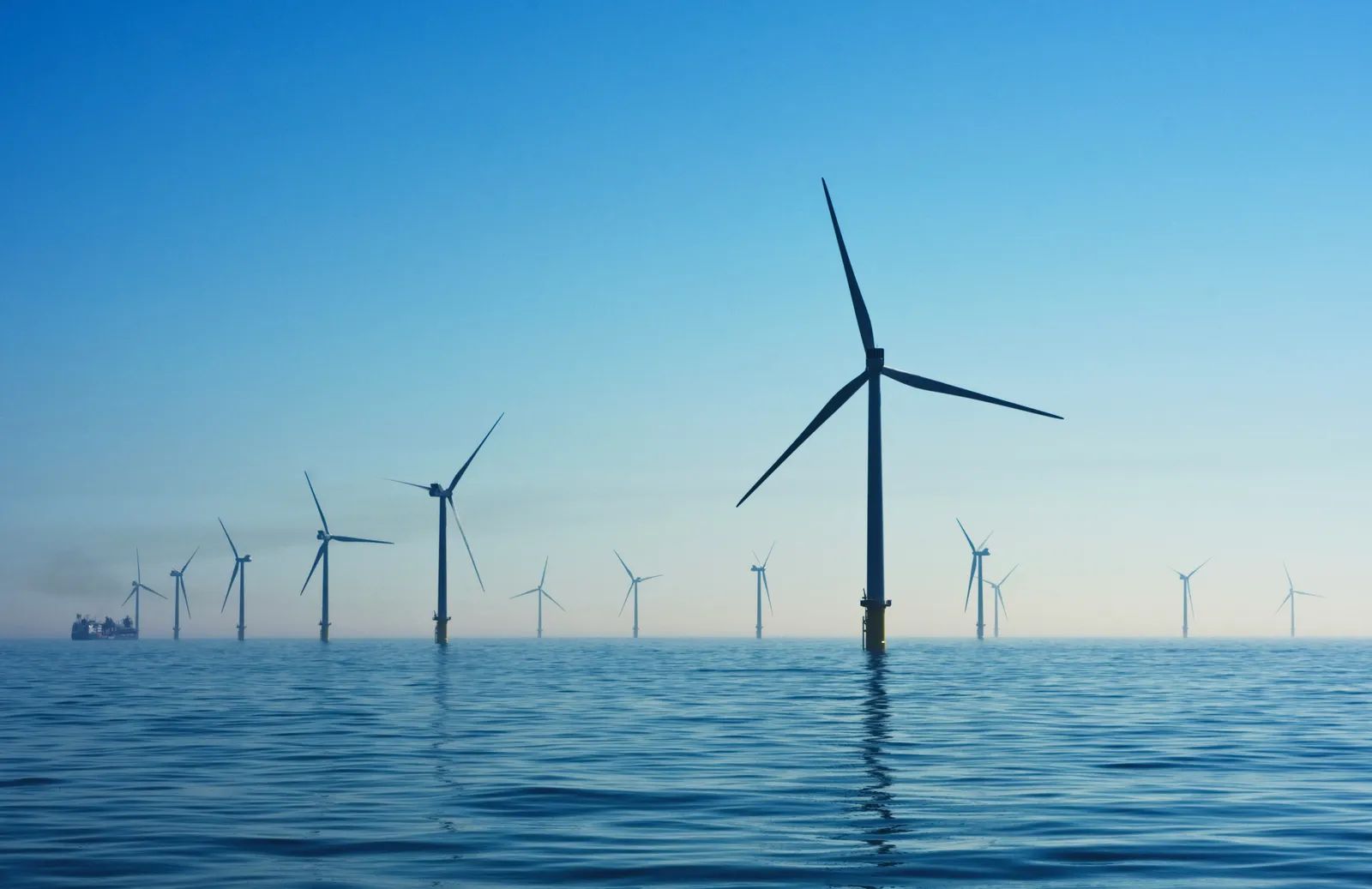
A group of advocates from coastal communities across the Northeast, Mid-Atlantic, and Gulf regions recently boarded a vessel in Virginia to travel 27 miles into federal waters. Their destination was the Coastal Virginia Offshore Wind project, the largest offshore wind installation under construction in the United States. The two-day visit gave participants a direct look at the infrastructure, operations, and marine environment surrounding the turbines.
The Scale of the CVOW Project
The Coastal Virginia Offshore Wind project will eventually feature 176 turbines. Once complete in 2027, the installation is expected to generate enough electricity to supply up to 660,000 homes. Construction work has already supported more than 800 local jobs, while ongoing operations and maintenance are projected to sustain over 1,000 positions in the region. The turbines themselves stand 836 feet above sea level, a height that keeps them invisible from shore. Participants on the tour noted that the structures only became visible after more than an hour at sea, underscoring how far the project sits from the coastline.
Visiting the Staging Hub and Installation Vessel
The first stop took the group through Norfolk Harbor to the Portsmouth Marine Terminal. This former container facility now serves as the primary staging area for turbine components destined for the offshore site. At the terminal, visitors observed the Charybdis, the first wind turbine installation vessel built in the United States. The vessel, constructed in Ingleside, Texas, can carry four turbine components at a time and requires two days to complete each installation once on site.
Life Around the Turbines
Once at the lease area, the group spent time beneath operating turbines. Many remarked on how quiet the machines are, with only a faint whoosh audible when the boat was still and conversation paused. One rotation of a blade, they learned, can produce enough energy to power an average U.S. home for a full day. Fishing activity remains fully permitted within the project area, including directly at the base of turbines. The foundations act as artificial reefs that attract species such as flounder, black sea bass, and mahi. The presence of numerous fishing boats during the visit suggested strong local interest in the area.
Environmental Measures in Practice
Dominion Energy, the project developer, has implemented a series of steps to limit impacts on marine life and birds. More than two dozen studies were completed before construction began. During foundation installation, bubble-curtain technology reduces underwater noise, while certified observers monitor for whales, dolphins, and sea turtles and halt work if animals enter exclusion zones. Real-time sound monitoring, seasonal restrictions, anti-perching devices, and acoustic tracking further support wildlife protection. Lessons from an earlier two-turbine pilot project helped shape these practices for the larger commercial effort. The tour illustrated how large-scale offshore wind development can proceed alongside existing ocean uses while addressing environmental concerns. Projects of this kind also contribute to a broader energy mix that reduces reliance on fossil fuels and supports coastal economies through jobs and port activity.