Travelbinger
TravelbingerTravel deals, guides and hacks
Travel News
Trip Planner
Sign In
Travel News
Share:

Peacocks Settle Into Colombo as Human Actions Reshape Wildlife

Expert reviewed
Matthias BinderKatherine Woodward Ramer

Author: Matthias Binder

·

Edited by Katherine Woodward Ramer

Cited 3 sourcesUpdated Nov 20, 2026· 3 min read
DetailsFull details

Cited Sources (3)

  1. news.mongabay.com — In sri lanka human actions are driving wild animals into cities and subu(news.mongabay.com)
  2. first time(backend.travelbinger.com)
  3. Sri Lanka(backend.travelbinger.com)
Author:Matthias Binder

Travel Expert & VP of Operations

Matthias a curious globetrotter who collects moments from night markets, coastlines, and tiny mountain villages. Plans trips around local food, scenic trains, and the best views at golden hour.

Editor:Katherine Woodward Ramer

Editorial Specialist

Checks destination facts and source links before a story is published.

Published November 20, 2026 · Updated November 20, 2026 · 3 min readRead about how we research, editorial independence, and AI policy.
Peacocks Settle Into Colombo as Human Actions Reshape Wildlife
Add as a preferredsource on Google

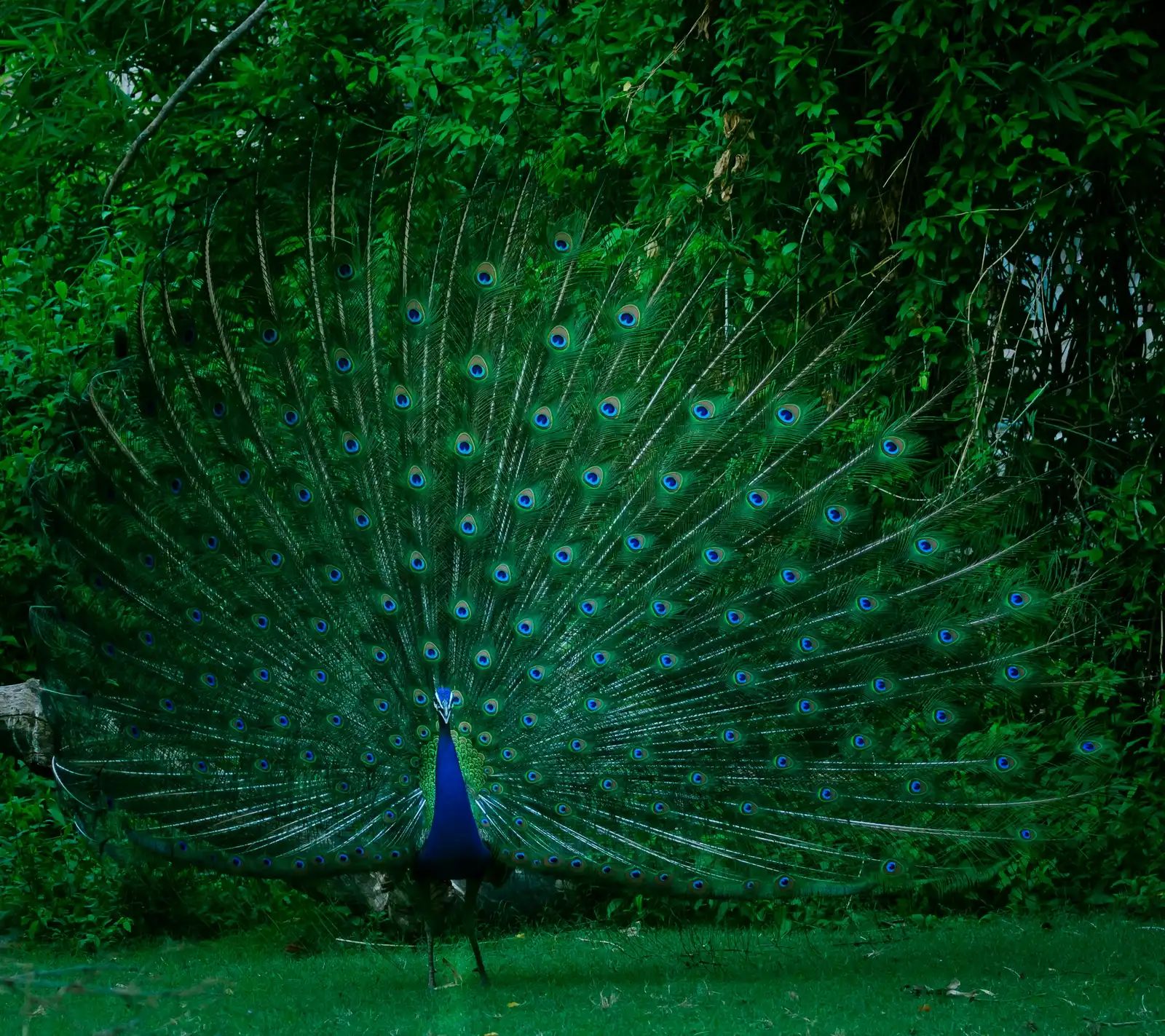
In Jawatte, an upscale neighborhood in Sri Lanka’s commercial capital Colombo, the morning calls of peacocks now mark the start of the day for many residents. The birds are a visible sign of a wider change in where wild animals live on the island. ([1])reports that human actions are pushing wildlife into cities and suburbs, and the peacocks of Colombo offer one of the clearest examples.

From a single surprise to a growing flock

Mohamed Fareed, a Jawatte resident, found a peacock near his house in 2020, and the sighting caught him off guard. Today at least 12 peacocks, including peahens, roam the area. He told Mongabay that the neighborhood has grown accustomed to them, with calls heard in the mornings and evenings.

The birds have also appeared in other crowded parts of the city. Peacocks have been spotted in densely populated areas such as Kollupitiya and Mount Lavinia, and many residents are seeing them near their homes for the first time. Some of the birds gather near the Jawatte mosque to feed on pigeon feed, and Fareed said local children are excited to watch them from rooftops.

Why the range is shifting

Sarath Kotagama, a professor of environmental science and former head of the Department of Zoology at the University of Colombo, explained that climate factors such as temperature have historically shaped where animals live. Sri Lanka is broadly divided into two zones that matter here. The dry zone covers roughly two-thirds of the island, including its northern, eastern, and southeastern regions, and it is marked by low annual rainfall and long dry seasons.

The wet zone, by contrast, receives heavy rain throughout the year and is home to lush tropical rainforests and major tea and rubber plantations. Kotagama noted that peacocks were traditionally found mainly in the dry zone rather than the wet zone. The shift in the birds’ presence in Colombo, which sits in the wet zone, has therefore drawn attention from researchers and residents alike.

  • Peacocks were historically concentrated in Sri Lanka‘s dry zone.
  • Sightings are now increasing in densely populated parts of Colombo.
  • Residents report that the birds are becoming a routine part of daily life.

What the change means for residents

For people living in the area, the arrival of peacocks brings both novelty and noise. Fareed described the loud, piercing calls that now fill the mornings and evenings, yet he said the neighborhood has adjusted to them. Children have found a new source of wonder, and the birds have become a familiar presence on rooftops.

Related Stories From Travelbinger

  • Thousands of Yellow and White Butterflies Sweep Sri Lanka Amid a Global Range Shift
  • The colossal megastructure built to last forever, still standing after 1,700 years
  • 12 American Islands Travelers Over 60 Keep Going Back To

The broader question concerns the wildlife itself. The report frames human activity as the driver behind animals moving into urban and suburban areas. It does not, however, suggest that all wildlife in Sri Lanka faces a crisis, and the peacock story is best read as a case of adaptation and movement rather than a warning of widespread loss.

A story still unfolding

The peacocks of Jawatte began with a single bird that surprised one resident in 2020. Their growing numbers now give Colombo a rare glimpse of how changing conditions and human behavior can reshape the places wildlife calls home. Whether the pattern continues will depend on how the animals and the people who share their neighborhoods respond over the coming years.


Did any of these feel familiar?

Oura Ring Black Friday 2026: How an Amex Platinum Credit Can Trim Nearly $300

Up Next

Oura Ring Black Friday 2026: How an Amex Platinum Credit Can Trim Nearly $300

Smart rings tend to show their age quietly. Finishes scuff, edges dull, and eventually a longtime wearer starts looking for a replacement. Oura is offering a 25

Read next

🔥 Would you like to save this?

We’ll email this post to you, so you can come back to it later.

Matthias Binder
Author

Matthias Binder

Travel Expert & VP of Operations

Matthias a curious globetrotter who collects moments from night markets, coastlines, and tiny mountain villages. Plans trips around local food, scenic trains, and the best views at golden hour.

All stories by MatthiasHow we research & AI policy
Katherine Woodward Ramer

Edited & reviewed by Katherine Woodward Ramer — Editorial Specialist

Expert reviewed

Keep Reading

Black Friday 2026 Luggage and Tech Deals Arrive Early

Black Friday 2026 Luggage and Tech Deals Arrive Early

1 min read

The Cruise Savings Most Passengers Miss, According to a Veteran Sailor

The Cruise Savings Most Passengers Miss, According to a Veteran Sailor

1 min read

Aer Lingus Adds Premium Economy and Refreshed Business Class to Its A330 Jets

Aer Lingus Adds Premium Economy and Refreshed Business Class to Its A330 Jets

1 min read

Peru Tarantula Haul Swells to 12,796, More Than Four Times the First Count

Peru Tarantula Haul Swells to 12,796, More Than Four Times the First Count

1 min read

The Latest

Fresh stories from our travel desk

Peacocks Settle Into Colombo as Human Actions Reshape Wildlife

Peacocks Settle Into Colombo as Human Actions Reshape Wildlife

Matthias Binder·Nov 20
Oura Ring Black Friday 2026: How an Amex Platinum Credit Can Trim Nearly $300

Oura Ring Black Friday 2026: How an Amex Platinum Credit Can Trim Nearly $300

Matthias Binder·Nov 20
Black Friday 2026 Luggage and Tech Deals Arrive Early

Black Friday 2026 Luggage and Tech Deals Arrive Early

Matthias Binder·Nov 20
The Cruise Savings Most Passengers Miss, According to a Veteran Sailor

The Cruise Savings Most Passengers Miss, According to a Veteran Sailor

Matthias Binder·Nov 20
View All Stories

Stay Updated

Get the latest travel news delivered to your inbox

Stay Inspired

Get travel inspiration, guides, and exclusive deals delivered to your inbox.

Travelbinger
TravelbingerTRAVEL DEALS, GUIDES AND HACKS

Discover the world through the eyes of seasoned travel experts. From breaking news to hand-picked destination guides, we bring you the stories that matter. Join our community for exclusive member deals and authentic inspiration for your next journey.

Deals

  • All Deals
  • Beach Holidays
  • City Breaks
  • Luxury Hotels
  • Last Minute

Popular Destinations

  • Europe
  • Asia
  • North America
  • South America
  • Africa

Company

  • About Us
  • Travel News
  • Editorial Policy
  • Contact

Legal

  • Privacy Policy
  • Terms & Conditions

This website contains affiliate links to trusted partners.

© 2026 Travelbinger. All rights reserved.

Secure payment with:
Visa
MC
PayPal
Klarna