America’s national parks were once described as the country’s “best idea.” Honestly, it’s hard to argue with that. Few places on earth combine jaw-dropping scenery, wild ecosystems, and open public access quite like these protected lands. But here’s the thing: they’ve never been more overwhelmed.
The National Park Service had a record-breaking year in 2024, with more people exploring America’s national parks than ever before. The service reported 331.9 million recreation visits, a 2% increase from 2023 and nearly one million more than the previous 2016 record. That sounds like a success story. In many ways it is. Yet for the parks themselves, and for anyone who has spent three hours in a parking lot queue at peak season, it tells a more complicated story. Let’s dive in.
1. Great Smoky Mountains National Park, Tennessee/North Carolina
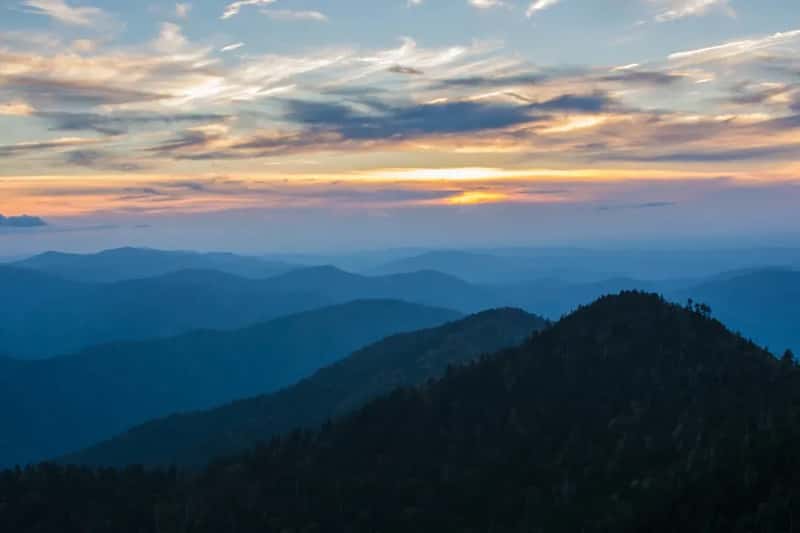
Great Smoky Mountains National Park ranks as the most visited of 2024, with roughly 12.1 million visitors, which is about thirteen percent of all national park visits. Located a few hours from Knoxville, the park is known for its scenic views of the mountain range. To put that number in perspective, that is more visitors than most European countries receive tourists in an entire year.
Great Smoky Mountains continues to be the most popular park in the system and may also be the park hardest hit by recent staffing cuts. In addition to impacts from a federal hiring freeze, a number of employees were initially eliminated from the park staff. Several campgrounds, including Abrams Creek, Big Creek, Balsam Mountain, and others, typically open in mid-April, but those dates were pushed back indefinitely because of staffing. The park typically offers ten campgrounds, all of which are full on a regular basis.
2. Zion National Park, Utah
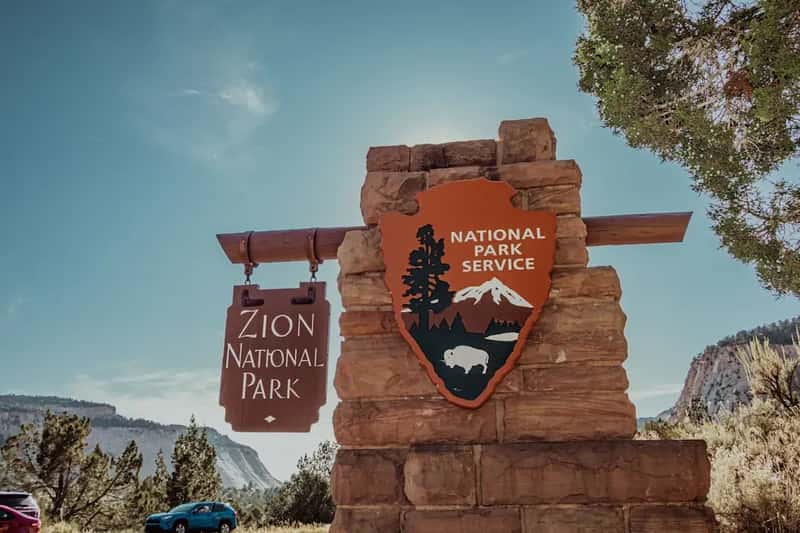
Zion National Park came in second on the 2024 most-visited list, ranking just above Grand Canyon, with both welcoming roughly 4.9 million visitors. What makes Zion uniquely brutal is not just the volume of people. It is the concentration of them.
Zion consistently has more people in it than almost every other national park, but it is also a really small park. All of those millions are hiking the same trails, driving the same roads, and catching the same shuttle buses. It is extremely difficult to find solitude in Zion. Zion has been understaffed for years, according to local authorities, and could spiral into chaos without enough rangers, the mayor of Springdale told local media.
3. Grand Canyon National Park, Arizona
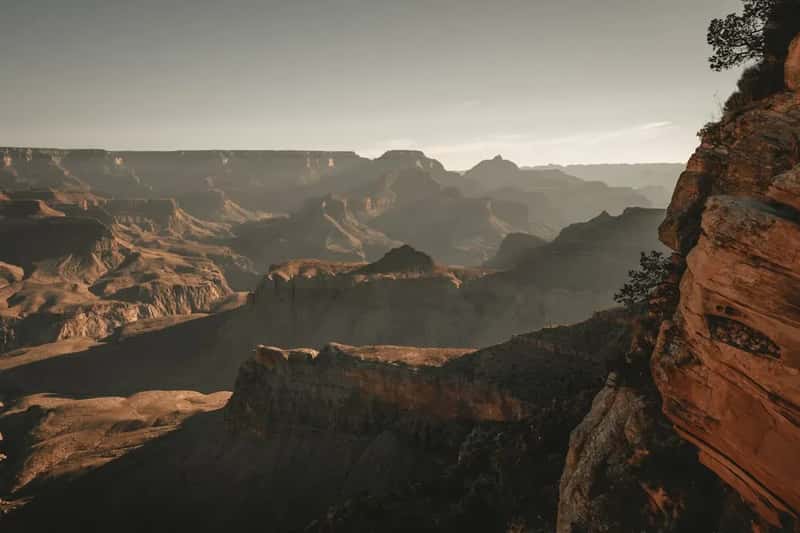
Grand Canyon National Park drew close to 4.91 million visitors in 2024, making it a perennial fixture in the top three. I know it sounds crazy, but there are still people who are surprised by just how packed the South Rim gets in summer. Surprised, and then immediately trapped in a two-hour traffic line.
On a warm spring morning just outside the Grand Canyon, the line of cars at the South Rim entrance can already be backed up to the town of Tusayan, with AM radio broadcasts warning drivers to expect a two-hour wait time before entry. The Grand Canyon’s massive footprint of over a million acres does dilute its visitors into a moderate density score on a per-acre basis, ranking it fortieth among parks for crowding density.
4. Yellowstone National Park, Wyoming/Montana/Idaho
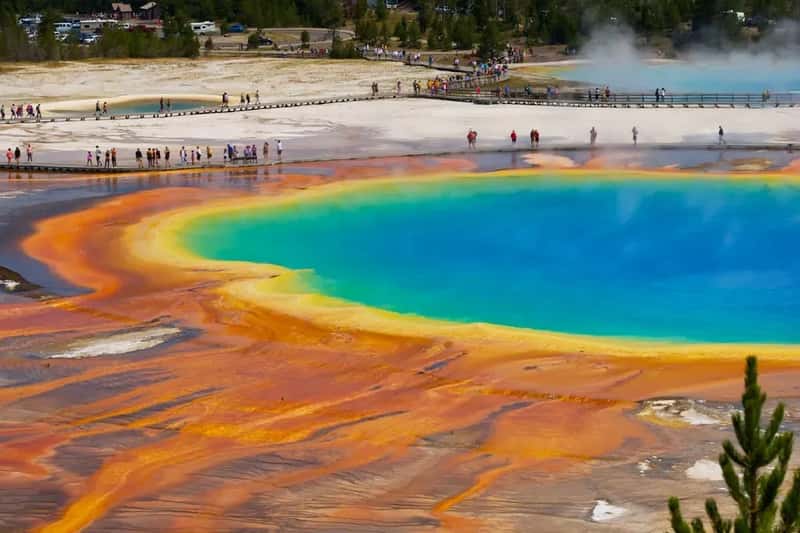
Yellowstone National Park was the fourth most visited park of 2024, with roughly 4.7 million visitors. As the world’s first national park, it carries enormous symbolic weight. It also carries enormous RV traffic, especially around Old Faithful and the Grand Prismatic Spring.
Yellowstone, often held up as the poster child for national park overcrowding, actually ranks forty-first on a per-acre basis, below parks like Mammoth Cave and Wind Cave. That is a genuinely counterintuitive result. The park is massive, so crowds spread out. Still, the iconic spots absolutely heave with visitors throughout summer.
5. Rocky Mountain National Park, Colorado
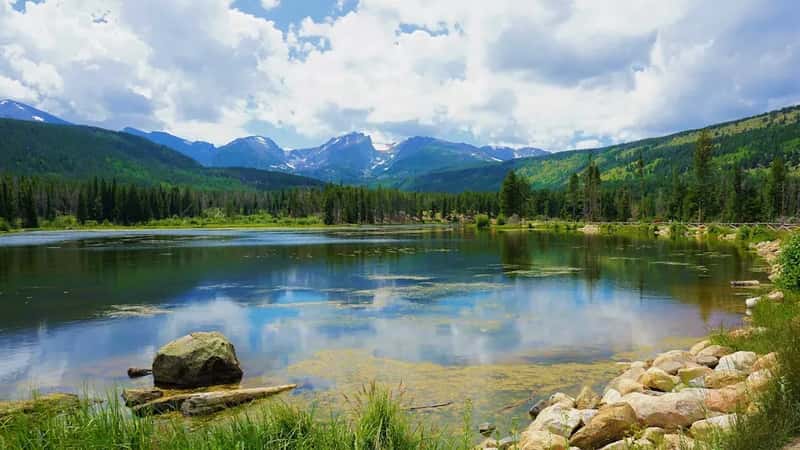
Rocky Mountain National Park ranked fifth on the most visited list in 2024, attracting over 4.15 million visitors. If you focus your time on the east side of Rocky Mountain, it will often feel like you are surrounded by millions of people. That east side is the main side, and it is close to large population centers like Denver and Fort Collins that bring in the crowds.
Be sure to plan ahead because reservations are often needed just to enter this park. Rocky Mountain has used a timed-entry reservation system for peak season access, and it has become essentially non-negotiable for summer visitors. Rocky Mountain National Park sees approximately 9,916 visitors per square mile, giving it one of the highest visitor density ratings in the system.
6. Yosemite National Park, California
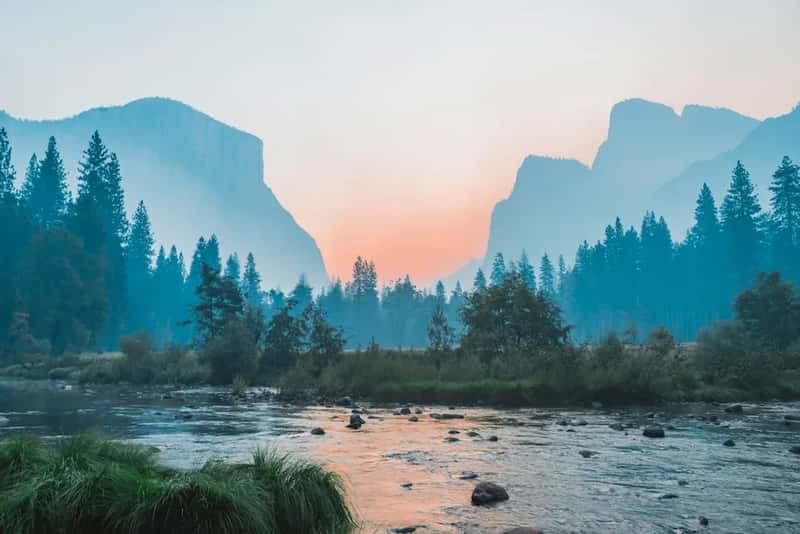
Half Dome, El Capitan, and Yosemite Valley are among the most photographed landmarks in the entire national park system. Yosemite attracted 4.1 million people in 2024, placing it sixth on the most-visited list that year. The valley floor, in particular, is famously choked with day-trippers throughout summer.
Yosemite was notorious for its traffic jams and lack of parking throughout the valley until it introduced a timed entry system in 2020. The Department of Interior paused that system in the summer of 2023, and the horrendous traffic jams and parking problems immediately returned. Timed entry reservations for Yosemite have since been discontinued again in 2026.
7. Acadia National Park, Maine
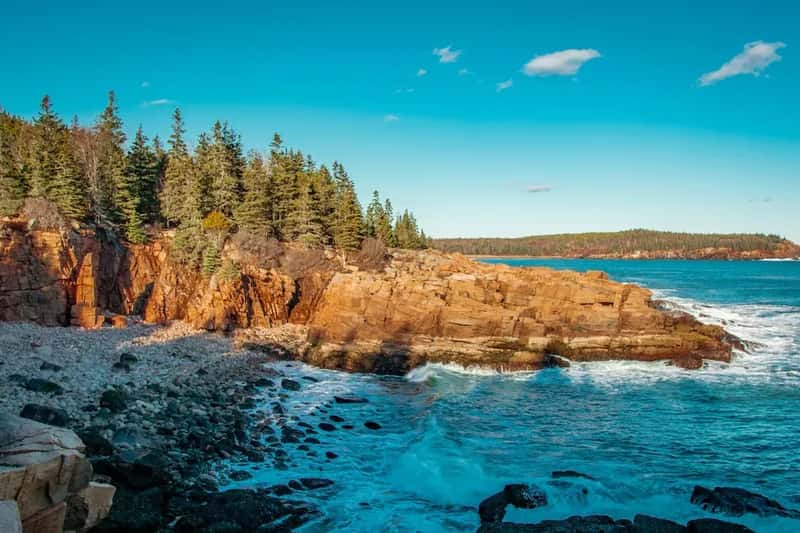
Acadia National Park was the seventh most popular national park in 2024, with roughly 3.9 million visitors. Acadia is a small national park located on a small island all the way up in Maine, but that doesn’t keep people from visiting in droves. Expect plenty of traffic and crowding if you try to navigate through this park without understanding its traffic patterns.
Acadia’s 49,075 acres on Mount Desert Island hosted nearly four million visitors in 2024. August is the worst month. The park implemented a timed-entry reservation system for Cadillac Summit Road starting in 2021, which has helped somewhat, but parking lots on the Park Loop Road still fill by 9 a.m. in July and August.
8. Olympic National Park, Washington
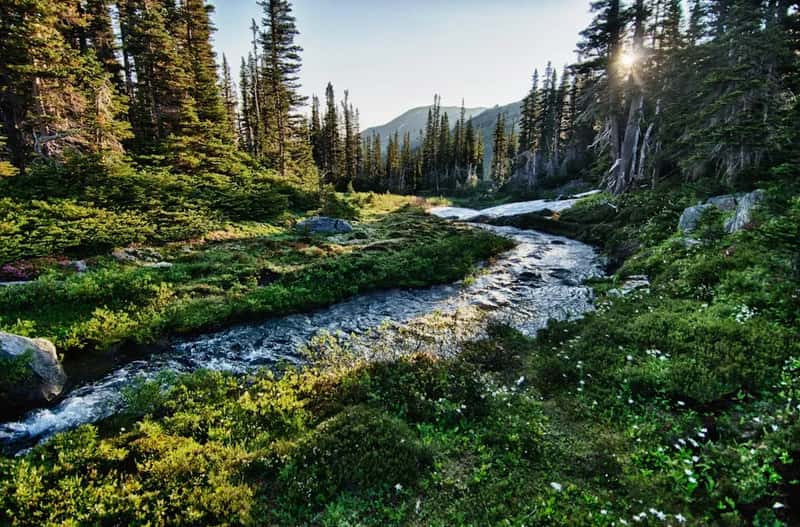
Olympic National Park welcomed roughly 3.7 million visitors in 2024, placing it eighth among the most visited parks. This is honestly one of the more underrated crowd stories in the system. Most people think of Washington state wilderness as remote. Olympic, with its jaw-dropping rainforest and rugged coastline, pulls an enormous crowd regardless.
The park’s sheer geographic diversity, from temperate rainforest to alpine meadows to dramatic Pacific coastline, means crowd pressure spreads across multiple ecosystems simultaneously. Excessive visitation in national parks results in crowded trails, overflowing parking lots, and damage to fragile ecosystems, threatening both the visitor experience and the environment itself.
9. Grand Teton National Park, Wyoming
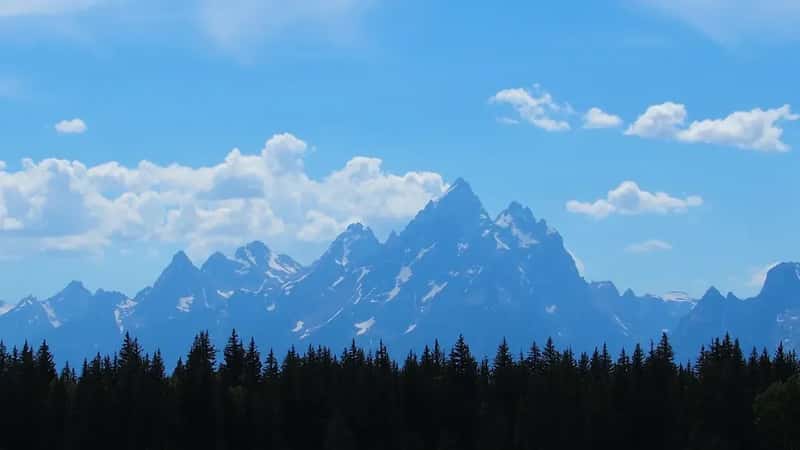
Grand Teton National Park welcomed roughly 3.62 million visitors in 2024, sitting just behind Olympic. The Tetons are arguably the most photogenic mountain range in the country, and social media has done nothing to quiet that reputation. Every overlook feels like a photography studio at peak season.
The park sits directly adjacent to Yellowstone, meaning many visitors combine the two in a single trip. This geographic pairing drives enormous traffic through a relatively concentrated set of visitor-facing roads and viewpoints. Many parks that used to experience a quieter off-season no longer have one, with visitation numbers remaining steady or fluctuating only slightly in what used to be the shoulder season.
10. Glacier National Park, Montana
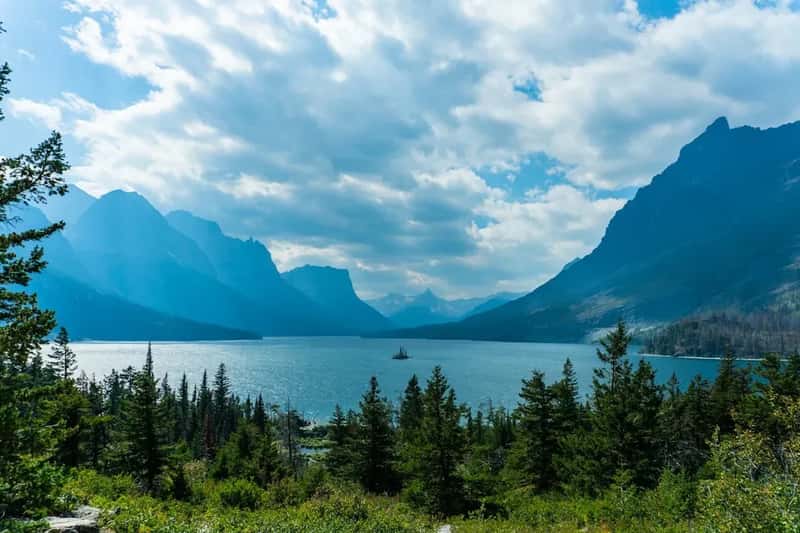
Glacier National Park in Montana made the top ten list in 2024, with roughly 3.2 million recreation visits. The dramatic mountain peaks of Glacier National Park draw millions of people per year. Going-to-the-Sun Road, the park’s iconic crossing of the Continental Divide, becomes a bottleneck of spectacular proportions every summer.
Glacier National Park appears set to eliminate its timed entry system for 2026, which had required reservations for driving Going-to-the-Sun Road at peak hours. Park Superintendent Dave Roemer noted that the reservation system did succeed in reducing midday traffic but created a safety issue, as the park saw an increase in early-morning traffic.
11. Arches National Park, Utah
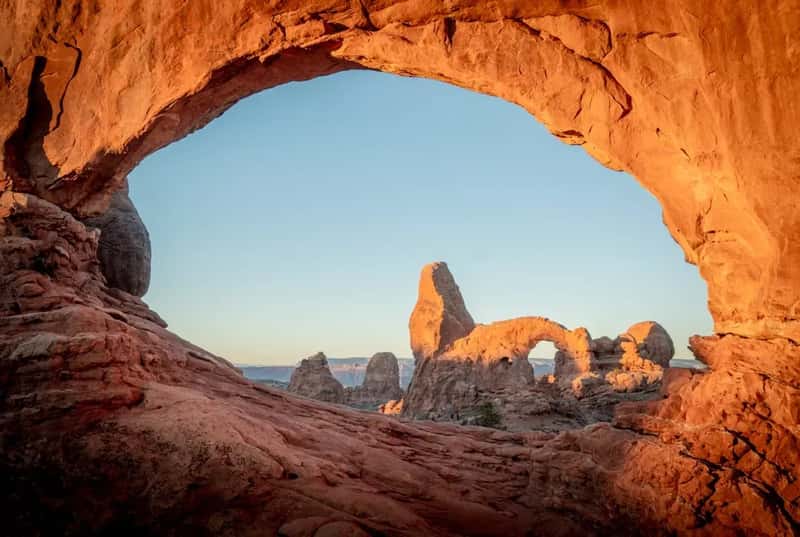
Between 2011 and 2021, visitation to Arches National Park grew over seventy-three percent, from just over one million to over 1.8 million visitors per year. As a result, the park experienced roadway congestion, facility overuse, safety hazards, overcrowding at sites and along trails, and impacts to natural and cultural resources.
According to NPS annual statistics, visitation to Arches increased seventy-four percent between 2011 and 2021. It attracted 1.4 million people in 2024. That popularity led the park service to implement a reservation system for all visitors, extended through 2025. In 2026, Arches is among the parks discontinuing timed entry reservations entirely.
12. Joshua Tree National Park, California
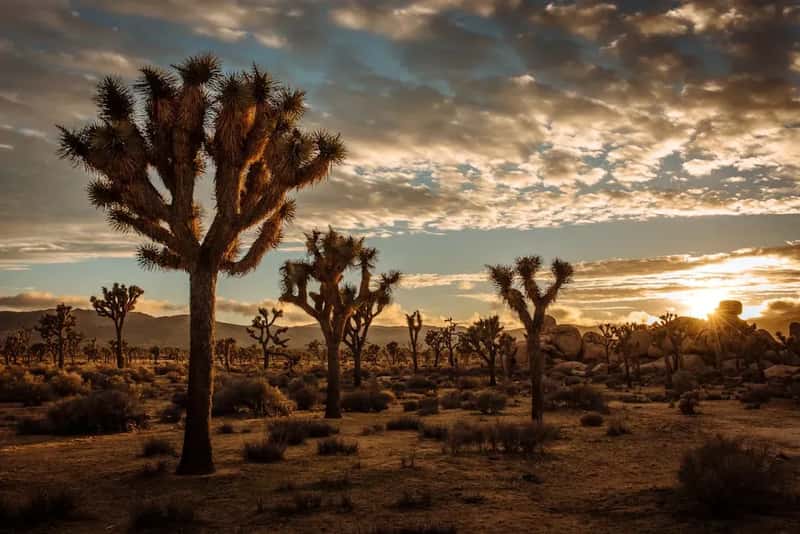
Joshua Tree is the perfect escape from a cold winter, but its warm, sunny weather and proximity to huge cities like Los Angeles and Palm Springs keeps the park packed with people. The park sits at the junction of two deserts, giving it a strange, otherworldly character that photographers and Instagram users absolutely cannot resist.
Let’s be real: any park you can access with a two-hour drive from Los Angeles is going to get hammered on weekends. Joshua Tree is no exception. Overtourism at parks takes the form of traffic congestion, worn-out trails, overcrowding, environmental degradation, and a worsening of the visitor experience. All of these symptoms are visible at Joshua Tree during peak season.
13. Indiana Dunes National Park, Indiana
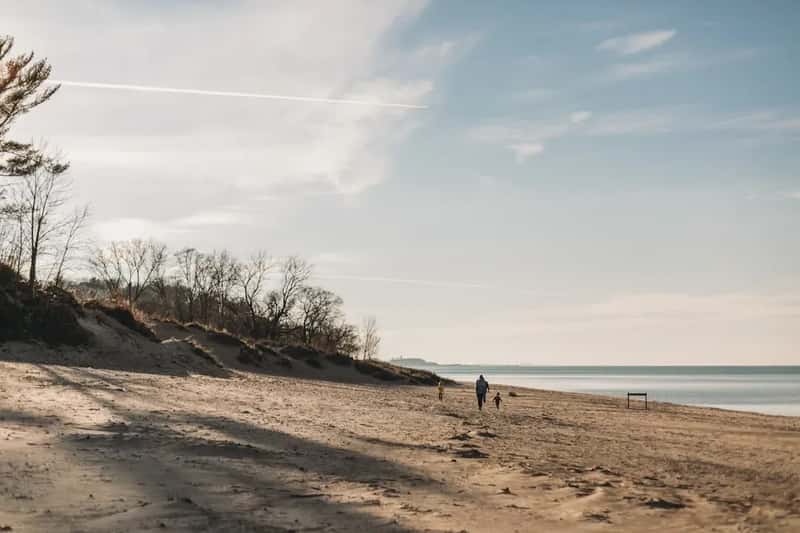
Indiana Dunes grew from roughly 1.75 million visitors in 2019 to over 2.7 million in 2024, a fifty-four percent increase. At just 16,000 acres along Lake Michigan’s southern shore, it’s the fastest-accelerating overcrowding story in the national park system. That is a remarkable surge for a park that many people outside the Midwest have barely heard of.
Peak month visitation shifted to June. Its location close to Chicago makes it one of the most accessible parks in the country by population proximity. For many urban Midwesterners, it is the de facto summer beach destination, which explains the extraordinary visitor pressure on a relatively small piece of land.
14. Cuyahoga Valley National Park, Ohio
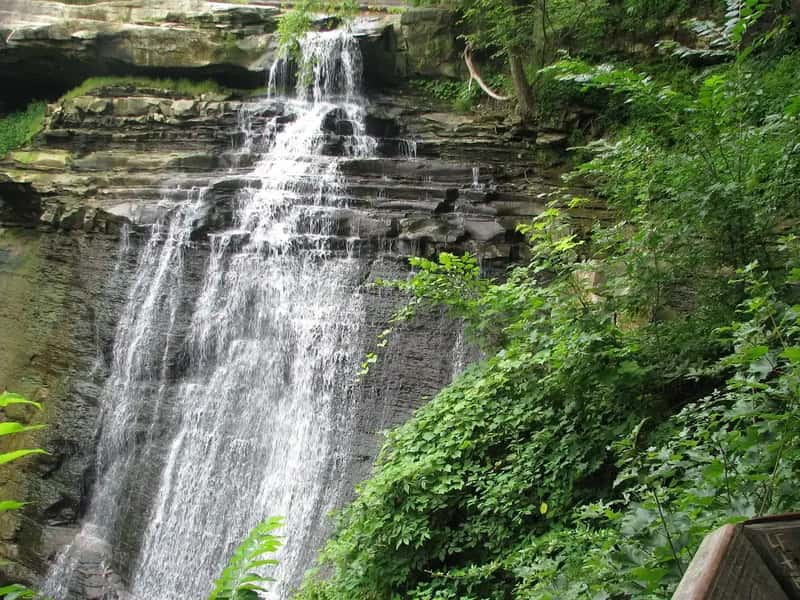
Cuyahoga Valley is a small, urban-adjacent park at 32,783 acres situated between Cleveland and Akron, pulling roughly 2.9 million visitors who come for the Towpath Trail and Brandywine Falls. Visitation is up more than thirty percent over 2019.
There is something fascinating about this park. It is not a towering mountain range or a canyon carved by geological time. It is a river valley tucked between two midsize Rust Belt cities. Yet it draws millions. The best window to visit is late October through November, when fall color draws a crowd but not quite a crush. That is genuinely useful advice for anyone planning to go.
15. Bryce Canyon National Park, Utah
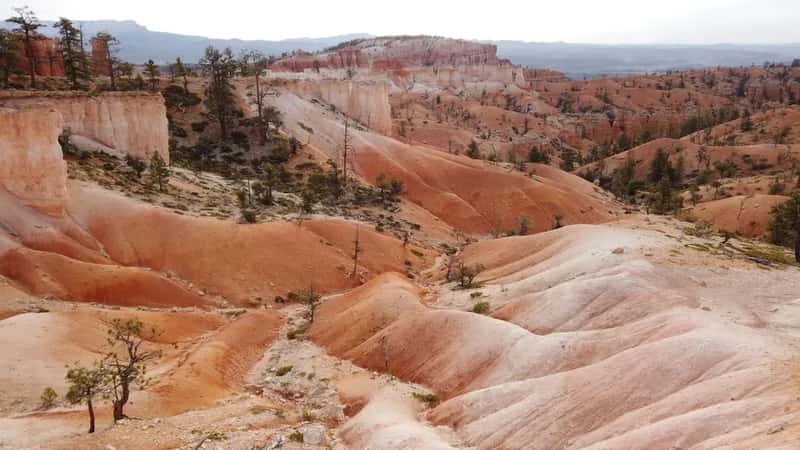
At just 35,835 acres, Bryce is the second-smallest park in Utah’s Mighty Five. It drew roughly 2.5 million visitors in 2024. Peak visitation shifted from summer to September. The park draws most visitors to Sunrise, Sunset, and Inspiration Points.
Those viewpoints are genuinely breathtaking, and that is exactly the problem. Everyone goes to the same two or three overlooks. The hoodoo formations are some of the most unique geology on the planet, but they are now effectively ringed with tour buses and selfie sticks for much of the year. The best window to visit is late April or early October, when temperatures are pleasant and the hoodoos are not surrounded by crowds.
16. Mount Rainier National Park, Washington
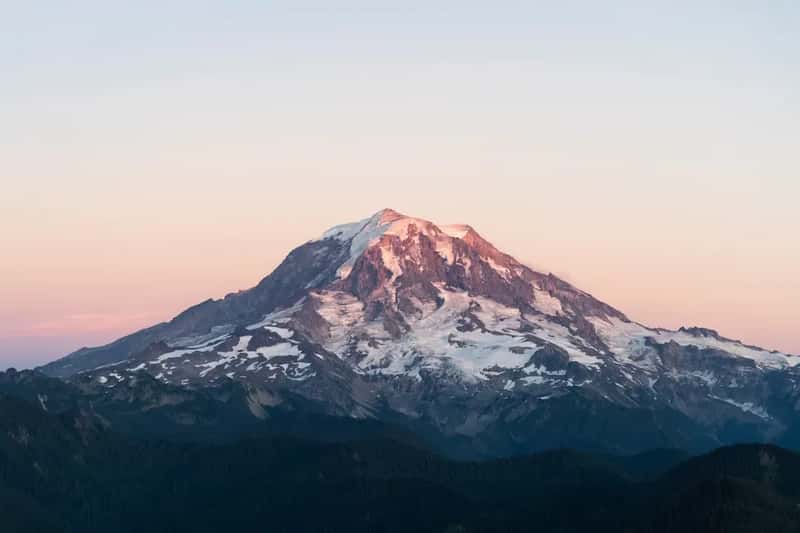
Mount Rainier drew roughly 1.6 million visitors in 2024. That number may sound modest compared to the top ten, but Rainier’s concentrated visitor infrastructure, essentially a few main roads and trailheads around a single massive volcano, makes it feel far more crowded than raw numbers suggest.
Mount Rainier implemented a vehicle reservation system for its popular entrance in 2024 to prevent overcrowding. In 2026, Mount Rainier is among the parks discontinuing timed entry reservations. Whether that is the right decision given current visitation trends remains an open question, and honestly, it has a lot of park advocates concerned.
17. Shenandoah National Park, Virginia
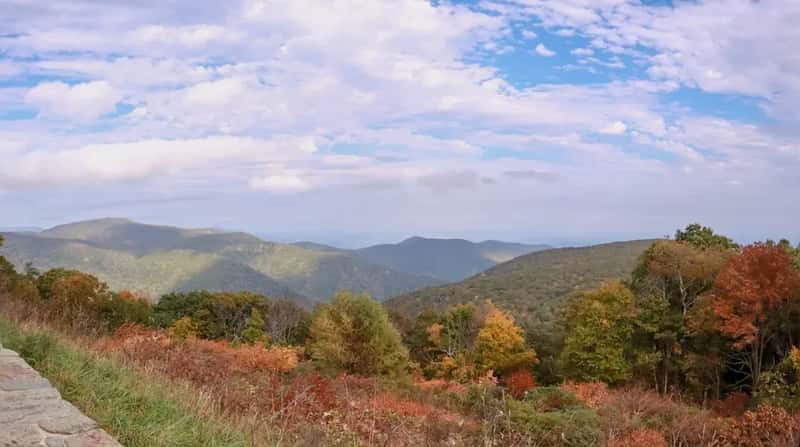
Shenandoah National Park attracted roughly 1.7 million visitors in 2024. The park stretches nearly two hundred miles along the Blue Ridge Mountains of Virginia, with Skyline Drive serving as its spine and primary draw. It sits within easy driving distance of both Washington D.C. and the broader Mid-Atlantic population corridor.
That proximity is both its gift and its curse. On autumn weekends when the foliage peaks, Skyline Drive can become one long, very slow traffic jam. Changes are occurring in visitation patterns too, with many parks that used to experience a distinctive and quieter off-season no longer having one, as their numbers remain largely steady throughout what used to be the shoulder season.
18. Hot Springs National Park, Arkansas
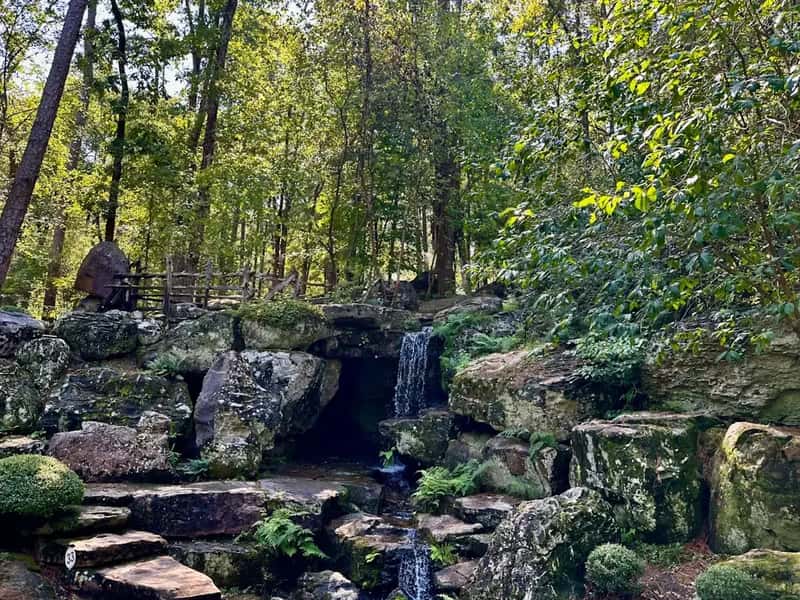
Hot Springs National Park drew roughly 2.5 million visitors in 2024. It is the smallest national park in the country by land area, essentially a downtown urban park centered on historic bathhouses in Hot Springs, Arkansas. Its compactness makes every visitor feel the density acutely.
Most people are surprised to learn that Hot Springs is technically a national park at all. Once you do know, though, the crowds make total sense. It is accessible, urban-adjacent, and uniquely charming. A park’s popularity depends on many things, including ease of access, perceived natural beauty, social media popularity, and recreational opportunities. Hot Springs checks several of those boxes simultaneously.
19. New River Gorge National Park, West Virginia
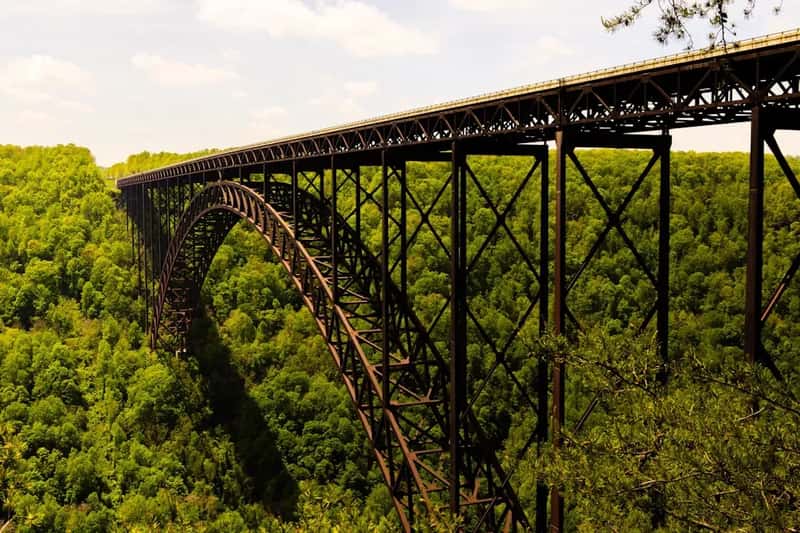
New River Gorge drew roughly 1.8 million visitors in 2024. This park is the newest in the system, redesignated from a national river in 2020, and its national park status immediately drove visitor numbers upward. The bump in status matters more than many people realize for tourist attention.
The park features one of the most dramatic river gorges in the eastern United States, with serious whitewater rafting and rock climbing culture built around it for decades. Now it has to absorb a wave of curiosity visitors in addition to the experienced outdoor crowd. The infrastructure, trails, and parking areas are still catching up.
20. Death Valley National Park, California/Nevada
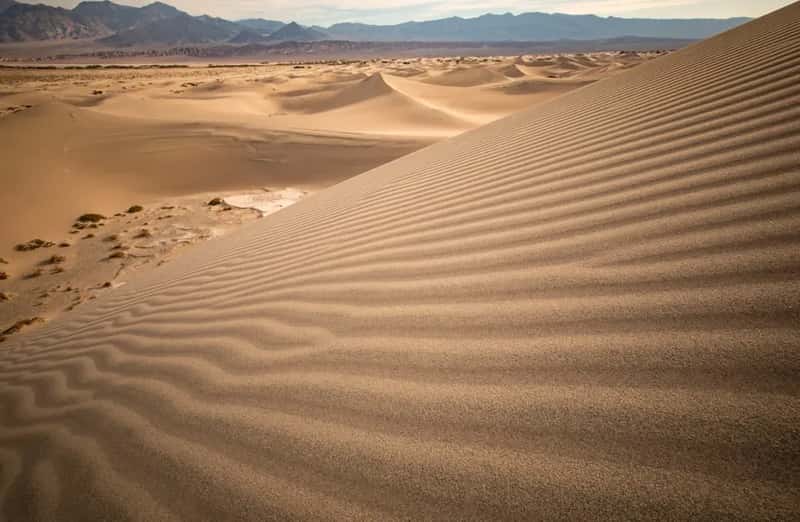
Death Valley spreads across 1.5 million acres in California and Nevada. Despite its enormous size, the vast majority of visitors funnel through a handful of iconic spots: Badwater Basin, Mesquite Flat Sand Dunes, and Zabriskie Point. Those specific areas become extraordinarily crowded, especially during the mild-weather months of late fall and winter when the park’s appeal peaks.
The park experienced a remarkable superbloom event that attracted an explosion of visitors in recent years, demonstrating how quickly social media can transform a relatively specialized destination into an overnight sensation. To address the impacts of social-media-driven tourism, the U.S. Department of the Interior enacted federal law requiring permits and fees for commercial filming in national parks.
21. Sequoia and Kings Canyon National Parks, California
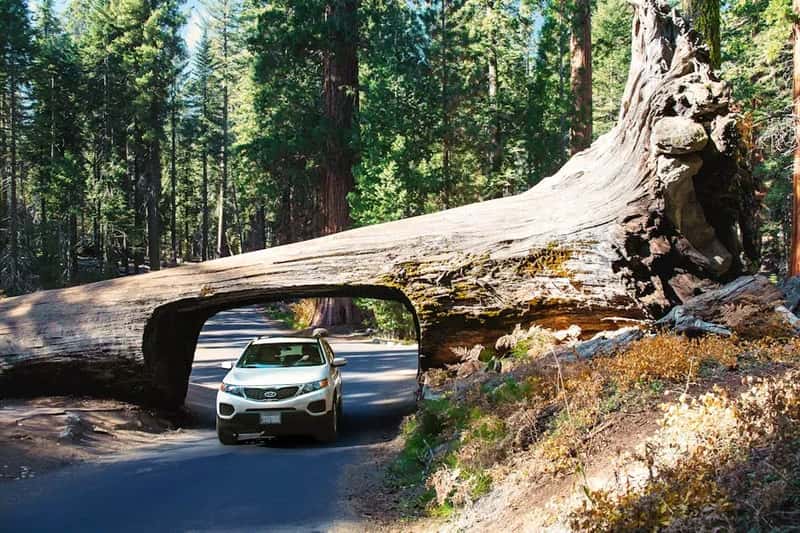
These two parks are managed jointly and together draw millions annually. The main attraction is obvious: the giant sequoias, including General Sherman, the largest tree on Earth by volume. The trail to General Sherman is legendary for its foot traffic. On a summer weekend, it barely qualifies as a nature experience.
Overtourism at parks takes the form of traffic congestion, worn-out trails, overcrowding, environmental degradation, and a worsening of the visitor experience. Sequoia, with its single winding road and limited infrastructure, is one of the parks where all of these symptoms converge most vividly. Narrow roads combined with massive RVs create a recipe for long, frustrating delays.
22. Crater Lake National Park, Oregon
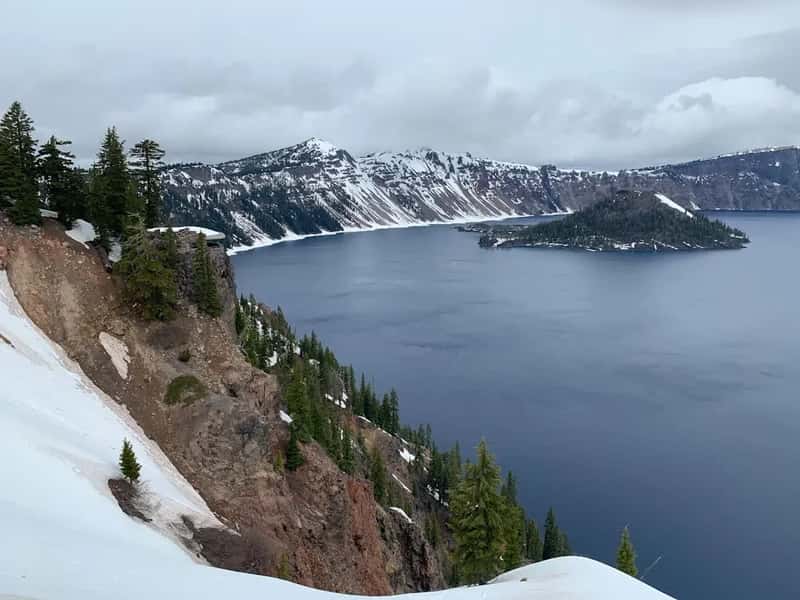
Crater Lake is the deepest lake in the United States and, in the summer sun, appears an almost unreal shade of electric blue. That visual drama drives enormous social media activity, which in turn drives traffic. Crater Lake is what remains of Mount Mazama, a volcano that erupted almost 8,000 years ago and then collapsed. The remaining caldera filled with water, forming the deepest lake in the United States.
The park’s Rim Drive is absolutely spectacular, but the stretch near Crater Lake Lodge and the main viewpoints can become gridlocked in July and August. It is hard to say for sure how many visitors would keep coming if the drive took twice as long due to congestion. The answer, based on current trends, is probably most of them.
23. Badlands National Park, South Dakota
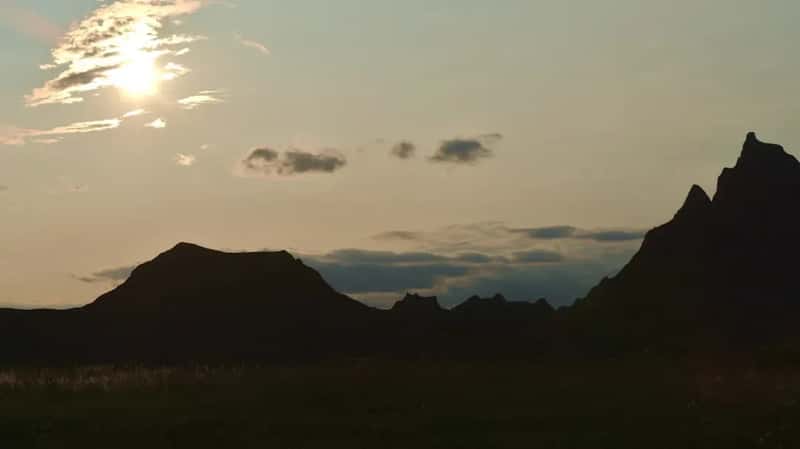
The Badlands are one of those parks that catches first-time visitors genuinely off guard. You cross miles of flat prairie and then suddenly the earth fractures into an alien maze of spires and canyons. The visual payoff drives strong repeat visitation and significant road-trip traffic as part of the broader Black Hills corridor.
Many travelers visit during the peak summer tourism season, with June and July the most popular months. In 2024, twenty-eight parks set new visitation records. The Badlands loops road, the main artery through the park, sees heavy congestion during peak summer hours, particularly around the dramatic viewpoints near the visitor center.
24. Everglades National Park, Florida
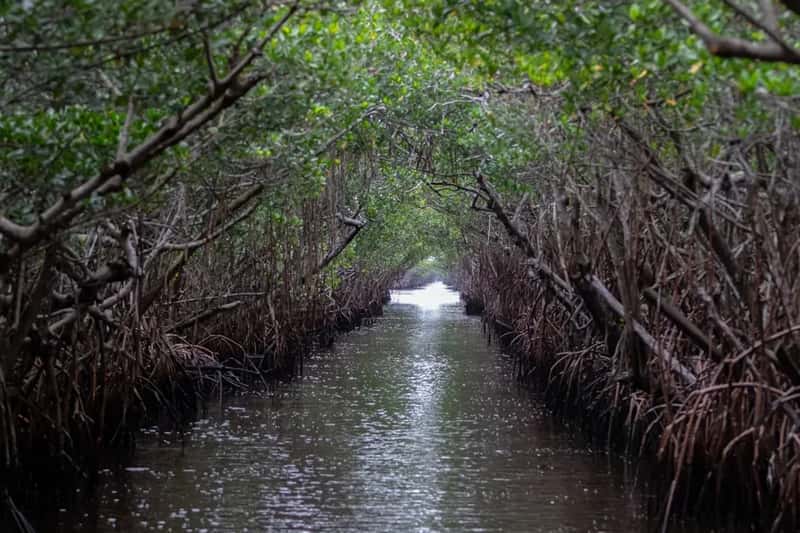
Florida’s Everglades represent one of the most ecologically unique places in the Western Hemisphere, a slow-moving “river of grass” stretching across the southern tip of Florida. The park draws a mix of wildlife enthusiasts, winter snowbirds, and school groups throughout the year, with January and February being particularly hectic.
Ensuring visitors have enjoyable experiences is becoming increasingly challenging in the most popular parks. The Anhinga Trail, in particular, is one of the most wildlife-dense short walks in North America and sees extraordinary foot traffic. Overcrowding in the national parks makes the experience less enjoyable, and also poses a real danger of the parks being irreparably damaged.
25. Gateway Arch National Park, Missouri
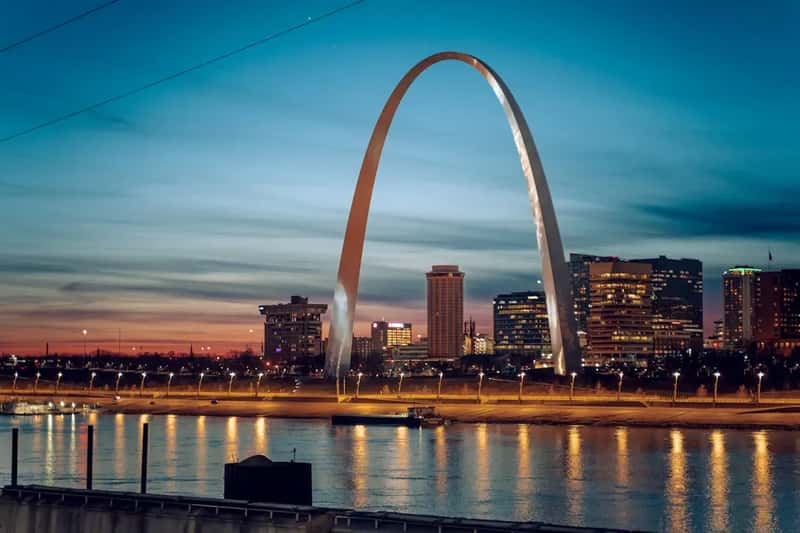
Gateway Arch National Park drew roughly 2.6 million visitors in 2024. As the smallest national park by acreage and an urban park in the heart of St. Louis, it packs its visitor numbers into a tiny footprint, making crowding feel immediate and constant. The tram ride to the top of the iconic arch itself involves long queues during busy periods.
It is the only national park most St. Louis residents have likely visited multiple times without thinking of it as a wilderness destination. That normalcy breeds constant casual visitation. NPS data from 2024 shows visitors logging nearly 1.4 billion total recreation visitor hours and over 13 million overnight stays across all parks. Urban parks like Gateway Arch play a surprisingly large role in that staggering collective total.
Secret Fix 1: Timed-Entry Reservation Systems
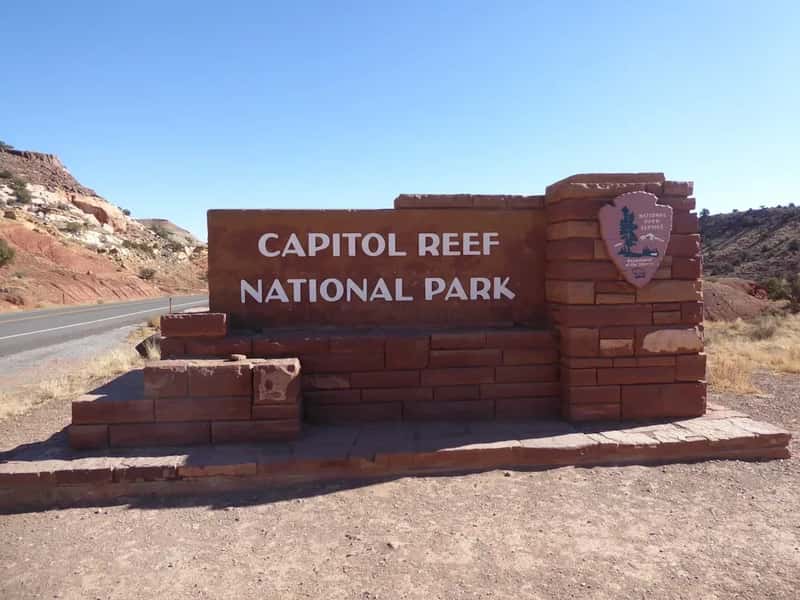
One strategy to control overcrowding in national parks is the implementation of visitor reservation systems and timed entry quotas, which require visitors to obtain permits for specific time frames during the busy season. The data suggests these systems work. Data and visitor survey results from the 2022, 2023, and 2024 pilots at Arches demonstrate that timed entry reservations better distribute vehicles and visitors throughout the day, provide more reliable and enjoyable access, and help protect the park’s extraordinary landscape.
A Utah State University study found that roughly eighty-four percent of respondents viewed the timed entry system at Arches favorably, and nearly ninety percent were able to acquire a timed entry for their preferred dates. Yes, some of the spontaneity is taken out of national park visits, but if it is for the greater good, many visitors agree that planning ahead isn’t the worst thing.
Secret Fix 2: Expanded Shuttle and Transit Systems
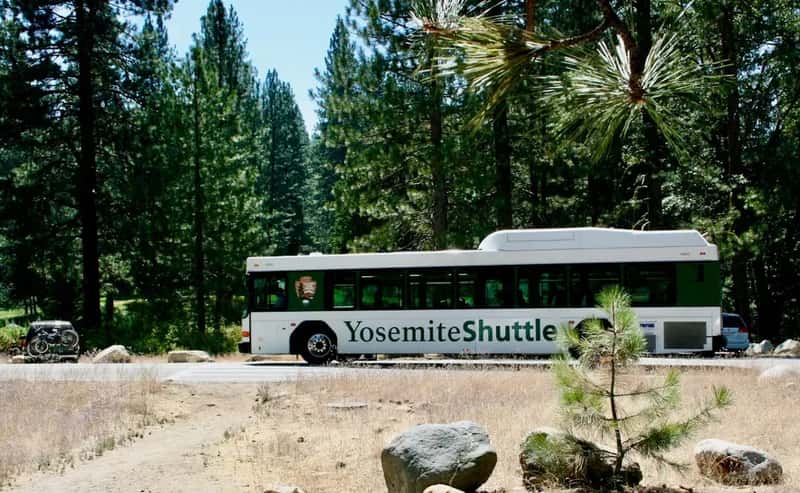
National parks like Zion in Utah have established bus systems to help reduce traffic, overcrowding, and emissions. Bussing visitors into the park also helps surrounding communities accommodate visitors without too much strain on the infrastructure of small towns.
The National Park Service implemented a shuttle system in Zion National Park in the year 2000, and it has done wonders to help alleviate congestion. In 2024, they replaced the shuttles with brand new electric models, which is even better for protecting the parks. Implementing a similar shuttle system in other parks would be beneficial to both conservation and the visitor experience.
Secret Fix 3: Visiting Shoulder Seasons and Off-Peak Hours

Many visitors travel during the peak summer tourism season, with June and July the most popular months, but fifty-five percent of parks still recorded above-average visitation numbers during the slower periods of February through June and October through December. This means shoulder seasons are busy too, but they remain far less congested than peak summer.
At Acadia, the best window is the second and third weeks of September. Crowds thin fast after Labor Day, and the foliage hasn’t peaked yet. This pattern holds across many parks. Arriving at dawn or exploring on a weekday in October genuinely transforms the experience. It sounds simple. It works remarkably well.
Secret Fix 4: Exploring Nearby, Less-Visited Alternatives
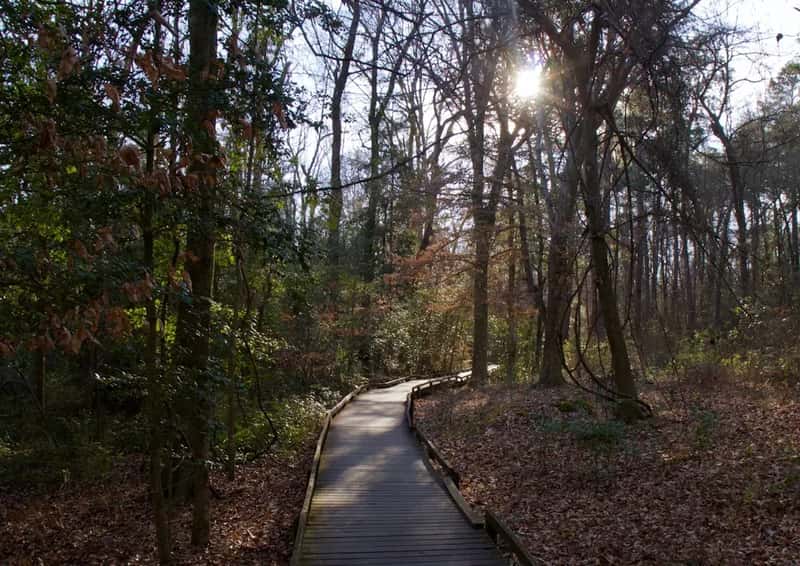
For anyone considering Great Smoky Mountains, nearby Congaree in South Carolina gets a fraction of the foot traffic. It is the largest intact expanse of old-growth bottomland hardwood forest in North America, and most visitors never wade past the boardwalk. Visitation has jumped nearly fifty-two percent since 2019, but its 27,000-plus acres still provide breathing room.
A useful strategy is having a backup destination: if a popular park is too crowded, head to a nearby national forest or less-visited park. If Arches is full, for example, Canyonlands or Dead Horse Point State Park offer genuinely spectacular alternatives. The truth is that most famous parks have a quieter twin nearby that most visitors never consider.
Secret Fix 5: Increased Funding and Staffing for the Parks

The National Park Service recently reported the most guests in the system’s history, with nearly 332 million people exploring parks in 2024. Unfortunately, this surge in popularity is coinciding with a staffing crisis, as the Trump Administration has dictated the organization cut employees.
Without adequate staffing, parks will have a difficult time providing the kind of service and protection that visitors and ecosystems need. Cutting staffing could lead to visitor centers closing, lines becoming longer, and a reduction in regular maintenance like cleaning restrooms. A hundred-million-dollar grant from Lilly Endowment was awarded to the National Park Foundation to manage visitor growth and conservation, pointing to the reality that long-term solutions require serious, sustained investment. Ultimately, the health of these places depends not just on how we visit them, but on how much we collectively commit to funding their future.
What do you think the single most effective fix for national park overcrowding would be? Leave your take in the comments.