Most people assume a long-distance bus is just a long-distance bus – you buy a ticket, you sit down, you stare out the window until you arrive. Ask any driver who’s spent years running the same overnight route, though, and you’ll hear something else entirely: regulars don’t ride the bus, they operate inside it like it’s their own living room. They move differently, pack differently, even sit down differently than someone taking their very first trip.
Drivers say they can spot a regular from clear across the parking lot, sometimes before the person even pulls out a ticket. None of the tells are dramatic on their own. They’re small, repeated, almost invisible – until someone who’s watched thousands of boardings points them out to you. Here’s what veteran coach operators actually notice.
#25 – The Instant Seat Scan

Regulars never sit down without scanning first. They walk the aisle checking wheel-well bulges, tray-table wobble, and how close a seat sits to the engine before committing to a spot.
Drivers say the whole scan takes maybe four seconds, but it’s unmistakable – first-timers just drop into the nearest open seat. Veterans already know which rows ride roughest on that exact bus model, and they’ll walk past three empty seats just to avoid one bad one.
#24 – The Snack Bag Test

Nobody buying food at a rest-stop counter has done this trip more than once or twice. Regulars arrive with a packed bag: sandwiches, dried fruit, a refillable bottle, sometimes a full home-cooked meal in a container.
Operators notice because station convenience food is priced for convenience, not value, and seasoned riders already did that math years ago. It’s one of the fastest ways to tell who’s traveled this route a dozen times versus who’s traveling it for the first time.
#23 – The Personal Charger Cable Ritual
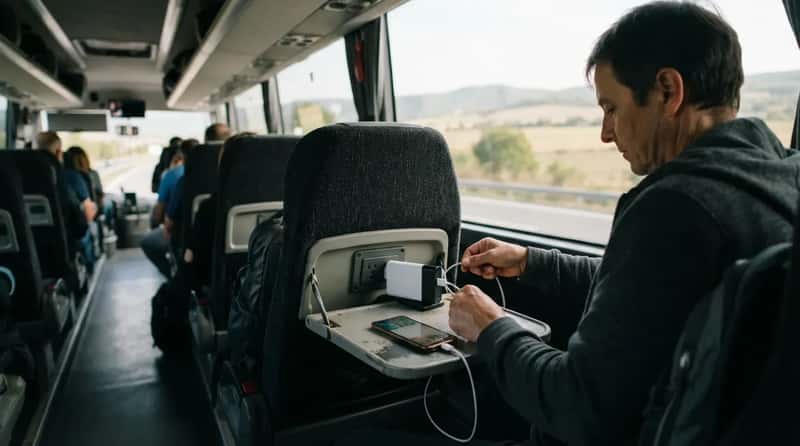
First-time riders assume the seatback outlet or the bus wifi will just work. Regulars assume the opposite, arriving with their own cable, a backup battery, and zero expectation that anything electronic will cooperate for six straight hours.
Drivers say the giveaway is body language – regulars don’t even glance at the outlet panel before pulling out their own gear. They’ve learned the hard way that connectivity on a moving coach is a bonus, never a guarantee.
#22 – The Silent Boarding Pass Flash
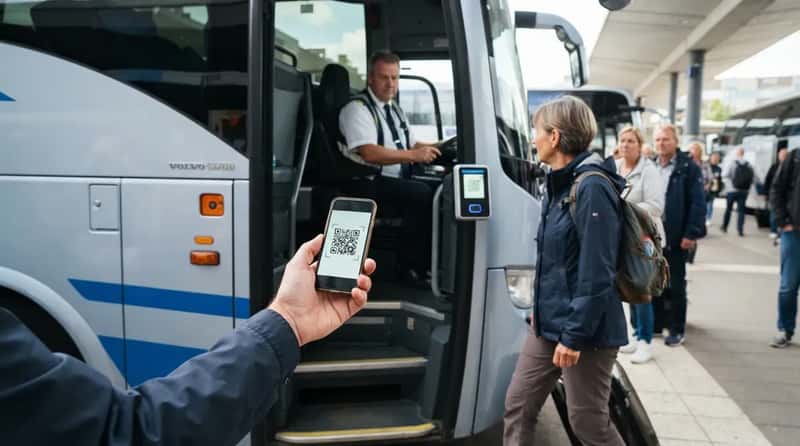
There’s no fumbling, no unlocking a phone three times, no asking “is this the right line.” Regulars have their ticket or QR code pulled up and ready well before they’re even close to the driver.
It sounds minor, but on a route with a tight turnaround, this habit saves real minutes. Operators say a full load of regulars can board noticeably faster than a bus full of first-timers fumbling through the exact same routine from scratch.
#21 – The Layer System
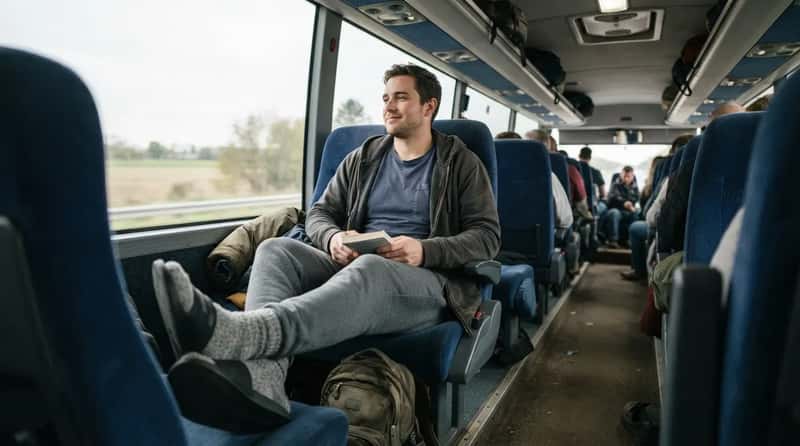
Every regular has learned the hard way that a coach cabin runs either arctic or tropical, with almost nothing comfortable in between. So they dress in layers they can add or strip without digging through an overhead bag mid-ride.
Drivers spot the hoodie-over-t-shirt, socks-with-slides combo instantly. It’s not a fashion choice – it’s a survival strategy built from one too many four-hour rides spent either shivering under the AC vent or sweating through a broken heater.
#20 – The Departure Time Skepticism

New riders treat the printed departure time as gospel. Regulars treat it as a rough estimate, showing up with a built-in buffer because they’ve watched boarding slip fifteen minutes late more times than they can count.
This isn’t cynicism, it’s pattern recognition. Carriers are required to notify passengers when trips run behind and try to soften the disruption, but regulars have quietly decided their own buffer time is the smarter bet than any promise on a printed schedule.
#19 – The Rest Stop Loyalty
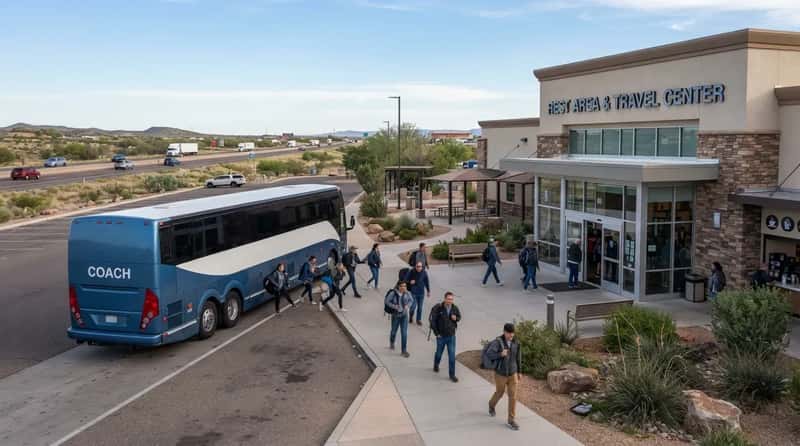
Ask a regular about a route and they won’t describe the scenery – they’ll describe the rest stops. They know which one has the clean bathroom, which one has decent coffee, and which one they refuse to use no matter how badly they need to.
This matters more than it sounds like it should. Buses are supposed to keep reasonable temperatures and offer restrooms that are clean and odor-free, but regulars have learned that reality shifts stop to stop, and they plan their bathroom breaks like a small military operation.
Fast Facts
- Federal rules require any bus seating more than 14 passengers to carry a restroom that’s kept clean and free of odor.
- A bus is only allowed to skip an onboard restroom if it makes what regulators call “reasonable rest stops” instead.
- There’s no national grading system for rest-stop cleanliness, so quality still comes down to individual company policy.
- That gap is exactly why regulars keep their own mental map of which stops are worth using.
#18 – The Overhead Bin Discipline
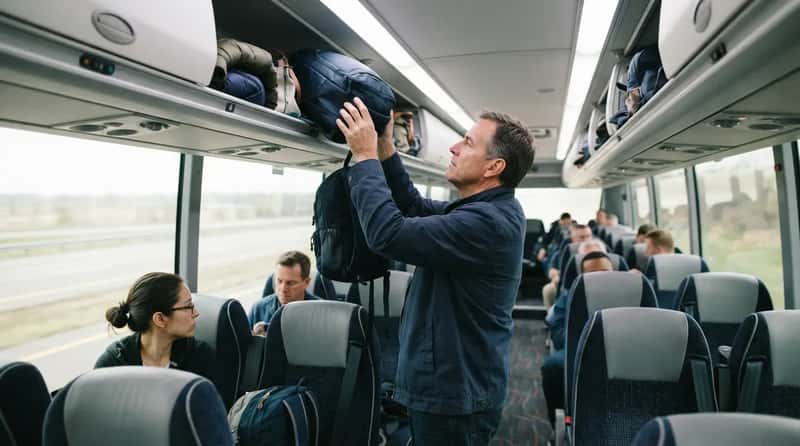
New riders check everything under the bus without a second thought. Regulars keep valuables, chargers, and anything they’ll need mid-ride in a bag they control themselves, either overhead or tucked between their feet.
It’s not paranoia, it’s efficiency. Once a bag disappears under the coach, it’s gone until the next stop – and sometimes not even then, if the driver is running behind on a tight schedule.
#17 – The Neck Pillow Sleep Hack

Regulars don’t just bring a travel pillow – they’ve perfected a full sleep system. Hoodie hood up, pillow wedged just right against the window, earbuds in before the bus has even pulled out of the lot.
Operators say this is one of the clearest tells on an overnight route. First-timers stay upright and wired for hours; regulars are asleep within minutes because they’ve trained their body to shut off on command.
#16 – The Offline Entertainment Download
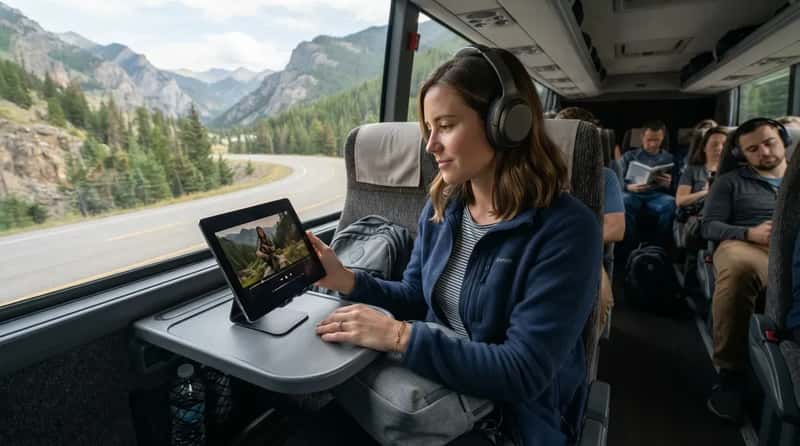
Nobody who’s ridden this route before trusts onboard wifi to survive a mountain pass or a stretch of empty rural highway. Regulars download shows, podcasts, and music before boarding so their entertainment never depends on a signal.
This habit has only grown more common as more travelers switch to buses for long hauls – intercity buses carried around 50 million passengers in 2023 alone, and a lot of those riders learned this lesson the hard way, stuck between two dead zones with nothing loaded.
At a Glance
- One industry study found roughly 92% of Megabus and BoltBus riders planned to use a phone, tablet, or laptop during their trip.
- Buses run about four times more fuel-efficient than the average car, which is part of why fares stay so cheap.
- Wifi is a nice bonus on most coaches, but it’s never a sure thing once you’re deep into rural highway stretches.
- That unreliability is exactly why veteran riders load everything before the wheels start turning.
#15 – The Last-Row Avoidance
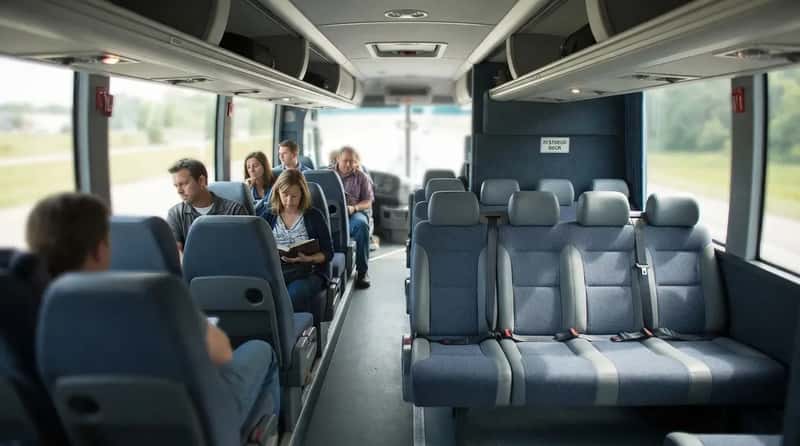
The back row sits closest to the restroom, and regulars know exactly what that means for a five-hour trip. They’ll take a middle seat next to a total stranger over a solo back-row seat almost every single time.
Drivers say this is one of the quietest but most consistent tells there is. New riders often grab the back row thinking it means more privacy, without realizing what they’re trading that privacy for by hour three.
#14 – The Gate Change Radar
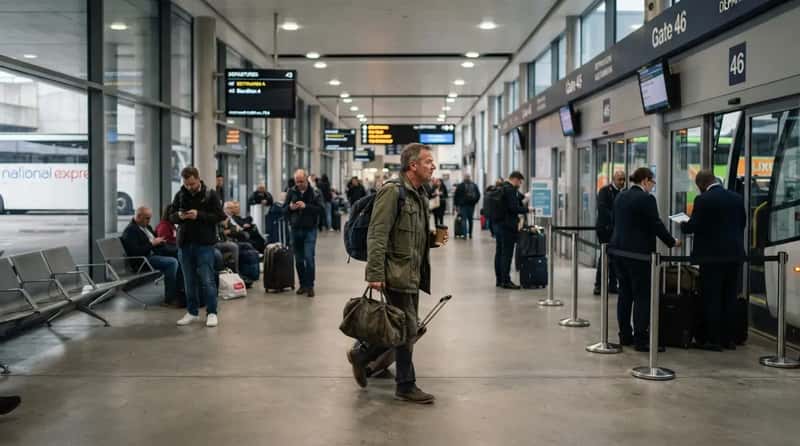
Big terminals shuffle gates constantly, and regulars seem to know before the app even updates. They watch staff movement, catch fragments of radio chatter, and reposition themselves without waiting for an announcement.
It’s a small skill, but a real one. Regulars have simply logged enough hours in these terminals to read the room the way locals read their own neighborhood – instinctively, without ever thinking about it.
#13 – The Holiday Surge Awareness
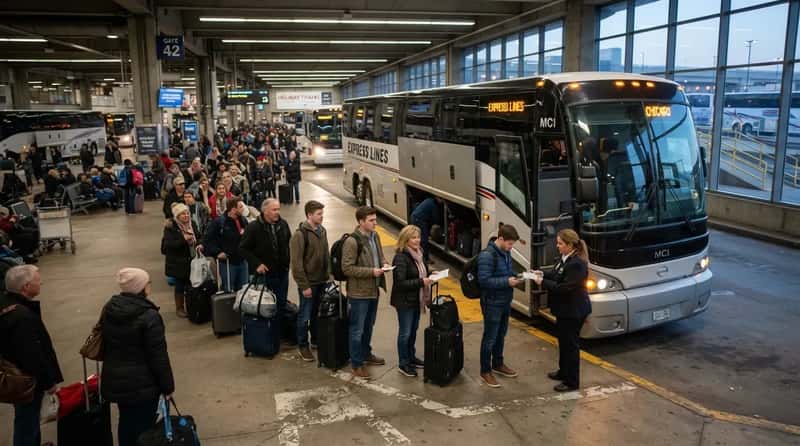
Casual riders book whenever it happens to be convenient. Regulars know Thanksgiving week, the days around Christmas, and the Sunday after any big holiday weekend sell out fast and get expensive if you wait too long.
That’s exactly why regulars lock those dates in weeks ahead of time. Intercity bus ridership was projected to grow around 4% in a recent year, outpacing forecasts for both airline and car travel, and holiday corridors are where that surge shows up first and hardest.
#12 – The Overbooking Instinct
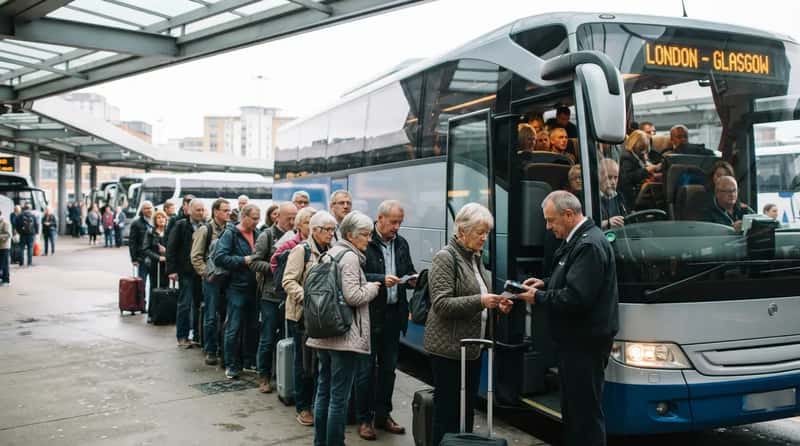
Certain routes run tight almost every single trip, and regulars just know which ones. They arrive earlier, watch the boarding line more closely, and never assume a confirmed ticket guarantees the exact seat they wanted.
Drivers say this instinct is almost always right. Regulars have simply ridden a route enough times to learn its personality – which trips run half-empty, and which ones fill every seat before the doors even close.
#11 – The Refund Policy Memorization
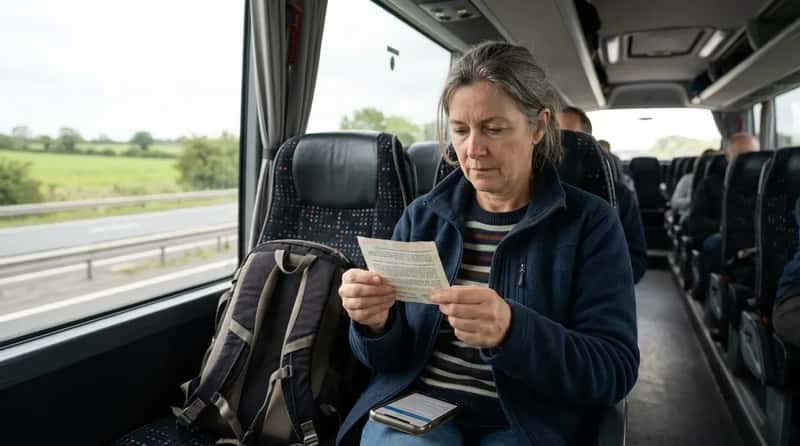
New riders are often shocked when a ticket can’t be changed for free. Regulars already know the exact rules – which fare tier is flexible, which is final, and exactly how far in advance a change has to happen.
Once bitten, twice shy – that’s basically the unofficial motto of every regular who’s ever missed a connection because they didn’t read the fine print.
Common rider wisdom on flexible fare terms
This knowledge gets built the hard way, usually after one painful missed connection early on. After that, regulars read the fine print every single time, because they’ve learned exactly what it costs when they don’t.
#10 – The ID Ready Habit
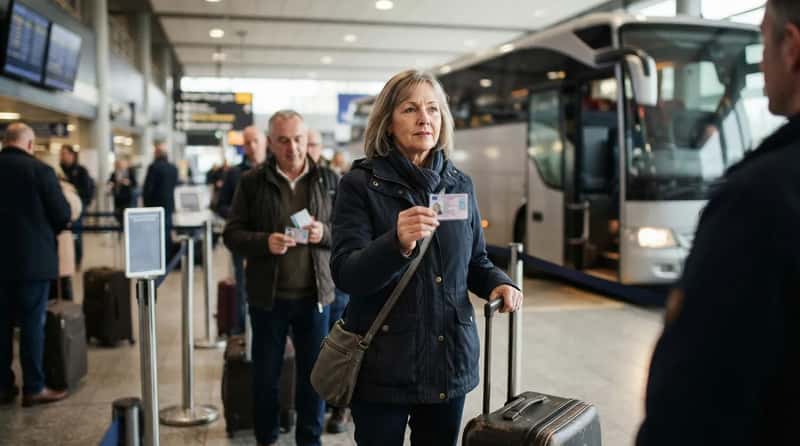
At bigger terminals, security and boarding checks move fast when everyone’s prepared – and slow to a crawl when they’re not. Regulars have their ID out and visible before anyone even asks for it.
Operators notice this constantly, especially at busier hubs. A terminal full of regulars moves through boarding noticeably faster than one full of first-timers still digging through a wallet or scrolling for a screenshot.
#9 – The Earplug Reflex

The moment the engine turns over, regulars are already reaching for earplugs or noise-canceling headphones. They’ve learned that the drone of a diesel engine for six or eight hours takes a real toll if you let it grind on you unprotected.
This isn’t overthinking it – it’s experience talking. One brutal cross-country trip without any protection is usually all it takes to turn a casual rider into someone who never boards without earplugs again.
#8 – The Driver Name Recall
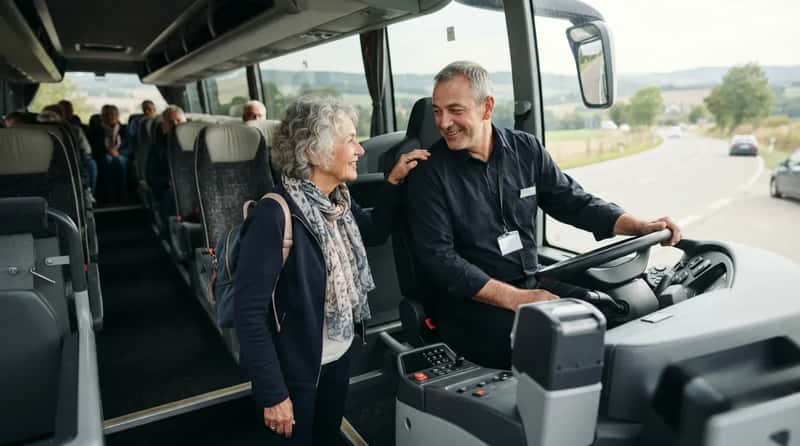
Regulars greet drivers by name, ask about their week, and remember small details from previous trips. It’s not performative friendliness – it’s a real, if small, relationship built one route at a time.
That connection isn’t one-sided either. Tipping isn’t official policy on most routes, but drivers who go the extra mile tend to get remembered – and rewarded – by the exact same regulars trip after trip.
#7 – The No-Argument Boarding Etiquette

Regulars never fight the boarding line, never try to cut ahead, and never argue about seat assignments with the driver. They know the unwritten rules and they follow them without a word of complaint.
This might be the single most consistent tell operators mention. First-timers occasionally push back on process; regulars have learned that a calm, cooperative boarding is simply the fastest one for everyone standing there.
#6 – The Tip Jar Awareness

On premium or luxury coach services with attendants and extra amenities, regulars know tipping is customary – casual riders often have no idea. It’s a small detail that instantly separates someone who’s done this exact route before from someone who hasn’t.
Operators on these upgraded services say regulars handle it naturally, almost automatically, the same way they’d tip at a sit-down restaurant without thinking twice. It’s simply part of the routine they’ve built around this specific kind of trip.
Worth Knowing
- Premium services like BestBus Prime, Tripper Bus Elite, and Vamoose Gold run 2×1 seating instead of the usual 2×2 layout, so every seat gets more breathing room.
- These upgraded routes are heavily concentrated on busy corridors like New York to Washington, D.C., which has more premium operators than anywhere else in the country.
- The extra space and onboard service are exactly why a tipping culture has taken hold on these specific routes and nowhere else.
#5 – The Legroom Seat Negotiation
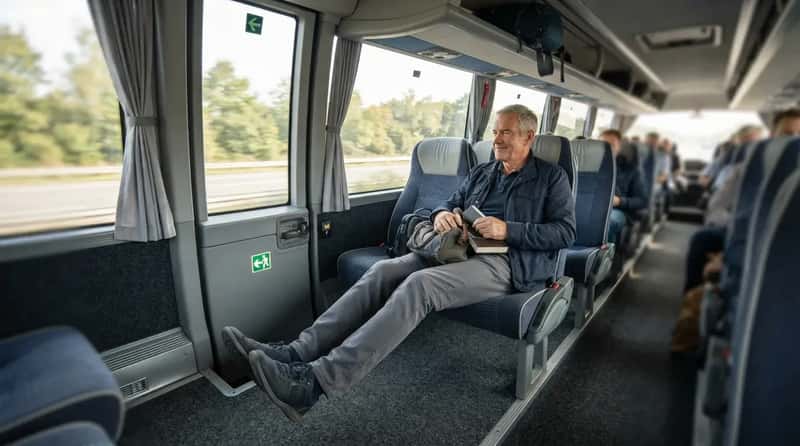
Regulars know exactly which rows have real legroom and which ones only look spacious in the online seat map. They aim for those seats specifically, sometimes even calling ahead rather than trusting a picture on a screen.
This knowledge comes from hard experience, not guesswork. Anyone who’s spent six hours folded into a seat with less room than advertised learns fast which rows to chase on every future booking for that exact route.
Quick Compare
- Standard seat: roughly 34 to 36 inches of pitch, the space between one seat back and the next.
- Exit-row seat: a little extra room, though it’s not guaranteed and sometimes reserved for riders who may need to assist during an emergency.
- Paid extra-legroom seat: options like a guaranteed empty neighboring seat, booked specifically for more space on longer hauls.
#4 – The Route Nickname Habit
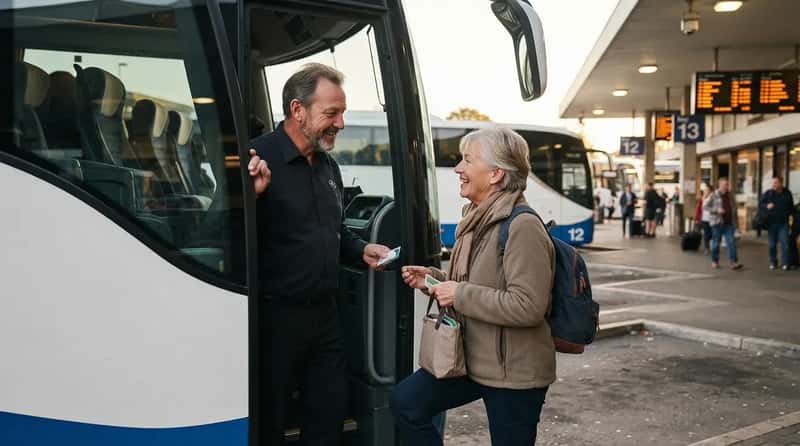
Regulars rarely refer to their trip by its official route number. They call it by nickname instead – “the overnight,” “the Sunday run,” “the milk run” – shorthand built from months or years of doing it over and over.
Drivers say this is one of the clearest signs of a true regular. Casual riders describe a trip by its destination; regulars describe it by feel, because the route has quietly become part of their personal routine, not just a line on a schedule.
#3 – The Quiet Camaraderie With Strangers

Regulars nod at other regulars. There’s no big conversation, no exchanged names – just a small, mutual recognition between two people who’ve clearly done this ride before and know exactly what it involves.
Operators say this unspoken bond is real, even when it never turns into actual friendship. It’s the kind of quiet solidarity that builds naturally among people sharing the same uncomfortable hours on the same stretch of highway, month after month.
#2 – The Driver Recognition Moment
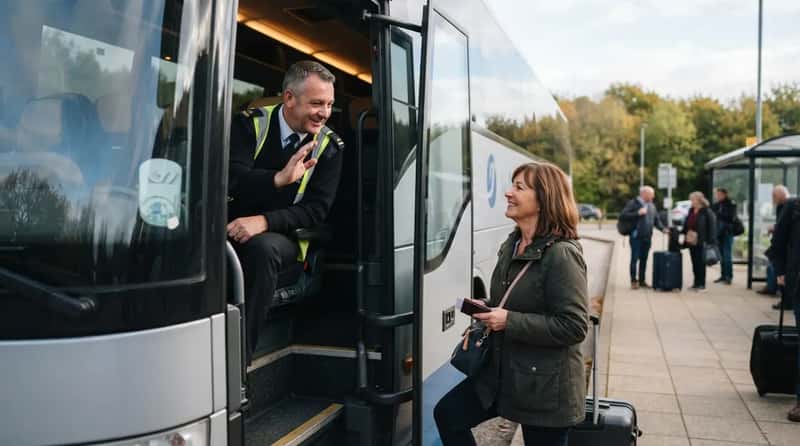
On routes with consistent driver-and-bus pairings, staff naturally start associating certain drivers with certain long-distance runs – and that familiarity flows both ways. Regulars start recognizing certain drivers, and those drivers start recognizing them right back.
This mutual familiarity changes the whole tone of a trip. A driver who remembers a passenger’s usual stop or preferred seat isn’t just being polite – they’ve built a genuine, if small, relationship across dozens of shared rides.
#1 – The “Coming Home” Feeling
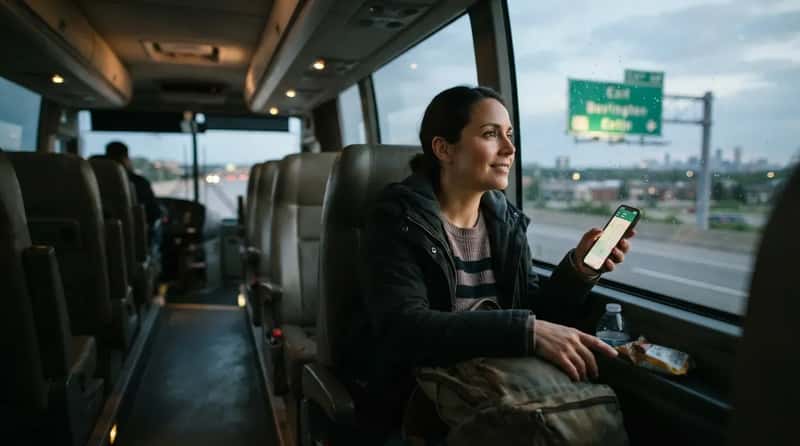
For a lot of regulars, this route was never really about the destination city – it’s about a person waiting there. Drivers notice a specific kind of energy near the end of these trips: restless legs, phones out early, eyes locked on road signs counting down the miles.
This is the habit every operator mentions last, because it’s the one that actually explains all the others. The snacks, the layers, the seat scans, the small talk with the driver – none of it was ever really about the bus. It was about making a long, uncomfortable trip feel a little more like home, one familiar detail at a time.
None of these habits look dramatic on their own. Stacked together, though, they tell a story that has almost nothing to do with the bus itself and everything to do with the people who’ve quietly figured out how to make a hard ride feel manageable, familiar, and even a little bit like their own.
Coach operators watch this play out every single week, on every route that matters to somebody. Somewhere on a dark highway tonight, a regular is already asleep with their hood up, their snacks packed, and their eyes closed before the bus even hits the on-ramp – because they’ve done this enough times to know exactly how it goes.