Long before a guest says “checking in, please,” the valet stand has already built a mental file on them. The way someone steps out of a car, glances at their bumper, or fumbles with a key fob tells a trained valet more than a reservation printout ever could. Front desk staff get the polished version. Valets get the real one, in the ten seconds before it’s rehearsed.
Most people assume valet parking is just keys and tips. Turns out it’s closer to a silent psychology exam that starts the second a car pulls under the awning, and the results are already filed away before anyone reaches reception. Here’s what longtime valet attendants actually notice, and why so many of them swear the driveway never lies.
1. The Speed Of The Exit Says Everything
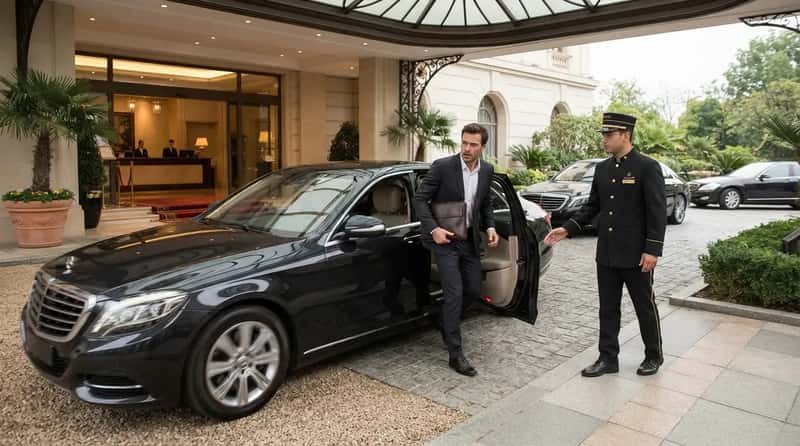
Guests who fling the door open before the car fully stops are almost always running late, stressed, or both. Valets say this rushed exit is one of the most reliable early signals of a guest’s mood for the entire stay. It often predicts a short, clipped check-in and zero interest in small talk.
On the flip side, guests who take a slow beat before stepping out, stretching or glancing around, tend to be relaxed travelers with nowhere urgent to be. Valets often use this split-second read to decide how much conversation to offer. A rushed exit gets a quick nod. A slow one gets a genuine “welcome” and real eye contact.
2. Eye Contact At The Handoff Predicts The Whole Stay
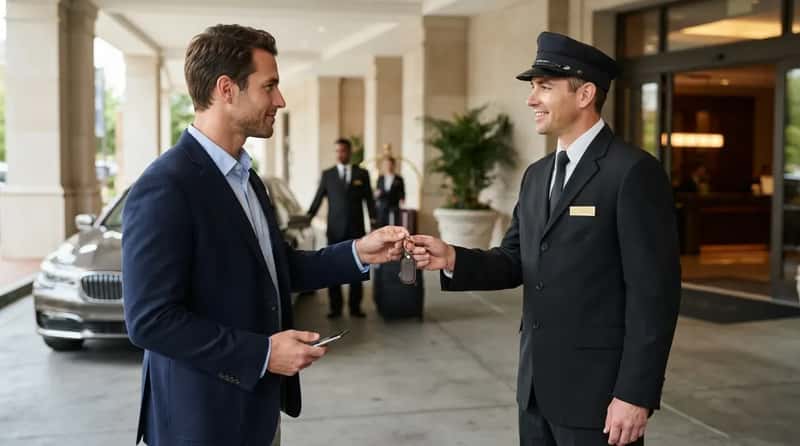
Guests who make direct eye contact with the valet before handing over keys are, according to many attendants, usually the friendliest guests inside the hotel too. It’s a small habit, but it signals someone who sees service staff as people, not furniture. Valets say this single moment often predicts tipping behavior later on.
Guests who avoid eye contact entirely, staring at their phone through the whole handoff, tend to be first-timers nervous about the process rather than rude. Valets say it’s usually just unfamiliarity with hotel etiquette, especially among people who don’t often stay at full-service properties.
3. The Trunk Tells The Real Travel Story
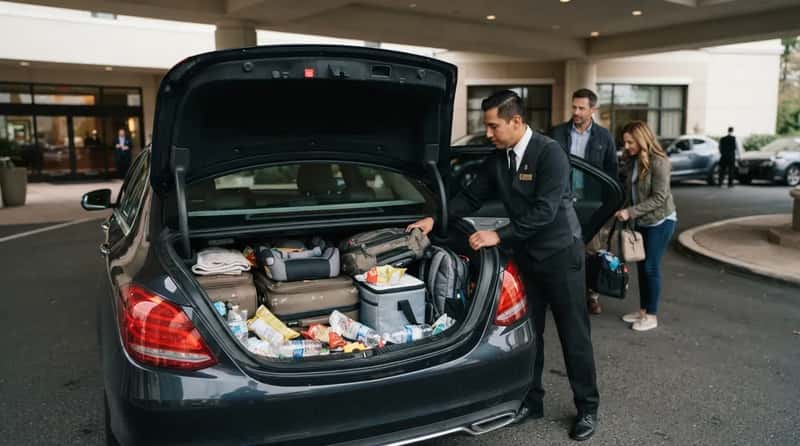
How a guest handles the trunk, popping it open instantly or guarding it like a secret, reveals what kind of trip they’re actually on. Business travelers tend to grab their own bags fast, almost reflexively. Leisure travelers usually let the valet or bellhop take over without a second thought.
Valets say overstuffed trunks with visible snack wrappers and empty water bottles almost always belong to families on a road trip, even when the parents show up dressed for a business conference. The car doesn’t lie, even when the outfit does.
4. Early Tippers Set The Tone For The Whole Stay
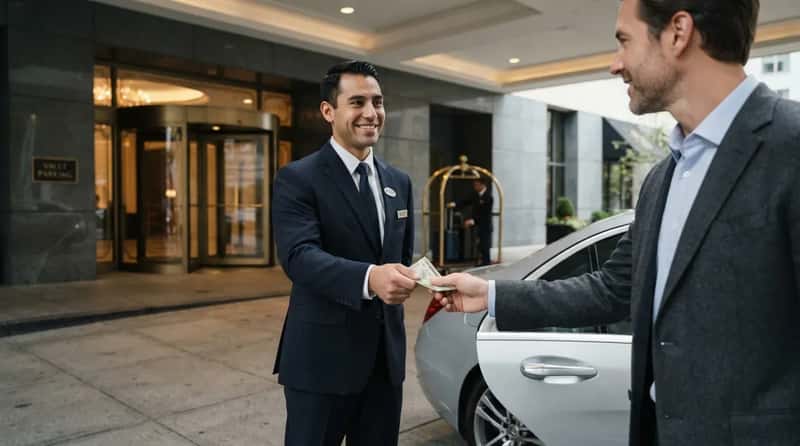
Guests who tip at drop-off, before any service has technically happened yet, are sending a signal that valets say predicts generosity for the entire stay. It’s rarely about the amount. It’s about the instinct to acknowledge the person in front of them first.
Valets privately admit that guests who skip the tip at drop-off but circle back to double-check the car’s condition later often end up tipping generously at pickup instead. It’s less about cheapness and more about timing. Some guests simply process gratitude after the service is fully done, not before.
5. Rental Cars Are Almost Impossible To Hide
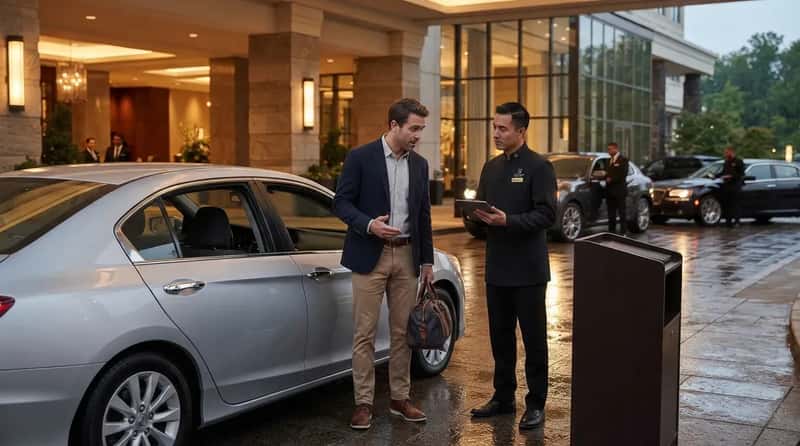
Even without a rental sticker in sight, valets say they can spot a rental car in seconds. The unfamiliar fumbling with hazard lights, the confused hunt for the trunk release, and the overly careful parking job are all dead giveaways.
Guests driving rentals also tend to ask more questions about the car’s return time and condition, which valets say is one of the clearest tells of the bunch. It’s a small anxiety most travelers don’t realize they’re broadcasting. The car isn’t theirs, and everyone at the valet stand already knows it.
Fast Facts
- Hesitant hazard-light fumbling is one of the fastest rental tells valets spot
- Overly cautious, slow parking jobs often signal an unfamiliar car
- Extra questions about return time and condition are a dead giveaway
- Rental confusion has nothing to do with driving skill, just unfamiliarity
6. The Backseat Reveals Family Dynamics Fast
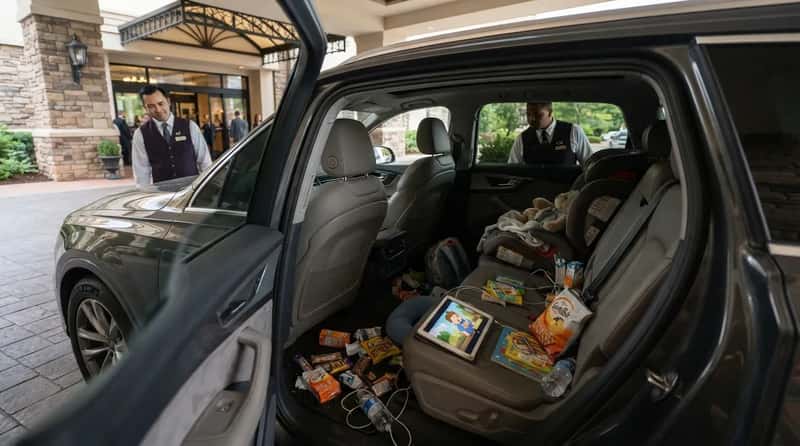
Kids arguing, screens glowing, snack wrappers scattered everywhere. Valets say the backseat is often the most honest part of the entire vehicle. It shows the real version of the trip before anyone puts on their “vacation face” for the front desk.
Calm, quiet backseats usually belong to families who’ve traveled together often and know the drill. Chaotic ones tend to mean this is either a first big trip or a very long car ride finally coming to an end. Either way, valets say they can predict the parents’ energy at check-in within seconds of glancing at the back row.
7. Nervous Couples Have A Very Specific Tell
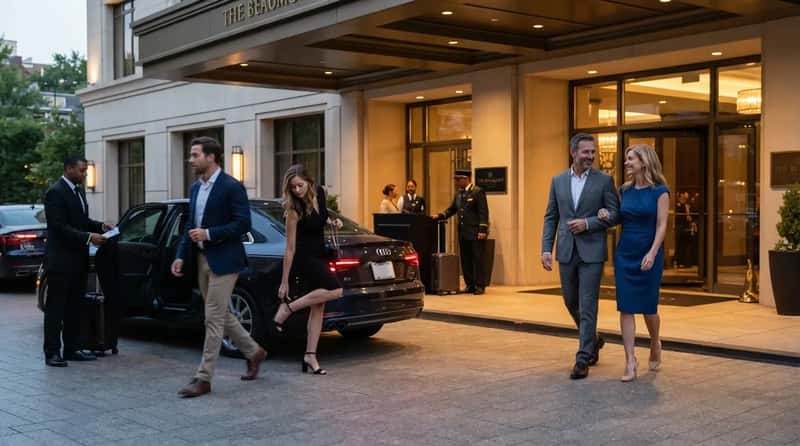
Valets say first dates and early-relationship trips share a distinct pattern: one partner exits fast and walks ahead, while the other lingers by the car pretending to check something. It’s a subtle habit tied to nervous energy rather than actual distance between them.
Anniversary trips and long-term couples tend to move in sync, often walking in together mid-conversation. Valets say this synchronized pace is one of the most reliable relationship-length indicators they’ve noticed over the years, more accurate than matching outfits or a flashed ring.
8. Business Travelers Move Like They’ve Done This 500 Times
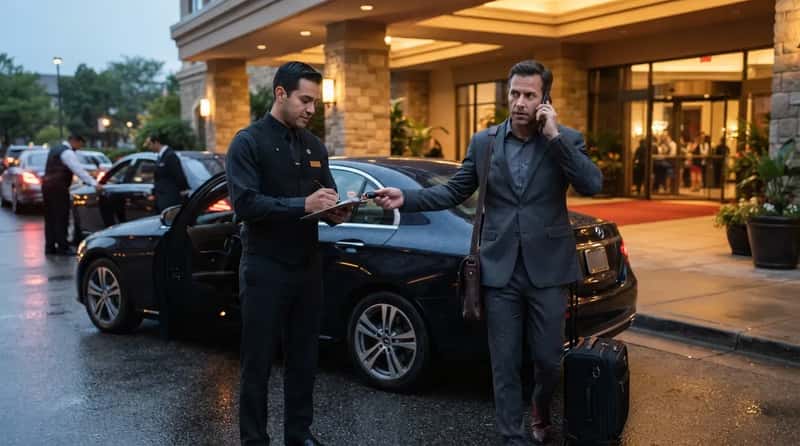
Frequent business travelers have a rhythm: bag out, keys handed off, phone already back to their ear before the valet finishes writing the ticket. Valets say this efficient, almost robotic sequence is instantly recognizable and rarely varies from trip to trip.
These guests also tend to skip small talk entirely, not out of rudeness, but because the driveway is just another transition point in a long travel day. Valets learn quickly not to take the brisk energy personally. It’s a habit built from hundreds of hotel stays, not a mood about this particular one.
9. The Way Someone Hands Over Keys Says A Lot
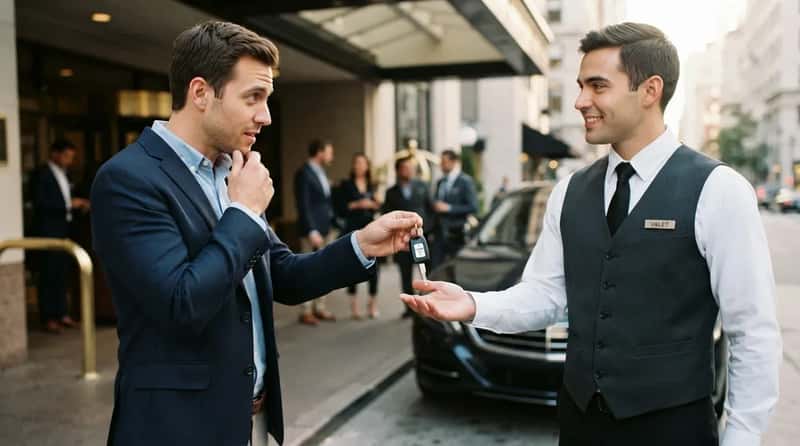
A confident, direct key handoff usually signals someone comfortable with service environments. A hesitant, almost apologetic handoff, sometimes paired with over-explaining the car’s quirks, tends to belong to guests less familiar with valet culture.
Valets say guests who over-explain their car, warning about a sticky door or a sensitive alarm, are almost always first-time valet users. It’s an endearing habit rooted in genuine care for the vehicle. Regulars, by contrast, toss the keys with barely a glance back.
10. Repeated Glances Back At The Car Reveal Hidden Anxiety
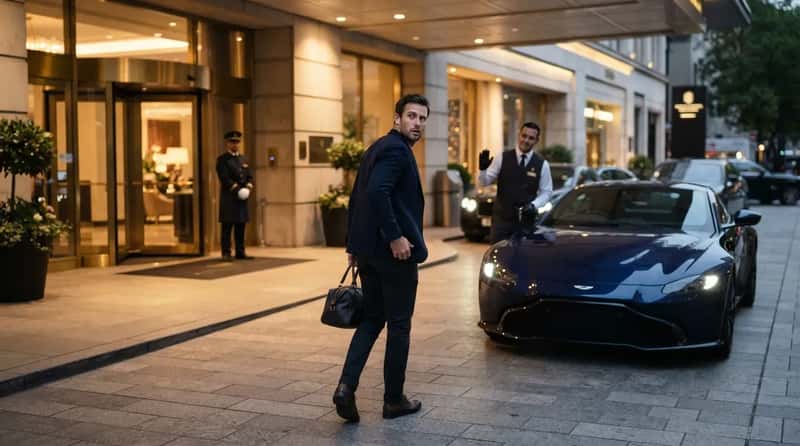
Some guests walk toward the entrance but keep looking back at their car, sometimes two or three times before disappearing inside. Valets say this habit is almost always tied to a genuinely valuable vehicle or something precious left inside, not paranoia.
Attendants have learned to read this glance as a cue to be extra visible and reassuring during the parking process. A quick wave or a simple “I’ve got it” often puts the guest at ease instantly. It’s a small gesture, but valets say it changes the entire tone of the interaction.
11. VIPs Often Try Too Hard To Blend In
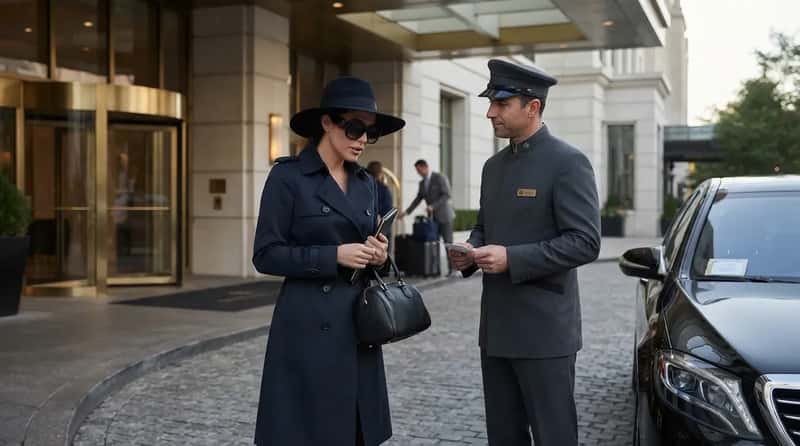
Ironically, valets say the guests trying hardest to appear low-key, oversized sunglasses, minimal luggage, quiet voices, are frequently the ones with the most recognizable names. The effort to disappear is often the biggest tell of all.
Genuinely low-profile guests don’t think about blending in because they were never worried about being noticed in the first place. Valets say this subtle difference in self-awareness is one of the more amusing patterns they’ve picked up over the years. The harder someone performs “normal,” the less normal they usually turn out to be.
Worth Knowing
- Oversized sunglasses and minimal luggage often signal someone avoiding attention
- Genuinely low-profile guests rarely think about blending in at all
- Quiet voices and short answers can be a bigger tell than a flashy arrival
- The harder the “normal” performance, the more it tends to stand out
12. Luggage Tags From Other Hotels Spark Quiet Comparisons
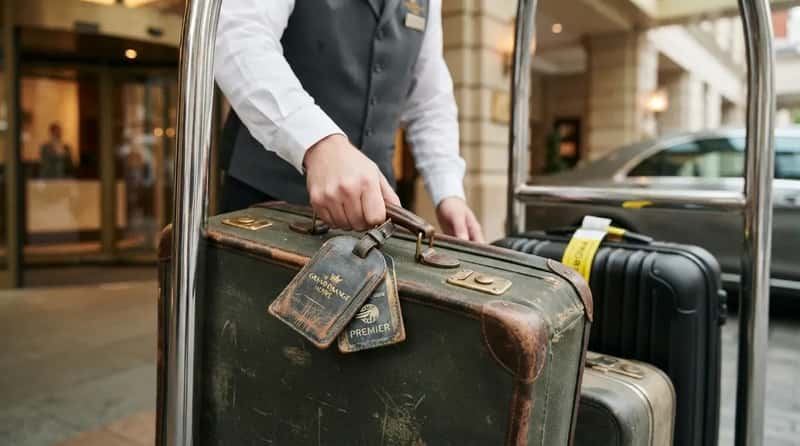
Valets notice luggage tags from competing hotels or airlines more than guests realize. It’s not gossip, just pattern recognition built from thousands of cars. A tag from a well-known luxury chain quietly sets an expectation for how the guest might behave at check-in.
Guests with worn, heavily used luggage tags tend to be frequent travelers who know exactly how the valet-to-lobby process works. Fresh, barely-used luggage usually signals a special trip, sometimes a first big vacation in years. Valets say this detail quietly shapes how much guidance they offer.
13. Guests Who Photograph Their Parking Spot Have A Story
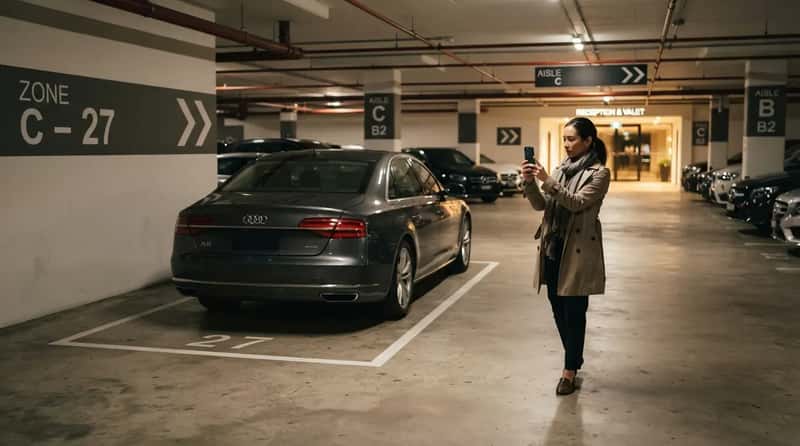
Some guests snap a quick photo of where their car is parked before walking away. Valets say this habit spans two very different guest types: nervous first-timers worried about losing track of their vehicle, and meticulous planners who photograph everything as a personal system.
Either way, it’s a habit valets have learned to appreciate rather than judge. It usually means the guest cares about the vehicle and wants clear communication at pickup. Attendants say these guests tend to ask specific, detail-oriented questions later, which they’ve come to expect in advance.
14. The Outfit-To-Car Mismatch Is More Common Than You’d Think
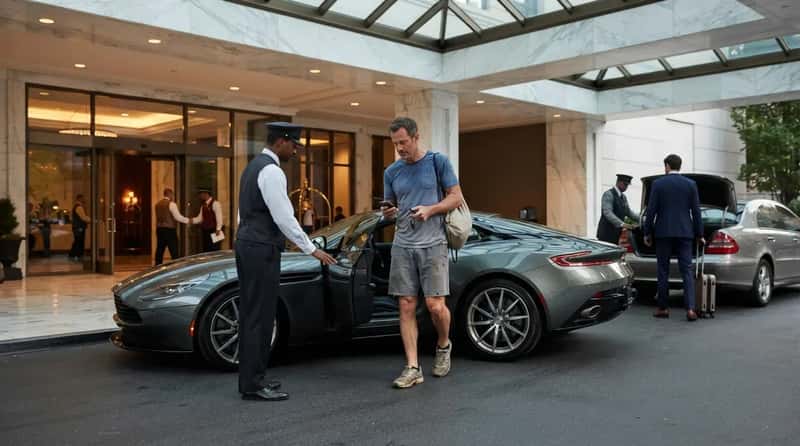
Valets say luxury cars driven by guests in gym clothes or travel pajamas are surprisingly common. It usually means the guest is either extremely wealthy and unbothered by appearances, or driving a car that isn’t fully theirs, like a company vehicle or a rental upgrade.
The reverse mismatch, a sharply dressed guest in a modest rental, often signals someone attending a formal event or business meeting who simply didn’t prioritize the rental car itself. Valets say this contrast is one of the funniest recurring patterns they see on any given week, and it rarely predicts anything about how the guest will behave inside.
15. Returning Guests Have A Distinct Walk
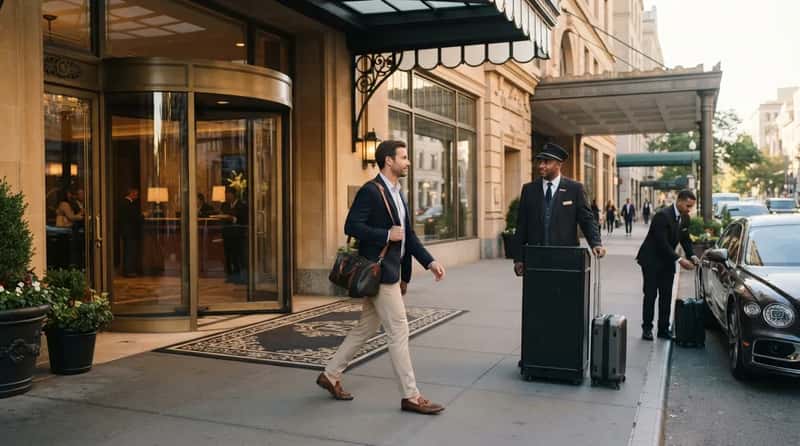
Guests who’ve stayed at a property before tend to walk with a specific kind of familiarity, knowing exactly where the entrance is without glancing at signage. Valets say this confident, direct path toward the door is one of the clearest signs of a repeat guest.
First-timers, by contrast, often pause briefly to orient themselves, checking for the entrance or glancing at building signage. It’s a tiny hesitation, barely a second or two, but valets say they clock it almost every single time. That pause often shapes how much extra direction the front desk ends up giving.
16. Guests Who Ask About Parking Fees First Reveal Their Budget Mindset
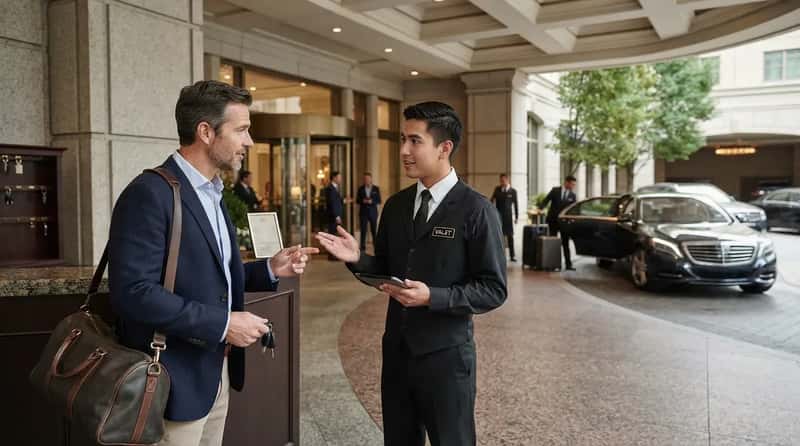
Some guests ask about valet pricing before anything else, even before mentioning their name or reservation. Valets say this habit isn’t about being cheap. It usually signals a guest who’s budgeting carefully for the trip and wants no surprises later.
Guests who skip the pricing question entirely and simply hand over the keys tend to be less price-sensitive travelers, often on a business account or a special-occasion trip where cost wasn’t the deciding factor. Valets say this single question, or its absence, quietly hints at the guest’s overall spending mood for the stay.
17. The “Game Face” Habit Right Before The Door
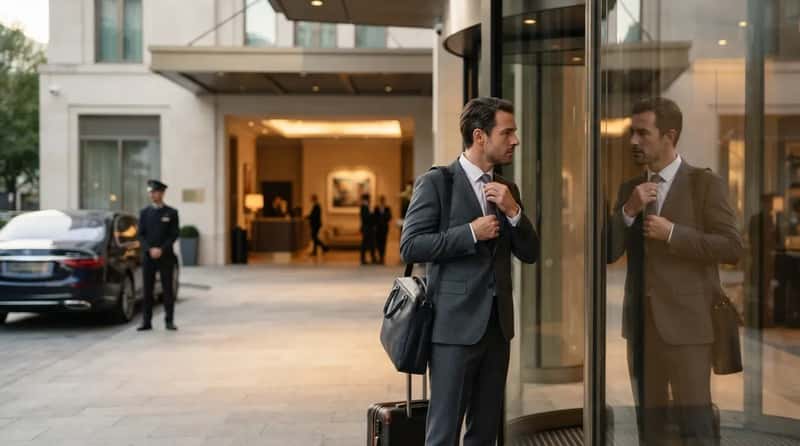
Many guests pause just before entering the lobby to check their reflection in the car window, straighten a jacket, or take a visible breath. Valets call this the “game face” moment, and they say it happens far more often than guests probably realize.
It’s most common among guests heading into important meetings, weddings, or reunions where first impressions matter. Valets say catching this small ritual has made them oddly protective of guests in these moments. Nobody interrupts the game face. Everyone gets their few seconds of quiet composure before stepping inside.
18. Guests Who Remember The Valet’s Name Stand Out Immediately
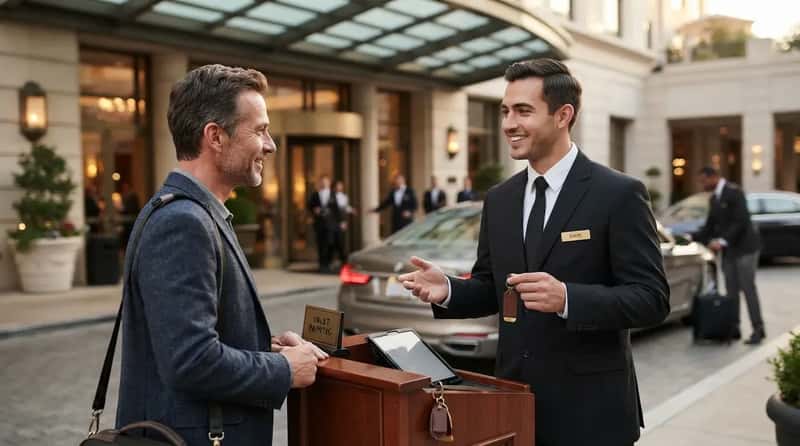
It happens rarely, but when a guest reads a name tag and actually uses it, valets say it instantly changes the entire interaction. This small habit is remembered by staff far longer than guests would expect, sometimes for the guest’s entire stay.
Valets admit these guests tend to receive slightly faster car retrieval and a bit more attentive service, not because of any formal system, but simply human nature. A little recognition goes a long way in service industries. Guests rarely realize how much weight a first name carries at the valet stand.
19. Solo Travelers Move With A Very Specific Efficiency
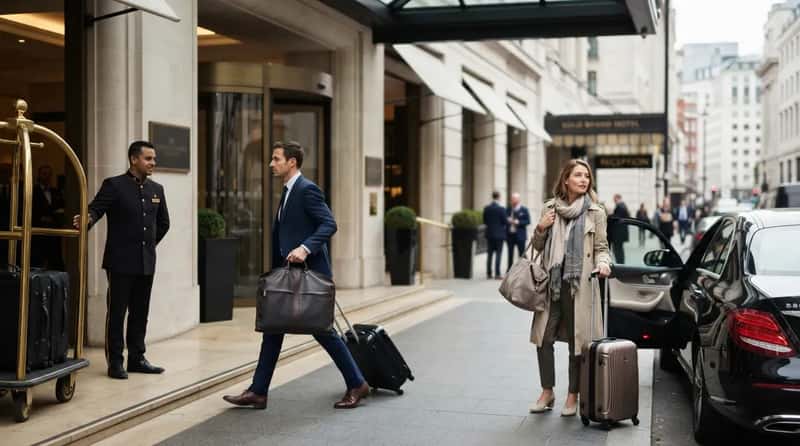
Solo guests tend to move faster and more independently than groups, often declining help with bags entirely. Valets say this efficient, self-sufficient energy is one of the easiest patterns to spot, especially among frequent solo business travelers.
Interestingly, valets say solo leisure travelers, people on personal trips alone, often linger a bit longer at the car, in no rush to get inside. It’s a quieter, more reflective energy that’s noticeably different from the solo business traveler’s brisk pace. The difference between the two, valets say, is obvious within seconds.
Quick Compare
- Solo business traveler: fast pace, handles bags independently, little conversation
- Solo leisure traveler: slower pace, lingers by the car, more reflective energy
- Business solo trips read as routine; leisure solo trips read as personal
20. The Way Someone Talks About Their Car Reveals Priorities
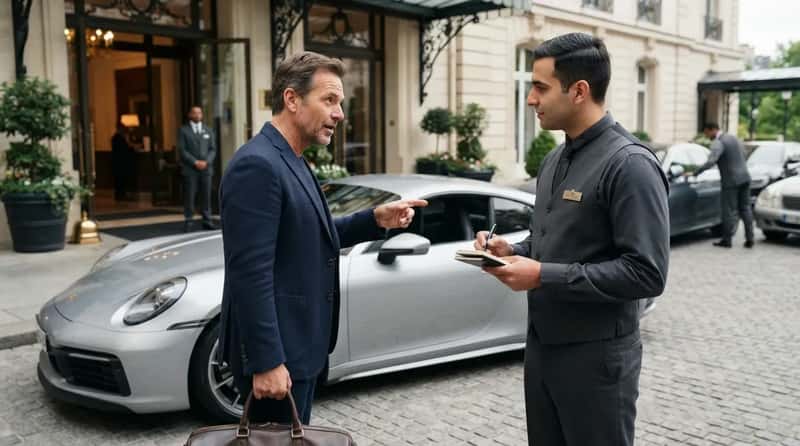
Guests who give detailed instructions about their car, exact parking preferences, warnings about scratches, requests for a covered spot, tend to place a lot of personal identity into the vehicle itself. Valets say these instructions are rarely about the car’s actual value.
Guests who wave off any instructions and simply say “wherever’s fine” tend to view the car as purely functional. Valets say this small difference in attitude often, though not always, mirrors how particular or relaxed the guest turns out to be about their room and service requests inside.
21. First-Time Luxury Guests Have A Recognizable Pause
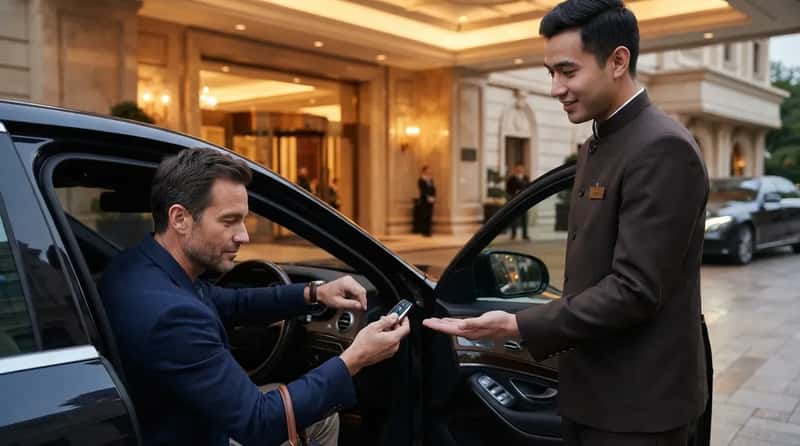
Valets say guests unfamiliar with high-end hotel service often hesitate slightly before letting go of their car keys, a brief, almost involuntary pause rooted in unfamiliarity rather than distrust. It’s one of the more touching habits attendants notice regularly.
Regular luxury travelers show no such hesitation, releasing keys almost automatically mid-conversation. Valets say this contrast, while subtle, is one of the clearest indicators of how new the entire hotel experience feels to a given guest, and it often shapes how much extra explanation they offer at handoff.
22. Guests Traveling For Emotional Reasons Carry A Different Energy
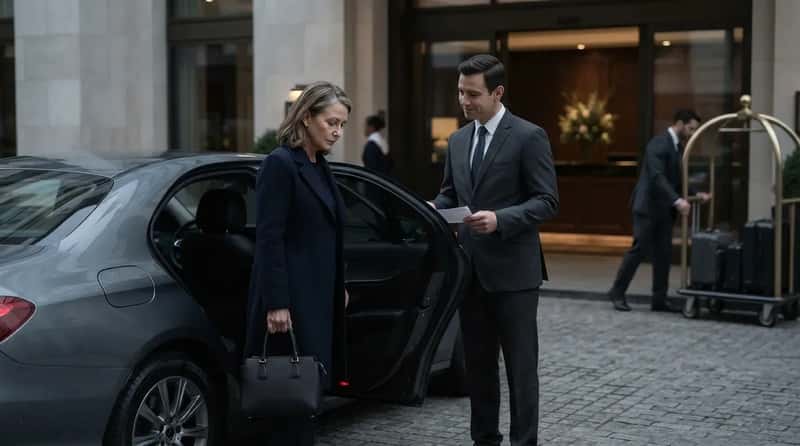
Valets say guests arriving for funerals, medical stays, or emotional family visits carry a noticeably quieter, heavier energy at drop-off, even before a single word is exchanged. It’s rarely something guests say directly, but attendants describe it as unmistakable.
This recognition often shapes how valets approach the interaction, softer tone, fewer questions, more patience with slow movements or distracted behavior. Many valets say learning to read this energy correctly, and adjusting accordingly, is one of the most meaningful parts of the job, even though it’s never formally taught.
23. Guests Who Double-Check Locked Doors Reveal A Trust Gap
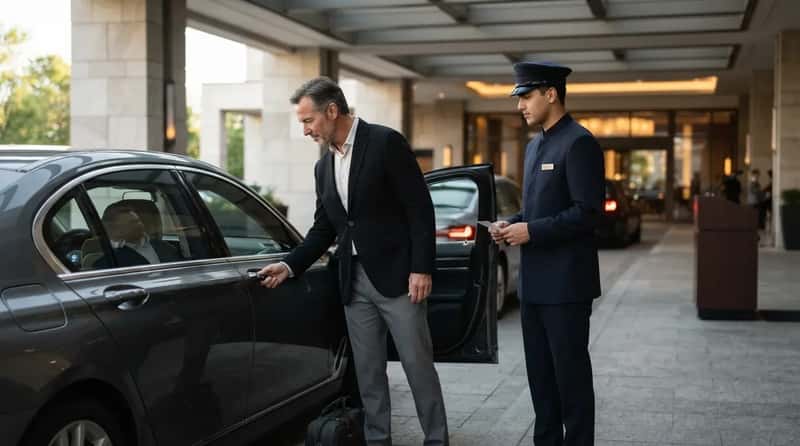
Some guests lock their car, then try the handle again, sometimes twice, right in front of the valet. It’s an instinctive habit, and attendants say it’s rarely personal, even though it can feel that way in the moment.
Valets say this double-check habit tends to fade quickly once a guest becomes a repeat visitor to the same property. Trust builds fast once a guest sees their car returned in perfect condition once or twice. First impressions at the valet stand, it turns out, matter far beyond that single moment.
24. The Final Look Back Before Walking Through The Door
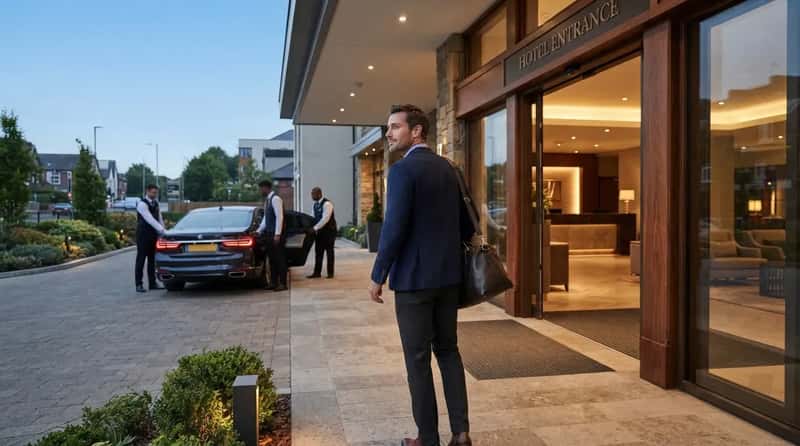
Right before stepping inside, many guests take one last glance back at the driveway, sometimes at their car, sometimes just at the outside world they’re about to leave behind for the trip. Valets say this final look is almost universal, cutting across every guest type.
It’s a small, almost unconscious habit that marks the mental shift from “traveling” to “arrived.” Valets say noticing this moment has made them more aware of how much weight even a short walk to the lobby doors can carry for a tired, excited, or nervous guest.
At a Glance
- The final glance back happens across nearly every guest type
- It marks the mental shift from “traveling” to “arrived”
- Valets describe the habit as almost universal, regardless of trip purpose
- It’s one of the last habits recognized before check-in even begins
25. Regulars Tip At Pickup, Not Drop-Off, And It’s Intentional
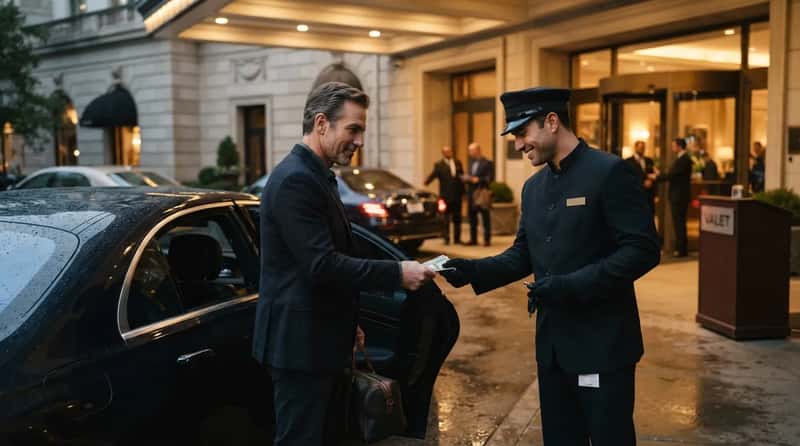
The most experienced hotel guests, the true regulars, tend to skip tipping at drop-off entirely, saving it instead for pickup once the full service loop is complete. Valets say this isn’t forgetfulness. It’s a deliberate habit built from understanding the full arc of the valet relationship.
These guests often tip more generously at the end specifically because they’ve judged the entire experience, not just the handoff. Valets say recognizing a true regular by this single habit alone is almost foolproof after enough years on the job. It’s the quiet signature of someone who’s done this a hundred times before.
None of this is mind reading. It’s pattern recognition built from thousands of driveways, thousands of key exchanges, and the small, human habits people don’t realize they’re repeating. Valets rarely say any of it out loud, but it shapes nearly every interaction that follows at the front desk.
The next time you pull up to a hotel, know the story is already being read before you say a single word.