Every summer, delegates from around the world gather to decide which places deserve the planet’s highest form of cultural and natural recognition. The process is slow, often political, and sometimes surprising in what gets left off the list. Over the past few sessions of the World Heritage Committee, though, an unusually wide mix of sites has made it through, from ancient burial mounds to modernist Finnish architecture to a stretch of Normandy beach that changed the course of a war.
What follows is a rundown of 25 places that have recently joined UNESCO’s World Heritage List, spanning the 2024, 2025, and 2026 committee sessions. Some are famous already; others are the kind of place most travelers have never heard of until now.
Sado Island Gold Mines, Japan
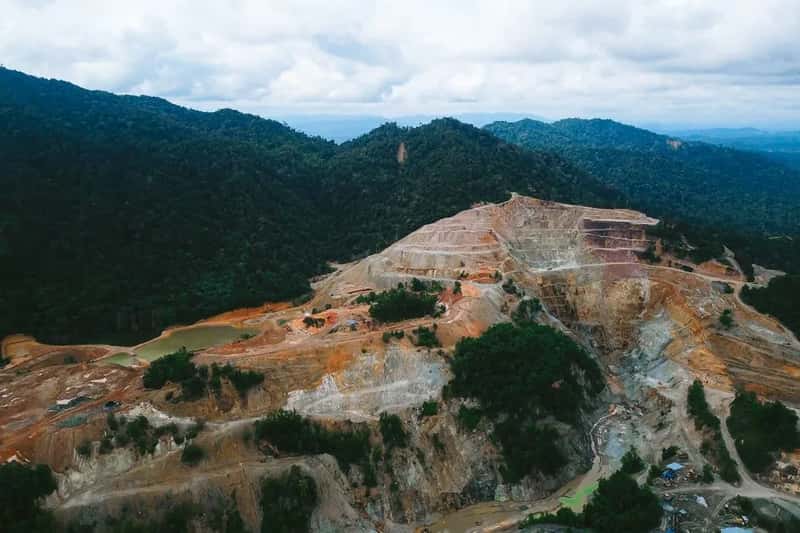
Tucked off the coast of Niigata Prefecture, the Sado gold and silver mines operated for roughly four centuries and once made Japan one of the world’s leading precious metal producers. The site includes tunnels, shafts, and refining facilities that trace mining techniques from hand tools through to mechanized extraction. Japan’s Sado Island Gold Mines was among the sites inscribed at the 46th session of the World Heritage Committee in New Delhi.[1]
The nomination had a complicated diplomatic backstory, since some of the site’s history touches on forced wartime labor, a subject that drew objections before its eventual approval. What ended up on the list focuses on the Edo period mining operations, which are considered technically significant on their own terms. For visitors, it’s a quieter alternative to Japan’s better known heritage circuit.
Phu Phrabat Historical Park, Thailand
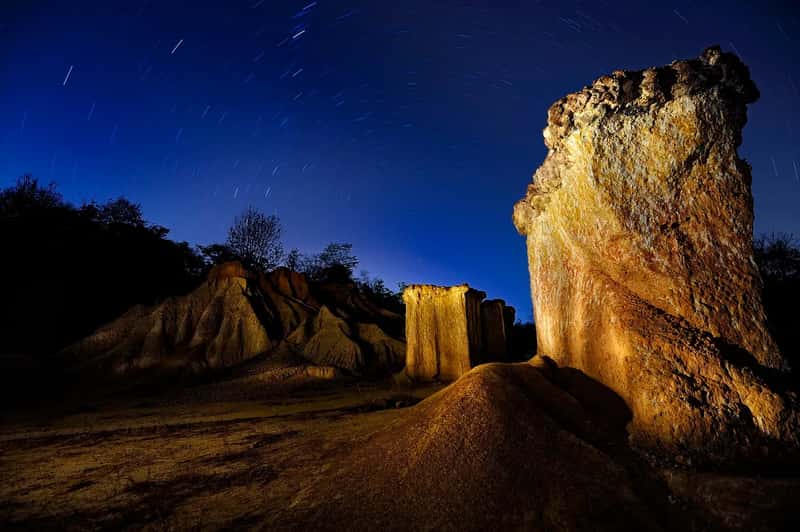
This park in northeastern Thailand’s Udon Thani province is scattered with sandstone outcrops shaped by erosion into striking natural formations, many of which were later carved with Buddhist and Brahmanistic imagery. Phu Phrabat Historical Park was one of the sites inscribed during the same New Delhi committee session that added the Sado mines.[1] Archaeological evidence suggests the area was used for ritual purposes going back over a thousand years.
What makes the park distinctive is the layering of eras. Prehistoric rock art sits near later religious carvings, giving the landscape a kind of open-air timeline. It has become a modest but growing draw for travelers exploring Thailand beyond Bangkok and Chiang Mai.
Nelson Mandela Legacy Sites, South Africa
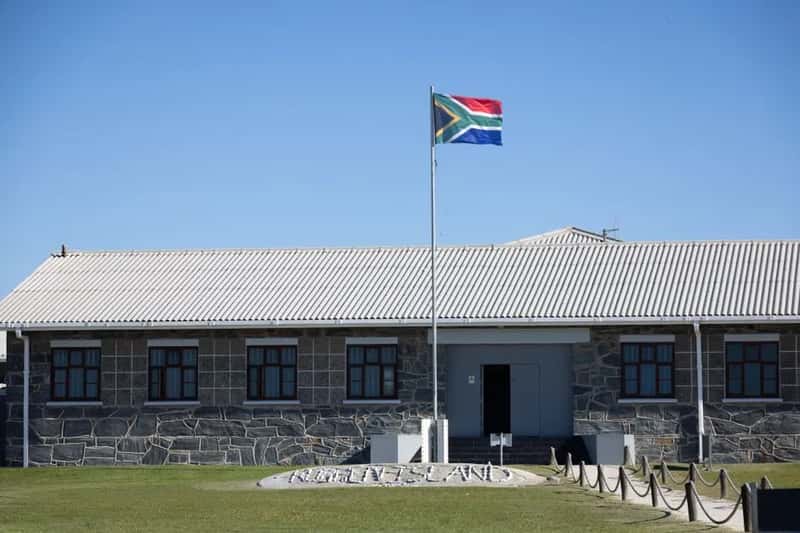
Rather than a single location, this inscription covers a network of places tied to the anti-apartheid struggle and South Africa’s transition to democracy. The Nelson Mandela Legacy Sites for Human Rights, Liberation and Reconciliation were included in the 2024 round of new World Heritage listings.[1] The sites include locations connected to Mandela’s imprisonment, activism, and eventual presidency.
What sets this nomination apart from typical monument-based listings is its framing around a living political and moral narrative rather than ancient ruins or architecture. It positions memory and human rights history as heritage in its own right. For South Africa, it adds a layer of international recognition to places that already carry deep national significance.
Via Appia, Italy
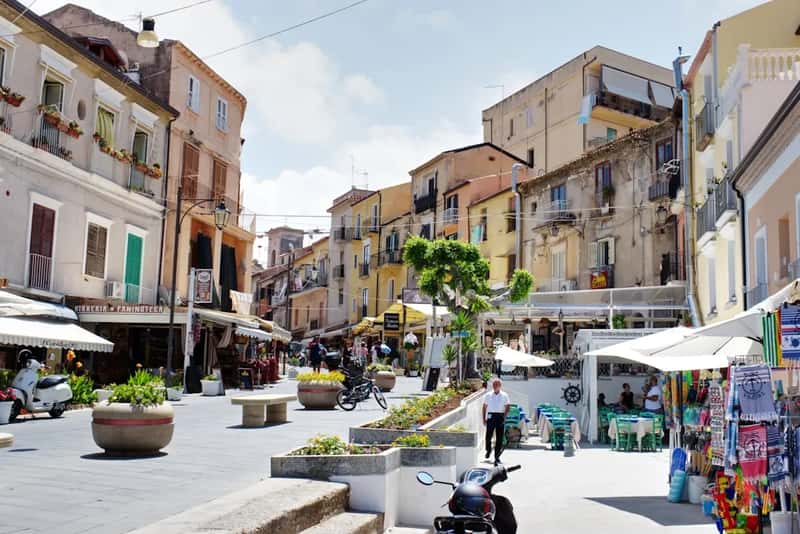
Built starting in 312 BCE, the Via Appia originally connected Rome to the port city of Brindisi, stretching roughly 650 kilometers across southern Italy. Its inscription brought Italy’s total number of World Heritage Sites to 60, the most of any country in the world.[2] The road is one of the earliest examples of large scale Roman engineering, built to move troops and goods efficiently across the peninsula.
Sections of the original stone paving still survive, along with ancient bridges, tombs, and milestones along the route. Walking or cycling parts of the Via Appia has become a niche but appealing way to see rural Italy away from the usual tourist corridors. It’s a reminder that some of the oldest infrastructure in the world is still, technically, usable.
Beijing Central Axis, China

This nomination covers the historic north-south line running through the heart of Beijing, anchoring landmarks like the Forbidden City, the Temple of Heaven, and the Drum and Bell Towers. China added the Beijing Central Axis, a cultural site, to its already extensive list of World Heritage properties during the same 2024 session.[2] The axis has shaped the city’s layout for centuries and still influences urban planning decisions today.
What’s notable is how the nomination treats an entire planning principle, not just individual buildings, as worthy of protection. It reflects a broader trend at UNESCO toward recognizing urban design systems rather than isolated monuments. For visitors, it offers a framework for understanding how Beijing’s most famous sights actually connect to each other.
Badain Jaran Desert, China
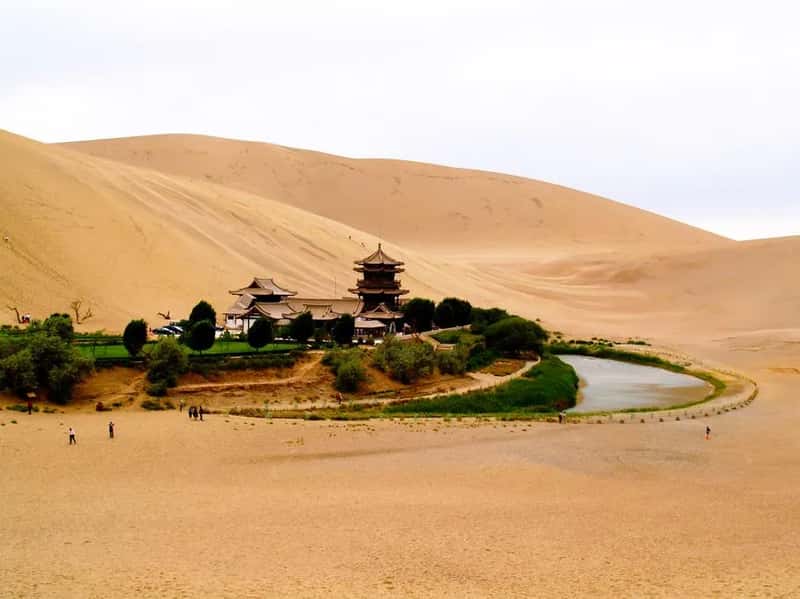
Alongside the Beijing Central Axis, China also added the Badain Jaran Desert, a natural site, to its World Heritage holdings that year.[2] The desert is known for towering sand dunes, some among the tallest stationary dunes on Earth, interspersed with over a hundred lakes fed by underground springs. The contrast between dry sand and unexpected water is part of what makes the landscape geologically unusual.
Scientists have studied the area for insights into desert hydrology and dune formation processes that remain only partially understood. The lakes support small but resilient ecosystems in an otherwise harsh environment. It’s a landscape that photographs dramatically but is still relatively unfamiliar outside specialist travel circles.
Moidams of Assam, India
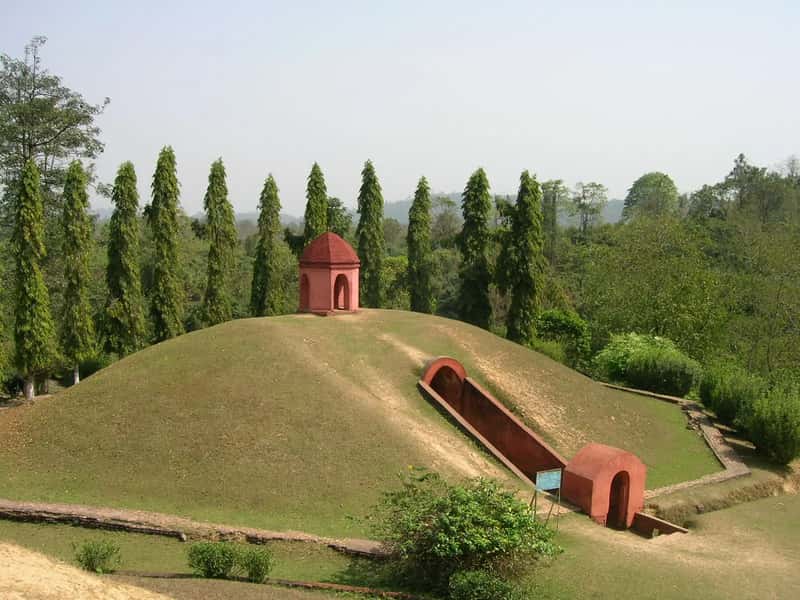
The Moidams are mound burial sites built by the Ahom dynasty, which ruled parts of northeastern India for roughly six centuries. Their inscription came during the 46th session, alongside 23 other new World Heritage listings.[3] The addition made the Moidams India’s 43rd site on the World Heritage List at the time.[1]
The mounds function similarly to royal tombs found in other parts of Asia, combining earthwork construction with ritual significance. They sit in Assam’s Charaideo district, an area not typically on the standard India heritage trail alongside Agra or Jaipur. Local historians have pushed for years to get the site wider recognition, and this inscription finally delivered it.
Lençóis Maranhenses National Park, Brazil
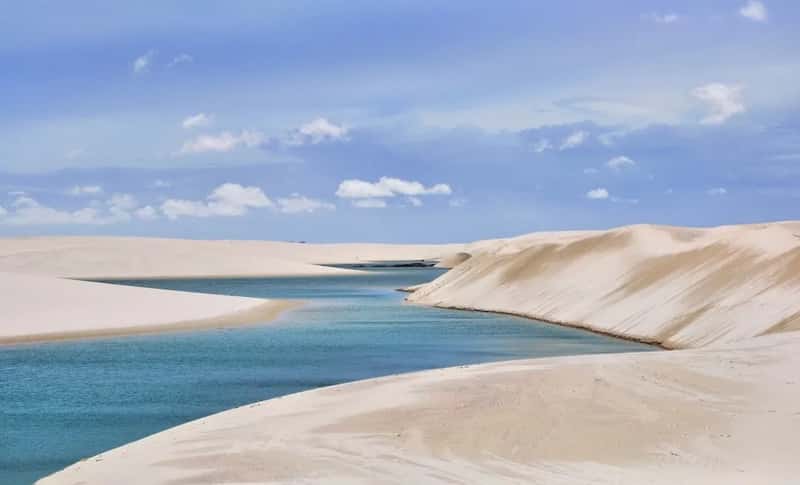
Lençóis Maranhenses National Park has a breathtaking coastal sand dune system of striking contrasts.[4] Located in Brazil’s Maranhão state, the park is known for its rippling white dunes interspersed with seasonal turquoise lagoons that form after the rainy season. The visual effect has made it one of Brazil’s most photographed natural landscapes, even before the UNESCO designation.
The park’s inscription recognized both its dune formations and the ecological processes that create the temporary lakes each year. It sits within a broader coastal ecosystem that supports migratory birds and unique plant life adapted to sandy, shifting terrain. For travelers, timing a visit around the lagoon season matters a great deal to actually see the landscape at its most striking.
Melka Kunture and Balchit, Ethiopia
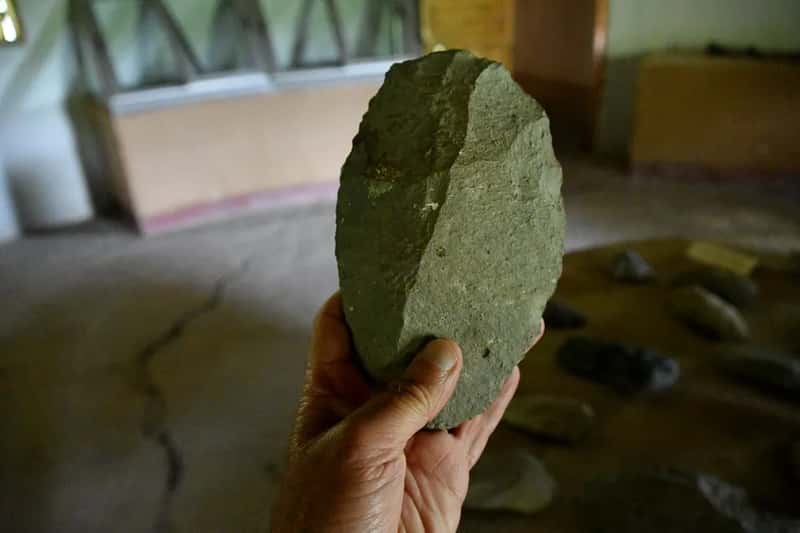
The archaeological and palaeontological sites of Melka Kunture and Balchit in the highlands of Ethiopia provide evidence of settlement by hominid groups roughly two million years ago.[5] This makes it one of the oldest human occupation sites ever recognized on the World Heritage List, tracing an extraordinarily long span of human evolution in one location. Stone tools and fossil remains found here have informed research on early hominid behavior for decades.
The site sits along the Awash River valley, a region already central to paleoanthropological research thanks to nearby fossil discoveries. Its inscription reflects growing recognition of East Africa’s role in the story of human origins. For heritage travelers with an interest in deep history, it offers a tangible link to a timescale most sites can’t touch.
Constantin Brâncuși Sculptural Ensemble, Romania
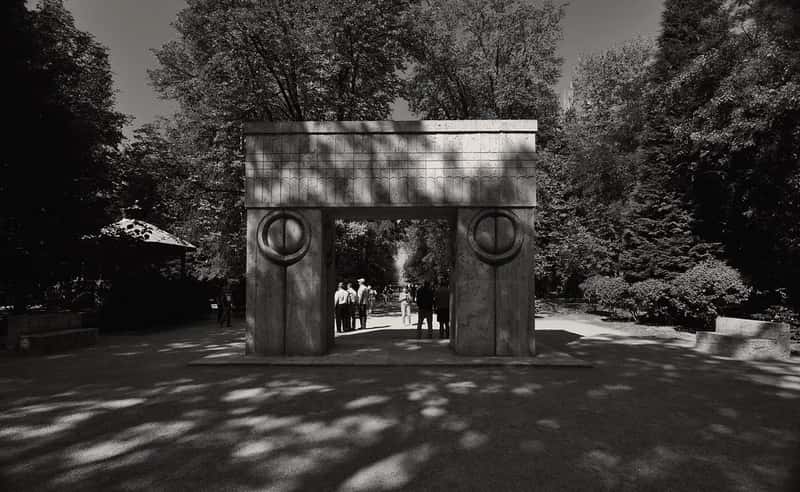
The ensemble in Târgu Jiu, including the Table of Silence, the Gate of the Kiss, and the Pillar of Infinity, was dedicated to the Romanian fallen of the First World War and inaugurated in 1938.[5] Brâncuși is widely regarded as a pioneer of modern sculpture, and this public commission remains one of his few large scale works installed outdoors in his home country. The pieces combine abstract form with commemorative purpose in a way that was unusual for its time.
Unlike most war memorials, the ensemble avoids literal imagery in favor of geometric simplicity, a choice that has influenced generations of sculptors since. Visiting Târgu Jiu offers a rare chance to see early modernist public art in its original civic setting rather than a museum. It’s a quieter kind of heritage site, built around ideas rather than ruins.
Frontiers of the Roman Empire, Dacian Limes, Romania

This inscription covers the borders of the Roman Empire commemorated by several sites along the Dacian Limes.[5] It joins an already extensive transnational World Heritage listing covering Roman frontier fortifications across multiple European countries, expanding the network into Romanian territory. The Dacian section includes forts, watchtowers, and defensive earthworks built after Rome’s conquest of Dacia in the second century.
These frontier systems illustrate how Rome managed and defended its furthest provinces, often through a combination of military infrastructure and negotiated relationships with local populations. The Romanian sites add a distinct regional chapter to a story usually told through Britain’s Hadrian’s Wall or Germany’s Limes. For history-focused travelers, it’s a chance to trace imperial reach into a less commonly covered corner of the empire.
Marquesas Islands, French Polynesia
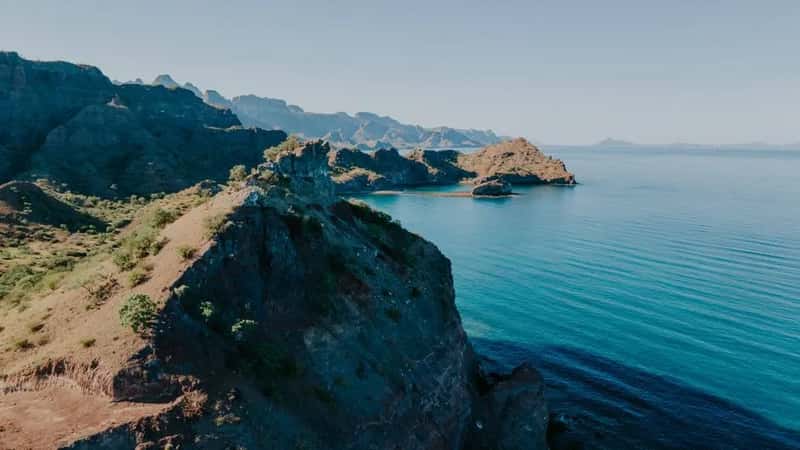
A hotspot for terrestrial and marine biodiversity, and endemic species in the French Overseas Territory of French Polynesia, the Marquesas Islands are home to more than 305 plant species and an exceptional endemism of coastal fish and marine molluscs.[4] Their remote position in the South Pacific, far from other island groups, has allowed unusually distinct species to develop over time. The inscription recognized both the ecological rarity and the cultural depth tied to the archipelago.
The islands also carry cultural significance related to the historical initial occupation of the Marquesas archipelago by the Enata people between the 10th and 19th centuries.[4] That combination of natural and cultural value is part of what earned the site mixed status rather than a purely natural or cultural designation. For most travelers the Marquesas remain difficult to reach, which has helped preserve exactly the qualities that got them listed in the first place.
Neuschwanstein Castle and the Palaces of King Ludwig II, Germany
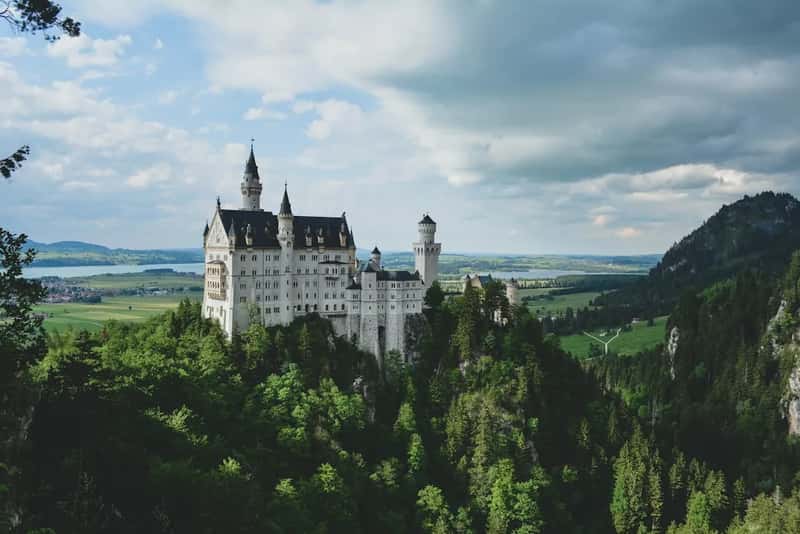
Germany’s fairytale-inspiring Neuschwanstein Castle is among the new additions that celebrate diverse cultural expressions.[6] The full listing covers the Palaces of King Ludwig II of Bavaria, including Neuschwanstein, Linderhof, Schachen, and Herrenchiemsee.[7] Built in the nineteenth century, these palaces reflect Ludwig’s romantic, almost theatrical approach to architecture, drawing on medieval and Byzantine influences long after those styles had fallen out of fashion elsewhere in Europe.
Neuschwanstein in particular has become one of the most recognizable buildings in the world, reportedly influencing later fantasy castle designs used in theme parks. The other three palaces are less visited but arguably more revealing of Ludwig’s personal obsessions, from elaborate grottoes to isolated mountain retreats. The World Heritage listing formally acknowledges what millions of visitors already understood instinctively about these buildings’ cultural weight.
Port Royal, Jamaica
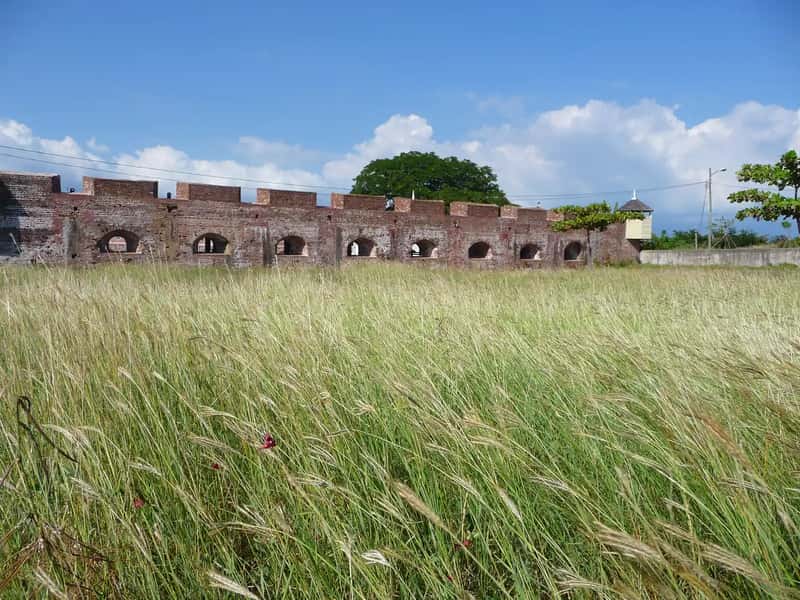
Jamaica’s 17th-century Port Royal rounds out a group of additions spanning diverse cultural expressions and eras.[6] Once a notorious hub for privateers and pirates operating under English colonial authority, Port Royal grew wealthy through trade that blurred the line between legitimate commerce and piracy. A massive earthquake in 1692 sank a large portion of the town into the harbor, leaving behind a partially submerged historical record.
Underwater archaeology at the site has recovered artifacts that offer insight into daily colonial life in a way few land-based sites can match. The town’s reputation as one of the era’s most lawless ports has made it a recurring reference point in pirate lore ever since. Its inscription reflects a broader UNESCO interest in submerged and maritime heritage, not just standing structures.
Mount Mulanje Cultural Landscape, Malawi
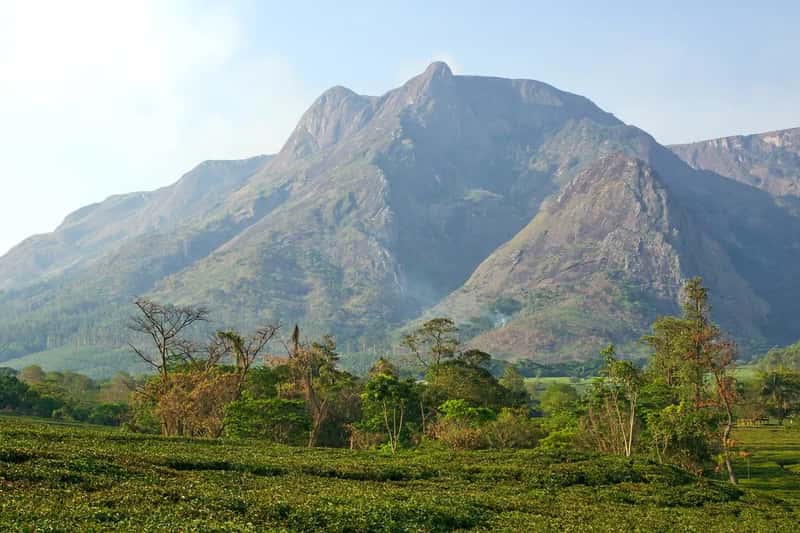
Malawi’s Mount Mulanje Cultural Landscape earned recognition after spending 25 years on the tentative list, a long wait even by UNESCO standards.[6] The mountain rises sharply from the surrounding plains and holds deep spiritual significance for local communities, who regard it as home to ancestral spirits and a site for traditional rituals. Its granite peaks are also botanically distinctive, home to plant species found nowhere else.
The long path to inscription reflects how complicated it can be to document intangible cultural value in terms that satisfy UNESCO’s formal criteria. Local advocates persisted through multiple nomination cycles before the case finally succeeded. For Malawi, it represents recognition of heritage that locals never doubted but that took the international community decades to formally acknowledge.
Diy-Gid-Biy Cultural Landscape, Cameroon
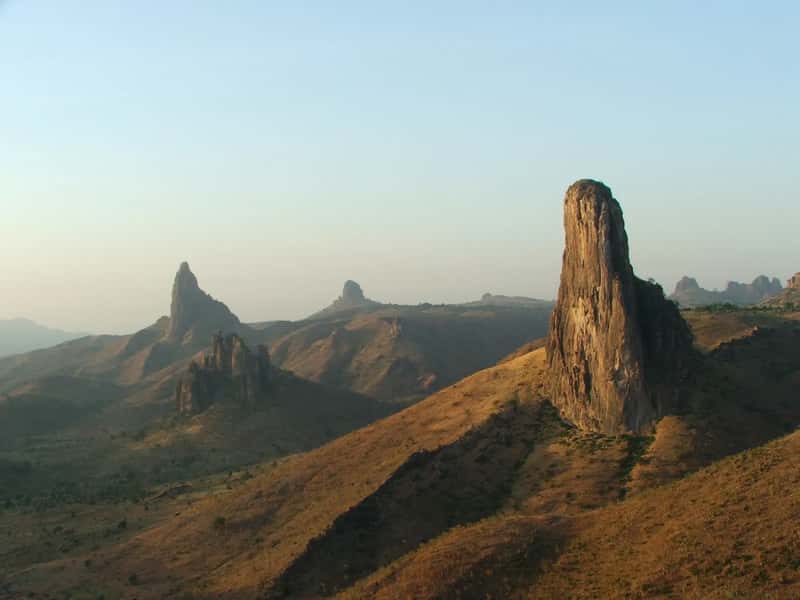
Cameroon’s Diy-Gid-Biy Cultural Landscape of the Mandara Mountains was among the new inscriptions confirmed by the World Heritage Centre.[7] The landscape includes stone architectural remains built by communities in the Mandara range, structures that reflect centuries of adaptation to a rugged, mountainous environment. The exact origins and purposes of some structures remain a subject of ongoing archaeological study.
What makes this site compelling is the combination of built heritage with the surrounding natural terrain, treated as a single interconnected landscape rather than isolated ruins. It reflects a heritage tradition rarely documented at this level of international recognition in Central Africa. The listing adds visibility to a region that has historically received far less archaeological attention than better known parts of the continent.
Peruaçu River Canyon, Brazil
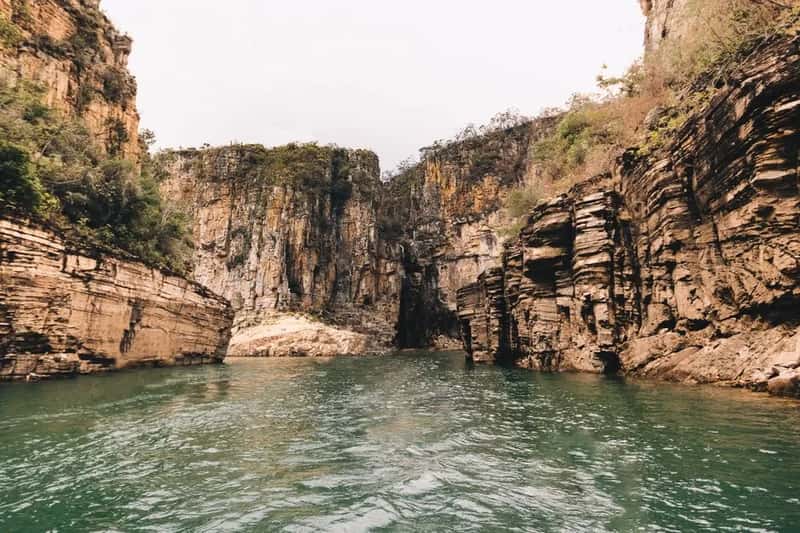
The Peruaçu River Canyon in Brazil is among the sites inscribed in 2025 that are linked to prehistory, alongside similar discoveries in France and South Korea.[8] The canyon contains rock art and archaeological deposits that document human presence in the region going back thousands of years, set within a dramatic limestone landscape shaped by the river over millennia.
Caves within the canyon have preserved paintings that offer rare insight into the symbolic life of early inhabitants of the Brazilian interior. The geological formations themselves, carved by water erosion, add a natural dimension to what is primarily valued as a cultural site. It’s a landscape where the line between natural wonder and human history is genuinely difficult to draw.
Megaliths of Carnac and the Shores of Morbihan, France
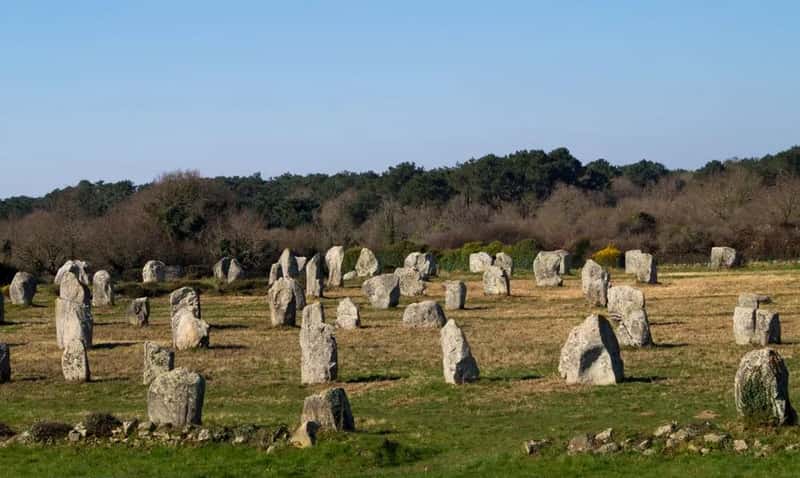
The Megaliths of Carnac and the shores of the Morbihan in France form another prehistoric inscription from the 2025 committee session.[8] The site includes thousands of standing stones arranged in rows and formations whose exact original purpose remains debated among archaeologists, ranging from ritual to astronomical theories.
Carnac has drawn visitors and researchers for centuries precisely because so much about it remains unresolved. The stones predate many of Europe’s more famous megalithic sites, adding weight to the region’s claim as an early center of monumental construction. The inscription formalizes protections for a landscape that had long attracted informal tourism and, at times, unregulated visitor traffic.
Petroglyphs along the Bangucheon Stream, South Korea
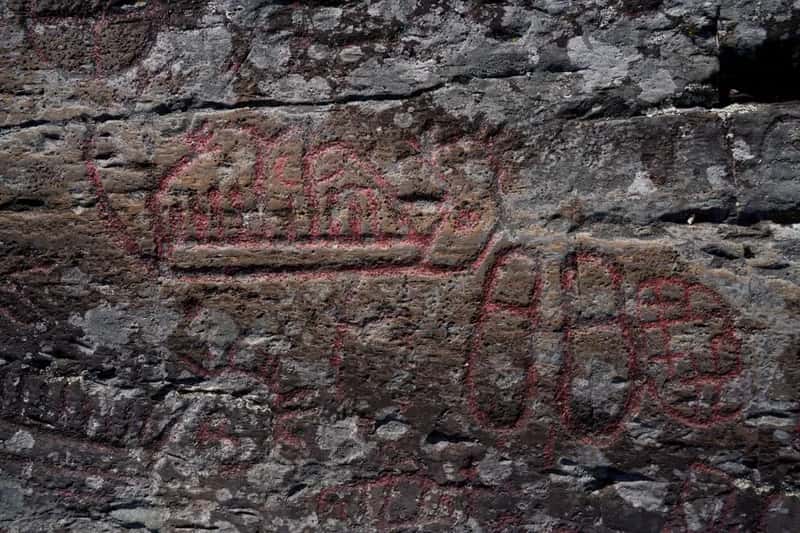
The petroglyphs along the Bangucheon Stream in the Republic of Korea round out the trio of prehistoric sites inscribed in 2025.[8] Carved into rock faces along the stream, the images depict animals, hunting scenes, and abstract symbols believed to date back thousands of years, offering a rare visual record of prehistoric life on the Korean peninsula.
The carvings have survived exposure to weather and water for millennia, which itself has become a subject of conservation concern now that the site carries formal protected status. Researchers view the petroglyphs as evidence of early ritual or hunting-related practices, though interpretations still vary. For South Korea, the listing adds a prehistoric dimension to a World Heritage portfolio otherwise dominated by later dynastic and religious sites.
Murujuga Cultural Landscape, Australia
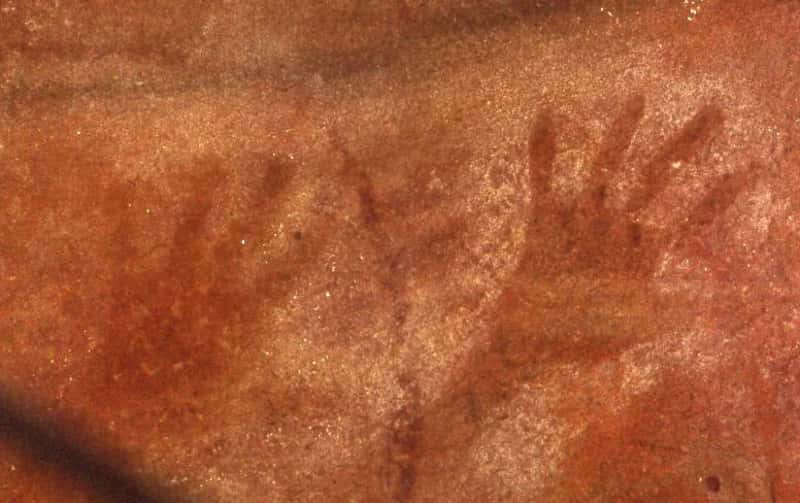
The Murujuga Aboriginal lands in Australia were inscribed the same year, with a nomination directly supported by local communities and national authorities.[8] The landscape contains one of the world’s largest and oldest collections of rock art, with engravings created by Aboriginal peoples over tens of thousands of years, making it a site of extraordinary cultural continuity.
The nomination process placed unusual emphasis on the role of traditional custodians in shaping how the site would be presented and protected, a model UNESCO has increasingly favored for sites tied to living Indigenous cultures. Industrial development pressures in the surrounding Pilbara region had made the case for protection more urgent in recent years. The listing is as much about safeguarding ongoing cultural practice as it is about preserving ancient artwork.
D-Day Landing Beaches of Normandy, France
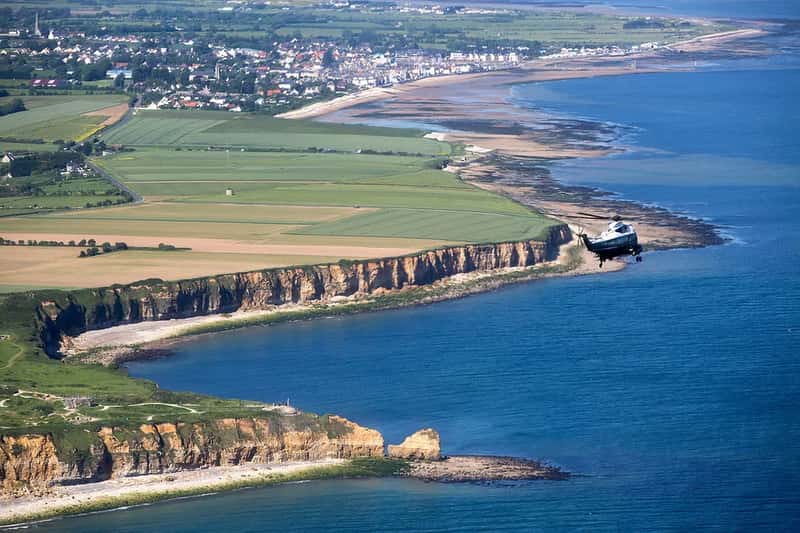
Among the additions from the most recent committee session are the D-Day Landing Beaches in Normandy, France.[9] The designation covers Utah, Omaha, Gold, Juno, and Sword beaches, alongside Pointe du Hoc, the remains of the German Atlantic Wall, and the American Cemetery at Colleville-sur-Mer.[9] The listing brings together the full geography of the 1944 Allied invasion rather than treating any single beach in isolation.
Millions of visitors already travel to Normandy each year to walk these beaches and visit the cemeteries, so the World Heritage status largely formalizes an existing pilgrimage rather than creating a new one. Preserving the physical remnants of the Atlantic Wall alongside the beaches themselves gives the site a rare completeness, showing both the attack and the defense in the same protected landscape. It’s one of the few UNESCO sites built almost entirely around twentieth century military history.
Ancient Buddhist Site of Sarnath, India
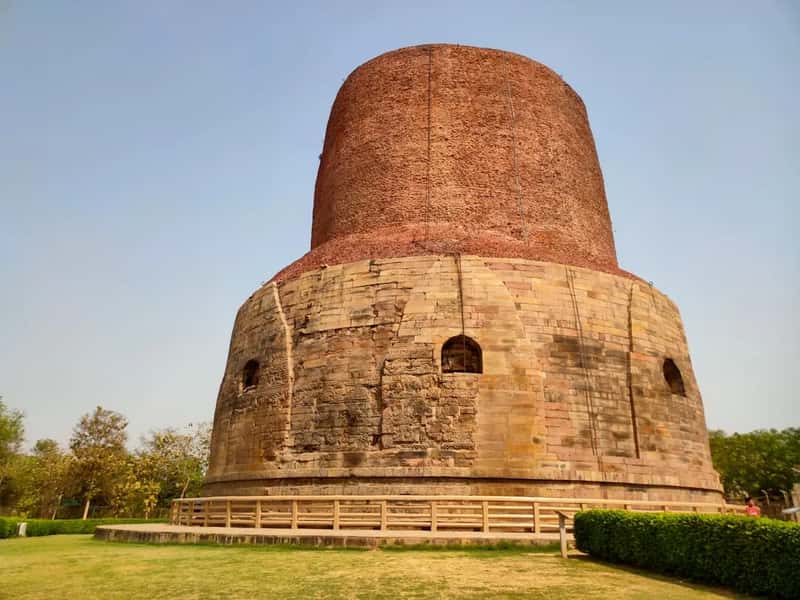
Sarnath is one of Buddhism’s holiest places and is traditionally believed to be where the Buddha first taught after attaining enlightenment.[10] Located near Varanasi in Uttar Pradesh, the site was inscribed on the World Heritage List during the most recent committee session.[11] The addition made it India’s 45th site on the World Heritage List.[11]
Sarnath draws Buddhist pilgrims from across Asia, alongside archaeologists interested in its ancient monasteries, stupas, and inscribed pillars dating back over two thousand years. Its proximity to Varanasi, one of Hinduism’s holiest cities, creates an unusual juxtaposition of two major religious traditions within a short distance of each other. The formal recognition adds international weight to a site that has functioned as a pilgrimage destination for millennia already.
Alvar Aalto Architectural Works, Finland
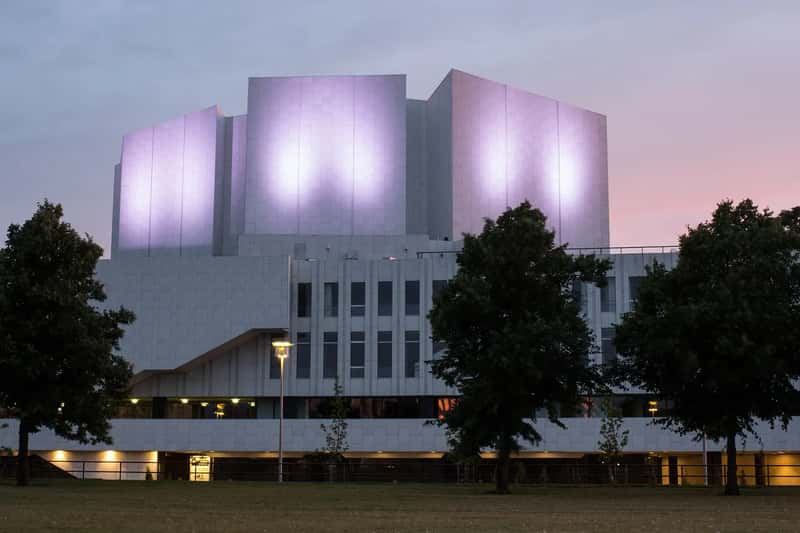
This inscription covers a collection of buildings designed by renowned Finnish architect Alvar Aalto, one of the pioneers of modern architecture.[10] Aalto’s work is known for blending modernist principles with organic forms and natural materials, a departure from the harder edged international style that dominated much of twentieth century architecture elsewhere.
His buildings across Finland range from private residences to civic institutions, many still in active use today rather than preserved purely as museum pieces. The listing reflects growing UNESCO interest in twentieth century architectural movements, which have historically been underrepresented compared to older cultural sites. For architecture enthusiasts, it offers a structured way to trace Aalto’s evolving style across multiple locations rather than visiting a single landmark.
Mountaintop Fortresses of the Nizari Ismaili State
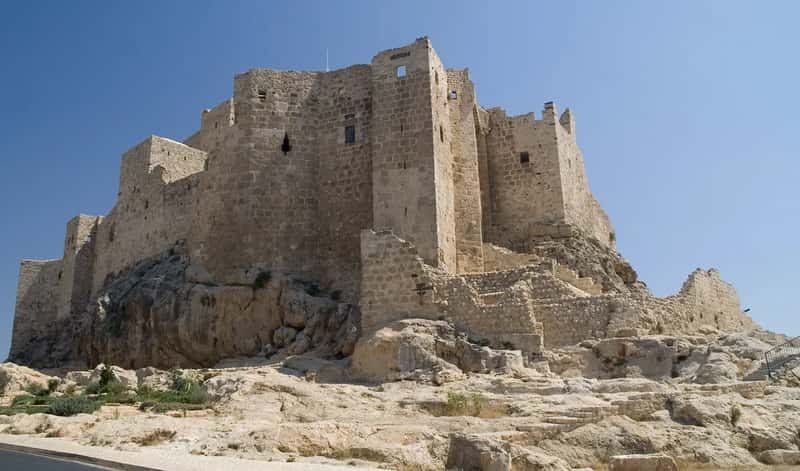
These mountaintop fortresses once served as strongholds of the medieval Nizari Ismaili state.[10] Built in remote, defensible terrain, the fortresses allowed the Nizari Ismaili state to resist larger surrounding powers for an extended period, relying on geography as much as military strength. Their isolated positions have helped preserve much of the original stonework against later development pressures.
The fortresses are tied to a distinctive chapter of medieval Islamic history, one often overshadowed in popular accounts by more famous imperial narratives from the same era. Reaching some of the sites still requires considerable effort, which has kept them relatively unspoiled compared to more accessible heritage destinations. Their inscription brings formal recognition to a piece of history that specialists have long valued but general audiences rarely encounter.
Flow Country, Scotland, United Kingdom
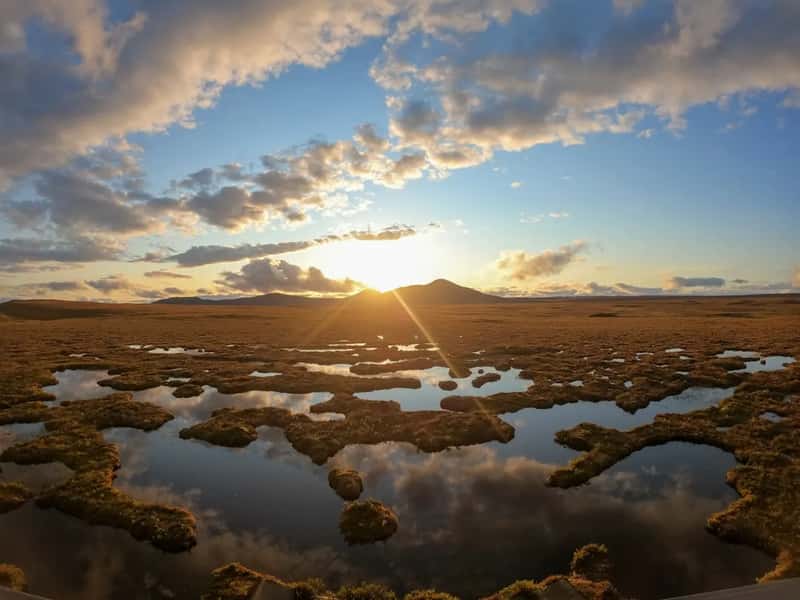
This area protects one of the largest peat bog ecosystems remaining in Europe and is the first World Heritage site focussed on peatlands.[4] Spanning the counties of Caithness and Sutherland in the far north of Scotland, the blanket bog stores an extraordinary amount of carbon, making its conservation relevant well beyond its immediate ecological value.
Peatlands rarely attract the same attention as forests or coral reefs in conservation conversations, despite playing an outsized role in carbon storage and water regulation. Recognizing this landscape formally acknowledges a type of ecosystem that has often been drained or degraded elsewhere in Europe for agriculture and fuel extraction. It is a quieter kind of natural heritage, defined less by dramatic scenery and more by the slow, ongoing ecological work happening beneath the surface.
Taken together, these 25 sites show how broadly UNESCO now defines heritage worth protecting. Ancient burial mounds sit on the same list as a modernist Finnish housing project, and a wartime beach in France carries the same formal status as a Buddhist pilgrimage site in India. Each inscription brings its own mix of funding access, conservation obligations, and increased visibility, for better or worse, since heritage status often changes how a place is visited as much as how it is protected. What connects all of them, ultimately, is a shared judgment that these places matter enough to warrant the world’s attention, not just their own country’s.