Most travelers assume loyalty perks live entirely in the fine print – a checklist of miles, nights, and tier thresholds that never bends for anyone. But airline and hotel insiders tell a different story. Underneath that official system runs a second, unofficial one, where calm, courteous behavior quietly moves people up lists that algorithms supposedly control alone.
It’s not bribery, and it’s not magic. It’s a pattern gate agents, flight attendants, and front-desk staff have described for years without ever putting it in writing. Once you see how often it shows up for the exact same kind of traveler, it’s genuinely hard to unsee.
#25 – The Returned Greeting That Quietly Flags You As “Safe”
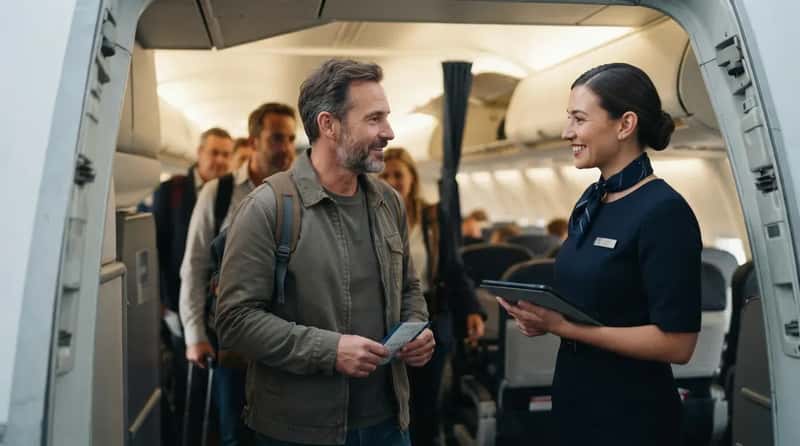
It sounds too small to matter, but crew members notice exactly who says hello back at the door. Flight attendants greet passengers not just to be polite – they’re quietly reading the cabin for who might actually help if something goes wrong.
Most passengers walk past like they’re moving through a turnstile, eyes glued to their phones. The rare passenger who makes eye contact and answers genuinely gets filed into a different mental category, one that tends to get more attention later when it actually counts.
#24 – The Specific Request That Earns “Bonus Points” With Crew
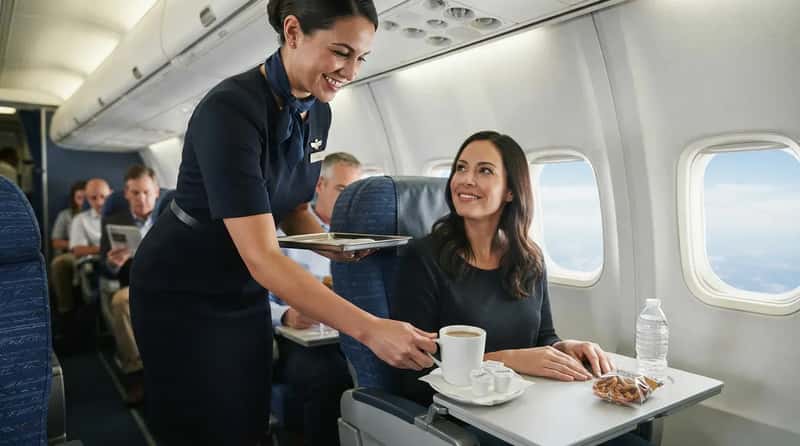
Vague orders barely register, but specific, polite requests apparently stick. One flight attendant admitted that passengers earn silent “bonus points” for something as small as asking for two creams and two sugars up front, instead of just grunting “coffee.”
It signals you’ve actually thought about what you want instead of making the crew guess. Flight attendants routinely notice the gap between someone who asks kindly and someone who barks a one-word demand – and that gap follows you for the rest of the flight.
#23 – The Dress Code Myth That’s Half True, Half Outdated
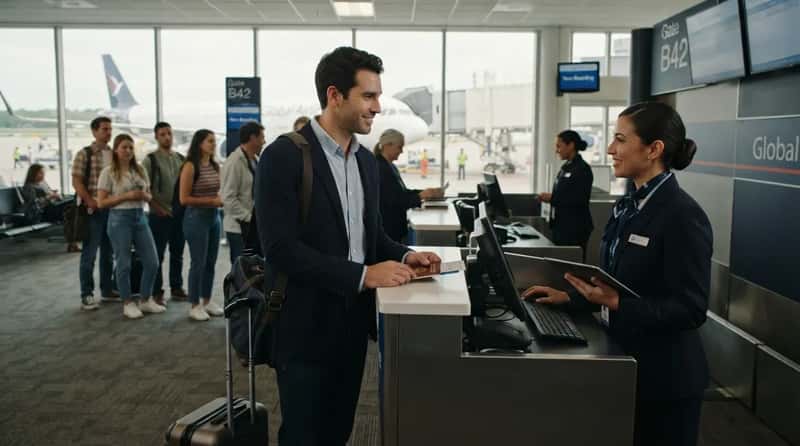
The old advice to “dress up for an upgrade” isn’t dead, but it’s not what it used to be either. Smart-casual clothing can still catch a gate agent’s eye enough to get a traveler mentally marked as “suitable for upgrade” on the passenger list.
That said, this trick has faded hard as personal discretion has shrunk industry-wide. The idea traces back to an era when gate agents had far more freedom to hand out upgrades on a whim. It still helps at the margins – it’s just no longer the golden ticket it once was.
#22 – The 45-Minute Arrival Window Nobody Talks About
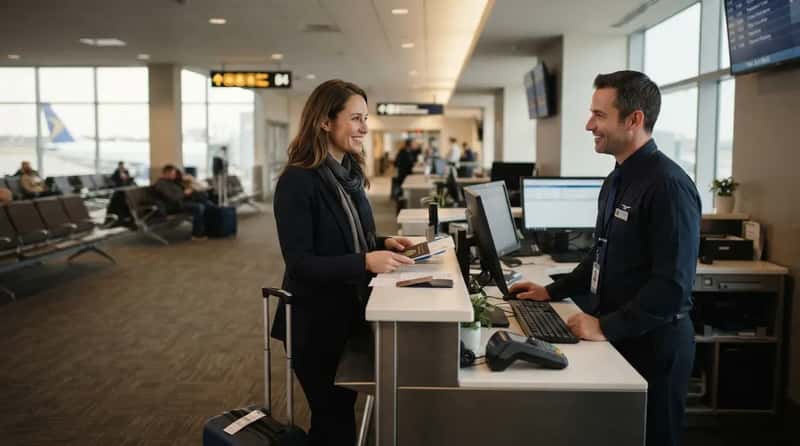
Showing up rushed and frantic apparently costs travelers more than they realize. Experienced flyers describe arriving 45 minutes early instead of sprinting in with 10 minutes to spare as the single biggest behavioral shift they recommend.
The extra time isn’t really about the line – it’s about the conversation. Arriving early gives you time for a calm, human exchange with the gate agent instead of a breathless transaction. Most people never test this simply because they’re already running by the time they reach the counter.
#21 – The Quiet-Lull Timing Trick That Changes Everything

Timing matters just as much as tone. Experienced travelers say the smartest moment to make a polite request isn’t the second you arrive – it’s when the agent finally catches a breath.
Reading the room and waiting for that lull is treated almost like a skill among frequent flyers, and it pays off. Interrupting a stressed agent mid-crisis rarely works in your favor, no matter how sweetly you ask.
#20 – The Pre-Boarding Rule Almost Nobody Uses Correctly
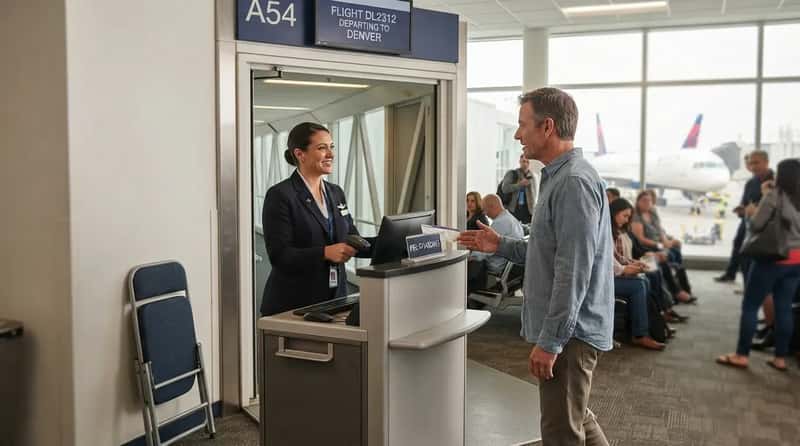
Most flyers assume pre-boarding is only for wheelchair users, and that assumption quietly costs them. No paperwork or diagnosis is required – federal regulation 14 CFR §382.93 requires airlines to offer early boarding to anyone who simply self-identifies as needing extra time at the gate.
It’s one of the few perks on this list that’s an actual legal right, not a favor someone has to earn. Yet almost nobody asks calmly and directly for it, which is exactly why the ones who do get quick, friction-free approval.
Fast Facts
- Federal rule 14 CFR §382.93 covers early-boarding requests
- No paperwork or diagnosis is required to ask
- Passengers can simply self-identify their need at the gate
- It’s a legal right, not something an agent has to approve
#19 – The Free Companion Slot Hiding Inside Pre-Boarding
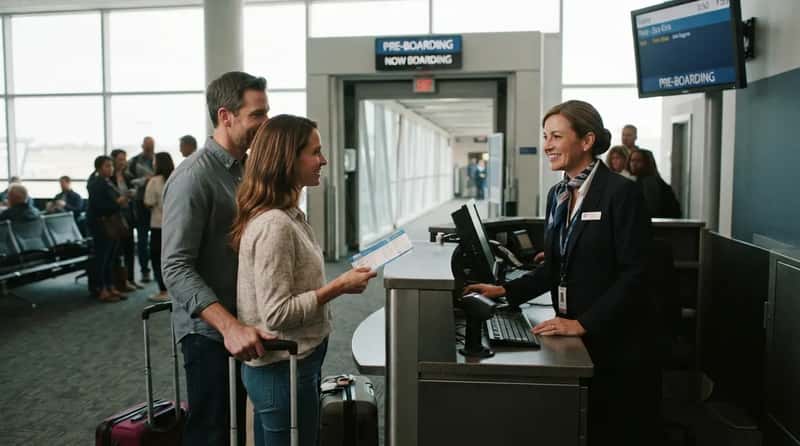
Here’s the part most couples and families never realize: pre-boarding doesn’t have to be a solo perk. An experienced, empathetic gate agent will often extend early boarding to one travel companion without demanding separate justification, especially on flights that aren’t full.
Families skip this constantly because they assume the rule only covers one seat, which quietly costs them a genuinely useful benefit on nearly every flight. A calm, specific ask at the right moment is usually all it takes to unlock it.
#18 – The Airport Cart Perk That Isn’t Just For Wheelchairs
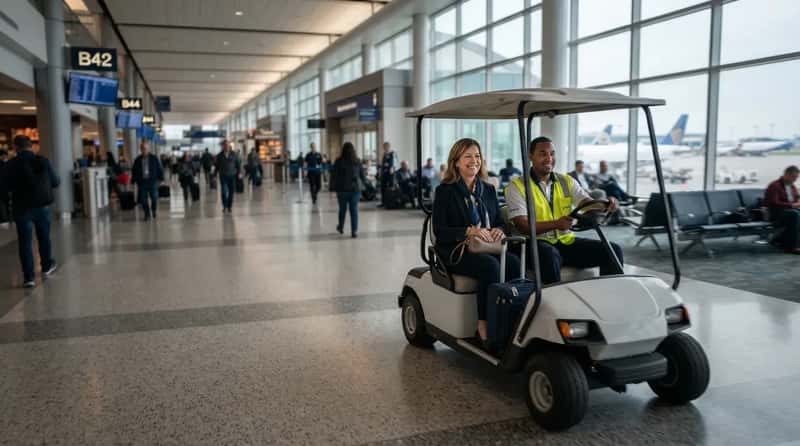
Most travelers walk right past this one because they assume it’s off-limits to them. In reality, airport carts are far more widely available than people think – they’re not reserved strictly for wheelchair users.
The cart is issued at the airline’s discretion and isn’t guaranteed everywhere, but it’s real, and genuinely useful for anyone who wants extra time or support crossing a big airport. A polite, direct request at the gate desk is usually all it takes to unlock it.
#17 – The Family Reunion Seat Swap Nobody Pays For
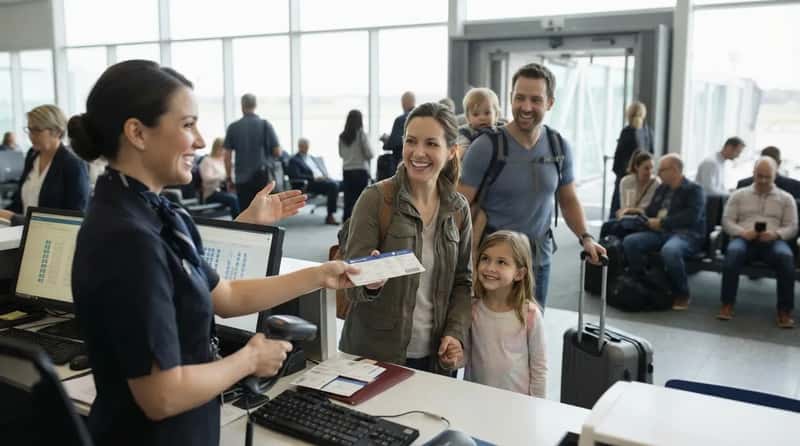
Separated families rank among the most common quiet fixes gate staff make. Gate agents have real discretion to adjust seating for operational reasons, and reuniting a split-up family without charging anyone is one of the moves supervisors lean into most.
Internally, it’s framed as a courtesy rather than a perk, which is exactly why it never gets publicized. A calm explanation of the situation – instead of an angry demand at the counter – tends to get it resolved fastest.
#16 – The Onboard Upgrade Triggered By A Broken Seat
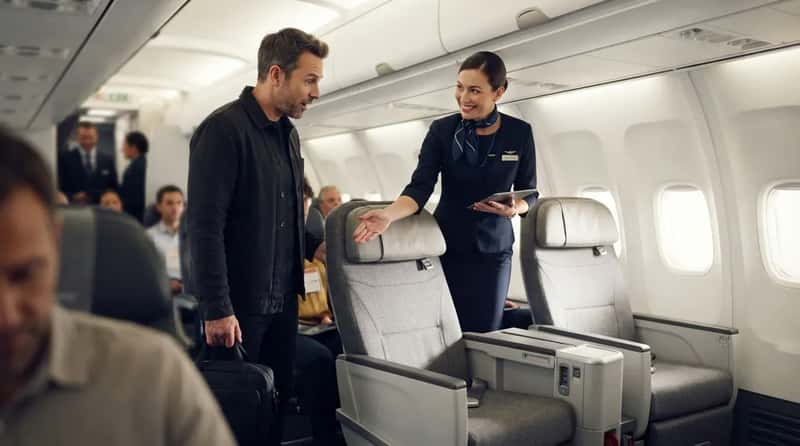
Mechanical hiccups sometimes work in a polite passenger’s favor. If a seat in the cabin is broken or unusable, crew members may quietly move a passenger up to a more comfortable spot, even if it doesn’t come with upgraded food or drink.
Who gets picked for that empty seat isn’t random. Crew members openly admit they remember who’s been easy to work with all flight, and that memory is exactly what shapes who gets the nod when a better seat suddenly opens up.
#15 – The Handwritten Notes And Small Gifts Crews Actually Keep
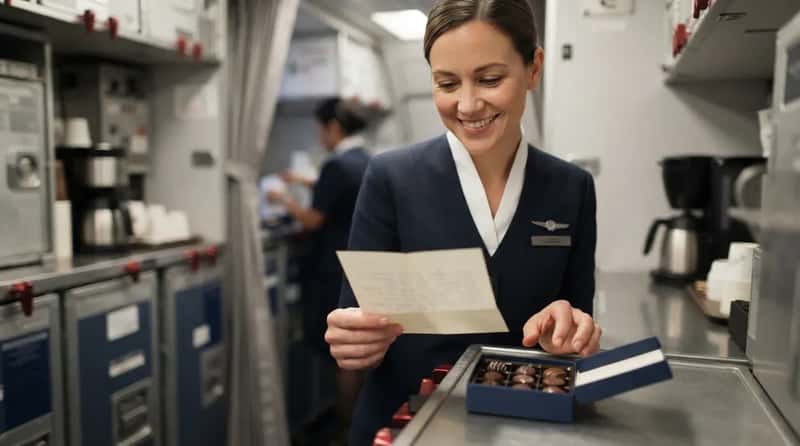
Gratitude apparently flows both directions more than people expect. A handwritten thank-you note, or something as small as a box of chocolate to share with the crew, genuinely gets appreciated and remembered.
It’s not about buying favor – it’s about being memorable in a good way. A genuine smile and steady politeness mean far more to a flight attendant than any gift, and crews openly say they like looking after passengers who treat them well in return.
#14 – The Surprise Goody Bags Crews Save For The Right Passengers
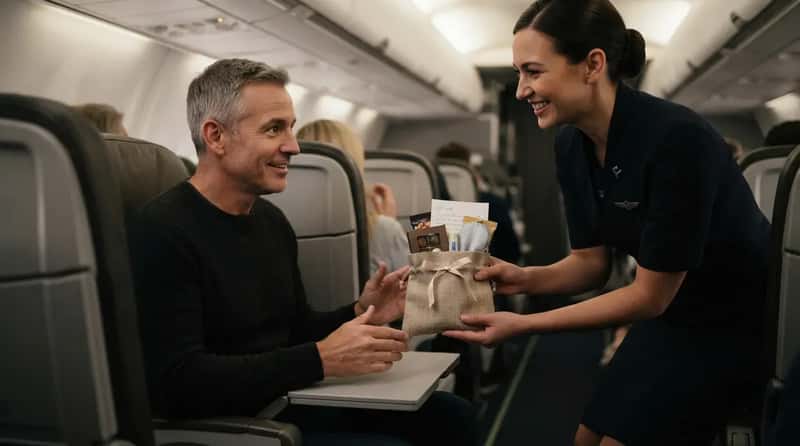
This one sounds almost made up, but multiple flight attendants describe it the same way. Occasionally there are small gifts on board for special occasions or acts of kindness, handed out entirely at the crew’s discretion.
Goody bags and gift cards are a genuine highlight for crew members too, even though passengers never expect one – it’s always treated as a pleasant surprise. These aren’t handed out randomly; they’re saved for the people who quietly made someone’s shift easier.
#13 – The Volunteer Bump That Pays Better Than People Expect
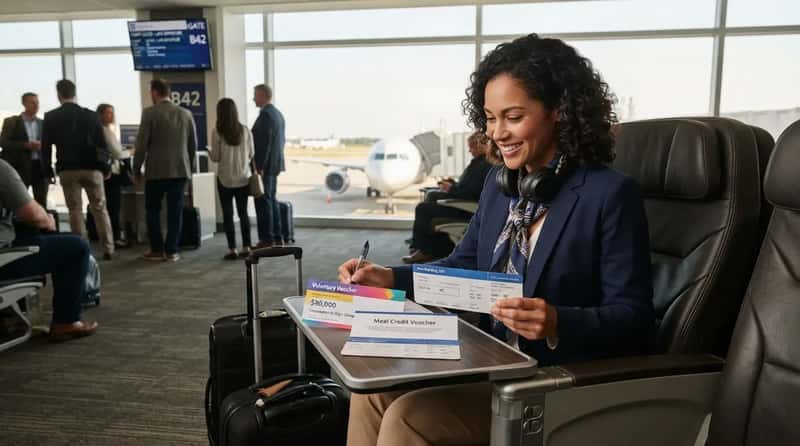
Giving up a seat sounds like a loss, but calm volunteers often walk away ahead. Volunteering to be bumped to a later flight often comes with travel vouchers, meal credits, and an upgraded seat on the rescheduled flight.
Most people don’t realize the offer is actually negotiable. Airlines can offer money or vouchers with no fixed ceiling, and passengers are free to counter instead of accepting the first number. Staying calm during an overbooked scramble is exactly what puts a traveler on the shortlist to ask.
#12 – The Baggage Trick That Puts You First In Line To Bump
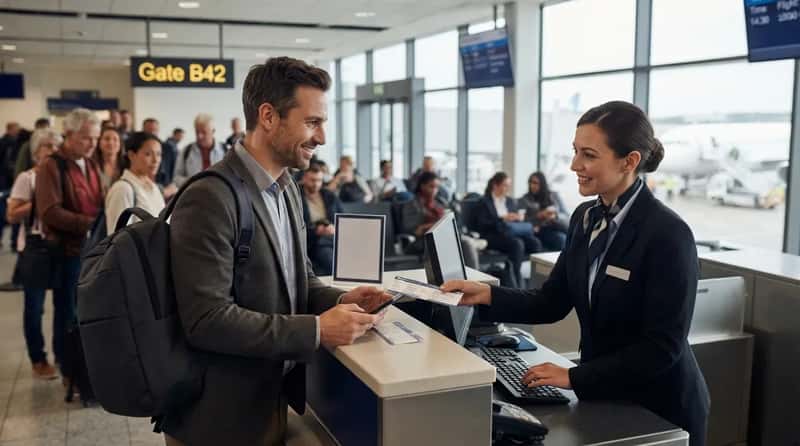
Packing light does more than save time at the carousel. Passengers without checked baggage often have a real advantage when airlines look for bump volunteers, since unloading bags from the hold creates extra delays.
It’s a purely logistical decision, not a reward for good behavior – but it stacks nicely on top of everything else. A polite, bag-free passenger who volunteers calmly is often the easiest “yes” an agent can give.
#11 – The Fee Waivers Nobody Prints In Writing
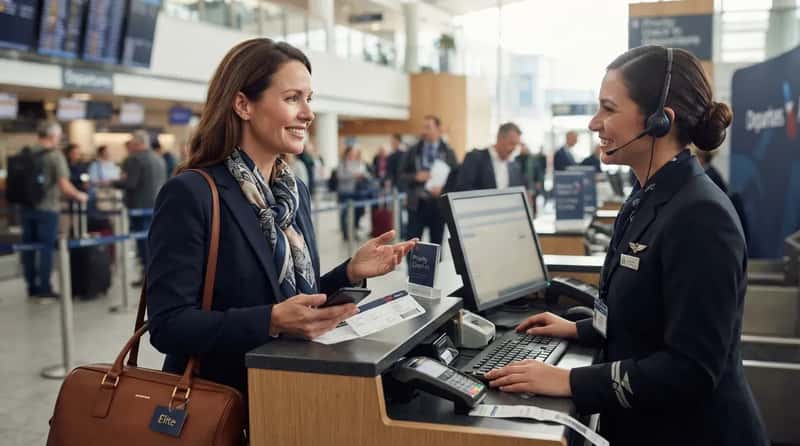
Some of the biggest savings never show up in any published policy. Change fees can wreck a travel budget fast, but status holders quietly skip them entirely – and since change fees can run $200 or more, this alone can justify chasing elite status.
Nobody prints “ask nicely” in the fine print, but agents confirm the approach works more often than travelers expect. It’s one of the clearest examples of a perk that technically exists but is never advertised out loud.
#10 – The Free Checked Bag Hiding At The Bottom Tier
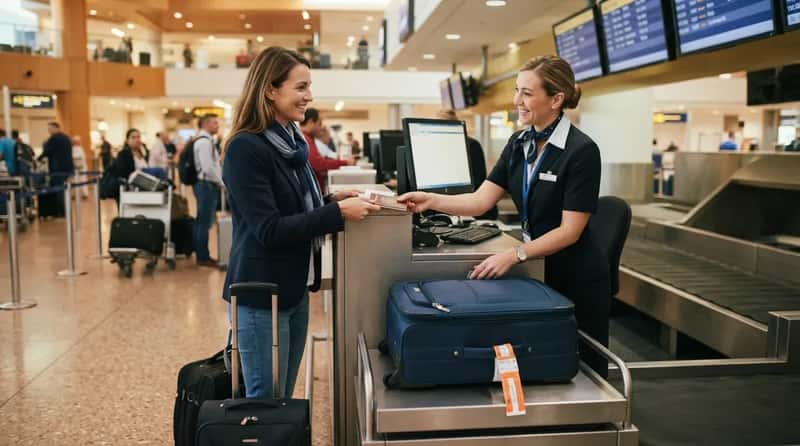
Plenty of travelers assume free bags only kick in at the highest elite level. That’s not quite true anymore. Even entry-level Silver and Gold elite members get waived fees for seat selection, priority boarding, and same-day standby, plus a free checked bag starting at Gold.
That’s a meaningfully lower bar than most casual flyers assume. It means this conversation isn’t reserved for road warriors – it’s available to far more polite, consistent flyers than people think.
At a Glance
- Silver: waived fees for seat selection and priority boarding
- Gold: adds a free checked bag and same-day standby waivers
- Both sit well below the top tiers most flyers picture
- The bar for real benefits is lower than most people assume
#9 – The Same-Day Standby Waiver Most Flyers Never Request
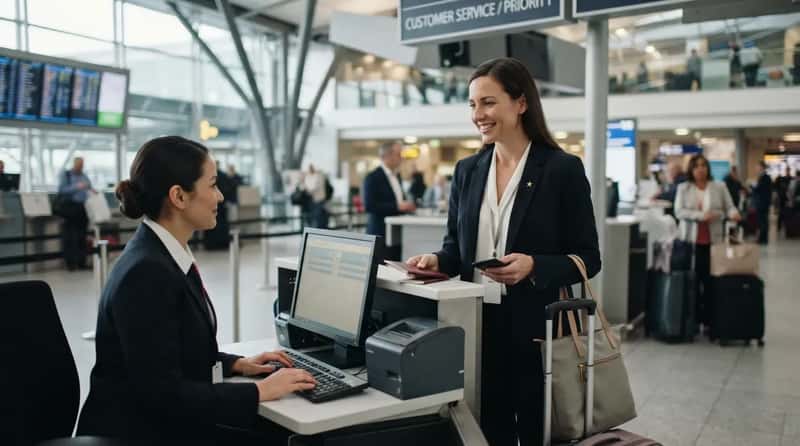
Wanting an earlier flight home used to mean a fee, a fight, or both. That’s changed for a large slice of travelers, since same-day standby fees are now waived for elite members starting at the entry-level Gold tier.
Most passengers still assume standby requires a supervisor’s blessing and an awkward argument. In reality, a calm ask at the counter is often all that separates a smooth switch from a stressful wait at the gate.
#8 – The Status Match Nobody Advertises On The Homepage
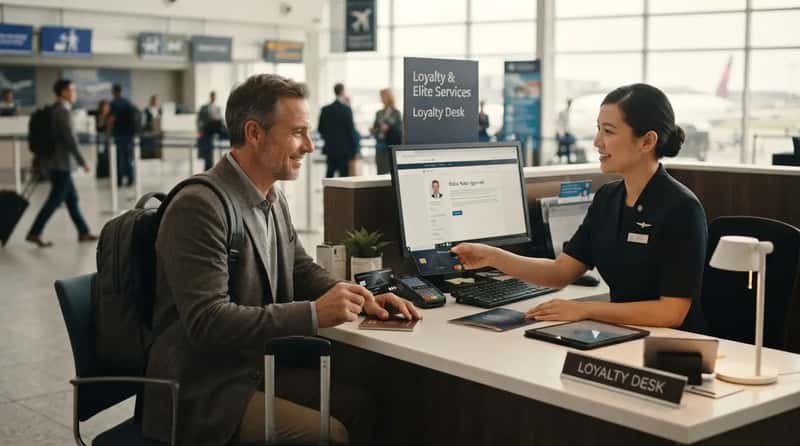
Loyalty to one airline can quietly buy status somewhere else entirely. A status match typically only requires proof of current elite status with another airline, and it’s completely free to request, with no extra flights needed.
Most travelers never ask because they assume loyalty only flows in one direction. A polite, well-documented request to a loyalty desk is often the only thing standing between someone and a matched tier they never expected.
#7 – The Elite Perk You Can Quietly Hand To Someone Else

Some loyalty programs let top-tier flyers share the wealth without giving up their own seat. Members can share their upgrade benefit with a designated nominee even when they aren’t traveling together, or hand a status pass to a friend, family member, or colleague.
The premium travel perks tied to that pass can extend to up to nine people on the same reservation. It’s a generous, little-known benefit that most casual travelers never even realize exists.
Worth Knowing
- Top-tier members can share their upgrade benefit with a nominee
- The person receiving it doesn’t need to be on the same trip
- A shared status pass can cover up to nine people on one reservation
- Most flyers never ask, assuming perks aren’t transferable
#6 – The Resort Fee That Quietly Disappears For Top Loyalty Tiers

Resort fees are one of the most hated line items in travel, and top-tier hotel loyalty members increasingly skip them entirely. No traveler enjoys watching a fee that can run upwards of $50 a night get tacked onto their final bill.
Hyatt Globalist members, for example, get that fee automatically waived on eligible rates and award bookings – a real reward for years of loyalty, even though it takes real spending to reach that tier. It’s rarely mentioned until a guest actually qualifies for it.
#5 – The Concierge Floor Upgrade For Simply Signing Up
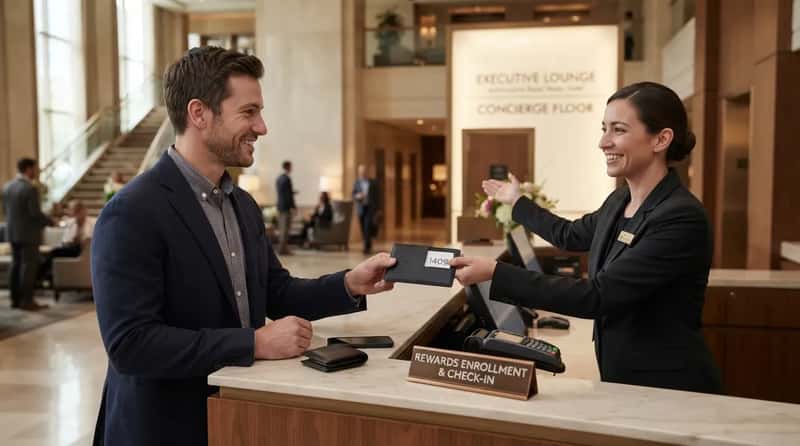
This one surprises even frequent hotel guests. Enrolling in a free loyalty tier right at check-in has apparently produced upgrades on the spot. One traveler signed up for a major hotel chain’s rewards program at the front desk and received a concierge floor upgrade immediately.
You don’t need elite status to benefit – even the free tier puts you on staff’s radar as someone who chose the brand intentionally. A friendly, unrushed enrollment conversation seems to matter more than the tier itself.
#4 – The Room Preference That Gets Quietly Saved Forever

Loyalty systems remember far more than points balances. If a guest requests a room away from the elevator bank once, that preference can get attached to their profile for every future stay.
Front desk staff can then automatically place that guest at the end of the hall next time, without being asked again. It’s a small, quiet form of recognition that only kicks in for guests who’ve been pleasant enough to be remembered fondly.
#3 – The Phone Call Discount Almost Nobody Tries

Booking directly and asking politely still works better than most people assume. If a guest calls the hotel to book and simply asks nicely for a better rate, many staff members will be prepared to offer a small discount on the spot.
It costs nothing to try and rarely backfires. The catch, staff say, is tone – demanding a discount because of status or a job title tends to shut the conversation down instead of opening it.
#2 – The Champagne And Strawberries Comped For A Mentioned Occasion

Mentioning a birthday or anniversary does more than most guests realize. Being straightforward, warm, and specific about the occasion – and about what’s actually being requested – genuinely helps, whether that’s a room upgrade or complimentary chocolate-covered strawberries and champagne.
Front desk agents get asked for things constantly, but staying pleasant and clear can nudge them to throw in an extra amenity on top. It’s one of the simplest, most repeatable wins on this entire list.
#1 – The Oversold-Flight Upgrade Reserved For The Calmest Passenger In The Room
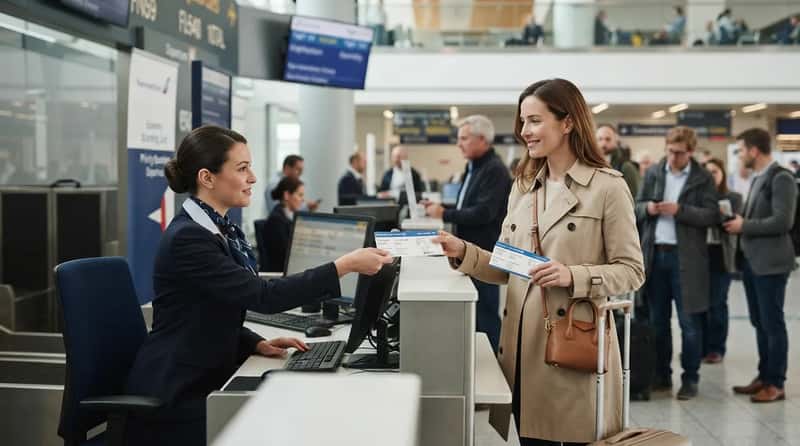
This is the rarest, biggest prize on the list, and it only appears under very specific conditions. The one moment an agent has real discretion to hand out a free upgrade is when a flight is oversold and someone needs to be moved up fast.
When that moment arrives, agents don’t scan the crowd at random. Airlines have gotten strict about comped upgrades, and handing one out without clear justification can raise a flag with a supervisor. The passenger who’s stayed calm, easy, and polite the whole time is simply the safest choice to defend – which is exactly why the nicest person at the gate so often walks away with the best seat on the plane.
Why It Stands Out
- Oversold-flight upgrades are one of the rare moments an agent has real discretion
- Handing one out without justification can draw a supervisor’s attention
- Calm, consistent passengers are simply the easiest choice to defend
- It’s the rarest perk on this list – and the most memorable one to win
None of these perks are printed in a loyalty program’s terms and conditions, and none of them are owed to anyone. But the pattern across airlines and hotels is remarkably consistent: calm, specific, genuinely polite behavior keeps showing up next to the best outcomes, from waived fees to surprise upgrades to gestures nobody was ever required to make.
Status still matters, and algorithms still run most of the show. But the humans working the counter, the aisle, and the front desk clearly have more room to bend the rules than most travelers assume – and, over and over, they choose to bend them for the same kind of person.