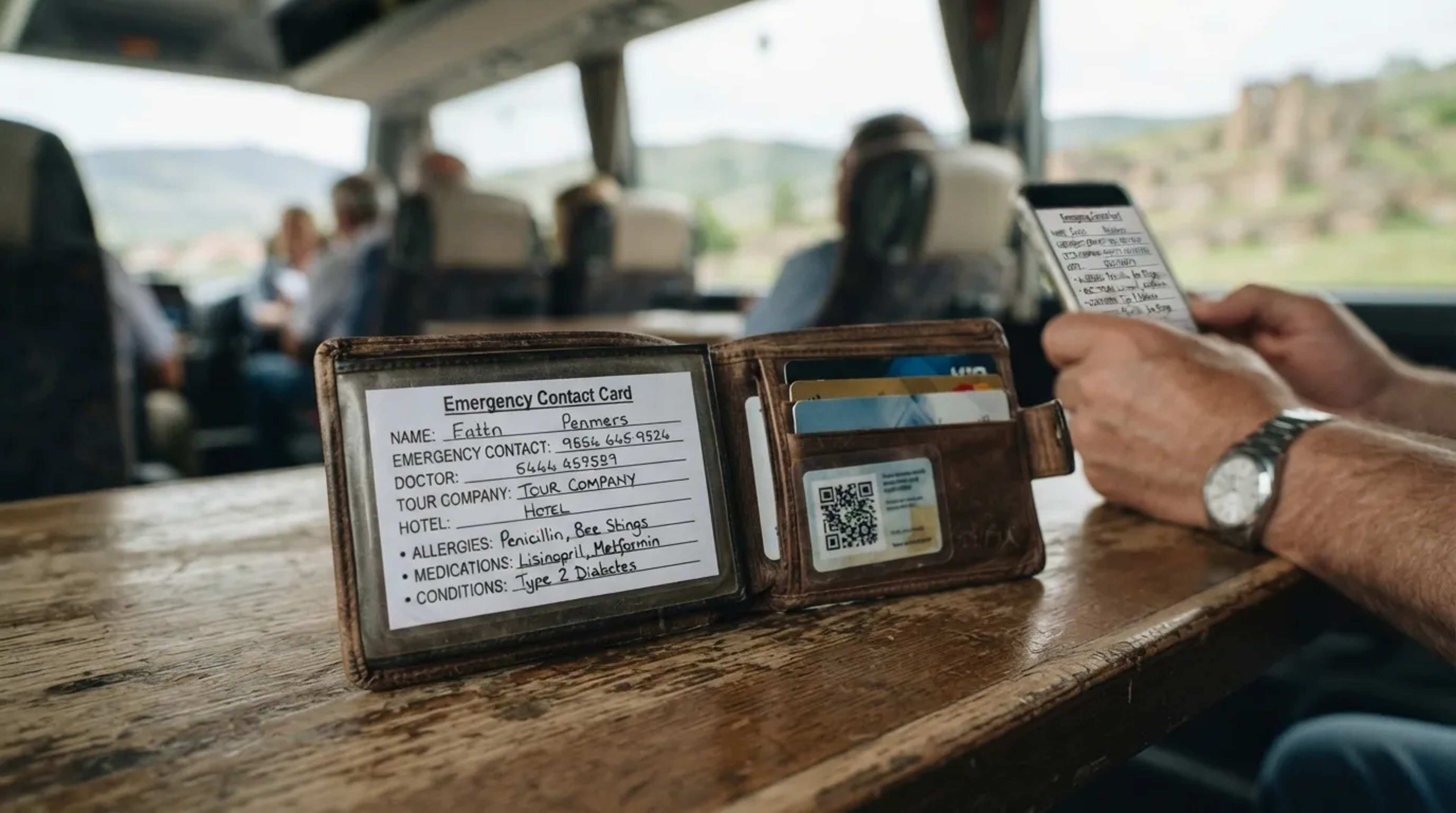
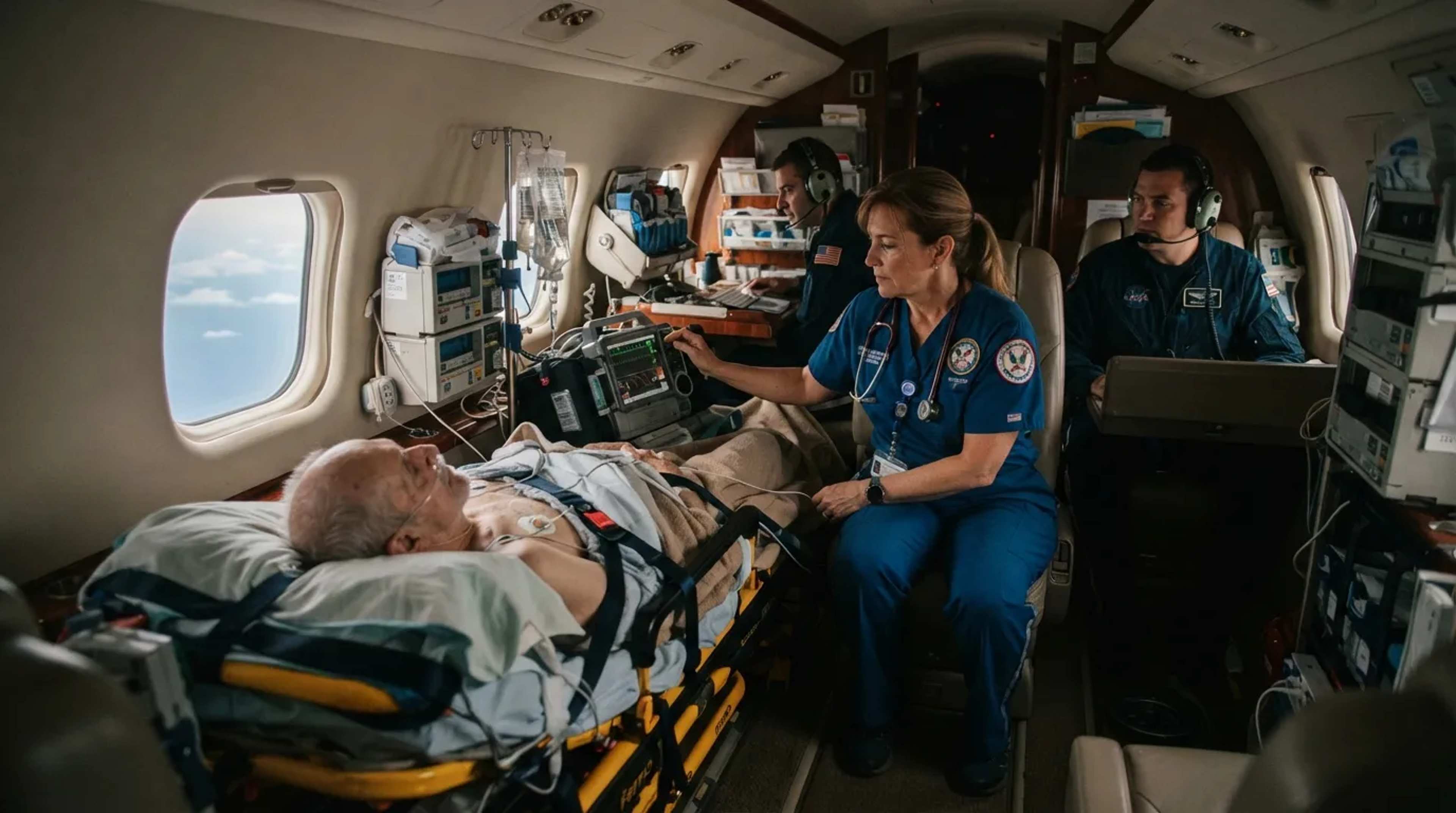
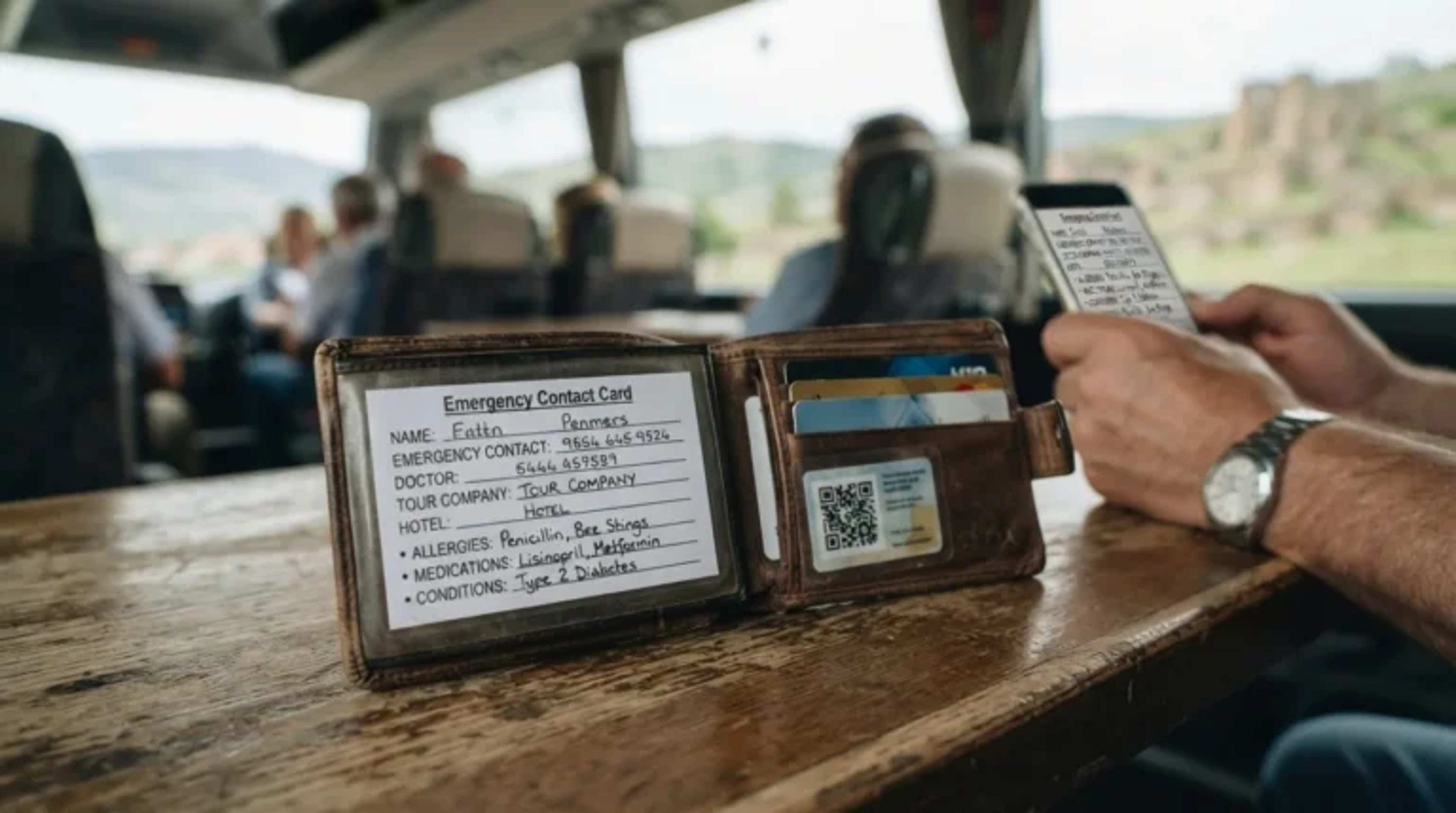
Most people treat their personal item like a glorified purse – phone, wallet, maybe a paperback. Frequent flyers know it’s actually an emergency survival kit, because it’s the one bag that never leaves your side, even when checked luggage gets rerouted to another continent or a “quick” layover turns into a six-hour tarmac hold.
The gap between casual travelers and people who fly every week isn’t luck, and it isn’t a bigger budget either. It’s what’s zipped into that under-seat bag before they ever board, and a few of these habits are borderline controversial among frequent flyers themselves. Here’s what actually makes the cut, counted down to the one item nobody boards without.
#25 – Prescription Medications, Never in a Checked Bag
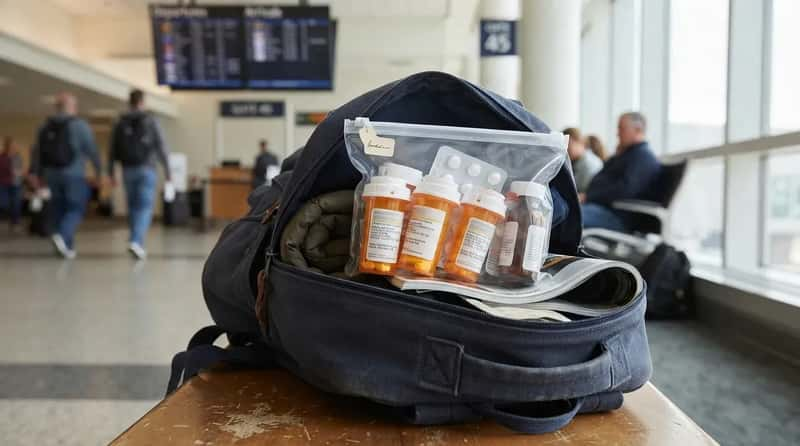
Seasoned travelers never let prescription meds leave their sight, no matter how short the flight. Checked bags get delayed or lost more often than airlines like to admit, and a lost suitcase in a foreign country with no access to insulin or blood pressure medication is a nightmare nobody wants to test.
Prescription and over-the-counter liquid medications are exempt from the 3.4-ounce limit and can be brought in original packaging in reasonable quantities for the trip. Experienced flyers keep them in a clearly labeled pouch near the top of the bag, ready to declare separately at security without slowing down the line.
#24 – A Physical Backup of Every Reservation
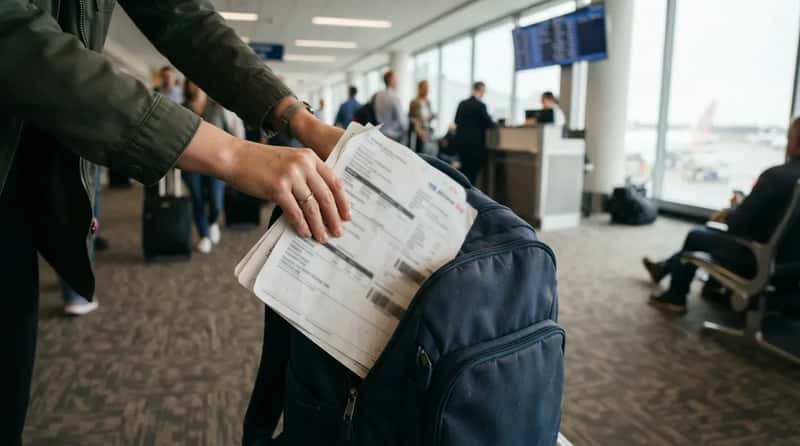
Phones die at the worst possible moments, usually right when a gate agent needs to see a confirmation number. That’s why veteran travelers still carry a printed copy of their itinerary, hotel booking, and rental car confirmation tucked into a side pocket.
It sounds old-fashioned, but paper doesn’t need Wi-Fi, doesn’t need charging, and can’t get locked behind a cracked screen. Most delays and rebooking headaches move faster when an agent can physically see your original confirmation instead of squinting at a screenshot. It’s a two-minute habit that saves hours during irregular operations.
#23 – Cash in Small, Boring Bills
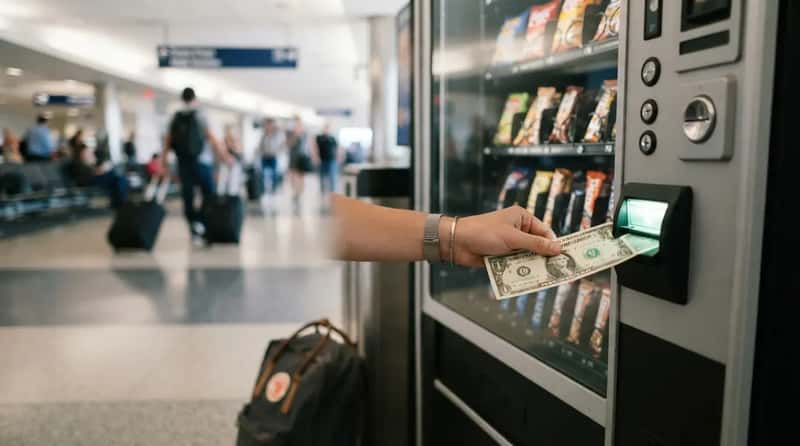
Card readers go down. Tip jars don’t take Apple Pay. Vending machines in random terminals only accept exact change. Experienced flyers keep a small stash of low-denomination bills specifically for these moments, separate from their main wallet.
It’s not about carrying a lot of money – it’s about carrying the right amount in the right form. A $20 bill is useless when a snack machine only takes ones. Frequent flyers deliberately break large bills before they even reach the airport, because scrambling for change at a kiosk with a boarding group closing is a special kind of stress nobody needs.
#22 – A Real Paperback, Not Just a Phone
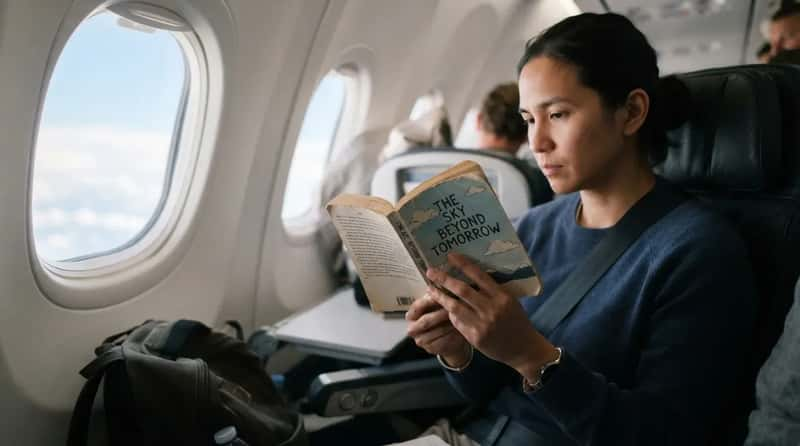
This one triggers debate every time it comes up: some travelers swear a physical book is dead weight in the age of e-readers and streaming. Experienced flyers disagree, and loudly.
A phone battery dies. A tablet needs charging. A paperback works during takeoff, landing, and every dead zone in between when devices have to be stowed. Many frequent flyers say a book is the single most reliable form of entertainment on a plane, precisely because it needs zero power and zero Wi-Fi to function.
#21 – A Packable Tote for the Chaos Bag
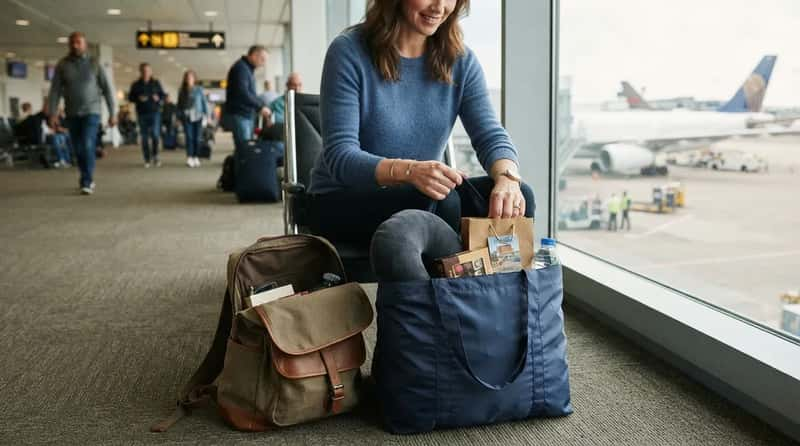
Duty-free bottles, a neck pillow that won’t fit back in the personal item, souvenirs bought at the gate in a panic – experienced flyers know these things accumulate fast. A flat, foldable tote lives at the bottom of the bag for exactly this purpose.
It weighs almost nothing packed down, but it solves the “why do I suddenly have four extra items” problem every trip eventually creates. Most travelers only think to buy one after they’ve already struggled through an airport juggling loose bags in both hands. It’s a five-dollar fix for a problem nearly everyone experiences at least once.
#20 – Gum or Hard Candy for Ear Pressure
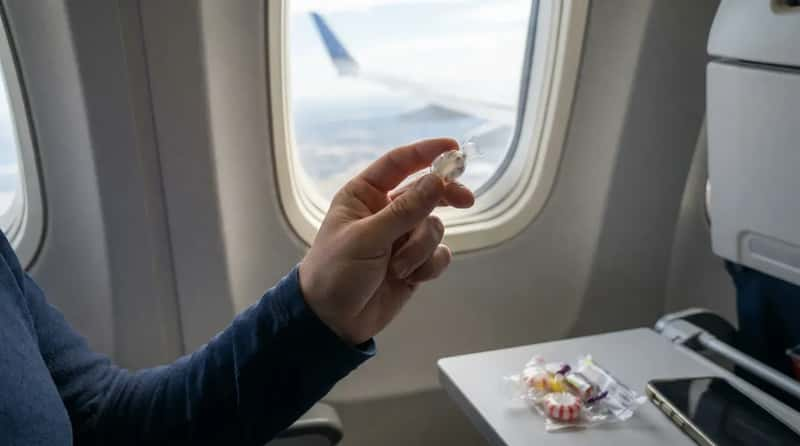
Cabin pressure changes during ascent and descent can leave ears ringing or aching, especially on shorter flights with faster climb rates. Experienced flyers keep gum or hard candy within arm’s reach specifically for takeoff and landing.
The chewing and swallowing motion helps equalize pressure in the middle ear naturally. It’s such a simple trick that most first-time flyers never think of it until their ears are already throbbing somewhere over the clouds. A pack costs less than a dollar and solves a problem that ruins entire flights for some passengers.
#19 – A Lightweight Layer, Even in Summer
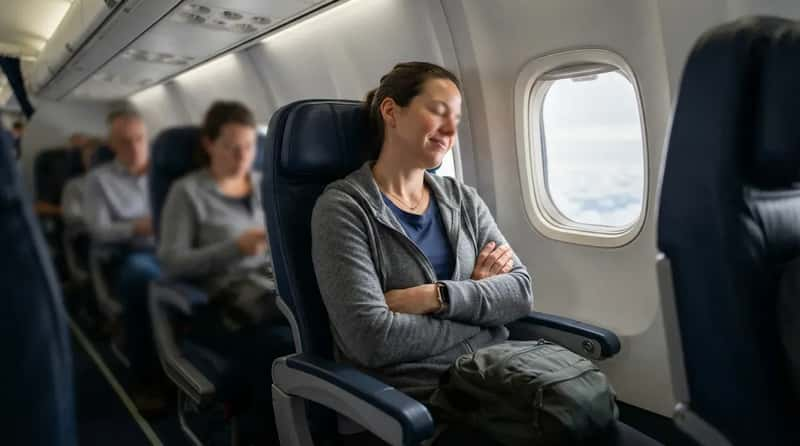
Cabin temperatures are notoriously unpredictable, and airlines keep them cool on purpose to help passengers stay alert and reduce the chance of illness spreading. Experienced flyers never trust the forecast at their departure city to predict what the cabin will feel like at 35,000 feet.
A packable hoodie or light cardigan takes up almost no space but solves a problem that airline blankets – when they even exist anymore – rarely fix well. Many long-haul frequent flyers say they’d rather sacrifice a pair of shoes in packing space than fly without a layer. It’s a small trade that pays off on every flight over three hours.
#18 – A Quart Bag Already Packed and Ready
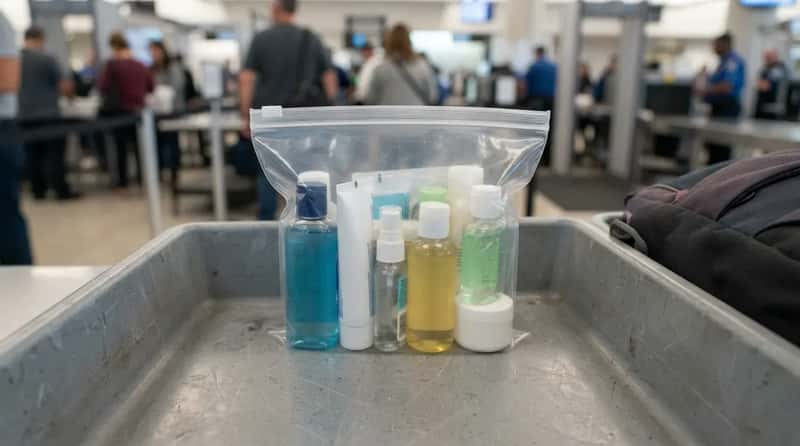
Nothing slows down a security line like someone frantically repacking liquids at the checkpoint. Experienced flyers keep a dedicated, already-assembled bag ready to pull out, not scattered loose inside a backpack.
Liquids, gels, aerosols, creams, and pastes are limited to containers of up to 3.4 ounces, with all containers fitting inside one quart-size, clear, zip-top bag. The rule hasn’t budged in nearly two decades, and travelers who keep this bag pre-packed and accessible move through screening noticeably faster than everyone still digging through their carry-on.
Fast Facts
- Liquids, gels, and aerosols are capped at 3.4 ounces (100 ml) per container
- All containers must fit inside one quart-size, clear, zip-top bag
- Each passenger is limited to a single quart bag through standard screening
- The size limits have stayed essentially unchanged since 2006
#17 – A Spare Charging Cable, Not Just the Charger
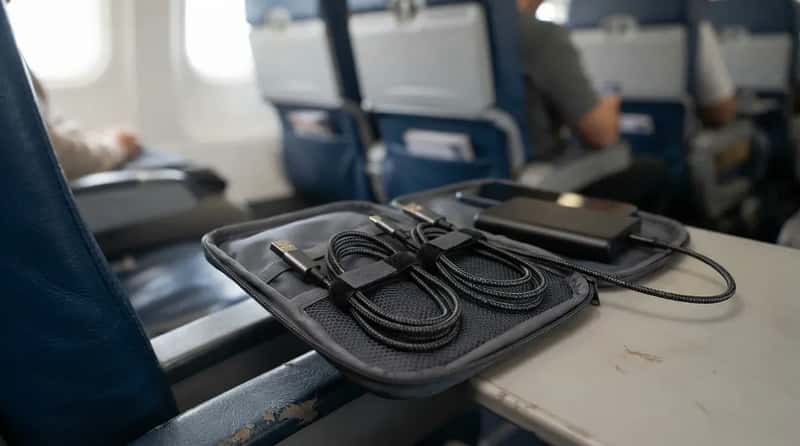
A dead power bank is useless without a working cable, and cables are the most fragile, most frequently lost item in anyone’s travel kit. Experienced flyers pack a second one, coiled separately from the first.
It’s a cheap insurance policy against fraying, forgetting, or accidentally leaving one plugged into an airport outlet mid-boarding call. Most people don’t realize how often a single lost cable derails an entire flight’s worth of entertainment or work time. A backup costs a few dollars and takes up almost no space.
#16 – A Mini First-Aid and OTC Kit
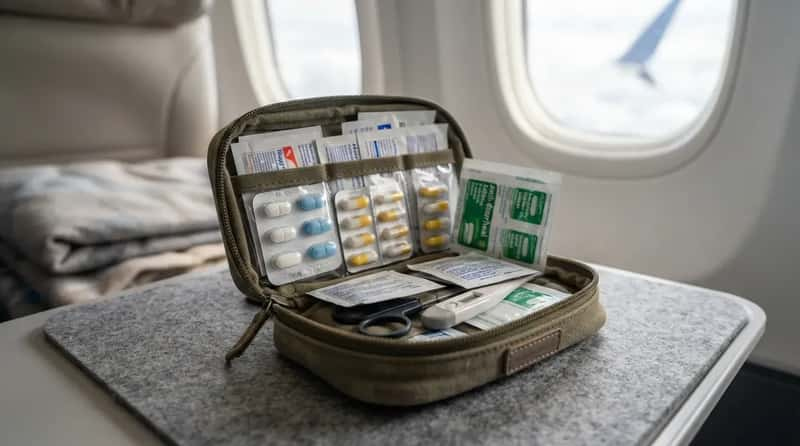
Headaches, upset stomachs, and allergic reactions don’t wait for a convenient moment. Experienced flyers carry a small pouch with pain relievers, antihistamines, and anti-diarrheal medication, because airport pharmacies aren’t always open or nearby once you’re past security.
This isn’t about being paranoid – it’s about not being stuck. A surprising number of missed connections trace back to travelers stopping to find a pharmacy for something they could’ve carried in a bag the size of a phone. A few tablets in labeled packaging solve problems before they become emergencies.
#15 – A Scarf That Doubles as a Blanket
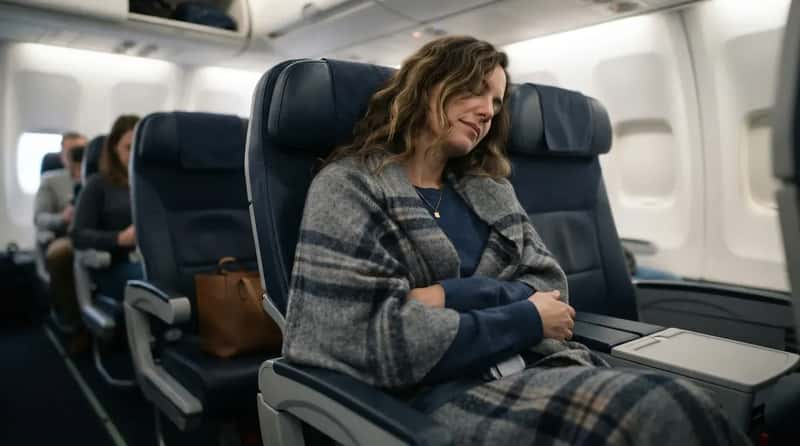
Airline blankets have become rarer, thinner, or nonexistent on many domestic routes. Experienced flyers solve this with a large, lightweight scarf or wrap that does double duty as neck warmth, a light blanket, or even a makeshift eye cover.
It’s a favorite trick among people who fly constantly precisely because it multitasks without adding real bulk. Many travelers who’ve tried it once say they never fly without it again, since it solves three separate discomforts with one item instead of three.
#14 – A Few Extra Face Masks
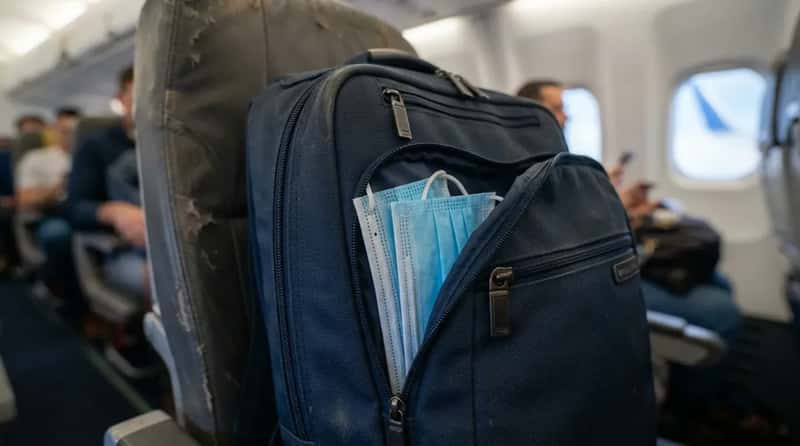
Mandates may have eased, but experienced flyers know cabin air recirculates constantly through a shared, enclosed space packed with strangers for hours at a time. Keeping a couple of masks tucked in a side pocket is a habit that stuck around long after rules changed.
It’s less about following a rule and more about personal choice during peak illness seasons. Frequent flyers who travel through flu season heavily say this single habit noticeably cuts down how often they get sick after a trip. It costs nothing to keep two in a pocket just in case.
#13 – A Pen That Never Leaves the Bag
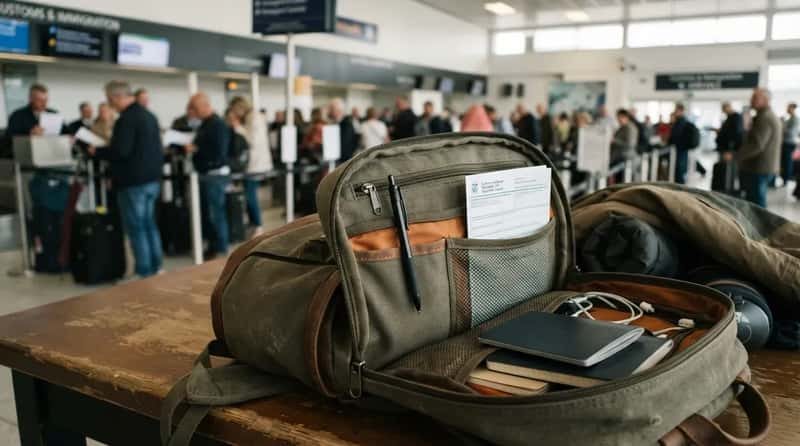
International arrivals still often require paper customs forms, and gate agents don’t hand out pens. Experienced flyers keep one dedicated pen clipped inside their personal item at all times, because borrowing one from a stranger mid-immigration line is its own kind of stress.
It sounds almost too simple to matter, but most first-time international travelers only realize they need one when they’re already standing in the customs line with a blank form. A two-dollar pen prevents a scramble that happens at nearly every international arrivals hall.
#12 – Chapstick and Travel-Size Moisturizer
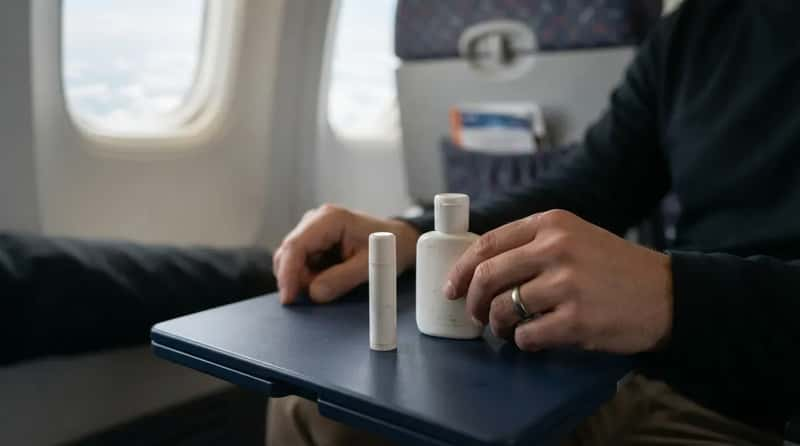
Cabin humidity often drops below 20%, far lower than most homes, which dries out skin and lips within an hour of takeoff. Experienced flyers treat lip balm and moisturizer as non-negotiable, not optional extras.
It’s a small comfort item, but the effect compounds on longer flights. Many travelers underestimate just how dry a five-hour flight can leave their skin until they land looking noticeably older than when they boarded. A travel-size tube weighs almost nothing and fixes a problem nearly every passenger experiences.
At a Glance
- Cabin humidity often sits below 20%, drier than most deserts
- Cruising altitude is typically around 35,000 feet, where outside air is nearly moisture-free
- Dehydration effects can start showing up within the first hour of a flight
- Skin, lips, and eyes are usually the first areas to feel it
#11 – Hand Sanitizer or Wipes, Always Accessible
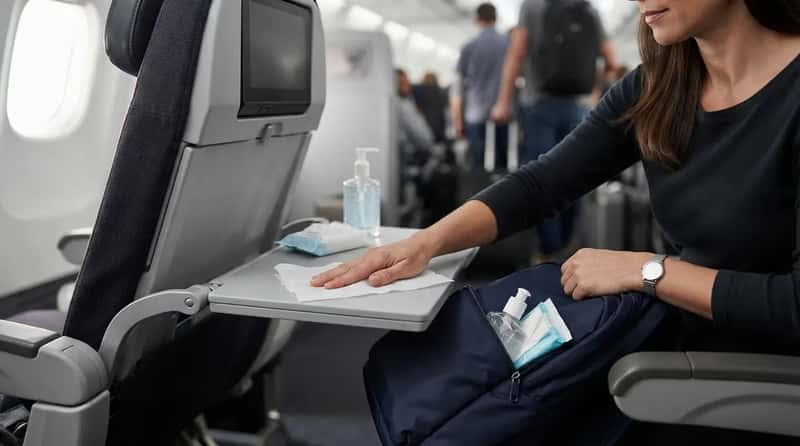
Tray tables, armrests, and seatback screens are touched by dozens of passengers between cleanings. Experienced flyers keep sanitizer or wipes in an outer pocket, not buried at the bottom of the bag, so they can wipe down a seat area the second they sit down.
This habit predates any particular health scare – it’s just standard practice among people who fly constantly. Hand sanitizer containers up to 12 ounces are allowed through security, more than triple the standard liquid limit, which is exactly why frequent flyers keep a full-size bottle instead of a tiny travel one.
#10 – Earplugs, Even With Headphones
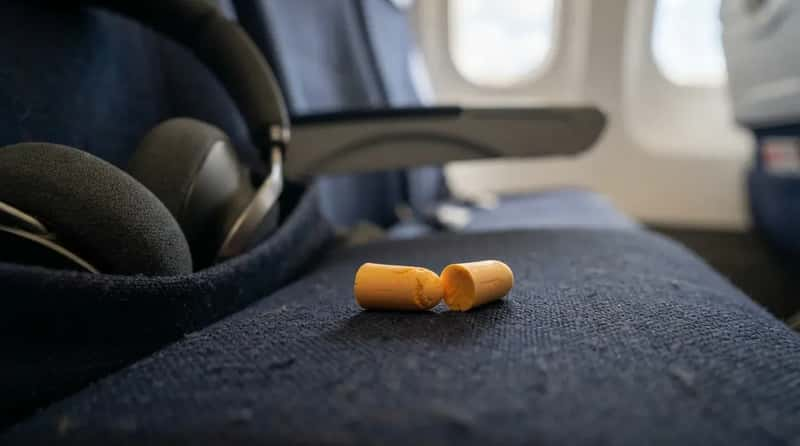
Headphones handle music and movies, but they don’t always block a crying infant three rows back or a chatty seatmate at 6 a.m. Experienced flyers pack simple foam earplugs as a backup layer, not a replacement.
It’s a cheap, tiny item that solves a problem headphones alone can’t. Most casual travelers only think to buy earplugs after a red-eye flight has already ruined their sleep. A pack costs less than a coffee and fits in a coin pocket.
#9 – An Eye Mask That Actually Blocks Light
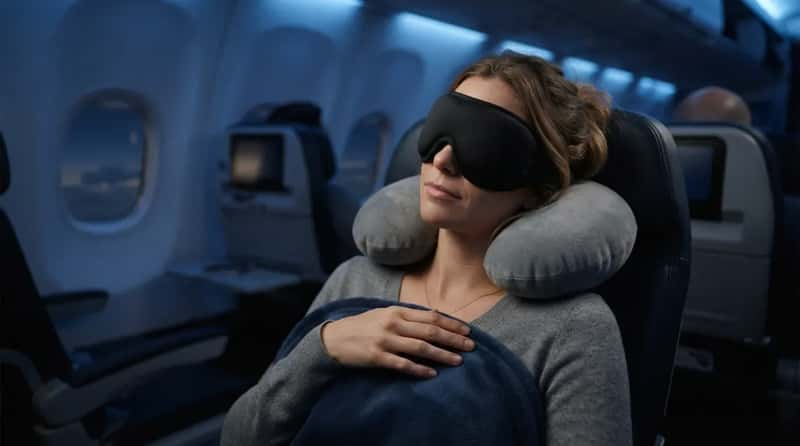
Cabin lights, seatback screens, and window glare make real sleep nearly impossible without one. Experienced flyers skip the flimsy airline-issued masks and bring a contoured one that doesn’t press on the eyes or slip off mid-flight.
This isn’t a luxury item to them – it’s the difference between arriving rested and arriving wrecked. Many long-haul flyers say a decent eye mask does more for jet lag recovery than any supplement or app they’ve tried. It’s a small investment with an outsized payoff on overnight flights.
#8 – A Compact Travel Pillow, Not the Big One
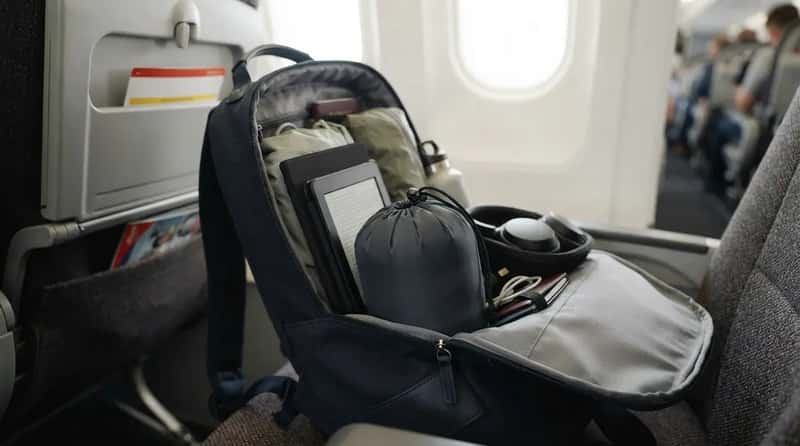
The bulky horseshoe pillow strapped to a backpack is becoming a thing of the past among people who fly often. Experienced flyers switch to inflatable or memory-foam versions that pack down to the size of a fist.
It’s a controversial swap – plenty of casual travelers still swear by the classic neck pillow. But frequent flyers increasingly argue the bulky version isn’t worth the space it steals from more useful items in a personal item. Comfort matters, but so does what else fits in the bag.
Quick Compare
- Bulky neck pillow: maximum cushioning, but eats significant personal-item space
- Compact inflatable or memory-foam pillow: packs down to fist-size, leaving room for other essentials
- Bulky version: usually strapped outside the bag, awkward through security lines
- Compact version: stows flat and is ready in seconds when needed
#7 – Snacks That Survive a TSA Check
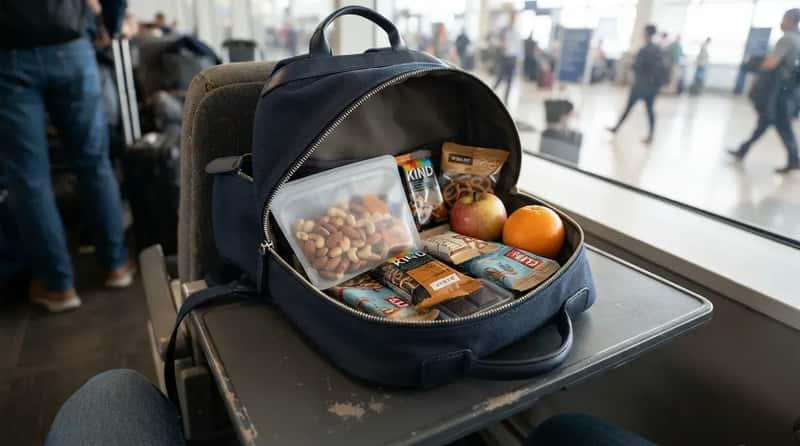
Airport food is expensive and often disappointing, and flight delays can leave passengers stuck for hours without a real meal. Experienced flyers pack solid snacks – nuts, protein bars, dried fruit – that don’t count as liquids and never get confiscated.
This habit isn’t just about saving money, though a $14 airport sandwich makes the case on its own. Most delayed passengers only realize how unprepared they are once every nearby restaurant has a 40-minute line. A stocked snack bag turns a stressful delay into a minor inconvenience.
#6 – Entertainment Downloaded Before Boarding
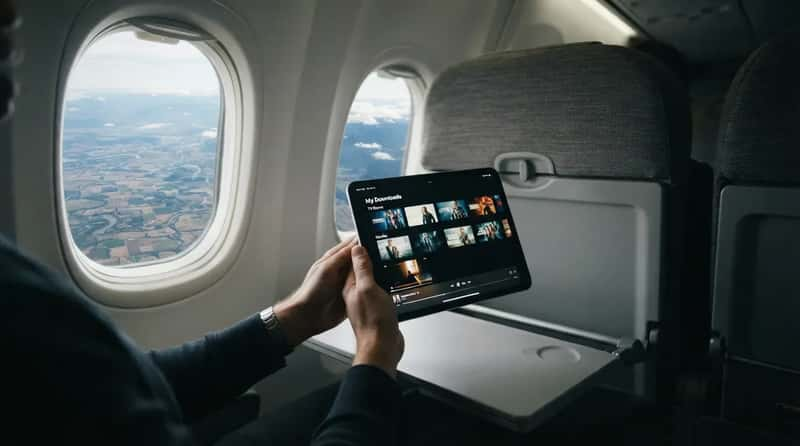
In-flight Wi-Fi is unreliable at best on many domestic carriers, and seatback screens are disappearing from newer aircraft entirely. Experienced flyers download shows, podcasts, and playlists the night before, assuming there will be zero connectivity in the air.
This one habit prevents the panic of watching a loading wheel spin somewhere over a flyover state. Many frequent flyers say the single biggest in-flight regret they see other passengers make is trusting airport Wi-Fi to download anything at the gate. Preloading takes ten minutes and removes the entire risk.
#5 – Real Noise-Canceling Headphones
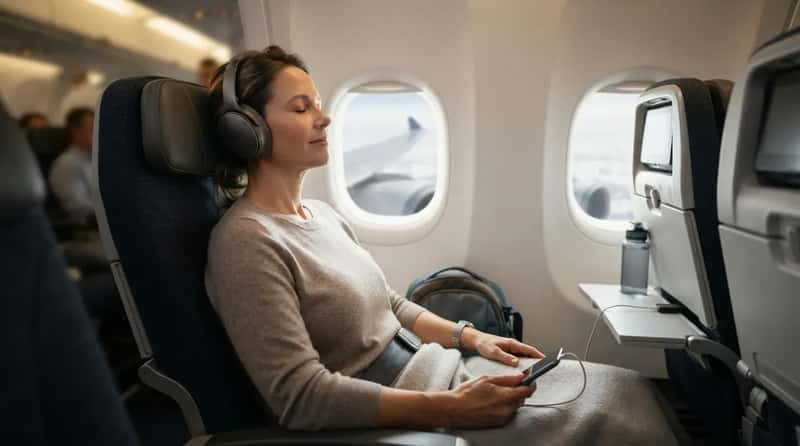
Engine drone alone runs around 85 decibels in economy cabins, loud enough to cause real listening fatigue over a multi-hour flight. Experienced flyers treat noise-canceling headphones as essential gear, not a splurge item.
The difference between cheap earbuds and a genuine noise-canceling pair is night and day on long flights. Frequent flyers frequently argue that a good pair of headphones does more for flight comfort than an upgraded seat ever could. It’s a controversial opinion, but one shared widely among people who fly for a living.
#4 – Compression Socks, Even on Short Flights
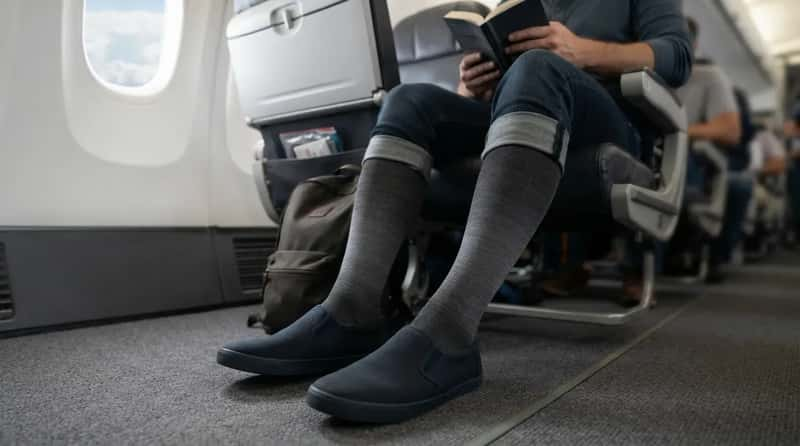
Most casual travelers assume compression socks are only for flights over eight hours. Experienced flyers wear them starting at the two-hour mark, arguing that circulation issues don’t wait for a specific mileage threshold.
This is one of the more contested habits among flyers – plenty of people call it overkill for a quick domestic hop. But frequent flyers increasingly push back, insisting that swelling and stiffness show up on short flights just as easily as long ones, especially for anyone over 40. It’s a cheap, lightweight item that takes seconds to put on.
#3 – A Full Change of Clothes, Not Just Underwear
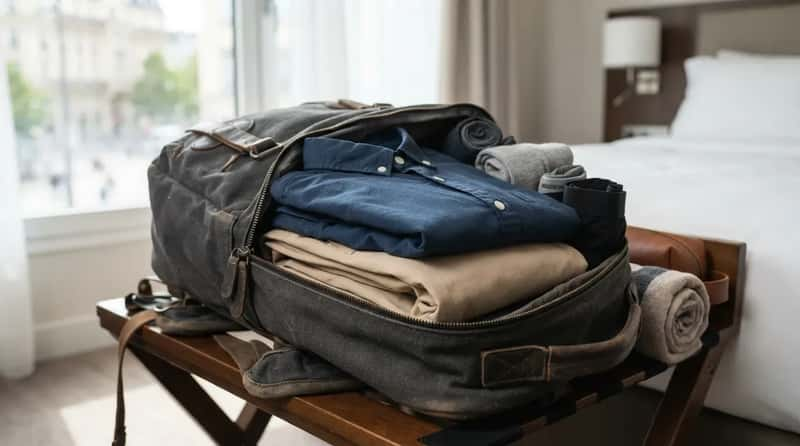
Lost luggage stories are common enough that experienced flyers stopped treating them as rare bad luck years ago. A complete outfit – shirt, underwear, socks – lives in the personal item on every trip, checked bag or not.
It’s the difference between a minor annoyance and a ruined first day at a destination. Most travelers only start doing this after living through the exact nightmare of a lost bag and a business meeting the next morning. It costs nothing but a little extra space to never have to find out the hard way.
#2 – An Empty Reusable Water Bottle
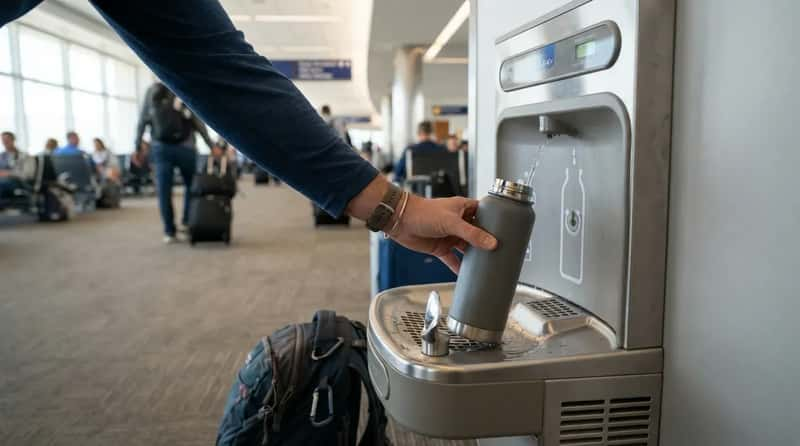
Airport bottled water routinely costs four or five dollars past security, and dehydration makes jet lag and travel fatigue noticeably worse. Experienced flyers carry an empty bottle through the checkpoint and fill it at a station on the other side.
This habit alone can save travelers real money over a year of frequent trips, not to mention plastic waste. Most casual flyers still buy bottled water at the gate without realizing free filling stations exist in nearly every major terminal now. It’s one of the simplest, most repeated habits among people who fly constantly.
#1 – A Fully Charged Portable Charger
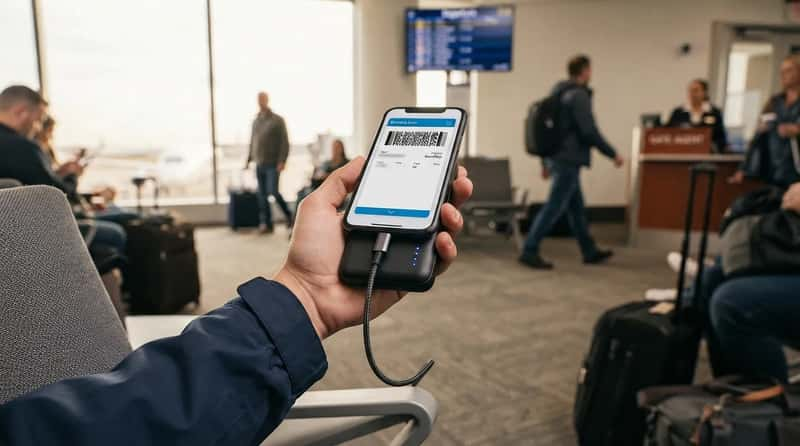
No single item causes more airport panic than a dead phone with a boarding pass on it, and no single item solves it faster than a charged power bank. Experienced flyers never board without one, and the rules around them have gotten more serious recently.
Spare lithium-ion batteries, including portable chargers, must be packed in carry-on luggage and are not permitted in checked baggage, and must not exceed 100 watt-hours per battery. That’s not just a suggestion anymore – American Airlines began limiting customers to two power banks per flight, which must stay visible while in use, after nearly two dozen lithium battery incidents on flights this year. Most travelers have no idea their power bank could legally be confiscated for the wrong wattage or for being buried out of reach in an overhead bin. Experienced flyers keep theirs charged, accessible, and within arm’s reach for exactly this reason.
Worth Knowing
- Spare lithium-ion batteries must travel in carry-on bags only, never checked
- Power banks are capped at 100 watt-hours per battery without special airline approval
- American Airlines now limits passengers to two power banks per flight
- Power banks must stay visible and accessible while in use, not tucked away in an overhead bin
None of these items are expensive, and none require a checked bag or a packing genius to pull off. What separates experienced flyers isn’t luck or a bigger budget – it’s a personal item built for the flight that actually happens, not the one they hoped for. The next time a trip goes sideways, the difference between stress and a shrug is usually sitting in that bag under the seat.
What’s in your personal item that you’d never fly without? Drop it in the comments – the best travel tips always come from the people who’ve actually lived through the disaster first.