Most travelers see a “DELAYED” sign and immediately spiral into helpless scrolling, hoping the gate agent takes pity on them. Seasoned flyers do the opposite – the moment a flight goes sideways, they start working a checklist most people have never even heard of. It’s not luck that gets them a hotel room, a lounge chair, and a same-day rebooking while everyone else is stuck arguing at the counter.
It’s a system. And once you see what these travelers actually arrange in the first ten minutes of a disruption, you’ll never just “wait it out” again.
#25 – They Work the Phone While Everyone Else Stares at the Line
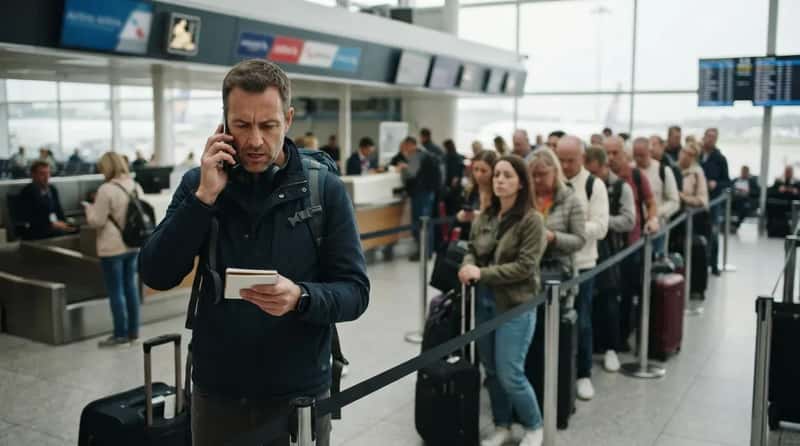
Seasoned flyers rarely stand in the customer service line and just wait. Customer service phone lines for the same airline can sometimes help faster than waiting in line at the airport desk, especially during busy times, so they try calling while standing in the physical line. It’s a small move, but it doubles their odds of getting rebooked first.
This isn’t a secret trick – it’s just something most casual travelers never think to try. While the person three spots ahead of them is still explaining their situation to an agent, the seasoned flyer already has a new boarding pass on their phone. But that’s nothing compared to what we found about #24…
#24 – They Buy a Lounge Day Pass Even Without Elite Status
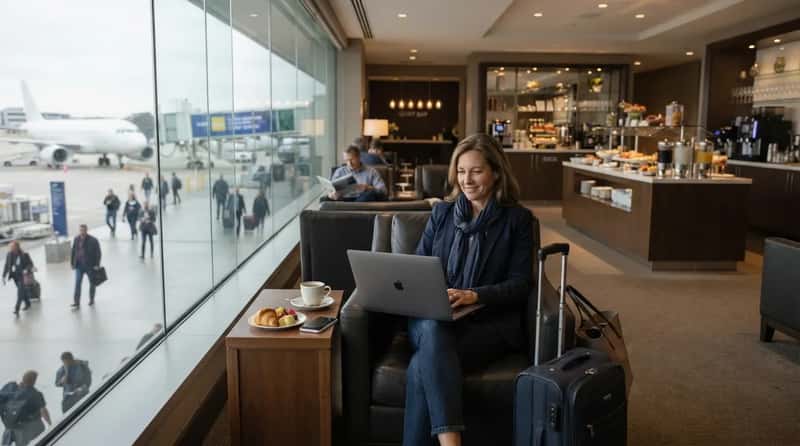
Frequent flyers know that a lounge pass isn’t just for people with fancy credit cards. Day passes typically run $30 to $50, and when the alternative is fighting for floor space near an outlet, that price stops feeling steep fast. It’s one of the most underrated moves in air travel.
Lounges generally guarantee a few crucial things for riding out a long delay: access to stable Wi-Fi, a space to set your things down, non-swarmed restrooms, and some kind of free food and drink. Most people don’t realize this option even exists to the public. A single lounge pass often pays for itself in food and drink alone during a long delay.
Fast Facts
- Single-visit lounge day passes typically run $30 to $50 at major U.S. airports.
- Most passes include free Wi-Fi, snacks, and non-alcoholic drinks.
- Many lounges also offer quiet seating, charging stations, and cleaner restrooms.
- Passes are often available same-day at the entrance – no membership required.
#23 – They Screenshot Everything Before It Disappears
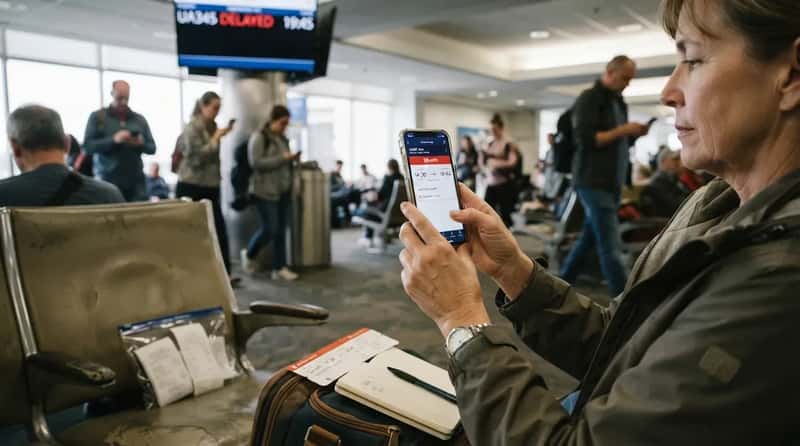
The moment a flight status changes, experienced travelers start documenting instead of reacting emotionally. The moment they learn of a delay, they get confirmation in writing – SMS, email, or a screenshot of the airline app – and note the original and updated times along with the reason given.
This habit sounds tedious, but it’s the difference between getting reimbursed and getting nothing. Keeping all receipts for food, taxis, or hotels matters because you may need them later to claim reimbursement. Most travelers only start saving proof after they’ve already lost the paperwork they needed.
#22 – They Pull Up the DOT Dashboard Before Arguing With Anyone
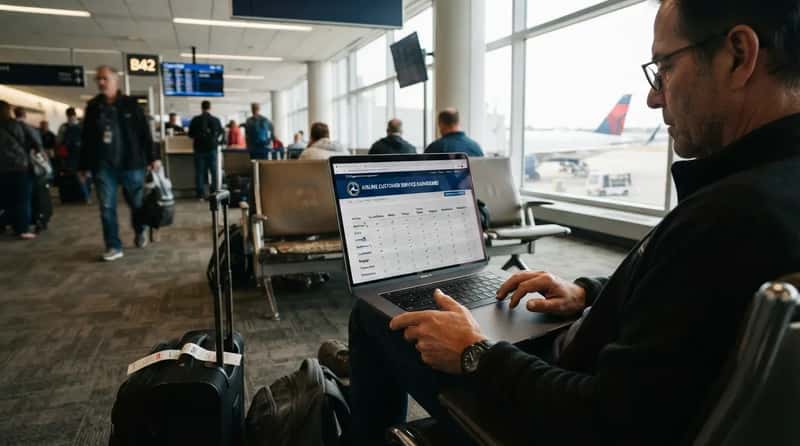
Instead of guessing what an airline “should” do, seasoned flyers check the actual rules first. Every airline’s commitments are made public in their customer service plan and summarized on the U.S. Department of Transportation’s website.
This one detail changes the entire conversation at the gate. Every airline except Frontier is committed to covering hotel accommodations, plus transportation to that hotel, for any passenger affected by a controllable overnight cancellation. Knowing which airline you’re flying can literally determine whether you sleep in a bed or a terminal chair.
#21 – They Rebook Themselves Before Even Reaching an Agent
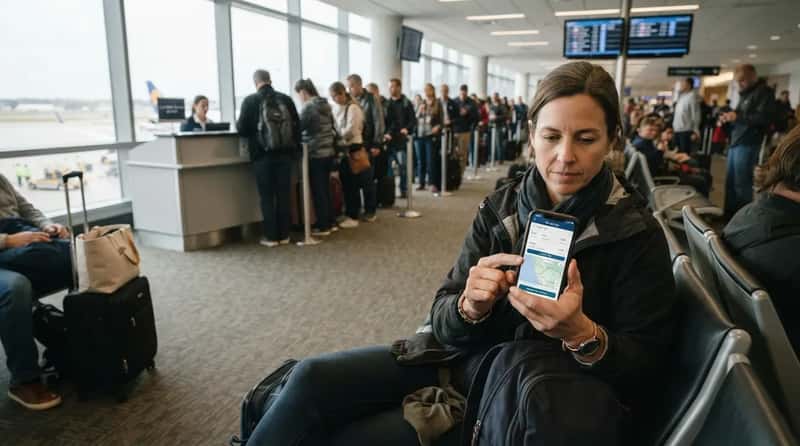
Waiting for a human to fix the problem is the slowest possible option now. In 2026, standing in a long line at the airport or waiting on hold by phone usually isn’t the best way to rebook, since most major airlines let passengers rebook themselves through a mobile app.
Seasoned flyers treat the app as their first move, not their backup plan. They may even use it to rebook onto a new time or a different nearby origin or destination city entirely. But that’s nothing compared to what we found about #20…
#20 – They Show Up With a Specific Flight Already Chosen
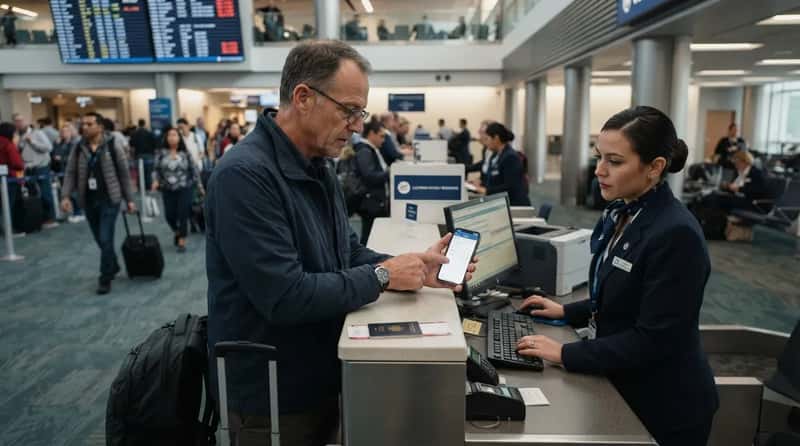
Instead of asking an agent “what do you have,” seasoned travelers walk up already knowing the answer they want. Before going to the desk, they look up another flight that could work, because suggesting a specific flight to the agent usually makes the rebooking process much faster than asking them to search for options.
This tiny shift in approach saves real time. Agents move faster when they’re confirming a request instead of building one from scratch. The traveler who does the homework first almost always gets rebooked first.
#19 – They Pack Like the Delay Is Already Happening
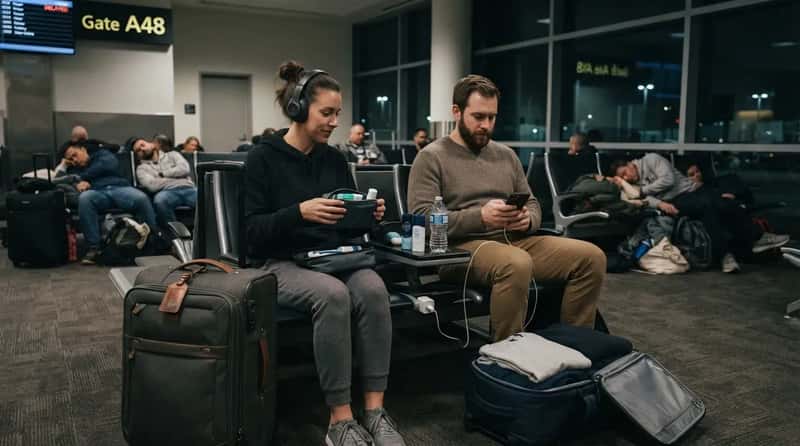
Nobody plans for a 14-hour layover, but experienced flyers pack like it’s inevitable. Experienced travelers pack a carry-on that can sustain them for at least one full night away from checked luggage – a toothbrush, a change of clothes, a universal charger, and any required medications.
It sounds excessive until you’re the one stuck without deodorant at 2 a.m. One couple stranded overnight breezed through with toiletries, chargers, and a change of clothes already in their carry-ons, while others scrambled for supplies – proof that a carry-on is a genuine safety net.
#18 – They Turn On Every Notification Before They Even Land
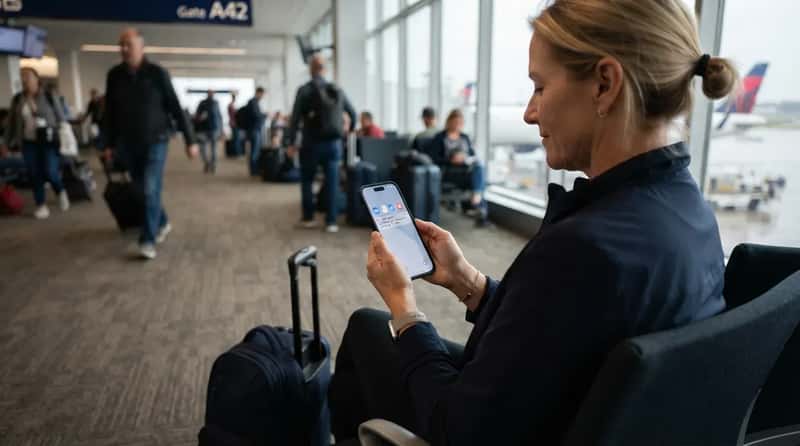
Seasoned flyers never rely on gate announcements to learn about a problem. Real-time airline alerts and flight tracking apps help travelers stay updated about delays, gate changes, and rebooking options, often before anything is shared at the gate.
This means they’re already halfway to a solution while other passengers are still confused by an intercom mumble. Being fifteen minutes ahead of an announcement can mean the difference between first pick and last pick on a rebooked flight.
#17 – They Split Up and Cover More Ground
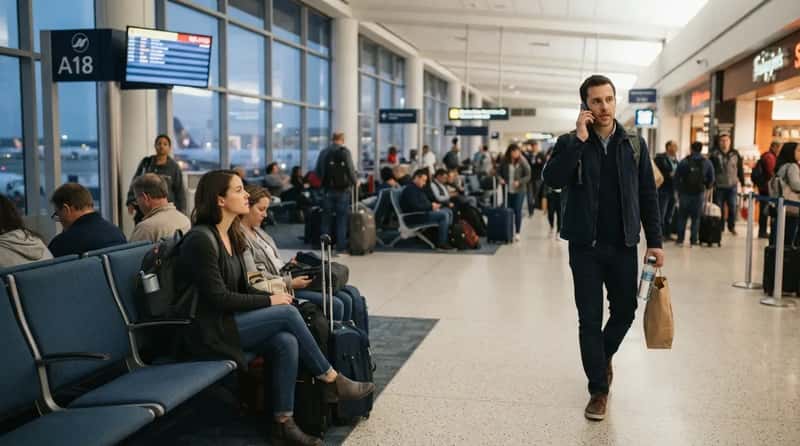
Traveling with a partner or friend turns into a strategic advantage during a long delay. If traveling with someone else, seasoned flyers take shifts at the gate and relay information back and forth; otherwise, they set up camp and try to get comfortable.
One person watches the gate monitor. The other scouts food, checks the lounge, or works the phone line. It’s a quiet form of teamwork most solo travelers never get to use – and it’s a small reason couples so often end up rebooked before everyone else around them.
#16 – They Know Exactly Where the Best Nap Spots Are
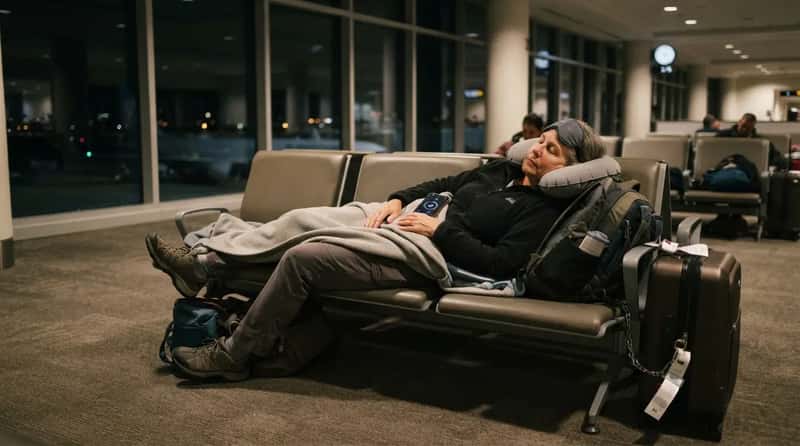
Long, unplanned waits eventually turn into a search for somewhere to actually rest. Seasoned travelers consult resources like the Sleeping in Airports guide to figure out the most comfortable spot, then spread out and try to sleep for as long as they have – with a loud alarm set so they don’t miss their flight.
This isn’t laziness. It’s damage control for the exhausting hours ahead. A terrible airport nap now can be the only thing standing between a functional next day and a wrecked one.
#15 – They Quietly Check Nearby Airports and Alternate Hubs
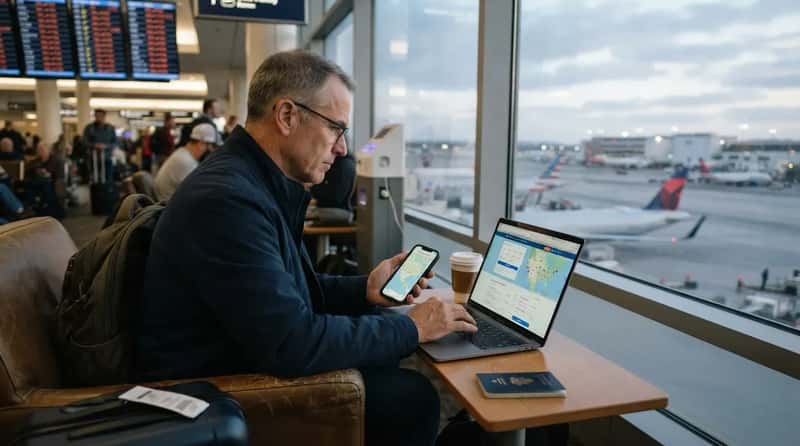
When one airport’s departures are a mess, seasoned flyers widen their search radius instead of staring at the same delayed gate. They search alternatives proactively – earlier flights, partner airlines, nearby airports, different hubs, or ground transport for the final leg.
This kind of lateral thinking is rarely mentioned by gate staff, because it’s not their job to suggest it. But that’s exactly why it works. Most stranded passengers never even consider that a different airport an hour away might solve everything.
#14 – They Keep a Backup Ticket Idea in Their Back Pocket
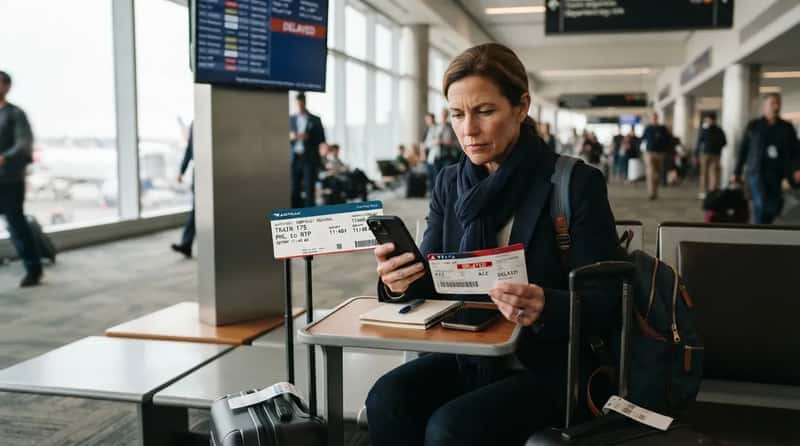
When an airline keeps pushing a delay further and further back, some experienced flyers stop waiting entirely. One option is to buy a one-way ticket on another airline and ask for reimbursement later, skip the flight altogether and take a train or bus, or fly into a nearby city and drive the rest of the way.
It’s a controversial move – not everyone agrees it’s worth the upfront cost. But for travelers with a hard deadline, like a wedding or a cruise departure, it can be the only real solution. But that’s nothing compared to what we found about #13…
Quick Compare
- Buy a new ticket: Book a one-way fare on another airline, then request reimbursement later.
- Skip flying altogether: Take a train or bus if the distance makes it realistic.
- Fly into a nearby city: Land close by and drive the final leg yourself.
#13 – They Ask for the Hotel Voucher Out Loud, Every Time
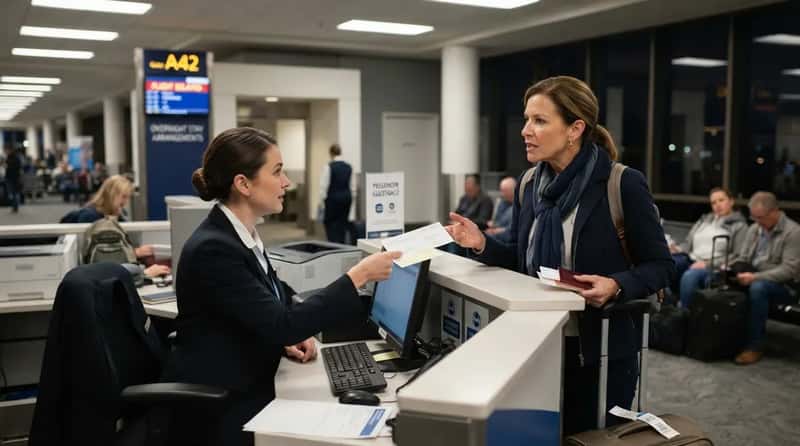
Airlines rarely offer a hotel voucher unprompted, even when they’re required to provide one. Seasoned flyers ask the gate agent or airline staff explicitly what care they’ll provide – meals, phone calls, accommodation – and when, and specifically ask whether the carrier will arrange and pay for a hotel if the delay means an overnight stay.
Most passengers assume nothing is available, so they never even ask. That single missing question is often the only reason someone ends up sleeping on the floor instead of in a bed.
#12 – They Already Know Which Airlines Skip the Hotel
Not every airline treats a stranded passenger the same way, and seasoned flyers know it before they even book. Every airline except Frontier is committed to covering hotel accommodations for a controllable overnight cancellation, and Alaska, Hawaiian, JetBlue, and Southwest also provide a credit or travel voucher when a cancellation results in a wait of three hours or more.
This information completely changes how much stress a delay causes. Flying a carrier with weaker guarantees means preparing for a rougher night – and knowing that in advance is half the battle.
#11 – They Write Down Every Agent’s Name
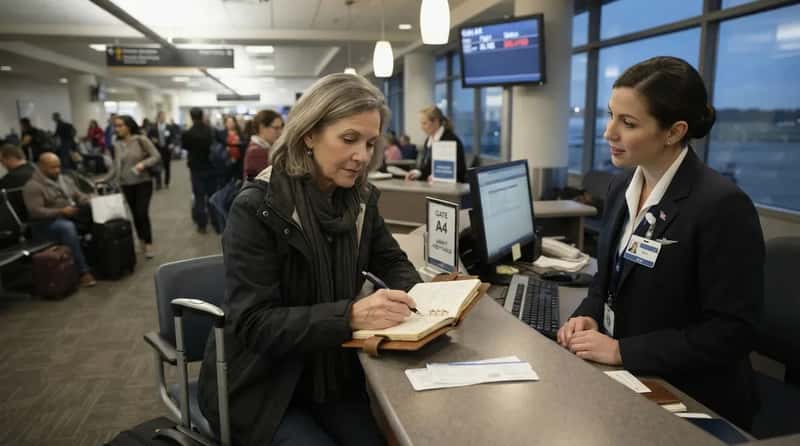
When a gate agent makes a verbal promise, seasoned flyers don’t just trust it and walk away. They ask explicitly what care will be provided and write down the person’s name.
This tiny habit protects them if the promise gets forgotten a shift later. It sounds almost paranoid – until it’s the only reason a hotel voucher actually gets honored. A name and a timestamp can be worth more than any argument later.
#10 – They Steer Clear of the “Free” Airport Bar Trap
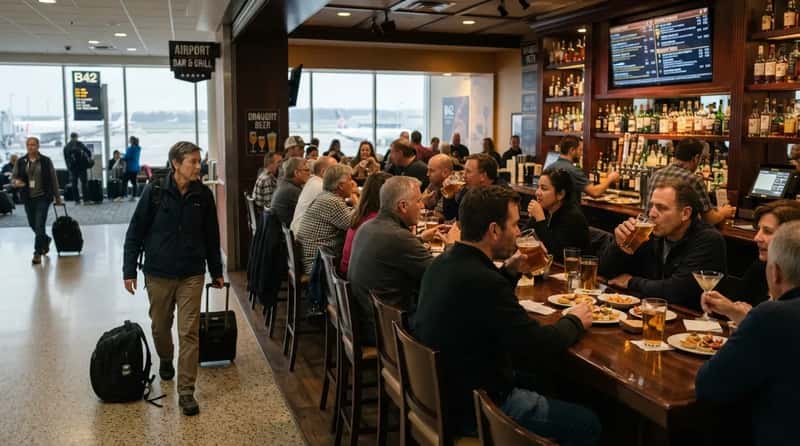
During a long delay, the easiest bad decision is drowning frustration in overpriced drinks. If that panic gets answered with one drink after another, what started as a long day can turn into a genuinely disastrous one.
Seasoned flyers know this instinctively, because they’ve watched it go wrong before. They consider the potential length of a layover before diving into the crap pile of appetizers and booze, since nobody wants to be dealing with those consequences while still stuck in an airport. This is one of the more controversial slides here – plenty of people will disagree, and that’s fine.
#9 – They Snack Strategically Instead of Panicking About Food
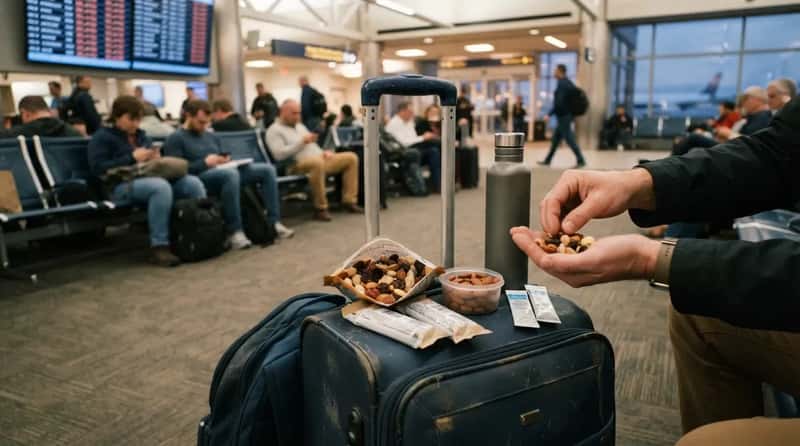
Airport food during a delay is both expensive and a minefield for energy crashes. Airport food is expensive and often unhealthy, so packing personal snacks saves money and helps maintain stable energy levels during stressful delays.
Seasoned flyers treat snacks almost like equipment, not an afterthought. It keeps blood sugar steady during hours of standing in lines and negotiating with staff. A stressed, hungry traveler makes worse decisions – and the airlines know it.
Worth Knowing
- Protein bars and trail mix travel well and don’t need refrigeration.
- An empty reusable water bottle can be refilled free past security.
- Electrolyte packets help offset dehydration from recycled airport air.
- Simple snacks prevent the blood-sugar crash that fuels bad decisions at the counter.
#8 – They Find the Real Agent, Not the Nearest Uniform
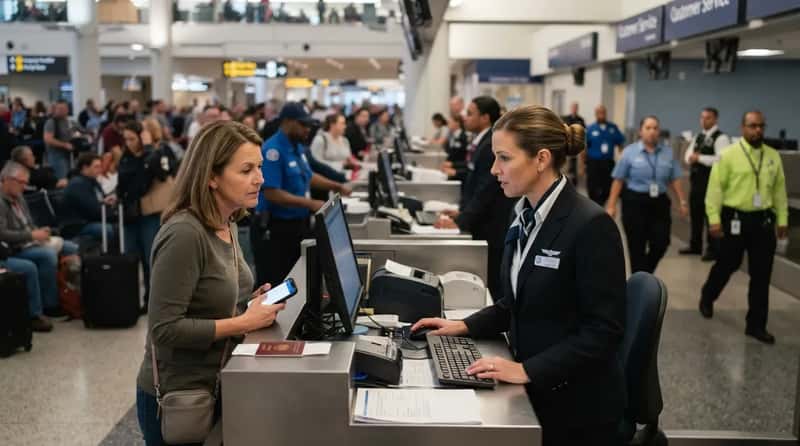
Not every airport employee can actually rebook a flight, and seasoned flyers know exactly who to approach. If they can’t find what they need on the app, they find an airline employee who can work the ticketing desk, checking uniforms and name tags to ensure they get a ticket agent rather than a baggage handler or outsourced contractor less likely to help.
This small detail saves an enormous amount of wasted time. Approaching the wrong person during a chaotic delay just adds another dead end to an already frustrating day.
#7 – They Never Let Their Phone Battery Hit Zero
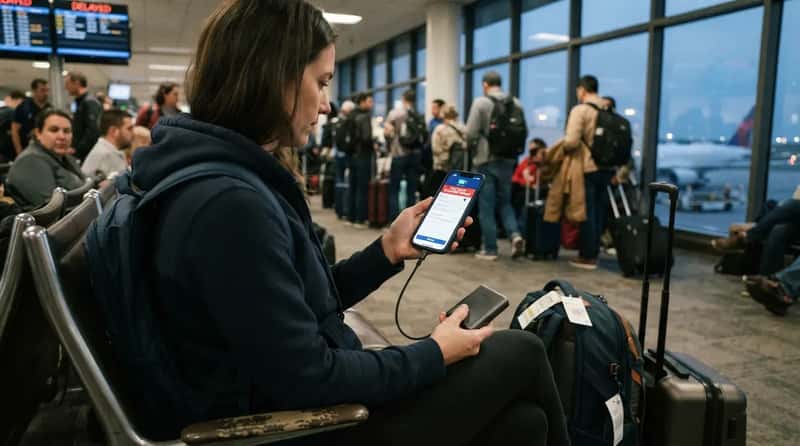
During a long wait, a phone stops being entertainment and becomes a survival tool. During delays, a phone becomes command central for flight information, rebooking options, and keeping loved ones updated, and a dead battery cuts travelers off from those critical functions right when they need them most.
Seasoned flyers treat a portable charger as non-negotiable carry-on gear. Losing phone access during a rebooking scramble can cost someone their spot on the next available flight entirely.
#6 – They Never Let Valuables Ride in the Checked Bag
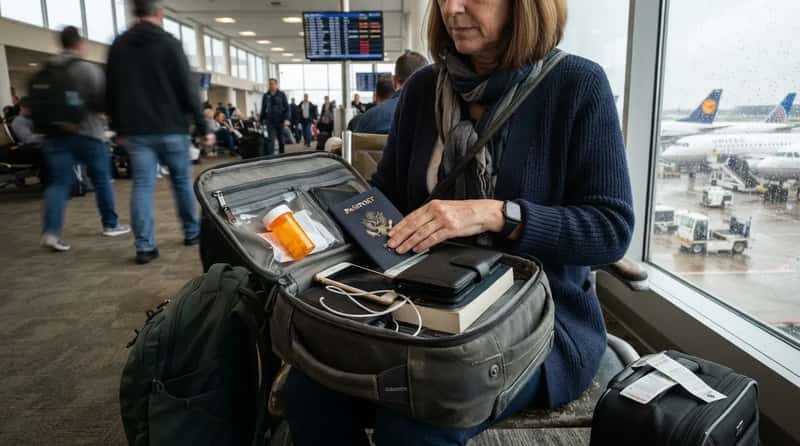
Checked luggage becomes a liability the moment a trip gets disrupted. They always keep medications, valuables, and important documents with them in their cabin bag so they can access them if plans change unexpectedly.
This habit protects against the worst-case scenario: a canceled flight paired with a bag that’s already been checked through to a destination hours away. It’s a small rule with an outsized payoff during genuine chaos.
#5 – They Check for Lounge Access Even Without Elite Perks
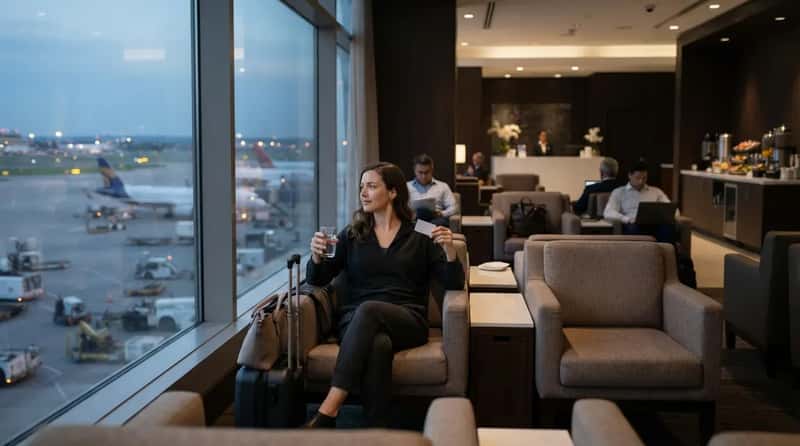
Seasoned flyers know that lounge access isn’t limited to first class or top-tier loyalty members. Many lounges sell single-visit passes at the counter, and during a genuinely long delay, that becomes one of the smartest few dollars a traveler can spend all day.
A few exhausted hours spent in a lounge feel completely different than the same hours spent wading through crowds for outlets or a glass of water. Most casual travelers never even ask if this option is available to them.
#4 – They Bring Something Small to Occupy Nervous Hands
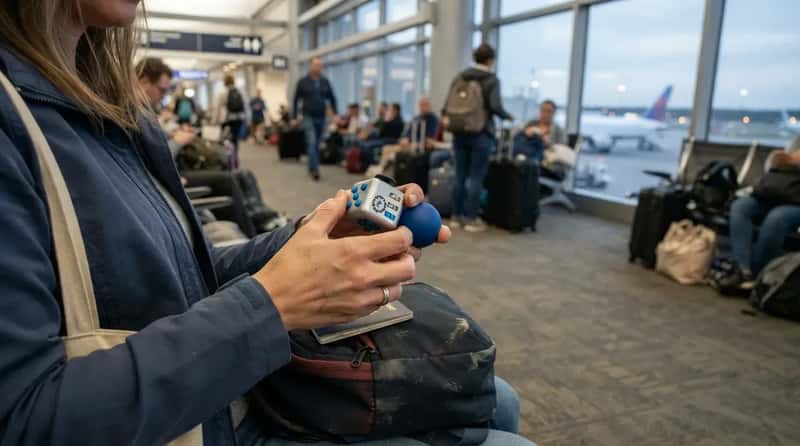
Long unplanned waits create a strange kind of restless energy, and seasoned flyers plan for it. Small fidget toys, stress balls, or other tactile items can work wonders for nervous energy during delays, giving hands something to do while reducing overall anxiety levels.
It sounds minor, but frustration builds fastest when there’s nothing to physically release it. A tiny object in a pocket can be the difference between staying calm and snapping at an innocent gate agent.
#3 – They Refuse to Settle for the First Voucher Offered
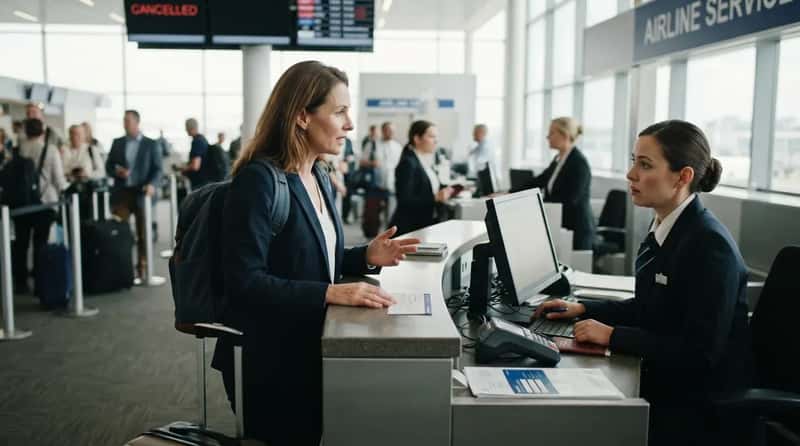
When a flight gets canceled, airlines often push a travel credit before mentioning any other option. If a passenger decides not to fly due to significant delays or cancellations, they should get their money or points back, since airlines will generally try to push a flight credit voucher, even though a cash refund is available to those who want it.
Seasoned flyers ask for the refund on principle, every single time. This one habit alone can be worth hundreds of dollars over the course of a single bad travel year.
#2 – They Ask One Very Specific Question That Speeds Everything Up
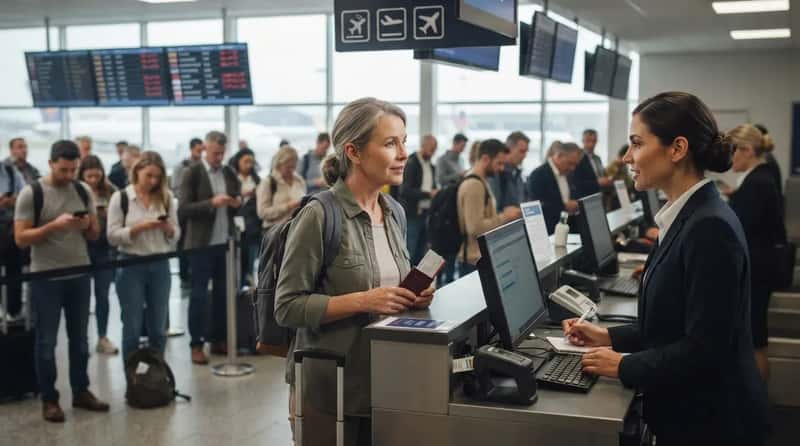
Getting good treatment during chaos often comes down to how a request is phrased, not just what’s asked for. During big disruptions, gate agents help many frustrated travelers, and approaching them calmly with a specific ask makes a better outcome more likely, since attitude can genuinely influence the help or compensation received.
Seasoned flyers have learned this the hard way, usually after watching a calm, specific request beat an angry, vague one. Staff remember the traveler who was clear and kind – and that memory sometimes turns into an upgrade nobody asked for.
#1 – They Quietly Turn the Disaster Into an Extra Day of Trip

The most experienced flyers eventually stop fighting the delay entirely and start reshaping the trip around it. Instead of white-knuckling through a canceled connection, some deliberately choose a longer reroute that happens to pass through a city they’ve always wanted to see for a few hours.
It’s a strange kind of silver lining, but it’s real: a disrupted itinerary occasionally becomes the most memorable part of the whole trip. This is the mindset shift that separates a miserable travel day from a story people actually enjoy retelling later.
None of this requires elite status, a fancy credit card, or years of frequent-flyer miles. It just requires knowing what to ask for, who to ask, and when to stop waiting and start arranging. The travelers who glide through disruptions aren’t lucky – they’re simply working a system most people never bother to learn.
Which of these have you actually tried during a real delay – and which one are you stealing for next time? Drop it in the comments.