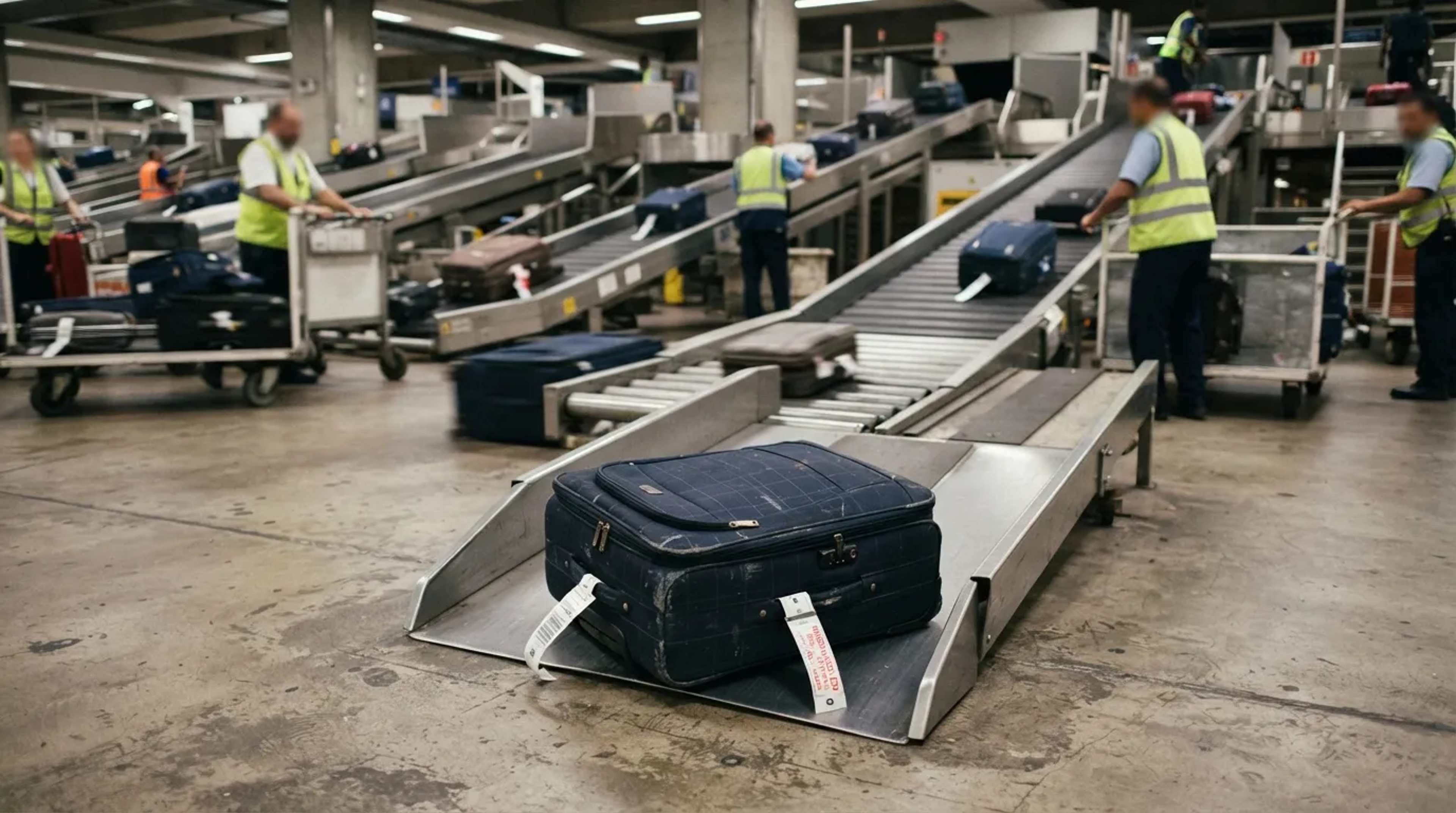
Most travelers think a missed connection is bad luck. It’s not. It’s math, and the math has been quietly getting worse for years while airlines keep selling the same “45-minute layover” like it’s still 2015. The gap between what an itinerary promises and what an airport can actually deliver has never been wider.
Once you see how the system is actually built, you’ll never book a tight connection the same way again. Here’s what the data, the airlines, and the frequent flyers who’ve been burned actually say.
#25 – The “Minimum Connection Time” You’re Sold Is a Legal Floor, Not a Safety Promise

Every layover you book has a number attached to it, and almost nobody realizes that number is a bureaucratic minimum, not a realistic estimate. Minimum Connection Time, or MCT, is the shortest window allowed for passengers and luggage to switch planes at an airport. It’s a rule written for a perfect day, not the day you’re actually flying.
Airlines aren’t gambling with these tight windows – they’re engineering them, squeezing every legal minute out of a schedule to fit in one more rotation. That’s the uncomfortable part: the airline isn’t taking the risk. You are, the moment you buy the ticket.
#24 – Nearly 1 in 4 U.S. Flights Now Arrive Late or Get Canceled Entirely
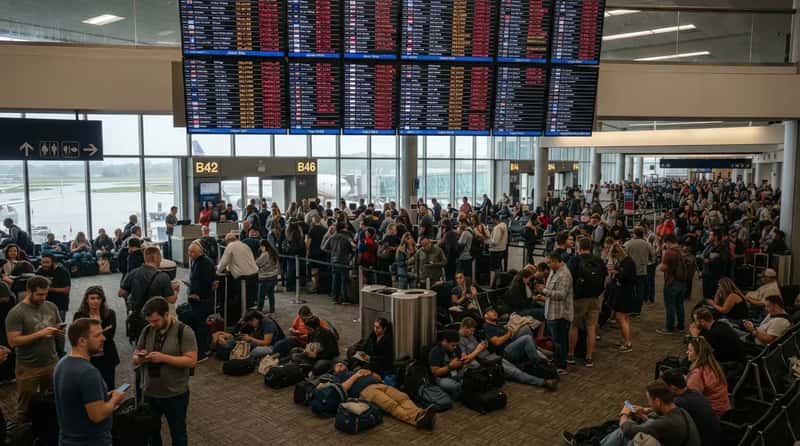
If a quarter of everything on the board is unreliable, a “tight” connection was never actually tight. It was a coin flip dressed up as a schedule. Nearly 1 in 4 flights across the U.S. ran late or were canceled between July 2024 and June 2025, with disruption rates as high as 27.3 percent in some states.
That’s not a bad week. That’s a full year of national data. When one in four flights is already compromised before it lands, stacking a second flight on top of it turns a minor delay into a missed trip, a canceled meeting, or a night on an airport floor.
#23 – Only About 78% of Flights Arrive On Time Nationally
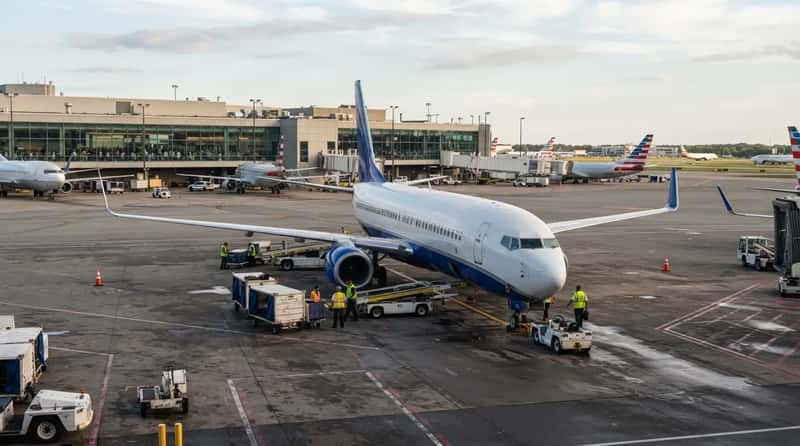
Airlines love to advertise on-time performance like it’s a badge of honor. The real number tells a different story. In 2024, reporting carriers posted an on-time arrival rate of 78.10 percent, down slightly from the year before – meaning roughly one in five U.S. flights arrives late.
Passengers booked on minimum-time connections are starting from behind before they even board. A 30-minute layover isn’t a buffer anymore. It’s a bet against a system that fails one out of every five times, and the odds only get worse during peak travel windows.
Fast Facts
- 2024 national on-time arrival rate: 78.10%
- Worst month for on-time flights: July, at 68.4%
- Best month for on-time flights: October, at 86%
- Nearly 1 in 4 flights ran late or were canceled between July 2024 and June 2025
#22 – Booking a Tight Layover in July Is a Coin Flip You’re Not Winning
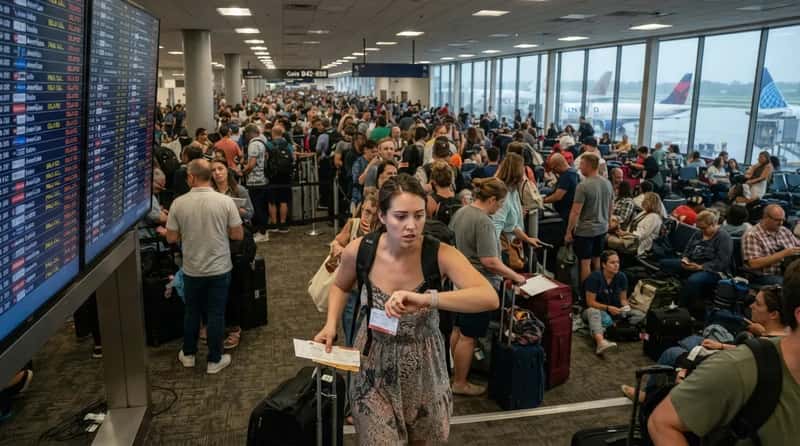
Summer travel feels romantic until you check the actual on-time numbers. July is the worst month at 68.4% on-time performance – roughly 1 in 3 flights arrives late, so a summer connection with minimal buffer is fighting statistics that are already stacked against it.
Storms, spring-break-style crowding, and staffing strain all peak at the same time. Weather isn’t the only villain here – scheduling density plays just as big a role. Summer routes get packed tighter, security lines stretch longer, and the margin for error nearly disappears.
#21 – October Is Quietly the Safest Month to Risk a Short Connection
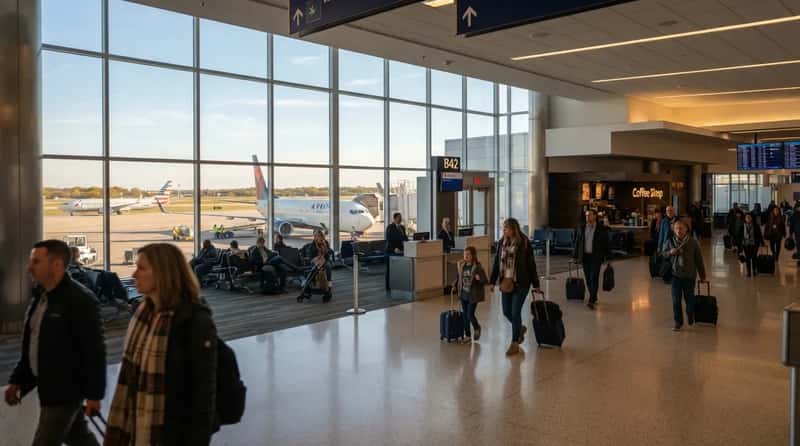
Almost nobody times their travel around aviation statistics, but maybe they should. The safest U.S. month to book a tight connection is October, when BTS data shows an 86% on-time arrival rate nationally.
That’s an 18-point swing between the best and worst months of the year, buried in federal transportation reports most flyers never read. If you have flexibility on when you fly, that single calendar choice protects a tight layover better than almost any app or upgrade ever could.
#20 – A Single Late-Arriving Plane Can Trigger a Domino Effect Across an Entire Terminal
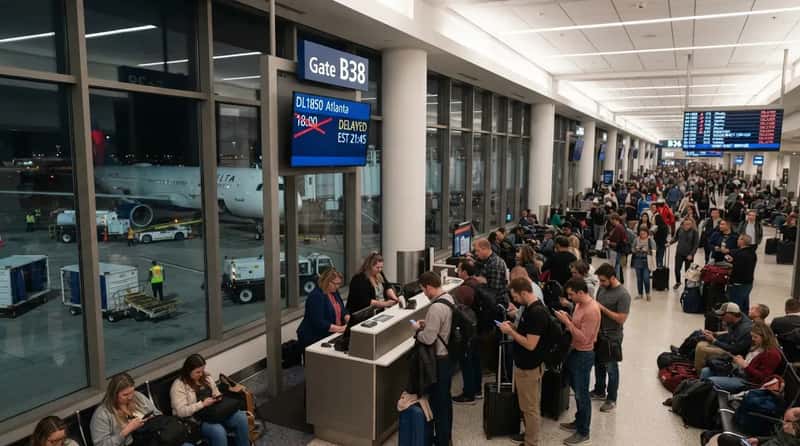
One delayed jet rarely stays contained to one gate. Late-arriving aircraft were the No. 1 cause of delays at major hubs like Boston Logan, with congestion across the broader National Aviation System a close second.
The plane you’re waiting to board probably flew in from somewhere else first, and if that inbound leg was late, your entire evening inherits the delay. The aircraft has a history before it ever reaches your gate, and that history can quietly sabotage a perfectly booked connection.
#19 – Airport Layout Decides Your Odds Before You Even Land
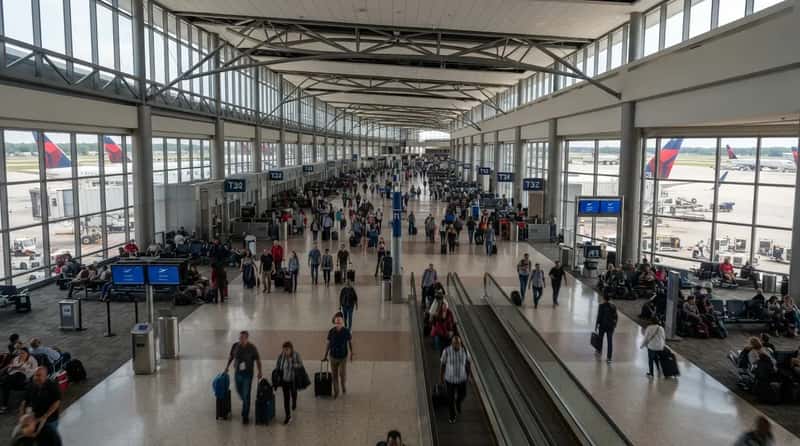
Not all hub airports are built the same, and the difference matters more than people realize. The best hubs for a connection are large, single terminals where every gate sits behind one security checkpoint, so you never have to leave and re-enter screening.
Two airports can sell the same 45-minute layover on paper and be worlds apart in reality, depending entirely on how the terminals were laid out decades ago.
At a Glance
- Single-terminal, one-security U.S. hubs: Atlanta, Denver, Miami, Portland, Salt Lake City
- Single-terminal hubs abroad: Toronto, Vancouver, Amsterdam, Frankfurt, Zurich
- Split-terminal hubs that force re-screening: O’Hare, Dallas-Fort Worth, LAX, JFK, Newark, Heathrow, Paris CDG
#18 – O’Hare’s Gate-to-Gate Walk Can Eat Nearly an Hour by Itself
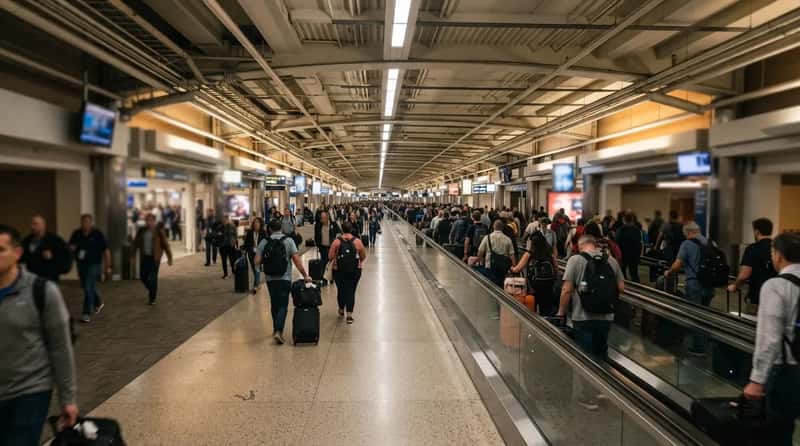
Chicago’s O’Hare has a reputation among frequent flyers for a reason, and it’s not just weather. The longest walk between any two gates at Chicago O’Hare International Airport takes 49 minutes – the second-longest of any airport evaluated, beaten only by LAX.
Sit with that number for a second: nearly an hour, before you factor in a jammed concourse or a stroller pileup at the moving walkway. A “tight” connection at O’Hare isn’t tight. It’s a structural impossibility wearing a schedule as a disguise.
#17 – Dallas-Fort Worth Can Force a 2-Mile Hike Between Gates
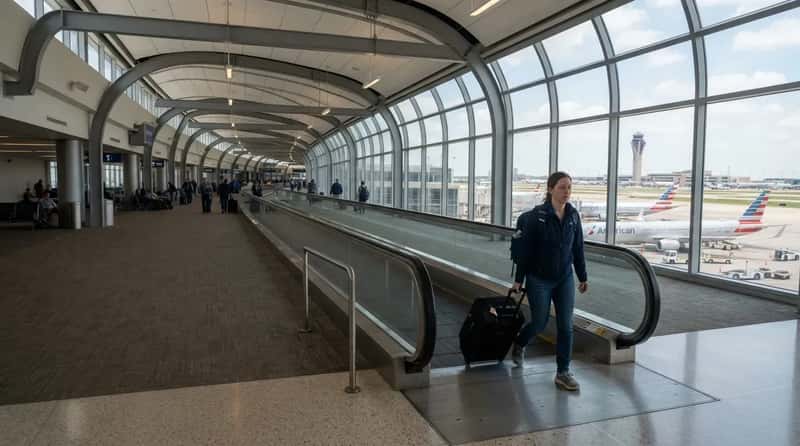
DFW is one of the busiest airports in the country, and it’s also one of the most physically punishing for connecting passengers. Dallas/Fort Worth International Airport has the longest gate-to-gate walking distance in the U.S. at 2.16 miles.
That’s not a hallway sprint – that’s a genuine cross-campus hike, often with a shuttle train involved. Travelers glance at the layover time and assume it’s plenty; almost nobody checks the actual terminal map first, and that’s exactly where tight connections quietly fall apart.
#16 – Dulles Sells 50-Minute Connections That Require a Tarmac Bus Ride
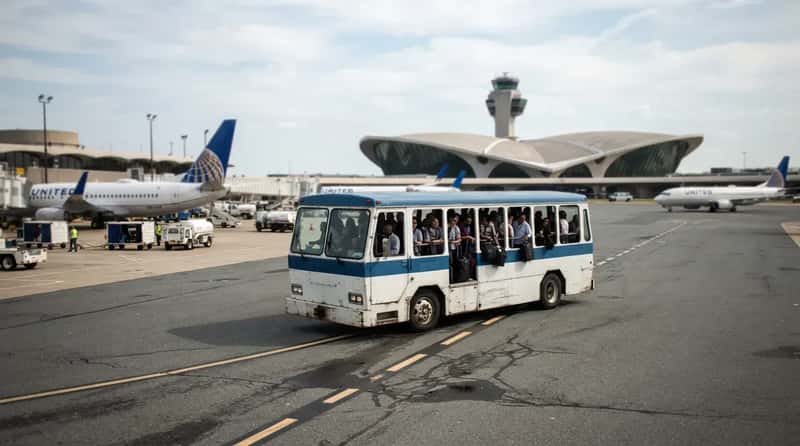
Some connection times look reasonable on a booking screen and turn absurd the moment you’re standing at the gate. United Airlines sells 50-minute connections at Washington Dulles, even though passengers may have to switch terminals and ride an old-school People Mover across the tarmac.
A bus ride across an active runway apron is not what most people picture when they see “50 minutes” on an itinerary. The airline’s scheduling technically follows the rules while completely ignoring the physical reality of the building it’s operating in.
#15 – TSA Lines Turn Into a Lottery That Wrecks Tight Timelines
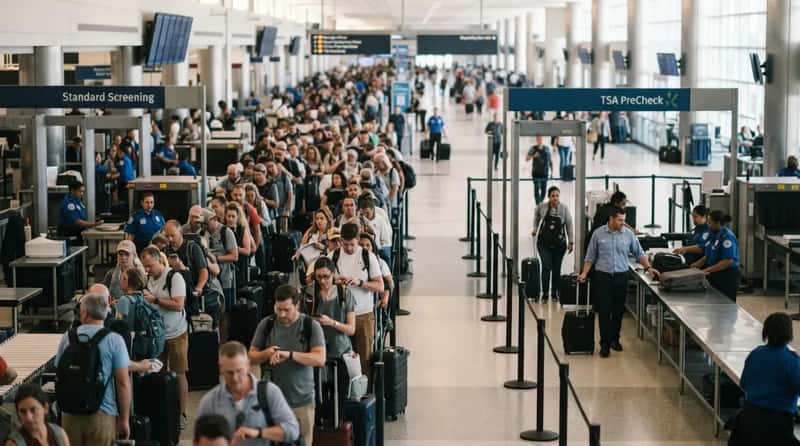
Security screening is the wildcard nobody accounts for when they book a short layover. TSA PreCheck averages under 5 minutes versus 15 to 30 minutes in standard lanes – a real difference when time is tight.
That’s a potential 25-minute swing based purely on which line you happen to stand in, with zero relationship to your flight schedule. Travelers without PreCheck are essentially gambling a full third of their connection window on a queue they can’t predict or control.
#14 – American Airlines’ Rock-Bottom Connection Times Draw the Harshest Criticism
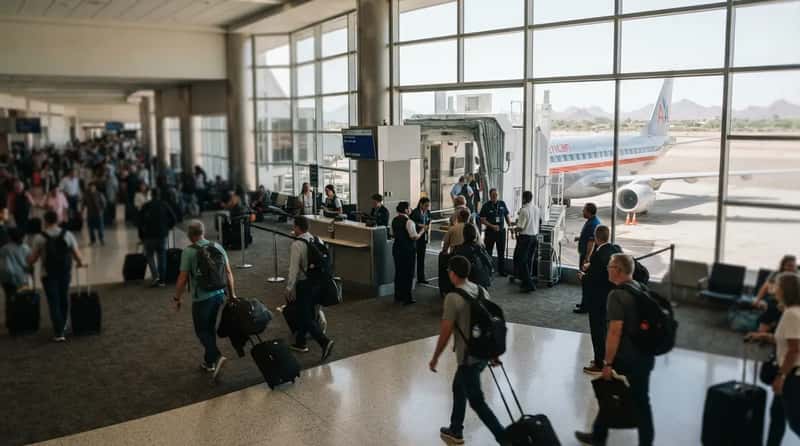
Ask frequent flyers which carrier scares them most on a tight layover, and one name comes up constantly. American Airlines is widely considered the worst offender in this area, with low reliability of on-time performance.
Part of it is how aggressive its scheduling gets at certain hubs. One frequent flyer publicly called out AA’s “absurd 25 minute MCT in Phoenix” as proof of just how thin the buffer can get. Twenty-five minutes to deplane, navigate a hub, and board again isn’t a layover – it’s a dare.
#13 – United’s “Connection Saver” Can Hold Your Flight – But Only If You See the Text
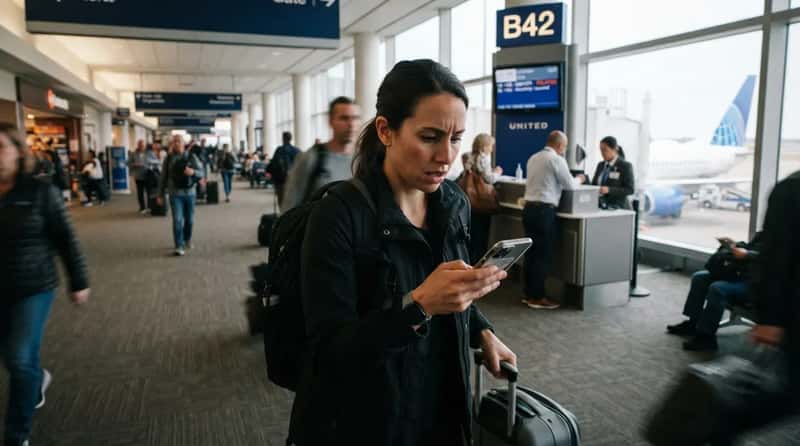
Airlines do have tools that quietly rescue tight connections, but they rely on you paying attention to your phone. United may hold a connecting flight’s departure if it knows your previous flight is delayed – but the only way they’ll tell you is a text message.
Miss that text and you might make your flight without ever knowing it was being held for you. It’s an oddly quiet safety net: it works, but only for passengers who happen to glance at their phone at exactly the right moment.
#12 – American’s New “Connect Assist” AI Only Buys You About 10 Extra Minutes
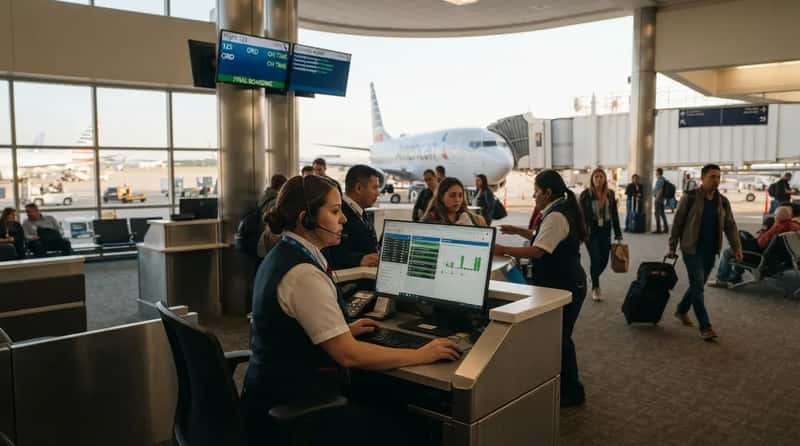
Airlines are finally admitting tight connections are a systemic problem, and they’re throwing technology at it. American Airlines launched Connect Assist in May 2025, an AI tool active at seven hubs that automatically holds connecting flights and buys an average of 10 minutes.
Ten minutes sounds small until you remember how many connections fail by less than that. It’s a real fix, but it’s also a quiet confession: the airline knows its own schedules are too tight to survive without an algorithm babysitting them in real time.
Worth Knowing
- Launched May 2025 across seven hubs: DFW, CLT, ORD, PHX, MIA, PHL, and LAX
- Automatically holds connecting flights when a delay is detected
- Buys an average of 10 extra minutes per rescued connection
- Runs quietly in the background – no app tap or request needed from passengers
#11 – Two Separate Tickets Mean Zero Legal Protection If You Miss the Second Flight
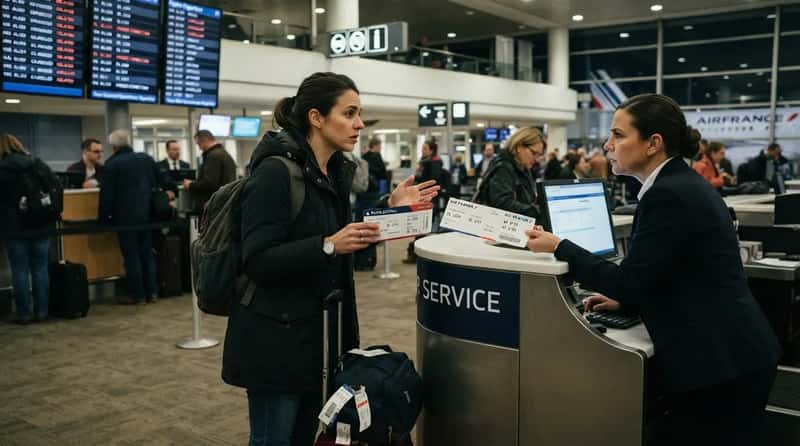
Booking two cheap one-way tickets instead of one connecting itinerary feels like a savvy move, right up until something goes wrong. Most delay and missed-connection coverage only applies to trips booked on a single itinerary – two separate tickets on different airlines may leave you with no coverage at all.
On a single ticket, if you miss a connection through no fault of your own, the airline must rebook you at no extra cost – a protection that simply doesn’t exist once you’ve split your trip into two separate bookings. The savings on paper can turn into a stranded night in an unfamiliar city.
#10 – Peak-Hour Hubs Can See Missed-Connection Rates Spike Sharply
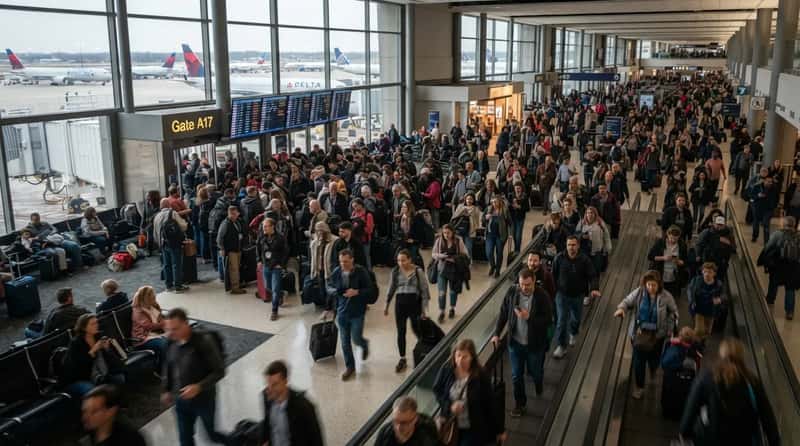
Time of day matters almost as much as time of year, and this is the part schedules never disclose. Certain global hubs see missed-connection rates up to 20% higher during peak hours, according to a 2024 U.S. DOT report.
A midday connection through a congested hub can carry meaningfully worse odds than the same layover length at 7 a.m. Up to 10 percent of passengers miss their connections during peak travel times – reason enough to rethink booking a midafternoon transfer through a major bottleneck airport.
#9 – Air Traffic Controller Shortages Turned “Tight” Into “Impossible” in Late 2025

Even a perfectly designed itinerary can’t survive a system that’s short-staffed. On October 27 and 28, delays came close to 7,000 across the country in a single day, with the FAA citing controller absences and staffing shortages at major hubs.
44% of that Sunday’s delays stemmed from controller absences, versus a normal rate of just 5%.
U.S. Department of Transportation official
Controllers and TSA officers were working without pay at the time. That’s not a rare fluke – it’s a preview of how fragile the whole connection system becomes the moment staffing cracks appear anywhere in the country.
#8 – Weather Belts Guarantee Certain Hubs Will Wreck Your Layover on Schedule
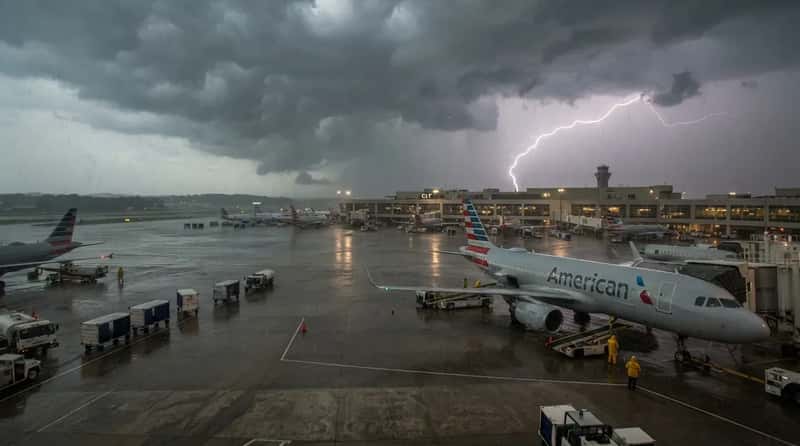
Some airports don’t just risk bad weather occasionally – they sit directly in its path every single year. Thunderstorm delays are common in summer at Charlotte because it sits in the southeastern storm belt.
The same logic applies elsewhere: connection experts generally advise avoiding O’Hare in winter and DFW in summer, since weather-prone hubs during their worst seasons carry the highest connection risk. Booking a tight layover through the wrong hub at the wrong time of year isn’t bad luck – it’s predictable.
#7 – Passenger Complaints About Delays Just Hit a Record High
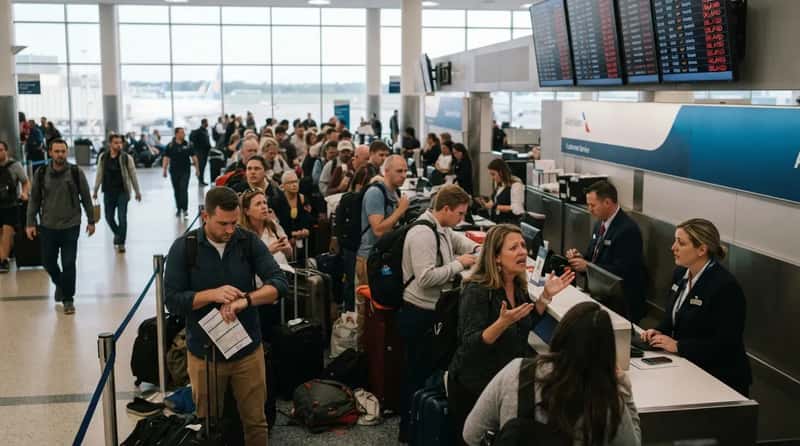
If it feels like tight connections are failing more often than they used to, the complaint data backs that up. Passenger complaints to the ten largest U.S. airlines about delays rose nearly 9% from 2023 to 2024, with 66,675 complaints filed – a record-breaking number.
What makes that sting more is the comparison: passenger volume only grew 4% in that same window, meaning complaints grew more than twice as fast as the number of people flying. That’s not a fluke – it’s a sign the infrastructure underneath all this may have started to crack.
#6 – Late-Arriving Aircraft Is Still the No. 1 Delay Cause Nationwide
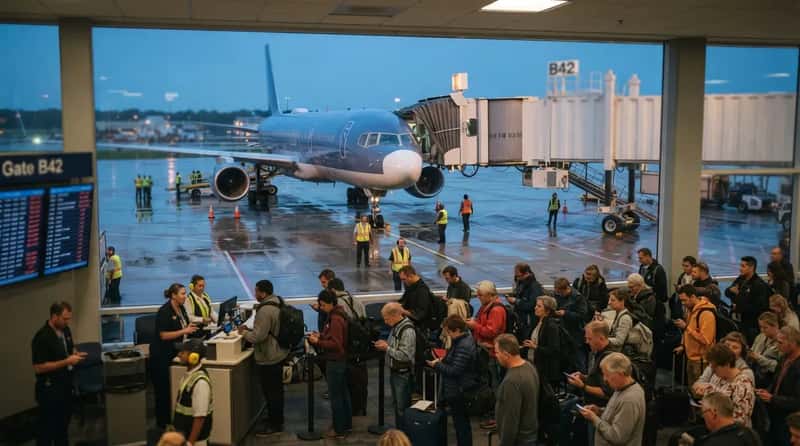
It’s easy to blame weather or security, but the single biggest driver of delays is simpler than that. Planes are late because the plane before them was late, and that ripple effect compounds across an entire day of flying.
Airlines schedule aircraft in tight rotations to maximize efficiency, which means one early-morning delay at one airport can echo through a dozen connections by evening. The plane sitting at your gate right now has probably already caused three other people to miss their flight somewhere else today.
#5 – A Handful of Hubs Are Quietly the Safest Bet for Connections
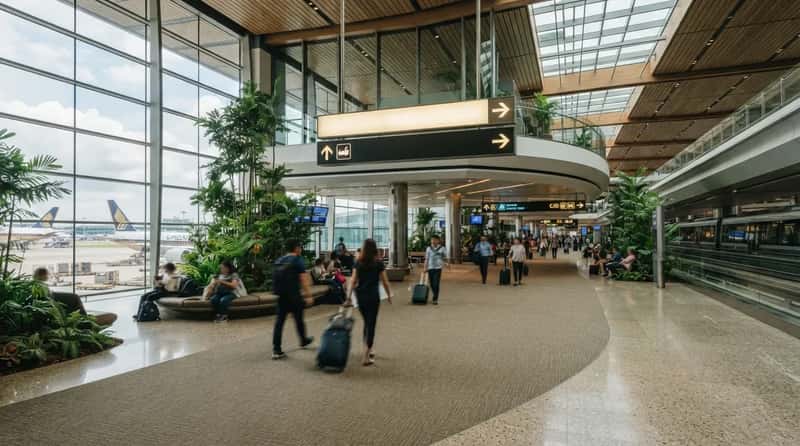
If you actually have a choice of route, the data points to a short, specific list. Singapore Changi and Amsterdam Schiphol rank among the most reliable big hubs for tight connections thanks to strong airside terminal connectivity, and among U.S. hubs, Atlanta and Dallas-Fort Worth win for the same reason.
That’s a genuinely controversial pairing for road warriors, since DFW also shows up on the “longest walk” list. The takeaway isn’t that DFW is small – it’s that its terminal design keeps you airside the entire way, which matters more than raw distance when a gate change hits.
Quick Compare
- Safest bets: Singapore Changi, Amsterdam Schiphol, Atlanta, Dallas-Fort Worth – strong airside connectivity
- Riskiest bets: O’Hare, JFK, LAX, Heathrow, Paris CDG – separate terminals and re-screening
#4 – Four Airports Structurally Cost You 20 to 40 Minutes You Can Never Get Back
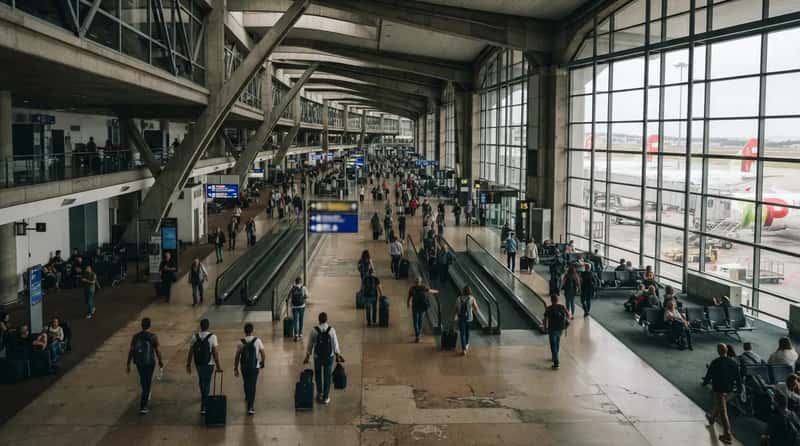
Some connection failures have nothing to do with your effort and everything to do with concrete and steel. JFK, O’Hare, Heathrow, a terminal change at Paris CDG, and a Terminal 2 connection at Lisbon each cost a structural 20 to 40 minutes you cannot make up with strategy, lounge access, or elite status.
Those minutes are baked into buildings designed decades ago, long before anyone imagined today’s passenger volumes. No app, no priority boarding, and no amount of speed-walking changes the physical distance between two terminals that were never meant to be connected quickly.
#3 – Travel Insurance Almost Never Covers a “Merely” Missed Connection
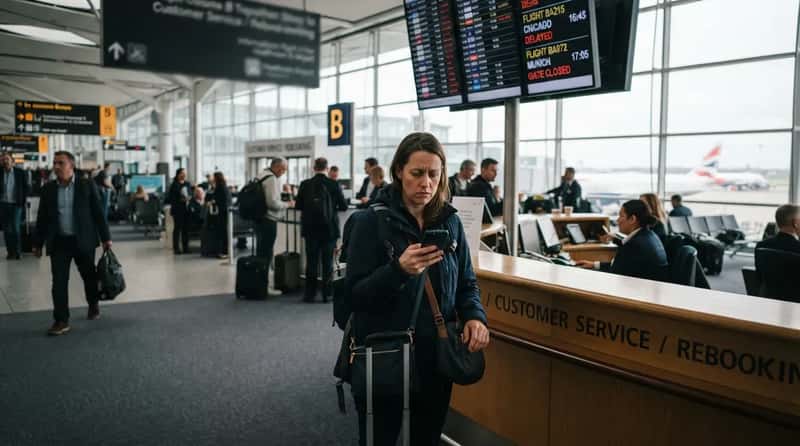
People assume their credit card or travel insurance has their back the moment a connection slips away. The fine print says otherwise. Reimbursement typically requires a delay of six hours or more, or an overnight stay – a threshold far longer than the 20 or 30 minutes that actually causes most missed connections.
That means the most common failure point – a short, frustrating miss that costs you a few hours and a rebooking hassle – usually falls into a coverage gap entirely. The insurance exists, but it’s built for catastrophic delays, not the everyday near-misses that actually plague tight layovers.
#2 – Record Passenger Volume Is Colliding With a System That Hasn’t Caught Up
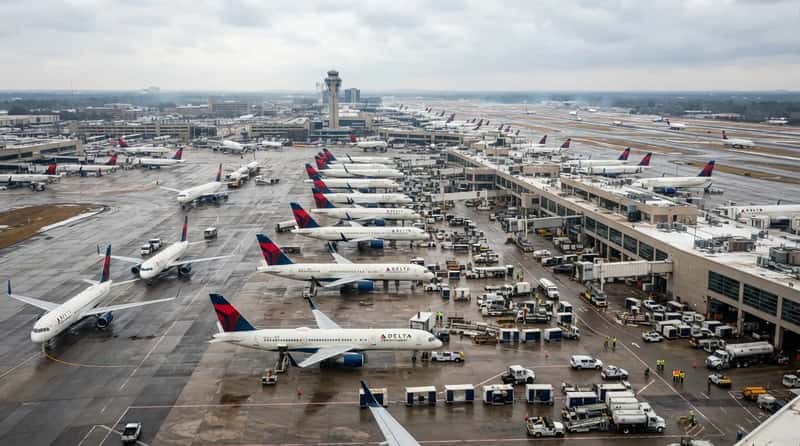
More people are flying than ever, and the infrastructure underneath them hasn’t grown at the same pace. Layer in record passenger volumes in 2025 with a winter likely to bring more disruptive storms, and passengers can expect persistent gridlock throughout the season.
At Atlanta, the main cause of flight delays simply relates to volume, since it’s Delta’s largest hub and bottlenecks often happen because air traffic control can’t keep up. Even the best-designed hub in the country can be overwhelmed the moment volume outpaces the system built to manage it.
#1 – One Bad Day Overseas Can Wipe Out 127,000 Connections Back Home
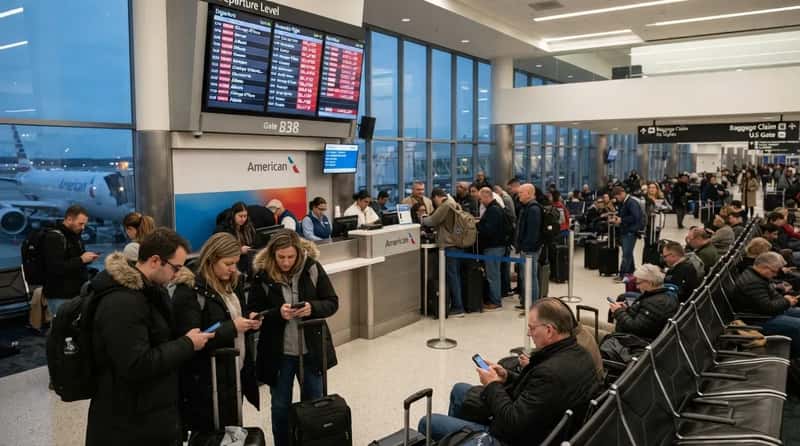
This is the number that should change how everyone books a connecting itinerary. U.S. DOT data shows international flight delays caused 127,000 missed domestic connections in just the first quarter of 2025 alone.
Even more striking, roughly 70% of those missed connections at major carriers traced back to European arrival delays – meaning a storm in Frankfurt or a strike in Paris can quietly strand thousands of Americans trying to catch a domestic flight thousands of miles away. Your tight connection isn’t just at the mercy of your own airport. It’s at the mercy of an airport you may never even see.
Put all 25 of these realities side by side and one pattern stands out: tight connections don’t fail because travelers are careless. They fail because airports were built decades ago, airlines schedule for efficiency instead of margin, and staffing gaps keep exposing how thin that margin really is. The good news is that almost every failure point on this list is predictable once you know where to look – the airport, the month, the carrier, and the ticket type all tip the odds before you ever board.
Which one of these surprised you the most? Have you ever been burned by a “tight but technically legal” connection? Drop your story in the comments – the worst ones are always worth reading.